
Commercial Food Heat Lamps: Heavy-Duty Options for Professionals
Not all food heat lamps are created equal. The difference between a lamp rated for light-duty use in a small café and one built for heavy-duty professional food service is substantial — and consequential. A lamp that works adequately for occasional use may fail prematurely under the demands of a busy hotel banquet operation, a high-volume catering company, or a restaurant with back-to-back services. Understanding what distinguishes heavy-duty professional heat lamps from lighter-duty alternatives helps purchasing decisions that serve operations well over years rather than months.
What Makes a Heat Lamp Heavy-Duty?
Construction Quality
The most visible difference between consumer-grade and professional heat lamps is construction quality. A light-duty lamp typically uses stamped steel components, thin-gauge metal parts, and basic hardware. A heavy-duty professional lamp uses thicker-gauge stainless steel or aluminum, precision-machined components, and commercial-grade fasteners and bearings throughout.
This construction difference manifests in several ways during actual use. A light-duty lamp arm may begin to droop within months of daily use as the adjustment mechanism wears. A heavy-duty arm, engineered for thousands of adjustment cycles under load, maintains its position reliably for years. A light-duty base may tip over when the arm is extended, creating both safety hazards and food quality issues. A heavy-duty weighted base remains stable regardless of arm position.
The lamp housing itself reflects this construction philosophy. Heavy-duty housings are designed for commercial dishtwashing and sanitizing, with sealed electrical components and corrosion-resistant finishes that survive daily exposure to moisture, grease, and cleaning chemicals. Light-duty housings are designed for occasional cleaning with a damp cloth.
Thermal Management
Professional heat lamps generate significant sustained heat output over extended periods. Heavy-duty units incorporate thermal management systems designed for this operational profile:
Heat-resistant materials. Components in heavy-duty lamps are selected for sustained high-temperature operation. Wiring insulation rated for continuous high-temperature exposure, high-temperature-rated switches and connectors, and heat-resistant hardware throughout.
Thermal dissipation design. Heavy-duty housings are engineered to dissipate heat efficiently, preventing hotspots that can accelerate component failure. Ventilation patterns, material thickness, and heat sinks are all designed with sustained operation in mind.
Thermal cutout protection. Quality professional heat lamps include thermal cutout switches that automatically shut off the lamp if internal temperatures exceed safe operating limits. This protects both the lamp and the surrounding environment from fire risk.
Electrical Safety and Certification
Professional food service equipment must meet stringent electrical safety standards. Heavy-duty heat lamps carry appropriate certification marks — ETL, UL, CE, or equivalent — indicating independent testing laboratory verification of electrical safety. These certifications are not optional decorations on the specification sheet; they represent real safety margins designed into the equipment.
Key electrical safety features in professional heat lamps include:
Ground fault protection. GFCI-protected cords and outlets for wet or humid environments where electrical safety is paramount.
Proper cord gauge. Heavy-duty cords with appropriate gauge for the lamp's wattage, preventing overheating of the power supply cord during extended operation.
Waterproof or water-resistant switches. Sealed toggle or rocker switches that prevent moisture ingress, particularly important in steamy kitchen environments.
Evaluating Wattage Requirements for Professional Use
Sizing for Volume
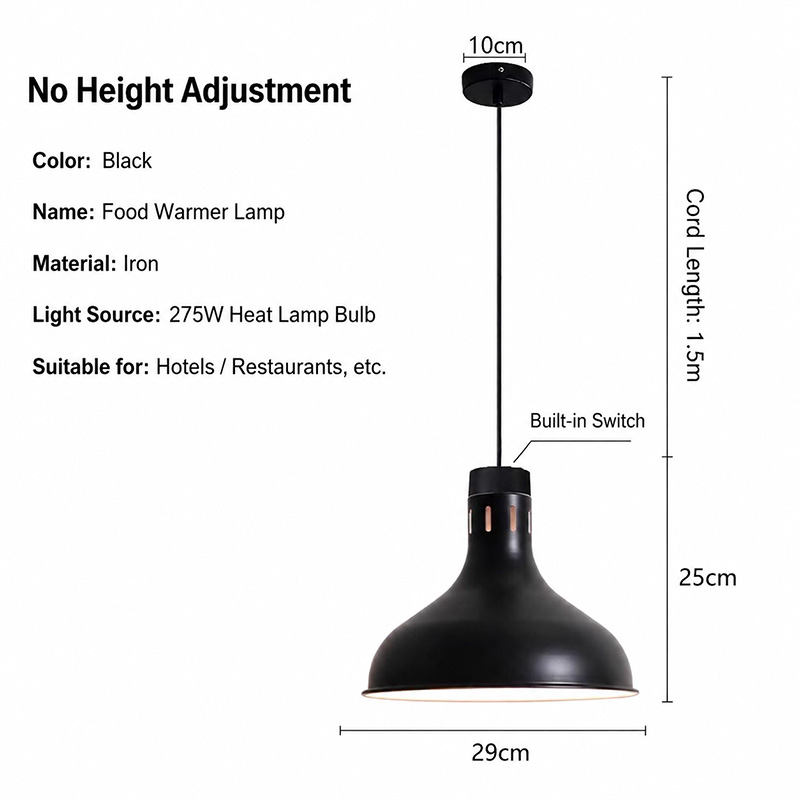
One of the most common mistakes in heat lamp selection is under-sizing wattage for the actual food volume. Light-duty lamps with 175 to 250-watt bulbs may be adequate for warming a single sheet pan of food. Professional operations warming multiple hotel pans, large chafing dishes, or extensive buffet displays require proportionally more heat output.
As a rough guideline, professional heavy-duty applications typically require:
250-375 watts per standard food pan position for enclosed steam table or chafing dish applications where the lamp supplements enclosed heat.
375-500 watts per open warming zone for open buffet applications where the lamp provides the primary heat source without enclosure.
Additional capacity for cold environments: Outdoor events, air-conditioned banquet rooms, and environments with significant air movement may require higher wattages or multiple lamps to maintain consistent food temperatures.
The Case for Over-Specification
Experienced professional operators often deliberately over-specify heat lamp wattage. A lamp that can produce more heat than you need provides flexibility for unexpected conditions — a colder-than-normal day, an unusually large food volume, a draft from a frequently opening door. You can always raise a high-output lamp to reduce intensity at the food surface; you cannot increase the output of an undersized lamp without replacing it.
The energy cost difference between a 375-watt and 500-watt lamp in daily use is modest — approximately twelve to fifteen dollars per month at typical commercial electricity rates. The food safety protection and quality preservation that additional capacity provides is worth considerably more.
Mounting Configurations for Professional Environments
Freestanding Floor-Mount Stations
The most common professional configuration, freestanding floor-mount heat lamp stations offer maximum flexibility for mobile positioning. Professional models feature heavy weighted bases — often thirty pounds or more — that provide rock-solid stability even with the arm fully extended and the lamp positioned at maximum reach.
Key features of professional freestanding stations include:
Extension range. Arms that extend from approximately three feet to five feet or more, providing flexible positioning across large serving areas.
Multiple lamp heads. Dual and triple-head models that allow a single base to cover multiple food items simultaneously, reducing floor clutter in large buffet setups.
Caster wheels. Heavy-duty locking casters that allow repositioning between services while maintaining stability during operation.
Dual-height columns. Adjustable height columns that raise the entire arm assembly for taller food displays or lower it for standard table-height service.
Ceiling-Mount Systems
High-volume banquet operations and permanent buffet installations often use ceiling-mounted heat lamp systems. These eliminate floor-based equipment from the service area entirely, maximizing space and reducing trip hazards in busy environments.
Professional ceiling-mount systems require proper installation by qualified contractors, including:
Structural assessment. Verifying that ceiling joists or support structures can bear the weight of the mounting hardware and lamp assembly.
Height adjustment mechanism. Manual or motorized systems for adjusting lamp height from below, since ceiling-mounted units cannot be reached by hand for positioning adjustments.
Electrical supply. Dedicated electrical circuits with appropriate switches and controls, often integrated with the building's electrical system rather than using plug-in cords.
Wall-Mount and Rail Systems
Some professional environments use wall-mounted heat lamps or rail-mounted systems where lamps attach to a track system allowing horizontal repositioning. These are particularly effective in kitchen pass-through stations and carving areas where the heat source needs to remain in a fixed position but the mounting location can be optimized.
Maintenance Requirements for Heavy-Duty Equipment
Daily Inspection Protocol
Professional operations should implement daily heat lamp inspection as part of food safety documentation:
Visual inspection. Check lamp housing, arm, and base for visible damage, loose hardware, or signs of wear. A loose mounting bolt that seems minor can become a serious safety issue if it allows the lamp to fall.
Functional check. Verify the lamp reaches full operating temperature within the expected warm-up period. Significant increases in warm-up time may indicate bulb degradation or electrical issues.
Position verification. Confirm the arm holds its position securely after any adjustments. An arm that drifts or droops during service creates unpredictable food temperature conditions.
Scheduled Maintenance
Weekly reflector cleaning. Remove dust and grease from reflectors using a soft cloth and appropriate cleaner. Clean reflectors can improve heat efficiency by thirty percent or more.
Monthly hardware inspection. Check all bolts, screws, and adjustment mechanisms. Tighten any loose hardware and identify any components showing signs of wear that may need replacement.
Quarterly electrical inspection. Inspect cords, plugs, and switches for damage or wear. In professional environments with heavy lamp use, electrical components may degrade faster than expected.
Annual bulb replacement. Regardless of visible condition, replace heat lamp bulbs on an annual schedule as part of preventive maintenance. This eliminates the risk of unexpected bulb failure and ensures consistent heat output.
Total Cost of Ownership Analysis
When evaluating heat lamp purchases, professional operators should consider total cost of ownership rather than just initial purchase price. A heavy-duty lamp with a higher initial cost may be less expensive over its lifetime than a light-duty lamp that must be replaced every twelve to eighteen months.
Consider a professional freestanding heat lamp station at $400 versus a light-duty equivalent at $150. If the heavy-duty unit lasts eight years with routine bulb replacement and basic maintenance, its annual cost is $50 plus consumables. The light-duty unit, replaced every eighteen months, costs approximately $100 per year in purchase price alone — before accounting for more frequent bulb failures and potential food safety incidents from inconsistent warming.
The math becomes even more compelling when you factor in food safety risk. A single health department violation can cost thousands of dollars in fines, legal fees, and reputational damage. Equipment that reliably maintains food at safe temperatures reduces this risk significantly.
Choosing the Right Configuration for Your Operation
Different professional environments call for different heat lamp configurations:
Hotel banquet operations: Ceiling-mount or long-reach freestanding stations with multiple lamp heads for large chafing dish arrays. Capacity and stability matter more than portability.
Catering companies: Freestanding stations with caster wheels and easy breakdown for transport between venues. Durability and quick setup outweigh permanent mounting features.
Fine dining restaurants: Aesthetic-finish models (rose gold, chrome, or black) that complement the design language while providing reliable carving station and pass-through warming. Appearance and precision positioning matter.
Casual dining and buffet chains: High-volume configurations with easy maintenance, multiple heads, and reliable standardized performance across many units. Consistency and serviceability outweigh premium finishes.
Recommended Products

Electric Food Warmer W20 Professional
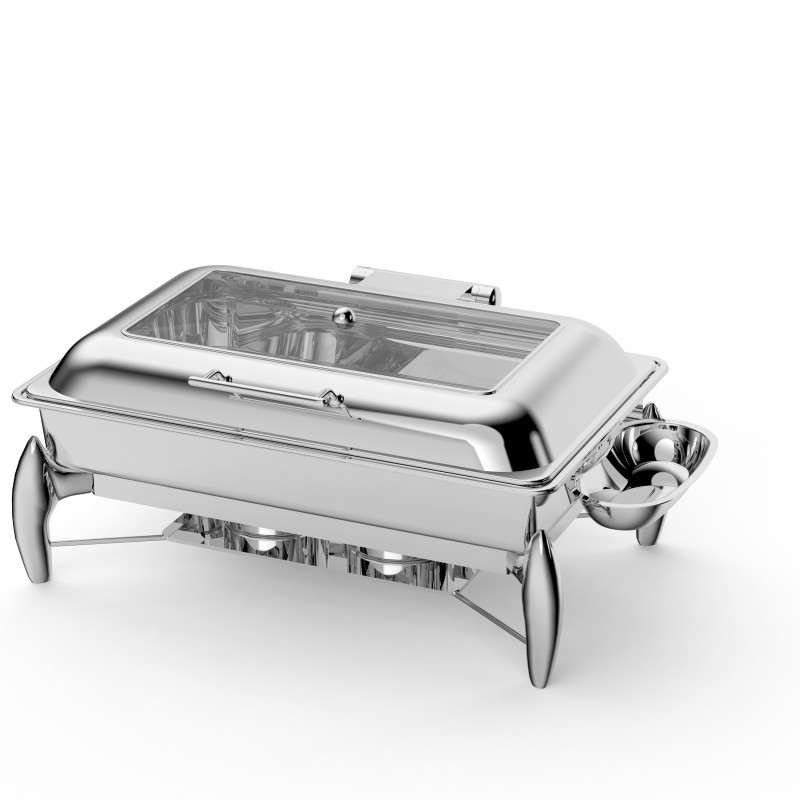
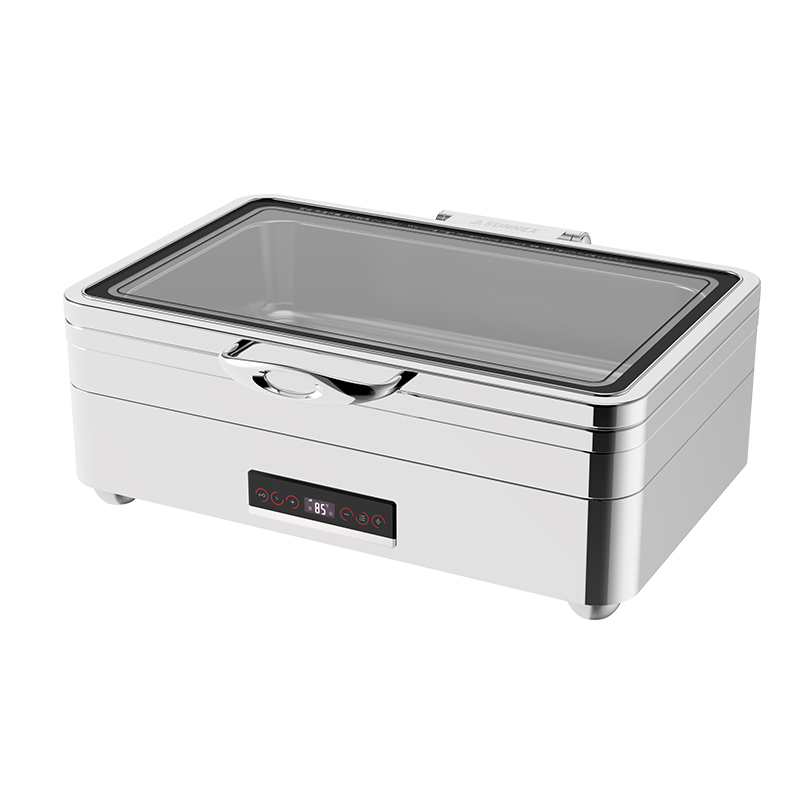
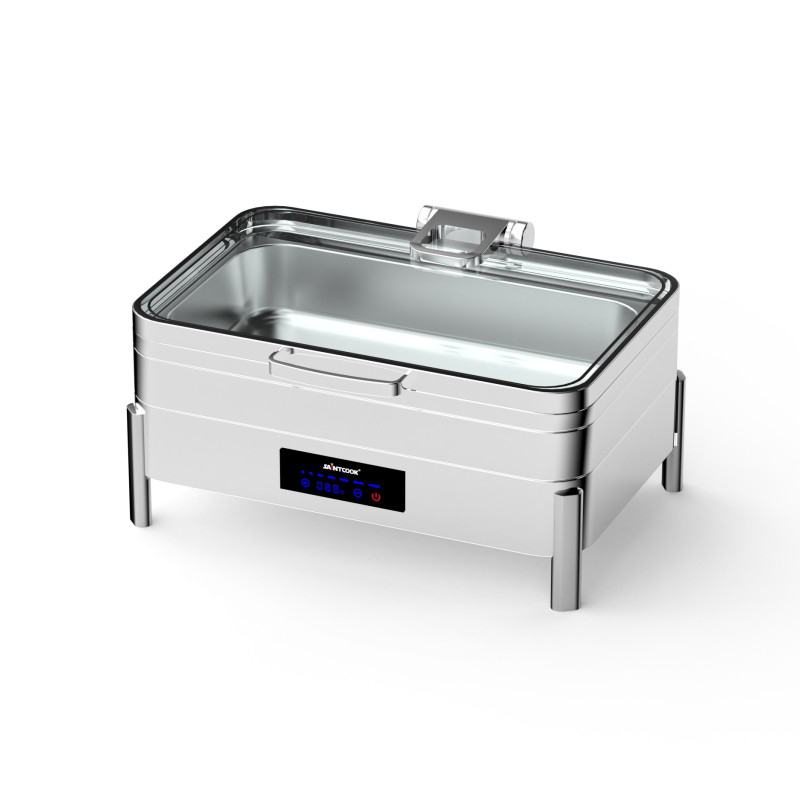
A commercial-grade electric food warmer built for the sustained demands of professional catering and hotel banquet operations. The W20 features a robust heating element capable of maintaining food temperatures across extended service periods, with a large-capacity well that accommodates multiple standard food pans simultaneously. The stainless steel construction handles daily commercial use, transport, and cleaning without the cosmetic and functional degradation that consumer-grade warmers experience. Unlike lamp-based warming, the W20's enclosed heating system maintains consistent temperatures even in cooler ambient conditions, making it essential for outdoor events and air-conditioned banquet rooms where radiant heat lamps struggle to maintain food at safe temperatures.

Fuel Heat Warmer HC380Z for Catering
A professional-grade fuel-based chafing dish warmer designed for environments where electrical power is unavailable or impractical. The HC380Z uses standard gel or liquid fuel to generate sustained bottom heat that maintains food temperatures in chafing dishes and food warmers. This portable solution is essential for outdoor catering events, remote locations, and tent service where electrical supply cannot be guaranteed. The controlled fuel combustion provides consistent heat output, and the enclosed design prevents direct flame contact with food containers while maximizing heat transfer efficiency. Professional caterers rely on fuel warmers as a primary or backup heat source for every event where food must be held at safe temperatures.
Conclusion
Heavy-duty professional heat lamps are a meaningful investment in food quality, operational efficiency, and food safety. The additional cost over lighter-duty alternatives is justified by superior construction quality, more reliable performance over time, better thermal management, and reduced risk of equipment failure during critical service periods.
For operations that use heat lamps daily — hotel banquet departments, catering companies, high-volume restaurants — the difference between professional and consumer-grade equipment is immediately apparent in durability, consistency, and peace of mind. For occasional users, the economics may be less clear-cut, but food safety concerns remain the same regardless of how frequently the lamp is used.
Evaluate your actual operational demands honestly. Size your equipment for your real food volumes, environmental conditions, and service patterns. Invest in equipment rated for professional use. Maintain it properly. Your heat lamps will serve your operation reliably for years rather than months.
Related Articles
Electric Buffet Warmer with Adjustable Thermostat for Restaurants
Discover the best Electric Buffet Warmer with Adjustable Thermostat for Restaurants solutions. Real ...
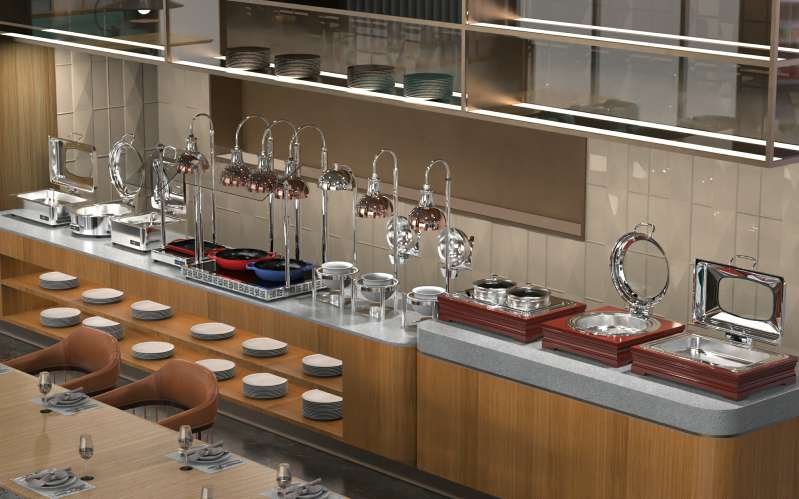
Mini Chafing Dish for Breakfast Buffet & Condiment Stations
Discover the best Mini Chafing Dish for Breakfast Buffet & Condiment Stations solutions. Real case s...
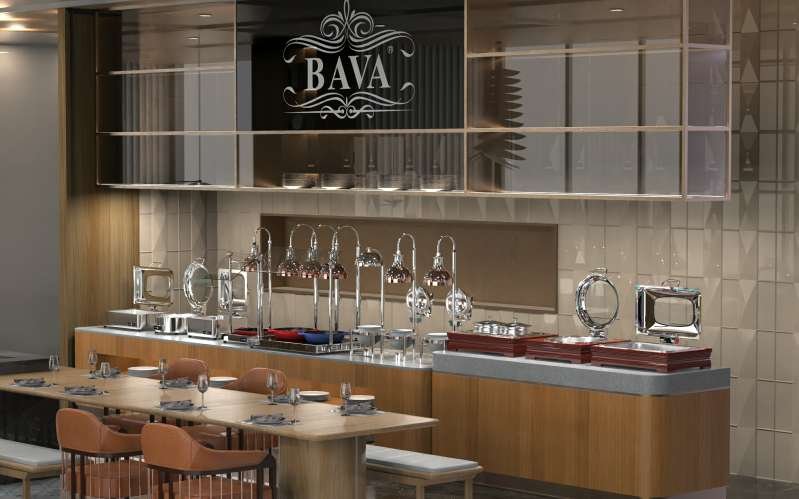
9QT Extra-Large Chafing Dish for Large-Scale Banquet Events
Discover the best 9QT Extra-Large Chafing Dish for Large-Scale Banquet Events solutions. Real case s...
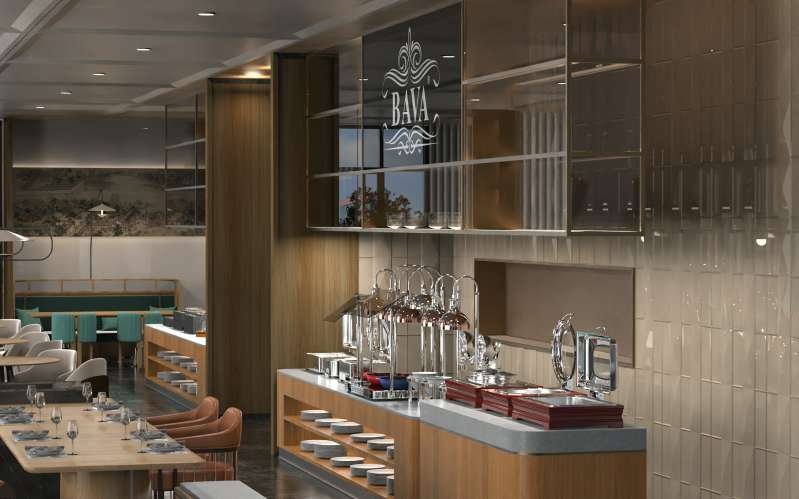
Wall-Mounted Buffet Stove for Space-Saving Kitchen Layouts
Discover the best Wall-Mounted Buffet Stove for Space-Saving Kitchen Layouts solutions. Real case st...

Stainless Steel Food Warmer for Supermarket Deli Departments
Discover the best Stainless Steel Food Warmer for Supermarket Deli Departments solutions. Real case ...
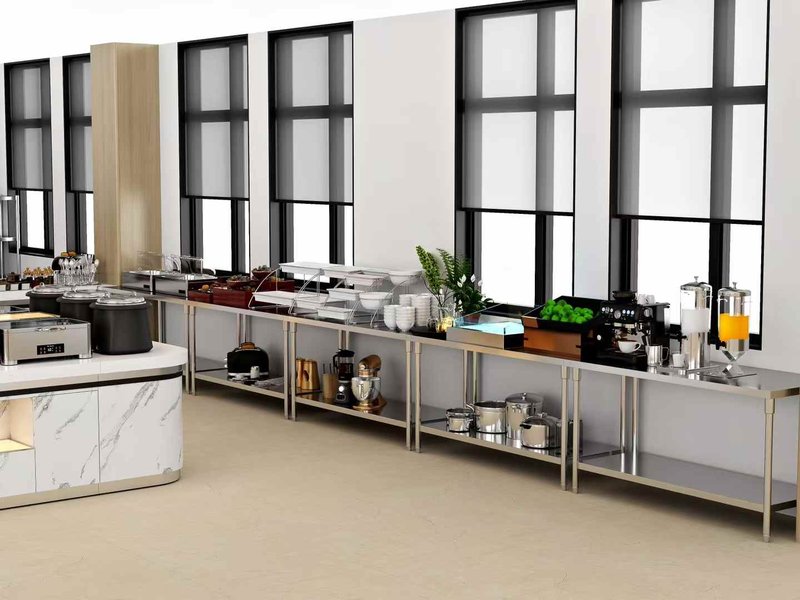
Commercial Chafer Dish with Temperature Control for Food Safety
Discover the best Commercial Chafer Dish with Temperature Control for Food Safety solutions. Real ca...