
Food Heat Lamp Bulbs: Types & Replacement Guide
Every food heat lamp depends on its bulb to generate the radiant heat that keeps food at safe serving temperatures. Yet bulb selection and replacement is one of the most overlooked aspects of heat lamp ownership. An aging bulb may look perfectly fine to the naked eye while producing significantly less heat than required to maintain food safety. Understanding heat lamp bulbs — their types, specifications, lifespan, and replacement — is essential knowledge for any food service operator.
The Central Role of the Heat Lamp Bulb
The bulb in a food heat lamp is not just a component — it is the entire heat source. Every other element of the lamp (the housing, the reflector, the adjustable arm) exists to position this heat source correctly and direct its output effectively. If the bulb fails or degrades, no amount of expensive housing or precision engineering can compensate.
Commercial food service heat lamp bulbs are designed for a fundamentally different purpose than household light bulbs. They are built to produce heat, not illumination. Their design priorities are thermal output efficiency, long operating life, and resistance to the harsh conditions of a commercial kitchen environment. This makes them fundamentally different products from general-purpose incandescent or LED bulbs.
Types of Heat Lamp Bulbs
Infrared Heat Lamps
Infrared bulbs are the workhorse of commercial food warming. They are designed specifically to emit infrared radiation — the part of the electromagnetic spectrum that produces heat — with minimal visible light output. The classic red glow of a "heat lamp" comes from infrared bulbs, though the red color is actually a coating applied to the glass to filter visible light while allowing infrared to pass through.
Most infrared heat lamp bulbs use a tungsten filament inside a glass envelope. When electrical current flows through the tungsten filament, it heats to approximately 2,500 degrees Celsius, emitting infrared radiation. The glass envelope may be clear, red-coated, or frosted depending on the specific application and desired heat-to-light ratio.
Red-coated infrared bulbs are the most common in food service because the red coating reduces visible light output while allowing infrared radiation to pass efficiently. This gives the characteristic warm red glow without the harsh white light of a standard incandescent bulb.
Halogen Heat Lamps
Halogen bulbs are a specialized type of incandescent bulb containing a halogen gas inside the glass envelope. This gas creates a self-replenishing cycle that returns evaporated tungsten atoms back to the filament, allowing the bulb to operate at higher temperatures than standard incandescent bulbs and significantly extending its lifespan.
Because halogen bulbs operate at higher filament temperatures, they produce more light alongside their infrared radiation. This makes halogen heat lamps popular for applications where food presentation under the lamp is important — the brighter illumination showcases food more attractively than the dim red glow of a standard infrared bulb.
The trade-off is that halogen bulbs generate more intense direct heat from a smaller area. This can lead to uneven warming if not properly positioned, with the center of the beam producing excessive heat while outer areas receive less.
Ceramic Infrared Emitters
A more specialized technology, ceramic infrared emitters use a ceramic heating element rather than a tungsten filament. These emit infrared radiation at longer wavelengths than halogen bulbs, which some food scientists believe penetrates food surfaces more effectively. Ceramic emitters are also more durable and longer-lasting than filament-based bulbs, though they are less common in standard commercial food service applications.
Understanding Bulb Specifications
Wattage
Wattage measures the electrical power consumed by the bulb and is the primary indicator of heat output. Commercial food heat lamp bulbs typically range from 175 watts to 500 watts:
175-250 watts: Suitable for light-duty use, small food volumes, or enclosed applications. Often found in smaller single-head units for cafe or deli use.
250-375 watts: The most common range for standard commercial food warming applications. Appropriate for most indoor restaurant, hotel, and catering uses with moderate food volumes.
375-500 watts: High-output bulbs for large food volumes, outdoor use, or environments with significant heat loss. Catering operations and large hotel buffets often use these higher-wattage bulbs.
Voltage
Voltage must match the electrical system the lamp is connected to. Most commercial heat lamps operate on standard 120-volt circuits (in North America) or 220-240 volt circuits (in most of Europe and Asia). Using a bulb with the wrong voltage produces either dangerously excessive heat or insufficient warming.
Always verify the voltage specification on your lamp housing before purchasing replacement bulbs. Do not assume a bulb physically fits a socket — it must also match the voltage requirement.
Base Type
The base is the connection between the bulb and the lamp socket. Common base types include:
Medium screw base (E26/E27): The standard household bulb base. Many single-head commercial heat lamps use this common base type, making replacement straightforward.
R7s linear base: A double-ended linear base used in some compact heat lamp designs. These bulbs are tubular and slide into a two-socket fixture.
GU10/bi-pin bases: Used in some recessed and directional heat lamp fixtures. Less common in open food warming applications.
Proprietary bases: Some manufacturers use unique base designs that only accept their own replacement bulbs. This can dramatically increase ongoing operating costs and should be a factor in the initial purchase decision.
Color Temperature
While primarily relevant for halogen bulbs where visible light output matters, color temperature is measured in Kelvin and indicates the "warmth" or "coolness" of the light. Lower Kelvin values (2,200-2,700K) produce warm, yellowish light, while higher values (3,000-4,000K) produce cooler, whiter light. For food presentation purposes, warmer color temperatures are generally more flattering to food appearance.
Lifespan and Performance Degradation
Heat lamp bulbs do not fail suddenly like a household bulb — they degrade gradually. This is one of the most important and commonly misunderstood aspects of heat lamp maintenance. A bulb may continue to produce visible light long after its infrared output has dropped below effective levels.
The rated lifespan of a commercial heat lamp bulb is typically 5,000 to 15,000 hours, depending on the technology and quality. However, the useful heat output begins to decline well before the bulb "burns out" in the traditional sense. By the time a bulb shows visible dimming, its infrared output may be thirty to fifty percent below original specifications.
This degradation is particularly dangerous because food under a dimming heat lamp may appear to be staying warm while actually dropping below safe holding temperatures. The lamp is still glowing, the food is still visible, but the infrared output is insufficient to maintain the required 140 degrees Fahrenheit.
Preventive replacement schedules are the only reliable way to avoid this problem. Rather than waiting for bulbs to fail visibly, replace them on a scheduled interval based on the manufacturer's recommendation and your actual operating hours. For a lamp used six hours daily, a 5,000-hour-rated bulb should be replaced approximately every two years.
Signs Your Heat Lamp Bulb Needs Replacement
Beyond a complete failure to light, watch for these warning signs:
Visible dimming. If the lamp appears noticeably less bright than it used to, the infrared output has almost certainly declined as well.
Food cooling more quickly than normal. If you notice food dropping out of safe temperature range during holding periods that previously presented no problem, the heat lamp output may be insufficient.
Inconsistent heat output. If the lamp seems to work fine for the first thirty minutes but loses effectiveness afterward, the bulb may be struggling to maintain operating temperature.
Age-based suspicion. If a bulb is approaching or exceeding its rated lifespan, replace it preemptively rather than waiting for visible symptoms.
Choosing Replacement Bulbs
When selecting replacement bulbs, several factors matter beyond just getting the right wattage and voltage:
OEM vs. generic. Original equipment manufacturer (OEM) bulbs are made by or for the lamp manufacturer and typically carry a quality guarantee. Generic equivalents may be significantly cheaper but vary widely in actual performance and lifespan. The lowest-cost option is rarely the best value when safety is at stake.
Ceramic vs. glass envelopes. Some premium bulbs use ceramic envelopes instead of standard glass, which offer better thermal resistance and more consistent output over the bulb's lifespan. The higher cost may be justified in critical applications.
Color coating (infrared bulbs). Red-coated infrared bulbs are standard for food service. Ensure the coating is properly applied — some cheap replacements use uneven or thin coatings that reduce efficiency.
Packaging clarity. Quality bulb manufacturers clearly state wattage, voltage, base type, and rated lifespan on the packaging. Vague or missing specifications are a red flag.
Installation and Safety
Replacing a heat lamp bulb involves working with a hot or recently-hot fixture and electrical connections. Safety practices include:
Allow cooling time. Never attempt to replace a bulb while the lamp is hot or has recently been operating. Allow at least fifteen minutes for the fixture to cool.
Disconnect power. Turn off the lamp and, ideally, unplug it or switch off the circuit before handling bulbs.
Handle bulbs carefully. Never touch the glass envelope of a heat lamp bulb with bare hands. Skin oils create hot spots that accelerate bulb failure. Use a clean cloth or wear gloves during installation.
Do not over-tighten. Screw-base bulbs should be snug but not forced. Over-tightening can crack the base or damage the socket.
Test after installation. Verify the new bulb works correctly before returning the fixture to service. Watch for flickering, unusual sounds, or signs of electrical problems.
Stocking and Inventory
For commercial operations, keeping replacement bulbs in inventory is essential. A failed bulb during a busy service period creates an immediate food safety situation that requires rapid resolution. Recommended practice:
Stock one replacement bulb per lamp. Keep at least one fresh bulb for each heat lamp in regular service.
Stock by usage rate. For frequently-used lamps, keep two to three replacement bulbs on hand to avoid running out during a replacement cycle.
Date your inventory. Bulbs have shelf lives too. Use a first-in-first-out system and replace inventory annually even if unused.
Document bulb specifications. Keep a record of the exact bulb model, wattage, voltage, and base type for each lamp in your facility. When a replacement is needed, there should be no ambiguity about what to order.
Recommended Products
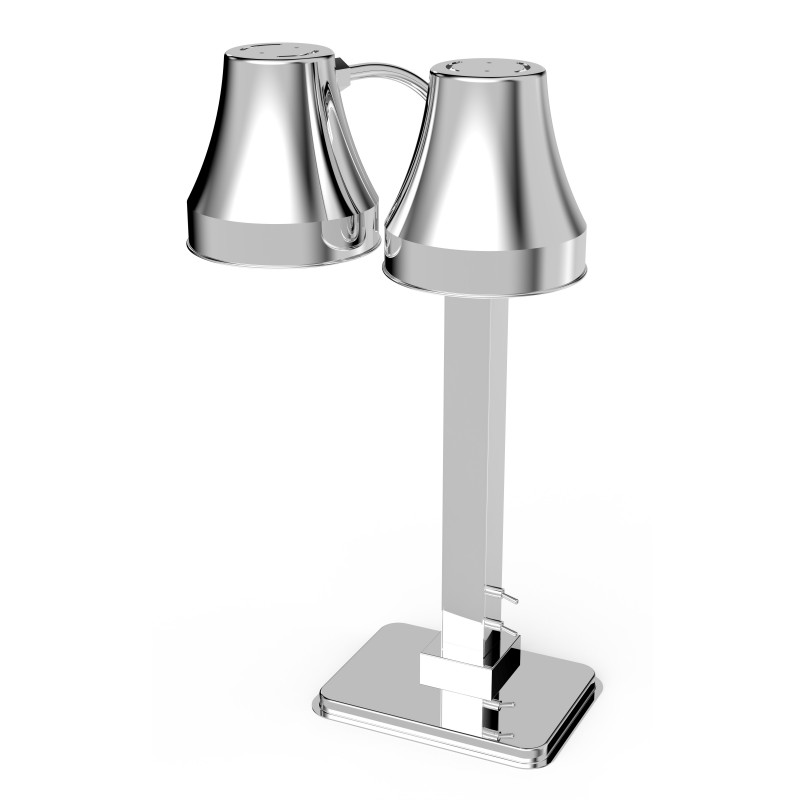
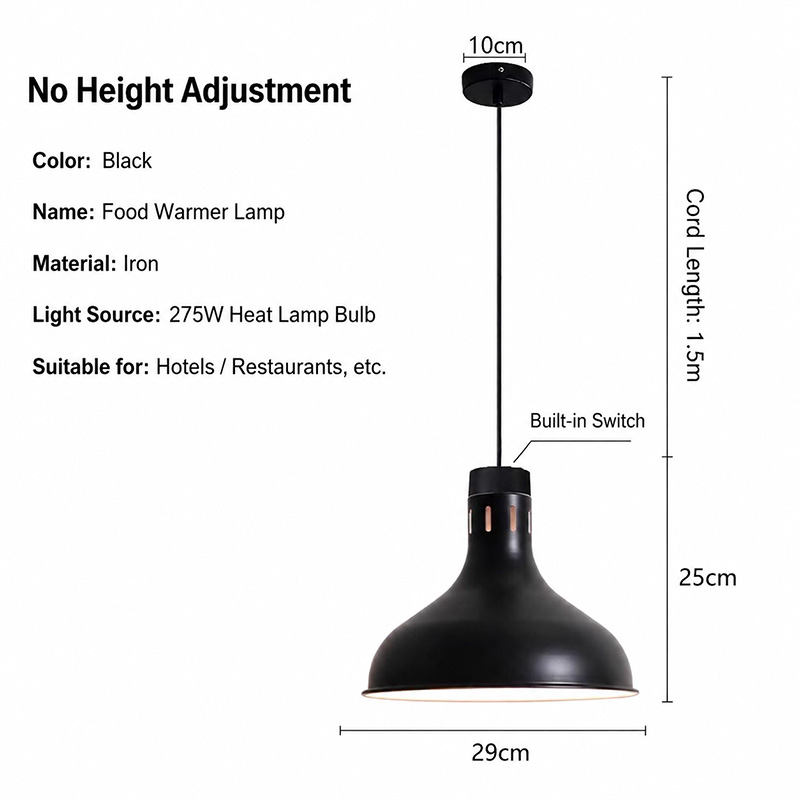
Stainless Steel Heat Lamp BJ10
A durable commercial heat lamp using a standard medium screw-base bulb, making replacement simple and cost-effective. The stainless steel housing and arm are built for daily commercial use, while the standard bulb base means you can source replacement bulbs from any commercial restaurant equipment supplier. The adjustable arm allows precise positioning to match the heat output of whatever replacement bulb you choose, from 250 to 375 watts depending on your warming needs.
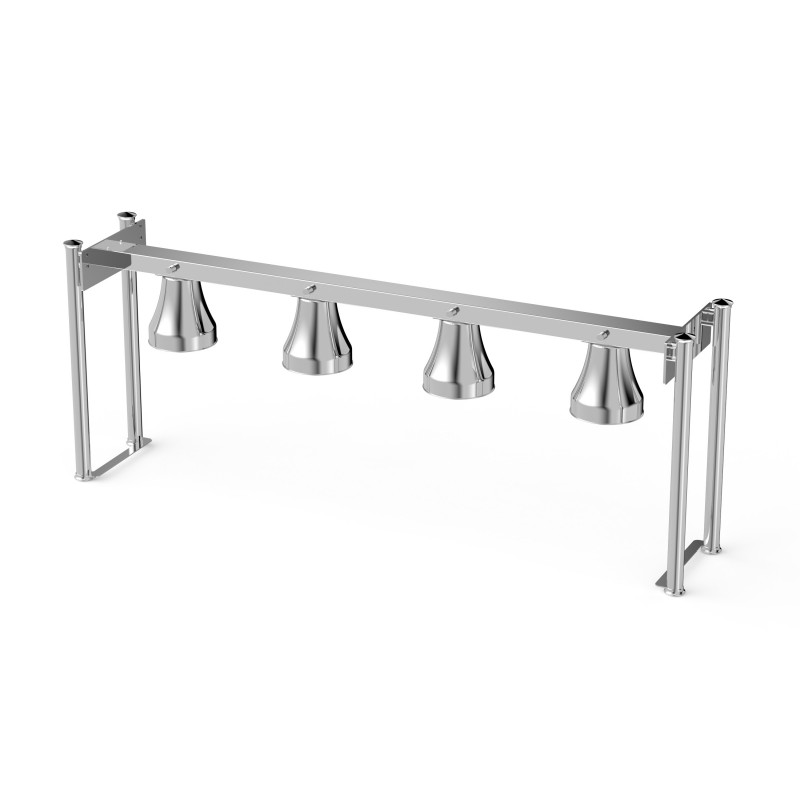
Stainless Steel Buffet Heat Lamp Rack
A robust freestanding heat lamp station designed for high-volume buffet operations. The multi-positional lamp head accepts standard base bulbs and accommodates wattages from 250 to 500, allowing operators to match heat output precisely to their specific food volumes and service conditions. The wide weighted base ensures stability even when the lamp arm is fully extended, and the stainless steel construction withstands the demands of daily commercial use. Easy-access bulb socket design simplifies replacement when the time comes.
Conclusion
Heat lamp bulbs are the heart of every food warming system, and understanding them is essential for maintaining safe, effective food service operations. The gradual degradation of heat output — invisible to casual observation — makes preventive replacement schedules critical. Waiting for a bulb to visibly fail is waiting too long when food safety is at stake.
Invest in quality replacement bulbs from reputable sources. Match specifications exactly: voltage, wattage, base type, and application requirements. Keep inventory on hand so a failed bulb never creates an emergency. And implement a scheduled replacement cycle based on actual operating hours rather than waiting for visible symptoms.
A functioning heat lamp with fresh bulbs is one of the simplest, most reliable pieces of food service equipment. It only stays that way with proper attention to its most critical component.
Related Articles
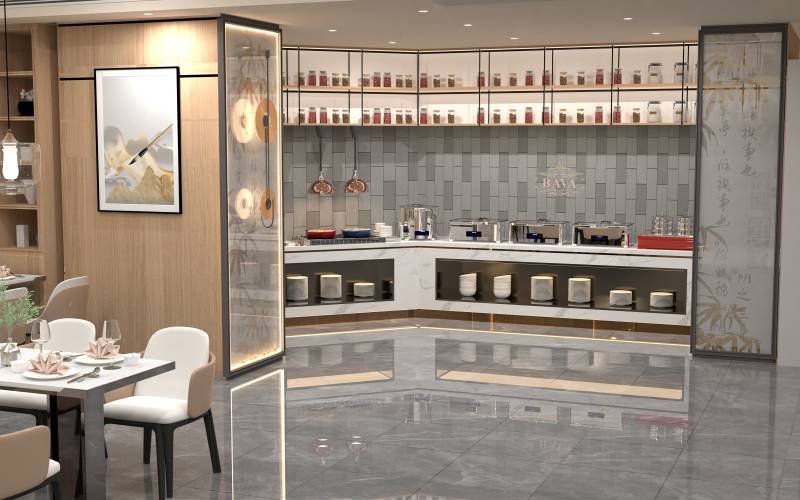
Electric Buffet Warmer with Adjustable Thermostat for Restaurants
Discover the best Electric Buffet Warmer with Adjustable Thermostat for Restaurants solutions. Real ...
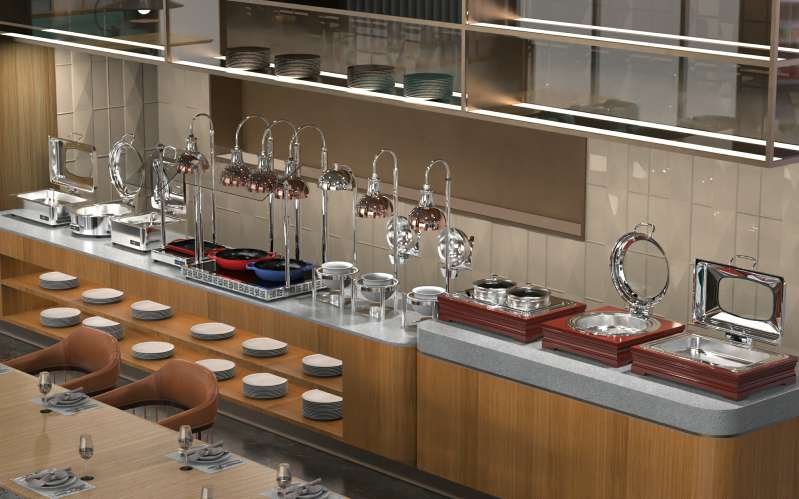
Mini Chafing Dish for Breakfast Buffet & Condiment Stations
Discover the best Mini Chafing Dish for Breakfast Buffet & Condiment Stations solutions. Real case s...
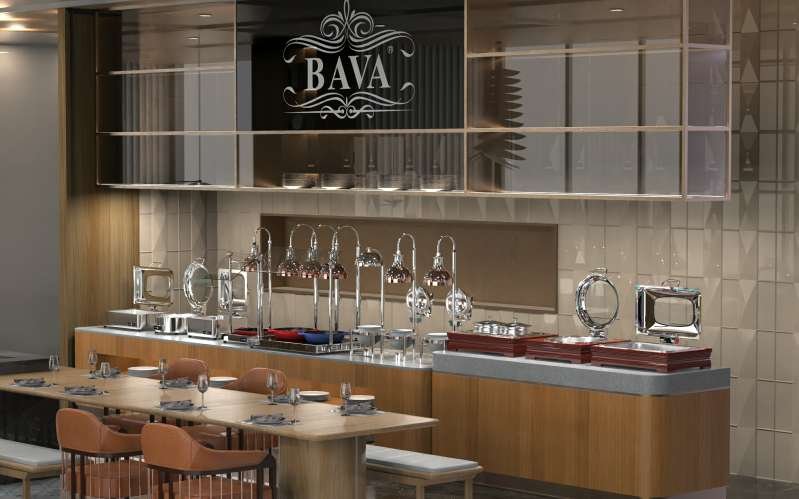
9QT Extra-Large Chafing Dish for Large-Scale Banquet Events
Discover the best 9QT Extra-Large Chafing Dish for Large-Scale Banquet Events solutions. Real case s...
Wall-Mounted Buffet Stove for Space-Saving Kitchen Layouts
Discover the best Wall-Mounted Buffet Stove for Space-Saving Kitchen Layouts solutions. Real case st...

Stainless Steel Food Warmer for Supermarket Deli Departments
Discover the best Stainless Steel Food Warmer for Supermarket Deli Departments solutions. Real case ...
Commercial Chafer Dish with Temperature Control for Food Safety
Discover the best Commercial Chafer Dish with Temperature Control for Food Safety solutions. Real ca...