
Food Heat Lamps for Bakeries: Keep Pastries & Breads Warm
Bakeries operate at the intersection of craft and commerce, where the art of creating exceptional pastries and breads meets the operational demands of serving customers efficiently throughout the day. A critical and often underappreciated element of bakery service is food temperature maintenance. Freshly baked goods deserve to reach customers at their best, yet the realities of customer flow, counter display, and ambient temperature variation create constant challenges for bakery operators seeking to preserve the quality that justifies premium pricing. Food heat lamps specifically suited to bakery applications provide targeted warming that maintains pastry and bread quality without compromising texture or appearance.
The Bakery Display Challenge
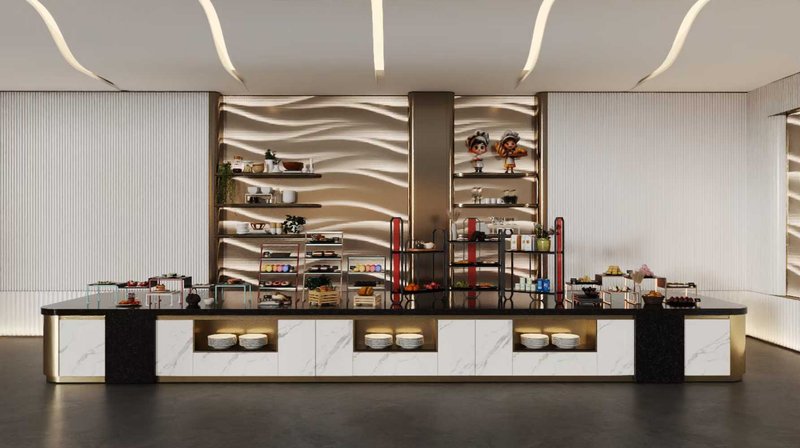
A bakery counter presents unique warming challenges that differ fundamentally from other food service environments. Products emerge from ovens at temperatures exceeding 400 degrees Fahrenheit and begin cooling immediately upon removal. In a retail bakery environment where customers browse and select items over extended periods, maintaining acceptable serving temperatures throughout the display period requires active intervention rather than passive holding. Unlike restaurant service where food moves from kitchen to table in minutes, bakery retail allows customers to linger, compare, and deliberate, extending the time between oven and consumption.
The texture challenge in bakery warming differs from other food categories. Pastries contain delicate laminated dough structures with butter layers that solidify when cooled below serving temperature, creating a distinctly different eating experience than the flaky, tender texture intended by the baker. Similarly, bread slices cool and stale more rapidly than most operators realise, with optimal serving temperature for bread products typically between 150 and 180 degrees Fahrenheit. Heat lamps address these specific texture requirements through radiant heat that warms food surfaces without baking or cooking, preserving the original product quality that customers expect.
Understanding Bakery Heat Lamp Requirements
Temperature Considerations for Pastry Products
Pastry products present warming challenges that require precision rather than maximum heat output. Laminated pastries including croissants, Danish, and puff pastry items contain delicate fat layers that create their characteristic flakiness when baked but can become heavy and greasy when cooled below serving temperature. Proper warming restores these products to their intended texture without melting internal fat layers or creating sogginess from surface moisture condensation. The radiant heat from a properly positioned bakery heat lamp raises pastry surface temperature to the optimal range without penetrating deeply enough to affect the internal fat structure.
The Dual-Insulation Workstation with Heat Lamp & Heating Plate exemplifies the dual-zone approach that bakery applications demand, combining overhead radiant warming with base plate heating to address both surface temperature maintenance and the bottom warming that prevents the first slice from feeling cold to the touch. This combined approach proves particularly valuable for filled pastries and Danishes where the filling or custard base retains temperature differently than the surrounding dough structure.
Bread Warming Specifics
Bread products require different warming approaches than pastry items, primarily due to their larger mass and different internal moisture distribution. A fresh baguette cools rapidly after baking, with the crust losing moisture and becoming less crisp within the first thirty minutes of display. Heat lamps positioned over bread displays help maintain crust crispness while warming the interior crumb to a temperature that feels satisfying against the palate.
For sliced bread products, the warming challenge extends to maintaining slice temperature throughout a customer's visit while preventing the unsightly sweating that occurs when warm bread contacts cool surfaces or ambient air. Heat lamp positioning for bread displays typically angles slightly downward to direct radiant energy toward the top surfaces of displayed loaves while avoiding direct contact with packaging or cutting boards that might create temperature gradients within the display.
Heat Lamp Types for Bakery Applications
Overhead Display Heat Lamps
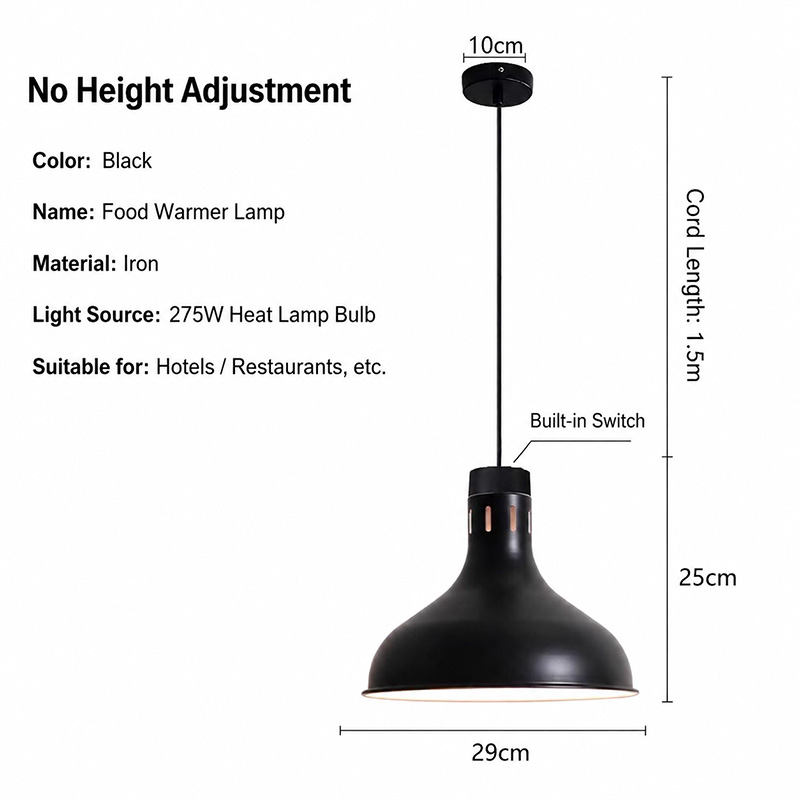
Overhead bakery heat lamps represent the most common configuration for retail bakery environments, mounted above display cases and service counters to warm products without interfering with customer access or staff workflow. These lamps typically position between 12 and 24 inches above the product surface, with the distance determined by the lamp wattage, desired warming intensity, and the specific products being held. Higher wattage lamps positioned closer to products deliver more intense warming but risk overheating delicate items.
The Ceiling-Mounted Rose Gold Buffet Heat Lamp demonstrates the ceiling-mounted approach that integrates seamlessly into modern bakery display aesthetics. The rose gold finish and adjustable coiled cord provide both functional flexibility for positioning and visual appeal that complements contemporary bakery decor rather than the industrial appearance of standard catering equipment. This aesthetic consideration matters in retail environments where customers evaluate your entire operation based on visible quality indicators, including the equipment displaying your products.
Counter-Mounted and Freestanding Units
Counter-mounted heat lamp stations work well in smaller bakery operations where the service counter itself provides the primary display surface. These units typically mount on adjustable brackets that allow repositioning throughout the service day as product mix changes between morning pastries, midday sandwiches, and afternoon bread displays. Freestanding heat lamp stations serve bakeries with open floor plans or outdoor market presence where fixed mounting options do not exist.
Display Case Integration
Larger bakeries with enclosed display cases require heat lamps designed for integration with refrigerated or ambient display furniture. These installations typically require coordination with display case manufacturers to ensure proper electrical provisioning, appropriate ventilation for heat dissipation, and positioning that does not create cold spots through radiant heat concentration. Integrated display case heat lamps often connect to the case electrical system and may include temperature feedback controls that adjust output based on case interior conditions.
Positioning Strategies for Maximum Effectiveness
Product-Specific Positioning
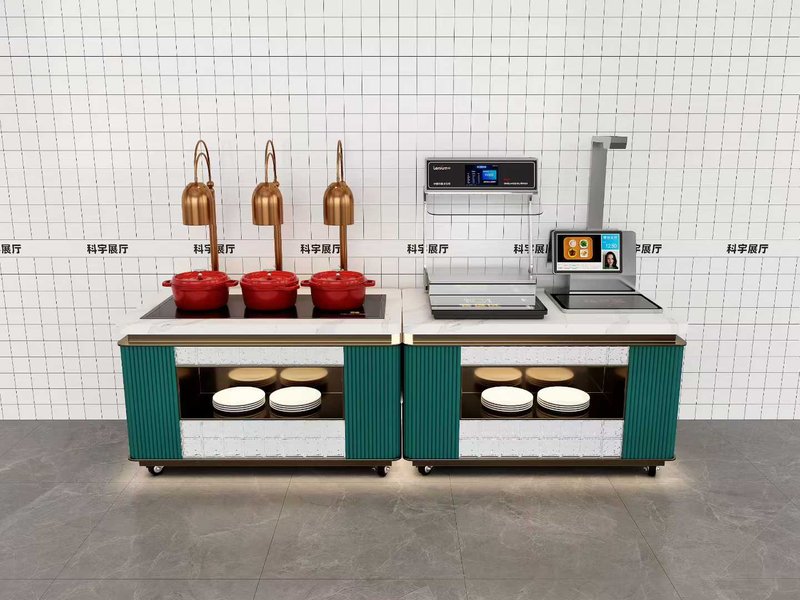
Effective bakery heat lamp positioning varies by product category based on warming requirements and physical characteristics. Place heat lamps directly over high-turnover items like morning pastries where consistent product temperature matters most to customer satisfaction. Position lamps at angles above bread displays to warm crust surfaces without creating uneven heating in tall loaf configurations. Filled pastries and items with temperature-sensitive toppings require lower-intensity warming positioned further from the product surface to avoid topping damage while maintaining base warmth.
Establish a positioning protocol for your specific product mix, documenting the appropriate lamp positions for each product category and training staff on repositioning lamps when product displays change throughout the day. This consistency ensures that customers receive uniformly warmed products regardless of which staff member prepared the display, eliminating the temperature variation that damages customer expectations and generates complaints.
Managing Heat Distribution Uniformity
Bakery displays rarely present uniform product distribution, with high points where products cluster and low points where display appearance requires spacing. Heat lamps create uneven warming over these irregular surfaces, concentrating heat in areas with dense product placement while potentially under-warming isolated items. Address this distribution challenge through multiple lower-wattage lamps positioned across the display rather than single high-output units that create hot spots, or use adjustable lamps that can be repositioned as display contents change throughout the day.
Energy Efficiency in Bakery Warming
Bakeries operating extended hours face cumulative energy costs from continuous heat lamp operation that deserve attention during equipment selection. LED heat lamp alternatives have emerged in recent years, offering similar warming performance at substantially reduced energy consumption and heat generation. While the initial investment in LED heat lamps exceeds traditional incandescent options, the operating cost savings over the equipment lifetime often justify the premium pricing for high-volume bakery operations.
Timer controls and occupancy sensors offer additional efficiency improvements for bakeries with predictable customer flow patterns. Programming heat lamps to activate thirty minutes before opening and automatically reduce output during low-traffic afternoon periods reduces wasted energy while maintaining product quality during peak service times. Some modern heat lamps include programmable temperature cycling that alternates between warming and rest periods, reducing total energy consumption while maintaining acceptable product temperatures through thermal mass effects.
Maintenance and Cleaning Protocols
Bakery heat lamps accumulate flour dust, butter splatter, and ambient debris that reduces their effectiveness and creates hygiene concerns in food service environments. Establish regular cleaning schedules that address heat lamp heads, reflectors, and mounting hardware with appropriate cleaning agents that remove grease without damaging electrical components. The warm operating temperature of heat lamp surfaces makes them particularly effective at baking on residues that become difficult to remove if cleaning is delayed.
Bulb replacement represents a maintenance item that requires attention before failures create service disruptions. Heat lamp bulbs have finite operating lifespans measured in hours, and failure typically occurs without warning during operation. Establish a bulb replacement schedule based on manufacturer specifications and your actual operating hours, replacing bulbs proactively during scheduled maintenance windows rather than reactively during service periods when replacements are most inconvenient and most noticed by customers.
Customer Experience Implications
The temperature at which bakery products reach customers directly influences perceived quality and satisfaction. A warm croissant feels indulgent and fresh, while a cool pastry that should be warm creates an immediate impression of yesterday's product even if it emerged from the oven hours earlier. Heat lamp investment delivers returns through customer satisfaction metrics that drive repeat business and positive word-of-mouth recommendations that build your bakery's reputation over time.
Beyond the tactile experience of holding a warm pastry, ambient temperature affects how customers perceive your bakery environment generally. Overhead heat lamps contribute to the overall warmth impression of your space, creating an inviting atmosphere that encourages lingering and additional purchases. In cooler climates or seasons, the visible warmth of bakery displays creates contrast with external temperatures that draws customers toward the warmth and comfort of your interior space.
Conclusion
Successful bakery operations require thoughtful equipment selection that preserves the quality of artisanal products through the retail service period. Food heat lamps for bakery applications address the specific warming requirements of pastry and bread products through radiant heat technology that maintains serving temperatures without compromising the texture and appearance that define quality bakery items. Whether operating a single-counter bakery or a multi-outlet operation with extensive display case infrastructure, appropriate heat lamp equipment ensures that every product reaching your customer reflects the craftsmanship that justifies premium bakery pricing and builds lasting customer loyalty.
Featured Products
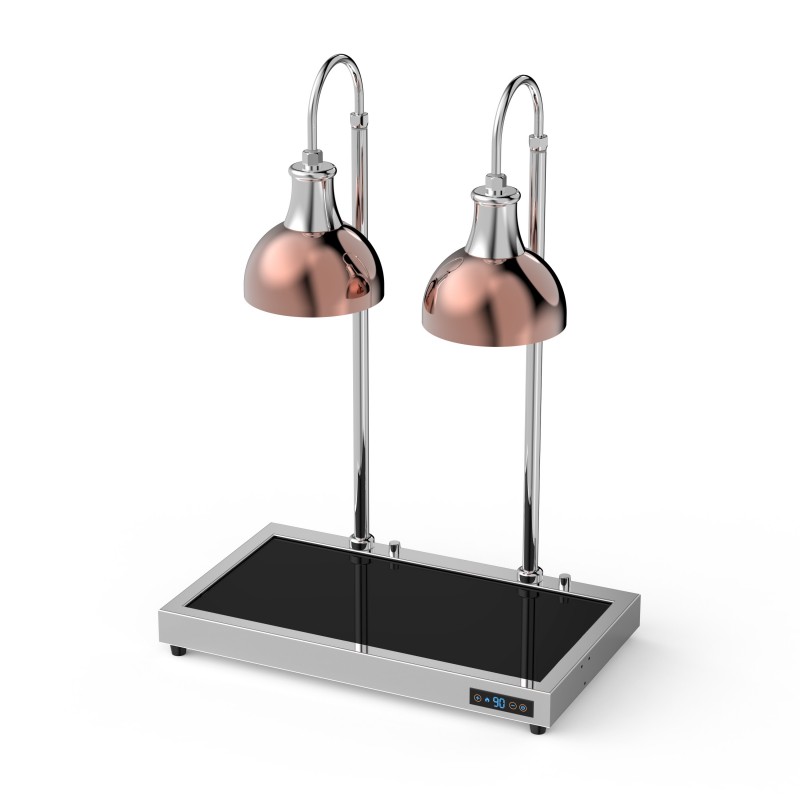
Dual-Insulation Workstation with Heat Lamp & Heating Plate
BAVA Dual-Insulation Workstation with Heat Lamp and Heating Plate. Dual-zone warming with infrared lamp + heated base. Black glass-ceramic surface, digital thermostat, copper dome lamps. Models BJ661/BJ662 with optional sneeze guard. CE certified.
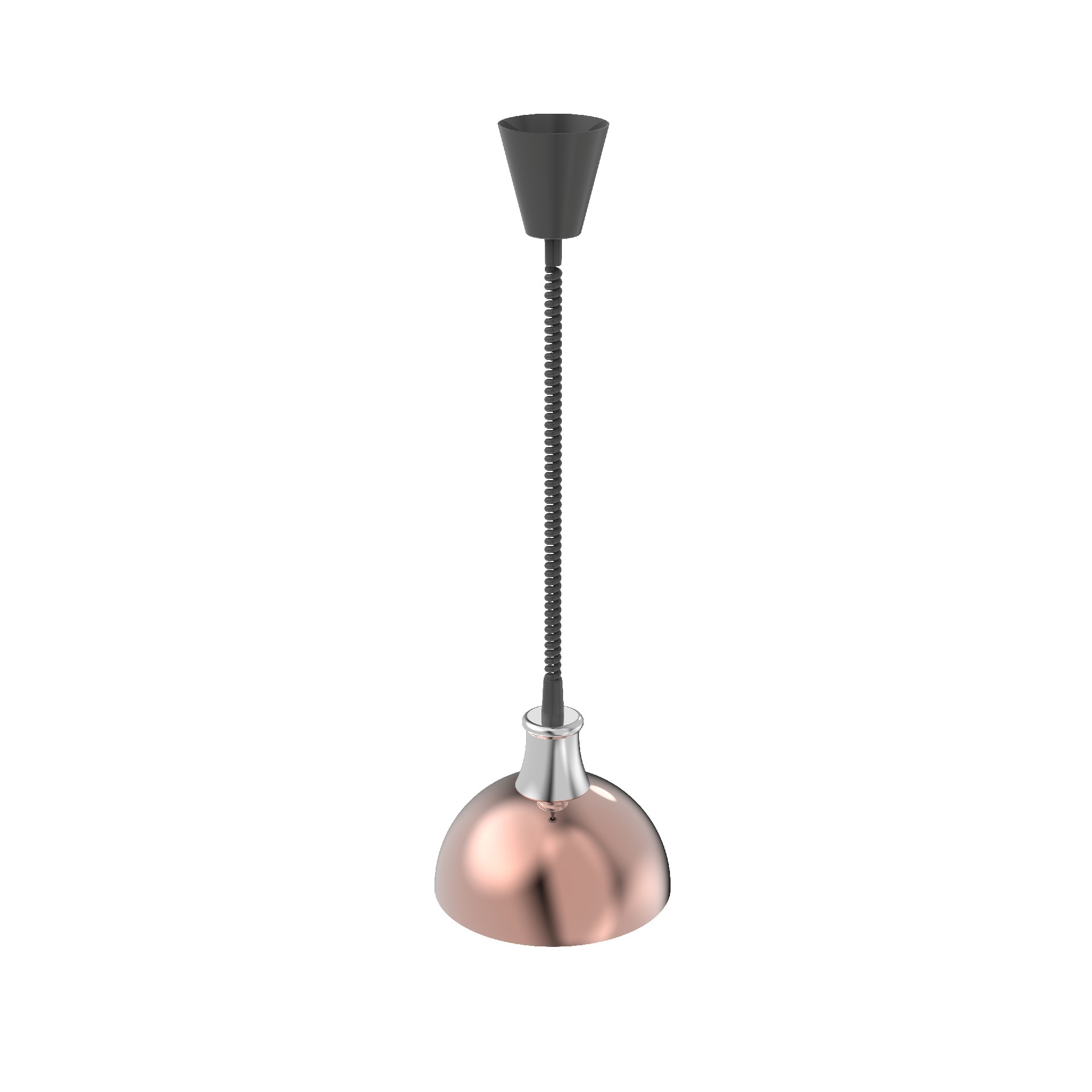
Ceiling-Mounted Rose Gold Buffet Heat Lamp
BAVA Ceiling-Mounted Rose Gold Buffet Heat Lamp. Single-head pendant lamp with rose gold dome, coiled cord height adjustment, matte black canopy. Models BJ1001/BJ1002. CE certified. Ideal for hotel buffets and upscale catering.
Related Articles
Electric Buffet Warmer with Adjustable Thermostat for Restaurants
Discover the best Electric Buffet Warmer with Adjustable Thermostat for Restaurants solutions. Real ...
Mini Chafing Dish for Breakfast Buffet & Condiment Stations
Discover the best Mini Chafing Dish for Breakfast Buffet & Condiment Stations solutions. Real case s...
9QT Extra-Large Chafing Dish for Large-Scale Banquet Events
Discover the best 9QT Extra-Large Chafing Dish for Large-Scale Banquet Events solutions. Real case s...
Wall-Mounted Buffet Stove for Space-Saving Kitchen Layouts
Discover the best Wall-Mounted Buffet Stove for Space-Saving Kitchen Layouts solutions. Real case st...
Stainless Steel Food Warmer for Supermarket Deli Departments
Discover the best Stainless Steel Food Warmer for Supermarket Deli Departments solutions. Real case ...
Commercial Chafer Dish with Temperature Control for Food Safety
Discover the best Commercial Chafer Dish with Temperature Control for Food Safety solutions. Real ca...