
Food Heat Lamp Bulbs (100W): Long-Lasting Replacement Parts
Heat lamp bulbs represent the consumable component of food warming systems, requiring periodic replacement as lamp performance degrades with use and as bulbs eventually reach end of life. The replacement bulb represents not merely a maintenance expense but an operating cost that affects the total cost of ownership for any heat lamp investment. Food service operators who understand bulb specifications, replacement procedures, and factors affecting bulb lifespan make better equipment selection decisions and achieve lower operating costs through informed maintenance practices. The choice of replacement bulbs also interacts with equipment design, with some heat lamp models accepting only specific bulb types while others accommodate standard replacements available from multiple suppliers.
Understanding Heat Lamp Bulb Specifications
Wattage and Output Relationships
Heat lamp bulb wattage directly determines the infrared energy output available for food warming, with higher wattage bulbs providing greater thermal energy at the cost of higher energy consumption and potentially shorter lifespan. The 100-watt rating represents a common commercial food service standard, providing sufficient warming capability for standard food pan configurations while maintaining acceptable energy costs and bulb lifespan. Using higher-wattage bulbs than equipment is designed for creates fire hazards and equipment damage, while using lower-wattage bulbs results in inadequate warming performance.
The Single-Head Rose Gold Buffet Heat Lamp operates with standard commercial heat lamp bulbs appropriate to its warming requirements, with the dual-zone design allowing the infrared lamp to focus on surface warming while the thermostatic base plate provides complementary bulk heating that reduces the lamp-only warming burden. This dual-zone approach can extend bulb life by reducing the lamp duty cycle required to maintain target food temperatures.
Infrared Wavelength Characteristics
Commercial food heat lamps use incandescent or halogen bulbs that emit infrared radiation across a wavelength spectrum, with the specific wavelength distribution affecting warming characteristics. Medium-wave infrared bulbs produce wavelengths that food surfaces absorb efficiently, providing effective surface warming without the rapid surface drying that short-wave infrared can create. Quality commercial heat lamp bulbs maintain consistent wavelength output throughout their operational life, while inferior bulbs may shift wavelength distribution as they age, changing warming characteristics before the bulb actually fails.
Beam Angle and Coverage
Heat lamp bulb beam angle determines the spread of infrared energy across the warming zone, with narrow-beam bulbs concentrating energy for focused applications and wide-beam bulbs providing more even coverage across larger areas. Replacement bulb selection should match the original equipment specifications for beam angle, as using bulbs with different beam angles changes the warming coverage pattern in ways that may not match the intended equipment design. The Stainless Steel Heat Lamp-BJ10 with its adjustable positioning accommodates some beam angle variation through lamp height adjustment, but fundamental mismatches between bulb and reflector design reduce warming efficiency.
Factors Affecting Heat Lamp Bulb Lifespan
Operating Temperature and Environment
Heat lamp bulb lifespan depends substantially on operating temperature, with higher operating temperatures accelerating the filament evaporation that eventually causes bulb failure. Bulbs operated in enclosed fixtures with limited airflow experience higher operating temperatures and shorter lifespans than bulbs in well-ventilated designs. The ambient temperature in commercial kitchens, often elevated above comfort levels during busy service periods, compounds the thermal stress that bulbs experience during operation. The Three-Head Rose Gold Buffet Heat Lamp Station with its three-lamp linear arrangement over an open black glass surface provides better airflow around the lamp heads than enclosed designs, contributing to more moderate operating temperatures and longer bulb life.
Duty Cycle and Switching Frequency
Each power cycle stresses heat lamp filaments as thermal expansion and contraction causes cumulative mechanical damage. Equipment that cycles frequently between on and off states experiences shorter bulb lifespans than equipment that operates continuously during service periods. Operations that use timer-controlled or occupancy-sensed heat lamp switching may achieve energy savings but face increased maintenance costs from more frequent bulb replacements. Consider the trade-off between energy savings from cycling and maintenance costs from shorter bulb life when evaluating automatic control systems for heat lamp operation.
Voltage Stability
Electrical supply voltage variations affect heat lamp bulb lifespan, with overvoltage conditions accelerating filament evaporation and undervoltage conditions creating starting difficulties that stress filaments during ignition. Commercial kitchens with heavy electrical loads may experience voltage fluctuations during peak demand periods, creating variable stress on heat lamp bulbs throughout the service day. Equipment with voltage regulation or conditioning provides more stable operating conditions that extend bulb life, though at some cost premium. The Single-Head Rose Gold Buffet Heat Lamp with its digital thermostat and controlled heating elements provides stable electrical demand that contributes to consistent voltage conditions for the lamp elements.
Replacement Strategies and Cost Management
Bulk Purchasing and Inventory Management
Replacement bulb costs decrease substantially with volume purchasing, making inventory management for replacement bulbs worthwhile for operations with multiple heat lamp installations. Establish minimum inventory levels based on consumption rates and lead times, ordering replacement bulbs before inventory reaches critically low levels that would leave equipment out of service. Quality bulbs have shelf lives measured in years when stored properly, making bulk purchasing practical for even modest-scale operations. Track bulb consumption rates across seasons and service volumes to establish accurate reorder points that prevent both stockouts and excessive inventory.
Preventive Replacement Scheduling
Reactive bulb replacement, waiting until bulbs fail before replacing them, creates service disruptions and emergency maintenance demands. Preventive replacement schedules replace bulbs at predetermined intervals based on observed average lifespans, typically replacing at 75 to 80 percent of expected life to prevent unexpected failures during service. This approach increases total bulb consumption but eliminates the service disruptions and rush replacement costs that unexpected failures create. The Stainless Steel Heat Lamp-BJ10 with its accessible bell dome shade design facilitates straightforward bulb replacement that minimises labour costs when preventive replacement schedules are executed.
Quality vs. Economy Bulb Decisions
Replacement bulb quality varies substantially, with premium bulbs providing longer life and more consistent output at higher per-unit cost and economy bulbs providing acceptable performance at lower cost but with shorter lifespans. The total cost of ownership for each option depends on bulb price, lifespan, and labour costs for replacement. Premium bulbs often provide better value for frequently-cycled equipment where the quality differences in filament construction translate to meaningful lifespan differences. Economy bulbs may be appropriate for backup inventory and equipment with low cycling requirements where lifespan differences are minimal.
Selecting Heat Lamps with Serviceability in Mind
Bulb Access and Replacement Difficulty
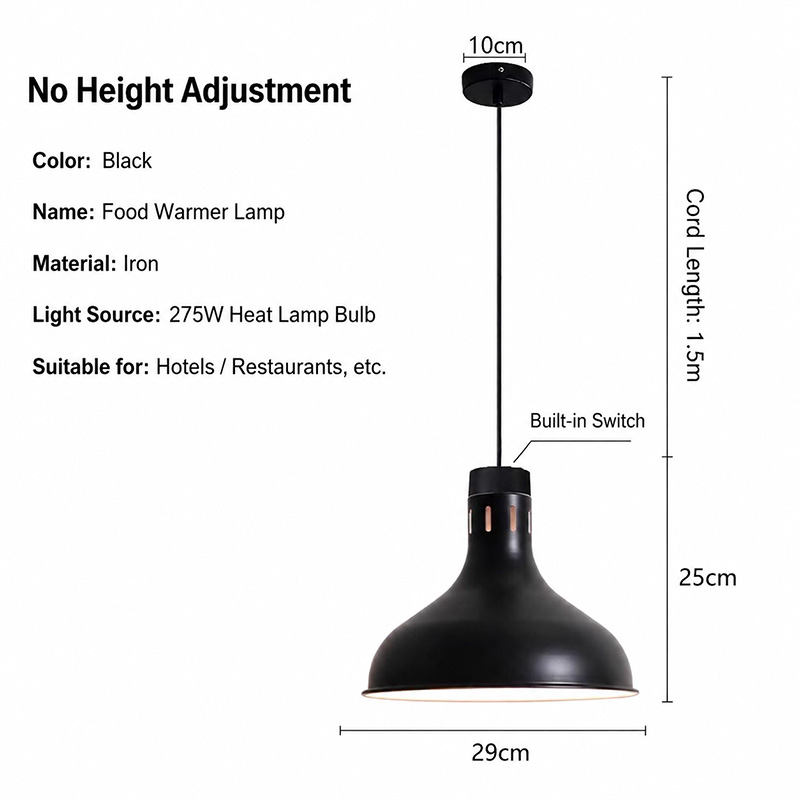
Heat lamp designs vary substantially in bulb replacement difficulty, with some designs requiring tool-assisted disassembly and others providing tool-free access that enables rapid bulb changes. The Stainless Steel Heat Lamp-BJ10 with its freestanding countertop design and accessible bell dome shade enables straightforward bulb replacement without requiring equipment movement or disassembly, reducing the labour cost and service disruption associated with routine bulb replacement. Consider replacement accessibility when evaluating heat lamp purchases, as the purchase price represents only a portion of total equipment cost over its operational life.
Availability of Compatible Replacements
Equipment that accepts standard commercially-available replacement bulbs provides supply flexibility and competitive pricing for replacement components, while equipment requiring proprietary bulbs limits sourcing options and potentially increases replacement costs. Verify replacement bulb availability and pricing before purchasing heat lamp equipment, recognising that the availability landscape may change over the equipment lifespan as manufacturers discontinue products or exit markets. The Three-Head Rose Gold Buffet Heat Lamp Station uses standard commercial heat lamp bulbs that are widely available from multiple suppliers, providing supply security and competitive pricing for replacement components.
Dual-Zone Designs Reducing Lamp Demand
Dual-zone heat lamp designs that combine infrared overhead warming with heated base surfaces reduce the warming burden on the lamp element, potentially extending bulb life by reducing lamp duty cycle. The Single-Head Rose Gold Buffet Heat Lamp implements this approach through its dual-zone design that distributes warming responsibility between the infrared lamp and the thermostatic base plate, enabling the lamp to operate at reduced output or with less frequent cycling than single-direction designs require. This reduced lamp demand translates to longer bulb life and lower replacement costs over the equipment lifespan.
Maintenance Practices for Extended Bulb Life
Proper Handling and Installation
Heat lamp bulb fragility increases as bulbs age, with aged bulbs more susceptible to failure from handling stress. Handle new replacement bulbs carefully, avoiding direct finger contact with the glass envelope that deposits oils that create hot spots during operation. Use clean cloth or paper for bulb handling, and allow bulbs to reach room temperature before installation in heated fixtures that could cause thermal shock to cold glass. The polished mirror stainless steel construction of the Stainless Steel Heat Lamp-BJ10 provides stable mounting that protects bulbs from vibration stress that accelerates filament fatigue.
Regular Inspection Protocols
Establish regular inspection schedules that identify bulbs showing signs of impending failure before they cause service disruptions. Visual inspection can identify darkened glass envelopes that indicate excessive filament evaporation, loose bulb seating that creates arcing and stress, and discoloured bases that indicate heat damage or electrical problems. Document inspection findings and bulb replacement dates to build consumption history that informs preventive replacement scheduling and identifies equipment or installation issues that increase bulb failure rates.
Conclusion
Heat lamp replacement bulbs represent an ongoing operating cost that thoughtful planning can minimise without compromising food warming performance or service quality. Understanding bulb specifications, lifespan factors, and replacement procedures enables informed decisions about both replacement practices and original equipment selection. Equipment with accessible bulb replacement, standard bulb compatibility, and designs that reduce lamp duty cycle through dual-zone warming provide lower total cost of ownership than equipment without these features, despite potentially higher initial purchase prices. The three products evaluated above represent quality approaches to heat lamp design that facilitate straightforward maintenance and provide the replacement bulb accessibility that professional food service operations require.
Featured Products
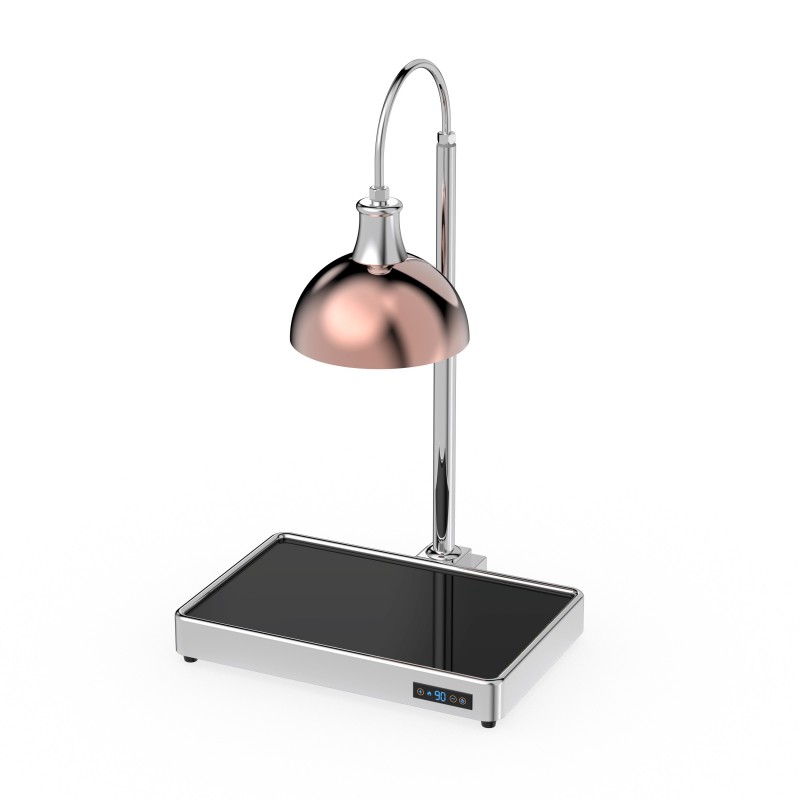
Single-Head Rose Gold Buffet Heat Lamp
BAVA Single-Head Rose Gold Buffet Heat Lamp. Dual-zone heating with infrared lamp and thermostatic base plate. Polished stainless steel + rose gold finish. Models BJ1631/BJ1831T. Ideal for hotel buffets and catering.
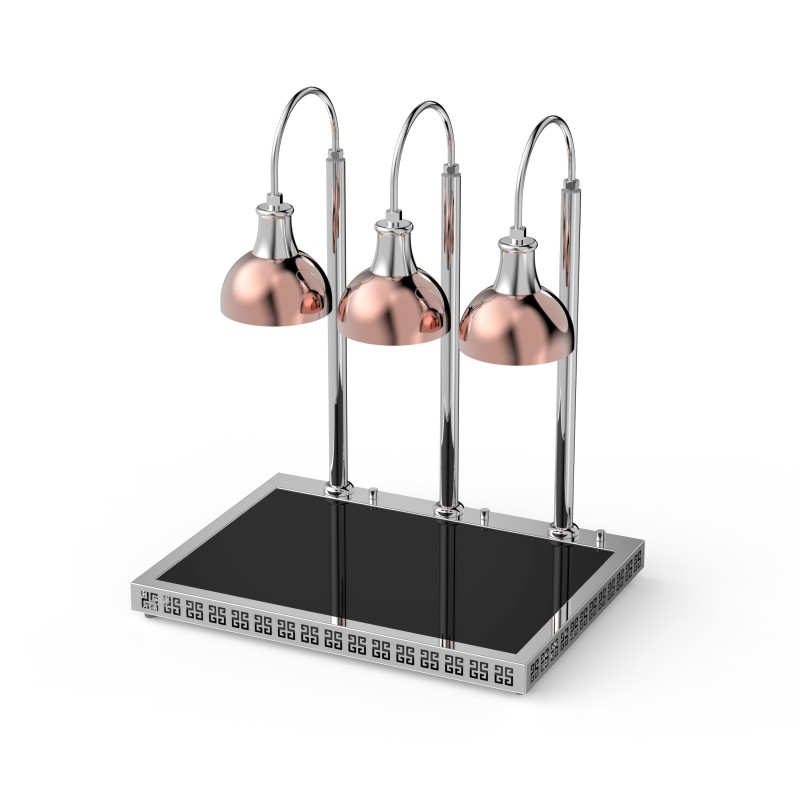
Three-Head Rose Gold Buffet Heat Lamp Station
BAVA Three-Head Rose Gold Buffet Heat Lamp Station. Three rose gold dome lamps in linear arrangement over black glass warming surface. Greek key decorative base pattern. BJ663T adds adjustable glass shelf. Premium hotel buffet design. CE certified.
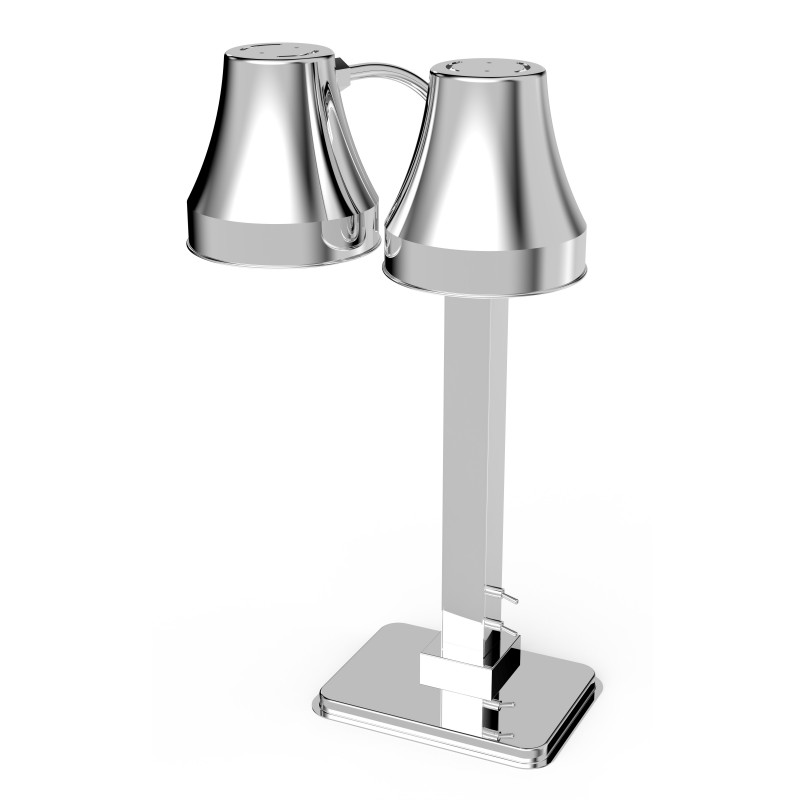
Stainless Steel Heat Lamp-BJ10
BAVA Stainless Steel Heat Lamp BJ10 Series. Freestanding countertop design with polished mirror SS, bell dome shade, height-adjustable post, weighted base. Available in single-head (BJ10/BJ101) and dual-head (BJ102). CE certified.
Related Articles
Electric Buffet Warmer with Adjustable Thermostat for Restaurants
Discover the best Electric Buffet Warmer with Adjustable Thermostat for Restaurants solutions. Real ...
Mini Chafing Dish for Breakfast Buffet & Condiment Stations
Discover the best Mini Chafing Dish for Breakfast Buffet & Condiment Stations solutions. Real case s...
9QT Extra-Large Chafing Dish for Large-Scale Banquet Events
Discover the best 9QT Extra-Large Chafing Dish for Large-Scale Banquet Events solutions. Real case s...
Wall-Mounted Buffet Stove for Space-Saving Kitchen Layouts
Discover the best Wall-Mounted Buffet Stove for Space-Saving Kitchen Layouts solutions. Real case st...
Stainless Steel Food Warmer for Supermarket Deli Departments
Discover the best Stainless Steel Food Warmer for Supermarket Deli Departments solutions. Real case ...
Commercial Chafer Dish with Temperature Control for Food Safety
Discover the best Commercial Chafer Dish with Temperature Control for Food Safety solutions. Real ca...