
Waterproof Food Heat Lamps: Suitable for Wet Commercial Environments
Commercial food service environments present moisture challenges that standard equipment cannot adequately address: steam from cooking operations, condensation from temperature differentials, washing and sanitising sprays, and in some venues, direct water exposure from cleaning procedures. Heat lamp equipment deployed in these wet environments requires construction and design features that resist moisture ingress and corrosion, maintaining electrical safety and functional performance despite conditions that would cause standard equipment to fail. Understanding moisture ingress mechanisms, corrosion processes, and the material and design features that address wet environment requirements enables food service operators to select equipment that delivers reliable performance regardless of the moisture conditions it encounters.
Moisture Challenges in Commercial Kitchens
Sources of Moisture Exposure
Commercial kitchens generate moisture from multiple concurrent sources: steam from cooking equipment including steamers, combi ovens, and boiling operations; condensation that forms on surfaces when warm humid air contacts cooler equipment; direct water exposure from equipment cleaning and sanitising procedures; and in some operations, water splashing from nearby sinks or dishwashing areas. These sources create a moisture environment that exceeds typical ambient humidity levels, with localised zones of very high humidity surrounding steaming equipment and intermittent high-exposure conditions during cleaning procedures.
The Single-Head Rose Gold Buffet Heat Lamp addresses kitchen moisture through its polished stainless steel construction combined with rose gold finish, providing the corrosion resistance that stainless steel offers while the sealed lamp housing prevents moisture ingress to electrical components. The polished surface finish also sheds water more readily than textured surfaces, reducing the moisture contact time that accelerates surface corrosion on lesser materials.
Condensation and Temperature Differential Effects
Condensation forms when warm humid air contacts surfaces cooler than the air dew point, creating water accumulation on equipment surfaces even in the absence of direct water exposure. Heat lamp equipment that operates continuously maintains surface temperatures above ambient, but equipment surfaces in cool kitchen areas or near air conditioning supply vents can drop below air dew point during periods when lamps are off, creating the condensation conditions that accelerate corrosion and create electrical safety hazards. Equipment design that minimises cold surfaces during off periods and provides drainage for any accumulated condensation addresses these condensation effects.
Corrosion Mechanisms in Food Service Environments
Stainless steel achieves its corrosion resistance through a chromium oxide surface layer that forms spontaneously on exposed surfaces and regenerates when damaged, but this passive layer requires adequate oxygen access to maintain its protective function. In crevices, under deposits, or in stagnant water conditions where oxygen access is limited, the passive layer can break down, leading to localised corrosion that can propagate beneath apparently intact surfaces. Proper equipment design eliminates stagnant water locations through smooth surfaces, adequate drainage, and crevice-free construction that prevents the oxygen-depleted conditions that trigger localised corrosion attack.
Material Selection for Wet Environments
Stainless Steel Grades and Compositions
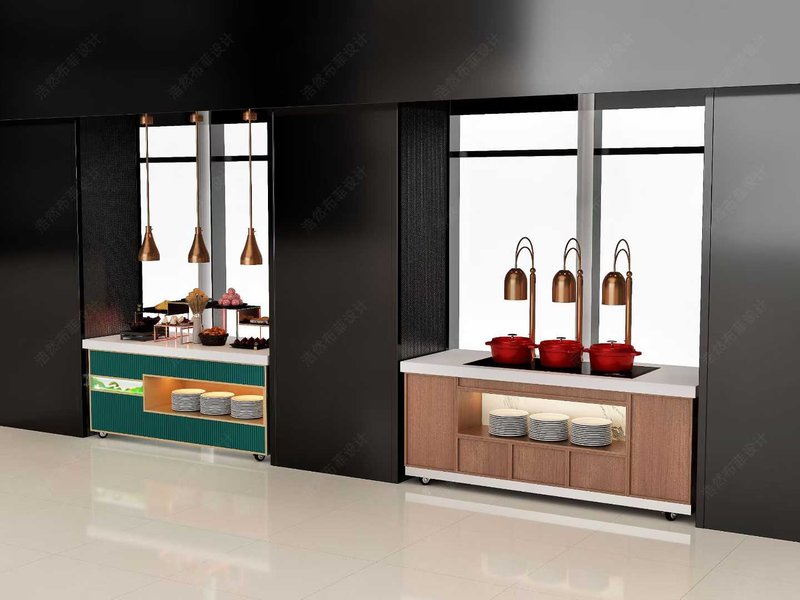
Not all stainless steel performs equally in wet food service environments. The 300-series austenitic stainless steels, particularly Type 304 and its variants, provide the chromium and nickel content that produces the most corrosion-resistant passive layer. Type 430 ferritic stainless steel, while still providing better corrosion resistance than carbon steel, has lower chromium content and no nickel, making it more susceptible to corrosion in harsh environments. The Stainless Steel Buffet Heat Lamp Rack uses stainless steel construction throughout, with the material selection appropriate for the demanding wet conditions that commercial kitchens create.
Glass and Ceramic Components
The Dual-Insulation Workstation with Heat Lamp & Heating Plate incorporates black glass-ceramic surfaces that provide moisture resistance exceeding even stainless steel, as glass and ceramic materials are fundamentally immune to the electrolytic corrosion processes that affect metals. The glass-ceramic surface on the warming area remains unaffected by water exposure, cleaning procedures, or the salt and mineral content that water carries, maintaining its appearance and function regardless of moisture conditions. Glass-ceramic surfaces also provide thermal performance advantages, distributing heat more evenly than metal surfaces and reducing hot spots that can cause food quality issues.
Sealed Electrical Components
Electrical safety in wet environments requires sealed or water-resistant electrical components that prevent moisture contact with live circuits. Lamp housings, switch mechanisms, and electrical connections must provide adequate sealing for the moisture exposure levels anticipated in each installation location. Equipment rated for wet location use specifies the degree of moisture protection provided, typically using IP (Ingress Protection) ratings that indicate the protection level against both solid objects and liquids. The sealed housing design of the Single-Head Rose Gold Buffet Heat Lamp provides protection appropriate for the splashing and condensation exposure typical of kitchen environments.
Design Features for Wet Environment Performance
Drainage and Drying Considerations
Equipment that accumulates standing water will experience accelerated corrosion and create electrical safety hazards regardless of the base material quality. Design features that direct water away from critical components and provide drainage paths for any water that does contact equipment surfaces prevent the stagnant water conditions that accelerate corrosion and compromise electrical safety. Smooth, sloped surfaces drain more effectively than flat surfaces, and equipment positioning that avoids water pooling locations reduces the moisture exposure that equipment experiences between cleaning procedures.
Surface Finish and Cleanability
Wet environment equipment must be cleanable to maintain both food safety and corrosion resistance, as food deposits, mineral deposits from water, and cleaning chemical residues all compromise corrosion resistance and create contamination risks. Smooth polished surfaces clean more effectively than textured or brushed surfaces, which trap deposits and provide locations for corrosion initiation. The polished mirror stainless steel finish of the Single-Head Rose Gold Buffet Heat Lamp provides both the corrosion resistance and the cleanability that wet environment food service requires, shedding deposits and cleaning agents readily while maintaining its protective passive layer.
Gasket and Seal Material Selection
Flexible gaskets and seals that provide moisture barriers in heat lamp equipment must maintain their sealing function despite the temperature cycling, chemical exposure, and physical stress that commercial kitchen environments create. Silicone rubber seals maintain flexibility across the temperature range that kitchen equipment experiences, from refrigerated storage to heated service areas, while resisting the chemical attack from cleaning agents that degrade many rubber compounds. Equipment using quality silicone seals provides durable moisture barriers that maintain sealing performance over years of demanding use.
Maintenance Practices for Wet Environment Equipment
Cleaning Protocols That Preserve Corrosion Resistance
Improper cleaning procedures can compromise the corrosion resistance of stainless steel equipment, defeating the material advantages that motivated stainless selection. Abrasive cleaners and scouring pads damage the passive layer that provides corrosion protection, creating locations where localised corrosion can initiate. Chlorine-based cleaners, including bleach and many sanitising solutions, can attack stainless steel at higher concentrations or with prolonged exposure. Establish cleaning protocols that use appropriate cleaning agents at proper concentrations, rinse thoroughly to remove cleaning residues, and avoid abrasive tools that damage protective surfaces.
Regular Inspection for Corrosion Indicators
Regular inspection identifies corrosion initiation before it progresses to equipment failure or safety hazards. Inspect stainless steel surfaces for discolouration, pitting, or surface changes that indicate passive layer breakdown, particularly in areas where water accumulates or cleaning residues may concentrate. Check gasket and seal condition for hardening, cracking, or compression set that reduces sealing effectiveness. The Stainless Steel Buffet Heat Lamp Rack with its full stainless steel construction provides the material quality that tolerates the inspection and maintenance practices necessary to ensure long-term wet environment performance.
Water Quality Considerations
Water quality varies substantially between locations, with hard water leaving mineral deposits that create aesthetic issues and potentially accelerate corrosion, while soft water with high chloride content can attack stainless steel more aggressively than harder water. Identify the water quality characteristics at each installation location and adjust maintenance practices accordingly. Operations with aggressive water supplies may require more frequent rinsing, different cleaning agents, or in some cases, water treatment that reduces the aggressive characteristics that accelerate equipment degradation.
Application-Specific Considerations
Beverage Service and Ice Areas
Beverage service areas present particular moisture challenges from ice storage, cold beverage dispensing, and the condensation that forms on cold surfaces when warm humid air contacts chilled equipment. Heat lamp equipment in these areas must address both the moisture exposure from condensation and the temperature differential that creates it. Positioning heat lamps away from direct ice exposure and providing adequate separation from condensing surfaces reduces the moisture stress that equipment experiences in beverage service applications.
Seafood and Raw Food Preparation Areas
Seafood preparation areas expose equipment to salt exposure in addition to the moisture and organic material challenges that all food preparation creates. Salt accelerates the corrosion of many materials that would perform adequately in non-seafood applications, requiring more corrosion-resistant construction and more aggressive maintenance schedules in seafood preparation environments. Stainless steel with higher molybdenum content, such as Type 316, provides superior salt resistance compared to standard Type 304, though at increased cost.
Outdoor and Covered Patio Service
Outdoor and covered patio food service adds weather exposure to the moisture challenges of commercial kitchens, with rain, wind-driven moisture, and temperature cycling creating more severe conditions than indoor environments. Equipment for outdoor use requires the same moisture protection as indoor wet areas plus additional consideration for UV exposure, temperature extremes, and wind effects on heat lamp performance. Covered installations provide some protection from direct rain while still experiencing condensation and humidity exposure from ambient conditions.
Conclusion
Wet commercial environments require heat lamp equipment selected and maintained with the moisture and corrosion challenges explicitly in mind, rather than assuming that standard commercial-grade equipment will perform adequately in demanding conditions. Material selection prioritising stainless steel construction, design features that prevent water accumulation and provide sealed electrical protection, and maintenance practices that preserve corrosion resistance all contribute to reliable wet environment performance. The three products evaluated above represent quality approaches to wet environment heat lamp design: the polished stainless steel single-head unit for focused warming in moisture-prone areas, the glass-ceramic workstation for environments requiring maximum moisture resistance, and the full stainless steel multi-lamp rack for high-capacity applications in demanding conditions.
Featured Products
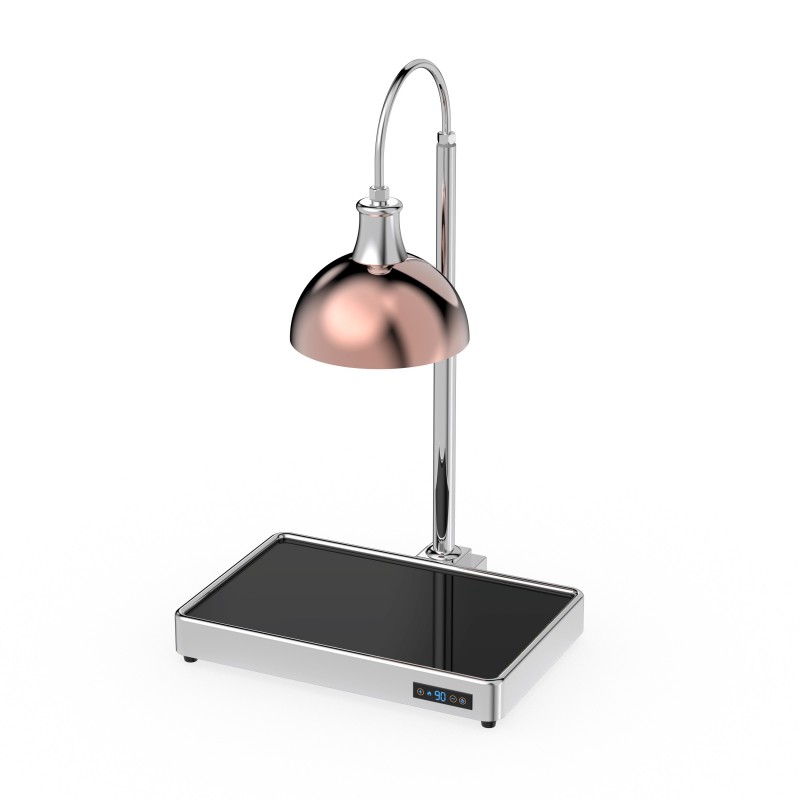
Single-Head Rose Gold Buffet Heat Lamp
BAVA Single-Head Rose Gold Buffet Heat Lamp. Dual-zone heating with infrared lamp and thermostatic base plate. Polished stainless steel + rose gold finish. Models BJ1631/BJ1831T. Ideal for hotel buffets and catering.
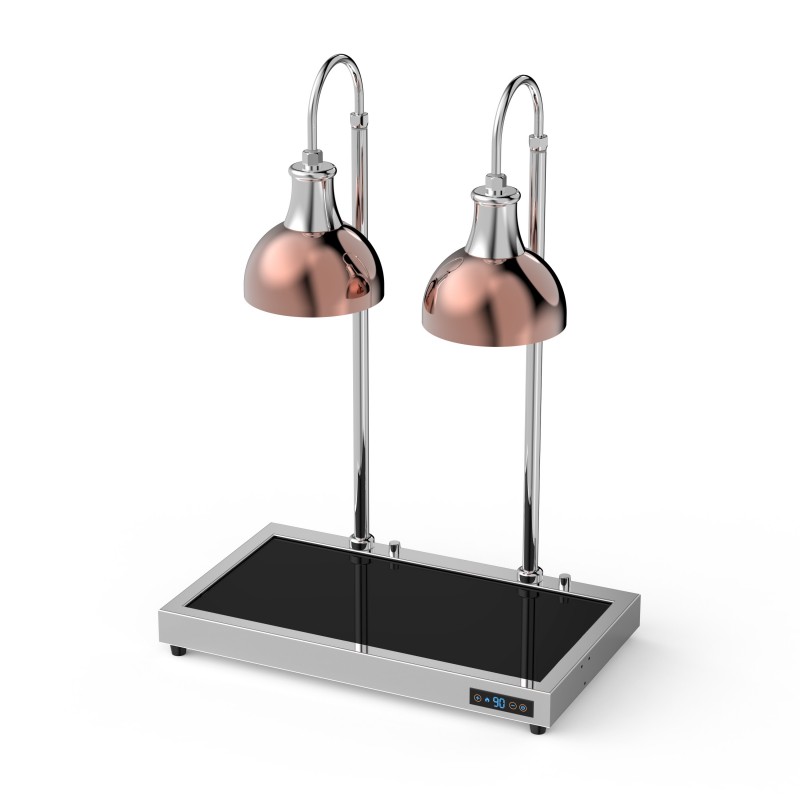
Dual-Insulation Workstation with Heat Lamp & Heating Plate
BAVA Dual-Insulation Workstation with Heat Lamp and Heating Plate. Dual-zone warming with infrared lamp + heated base. Black glass-ceramic surface, digital thermostat, copper dome lamps. Models BJ661/BJ662 with optional sneeze guard. CE certified.
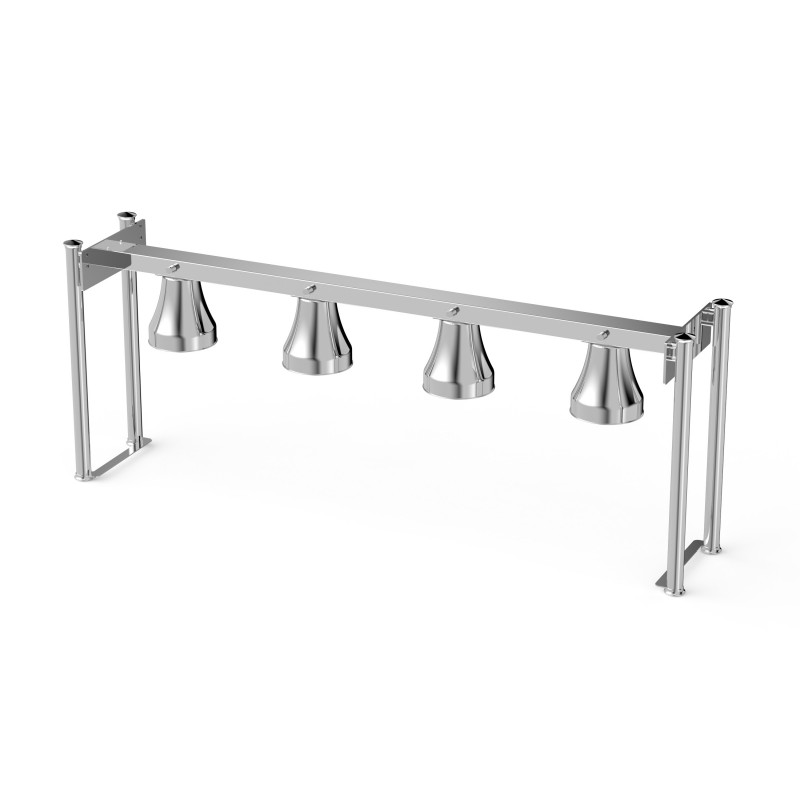
Stainless Steel Buffet Heat Lamp Rack
BAVA Stainless Steel Buffet Heat Lamp Rack. 4-lamp overhead system in stainless steel. Models: BJ604 (basic), BJ604B (angled), BJ604B-G (copper/gooseneck), BJ604C (sneeze guard). Freestanding gantry design. CE certified.
Related Articles
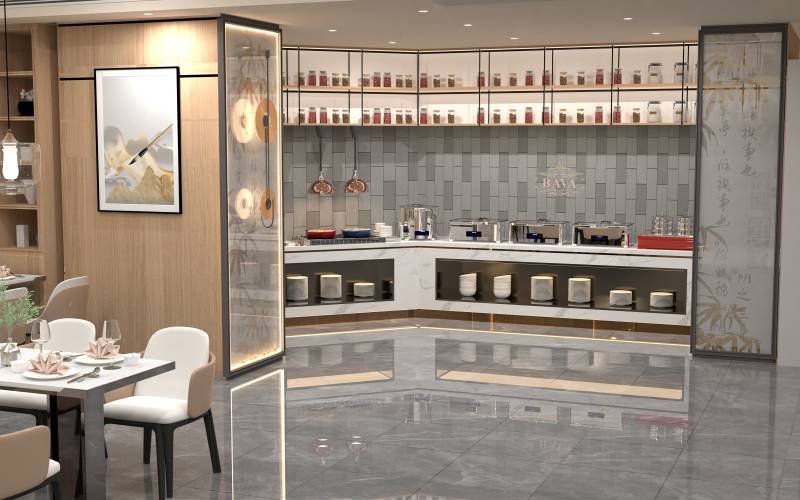
Electric Buffet Warmer with Adjustable Thermostat for Restaurants
Discover the best Electric Buffet Warmer with Adjustable Thermostat for Restaurants solutions. Real ...
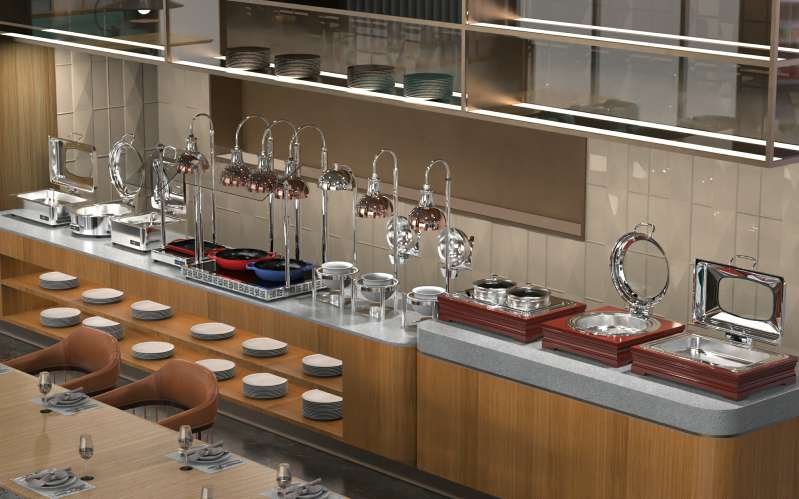
Mini Chafing Dish for Breakfast Buffet & Condiment Stations
Discover the best Mini Chafing Dish for Breakfast Buffet & Condiment Stations solutions. Real case s...
9QT Extra-Large Chafing Dish for Large-Scale Banquet Events
Discover the best 9QT Extra-Large Chafing Dish for Large-Scale Banquet Events solutions. Real case s...
Wall-Mounted Buffet Stove for Space-Saving Kitchen Layouts
Discover the best Wall-Mounted Buffet Stove for Space-Saving Kitchen Layouts solutions. Real case st...
Stainless Steel Food Warmer for Supermarket Deli Departments
Discover the best Stainless Steel Food Warmer for Supermarket Deli Departments solutions. Real case ...
Commercial Chafer Dish with Temperature Control for Food Safety
Discover the best Commercial Chafer Dish with Temperature Control for Food Safety solutions. Real ca...