
Adjustable Food Heat Lamps: Customize Temperature for Different Foods
Different food types require different serving temperatures to maintain quality and meet food safety requirements, yet buffet and catering operations frequently need to warm multiple food types simultaneously from a single heat source. Adjustable heat lamps address this challenge by providing control over warming intensity, coverage area, and heat distribution, enabling operators to match warming parameters to the specific requirements of each food type. The ability to customise heat output across different menu items transforms a simple warming device into a versatile food quality management tool.
Understanding Temperature Requirements by Food Type
Hot Holding Temperature Standards
Food safety regulations consistently require hot-held foods to be maintained at temperatures above 60 degrees Celsius to prevent bacterial growth, with some jurisdictions specifying 63 degrees Celsius as the minimum holding temperature. These requirements apply to all hot-held foods regardless of the warming method used, establishing a non-negotiable floor for warming equipment performance. However, the upper temperature limit is less well-defined, creating the zone where food quality considerations become as important as safety compliance.
Delicate items like roasted vegetables, braised meats, and some seafood dishes begin to degrade in quality when held at temperatures significantly above their ideal serving temperature. Extended exposure to high heat causes moisture loss, texture breakdown, and colour deterioration that customers notice as reduced quality even when food safety is not compromised. The ability to hold these items at precisely the right temperature, just above the safety minimum, preserves quality throughout the service period.
High-Temperature Requirements
Some foods require higher holding temperatures to maintain the characteristics that customers expect. Fried foods, for example, are best held at temperatures around 65-70 degrees Celsius, which keeps them crisp while preventing the moisture absorption that makes fried foods soggy. Gravies, sauces, and soups need temperatures sufficient to prevent surface cooling and skin formation while avoiding the vigorous bubbling that changes texture and appearance. Pizza and similar items benefit from very high temperatures that maintain the contrast between a crispy base and properly melted toppings.
Height Adjustment as Temperature Control
Inverse Square Law and Warming Distance
The infrared energy delivered to a food surface decreases according to the inverse square law as the distance from the heat source increases, meaning that doubling the lamp height reduces delivered energy to approximately one-quarter. This mathematical relationship provides predictable temperature control through simple height adjustment, with small positional changes producing substantial effects on warming intensity. The Stainless Steel Heat Lamp-BJ10 with its height-adjustable post enables this adjustment through a simple mechanism that repositioning staff can operate without tools.
The height-adjustable design accommodates different food configurations without requiring equipment replacement, with the graduated adjustment allowing precise positioning for specific warming requirements. Operations that serve varied menu items can position lamps to match each food type's ideal warming intensity, improving food quality across the full menu.
Practical Height Positioning Guidelines
Heat lamps positioned 30 to 45 centimetres above food surfaces provide intense warming suitable for high-temperature requirements, maintaining surface temperatures well above the food safety minimum even in challenging ambient conditions. Mid-range positioning at 45 to 60 centimetres provides balanced warming appropriate for most standard hot-holding applications, maintaining safe temperatures without excessive heat that degrades food quality. Heights above 60 centimetres provide gentle warming suitable for maintaining already-hot foods or for use with temperature-sensitive items that degrade at higher temperatures.
Multi-Zone Warming Strategies
Single-Zone Limitations
A single heat lamp provides uniform warming across its coverage area, which works well when all items in that zone have similar temperature requirements but becomes problematic when different foods need different warming intensities. A single zone at the high intensity needed for fried foods may overheat temperature-sensitive items, while the lower intensity needed for delicate items may not maintain safe temperatures for hardier foods. Operations serving diverse menus from a single display face this conflict repeatedly throughout service.
Multi-Head Configurations for Zoned Control
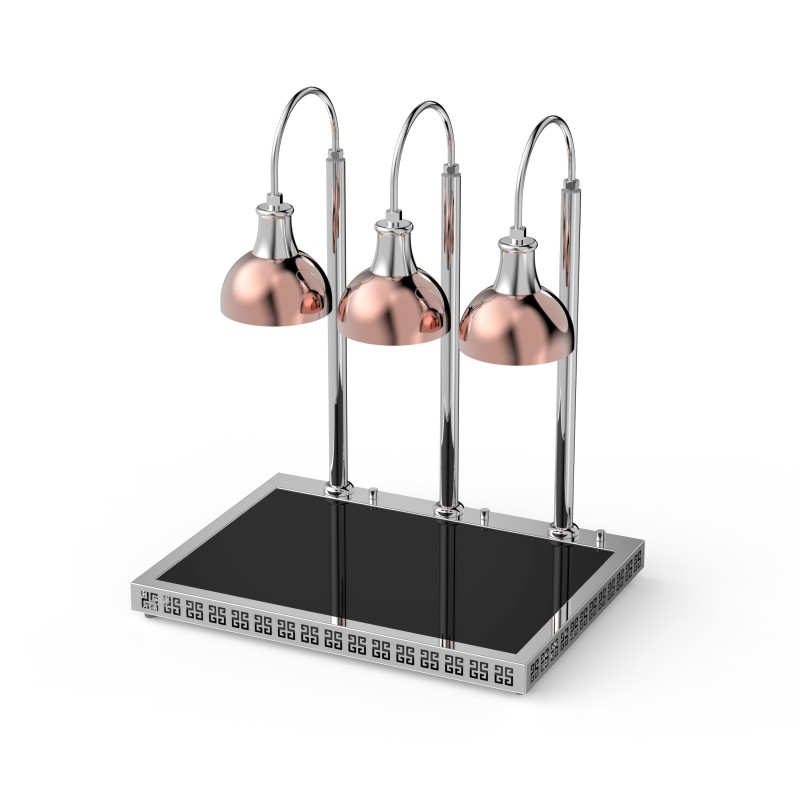
The Three-Head Rose Gold Buffet Heat Lamp Station with its three-head linear arrangement enables zoned warming strategies where different lamp heads serve different food types at appropriate intensities. Position the centre lamp closer to foods requiring higher temperatures while adjusting the outer lamps for items needing gentler warming, achieving differentiated temperature control across a single display. This zoned approach accommodates menu diversity without the complexity of multiple separate equipment units.
Pendant Height Adjustment for Extended Displays
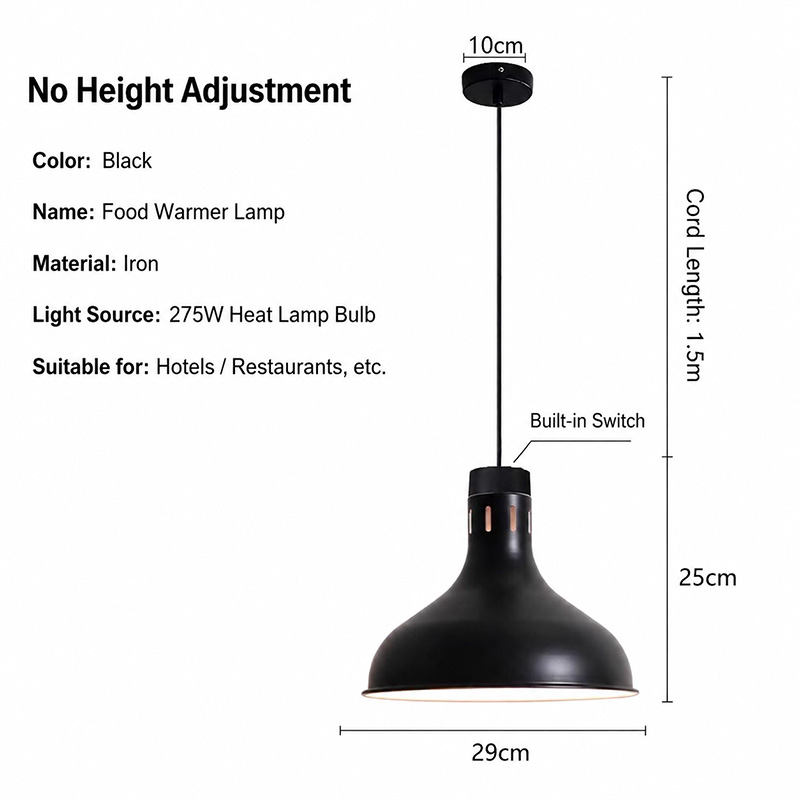
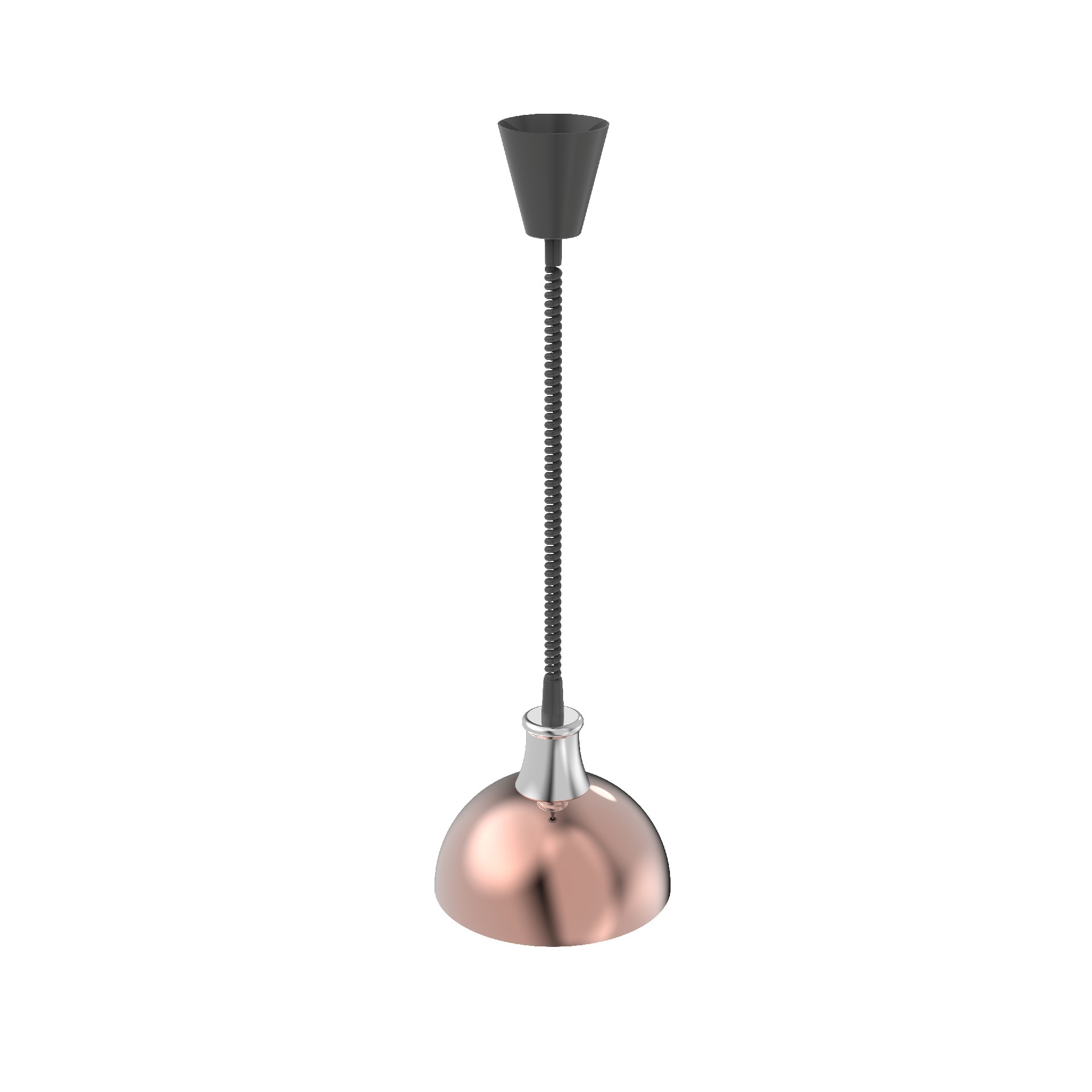
The Ceiling-Mounted Rose Gold Buffet Heat Lamp with its coiled cord suspension system enables straightforward height adjustment that accommodates the varied warming requirements across extended buffet configurations. Different pendant heights across multiple units provide differentiated warming zones within a single continuous display, enabling operators to match warming parameters to food positioning rather than forcing all items to share identical conditions. This flexibility is particularly valuable for buffet configurations that include both fried foods and delicate items in close proximity.
Thermostatic Control Systems
Active Temperature Management
Beyond passive height adjustment, some heat lamp systems incorporate thermostatic controls that actively manage warming output based on measured food surface temperatures. These systems use temperature sensors to detect when food surfaces reach the target temperature, cycling lamp elements on and off to maintain consistent temperatures without manual adjustment. Thermostatic control eliminates the guesswork from height positioning, automatically providing the appropriate warming intensity regardless of ambient conditions or food configuration changes.
Benefits of Automatic Temperature Regulation
Automatic thermostatic regulation provides consistent food quality throughout the service period, compensating for the temperature fluctuations that ambient conditions, food volume changes, and serving patterns create. Staff can focus on food quality and customer service rather than continuously adjusting equipment to compensate for changing conditions. The technology also provides food safety redundancy, automatically increasing warming output if temperatures begin to approach the safety minimum.
Comparative Analysis of Adjustment Methods
Heat lamps offer different adjustment mechanisms that provide varying levels of temperature control, from simple manual height positioning to sophisticated automatic thermostatic regulation. Understanding the trade-offs between these approaches helps operators select equipment matched to their specific requirements and operational complexity.
| Adjustment Method | Temperature Precision | Ease of Use | Consistency | Best For |
|---|---|---|---|---|
| Fixed height lamp | None | Easiest | Variable | Single food type service |
| Manual height adjustment | Good | Moderate effort | Requires monitoring | Multiple food types, stable menus |
| Multi-head zoned control | Very good | Moderate effort | Good with proper setup | Diverse menus, varied requirements |
| Thermostatic control | Excellent | Minimal | Excellent | High-volume operations, safety priority |
Operational Best Practices
Menu-Based Positioning Strategy
Develop positioning strategies based on the specific menu items served, grouping foods by warming requirements and positioning lamps accordingly. Establish standard heights for each food category and train staff to reposition lamps when menu configurations change. Document positioning guidelines for each menu item to ensure consistency across staff shifts and prevent the temperature inconsistency that ad-hoc positioning creates.
Temperature Monitoring Protocols
Regardless of adjustment sophistication, implement regular temperature monitoring protocols that verify actual food temperatures throughout service. Use calibrated probe thermometers to spot-check food surface temperatures at multiple points, comparing measured temperatures to the target range for each food type. Adjust lamp positioning or replacement if temperatures consistently fall outside the target range despite proper equipment operation.
Staff Training for Adjustment Procedures
Effective use of adjustable heat lamps requires staff understanding of the relationship between height positioning and warming intensity, the temperature requirements of different food types, and the procedures for repositioning as menu configurations change. Develop clear training materials that explain adjustment principles in practical terms, and include adjustment competence in equipment operation assessments.
Conclusion
Adjustable heat lamps transform the challenge of maintaining multiple food types at appropriate temperatures into a manageable operational process, providing the control needed to serve diverse menus without compromising food quality or safety. Height adjustment provides accessible temperature control through the predictable relationship between lamp height and delivered warming intensity, while multi-head configurations enable zoned warming strategies for menus with varied requirements. The three products evaluated above represent different approaches to adjustable heat lamp design: the height-adjustable freestanding unit for operations that need flexibility with single-zone control, the three-head gantry for extended displays requiring coordinated multi-zone warming, and the pendant-mounted unit for space-efficient adjustable warming. Select the adjustment approach that matches the complexity and diversity of your menu requirements.
Featured Products
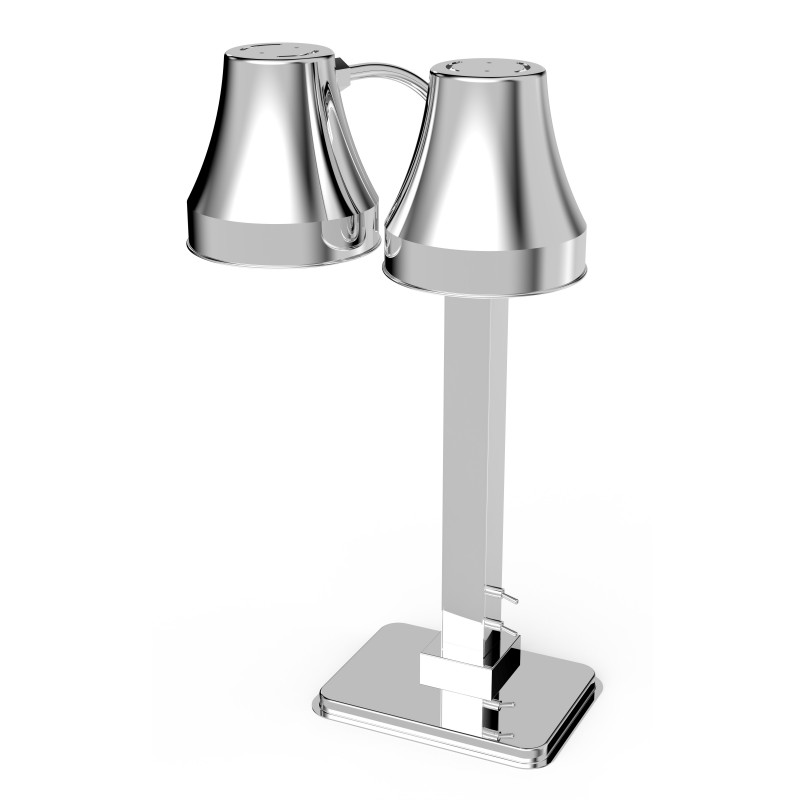
Stainless Steel Heat Lamp-BJ10
BAVA Stainless Steel Heat Lamp BJ10 Series. Freestanding countertop design with polished mirror SS, bell dome shade, height-adjustable post, weighted base. Available in single-head (BJ10/BJ101) and dual-head (BJ102). CE certified.
Three-Head Rose Gold Buffet Heat Lamp Station
BAVA Three-Head Rose Gold Buffet Heat Lamp Station. Three rose gold dome lamps in linear arrangement over black glass warming surface. Greek key decorative base pattern. BJ663T adds adjustable glass shelf. Premium hotel buffet design. CE certified.
Ceiling-Mounted Rose Gold Buffet Heat Lamp
BAVA Ceiling-Mounted Rose Gold Buffet Heat Lamp. Single-head pendant lamp with rose gold dome, coiled cord height adjustment, matte black canopy. Models BJ1001/BJ1002. CE certified. Ideal for hotel buffets and upscale catering.
Related Articles
Electric Buffet Warmer with Adjustable Thermostat for Restaurants
Discover the best Electric Buffet Warmer with Adjustable Thermostat for Restaurants solutions. Real ...
Mini Chafing Dish for Breakfast Buffet & Condiment Stations
Discover the best Mini Chafing Dish for Breakfast Buffet & Condiment Stations solutions. Real case s...
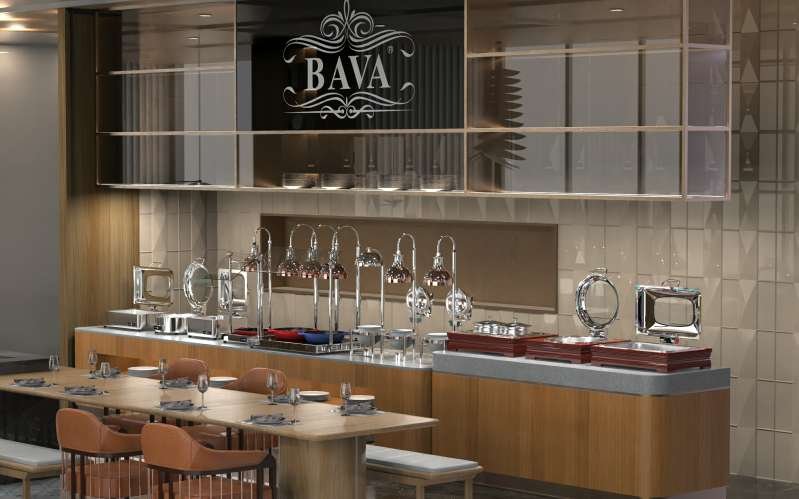
9QT Extra-Large Chafing Dish for Large-Scale Banquet Events
Discover the best 9QT Extra-Large Chafing Dish for Large-Scale Banquet Events solutions. Real case s...
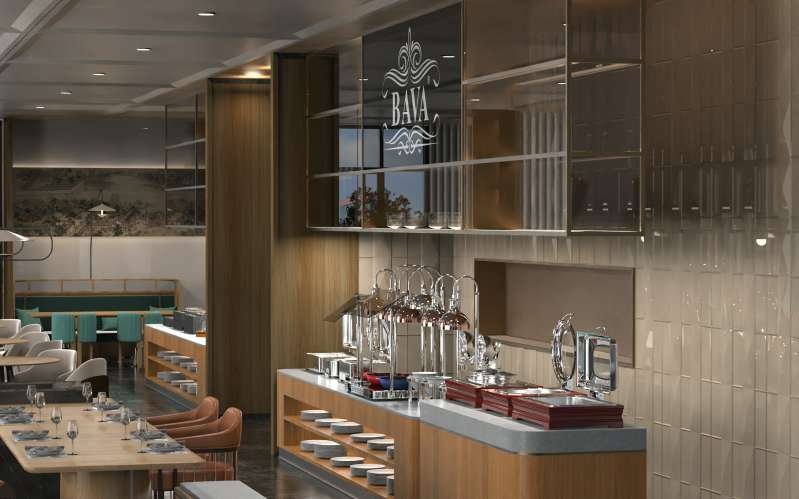
Wall-Mounted Buffet Stove for Space-Saving Kitchen Layouts
Discover the best Wall-Mounted Buffet Stove for Space-Saving Kitchen Layouts solutions. Real case st...
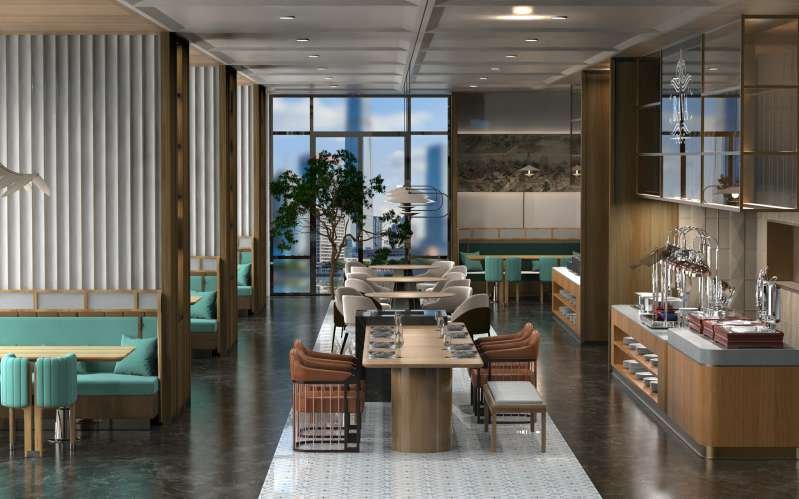
Stainless Steel Food Warmer for Supermarket Deli Departments
Discover the best Stainless Steel Food Warmer for Supermarket Deli Departments solutions. Real case ...
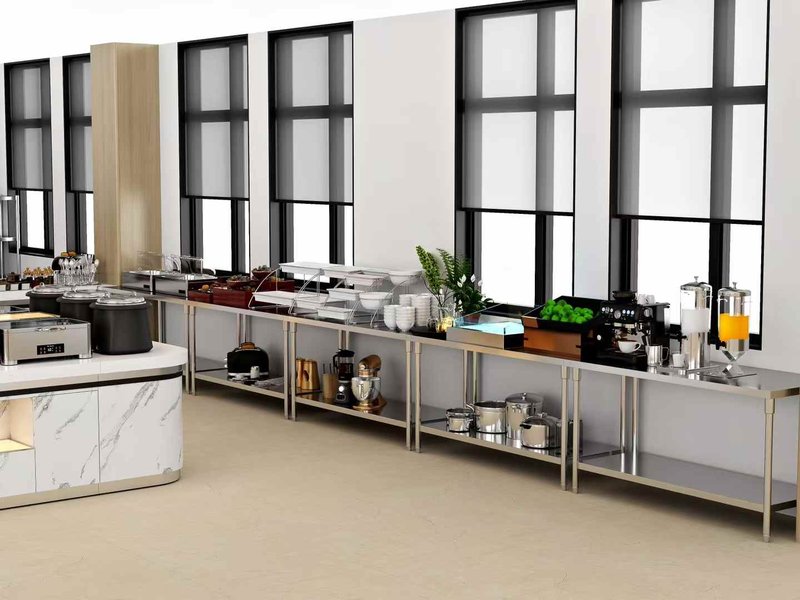
Commercial Chafer Dish with Temperature Control for Food Safety
Discover the best Commercial Chafer Dish with Temperature Control for Food Safety solutions. Real ca...