
Food Heat Lamp Insulated Covers: Retain Heat Efficiently
Heat retention represents one of the most significant operational challenges in food warming, with heat loss occurring continuously from food surfaces through radiation, convection, and conduction mechanisms. In commercial food service environments where ambient temperatures vary, air movement creates evaporative cooling, and service doors open and close frequently, maintaining consistent food temperatures requires deliberate strategies beyond simple heat lamp placement. Insulated covers and thermal retention surfaces address this challenge by reducing the rate at which heated food loses warmth, enabling heat lamps to maintain safe serving temperatures with less energy input while improving food quality by preventing the temperature fluctuations that degrade sensory characteristics.
The Physics of Heat Loss in Food Display
Radiative Heat Transfer
Food surfaces lose heat primarily through infrared radiation, with warmer surfaces emitting more radiation energy to their surroundings. Unlike conduction and convection, radiative heat loss occurs even in vacuum conditions and does not require a physical medium for energy transfer. The rate of radiative loss depends on the temperature difference between the food surface and surrounding surfaces, the emissivity of the food surface, and the view factor that determines how much radiated energy reaches cooler surfaces rather than other warm surfaces.
Heat lamps counteract radiative loss by supplying infrared energy to the food surface, with the balance between supplied and lost radiation determining whether the food maintains, gains, or loses temperature. When radiation supplied equals radiation lost, the food reaches equilibrium temperature where the heat lamp maintains the target temperature without further heating. The Single-Head Rose Gold Buffet Heat Lamp uses dual-zone heating that combines overhead infrared radiation with base plate conduction, providing more complete thermal energy delivery that achieves equilibrium faster and maintains it more consistently.
Convective Cooling Mechanisms
Air movement across food surfaces carries heat away through convection, with forced convection from ventilation systems or customer movement being particularly significant in open buffet configurations. Even in still-air environments, natural convection creates continuous air circulation as warmer air rises from food surfaces and cooler air takes its place. Insulated covers reduce convective cooling by creating a barrier that slows air movement across the food surface, trapping a layer of warmer air near the food that reduces the temperature differential driving convection.
Conduction Through Contact Surfaces
Food placed on serving dishes or in pans loses heat through conduction into the dish material and the surface beneath it. Metal serving ware conducts heat particularly efficiently, drawing thermal energy away from food and dissipating it into counter surfaces or transport equipment. Insulated serving ware and thermal retention surfaces slow this conductive loss, maintaining warmer food surfaces for longer service periods. The Stainless Steel Heat Lamp-BJ10 with its insulated design components reduces conductive heat loss compared to basic metal constructions.
Insulation Design in Commercial Heat Lamps
Base Plate Thermal Mass
The base plate of a freestanding heat lamp serves both as a structural support and as a thermal management component, with different materials providing different thermal characteristics. Metal base plates with high thermal conductivity dissipate heat quickly, which can cool food surfaces in contact with the plate while providing stable equipment support. Thermal retention base plates incorporate insulation materials or design features that reduce conductive heat loss, maintaining warmer food temperatures longer.
The Single-Head Rose Gold Buffet Heat Lamp incorporates a thermostatic base plate that actively manages temperature rather than simply providing passive insulation. The thermostatic control measures surface temperature and regulates heating output to maintain consistent conditions regardless of ambient variations, food load changes, or other factors that would otherwise cause temperature drift. This active thermal management provides more reliable heat retention than passive insulation alone.
Insulated Surface Materials
Modern commercial equipment uses various insulated surface materials that reduce conductive heat loss while maintaining the cleanability and durability that food service requires. Glass surfaces provide excellent thermal distribution across the full serving area while having lower thermal conductivity than metal, reducing the cold spots that occur where food contacts metal directly. Ceramic coatings and enamelled surfaces provide similar benefits with additional aesthetic options for front-of-house applications.
Gantry Construction and Heat Distribution
The gantry structure supporting overhead heat lamp elements influences how effectively warming energy distributes across the food display area. The Stainless Steel Buffet Heat Lamp Rack with its four-lamp overhead configuration provides broad coverage that reduces temperature variation across extended displays, ensuring that food at display edges receives the same warming attention as food in the centre. The stainless steel construction provides durable support that maintains lamp positioning throughout extended service operations.
Cover Systems and Enclosure Design
Cloche and Dome Covers
Traditional cloche covers trap heated air around food surfaces, creating a warm microclimate that reduces heat loss and maintains food temperature without additional energy input. The transparent dome allows visual monitoring of food condition while the enclosed design prevents convective cooling from air movement. Modern variations use tempered glass or transparent polymers that provide the thermal benefits of enclosure while enabling clear food presentation in front-of-house applications.
Partial Cover Systems
Partial covers that surround food without fully enclosing it provide a compromise between complete insulation and open display, trapping warmer air near the food surface while maintaining accessibility for serving and customer viewing. These systems are particularly valuable for buffet configurations where customer self-service requires unobstructed access while operational efficiency demands heat retention between customer servings.
Integrated Cover and Lamp Systems
Some heat lamp configurations integrate cover elements directly into the lamp design, providing the thermal benefits of enclosure without the complexity of separate cover management. The Stainless Steel Buffet Heat Lamp Rack available with sneeze guard configurations demonstrates this integration approach, combining warming functionality with food protection in a single system that simplifies both operation and cleaning procedures.
Energy Efficiency Through Thermal Management
Reduced Lamp Runtime
Effective thermal insulation reduces the amount of time heat lamps must operate to maintain food at safe serving temperatures, with well-insulated configurations reaching equilibrium with lower lamp duty cycles than poorly insulated equivalents. This reduced runtime translates directly to energy cost savings, with the operating cost advantage of insulated configurations accumulating over the equipment lifespan to substantially offset any higher initial purchase cost.
Extended Safe Holding Time
Food held at proper temperatures has a maximum safe holding time beyond which quality deteriorates regardless of temperature maintenance, with most hot-held foods having a recommended maximum holding period of two to four hours depending on the specific item and preparation method. Insulated configurations that maintain consistent temperatures throughout the holding period allow operations to use the full recommended holding time without temperature safety margin concerns, maximising the service window available from each batch preparation.
Comparative Thermal Performance
Different heat lamp configurations provide varying levels of thermal performance, with the insulation and heat retention features of each approach creating trade-offs between initial cost, operating cost, food quality maintenance, and operational complexity. Understanding these trade-offs helps operators select configurations that match their specific operational requirements.
| Configuration | Heat Retention | Temperature Consistency | Energy Efficiency | Operational Complexity |
|---|---|---|---|---|
| Basic metal base, single lamp | Low | Variable | Low | Simple |
| Insulated base, single lamp | Good | Good | Good | Simple |
| Thermostatic base, single lamp | Excellent | Excellent | Very Good | Moderate |
| Multi-lamp gantry with insulated base | Very Good | Very Good | Good | Moderate |
Operational Best Practices for Heat Retention
Pre-Heating Procedures
Effective heat retention begins before food enters the display, with pre-heating the serving equipment and the surrounding space creating thermal conditions that support food temperature maintenance throughout service. Pre-heat heat lamps for at least fifteen to twenty minutes before placing food under them, allowing the warming surfaces and any insulated components to reach operating temperature. Pre-heated equipment provides immediate thermal support when food arrives, eliminating the temperature recovery period that occurs when cold food enters an unheated display.
Placement Optimisation
Food placement within the heat lamp coverage area affects how effectively the equipment maintains temperature, with proper placement ensuring that all food receives adequate warming while avoiding cold spots at display edges. Centre food placement under the primary heating zone for items requiring the most consistent temperature, using the peripheral warming zones for items with wider acceptable temperature ranges. Avoid placing food in the transition zones between adjacent heat lamps where temperature coverage may be inconsistent.
Service Rhythm Management
The frequency of customer service interruptions affects food temperature stability, with each opening of buffet displays or serving stations allowing heat loss that requires recovery time. Structure service operations to minimise display opening duration and frequency, using cover systems during customer interruptions and consolidating service actions to reduce thermal cycling. The Single-Head Rose Gold Buffet Heat Lamp with its thermostatic regulation provides automatic compensation for temperature fluctuations from service interruptions, maintaining target temperatures regardless of operational patterns.
Maintenance for Optimal Thermal Performance
Surface Condition Effects
Insulated and thermal retention surfaces lose effectiveness when damaged, contaminated with food soils, or worn from use, with surface degradation reducing thermal performance gradually enough that operators may not notice the decline until food temperatures become inconsistent. Regular inspection and cleaning of insulated surfaces preserves thermal performance, with worn or damaged components replaced before they create food temperature problems.
Lamp Element Replacement
Heat lamp elements age during use, with infrared bulb output decreasing measurably before the element fails completely. Aged elements may appear to function normally while providing insufficient warming output to maintain food at safe temperatures, particularly in challenging ambient conditions. Replace heat lamp elements according to manufacturer recommendations or when temperature performance begins to decline, using only replacement elements with the correct wattage and spectral output specified for the equipment.
Conclusion
Insulated covers and thermal retention features substantially improve the performance of commercial heat lamp systems, reducing energy consumption while maintaining more consistent food temperatures that preserve quality throughout service periods. The investment in thermal management features pays returns through reduced operating costs, improved food quality, and greater food safety compliance confidence. The three products evaluated above represent different approaches to thermal retention in commercial heat lamp design: the four-lamp stainless steel gantry for broad coverage with durable construction, the height-adjustable stainless steel unit for flexible positioning with insulated design elements, and the dual-zone thermostatic unit for active temperature management that automatically compensates for operational variations.
Featured Products
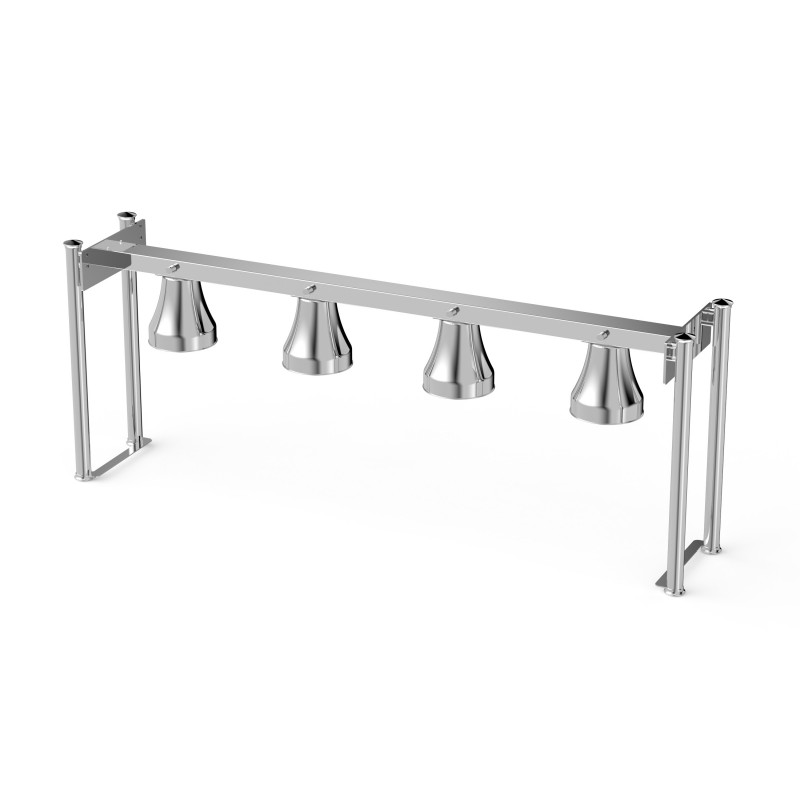
Stainless Steel Buffet Heat Lamp Rack
BAVA Stainless Steel Buffet Heat Lamp Rack. 4-lamp overhead system in stainless steel. Models: BJ604 (basic), BJ604B (angled), BJ604B-G (copper/gooseneck), BJ604C (sneeze guard). Freestanding gantry design. CE certified.
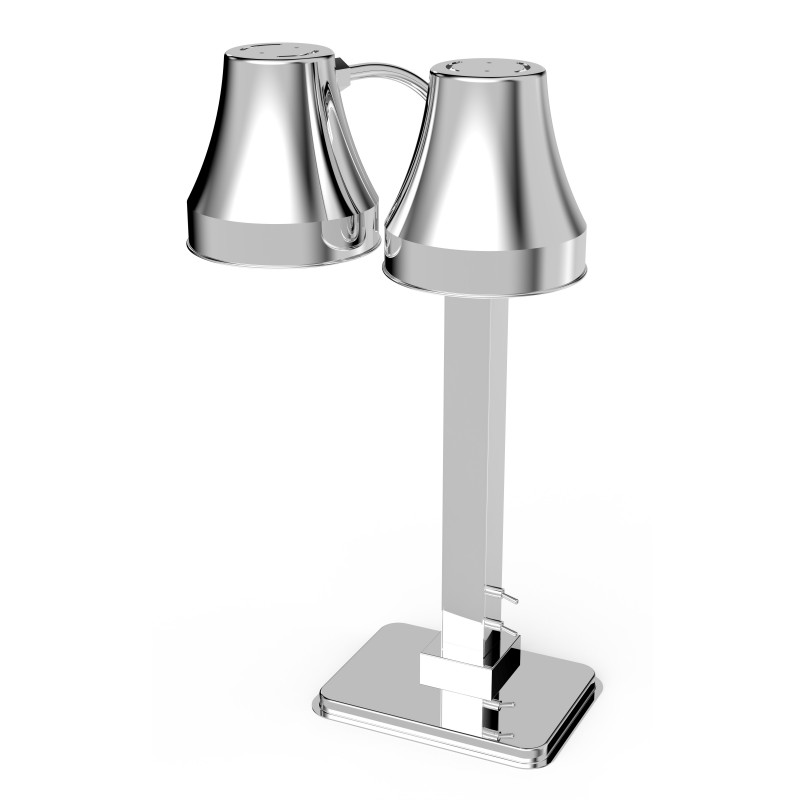
Stainless Steel Heat Lamp-BJ10
BAVA Stainless Steel Heat Lamp BJ10 Series. Freestanding countertop design with polished mirror SS, bell dome shade, height-adjustable post, weighted base. Available in single-head (BJ10/BJ101) and dual-head (BJ102). CE certified.
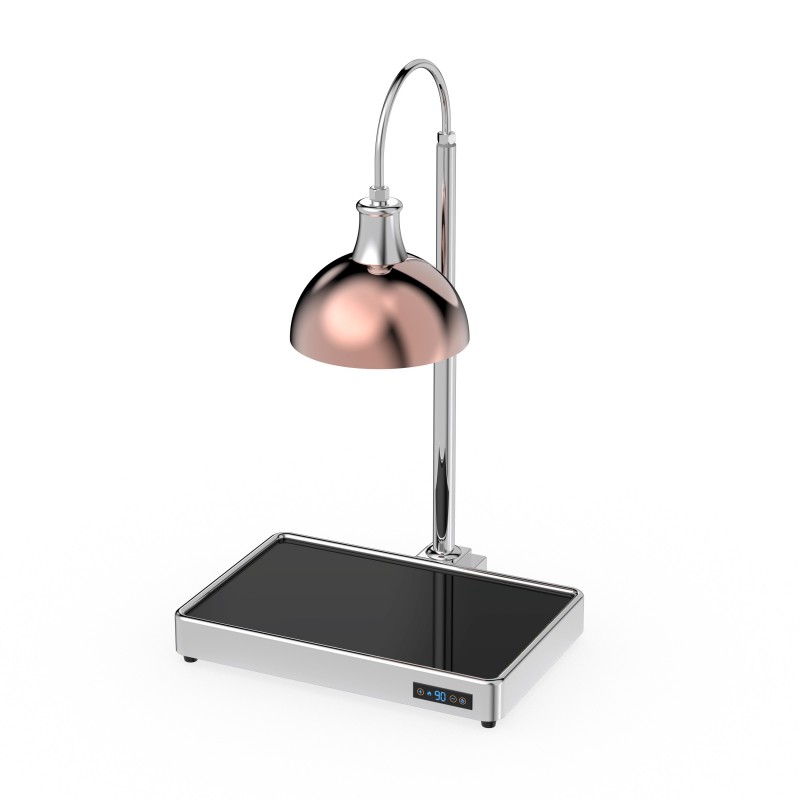
Single-Head Rose Gold Buffet Heat Lamp
BAVA Single-Head Rose Gold Buffet Heat Lamp. Dual-zone heating with infrared lamp and thermostatic base plate. Polished stainless steel + rose gold finish. Models BJ1631/BJ1831T. Ideal for hotel buffets and catering.
Related Articles
Electric Buffet Warmer with Adjustable Thermostat for Restaurants
Discover the best Electric Buffet Warmer with Adjustable Thermostat for Restaurants solutions. Real ...
Mini Chafing Dish for Breakfast Buffet & Condiment Stations
Discover the best Mini Chafing Dish for Breakfast Buffet & Condiment Stations solutions. Real case s...
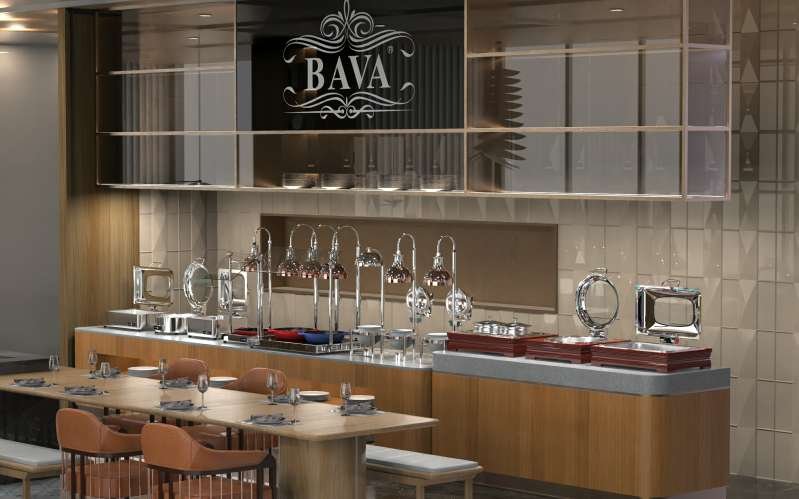
9QT Extra-Large Chafing Dish for Large-Scale Banquet Events
Discover the best 9QT Extra-Large Chafing Dish for Large-Scale Banquet Events solutions. Real case s...
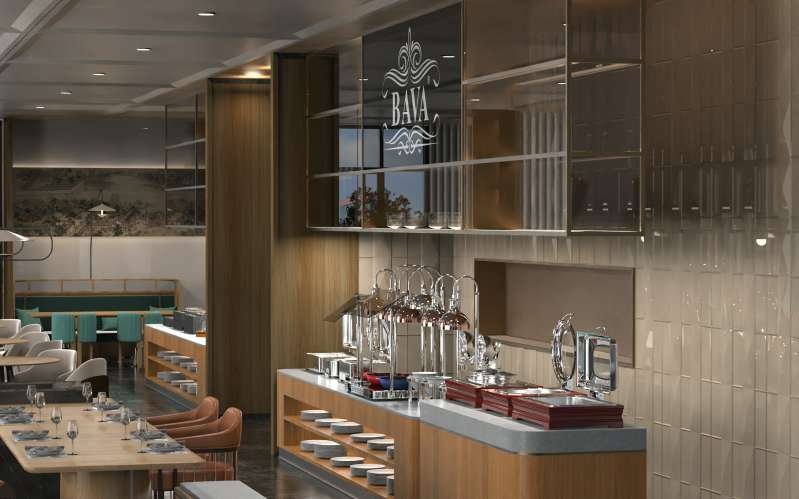
Wall-Mounted Buffet Stove for Space-Saving Kitchen Layouts
Discover the best Wall-Mounted Buffet Stove for Space-Saving Kitchen Layouts solutions. Real case st...
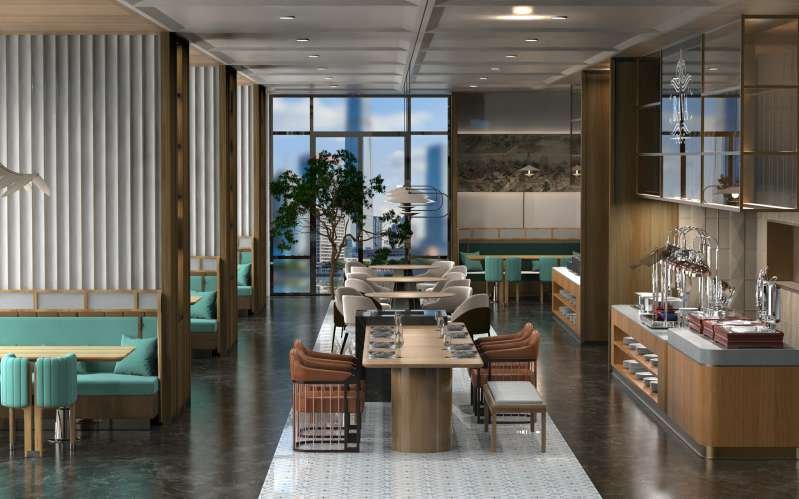
Stainless Steel Food Warmer for Supermarket Deli Departments
Discover the best Stainless Steel Food Warmer for Supermarket Deli Departments solutions. Real case ...
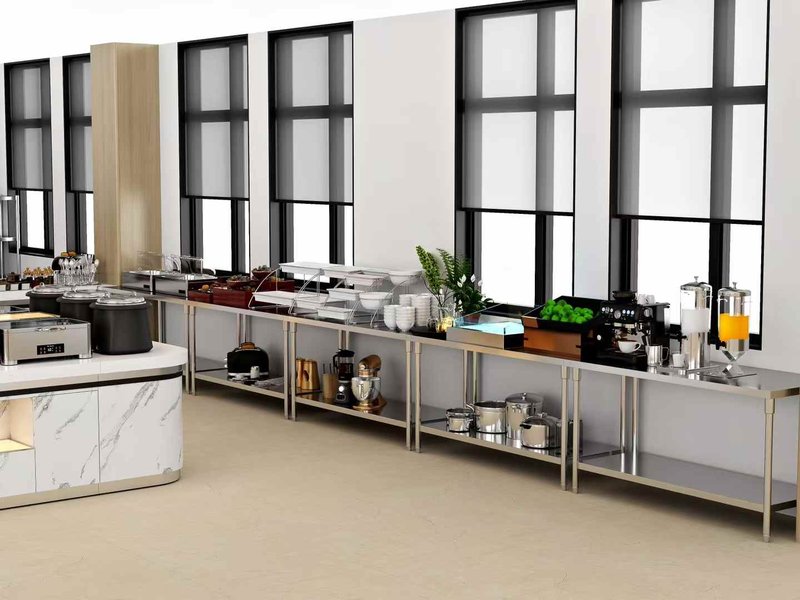
Commercial Chafer Dish with Temperature Control for Food Safety
Discover the best Commercial Chafer Dish with Temperature Control for Food Safety solutions. Real ca...