
How to Use a Food Heat Lamp: Step-by-Step Guide for Beginners
Food heat lamps are essential equipment in commercial kitchens, cateringservices, and buffet operations, providing a reliable method for maintaining food at safe serving temperatures while preserving quality throughout service periods. For operators new to this equipment, understanding proper setup, operation, and maintenance procedures ensures both food safety compliance and equipment longevity. This guide walks through each stage of heat lamp use, from initial setup through daily operation and cleaning, providing the foundation that new operators need to use this equipment confidently and effectively.
Understanding Your Heat Lamp Before You Begin
Types of Heat Lamp Configurations
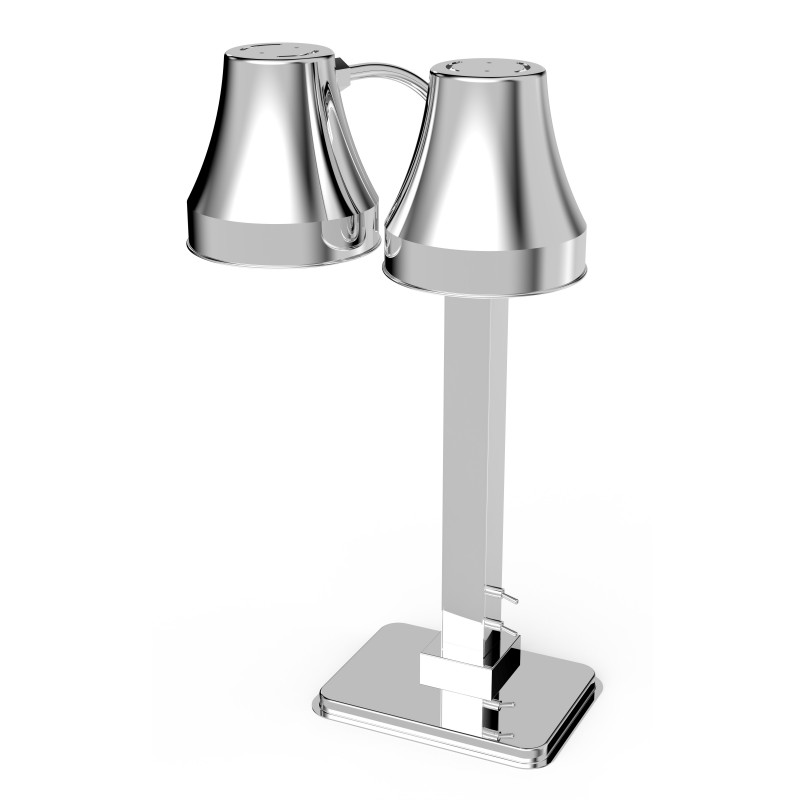
Heat lamps come in several configurations suited to different operational needs. Freestanding countertop units like the Stainless Steel Heat Lamp-BJ10 sit directly on prep or serving counters, providing focused warming for specific food items with the flexibility to reposition as needed. These units typically feature adjustable height posts and weighted bases that prevent tipping while accommodating different food vessel heights.
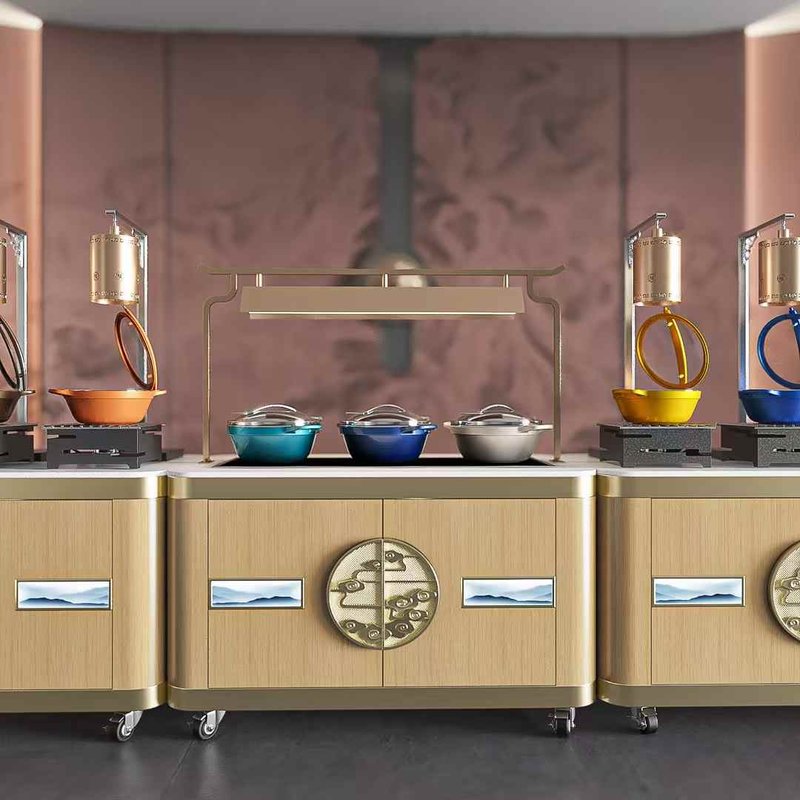
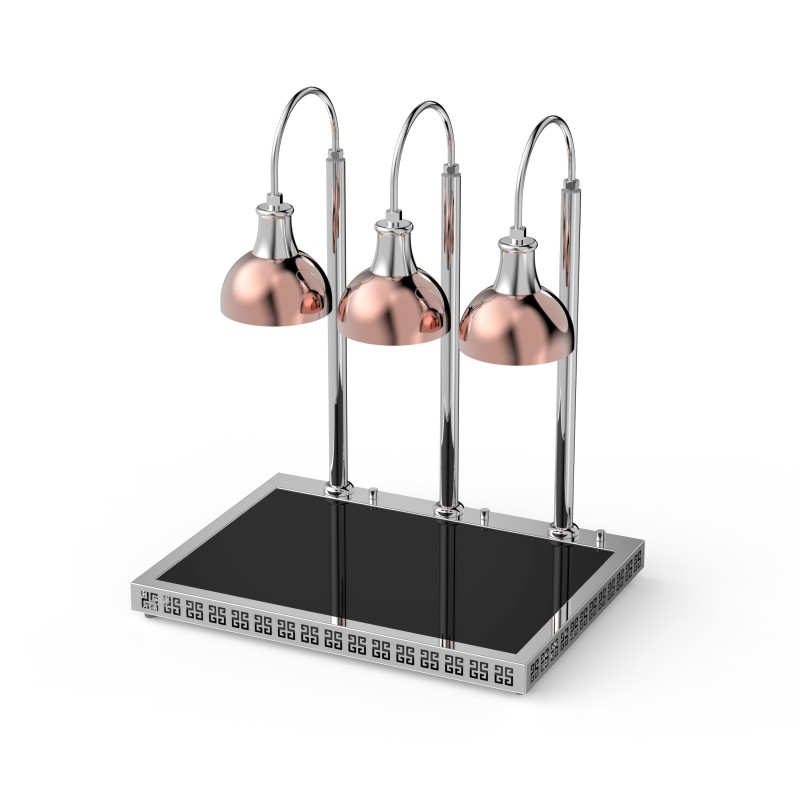
Gantry-mounted systems such as the Three-Head Rose Gold Buffet Heat Lamp Station span wider serving areas with multiple lamp heads, providing coordinated warming across extended buffet displays. The overhead mounting frees counter space for additional food displays or service activities while warming a broader area from a single support point.
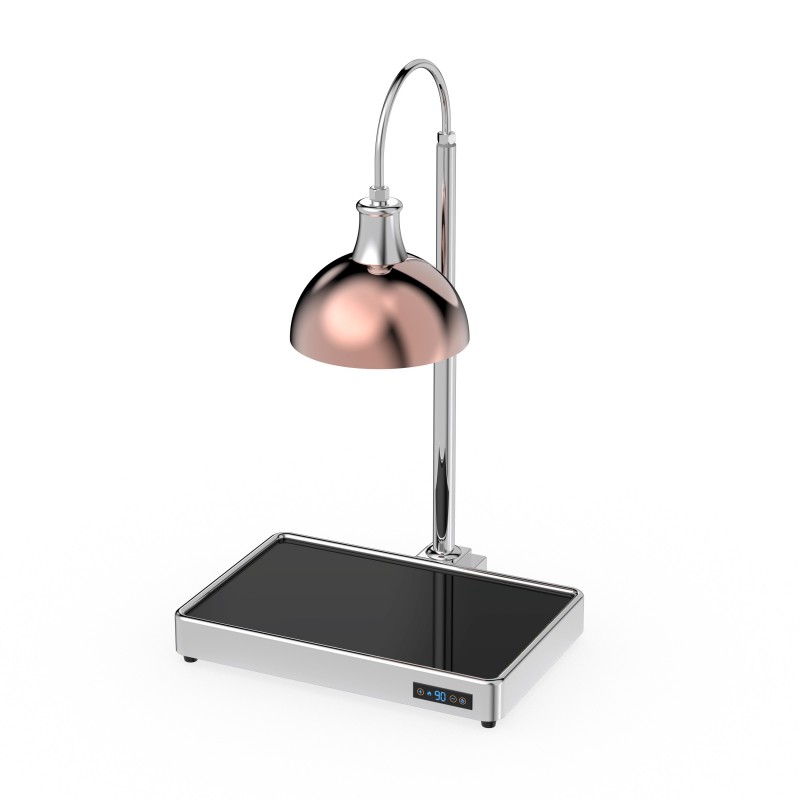
The Single-Head Rose Gold Buffet Heat Lamp combines overhead and base warming through dual-zone technology, using infrared lamp heat from above while a thermostatic base plate warms food from below. This combination achieves more consistent temperatures than single-source warming and automatically compensates for ambient variations that affect single-source units.
Essential Components and Terminology
Understanding heat lamp terminology helps operators follow instructions and communicate with equipment suppliers. The lamp element or bulb generates infrared radiation that transfers heat to food surfaces. The dome or shade directs infrared energy downward toward the food while protecting the element from damage and contamination. The mounting system supports the lamp at the appropriate height and position above the food. The base or support provides stable positioning and may incorporate thermal management features.
Step 1: Selecting the Right Location
Surface Requirements
Place your heat lamp on a stable, level surface capable of supporting the equipment weight plus the weight of food containers it will serve. Freestanding units require adequate counter space for safe positioning, with clear space around the equipment for airflow and safe operation. Avoid positioning near flammable materials, active ventilation hoods that create direct airflow over the warming zone, or areas where accidental contact could cause burns to staff or customers.
Electrical Safety Considerations
Ensure the electrical outlet matches the equipment voltage and amperage requirements, with a dedicated circuit preferred for high-wattage commercial units. Avoid using extension cords or power strips with commercial warming equipment, as these may not handle the sustained current draw safely. Verify that the power cord is undamaged and routed to avoid trip hazards or contact with hot surfaces. The CE certification on equipment like the Single-Head Rose Gold Buffet Heat Lamp indicates compliance with electrical safety standards specific to food service equipment.
Step 2: Assembling and Preparing the Equipment
Initial Setup Procedures
Remove all packaging materials and protective coverings before first use, checking that no packaging debris remains in lamp housings or around heating elements. Assemble any modular components according to manufacturer instructions, ensuring that all connections are secure and that adjustment mechanisms move freely without binding. Avoid overtightening adjustment knobs or screws, as this can damage threads or prevent the adjustment flexibility needed for proper positioning.
Pre-Heating Before First Use
Operate the heat lamp without food for fifteen to twenty minutes before first use to burn off any manufacturing residues from heating elements and to verify that the equipment functions correctly before food contact. During this pre-heat period, observe the lamp from a safe distance for any unusual sounds, smells, or visual indicators of malfunction. Check that indicator lights or controls function as expected and that heating elements reach normal operating temperature within the expected time frame.
Step 3: Positioning the Lamp at the Correct Height
Height Guidelines for Different Foods
Lamp height directly affects the warming intensity delivered to food surfaces, with closer positioning providing more intense warming and greater distance providing gentler heating. For most hot-holding applications, position the lamp 40 to 60 centimetres above the food surface to maintain temperatures above the 60-degree Celsius food safety minimum while avoiding excessive heat that degrades food quality. Increase height for temperature-sensitive items like delicate sauces or finished proteins, and decrease height for high-temperature requirements like maintaining fried foods in optimal crispness.
Adjusting for Your Specific Unit
The Stainless Steel Heat Lamp-BJ10 with its height-adjustable post allows precise positioning through simple hand adjustments. Loosen the adjustment mechanism, raise or lower the lamp head to the desired height, and retighten securely before loading food. Check height positioning after loading food, as the weight of food containers may cause slight settling that changes the effective warming distance.
Step 4: Loading Food Under the Heat Lamp
Container Selection
Use appropriate food-safe containers rated for the temperatures that heat lamps generate, avoiding plastic containers that may warp or melt at sustained high temperatures. Metal hotel pans and stainless steel vessels conduct and retain heat well, while ceramic and glass containers provide thermal mass that maintains temperature stability. Ensure containers are clean and at proper serving temperature before placing under the lamp, as heat lamps maintain temperature rather than rapidly reheating cold food.
Placement Best Practices
Position food containers directly beneath the lamp element for maximum warming effectiveness, avoiding areas at the edge of the coverage zone where warming may be inconsistent. Centre the most temperature-critical items under the primary heat source, using peripheral positioning for items with wider acceptable temperature ranges. Leave adequate space between containers for airflow that prevents localised hot spots while maintaining even warming across the display.
Step 5: Operating During Service
Temperature Monitoring
Use a calibrated probe thermometer to verify food temperatures regularly during service, checking multiple points across the display to identify any cold spots or temperature variations. Insert the thermometer probe into the food itself, not just the container or the air space above the food. The Single-Head Rose Gold Buffet Heat Lamp with thermostatic base control reduces the frequency of manual temperature checks by automatically maintaining consistent base temperatures, though spot-checking remains good practice throughout service.
Adjusting During Service
Service patterns and customer traffic create temperature fluctuations that may require lamp height adjustments during operation. Monitor food conditions continuously during busy service periods, adjusting lamp height as food volume decreases or ambient conditions change. When repositioning the lamp during service, use heat-resistant gloves or wait for surfaces to cool slightly before handling, and verify the new position provides adequate warming before returning to other tasks.
Step 6: Daily Cleaning and Maintenance
Cleaning the Lamp Dome and Housing
Allow the lamp to cool completely before cleaning, then wipe the dome and housing with a damp cloth to remove dust, grease, and food splatter. Avoid abrasive cleaning materials that could scratch reflective surfaces, as scratches reduce the infrared reflection efficiency that directs heat toward food. For stubborn deposits, use a mild food-safe cleaner followed by thorough rinsing and drying. Never submerge the lamp housing or allow water to enter electrical compartments.
Checking Lamp Elements
Inspect lamp elements each day for signs of wear, darkening, or damage that indicate reduced heating output. Healthy infrared elements appear clear or slightly amber-coloured when operating, while degraded elements show dark spots or a dull appearance that indicates reduced emission. Replace worn elements promptly using manufacturer-specified replacements, as weakened elements may not provide adequate warming even though they continue to glow visibly.
Base and Surface Care
Clean warming surfaces on freestanding units after each service, removing food debris and grease that could contaminate food or create fire hazards. The warming surface of the Three-Head Rose Gold Buffet Heat Lamp Station with its black glass construction wipes clean with standard food service cleaners, maintaining appearance and thermal performance through regular cleaning. Inspect base connections and electrical components periodically for any signs of damage or wear that could affect safe operation.
Step 7: End-of-Day Procedures
Proper Shutdown
Turn off heat lamps at the end of service, allowing elements to cool before covering or moving the equipment. Unplug the unit if it will not be used again that day, particularly if the power cord will be accessible to cleaning staff or other personnel. Allow equipment to cool completely before performing any cleaning or maintenance that requires touching heating surfaces.
Storage Recommendations
Store heat lamps in clean, dry locations where they will not be subject to physical damage or moisture exposure. Cover units that will not be used for extended periods to prevent dust accumulation on heating elements and reflective surfaces. Store any removable components together with the main unit to ensure complete equipment is available for the next use.
Common Beginner Mistakes to Avoid
New heat lamp operators frequently make several avoidable errors that compromise food safety or equipment performance. Placing food that is too cold under the lamp creates a prolonged recovery period during which the food remains in the danger zone between 5 and 60 degrees Celsius. Positioning the lamp too close to food creates excessive surface temperatures that degrade quality and create safety hazards. Using damaged or worn lamp elements reduces warming effectiveness below safe holding temperatures without obvious visual indicators. Failing to pre-heat the equipment before loading food extends the time needed to reach safe holding temperatures.
Conclusion
Proper heat lamp operation requires attention to setup, positioning, monitoring, and maintenance, with each stage contributing to the food safety and quality outcomes that commercial food service demands. The step-by-step approach outlined above provides new operators with the systematic procedures needed to use this equipment confidently, whether operating a simple single-unit setup or a more complex multi-head buffet configuration. The three products featured in this guide represent the range of commercial heat lamp options available: the versatile height-adjustable freestanding unit for focused warming, the multi-head gantry for extended buffet coverage, and the dual-zone thermostatic unit for automated temperature management that reduces the manual monitoring burden on busy kitchen staff.
Featured Products
Single-Head Rose Gold Buffet Heat Lamp
BAVA Single-Head Rose Gold Buffet Heat Lamp. Dual-zone heating with infrared lamp and thermostatic base plate. Polished stainless steel + rose gold finish. Models BJ1631/BJ1831T. Ideal for hotel buffets and catering.
Three-Head Rose Gold Buffet Heat Lamp Station
BAVA Three-Head Rose Gold Buffet Heat Lamp Station. Three rose gold dome lamps in linear arrangement over black glass warming surface. Greek key decorative base pattern. BJ663T adds adjustable glass shelf. Premium hotel buffet design. CE certified.
Stainless Steel Heat Lamp-BJ10
BAVA Stainless Steel Heat Lamp BJ10 Series. Freestanding countertop design with polished mirror SS, bell dome shade, height-adjustable post, weighted base. Available in single-head (BJ10/BJ101) and dual-head (BJ102). CE certified.
Related Articles
Electric Buffet Warmer with Adjustable Thermostat for Restaurants
Discover the best Electric Buffet Warmer with Adjustable Thermostat for Restaurants solutions. Real ...
Mini Chafing Dish for Breakfast Buffet & Condiment Stations
Discover the best Mini Chafing Dish for Breakfast Buffet & Condiment Stations solutions. Real case s...
9QT Extra-Large Chafing Dish for Large-Scale Banquet Events
Discover the best 9QT Extra-Large Chafing Dish for Large-Scale Banquet Events solutions. Real case s...
Wall-Mounted Buffet Stove for Space-Saving Kitchen Layouts
Discover the best Wall-Mounted Buffet Stove for Space-Saving Kitchen Layouts solutions. Real case st...
Stainless Steel Food Warmer for Supermarket Deli Departments
Discover the best Stainless Steel Food Warmer for Supermarket Deli Departments solutions. Real case ...
Commercial Chafer Dish with Temperature Control for Food Safety
Discover the best Commercial Chafer Dish with Temperature Control for Food Safety solutions. Real ca...