
Commercial vs. Residential Food Heat Lamps: Key Differences
The distinction between commercial and residential food heat lamps goes far beyond simple size differences or power ratings, encompassing fundamental design philosophies, construction quality standards, and performance capabilities that determine how effectively each category serves its intended users. Understanding these differences helps caterers, restaurant operators, event planners, and even home users make informed equipment decisions that match their actual needs, avoiding both the under-specification of residential equipment for commercial applications and the unnecessary expense of commercial-grade equipment for occasional home use. The market offers options at every price point, but selecting the wrong category for your application creates problems that range from poor performance to safety hazards.
Build Quality and Construction Standards
Materials and Durability
Commercial food heat lamps are engineered for continuous daily operation in demanding professional environments, requiring construction materials that can withstand the rigours of extended use without degradation. The stainless steel construction of units like the Dual-Insulation Workstation with Heat Lamp & Heating Plate exemplifies the heavy-gauge materials used in commercial equipment, designed to resist the dents, corrosion, and surface damage that occur through regular commercial cleaning and heavy handling. Commercial units feature reinforced mounting hardware, precision-machined adjustment mechanisms, and weighted bases that provide stable operation even when bumped or jostled during busy service periods.
Residential heat lamps prioritise aesthetic appeal and initial cost over the heavy-duty construction required for commercial reliability. Plastic components, lighter-gauge metals, and decorative finishes that look attractive in home kitchens rarely survive the repeated handling, cleaning, and transport that commercial equipment must endure. While a residential unit may function adequately for occasional use at home, the same unit subjected to daily commercial service would likely show significant wear within weeks and require replacement within months, making the higher initial cost of commercial equipment the more economical choice for any regular food service operation.
Electrical Components and Safety Ratings
Commercial heat lamps carry electrical safety ratings appropriate for continuous operation in environments with elevated ambient temperatures, grease-laden atmospheres, and potential exposure to moisture from food preparation activities. The Ceiling-Mounted Rose Gold Buffet Heat Lamp with its ceiling-mounted configuration requires proper electrical installation with appropriate junction boxes and supply wiring rated for the specific amperage draw of the lamp. All commercial electrical equipment must meet applicable national and international electrical safety standards, with certification marks indicating compliance testing by recognised testing laboratories.
Residential heat lamps may lack the moisture resistance, thermal rating, and safety margin designed into commercial equipment. Using residential-rated equipment in commercial environments creates fire hazards, electrical shock risks, and equipment failure that could lead to food safety violations. Before purchasing any heat lamp for commercial food service use, verify that it carries appropriate safety certifications for commercial applications in your jurisdiction, and ensure that the electrical installation meets local code requirements for the specific installation type.
Performance Capabilities
Continuous Operation Capacity
The defining performance characteristic of commercial heat lamps is their ability to operate continuously for extended periods without the thermal stress that would damage residential equipment. Commercial elements are rated for thousands of hours of continuous operation, with heat dissipation systems designed to manage the thermal load of uninterrupted use. The Dual-Insulation Workstation with Heat Lamp & Heating Plate with its dual-insulation design and heating plate technology maintains consistent output during extended service periods, making it suitable for events and operations where the lamp may be active for eight hours or more without interruption.
Residential heat lamps are designed for intermittent use with cooling periods between activations, and their thermal management systems are not sized for continuous operation. Running a residential heat lamp continuously risks element overheating, housing warping, and premature failure that could create fire hazards. Home users who need equipment for extended holding periods during special occasions should consider commercial-grade options rather than pushing residential equipment beyond its design limits.
Warming Coverage and Intensity
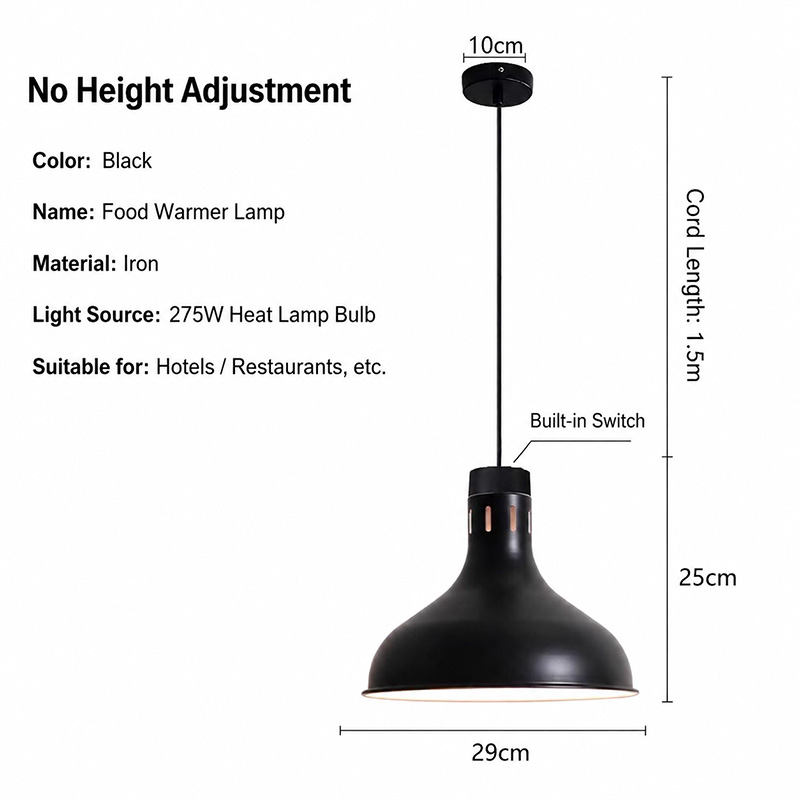
Commercial heat lamps provide the warming coverage and intensity needed to maintain safe food temperatures across full hotel pan, gastronorm container, and large platter sizes commonly used in professional food service. Multi-head configurations like the Ceiling-Mounted Rose Gold Buffet Heat Lamp can be positioned to cover broader display areas, with adjustable pendant heights allowing precise positioning for different food configurations. The higher wattage options available in commercial units deliver the heating intensity needed to maintain safe temperatures even when serving large food volumes or when ambient temperatures are lower.
Residential units typically provide adequate warming for single plate or small platter sizes, but lack the coverage area and intensity needed for full-size commercial food holding pans. Home users with larger entertaining needs may find that residential equipment cannot maintain safe temperatures across a full serving situation, resulting in food safety concerns or the need to divide food into smaller batches that fit within the residential unit's coverage area.
Temperature Control and Consistency
Advanced commercial heat lamps incorporate electronic temperature control systems that automatically adjust output to maintain consistent food temperatures despite changes in ambient conditions, food load, or other variables. The dual-zone heating in units like the Dual-Insulation Workstation with Heat Lamp & Heating Plate provides both lamp radiant heat and base conduction heating, with electronic temperature monitoring that responds to temperature changes more precisely than simple on-off thermostats. This level of control supports consistent food quality during extended holding periods while maintaining food safety temperatures throughout the holding period.
Residential units typically offer only basic temperature adjustment through simple switch settings or manual height adjustment, without the electronic monitoring and automatic adjustment of commercial systems. The absence of precise temperature control in residential equipment means that food temperatures vary more significantly during holding periods, potentially creating food safety risks during extended holding if the unit cannot maintain safe temperatures throughout the service period.
Design and Functional Differences
Mounting Configurations
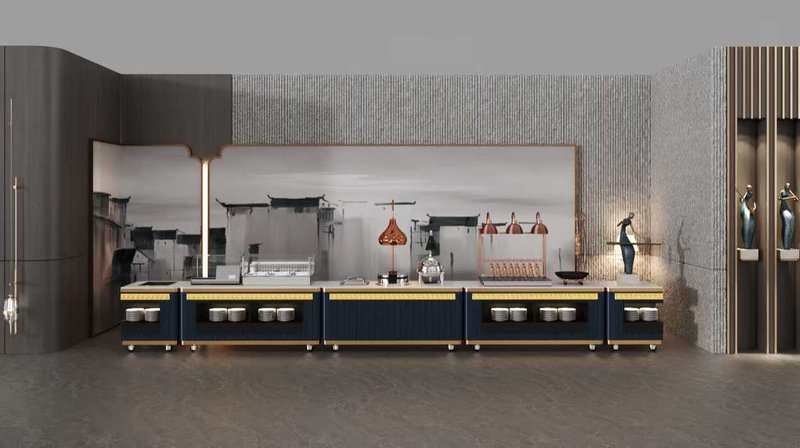
Commercial heat lamps are available in multiple mounting configurations designed to integrate with professional food service layouts, including freestanding, countertop, and ceiling-mounted options that maximise flexibility in different service environments. The freestanding configuration of the Dual-Insulation Workstation with Heat Lamp & Heating Plate allows repositioning during service reconfiguration, while the ceiling-mounted design of the Ceiling-Mounted Rose Gold Buffet Heat Lamp provides unobstructed access to food below without占用 counter space. Commercial configurations prioritised functionality over aesthetics, with designs that facilitate cleaning and maintenance while maintaining the professional appearance expected in food service environments.
Residential heat lamps are typically designed as freestanding or countertop units with aesthetics as a primary consideration, featuring decorative finishes, contemporary styling, and compact designs that complement home kitchen decors. While these aesthetic priorities make residential units attractive for home use, they typically cannot be configured for ceiling mounting or integrated into professional service layouts in the ways that commercial equipment supports. Residential designs also tend toward smaller footprints and lower profiles that limit their usefulness for larger food service applications.
Cleaning and Maintenance
Commercial heat lamps are designed for the aggressive cleaning protocols used in professional food service, with surfaces that tolerate commercial dishwashing, sanitising chemicals, and the repeated cleaning cycles that equipment receives during daily operations. The stainless steel construction of commercial units like the Dual-Insulation Workstation with Heat Lamp & Heating Plate resists staining, corrosion, and surface degradation from repeated cleaning with strong detergents and sanitising solutions. Removable components and tool-free access to element compartments facilitate the thorough cleaning required in commercial food service environments to maintain food safety standards.
Residential units with decorative finishes, plastic components, or delicate surface treatments may be damaged by commercial cleaning agents or high-temperature dishwashing cycles. The cleaning requirements for residential heat lamps are significantly less demanding than commercial standards, which means residential equipment would not meet the hygiene requirements for commercial food service regardless of its other performance characteristics. Using residential equipment in commercial settings creates food safety risks that cannot be addressed through normal cleaning protocols.
Cost Considerations and Value Analysis
Initial Purchase Price
Commercial heat lamps command significantly higher initial purchase prices than residential alternatives, reflecting the higher-quality materials, more robust construction, and more sophisticated engineering that goes into commercial equipment design. A commercial-grade freestanding or ceiling-mounted unit typically costs three to ten times more than a comparable residential unit, depending on the specific features and configuration. While this price difference may seem significant for home users with occasional needs, it reflects genuine engineering and manufacturing cost differences between the two categories rather than arbitrary commercial pricing.
Residential heat lamps are priced to appeal to home users who may be comparing options without understanding the fundamental differences in design intent and construction quality. A residential unit priced at one hundred to two hundred dollars may seem like excellent value compared to a commercial unit priced at five hundred to one thousand dollars, but this comparison ignores the vastly different usage patterns and longevity that each category is designed for. Home users who anticipate regular entertaining or extended holding needs should factor in the replacement cost of residential equipment when comparing against the higher initial investment in commercial options.
Total Cost of Ownership
The total cost of ownership comparison between commercial and residential heat lamps extends well beyond initial purchase price to include element replacement costs, repair expenses, energy consumption, and replacement frequency over the equipment's service life. Commercial equipment with its longer element life and more durable construction typically provides lower total cost of ownership for any operation using the equipment more than occasionally, with the payback period for commercial equipment depending on usage intensity and local electricity costs. The Ceiling-Mounted Rose Gold Buffet Heat Lamp ceiling-mounted configuration offers particularly good value for permanent installations where the equipment will see regular use, as the installation cost is amortised across many years of reliable service.
Residential equipment that must be replaced every one to two years under regular use, combined with the element replacements and potential repair costs during the service life, may actually cost more over a five-year period than purchasing commercial equipment initially. Home users with regular entertaining schedules should calculate their expected usage frequency and compare total costs across a realistic service life period rather than comparing only initial purchase prices when making purchasing decisions.
Food Safety Implications
Temperature Maintenance Requirements
Food safety regulations in most jurisdictions require that hot food be maintained at temperatures above sixty degrees Celsius throughout the holding and service period, creating specific performance requirements that not all heat lamp equipment can reliably meet. Commercial heat lamps are tested and rated to maintain these temperatures in the demanding conditions of professional food service, including cooler ambient temperatures, larger food loads, and longer holding periods. The temperature maintenance capability of commercial equipment is documented through testing to recognised standards, providing operators with confidence that their equipment supports food safety compliance.
Residential heat lamps have not been tested or rated for the demanding conditions of professional food service, and their actual temperature maintenance capability under commercial conditions may be significantly below what the equipment can achieve in more favourable home environments. Using residential equipment in situations where food safety regulations apply creates compliance risks that could result in regulatory violations, foodborne illness incidents, and associated liability. Any food service operation, including home-based catering and occasional food sales, should use equipment that meets commercial performance standards for food safety compliance.
Health Code Compliance
Health department regulations in most jurisdictions specify minimum requirements for food holding equipment that commercial operations must meet to maintain their operating permits. Residential equipment generally does not meet these requirements regardless of its practical performance, as health codes typically mandate specific features like thermostatic controls, temperature displays, and construction standards that are standard in commercial equipment but absent from most residential products. Operations using residential equipment in situations where health codes apply risk citation, operating permit suspension, or more serious enforcement action if their equipment is inspected and found non-compliant.
The Dual-Insulation Workstation with Heat Lamp & Heating Plate with its thermostatic base plate and temperature monitoring capabilities meets the requirements for commercial food holding equipment in most jurisdictions, providing operators with confidence that their equipment selection supports regulatory compliance. Before purchasing any heat lamp for an operation subject to health code requirements, verify that the specific product meets the construction and performance requirements specified in your local health department regulations.
Comparison Summary
The following table compares the key characteristics of commercial and residential food heat lamps across the most important evaluation criteria for potential buyers.
| Criteria | Commercial Heat Lamps | Residential Heat Lamps |
|---|---|---|
| Construction Quality | Heavy-gauge stainless steel, reinforced components | Lighter materials, decorative finishes, plastic components |
| Continuous Operation | Rated for 8+ hours continuous use | Intermittent use only; thermal limits |
| Warming Coverage | Full hotel pan / gastronorm coverage | Single plate to small platter only |
| Temperature Control | Electronic thermostatic with monitoring | Simple switch or manual height adjustment |
| Safety Certification | Commercial ratings, ETL/ETLus/CE certified | Residential ratings only; may lack certification |
| Cleaning Protocol | Commercial dishwashing and sanitising compatible | Gentle hand cleaning required |
| Element Lifespan | 4,000-6,000 hours of service | 1,000-2,000 hours typical |
| Initial Cost | Higher (USD 300-1,500+) | Lower (USD 50-200) |
| Health Code Compliance | Meets commercial requirements | Does not meet commercial requirements |
| Best For | Regular commercial/household use | Occasional home entertaining only |
Making the Right Choice
Commercial Operations
Any business involved in food service, catering, or food retail should use commercial-grade heat lamp equipment without exception. The performance requirements of professional food service, combined with the regulatory compliance requirements of health codes and food safety standards, make residential equipment inappropriate regardless of cost considerations. The liability exposure associated with using inadequate equipment in commercial food service makes the higher initial investment in commercial equipment a straightforward business decision. The Dual-Insulation Workstation with Heat Lamp & Heating Plate and Ceiling-Mounted Rose Gold Buffet Heat Lamp represent appropriate equipment choices for commercial applications, with the freestanding and ceiling-mounted configurations providing flexibility for different service layouts.
Home Users with Regular Needs
Home users who regularly entertain guests, host family gatherings, or need food warming for events should seriously consider commercial-grade equipment rather than attempting to meet their needs with residential products. Regular use at home means that residential equipment will reach its performance limits frequently, requiring replacement far sooner than commercial equipment would need. The superior performance of commercial units in maintaining food temperatures and food quality during extended holding also means that home users with quality expectations will be better served by commercial equipment. Even for home use, equipment that meets commercial standards provides better food safety assurance than residential alternatives.
Occasional Home Use
Home users with truly occasional needs, such as warming food once or twice per month during holiday gatherings or special occasions, may find that residential equipment adequately meets their needs without requiring the higher investment in commercial equipment. The key consideration for this usage pattern is ensuring that the residential unit is not pushed beyond its design limits during these occasional uses, with attention to food temperatures, usage duration, and cooling periods between uses. However, even occasional users should verify that their equipment maintains safe food temperatures throughout their holding period, and should consider upgrading to commercial equipment if they find that their residential unit cannot reliably meet their quality and safety expectations.
Conclusion
The choice between commercial and residential food heat lamps depends primarily on the intended usage pattern, with commercial equipment clearly superior for any regular use, professional applications, or situations where food safety compliance is required. Commercial heat lamps provide the durability, continuous operation capability, temperature control precision, and regulatory compliance that professional food service demands, with the higher initial investment offset by longer service life, lower operating costs, and better food quality maintenance. Residential heat lamps serve occasional home entertaining needs adequately, but cannot match commercial equipment performance in demanding conditions and should not be used in commercial food service applications regardless of apparent cost savings. The Dual-Insulation Workstation with Heat Lamp & Heating Plate and Ceiling-Mounted Rose Gold Buffet Heat Lamp demonstrate the quality construction, sophisticated features, and reliable performance that commercial heat lamp equipment provides, offering food service operators the equipment performance they need to maintain food safety standards and deliver quality dining experiences to their customers.
Featured Products
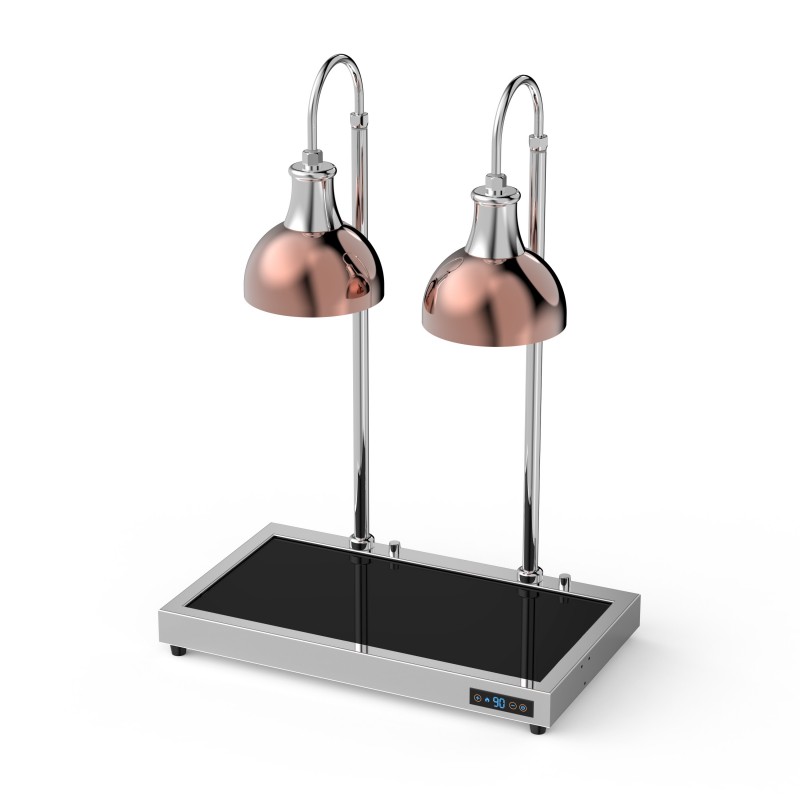
Dual-Insulation Workstation with Heat Lamp & Heating Plate
BAVA Dual-Insulation Workstation with Heat Lamp and Heating Plate. Dual-zone warming with infrared lamp + heated base. Black glass-ceramic surface, digital thermostat, copper dome lamps. Models BJ661/BJ662 with optional sneeze guard. CE certified.
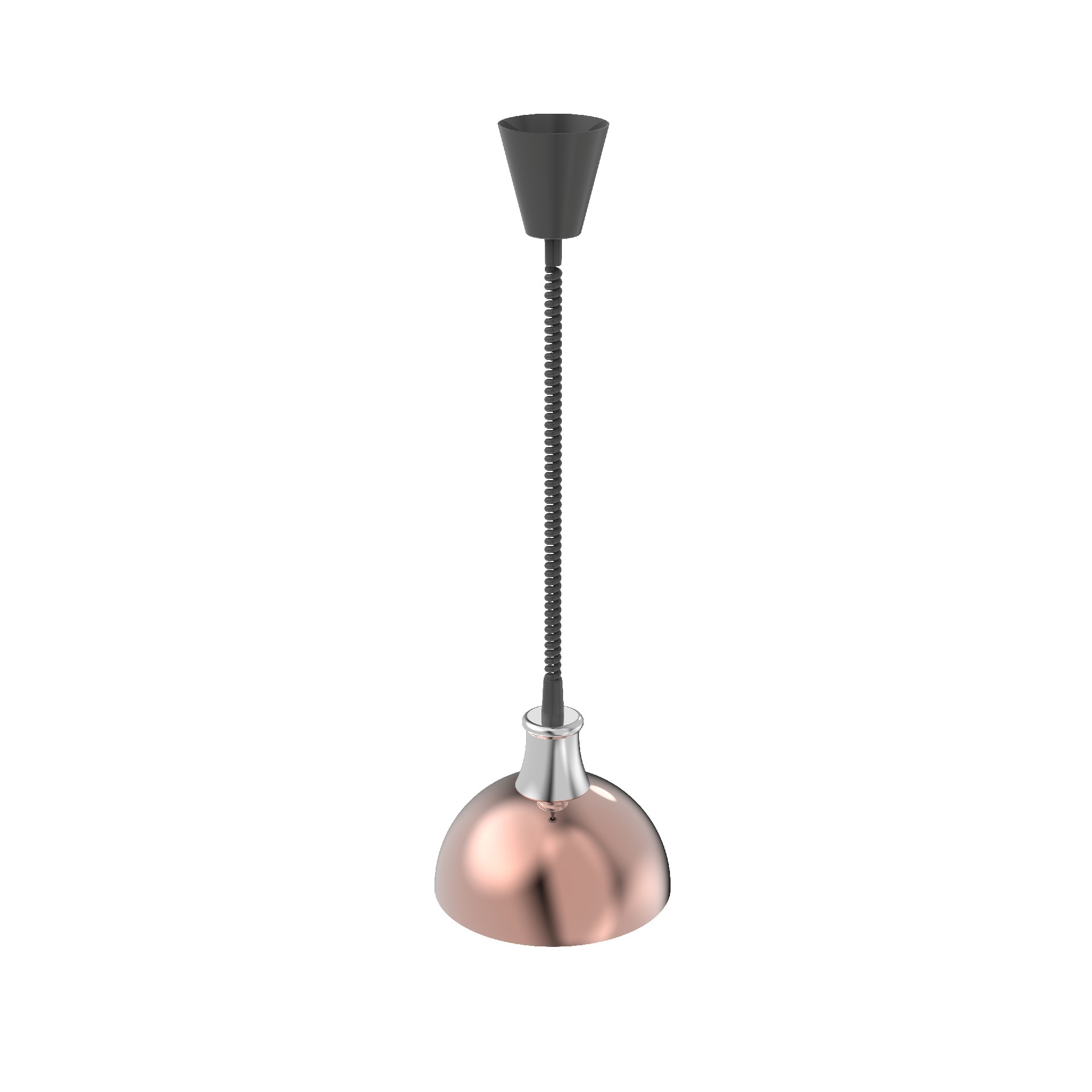
Ceiling-Mounted Rose Gold Buffet Heat Lamp
BAVA Ceiling-Mounted Rose Gold Buffet Heat Lamp. Single-head pendant lamp with rose gold dome, coiled cord height adjustment, matte black canopy. Models BJ1001/BJ1002. CE certified. Ideal for hotel buffets and upscale catering.
Related Articles
Electric Buffet Warmer with Adjustable Thermostat for Restaurants
Discover the best Electric Buffet Warmer with Adjustable Thermostat for Restaurants solutions. Real ...
Mini Chafing Dish for Breakfast Buffet & Condiment Stations
Discover the best Mini Chafing Dish for Breakfast Buffet & Condiment Stations solutions. Real case s...
9QT Extra-Large Chafing Dish for Large-Scale Banquet Events
Discover the best 9QT Extra-Large Chafing Dish for Large-Scale Banquet Events solutions. Real case s...
Wall-Mounted Buffet Stove for Space-Saving Kitchen Layouts
Discover the best Wall-Mounted Buffet Stove for Space-Saving Kitchen Layouts solutions. Real case st...
Stainless Steel Food Warmer for Supermarket Deli Departments
Discover the best Stainless Steel Food Warmer for Supermarket Deli Departments solutions. Real case ...
Commercial Chafer Dish with Temperature Control for Food Safety
Discover the best Commercial Chafer Dish with Temperature Control for Food Safety solutions. Real ca...