
Infrared vs. Halogen Food Heat Lamps: Which Is Better?
Choosing between infrared and halogen heat lamp technologies for commercial food warming applications requires understanding the fundamental differences in how each technology generates and delivers heat to food surfaces. Both technologies serve the same functional purpose of maintaining safe food temperatures during holding and service, but their different heating mechanisms create distinct advantages and limitations that make each more suitable for specific operational contexts. This comparison evaluates infrared and halogen heat lamps across the key performance criteria that matter most to commercial food service operators.
Understanding the Two Heating Technologies
How Infrared Heat Lamps Work
Infrared heat lamps generate long-wave infrared radiation that penetrates food surfaces and heats food from within, rather than merely warming the air surrounding the food. This penetrating heat effect is particularly effective for maintaining consistent temperatures throughout the food item, reducing the surface drying that occurs when only the surface is heated. Infrared elements typically operate at lower surface temperatures than halogen alternatives while still providing effective warming, creating gentler holding conditions that better preserve food quality. The Single-Head Rose Gold Buffet Heat Lamp combines infrared lamp technology with a thermostatic base plate, using both radiant and conductive heating to maintain food temperatures across different holding scenarios.
How Halogen Heat Lamps Work
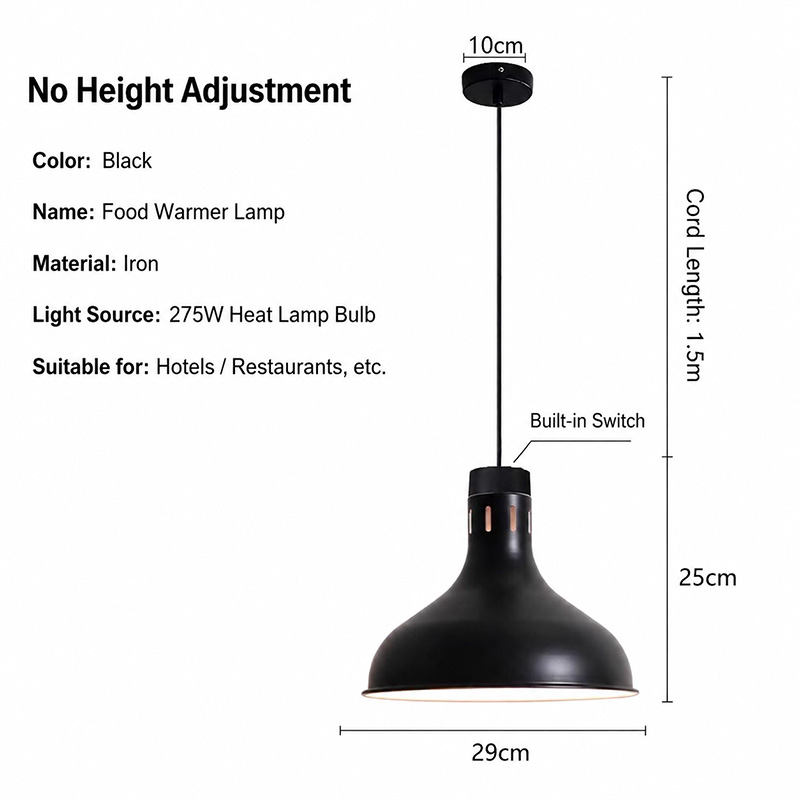
Halogen heat lamps use tungsten filaments enclosed in halogen-filled glass capsules to produce intense visible light and short-wave infrared radiation. The halogen gas cycle within the capsule allows the filament to operate at higher temperatures than standard incandescent elements, producing more visible light and a higher proportion of short-wave infrared radiation. This short-wave radiation heats the food surface more rapidly than long-wave infrared, making halogen lamps effective for applications where quick temperature recovery is needed, such as high-turnover buffet service. The Stainless Steel Heat Lamp-BJ10 uses a polished bell dome to direct halogen element radiation toward the food surface, maximising the heating efficiency of the short-wave output.
The Wavelength Difference
The fundamental distinction between infrared and halogen heating lies in the wavelength of radiation produced. Halogen elements emit primarily short-wave infrared with significant visible light content, while infrared elements emit long-wave infrared with minimal visible light. Short-wave radiation penetrates food surfaces less deeply and tends to create more intense surface heating, while long-wave infrared penetrates more effectively for gentler, more even warming throughout the food item. This wavelength difference explains many of the practical performance differences between the two technologies in food holding applications.
Heating Performance Comparison
Warm-Up Speed
Halogen lamps achieve operating temperature more rapidly than infrared elements, reaching full heating output within seconds of activation. This quick response makes halogen lamps advantageous in situations where food must be brought to holding temperature quickly after being placed in the display, such as in high-turnover buffet environments where display items are frequently replenished. Infrared elements, while slower to reach full output, provide more consistent warming once temperature is achieved, with less tendency toward temperature overshoot when food is first placed under the lamp.
Temperature Consistency
Infrared technology provides more consistent temperature distribution across the food surface and throughout the food item due to its penetrating heating effect. The Single-Head Rose Gold Buffet Heat Lamp with its dual-zone warming combines infrared lamp heating with base plate conduction to maintain particularly even temperatures across the display area. Halogen lamps, while effective at surface heating, may create more temperature variation across irregular food surfaces, with exposed areas cooling faster than areas in direct line with the lamp element. This consistency difference becomes more pronounced during extended holding periods, where infrared-equipped units maintain more uniform food quality throughout the display.
Recovery After Door Opening
Both technologies experience temperature recovery challenges after being exposed to cold air during service access or display replenishment. Halogen lamps typically recover surface temperature more quickly due to their higher output intensity, but may overshoot the target temperature before stabilising. Infrared units with thermostatic control like the Single-Head Rose Gold Buffet Heat Lamp use electronic temperature regulation to manage recovery more precisely, avoiding the temperature spikes that can occur with simple on-off halogen control. For operations with frequent service access, the more controlled recovery of infrared thermostatic units may provide better overall food quality maintenance.
Food Quality Impact
Moisture Retention
Food moisture retention differs significantly between infrared and halogen holding methods due to the different heating mechanisms and intensities involved. The more intense surface heating of halogen lamps accelerates moisture evaporation from exposed food surfaces, particularly during extended holding periods. Infrared technology's penetrating heat effect warms food more evenly from within, reducing the surface-to-interior temperature gradient that drives moisture migration and evaporation. The dual-zone design of the Single-Head Rose Gold Buffet Heat Lamp further supports moisture retention by providing gentle base heating that supplements the infrared lamp output without creating the intense surface drying associated with high-output overhead elements.
Food Texture and Appearance
Texture preservation during holding differs between technologies, with halogen's intense surface heating potentially creating crust formation or surface drying in breaded items, fried foods, and baked goods. The gentler warming of infrared technology preserves the texture of delicate items for longer periods, maintaining the fresh-cooked appearance that customers expect. Colour retention in vegetables and protein items is also generally better under infrared warming, as the lower-intensity heating avoids the surface cooking effects that can cause colour degradation in foods held under halogen lamps for extended periods.
Suitability for Different Food Types
The choice between technologies should consider the specific food types being held. Halogen lamps perform well for high-moisture items like braised meats and saucy preparations where intense surface heating does not cause noticeable quality degradation. Infrared technology is superior for drier preparations and delicate items like baked goods, roasted vegetables, and grilled items that are more susceptible to surface drying. Operations with diverse menus may benefit from having both technologies available to match the holding method to the specific food type, using halogen for quick-recovery high-turnover items and infrared for extended-holding quality-sensitive items.
Energy Efficiency and Operating Costs
Electrical Consumption
Energy efficiency differs between the technologies due to their different operating temperatures and heating mechanisms. Infrared elements typically operate more efficiently for food warming applications because they produce a higher proportion of useful heat radiation directed toward the food, with less energy wasted as visible light or ambient heat. Halogen elements convert a larger proportion of electrical energy into visible light, which contributes less to food warming and represents wasted energy from a heating efficiency standpoint. Over extended operating periods, this efficiency difference can translate into meaningful electricity cost savings for operations using infrared technology.
Element Lifespan and Replacement Costs
Halogen element lifespan in food warming applications typically ranges from three thousand to five thousand hours of operation, with actual lifespan significantly affected by switching frequency and operating conditions. Infrared elements generally offer longer service life in the four thousand to six thousand hour range under similar conditions, as they operate at lower surface temperatures that cause less gradual material degradation. The longer lifespan of infrared elements reduces the recurring cost of element replacement and the associated labour required for maintenance. However, individual infrared elements may cost more than equivalent halogen replacements, making the total cost comparison dependent on specific product pricing and local electricity costs.
Total Cost of Ownership Analysis
A complete cost comparison should include both initial equipment acquisition cost and ongoing operating expenses. Infrared-equipped units with thermostatic controls typically have higher initial purchase prices than basic halogen units, but offer operating cost advantages through energy efficiency and longer element life. The Stainless Steel Heat Lamp-BJ10 represents a lower initial investment option that may be appropriate for operations with lower usage intensity or shorter expected equipment life. Operations considering initial cost versus operating cost trade-offs should project expected usage levels and electricity costs over the anticipated equipment lifespan to determine which technology offers better value for their specific situation.
Installation and Configuration Considerations
Mounting Options
Both infrared and halogen technologies are available in various mounting configurations, from freestanding countertop units to ceiling-mounted pendant configurations. The Stainless Steel Heat Lamp-BJ10 with its stainless steel bell dome provides a freestanding option that can be repositioned as needed during service reconfiguration. The Single-Head Rose Gold Buffet Heat Lamp offers a similar flexible configuration with its dual-zone warming surface. Ceiling-mounted configurations are available for both technologies, allowing the heating elements to be positioned optimally above display counters without占用 counter space.
Space Requirements
The physical footprint of heat lamp equipment depends on the specific configuration and the warming area required. Multi-head configurations like the three-head arrangement of some units provide broader coverage but require more display space. The decision between infrared and halogen technologies does not significantly affect space requirements for equivalent warming capacities, as the physical size of heating elements is similar between technologies. However, infrared units with thermostatic base plates like the Single-Head Rose Gold Buffet Heat Lamp may require additional counter space for the base unit, which should be factored into layout planning.
Electrical Requirements
Both infrared and halogen food heat lamps typically operate on standard commercial electrical supplies, with most products rated for two hundred twenty to two hundred forty volt AC operation. The power consumption of comparable units is similar between technologies, though infrared units may offer slightly lower running costs as noted above. Electrical circuit capacity should be verified when installing multiple units, and all units should be connected to properly protected circuits with appropriate overcurrent protection as specified by local electrical codes.
Durability and Maintenance
Element Durability
Both element types are fragile and require careful handling during installation, cleaning, and replacement. Halogen elements with their higher operating temperatures are more susceptible to damage from contamination and thermal shock from moisture contact. Infrared elements generally tolerate brief moisture exposure better due to their lower operating temperatures, though both should be protected from liquid contact during cleaning and service. The Stainless Steel Heat Lamp-BJ10 bell dome design provides some protection to the halogen element from accidental impacts during service, though care should still be taken when working near the unit.
Cleaning Requirements
Cleaning procedures are similar for both technologies, with regular removal of food soils and dust from elements, domes, and reflectors needed to maintain optimal performance. Abrasive cleaning materials should be avoided for both element types, as scratching can affect both the heating performance and durability of the elements. The thermostatic base plate of the Single-Head Rose Gold Buffet Heat Lamp requires particular attention during cleaning to avoid damaging the temperature sensor or getting moisture into electronic components. Socket contacts should be inspected and cleaned during element replacement to ensure reliable electrical connections regardless of technology type.
Comparison Summary
The following table summarises the key performance differences between infrared and halogen food heat lamp technologies across the most important evaluation criteria for commercial food service operations.
| Criteria | Infrared Lamps | Halogen Lamps |
|---|---|---|
| Warm-up Speed | Moderate (30-60 seconds) | Fast (seconds) |
| Heat Penetration | Deep, even penetration | Surface-focused, less even |
| Moisture Retention | Superior — gentle warming | Moderate — surface drying risk |
| Energy Efficiency | Higher — less wasted light | Lower — significant visible light |
| Element Lifespan | 4,000-6,000 hours | 3,000-5,000 hours |
| Temperature Control | Easier — lower intensity | More challenging — high output |
| Initial Cost | Higher | Lower |
| Best For | Extended holding, quality focus | High turnover, quick recovery |
Making the Right Choice for Your Operation
High-Volume Buffet Operations
High-volume buffet operations with frequent display replenishment and rapid food turnover may benefit from halogen technology's quick recovery characteristics. The ability to bring food rapidly back to holding temperature after display replenishment supports consistent service quality during peak periods. However, even high-volume operations should consider whether the quality benefits of infrared technology justify its slightly higher initial investment, particularly for menu items that are sensitive to surface drying and extended holding.
Quality-Focused Fine Dining
Operations where food quality and presentation are paramount, and where holding periods may be extended, should generally prefer infrared technology for its superior moisture retention and gentler warming characteristics. The Single-Head Rose Gold Buffet Heat Lamp with its thermostatic control provides particularly consistent performance that supports quality standards during extended holding periods. Fine dining operations often serve smaller volumes with longer holding times, making the higher initial investment in infrared technology easier to justify through improved food quality and reduced waste.
Mixed-Use Operations
Operations with diverse menus including both high-turnover items and quality-sensitive preparations may benefit from having both technologies available. Using halogen lamps for high-turnover items like roasted meats and quick-serve buffet items, while reserving infrared units for delicate preparations and extended-holding items, optimises performance for each food type. This approach requires careful equipment selection and staff training to ensure that the right technology is used for each application, but can provide the best overall combination of service efficiency and food quality.
Conclusion
Both infrared and halogen heat lamp technologies have legitimate applications in commercial food service, with the optimal choice depending on specific operational priorities and usage patterns. Infrared technology offers superior moisture retention, more even heating, better energy efficiency, and longer element life, making it the preferred choice for operations prioritising food quality during extended holding periods. Halogen technology provides faster warm-up, lower initial cost, and effective performance for high-turnover applications where quick temperature recovery is more important than gentle holding. The Single-Head Rose Gold Buffet Heat Lamp with its infrared lamp and thermostatic base plate represents the infrared approach, while the Stainless Steel Heat Lamp-BJ10 with its halogen bell dome offers an effective halogen option at a lower price point. Operations should carefully evaluate their specific needs across all the criteria discussed, considering both initial investment and ongoing operating costs, to select the technology that best supports their food quality goals and operational requirements.
Featured Products
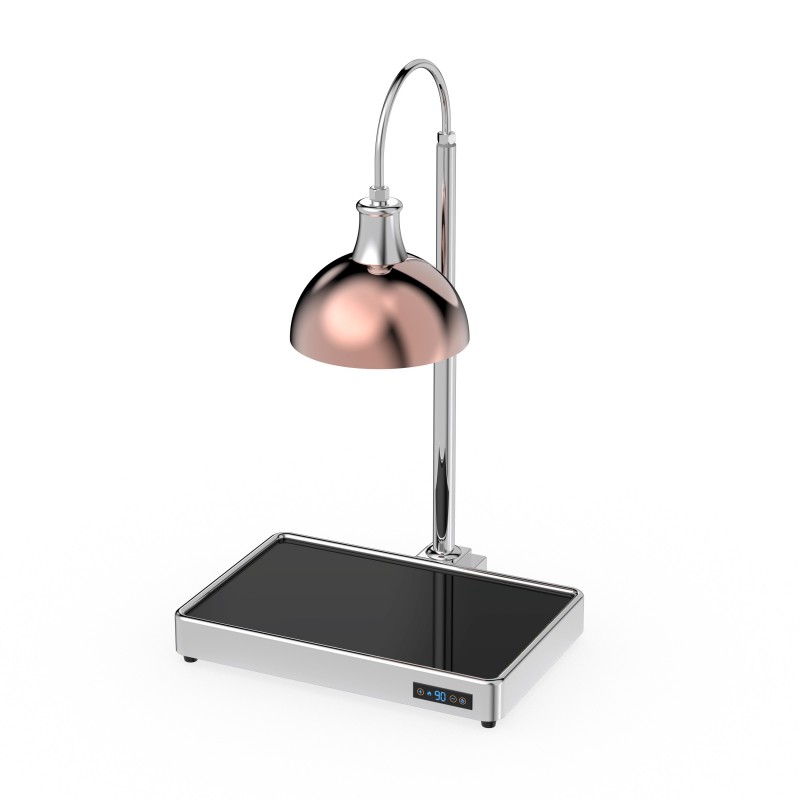
Single-Head Rose Gold Buffet Heat Lamp
BAVA Single-Head Rose Gold Buffet Heat Lamp. Dual-zone heating with infrared lamp and thermostatic base plate. Polished stainless steel + rose gold finish. Models BJ1631/BJ1831T. Ideal for hotel buffets and catering.
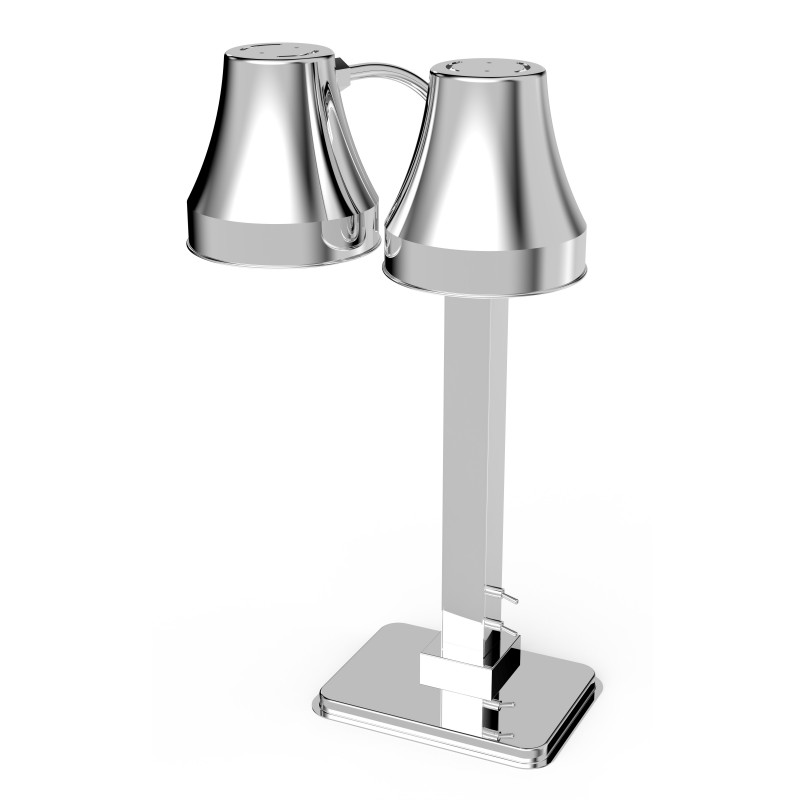
Stainless Steel Heat Lamp-BJ10
BAVA Stainless Steel Heat Lamp BJ10 Series. Freestanding countertop design with polished mirror SS, bell dome shade, height-adjustable post, weighted base. Available in single-head (BJ10/BJ101) and dual-head (BJ102). CE certified.
Related Articles
Electric Buffet Warmer with Adjustable Thermostat for Restaurants
Discover the best Electric Buffet Warmer with Adjustable Thermostat for Restaurants solutions. Real ...
Mini Chafing Dish for Breakfast Buffet & Condiment Stations
Discover the best Mini Chafing Dish for Breakfast Buffet & Condiment Stations solutions. Real case s...
9QT Extra-Large Chafing Dish for Large-Scale Banquet Events
Discover the best 9QT Extra-Large Chafing Dish for Large-Scale Banquet Events solutions. Real case s...
Wall-Mounted Buffet Stove for Space-Saving Kitchen Layouts
Discover the best Wall-Mounted Buffet Stove for Space-Saving Kitchen Layouts solutions. Real case st...
Stainless Steel Food Warmer for Supermarket Deli Departments
Discover the best Stainless Steel Food Warmer for Supermarket Deli Departments solutions. Real case ...
Commercial Chafer Dish with Temperature Control for Food Safety
Discover the best Commercial Chafer Dish with Temperature Control for Food Safety solutions. Real ca...