
Food Heat Lamp Troubleshooting: Fix Common Issues Fast
Commercial food heat lamps experience a range of common problems during their operational life, from simple power issues to more complex performance degradation that affects food holding quality and safety. Systematic troubleshooting enables rapid identification and resolution of problems, minimising service disruptions and preventing food safety violations that can result from equipment malfunction. Understanding the most common failure modes and their typical causes equips kitchen staff and maintenance personnel to respond quickly and effectively when problems occur, reducing equipment downtime and protecting food quality.
Lamp Does Not Turn On
Power Supply Verification
The first troubleshooting step when a heat lamp fails to activate is verification of power supply at the outlet. Check whether other equipment operates from the same outlet to determine whether the problem is specific to the heat lamp or a general power failure. Use a voltage tester or multimeter to verify that the outlet is providing the correct voltage, typically two hundred twenty to two hundred forty volts AC for commercial heat lamp equipment. Outlets that test at zero volts require investigation of upstream circuit breakers, GFCI devices if installed, or building electrical systems before the heat lamp can be diagnosed further.
For freestanding units like the Stainless Steel Heat Lamp-BJ10, verify that the power cord is fully inserted into both the lamp base and the wall outlet, as loose connections at either end can prevent power from reaching the lamp elements. The weighted base of the Stainless Steel Heat Lamp-BJ10 design means the unit may have been moved during cleaning or service, potentially loosening the power connection at the base. Check the power switch for proper operation, as switches can wear out after repeated cycling and fail to make the electrical contact needed to activate the heating elements.
Element Failure Diagnosis
If power is confirmed at the outlet but the lamp does not activate, the heating element itself may have failed. Element failure can occur as a visible break in the filament visible through the glass envelope, or as an internal failure that is not externally visible. Remove the element from its socket and inspect it carefully, looking for any visible discontinuity in the filament wire visible inside the glass bulb. Even without visible damage, an element that has been in service for an extended period may have degraded to the point of failure without showing obvious external signs.
Test element continuity with a multimeter set to resistance measurement. A properly functioning element should show a resistance value consistent with its wattage rating, typically between twenty and one hundred ohms depending on the specific element type. An element that shows infinite resistance, indicating an open circuit, has failed and requires replacement. Elements showing significantly different resistance values than expected may still operate but will produce different heating output than designed, potentially causing performance problems even if they do activate the lamp.
Socket and Connection Problems
Corroded, worn, or damaged element sockets can prevent reliable electrical contact between the element base and the lamp wiring, causing intermittent operation or complete failure to activate. Inspect socket contacts for signs of corrosion, discolouration, or physical damage that could prevent proper electrical contact. Clean corrosion from socket contacts using electrical contact cleaner and a small brush, being careful not to damage the spring tension of the contact fingers. If socket contacts are worn or damaged beyond repair, the socket assembly requires replacement, which typically requires disassembly of the lamp head and may be better handled by qualified service technicians.
Insufficient Heat Output
Element Age and Degradation
Heat lamp elements lose heating intensity progressively as they age, with the rate of degradation depending on usage patterns, switching frequency, and operating conditions. Elements that have been in service for more than three thousand hours typically show measurable reduction in heating output compared to new elements, requiring longer positioning distances or longer warm-up times to achieve the same food temperatures. If a heat lamp that previously performed adequately begins to struggle to maintain food temperatures, element age is a likely cause, and replacement should be scheduled before the element fails completely.
Height and Distance Adjustment
The heating intensity at food surface level depends directly on the distance between the heat lamp elements and the food, following an inverse-square relationship that means small increases in distance cause significant reductions in heating intensity. If a heat lamp is not providing sufficient heat, verify that lamp heads have not been inadvertently raised during cleaning, service setup, or equipment rearrangement. For units with adjustable height like the Stainless Steel Heat Lamp-BJ10 with its height-adjustable post, check that the locking mechanism has not slipped, allowing the lamp head to settle lower than intended over time.
Reflector and Dome Condition
Dirty or damaged reflectors and lamp domes significantly reduce the amount of infrared radiation reaching the food surface by scattering and absorbing radiation that should be directed downward toward the food. The polished mirror surface of the Stainless Steel Heat Lamp-BJ10 bell dome requires regular cleaning to maintain its reflective efficiency, as accumulated dust, food soils, and cleaning residue reduce reflectivity progressively. Inspect reflectors for physical damage including dents, warping, or coating deterioration that could affect their performance. Replacement of damaged or heavily soiled reflectors can restore heating performance to near-original levels without requiring element replacement.
Flickering or Intermittent Operation
Loose Electrical Connections
Flickering heat lamp elements typically indicate intermittent electrical contact somewhere in the power circuit, from the outlet through the switch, cord, and socket connections to the element itself. The specific location of the problem can often be identified by observing the pattern of flickering: flickering that begins immediately when the lamp is activated suggests a problem in the element socket or element base connection, while flickering that develops after the lamp has been operating for some time suggests thermal expansion issues in connections that are just barely making contact when cool. Wiggle the power cord at both ends while the lamp is operating to identify loose connections, being careful to avoid contact with live electrical parts.
Element Connection Problems
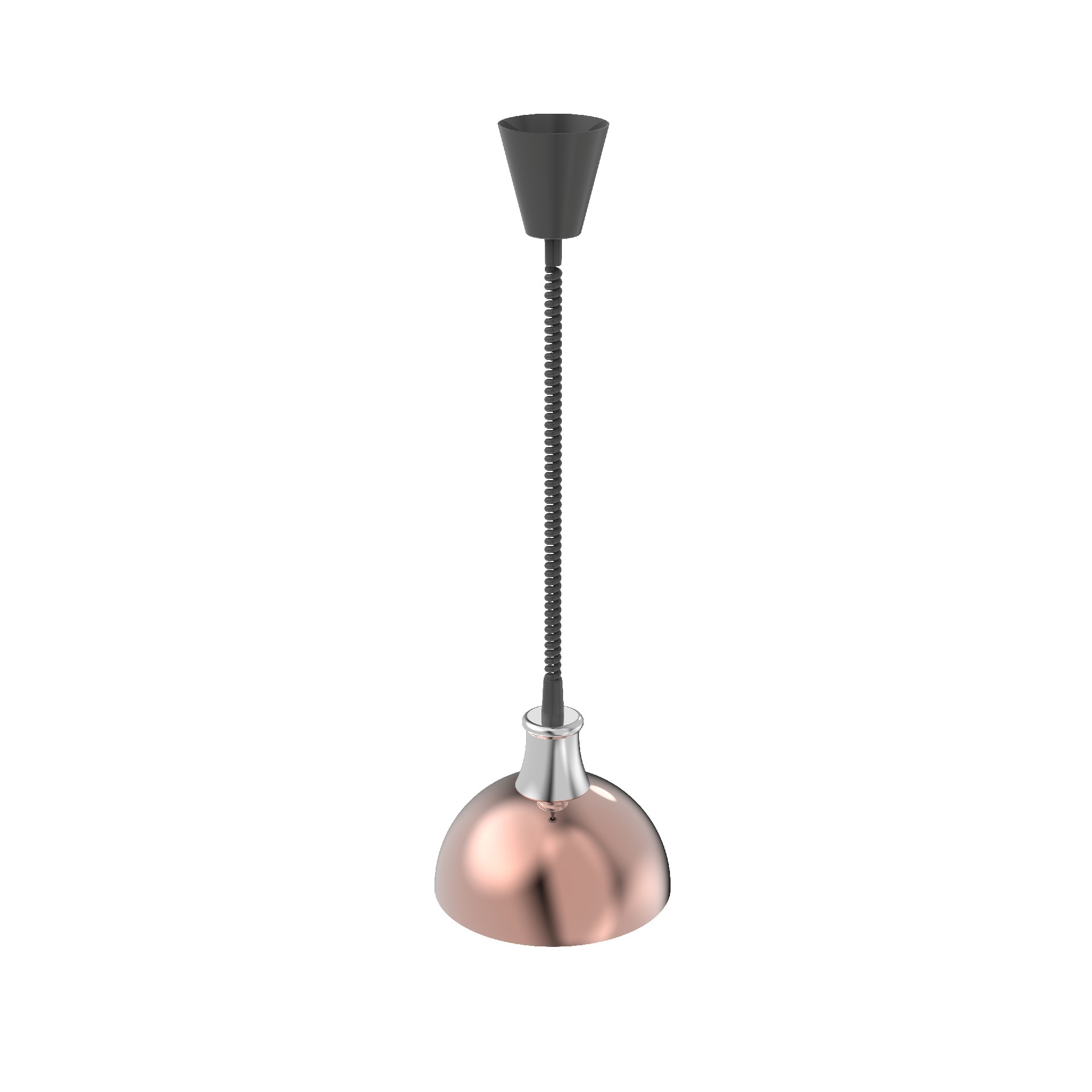
The element base connection to the socket is a common source of flickering and intermittent operation, as the spring contacts in the socket can lose tension over time or become contaminated with corrosion products that create intermittent resistance. Remove the element and inspect the base contacts for signs of arcing, which appears as dark spots or pitting on the metal surfaces. Clean socket contacts with electrical contact cleaner and verify that spring tension is sufficient to hold the element firmly when inserted. For the Ceiling-Mounted Rose Gold Buffet Heat Lamp with its pendant configuration, the hanging orientation places additional stress on socket connections that may contribute to intermittent contact problems, requiring particular attention during inspection and maintenance.
Voltage Fluctuations
Significant voltage fluctuations in the building electrical supply can cause visible flickering in heat lamp elements as the applied voltage varies above and below the rated value. Voltage fluctuations may be caused by heavy loads elsewhere in the building, utility supply issues, or loose connections in the building electrical system. If voltage fluctuations are suspected, measure the supply voltage with a multimeter over an extended period, noting any significant variations from the expected range. Sustained voltage problems should be investigated by qualified electricians, as they may indicate building electrical system issues that pose safety risks beyond heat lamp performance.
Unusual Odours from Heat Lamps
New Equipment Break-In
New heat lamp equipment or newly replaced elements may produce a mild burning smell during the first few hours of operation as manufacturing residues, protective coatings, and surface treatments on components heat for the first time. This smell is typically not a safety concern and usually dissipates after several hours of initial operation. Operate new equipment in a well-ventilated area during the break-in period and monitor for any signs of more serious problems like smoke, significant heat, or electrical burning smells that persist beyond the normal break-in period.
Contamination Burning
Accumulated food soils, dust, and other contaminants on heat lamp elements, reflectors, or lamp domes can produce burning odours when heated to element operating temperatures. This contamination typically originates from food vapours, kitchen dust, and aerosolised cooking residues that accumulate during normal operation. Thorough cleaning of all heat lamp components, including elements, domes, reflectors, and surrounding hardware, removes the contamination source and eliminates the odour. Regular cleaning schedules prevent accumulation of contaminants that could cause odours or reduce equipment performance, maintaining both hygiene and operating efficiency.
Electrical Component Problems
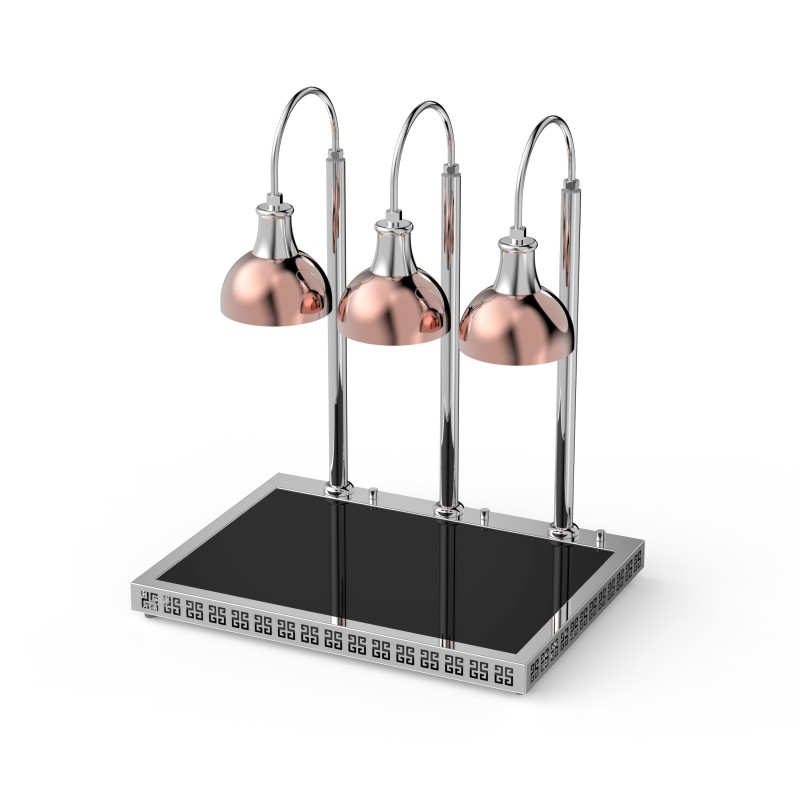
Burning electrical smells from heat lamps, particularly if accompanied by discolouration of switches, sockets, or wiring, indicate serious electrical problems that require immediate attention and potentially professional repair. Overheating electrical components can create fire hazards and should not be ignored even if the lamp continues to operate. If electrical burning smells are detected, immediately disconnect power to the affected equipment and do not reconnect it until the source of the problem has been identified and corrected. The Three-Head Rose Gold Buffet Heat Lamp Station with its three-head configuration has multiple electrical connections that should all be inspected if electrical problems are suspected, as any connection point could be the source of overheating.
Temperature Control Problems
Thermostat Sensor Issues
Heat lamps with thermostatic controls that fail to maintain consistent temperatures may have problems with the temperature sensor or thermostat control electronics. For units like the Three-Head Rose Gold Buffet Heat Lamp Station with its warming surface temperature sensor, check that the sensor is properly positioned and not displaced during cleaning or food handling. Sensor leads and connections should be inspected for damage, corrosion, or loose connections that could affect sensor accuracy. Digital thermostat displays that show erratic or impossible temperature readings indicate electronic problems in the control system that require professional service.
Heating Element Cycling Problems
Thermostatic heat lamps that cycle their heating elements on and off excessively may be operating in an environment with excessive thermal fluctuation, may have a faulty thermostat, or may be undersized for the food load they are attempting to maintain. Verify that the heat lamp is appropriately sized for the food load and ambient conditions, and that there are no unusual thermal influences like cold drafts or nearby refrigeration equipment that could cause erratic thermostat operation. Frequent cycling accelerates element wear and should be addressed to prevent premature element failure and maintain consistent food holding temperatures.
Physical Damage and Mechanical Problems
Lamp Head Instability
Heat lamp heads that wobble, tilt, or fail to maintain their set position have mechanical problems with their support mechanisms that require correction to ensure safe operation. For the Stainless Steel Heat Lamp-BJ10 with its height-adjustable post and weighted base, check that the adjustment mechanism locks securely and that the base provides stable support without rocking. Wobbly or unstable heat lamps pose tip-over hazards and should not be operated until the instability is corrected. Inspect all mechanical joints and adjustment mechanisms for wear, damage, or missing hardware that could affect stability.
Dome and Reflector Damage
Physical damage to lamp domes or reflectors from impacts, cleaning, or thermal stress can affect both the performance and safety of heat lamp equipment. Domes that show cracks, chips, or significant discolouration should be replaced, as damaged domes may not provide adequate protection against element breakage and may have reduced reflective performance. Reflector surfaces that are dented, warped, or have coating damage should also be replaced to restore optimal heat distribution performance. The Ceiling-Mounted Rose Gold Buffet Heat Lamp pendant lamp requires inspection of its mounting hardware and suspension system as well as the dome and reflector, as the hanging configuration creates additional mechanical stress on these components.
Food Safety Concerns
Temperature Verification
Whenever a heat lamp performance problem is suspected, verify actual food temperatures using a calibrated probe thermometer rather than relying on the lamp's thermostat display or visual assessment of food appearance. Food that appears to be at proper holding temperature may actually be below safe holding temperatures, creating food safety hazards. Establish a regular temperature verification protocol that includes spot-checking food temperatures whenever equipment problems are reported and during routine quality assurance monitoring. Food found below sixty degrees Celsius should be discarded or rapidly reheated to above seventy-four degrees Celsius before being returned to hot holding.
When to Call Professional Service
Some heat lamp problems require the attention of qualified service technicians rather than being addressed by kitchen staff. Electrical problems involving wiring, switches, or internal components should be referred to qualified electricians or authorised equipment service technicians. Problems with sealed or enclosed components, digital control electronics, or gas-fired warming equipment also require professional service. Persistent problems that recur despite repeated troubleshooting attempts may indicate underlying issues that require professional diagnosis to identify and correct properly. Keep records of all troubleshooting steps taken and problems observed to assist service technicians in diagnosing persistent issues.
Preventive Maintenance Schedule
Daily Checks
Daily pre-service inspection of heat lamp equipment should verify that all lamps activate properly, that elements appear to be operating normally without flickering or unusual behaviour, and that food temperatures are being maintained at safe levels. Any equipment showing problems during daily checks should be taken out of service and reported for repair before food service begins. Documentation of daily inspection results provides a record of equipment condition over time and supports identification of equipment approaching the end of its service life.
Weekly Maintenance
Weekly maintenance should include cleaning of all accessible components, inspection of element condition, verification of electrical connections, and functional testing of any thermostatic controls. The Three-Head Rose Gold Buffet Heat Lamp Station with its three-head configuration requires inspection of all three lamp positions and their individual elements during weekly maintenance. Calibration verification of any temperature displays or controls should be performed weekly using calibrated reference thermometers to ensure that displayed temperatures accurately reflect actual food holding temperatures.
Periodic Professional Service
Scheduled professional service visits should be arranged at intervals recommended by the equipment manufacturer, typically annually or semi-annually depending on usage intensity. Professional service includes thorough inspection and testing of all electrical components, replacement of worn parts before they fail, and calibration verification of all control systems. Professional service visits provide an opportunity for comprehensive equipment evaluation that goes beyond what can be accomplished in daily and weekly maintenance routines, identifying potential problems before they cause service disruptions or safety incidents.
Conclusion
Systematic troubleshooting of food heat lamp problems enables rapid identification and resolution of issues that could otherwise disrupt service or compromise food safety. Power supply problems, element failures, and connection issues are the most common causes of lamps failing to activate, while element degradation, positioning changes, and reflector contamination cause insufficient heat output. Flickering and intermittent operation typically indicate loose electrical connections that should be addressed promptly before they cause complete failure. Unusual odours may indicate new equipment break-in, contamination burning, or serious electrical problems requiring immediate attention. Temperature control problems can usually be traced to sensor issues or thermostat malfunction, while physical damage and mechanical problems are typically identified through visual inspection and operational testing. The Stainless Steel Heat Lamp-BJ10, Three-Head Rose Gold Buffet Heat Lamp Station, and Ceiling-Mounted Rose Gold Buffet Heat Lamp each have specific maintenance requirements related to their different configurations, and understanding these requirements helps operators maintain consistent performance and extend equipment service life. Implementing preventive maintenance schedules that include daily checks, weekly inspections, and periodic professional service prevents most problems before they occur and ensures that equipment continues to operate safely and effectively throughout its service life.
Featured Products
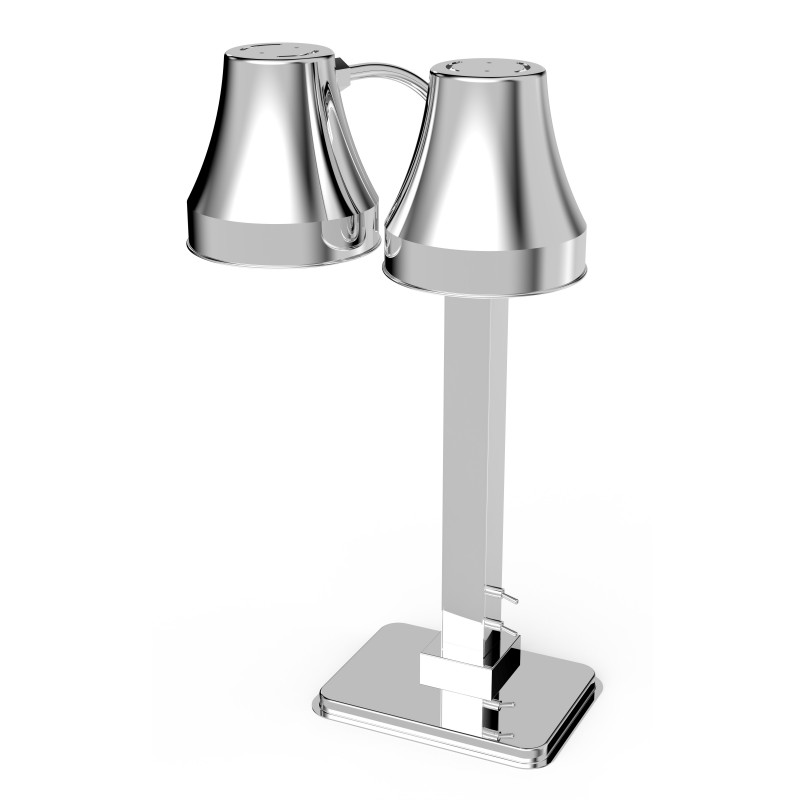
Stainless Steel Heat Lamp-BJ10
BAVA Stainless Steel Heat Lamp BJ10 Series. Freestanding countertop design with polished mirror SS, bell dome shade, height-adjustable post, weighted base. Available in single-head (BJ10/BJ101) and dual-head (BJ102). CE certified.
Three-Head Rose Gold Buffet Heat Lamp Station
BAVA Three-Head Rose Gold Buffet Heat Lamp Station. Three rose gold dome lamps in linear arrangement over black glass warming surface. Greek key decorative base pattern. BJ663T adds adjustable glass shelf. Premium hotel buffet design. CE certified.
Ceiling-Mounted Rose Gold Buffet Heat Lamp
BAVA Ceiling-Mounted Rose Gold Buffet Heat Lamp. Single-head pendant lamp with rose gold dome, coiled cord height adjustment, matte black canopy. Models BJ1001/BJ1002. CE certified. Ideal for hotel buffets and upscale catering.
Related Articles

Electric Buffet Warmer with Adjustable Thermostat for Restaurants
Discover the best Electric Buffet Warmer with Adjustable Thermostat for Restaurants solutions. Real ...
Mini Chafing Dish for Breakfast Buffet & Condiment Stations
Discover the best Mini Chafing Dish for Breakfast Buffet & Condiment Stations solutions. Real case s...

9QT Extra-Large Chafing Dish for Large-Scale Banquet Events
Discover the best 9QT Extra-Large Chafing Dish for Large-Scale Banquet Events solutions. Real case s...

Wall-Mounted Buffet Stove for Space-Saving Kitchen Layouts
Discover the best Wall-Mounted Buffet Stove for Space-Saving Kitchen Layouts solutions. Real case st...

Stainless Steel Food Warmer for Supermarket Deli Departments
Discover the best Stainless Steel Food Warmer for Supermarket Deli Departments solutions. Real case ...

Commercial Chafer Dish with Temperature Control for Food Safety
Discover the best Commercial Chafer Dish with Temperature Control for Food Safety solutions. Real ca...