
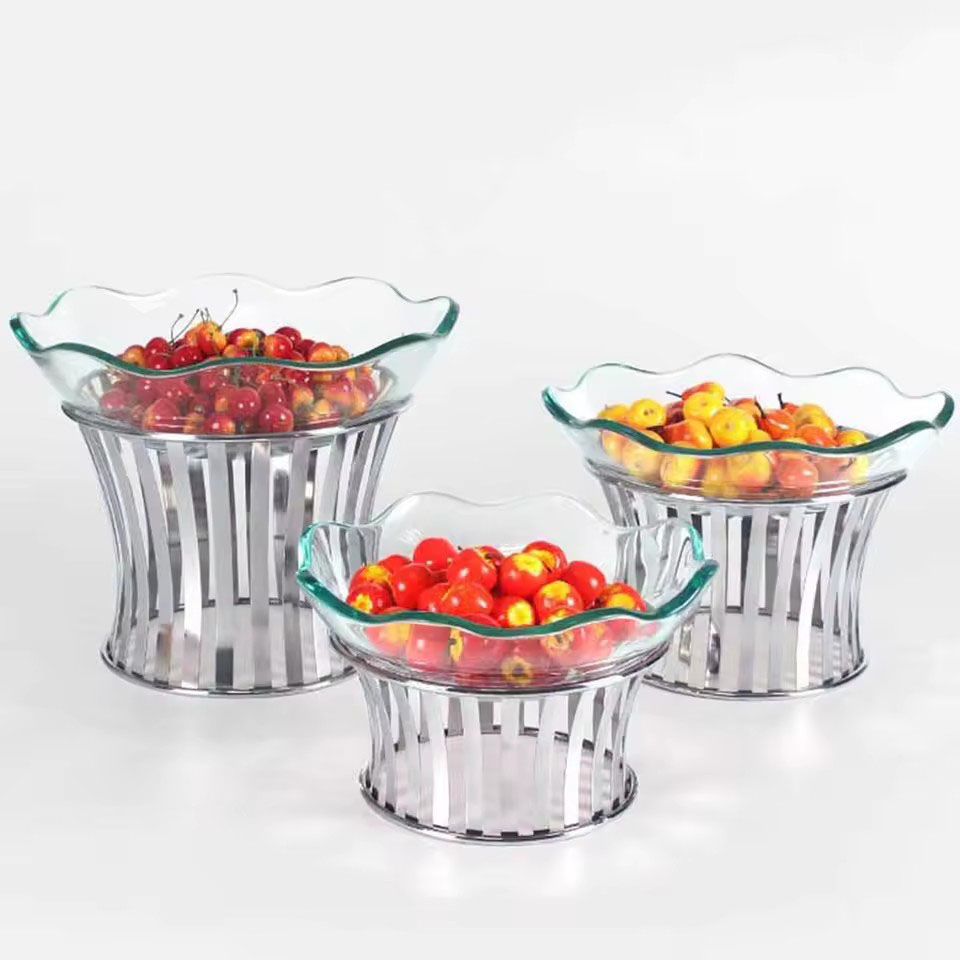
How to Prevent Food from Drying Out with a Heat Lamp
Food drying during hot holding is one of the most common quality problems in commercial food service operations, causing significant food waste and customer dissatisfaction when presented food appears unappetising and loses its fresh-cooked characteristics. Heat lamps create the warming effect that maintains safe serving temperatures, but the same infrared radiation that heats food surfaces also accelerates moisture evaporation, creating a challenging balance between food safety and food quality. Understanding the mechanisms that cause drying and implementing techniques to counteract them enables food service operators to maintain both safe temperatures and appetising food appearance throughout service periods.
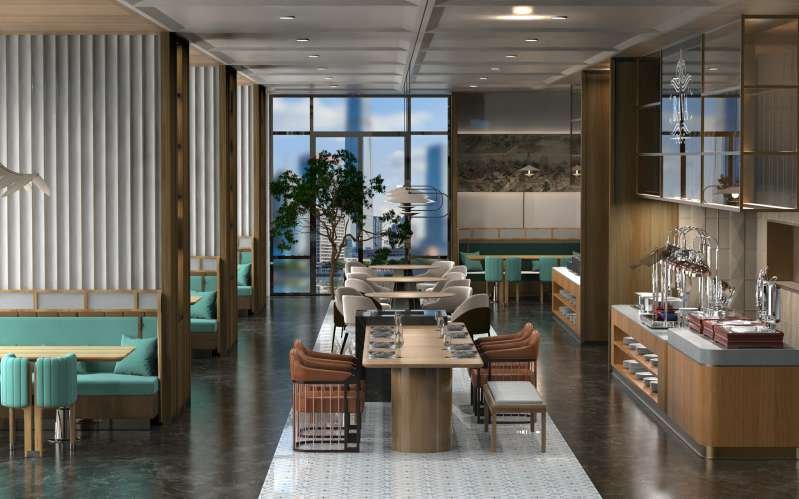
The Science of Food Drying Under Heat Lamps
Moisture Loss Mechanisms
Food dries under heat lamps through two primary mechanisms: evaporation driven by surface temperature and convective moisture removal as warm air rises from the food surface. Infrared radiation heats the food surface directly, increasing the rate of evaporation from that surface regardless of the surrounding air temperature. As the surface temperature rises, water molecules at the food surface gain sufficient energy to escape into the surrounding atmosphere, depleting moisture from the outer layers of the food. This process continues as heat conducts inward from the surface, drawing moisture from deeper food layers to replace what was lost at the surface.
The rate of moisture loss depends on both the intensity of infrared radiation reaching the food surface and the humidity of the surrounding air. Heat lamps that operate at higher intensities or from closer positions create greater surface heating and consequently faster moisture loss. Air circulation around the food display, whether from HVAC systems, ceiling fans, or natural drafts, removes humid air from immediately above the food surface and replaces it with drier air, accelerating the moisture gradient that drives continued evaporation. Understanding these mechanisms suggests the intervention points where drying can be minimised without compromising food safety temperatures.
The Quality-Safety Tension
Food safety regulations require hot-held foods to be maintained at sixty degrees Celsius or above to prevent pathogenic bacterial growth, but the temperature range that ensures safety also promotes quality deterioration including moisture loss, texture degradation, and colour changes. Foods held at temperatures closer to the sixty-degree minimum experience slower quality deterioration than those held at higher temperatures, creating a quality advantage for operations that maintain food at the lowest safe temperature rather than operating at higher temperatures that might seem to offer a safety margin. This temperature management strategy requires precise control that is only achievable with thermostatic heat lamp equipment.
Food Type Susceptibility
Different food types exhibit varying susceptibility to drying based on their moisture content, surface area, and texture characteristics. Moist preparations like braised meats, casseroles, and sauces are relatively resistant to drying due to their high initial moisture content and the protective effect of surface liquids. Dry preparations like roasted vegetables, baked goods, and grilled items are much more susceptible to surface drying due to lower initial moisture content and larger surface-area-to-volume ratios. Understanding the drying characteristics of specific menu items enables targeted intervention strategies for items most at risk.
Equipment Configuration Strategies
Optimising Lamp Height
The distance between heat lamp elements and food surfaces directly affects both the warming intensity and the drying rate experienced by food items. Lower lamp positions provide greater warming intensity, reducing the time required to bring food to safe holding temperatures but accelerating moisture loss from the food surface. Raising lamp positions reduces warming intensity, extending the time to reach safe temperatures but slowing moisture loss. The optimal height balances these competing effects, typically requiring experimentation with specific food loads and service durations to identify the best compromise position.
For the Stainless Steel Buffet Heat Lamp Rack with its four-lamp gantry configuration, height adjustment of individual lamp heads allows different positions for different food items in the same display, optimising conditions for each item type. Items more susceptible to drying can be positioned under lamp heads set at greater heights, while items with higher moisture content that require more intensive warming can be positioned under lower heads. This flexibility in the four-head configuration enables a level of individual item optimisation that is not possible with fixed-height single or dual-head configurations.
Temperature Control for Moisture Retention
Heat lamps with thermostatic temperature control maintain more consistent temperatures than non-thermostatic units, which also benefits moisture retention by preventing the temperature overshoots that accelerate drying. When a non-thermostatic unit brings food up to temperature, it may briefly exceed the optimal holding temperature, creating a period of intensified drying before the operator manually reduces power or raises the lamp. Thermostatic control eliminates this overshoot, maintaining the lowest safe temperature consistently throughout the holding period.
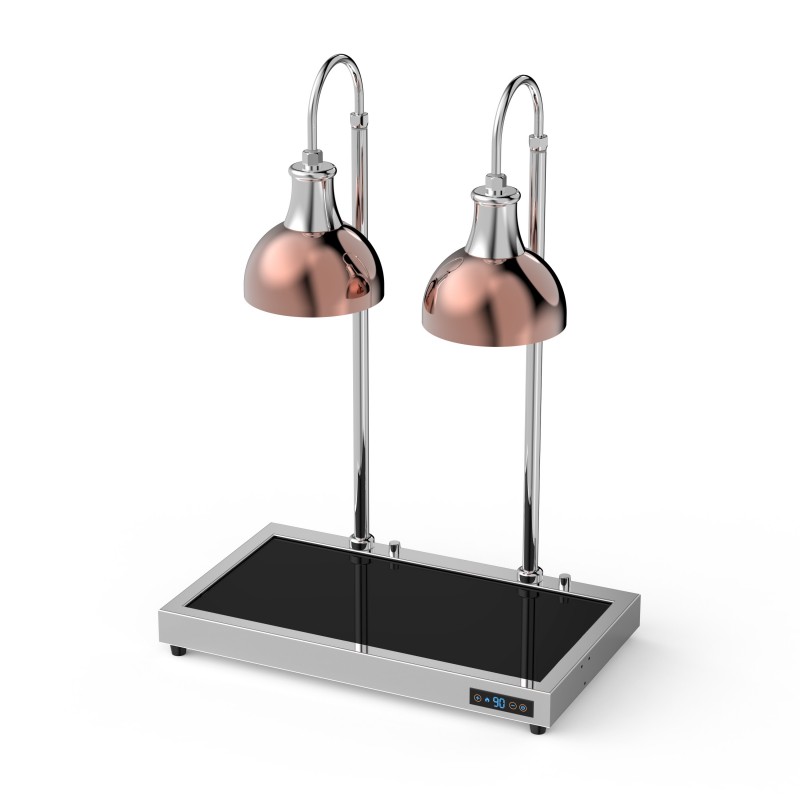
The Dual-Insulation Workstation with Heat Lamp & Heating Plate with its digital thermostat maintains precise temperature control that supports both food safety compliance and moisture retention. The thermostat cycles heating elements on and off to maintain the target temperature within a narrow band, preventing the temperature spikes that occur when fixed-wattage elements operate at full power. The dual-zone warming of the Dual-Insulation Workstation with Heat Lamp & Heating Plate also provides more even heat distribution across the display surface, eliminating hot spots that would otherwise cause localised accelerated drying in specific areas of the display.
Using Lower Wattage Elements
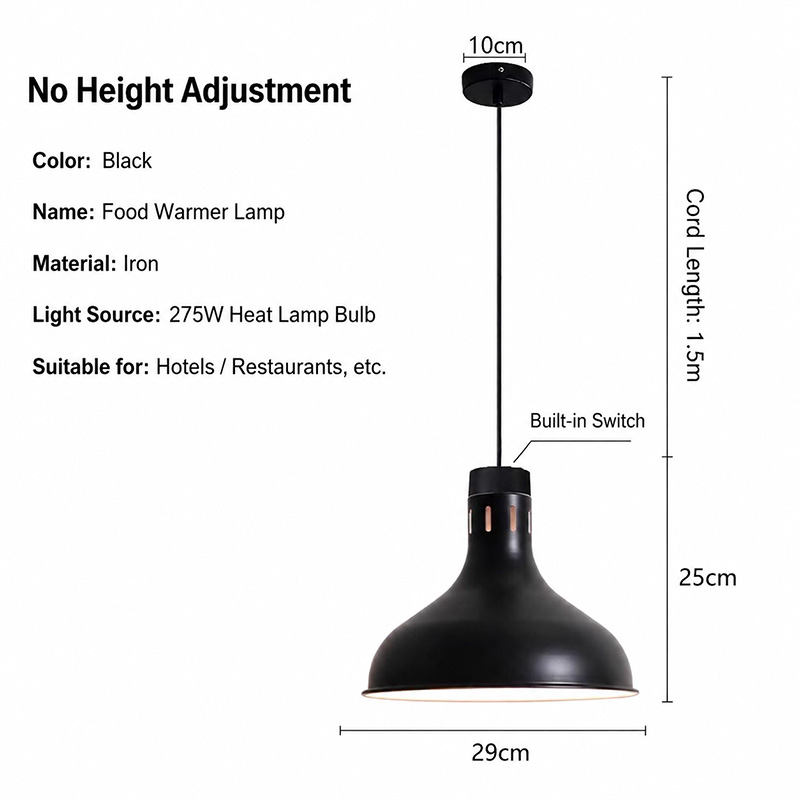
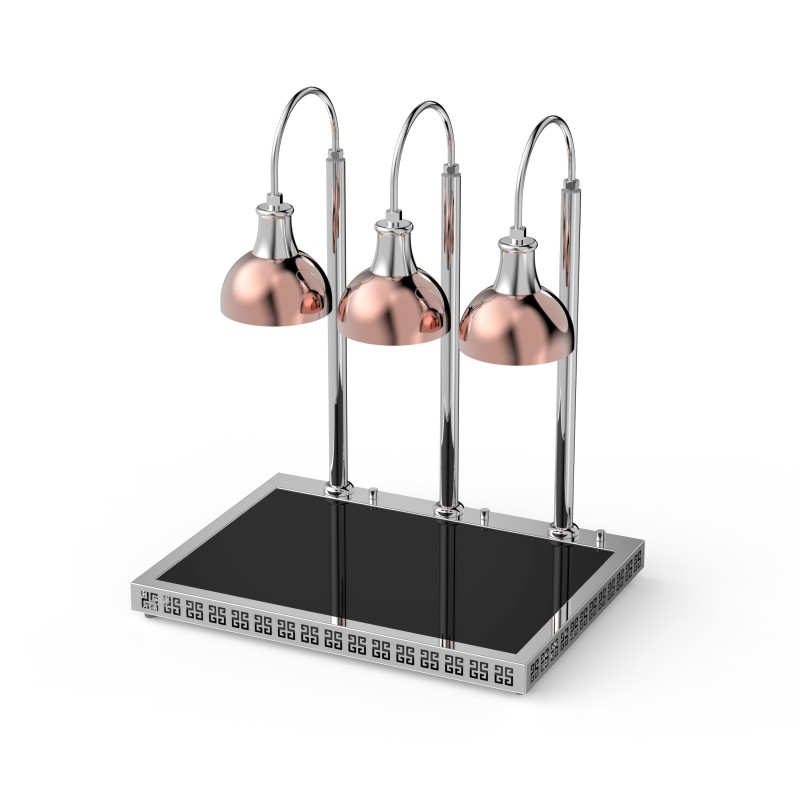
Where service requirements permit, using lower wattage elements reduces the maximum heating intensity available, slowing moisture loss rates even when the lamp is positioned at close range. Replacing standard-wattage elements with lower-wattage alternatives can significantly extend the acceptable holding time for moisture-sensitive items. This approach requires careful evaluation of the specific application, as lower wattage may be insufficient for larger food loads or cold ambient conditions. The Three-Head Rose Gold Buffet Heat Lamp Station with its three-head linear arrangement allows selective use of different wattage elements in different heads, enabling targeted thermal management for different food types in the same display.
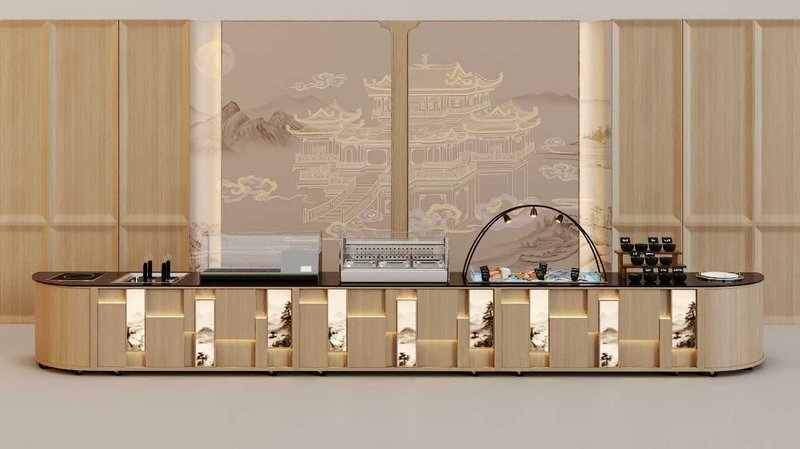
Holding Container and Covering Techniques
Choosing Appropriate Containers
The container in which food is held affects both heat distribution and moisture retention. Shallow, wide containers expose more food surface area to infrared radiation and to the air above, accelerating both warming and drying. Deeper, narrower containers reduce exposed surface area and create a self-humidifying microenvironment immediately above the food surface as moisture evaporates. Metal containers conduct heat more efficiently than ceramic or glass alternatives, but may also promote more rapid surface cooling when the lamp is first activated due to their higher thermal conductivity.
Cultural considerations also influence container choice, as some cuisines traditionally use covered vessels or specific container shapes that inherently provide better moisture retention than open display arrangements. Operations serving foods from multiple cultural traditions may need to evaluate moisture retention performance for each cuisine type separately, as techniques optimal for one cuisine may not suit another. The glass warming surface of the Three-Head Rose Gold Buffet Heat Lamp Station provides visual display appeal while retaining heat effectively, though foods in transparent or glass containers on this surface may experience more direct heating than those in opaque metal vessels.
Strategic Use of Covers and Lids
Partial covering of food containers during holding can significantly reduce moisture loss while maintaining food at safe temperatures, though covers also reduce the visual appeal of the display and may complicate serving. Hinged covers that allow quick access for serving reduce the frequency and duration of full exposure to the ambient air, limiting the total moisture loss during service periods. For operations where display appearance is less critical than food quality, such as back-of-house holding areas, fully covered containers provide the best moisture retention performance.
Humidity Trays and Water Sources
Introducing additional humidity to the immediate environment around the food display counteracts the drying effect of heat lamps by maintaining a higher moisture saturation in the air immediately above food surfaces. Shallow trays of water placed in the display area, either beneath food containers or in adjacent positions, release moisture continuously as they are gently warmed by the heat lamps. This technique is particularly effective for the open-display configurations common in buffet service, where the additional humidity can significantly extend the acceptable holding time before food quality deteriorates noticeably.
Operational Practices for Moisture Retention
Batch Preparation and Timing
Reducing the total holding time by preparing food in smaller batches that can be served more quickly directly addresses the moisture loss problem by limiting exposure duration. Rather than preparing large quantities of food at the beginning of service and holding them for extended periods, preparing multiple smaller batches throughout service ensures that all food items have minimal holding time. This approach requires more labour and more careful coordination between kitchen and service staff, but eliminates the quality degradation that inevitably occurs during extended holding.
Pre-Heating Containers and Plates
Placing cold food into a heat lamp display creates a thermal demand that the lamp must satisfy, potentially causing the lamp to operate at maximum intensity for an extended warm-up period. Pre-heating food containers and plates in a heated cabinet or warmer before placing them in the display reduces the thermal demand on the heat lamp, allowing it to operate at lower intensity or cycle off more quickly after initial warm-up. This practice reduces both energy consumption and the intensity of thermal stress on the food during the critical initial holding period when moisture loss is most rapid.
Monitoring and Rotation
Regular monitoring of food condition during holding enables identification of items approaching unacceptable quality levels before they reach the point of visible drying or customer complaint. Implementing a rotation system where items at the back of the display, which have been held longest, are brought forward and replaced with freshly added items ensures that all displayed food has been held for similar durations. This first-in-first-out rotation also supports food safety by ensuring that older items are served before newer items, preventing accumulation of items that have exceeded safe holding times.
Food-Specific Strategies
Proteins and Moist Preparations
Proteins like roasted meats and poultry naturally retain moisture well due to their high internal fat and water content, but surface drying can create an unappetising appearance even when the interior remains moist. Basting or glazing proteins with sauces, gravies, or glazes before and during holding creates a protective surface layer that slows moisture loss and maintains visual appeal. Regular application of glazes or sauces during holding replenishes this protective layer as it is gradually absorbed into the food surface, maintaining the moisture barrier throughout the holding period.
Starches and Grains
Rice, pasta, potatoes, and other starch-based dishes are particularly susceptible to drying due to their high surface-area-to-volume ratios and their tendency to form a dry crust when exposed to heat. Keeping starch dishes covered except during active serving, and adding small amounts of butter, oil, or sauce before covering, creates a moisture barrier that significantly extends acceptable holding time. The Stainless Steel Buffet Heat Lamp Rack with its adjustable lamp heads allows different heights for starch dishes versus protein dishes, providing less intensive warming for starch items that would otherwise dry rapidly under standard holding conditions.
Vegetables and Sides
Steamed or blanched vegetables are among the most challenging items to hold under heat lamps due to their high initial moisture content and delicate textures. Green vegetables in particular lose colour, texture, and nutritional value rapidly under heat lamp exposure, making extended holding impractical for fine dining presentations. For operations that must hold vegetables for extended periods, using higher lamp positions that provide gentle warming rather than intensive heat, and covering vegetables except during active service, provides the best quality maintenance. The digital thermostat of the Dual-Insulation Workstation with Heat Lamp & Heating Plate enables the precise low-temperature holding that vegetables require to maintain quality for any reasonable holding duration.
Equipment Maintenance for Consistent Performance
Reflector and Dome Cleaning
Dirty reflectors and lamp domes reduce the efficiency of heat transfer from the elements to the food surface, requiring the elements to operate at higher intensities to achieve the same warming effect. Increased element intensity increases both energy consumption and the drying rate on food surfaces. Regular cleaning of reflectors and domes using appropriate non-abrasive methods maintains the reflective efficiency of these components, ensuring that elements operate at minimum necessary intensity for effective warming. The polished stainless steel reflectors of the Stainless Steel Buffet Heat Lamp Rack and the rose gold domes of the Three-Head Rose Gold Buffet Heat Lamp Station both benefit from regular cleaning that maintains their reflective surfaces in optimal condition.
Element Performance Verification
Aging heat lamp elements lose intensity over time as the filament material gradually degrades, potentially reaching a point where elements no longer achieve safe holding temperatures even when operating continuously. Regular temperature verification using calibrated thermometers identifies elements that are underperforming before they cause food safety violations. Elements that have been in service for more than three thousand hours should be checked more frequently, as they are approaching the end of their expected service life and may exhibit inconsistent performance as degradation accelerates. Replacement before complete failure avoids the service disruptions and food safety risks of unexpected element outage.
Conclusion
Preventing food from drying out under heat lamps requires understanding the mechanisms that cause moisture loss and implementing targeted interventions at each stage of the holding process. Configuring equipment correctly, using appropriate holding containers and covering techniques, and implementing operational practices that reduce holding time all contribute to maintaining food quality alongside food safety compliance. The Stainless Steel Buffet Heat Lamp Rack with its four-head adjustable gantry enables custom thermal management for different food types in the same display, while the Dual-Insulation Workstation with Heat Lamp & Heating Plate with its digital thermostat and dual-zone warming provides the precise temperature control needed to maintain the lowest safe temperature throughout the holding period. The Three-Head Rose Gold Buffet Heat Lamp Station with its three-head linear arrangement and black glass warming surface combines visual appeal with effective warming performance. By combining appropriate equipment selection with good operational practices, food service operators can significantly extend the acceptable holding time for food items while maintaining the quality and appearance that customers expect, reducing food waste and improving customer satisfaction in commercial food service operations.
Featured Products
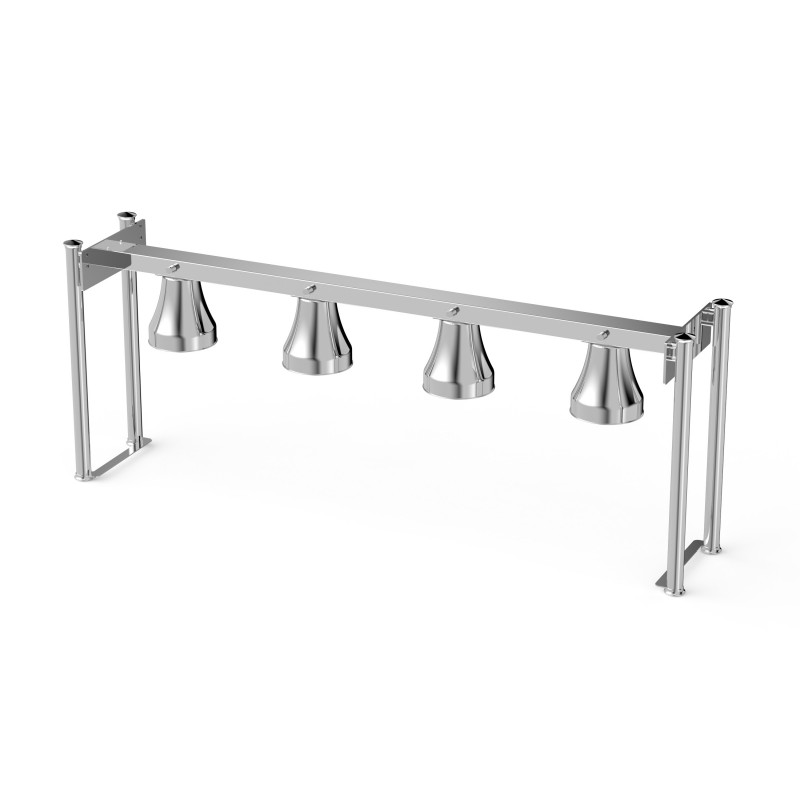
Stainless Steel Buffet Heat Lamp Rack
BAVA Stainless Steel Buffet Heat Lamp Rack. 4-lamp overhead system in stainless steel. Models: BJ604 (basic), BJ604B (angled), BJ604B-G (copper/gooseneck), BJ604C (sneeze guard). Freestanding gantry design. CE certified.
Three-Head Rose Gold Buffet Heat Lamp Station
BAVA Three-Head Rose Gold Buffet Heat Lamp Station. Three rose gold dome lamps in linear arrangement over black glass warming surface. Greek key decorative base pattern. BJ663T adds adjustable glass shelf. Premium hotel buffet design. CE certified.
Dual-Insulation Workstation with Heat Lamp & Heating Plate
BAVA Dual-Insulation Workstation with Heat Lamp and Heating Plate. Dual-zone warming with infrared lamp + heated base. Black glass-ceramic surface, digital thermostat, copper dome lamps. Models BJ661/BJ662 with optional sneeze guard. CE certified.
Related Articles
Electric Buffet Warmer with Adjustable Thermostat for Restaurants
Discover the best Electric Buffet Warmer with Adjustable Thermostat for Restaurants solutions. Real ...
Mini Chafing Dish for Breakfast Buffet & Condiment Stations
Discover the best Mini Chafing Dish for Breakfast Buffet & Condiment Stations solutions. Real case s...
9QT Extra-Large Chafing Dish for Large-Scale Banquet Events
Discover the best 9QT Extra-Large Chafing Dish for Large-Scale Banquet Events solutions. Real case s...
Wall-Mounted Buffet Stove for Space-Saving Kitchen Layouts
Discover the best Wall-Mounted Buffet Stove for Space-Saving Kitchen Layouts solutions. Real case st...
Stainless Steel Food Warmer for Supermarket Deli Departments
Discover the best Stainless Steel Food Warmer for Supermarket Deli Departments solutions. Real case ...
Commercial Chafer Dish with Temperature Control for Food Safety
Discover the best Commercial Chafer Dish with Temperature Control for Food Safety solutions. Real ca...