
How to Extend the Life of Your Food Heat Lamp Bulb
Food heat lamp elements represent a recurring operational cost that can be significantly reduced through proper handling, operating practices, and maintenance procedures that extend element service life. Commercial infrared heat elements typically provide between 3,000 and 5,000 hours of effective service, but improper use, frequent switching, and poor handling dramatically reduce this lifespan, increasing operating costs and creating service interruptions from premature element failures. Understanding the factors that affect element life and implementing practices that minimise harmful stress on the elements can substantially reduce replacement frequency and associated costs over the operational lifetime of heat lamp equipment.

Understanding What Shortens Heat Lamp Element Life
Thermal Stress from Frequent Switching
The primary factor that reduces heat lamp element lifespan is thermal cycling, which occurs every time the lamp is switched on and off. Each heating cycle causes the element filament to expand as it heats and contract as it cools, creating mechanical stress that gradually degrades the filament material. Elements that are switched on and off multiple times per day fail significantly faster than those operating continuously during service periods. Planning service schedules to minimise switching frequency, or using equipment with proportional control systems that maintain temperatures by varying output rather than cycling on and off, substantially extends element life.
The Dual-Insulation Workstation with Heat Lamp & Heating Plate with its digital thermostat uses proportional control that adjusts heating output to maintain target temperatures rather than fully cycling the elements on and off. This approach dramatically reduces thermal cycling stress compared to simple on-off thermostat control, extending element life while providing more stable temperature maintenance. The copper dome lamps in the Dual-Insulation Workstation with Heat Lamp & Heating Plate also provide better thermal distribution that reduces localised stress on any single area of the element.
Contamination and Corrosion
Heat lamp elements are sensitive to contamination from food soils, moisture, cleaning chemicals, and grease that accumulate on the element surface during normal operation. Food vapours rising from hot food items deposit organic material on the element surface, creating an insulating layer that reduces heat dissipation and causes localised overheating. Cleaning chemicals, particularly those containing chlorine or other corrosive compounds, can damage element surfaces and shorten service life. Regular cleaning of elements and their surrounding components removes contamination before it causes damage, while using appropriate cleaning products that are compatible with heat lamp materials protects element surfaces from chemical attack.
Mechanical Shock and Vibration
Physical shock from dropping equipment, impacts during cleaning, or vibration from nearby equipment can damage heat lamp filaments, causing premature failure. The tungsten filaments in infrared heating elements are mechanically fragile, and even minor impacts can fracture filaments or loosen connections that lead to early failure. Handle heat lamp equipment carefully during cleaning and maintenance, avoiding impacts to lamp heads and domes that could stress the elements. Secure loose equipment and mounting hardware that could create vibration during operation, as sustained vibration at resonant frequencies can fatigue element filaments over time.
Optimising Operating Practices
Minimising Switch Cycles
Review operating practices to identify opportunities to reduce the number of switch cycles per day. Where service schedules permit, consider leaving heat lamps running continuously during operating hours rather than switching them off between services. The energy cost of continuous operation may be less than the combined cost of premature element replacements and lost service time from unexpected failures. If equipment must be switched off between services, implement a schedule that groups service periods together to reduce the number of separate operating sessions.
Proper Warm-Up Procedures
Allow heat lamps to reach operating temperature gradually rather than forcing rapid heating by using equipment at maximum settings from a cold start. Elements that heat too quickly experience greater thermal stress than those that warm gradually. Where thermostatic controls are available, allow the controller to manage the warm-up process rather than using manual overrides that force maximum heating output. The digital thermostat in the Dual-Insulation Workstation with Heat Lamp & Heating Plate manages warm-up automatically, ramping element temperature gradually to reach target temperatures without the thermal shock of rapid heating.
Appropriate Load Management
Loading food items into a heat lamp that has been operating with no load can create thermal stress as the suddenly increased mass draws heat from the elements. Pre-warm food items to near service temperature before placing them in the heat lamp to reduce the thermal demand placed on the elements. Monitor the performance of multi-head units like the Three-Head Rose Gold Buffet Heat Lamp Station when loading food items, adjusting lamp head heights to compensate for the thermal load changes that occur as the display fills. Units that struggle to maintain temperature under heavy loads experience accelerated element wear from sustained high-temperature operation.
Regular Maintenance Practices
Element Inspection Schedule
Establish a regular inspection schedule that checks heat lamp element condition as part of routine equipment maintenance. Inspect elements during cleaning for signs of damage including discolouration, bulb clouding, filament breaks visible through the glass envelope, and loose or corroded bases. Document inspection findings and compare results between inspections to identify elements that are degrading faster than expected, which may indicate operating problems that can be corrected to extend the remaining element life. Elements showing significant degradation should be replaced proactively rather than waiting for failure during service.
Cleaning Procedures
Clean heat lamp elements and surrounding components regularly using appropriate cleaning methods and products. Allow elements to cool completely before cleaning, and use a soft brush or compressed air to remove loose contamination from element surfaces and reflector dishes. Avoid using abrasive materials that could scratch element surfaces or cleaning chemicals that could cause corrosion. For stubborn contamination, use a damp cloth with mild detergent followed by thorough drying, ensuring that no moisture enters the element socket or electrical connections. The polished reflectors in units like the Ceiling-Mounted Rose Gold Buffet Heat Lamp benefit from regular cleaning that maintains their reflectivity and ensures efficient heat distribution without requiring higher element temperatures to achieve target warming.
Socket and Connection Maintenance
Poor electrical connections at the element socket create resistance that generates heat at the connection point, accelerating both socket and element degradation. Inspect socket contacts during element replacement, cleaning any corrosion or oxidation from the contacts using appropriate electrical contact cleaner. Ensure that replacement elements seat fully and securely in the socket, with spring contacts properly engaging the element base. Loose elements that rock or move in the socket create intermittent contact that causes arcing and rapid element failure. The pendant configuration of the Ceiling-Mounted Rose Gold Buffet Heat Lamp requires particular attention to socket security during installation, as the hanging orientation can create additional stress on the electrical connections.
Proper Handling of Replacement Elements
Storage Requirements
Store spare heat lamp elements in their original packaging until needed, protecting them from dust, moisture, and physical shock that could damage the filaments. Avoid storing elements in locations with high humidity or temperature extremes that could degrade the materials before installation. Keep spare elements in a dedicated storage area rather than scattered among other equipment where they could be damaged by falling objects or accidental impacts. Organise storage so that oldest stock is used first, ensuring that elements are not kept beyond their recommended storage life.
Handling Precautions
Handle heat lamp elements only by the base, never touching the glass envelope where skin oils create hot spots that can cause premature failure. Even brief contact with the element glass can significantly reduce its operating life by creating localised weak points that fail under thermal stress. Use clean cotton gloves when handling elements to eliminate the risk of skin oil contamination, particularly in commercial environments where multiple staff members may handle elements during replacement. The three-head configuration of the Three-Head Rose Gold Buffet Heat Lamp Station requires handling multiple elements during replacement, making careful handling practices particularly important to avoid damaging elements before they are even installed.
Correct Installation
Install replacement elements carefully, ensuring correct alignment and full seating before applying power. Elements that are not fully seated create arcing at the connection point that immediately damages the new element and may damage the socket as well. Rock the element gently after insertion to verify that it is fully engaged, then apply power briefly to confirm normal operation before completing any reassembly. Do not overtighten retaining hardware, as excessive pressure on the element base can cause mechanical damage that leads to early failure.
Environmental Factors
Ambient Temperature Effects
Heat lamp elements operate in a thermal environment determined by both their own heating and the ambient conditions around them. Elements operating in very cold environments may experience more frequent thermal cycling as the thermostat switches more frequently to maintain temperature against greater heat losses. In very hot environments, elements may operate at higher than normal temperatures to achieve the same warming effect, accelerating degradation. Position heat lamps away from direct heat sources like ovens and cooktops that increase the ambient thermal load, and ensure adequate ventilation around heat lamp equipment to prevent heat accumulation.
Air Quality Considerations
Elements operating in environments with poor air quality, high dust levels, or chemical vapours experience accelerated degradation from contamination. Kitchen environments with significant cooking activity, steam, or grease-laden air deposit contaminants on element surfaces that reduce heat dissipation. Install heat lamps in positions that minimise exposure to direct cooking vapours, and ensure that kitchen ventilation systems are operating correctly to remove contaminated air before it reaches the heat lamp elements. The CE certification of the Ceiling-Mounted Rose Gold Buffet Heat Lamp confirms compliance with European safety standards including those related to environmental operating conditions, but certification assumes proper kitchen ventilation and environmental management.
Monitoring and Record Keeping
Tracking Element Performance
Maintain records of element installation dates and replacement dates to track actual element life against expected life. Calculate the average operating hours achieved by each element type in your equipment to identify patterns and problems early. Elements that consistently fail well before expected life indicate problems with operating practices, electrical supply quality, or equipment configuration that should be investigated and corrected. Elements that consistently exceed expected life confirm that current practices are appropriate and can guide decisions about maintenance scheduling and spare parts inventory.
Predictive Replacement Strategies
Moving from reactive replacement after failure to predictive replacement based on operating hours reduces the risk of unexpected service interruptions while avoiding unnecessary early replacement. Calculate the average element life in your operation and schedule proactive replacement at approximately eighty percent of the average life. This approach ensures that most elements are replaced before failure while avoiding excessive early replacement costs. The digital thermostat of the Dual-Insulation Workstation with Heat Lamp & Heating Plate may provide operating hour tracking that simplifies predictive maintenance scheduling, allowing element replacement to be planned based on actual usage rather than calendar time.
Cost-Benefit Analysis
Element Cost Versus Service Interruption
Evaluate the cost-benefit of extending element life against the cost of premature failures and service interruptions. Simple practices like reducing switch cycles, improving handling, and maintaining clean equipment typically cost nothing beyond staff time and attention, while the value of extended element life and reduced failures is substantial. The cost of a service interruption during a busy service period may far exceed the cost of a few extra element replacement cycles, making investment in practices that extend element life clearly worthwhile in most commercial operations.
Bulk Purchasing Considerations
When replacement elements must be purchased, buying in bulk from authorised distributors typically reduces per-element costs significantly compared to emergency single-item purchases. Maintain a spare element inventory appropriate to your equipment fleet and usage patterns, replenishing stock before it is depleted. Purchase only from authorised distributors to ensure element quality and compatibility, as elements from unknown sources may not meet original equipment specifications and may fail prematurely despite apparent cost savings.
Conclusion
Extending food heat lamp element life requires attention to operating practices, handling procedures, and maintenance routines that minimise the stresses that cause premature failure. Reducing switch cycles by operating equipment continuously during service periods, implementing proper warm-up procedures, and maintaining clean equipment and electrical connections all contribute to longer element life and lower operating costs. Proper handling of replacement elements protects new elements from damage before they are even installed, while correct installation ensures reliable operation from the first use. The Dual-Insulation Workstation with Heat Lamp & Heating Plate with its digital thermostat and copper dome lamps provides more stable thermal management that reduces cycling stress, while the Ceiling-Mounted Rose Gold Buffet Heat Lamp and Three-Head Rose Gold Buffet Heat Lamp Station benefit from careful handling and regular socket maintenance that ensures reliable electrical connections throughout their service life. Tracking element performance and implementing predictive replacement strategies reduces unexpected failures, protects service quality, and ensures that replacement investments are optimised for maximum benefit across the equipment fleet.
Featured Products
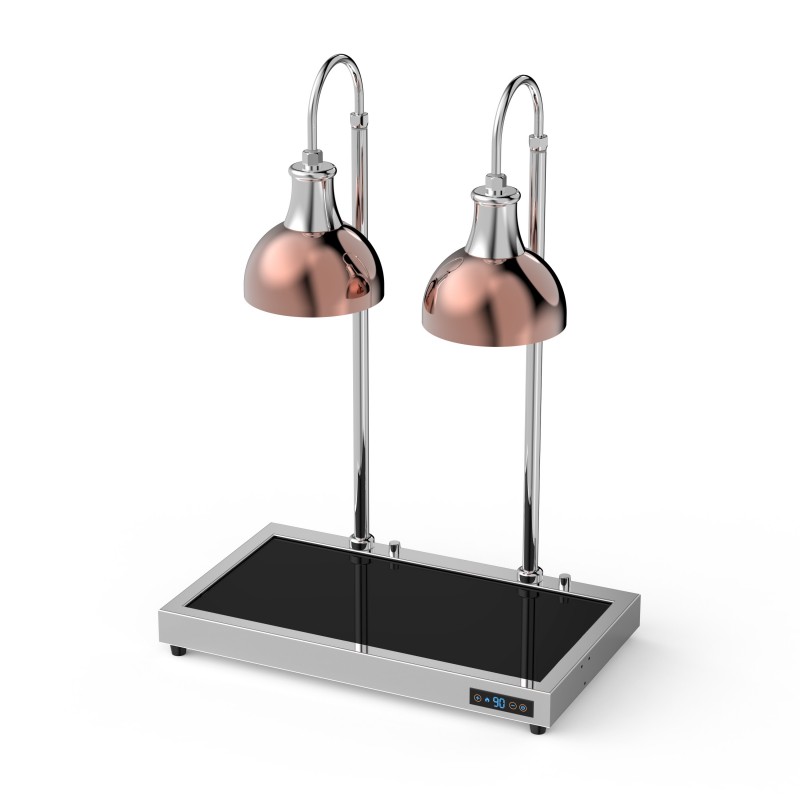
Dual-Insulation Workstation with Heat Lamp & Heating Plate
BAVA Dual-Insulation Workstation with Heat Lamp and Heating Plate. Dual-zone warming with infrared lamp + heated base. Black glass-ceramic surface, digital thermostat, copper dome lamps. Models BJ661/BJ662 with optional sneeze guard. CE certified.
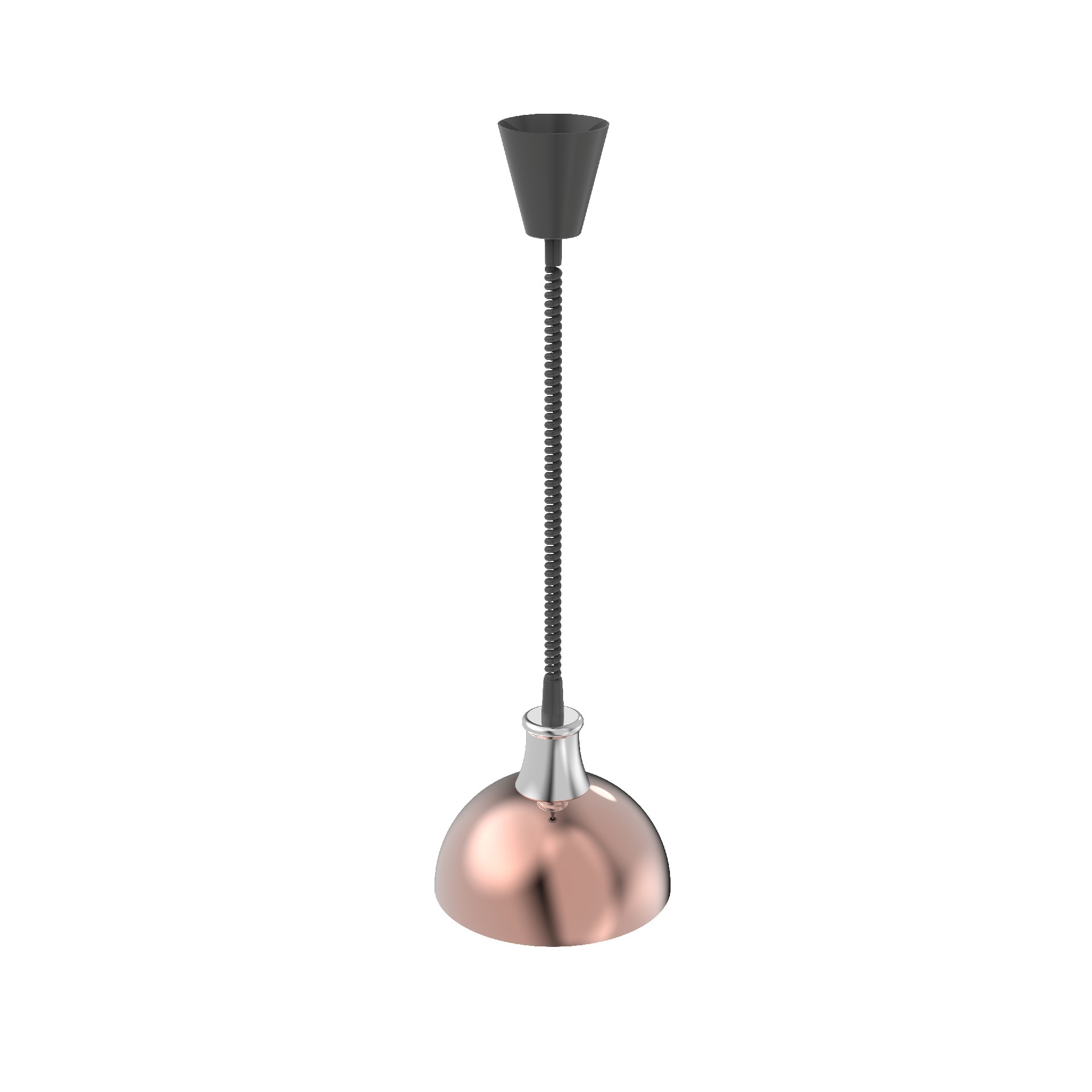
Ceiling-Mounted Rose Gold Buffet Heat Lamp
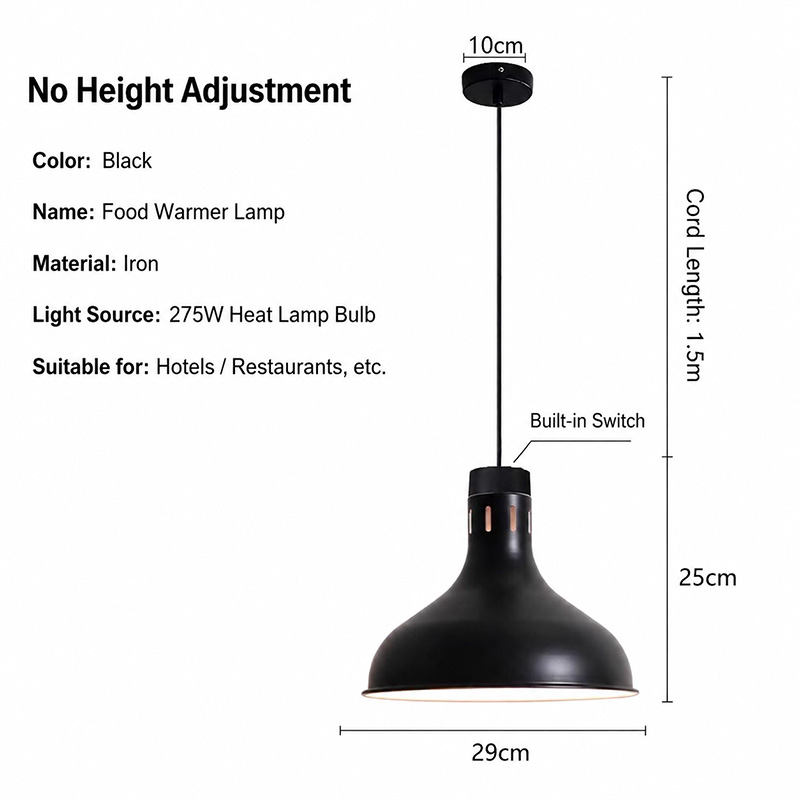
BAVA Ceiling-Mounted Rose Gold Buffet Heat Lamp. Single-head pendant lamp with rose gold dome, coiled cord height adjustment, matte black canopy. Models BJ1001/BJ1002. CE certified. Ideal for hotel buffets and upscale catering.
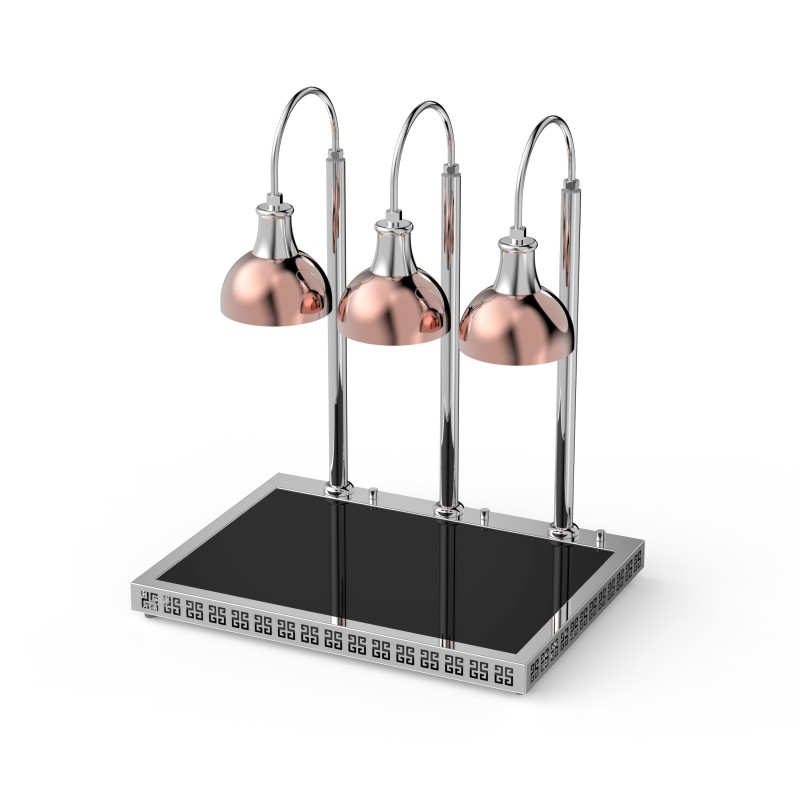
Three-Head Rose Gold Buffet Heat Lamp Station
BAVA Three-Head Rose Gold Buffet Heat Lamp Station. Three rose gold dome lamps in linear arrangement over black glass warming surface. Greek key decorative base pattern. BJ663T adds adjustable glass shelf. Premium hotel buffet design. CE certified.
Related Articles

Electric Buffet Warmer with Adjustable Thermostat for Restaurants
Discover the best Electric Buffet Warmer with Adjustable Thermostat for Restaurants solutions. Real ...
Mini Chafing Dish for Breakfast Buffet & Condiment Stations
Discover the best Mini Chafing Dish for Breakfast Buffet & Condiment Stations solutions. Real case s...

9QT Extra-Large Chafing Dish for Large-Scale Banquet Events
Discover the best 9QT Extra-Large Chafing Dish for Large-Scale Banquet Events solutions. Real case s...

Wall-Mounted Buffet Stove for Space-Saving Kitchen Layouts
Discover the best Wall-Mounted Buffet Stove for Space-Saving Kitchen Layouts solutions. Real case st...

Stainless Steel Food Warmer for Supermarket Deli Departments
Discover the best Stainless Steel Food Warmer for Supermarket Deli Departments solutions. Real case ...

Commercial Chafer Dish with Temperature Control for Food Safety
Discover the best Commercial Chafer Dish with Temperature Control for Food Safety solutions. Real ca...