
How to Calibrate a Food Heat Lamp: Ensure Accurate Temperature
Temperature accuracy in commercial food heat lamps is critical for maintaining food safety compliance and ensuring that held food items remain at safe serving temperatures throughout service periods. Heat lamps that drift above or below target temperatures create either food safety hazards from temperature abuse or quality degradation from excessive heat exposure. Regular calibration of heat lamp temperature systems ensures that displayed readings reflect actual food temperatures and that control systems respond appropriately to maintain safe holding conditions. This guide covers the calibration procedures appropriate for different types of heat lamp temperature control systems found in commercial food service operations.

Understanding Heat Lamp Temperature Control
Passive Versus Active Temperature Management
Heat lamps manage food temperatures through two primary approaches: passive radiant heating and active thermostatic control. Passive systems use fixed-wattage infrared elements that continuously output heat, relying on operator adjustment of lamp height to maintain target temperatures. These systems have no calibration requirements for temperature control, but require regular operator monitoring with independent thermometers to verify performance. Active systems like the Single-Head Rose Gold Buffet Heat Lamp incorporate electronic temperature sensors and control circuitry that automatically adjust heating output to maintain target temperatures, requiring periodic calibration to verify sensor accuracy.
Thermostatic Control Principles
Thermostatic heat lamps use temperature sensors embedded in the warming zone to measure actual food surface temperatures and compare them against a setpoint value. The electronic controller activates or deactivates heating elements based on this comparison, maintaining temperatures within a defined band around the setpoint. Over time, temperature sensors can drift from their original calibration, causing the controller to maintain temperatures consistently above or below the intended target. Regular calibration verifies that the sensor reading accurately reflects actual temperature and that any drift is identified and corrected.
Digital Versus Analog Control Systems
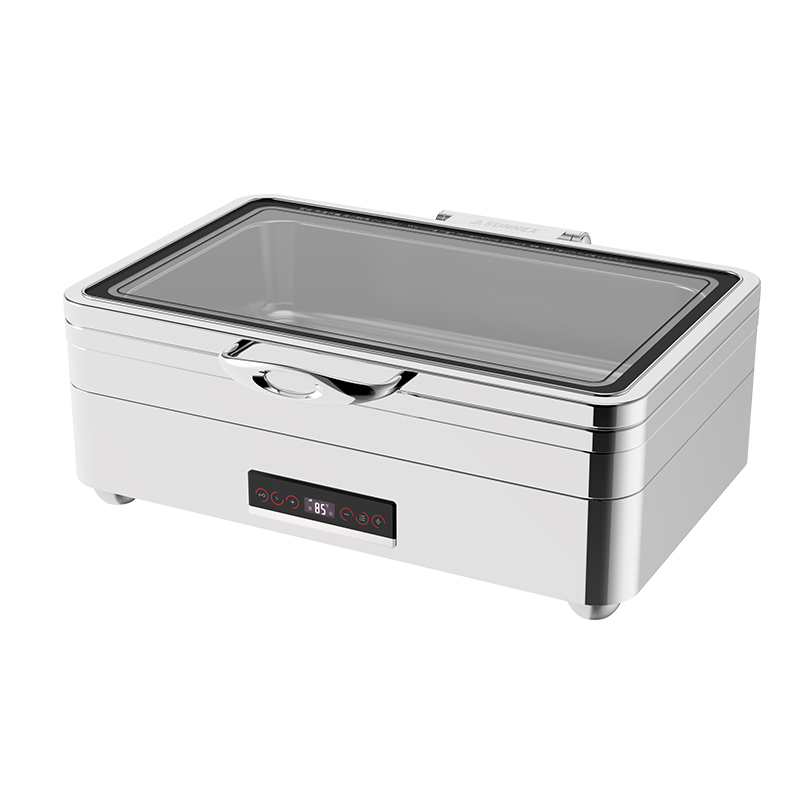
Modern heat lamps increasingly use digital temperature displays that provide precise temperature readout and control. The digital thermostat of the Dual-Insulation Workstation with Heat Lamp & Heating Plate offers both temperature display accuracy and the ability to set precise holding temperatures. Digital systems are generally more stable than analog systems but still require periodic verification of sensor accuracy. Analog systems with bimetallic thermostats may require more frequent calibration adjustment as the mechanical components wear and change characteristics over time.
Calibration Equipment and Preparation
Required Tools and Equipment
Calibrating heat lamp temperature systems requires calibrated reference thermometers traceable to national standards. Use a calibrated probe thermometer with known accuracy of plus or minus one degree Celsius or better for calibration verification. Calibrated reference thermometers should be recertified annually through an accredited laboratory to maintain their traceability to national measurement standards. Without a calibrated reference, calibration verification is meaningless, as the procedure can only confirm that two instruments agree rather than confirming that both are accurate.
Reference Thermometer Verification
Before using any thermometer for calibration work, verify its accuracy against known reference points. The ice point method provides a reliable reference at zero degrees Celsius by creating a slurry of crushed ice and water in a suitable container. Insert the probe thermometer into the ice-water slurry and allow it to stabilise for at least two minutes. A properly calibrated thermometer should read between minus one and plus one degree Celsius in an ice-water bath. Thermometers reading outside this range should be recalibrated or replaced before use in heat lamp calibration work.
Environmental Conditions
Perform calibration procedures in environmental conditions representative of normal operating conditions, as ambient temperature affects heat lamp performance and temperature sensor readings. Avoid calibration in unusually cold or hot ambient conditions that do not reflect the typical operating environment. Allow the heat lamp to reach operating temperature before beginning calibration measurements, as thermal mass in the unit and the food load being measured requires time to reach equilibrium. A stabilisation period of at least thirty minutes of continuous operation before calibration measurements ensures that the system is in thermal equilibrium.
Calibration Procedures for Digital Thermostat Units
Accessing Calibration Mode
Digital thermostat heat lamps typically include a calibration offset function that allows adjustment of the displayed temperature relative to the actual sensor reading. Enter the calibration mode according to manufacturer instructions, often involving a sequence of button presses or holding a specific button for a defined duration. Once in calibration mode, the display will typically show the current sensor reading and allow entry of a calibration offset value that adjusts future displayed temperatures by the specified amount.
Reference Temperature Measurement
Place the calibrated reference probe thermometer in the warming zone at the same position as the integral temperature sensor, typically mounted in the base plate or warming surface. For the Single-Head Rose Gold Buffet Heat Lamp with its thermostatic base plate, position the reference probe in contact with the base surface beneath a representative food container or warming plate. Allow the reference thermometer to stabilise for three to five minutes while the heat lamp maintains its current heating cycle, then record the stable reference temperature reading.
Calculating and Applying the Calibration Offset
Compare the digital display reading to the reference thermometer reading to determine the calibration offset required. If the display shows sixty-eight degrees Celsius while the reference thermometer reads sixty-five degrees Celsius, the display is overstating temperature by three degrees, and a calibration offset of minus three degrees is required. Apply this offset through the calibration function, then verify by checking the display again after the system has stabilised for a further five minutes. Iterate the calibration offset adjustment until the display consistently matches the reference thermometer within the required accuracy tolerance of one degree Celsius.
Calibration Procedures for Multi-Zone Units
Dual-Zone Temperature Considerations
Units with multiple warming zones like the Dual-Insulation Workstation with Heat Lamp & Heating Plate require calibration verification in each zone independently, as temperature sensors in different zones may have different drift characteristics. The dual-zone configuration of the Dual-Insulation Workstation with Heat Lamp & Heating Plate combines overhead infrared heating with base plate warming, meaning that the effective food holding temperature results from the combined effect of both zones. Calibrate each zone by positioning the reference thermometer in the appropriate location for that zone and adjusting the calibration offset to match the reference reading.
Base Plate Temperature Verification
The heated base plate of the Dual-Insulation Workstation with Heat Lamp & Heating Plate uses a separate temperature sensor from the overhead infrared element, requiring independent calibration verification. Position the reference thermometer probe in direct contact with the base plate surface, using thermal compound or a thin thermal pad if needed to ensure good thermal contact between the probe and the plate surface. Allow stabilisation time and compare the digital display reading for the base plate zone against the reference measurement, applying calibration offset corrections as needed to achieve accurate temperature display.
Infrared Element Temperature Verification
The infrared lamp element does not have a direct surface temperature that can be measured with a probe thermometer, making direct calibration verification more challenging. Verify infrared element performance by measuring the food surface temperature achieved during normal operation with a calibrated probe placed in a food item in the warming zone. If the food surface temperature reaches and maintains the target holding temperature while the infrared element is active, the system is functioning correctly even if the specific element temperature cannot be directly measured.
Calibration Procedures for Non-Thermostatic Units
Height-Based Temperature Management
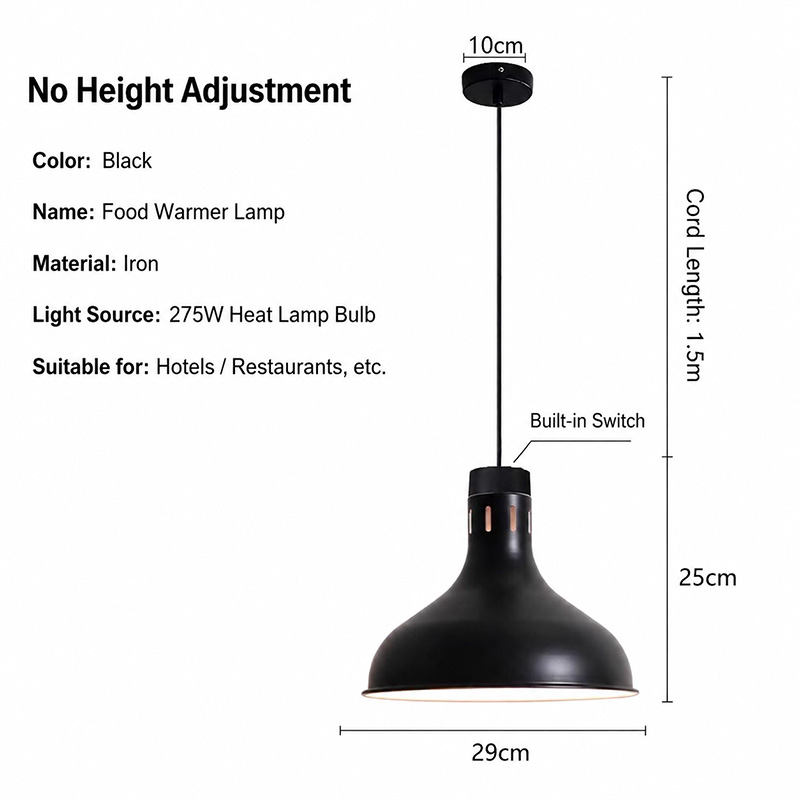
Non-thermostatic units like the Stainless Steel Buffet Heat Lamp Rack control temperature exclusively through lamp height adjustment, with no electronic temperature sensor or control system to calibrate. Verify performance by measuring the actual food surface temperature achieved at the current lamp height setting using a calibrated probe thermometer. Adjust lamp height as needed to achieve the target temperature, using the relationship that lowering the lamp increases heat intensity and raising the lamp reduces it. Document the lamp height settings that achieve target temperatures for each food type to enable consistent setup by all operators.
Creating Temperature Reference Charts
Develop reference charts for each non-thermostatic heat lamp configuration that document the lamp height required to achieve target temperatures for common food types. Measure the lamp height from the food surface to the lamp element using a tape measure, and record the achieved food surface temperature using a calibrated probe thermometer. Repeat measurements for each food type regularly served, and update charts when food types change significantly. These reference charts enable any trained operator to set up the heat lamp correctly without requiring independent temperature knowledge.
Verification and Documentation
Post-Calibration Verification Testing
After completing calibration adjustments, perform verification testing by measuring temperatures at multiple positions within the warming zone to confirm uniform temperature distribution. Record verification measurements at the centre and at multiple peripheral positions, documenting the measured temperatures and their positions within the warming zone. Uneven temperature distribution may indicate problems with heating element performance, reflector effectiveness, or air circulation patterns that require investigation before the unit returns to service.
Calibration Certificate and Records
Maintain calibration records that document the date of calibration, the equipment calibrated, the reference thermometer used and its calibration status, the measurements taken, and any adjustments applied. Calibration records support food safety audit compliance by demonstrating that temperature measurement equipment is maintained in calibrated condition. For commercial food service operations, calibration records should be retained for a minimum of twelve months or longer if required by local food safety regulations or customer audit requirements.
Calibration Interval Determination
Establish calibration intervals based on equipment type, usage frequency, and historical calibration data. New equipment or equipment recently calibrated may establish a pattern of stable calibration that allows intervals to be extended over time. Equipment that shows significant calibration drift between checks may require shorter intervals until stability is confirmed. The Single-Head Rose Gold Buffet Heat Lamp with its thermostatic base plate typically maintains calibration well between checks, while mechanical systems may require more frequent verification.
Troubleshooting Temperature Accuracy Problems
Persistent Temperature Errors After Calibration
If calibration adjustments cannot bring displayed temperature within acceptable accuracy after applying the maximum available offset, the temperature sensor itself may require replacement. Temperature sensors degrade over time, particularly in the harsh environment of commercial food warming equipment where sensors are exposed to moisture, food soils, and cleaning chemicals. Schedule sensor replacement through the equipment manufacturer or authorised service agent, using only replacement sensors specified for the specific equipment model.
Erratic Temperature Readings
Erratic or fluctuating temperature readings indicate problems with the temperature sensor, its wiring, or the control electronics rather than simple calibration drift. Check sensor wiring for damage, corrosion at connections, or loose contacts that may create intermittent electrical contact. Inspect the sensor element itself for physical damage or contamination that may affect its temperature measurement characteristics. Erratic readings should be investigated by qualified service technicians, as they may indicate developing failures that could cause complete loss of temperature control.
Temperature Overshoot or Undershoot
Thermostatic systems that consistently overshoot or undershoot the target temperature may have control parameter issues separate from sensor calibration. The proportional band and integral settings in digital controllers determine how aggressively the system responds to temperature errors, and incorrect settings can cause oscillatory behaviour around the setpoint. These control parameter adjustments typically require specialised knowledge and may need manufacturer or authorised service technician support to resolve correctly.
Calibration for Food Safety Compliance
Regulatory Temperature Requirements
Food safety regulations in most jurisdictions require hot-held food to be maintained at sixty degrees Celsius or above to prevent the growth of pathogenic bacteria. Heat lamp calibration directly supports compliance with these requirements by ensuring that holding temperatures are accurately measured and maintained. Calibration records provide documentary evidence of due diligence in temperature management, which is valuable in demonstrating compliance during regulatory inspections and customer audits.
HACCP Temperature Monitoring Integration
Heat lamp calibration is an integral part of Hazard Analysis and Critical Control Point temperature monitoring procedures. The calibration of temperature measurement equipment used in temperature monitoring activities is itself a critical control point that must be properly managed. Include heat lamp temperature verification in HACCP monitoring records, documenting the measured temperatures, the calibration status of the reference thermometer, and any corrective actions taken when temperatures were found to be outside acceptable limits.
Conclusion
Calibrating commercial food heat lamps ensures that temperature control systems provide accurate food temperature information and maintain safe holding conditions throughout service periods. Digital thermostat systems like those found in the Single-Head Rose Gold Buffet Heat Lamp and the Dual-Insulation Workstation with Heat Lamp & Heating Plate require periodic calibration verification using calibrated reference thermometers, with calibration offsets adjusted until displayed temperatures match reference measurements within one degree Celsius. Non-thermostatic units like the Stainless Steel Buffet Heat Lamp Rack require regular temperature verification using calibrated thermometers, with lamp height adjusted to achieve target temperatures documented in reference charts for each food type. Calibration records support food safety compliance documentation and demonstrate due diligence in temperature management. Establishing appropriate calibration intervals based on equipment type and usage patterns ensures that calibration drift is detected and corrected before it compromises food safety, protecting customers, operators, and the reputation of the business.
Featured Products
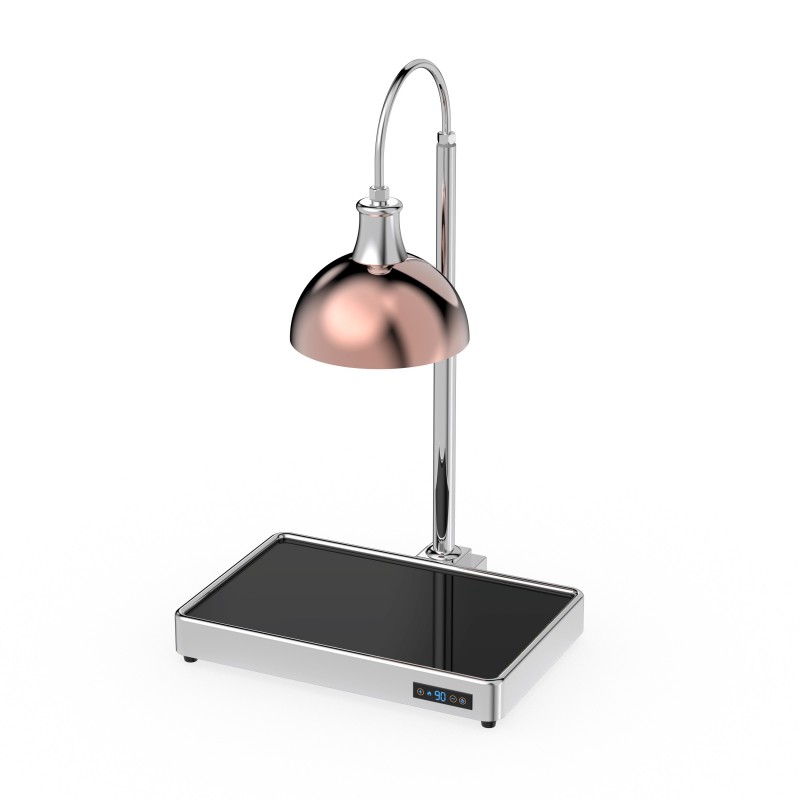
Single-Head Rose Gold Buffet Heat Lamp
BAVA Single-Head Rose Gold Buffet Heat Lamp. Dual-zone heating with infrared lamp and thermostatic base plate. Polished stainless steel + rose gold finish. Models BJ1631/BJ1831T. Ideal for hotel buffets and catering.
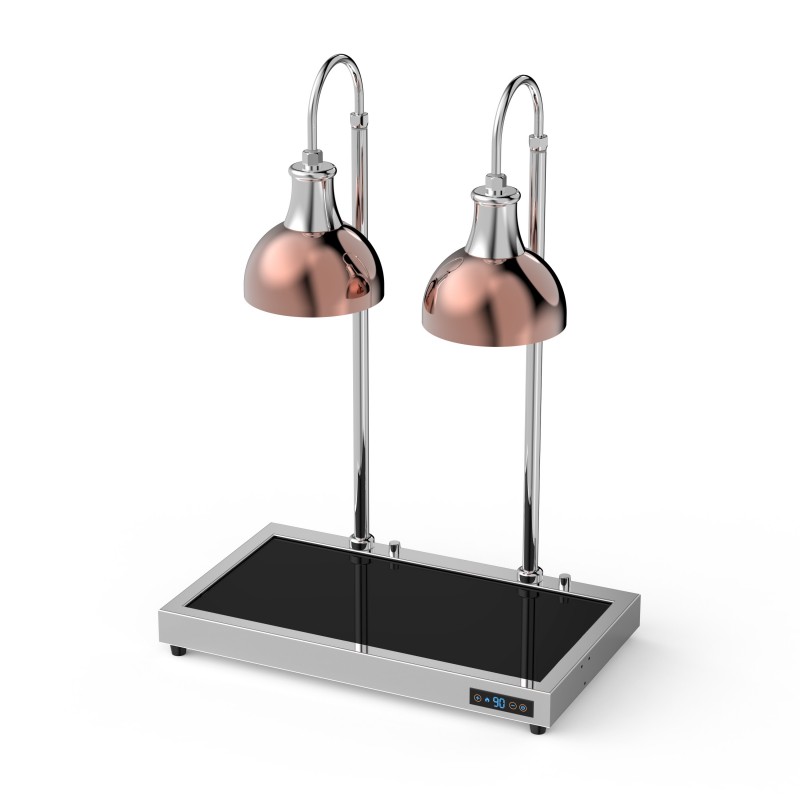
Dual-Insulation Workstation with Heat Lamp & Heating Plate
BAVA Dual-Insulation Workstation with Heat Lamp and Heating Plate. Dual-zone warming with infrared lamp + heated base. Black glass-ceramic surface, digital thermostat, copper dome lamps. Models BJ661/BJ662 with optional sneeze guard. CE certified.
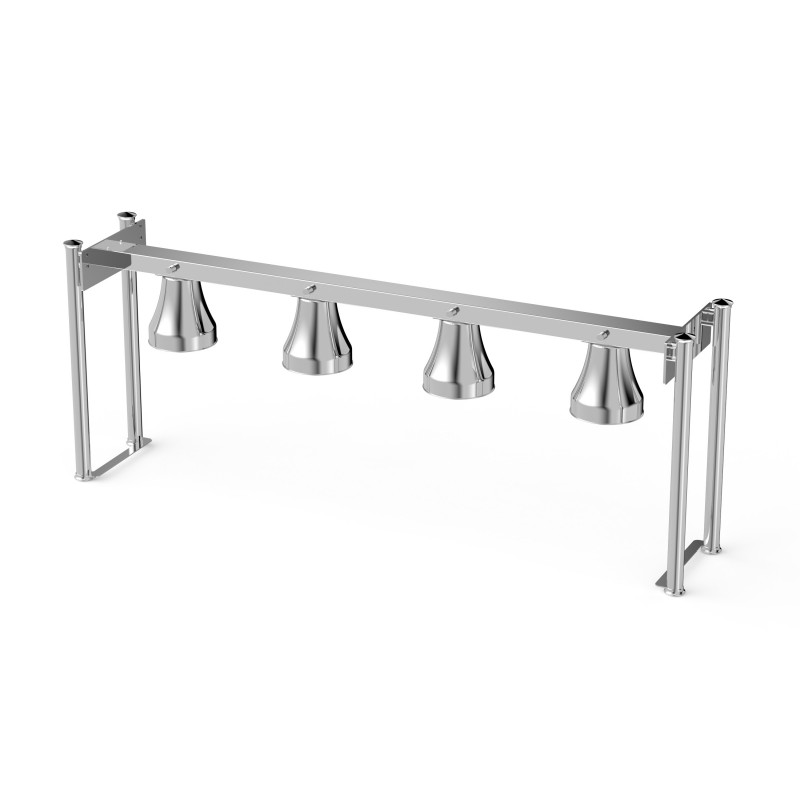
Stainless Steel Buffet Heat Lamp Rack
BAVA Stainless Steel Buffet Heat Lamp Rack. 4-lamp overhead system in stainless steel. Models: BJ604 (basic), BJ604B (angled), BJ604B-G (copper/gooseneck), BJ604C (sneeze guard). Freestanding gantry design. CE certified.
Related Articles
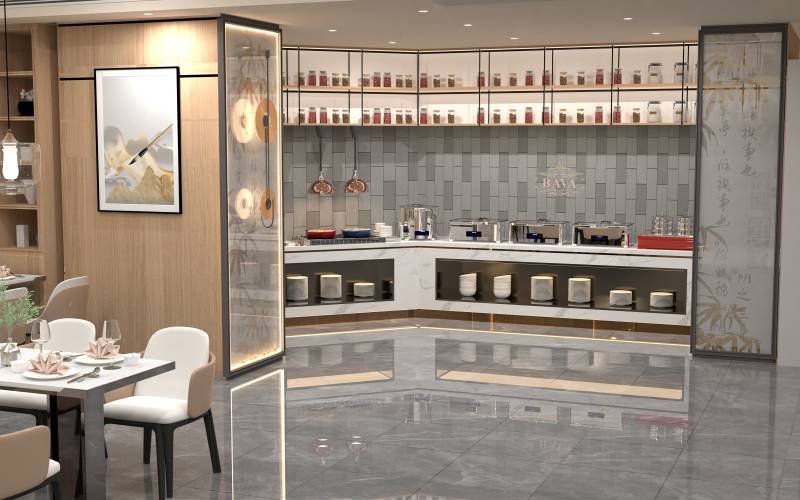
Electric Buffet Warmer with Adjustable Thermostat for Restaurants
Discover the best Electric Buffet Warmer with Adjustable Thermostat for Restaurants solutions. Real ...
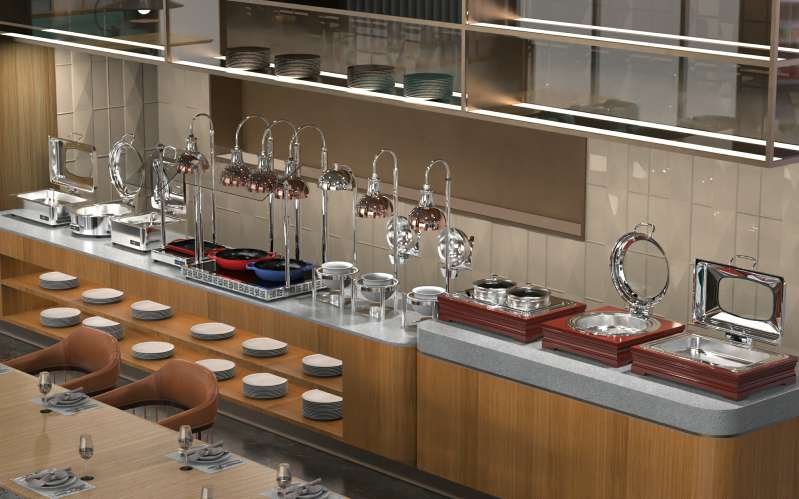
Mini Chafing Dish for Breakfast Buffet & Condiment Stations
Discover the best Mini Chafing Dish for Breakfast Buffet & Condiment Stations solutions. Real case s...
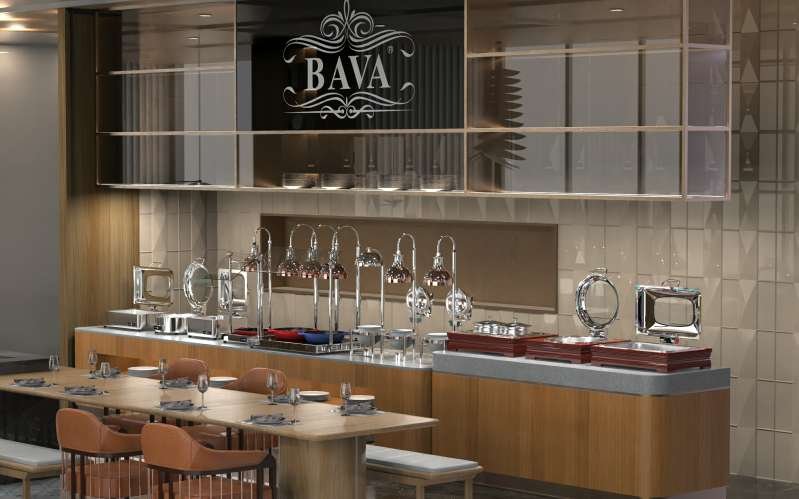
9QT Extra-Large Chafing Dish for Large-Scale Banquet Events
Discover the best 9QT Extra-Large Chafing Dish for Large-Scale Banquet Events solutions. Real case s...
Wall-Mounted Buffet Stove for Space-Saving Kitchen Layouts
Discover the best Wall-Mounted Buffet Stove for Space-Saving Kitchen Layouts solutions. Real case st...

Stainless Steel Food Warmer for Supermarket Deli Departments
Discover the best Stainless Steel Food Warmer for Supermarket Deli Departments solutions. Real case ...
Commercial Chafer Dish with Temperature Control for Food Safety
Discover the best Commercial Chafer Dish with Temperature Control for Food Safety solutions. Real ca...