
How to Install a Food Heat Lamp: DIY Installation Instructions
Installing a commercial food heat lamp correctly is fundamental to both safe operation and effective food warming performance. Improper installation can create electrical hazards, fire risks, or ineffective warming that compromises food safety throughout service periods. Whether setting up a freestanding countertop unit for a small catering operation or installing pendant-mounted lamps in a hotel banquet facility, following proper installation procedures ensures that equipment operates safely and effectively from the first day of service.
Pre-Installation Planning
Site Assessment and Electrical Requirements
Before beginning any heat lamp installation, assess the proposed location for electrical supply adequacy and physical compatibility with the equipment. Heat lamps draw significant electrical current, with single-head units typically requiring a dedicated 10-amp circuit and multi-head configurations requiring appropriately higher capacity. Check that the electrical circuit at the proposed location has sufficient capacity for the heat lamp load without risk of overloading shared circuits. Using a dedicated circuit prevents trips from other equipment on the same circuit and ensures consistent power availability for continuous operation.
The power cord length of the specific heat lamp model determines the maximum distance from the installation location to the nearest suitable power outlet. Measure the actual distance required, accounting for cord routing that avoids hot surfaces, sharp edges, and areas where the cord could create trip hazards or be damaged by foot traffic. Extension cords are generally not recommended for permanent heat lamp installations, as they create additional resistance in the electrical supply path and potential trip hazards in busy service areas.
Structural Compatibility for Fixed Installations
Pendant-mounted and ceiling-fixed heat lamps require assessment of the mounting surface for structural capacity to support the equipment weight under all operating conditions including vibration, movement during height adjustment, and seismic events if applicable. Standard ceiling plasterboard without reinforcement cannot support the weight of heat lamp installations, requiring mounting to structural beams or the installation of ceiling support platforms rated for the load. Consult a qualified structural engineer or building contractor for installations in buildings where ceiling structure is uncertain.
Clearance and Spacing Requirements
Heat lamps require adequate clearance from surrounding surfaces and other equipment to ensure effective infrared radiation distribution and to prevent fire hazards from excessive heat accumulation. Maintain minimum clearance distances from walls, shelving, and other equipment as specified by the manufacturer, typically at least 300 millimetres from non-heat-resistant surfaces. Position heat lamps at heights that provide effective warming coverage while maintaining safe clearance above the lamp heads and allowing adequate access for loading food and performing maintenance.
Installing Freestanding Countertop Units
Assembly and Setup
Freestanding countertop heat lamps like the Stainless Steel Heat Lamp-BJ10 arrive partially disassembled and require straightforward assembly before first use. Lay out all components and verify against the packing list, identifying any missing parts before beginning assembly. Follow the manufacturer assembly sequence, typically beginning with the base assembly and working upward through the support column to the lamp head. Tighten all mechanical fasteners to specification, as loose joints create instability that can lead to equipment damage or accidents during operation.
Stable Positioning
Position the completed unit on a stable, level surface capable of supporting the total weight of the equipment including any food loads placed on warming surfaces. The weighted base design of the Stainless Steel Heat Lamp-BJ10 provides stability on most flat counter surfaces, but very smooth or polished surfaces may require additional anti-slip measures to prevent the unit from sliding during operation. Check stability by attempting to tip the unit with moderate horizontal force, and reposition if the unit shows any tendency to move.
Height Adjustment Configuration
The height-adjustable post of the Stainless Steel Heat Lamp-BJ10 allows setting the lamp head at the optimal height for the specific food type and portion size being held. General guidance places the lamp head 300 to 450 millimetres above the food surface, with higher positions appropriate for larger areas or taller food containers and lower positions for smaller items requiring more concentrated heat. Adjust the lamp head to the optimal height for the food items planned for initial use, with the understanding that height may require adjustment as the menu changes.
Installing Pendant and Ceiling-Mounted Units
Mounting Hardware Selection
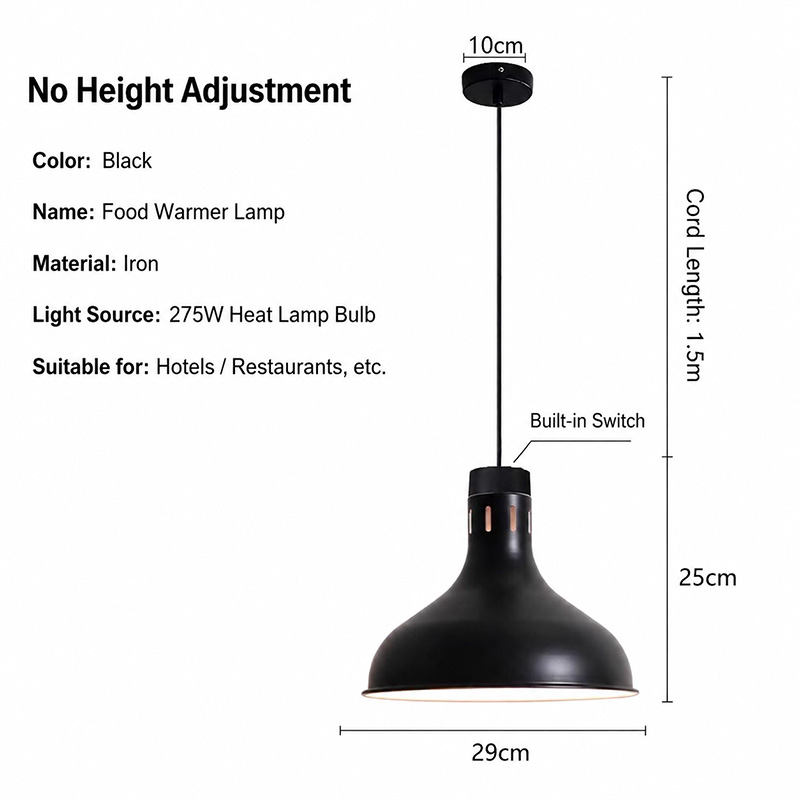
Pendant-mounted units require mounting hardware appropriate to the ceiling construction type and the weight of the specific lamp configuration. Standard ceiling hooks or light fixture mounting points are rarely adequate for heat lamp installations, as they may not be rated for the dynamic loads that heat lamps create during operation and height adjustment. Use mounting hardware specifically rated for commercial food equipment installations, and verify load ratings exceed the maximum installed weight of the heat lamp by a suitable safety margin.
Canopy and Cord Routing
The ceiling canopy of pendant-mounted units like the Three-Head Rose Gold Buffet Heat Lamp Station provides both aesthetic concealment of the mounting point and physical support for the lamp assembly. Install the canopy securely to the mounting surface using the specified hardware, ensuring that all electrical connections are properly enclosed within the canopy housing. Route the power cord along the suspension path without creating tension on the cord or interference with the aesthetic appearance of the installation. Cord retractor mechanisms should be tested to verify smooth operation before the installation is considered complete.
Height Positioning
The optimal mounting height for pendant heat lamps depends on the specific application and the design of the food display below. For standard buffet configurations, mount pendant lamps at heights that allow the lamp head to be positioned 350 to 500 millimetres above food surfaces when fully lowered. Higher mounting positions reduce the concentration of heat on food items but provide broader coverage, while lower positions concentrate heat more intensely over a smaller area. Where operations vary significantly in food types or display configurations, choose mounting heights that accommodate the most demanding requirements or consider adjustable mounting systems.
Installing Multi-Head Gantry Configurations
Frame Assembly
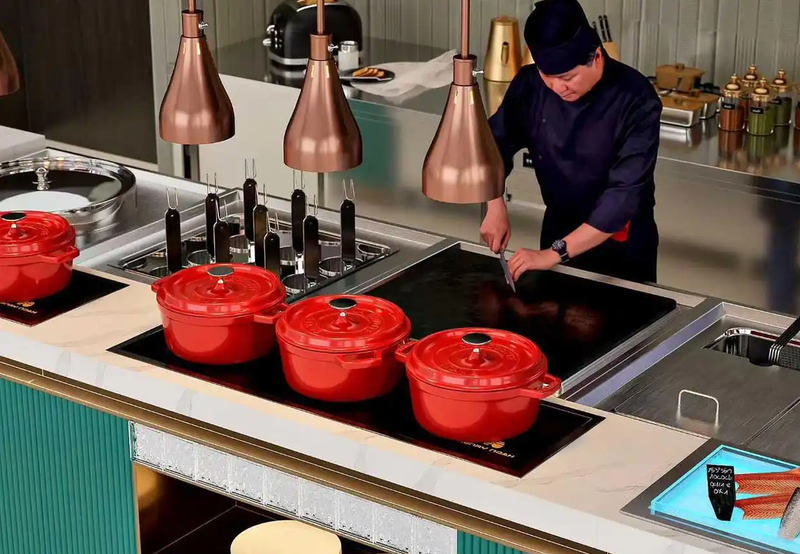
Multi-head gantry configurations like the Three-Head Rose Gold Buffet Heat Lamp Station require assembly of the supporting frame before the lamp heads can be installed and positioned. Lay out frame components in the planned installation location, allowing adequate space for assembly and adjustment during the setup process. Connect frame sections following the manufacturer sequence, typically beginning with the base units and building upward through the vertical supports to the crossmembers where lamp heads attach. Verify squareness and levelness at each stage of assembly, as misaligned frames are difficult to correct once fully assembled.
Leveling and Stabilisation
Gantry heat lamps must be perfectly level to ensure even heat distribution across the display and to prevent the frame from toppling under uneven load. Adjustable feet at the base of vertical supports allow fine leveling corrections on uneven floors. On polished or slippery floor surfaces, use anti-tip devices or floor anchors that prevent the gantry from being accidentally displaced by staff or customer contact. Never operate gantry configurations that show any tendency to wobble or shift under load.
Lamp Head Installation and Spacing
Install lamp heads on the crossmembers at spacing intervals that provide even coverage of the intended display area. The three-head linear arrangement of the Three-Head Rose Gold Buffet Heat Lamp Station typically spaces lamp heads at equal intervals across the gantry width, with the specific spacing determined by the display configuration and the warming requirements of the food items. Adjust individual lamp head heights on their mounting arms to ensure that all heads are at the same vertical position relative to the food surface, providing consistent warming across the full display width.
Electrical Connections and Safety Checks
Verifying Power Supply
Before connecting any heat lamp to electrical power, verify that the supply voltage matches the equipment specifications. Commercial heat lamps operate at standard voltages including 220-240 volts for most international markets, and using incorrect voltage damages equipment and creates safety hazards. Confirm that the circuit breaker or fuse rating matches the equipment requirements, with circuit protection sized appropriately for the load while providing adequate overcurrent protection. The CE certification of the Single-Head Rose Gold Buffet Heat Lamp confirms compliance with European electrical safety standards, but installation must still be performed by qualified personnel to maintain certification validity.
Earth Continuity and Safety
All commercial heat lamp installations require proper earth grounding that provides a safe path for fault currents in the event of electrical insulation failure. Verify that the earth connection at the power outlet is present, correctly wired, and provides low-resistance continuity to the main building earth system. Metal-bodied heat lamp units rely on this earth connection for protection against electric shock in the event of live conductor contact with the equipment body. Do not use heat lamps that show any indication of inadequate earth continuity.
Initial Power-On Testing
After completing mechanical installation, perform initial power-on testing in a controlled manner that allows immediate disconnection if any problems become apparent. Have a second person stationed at the circuit breaker with instructions to disconnect immediately if smoking, sparking, or other abnormal indications occur. Apply power and observe the heat lamp through at least one complete heating cycle, verifying that the element reaches operating temperature normally, no unusual sounds or odours occur, and the thermostat if equipped cycles correctly to maintain temperature.
Operational Setup After Installation
Temperature Calibration and Verification
After electrical installation is complete, calibrate and verify the temperature performance of the heat lamp before loading with food for service. Place a calibrated thermometer at the position of food items in the display, then operate the heat lamp and monitor temperature over a representative period. For thermostatic units like the Single-Head Rose Gold Buffet Heat Lamp with its digital thermostat display, verify that the displayed temperature matches the thermometer reading and that the thermostat cycles appropriately to maintain the target temperature. Adjust thermostat settings if necessary to achieve the holding temperature required for food safety compliance.
Load Testing
Perform load testing by placing representative food items in the display and operating the heat lamp through a full service period simulation. Monitor food temperatures throughout the test period to verify that the heat lamp maintains safe holding temperatures under realistic load conditions. This testing identifies any cold spots in the display, inadequate warming capacity for the planned food volume, or temperature drift over extended operation periods that may not be apparent from short testing intervals.
Documentation and Compliance
Installation Records
Maintain installation records that document the equipment installed, installation location, installation date, and the personnel responsible for installation. Include photographs of the completed installation showing mounting arrangements, electrical connections, and clearances from surrounding surfaces. These records support food safety audit requirements and provide valuable information for future maintenance, equipment changes, or facility modifications that may affect the installation.
Safety Certification Maintenance
Fixed electrical installations for commercial food equipment may be subject to local electrical safety regulations that require inspection and certification by licensed electricians. Understand the requirements applicable to your location and ensure that installations are completed, inspected, and certified as required. Maintaining current certification demonstrates due diligence in equipment safety management and protects against liability issues in the event of incidents involving electrical equipment.
Conclusion
Proper heat lamp installation combines careful pre-installation planning with methodical execution of mechanical and electrical assembly procedures. Freestanding units like the Stainless Steel Heat Lamp-BJ10 offer straightforward installation that most operators can complete independently, while pendant-mounted and gantry configurations require more complex mounting arrangements that may need professional installation assistance. The Single-Head Rose Gold Buffet Heat Lamp with its dual-zone heating and thermostatic control requires particular attention to temperature verification after installation, ensuring that the electronic control system operates correctly in its specific installation context. The Three-Head Rose Gold Buffet Heat Lamp Station with its three-head linear arrangement demands careful frame leveling and lamp head positioning to provide consistent warming across extended displays. Taking time to install equipment correctly from the beginning avoids the safety risks, performance problems, and remediation costs that result from hasty or incomplete installation, providing reliable food warming service throughout the equipment lifespan.
Featured Products
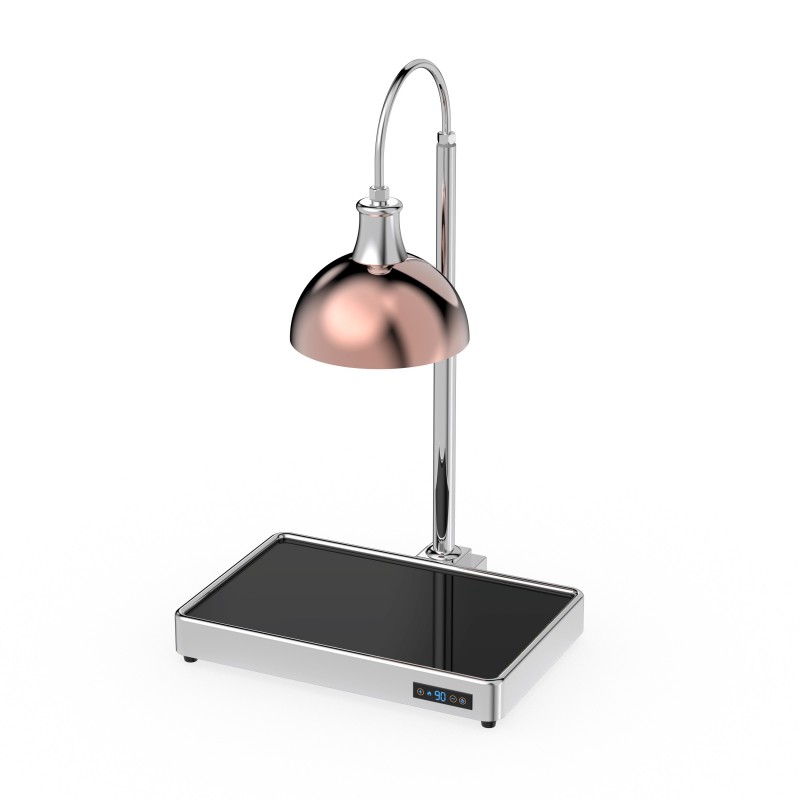
Single-Head Rose Gold Buffet Heat Lamp
BAVA Single-Head Rose Gold Buffet Heat Lamp. Dual-zone heating with infrared lamp and thermostatic base plate. Polished stainless steel + rose gold finish. Models BJ1631/BJ1831T. Ideal for hotel buffets and catering.
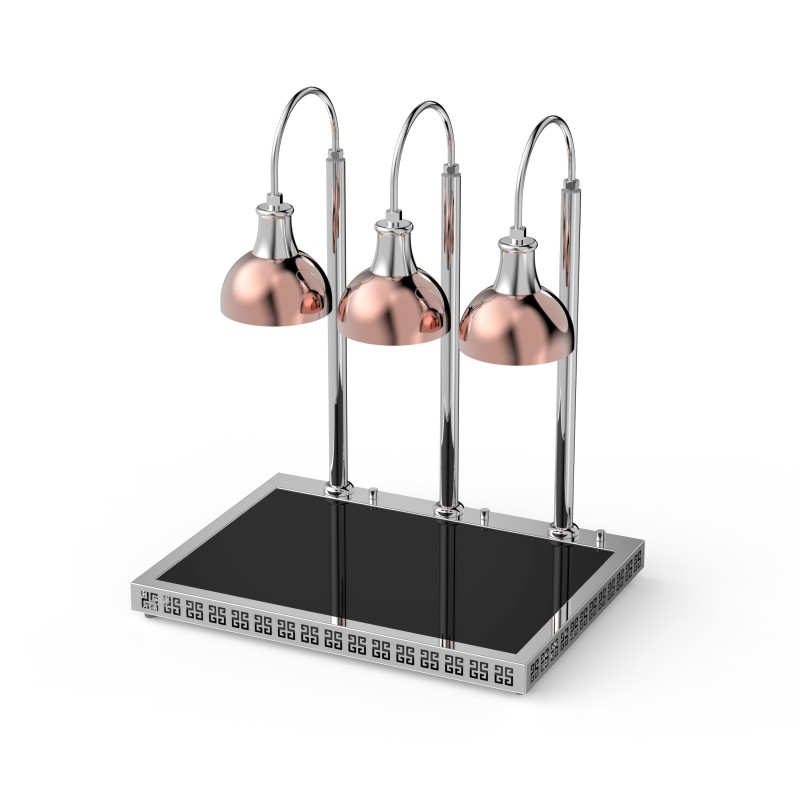
Three-Head Rose Gold Buffet Heat Lamp Station
BAVA Three-Head Rose Gold Buffet Heat Lamp Station. Three rose gold dome lamps in linear arrangement over black glass warming surface. Greek key decorative base pattern. BJ663T adds adjustable glass shelf. Premium hotel buffet design. CE certified.
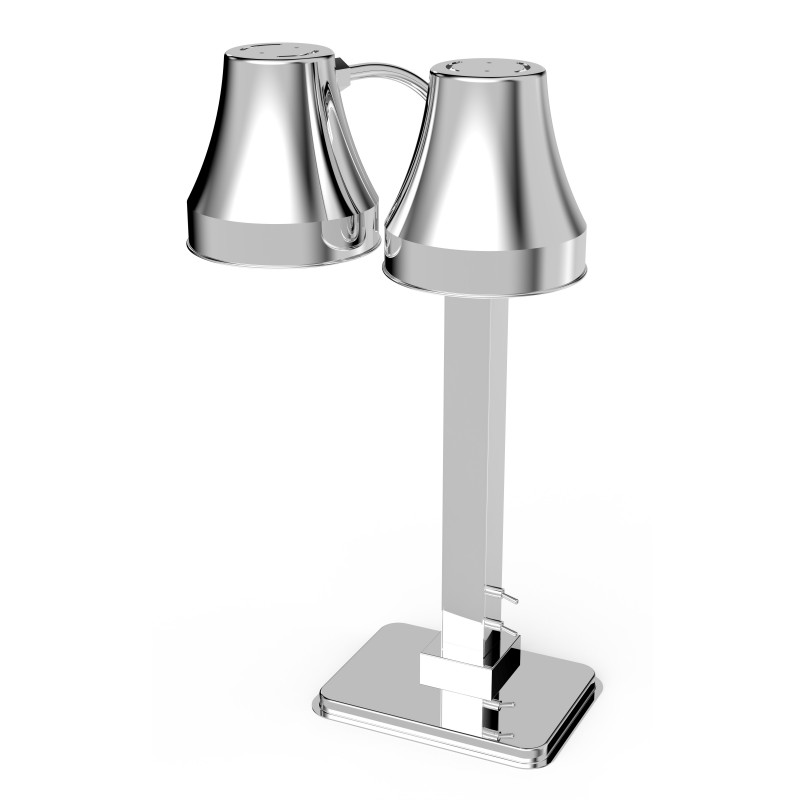
Stainless Steel Heat Lamp-BJ10
BAVA Stainless Steel Heat Lamp BJ10 Series. Freestanding countertop design with polished mirror SS, bell dome shade, height-adjustable post, weighted base. Available in single-head (BJ10/BJ101) and dual-head (BJ102). CE certified.
Related Articles
Electric Buffet Warmer with Adjustable Thermostat for Restaurants
Discover the best Electric Buffet Warmer with Adjustable Thermostat for Restaurants solutions. Real ...
Mini Chafing Dish for Breakfast Buffet & Condiment Stations
Discover the best Mini Chafing Dish for Breakfast Buffet & Condiment Stations solutions. Real case s...
9QT Extra-Large Chafing Dish for Large-Scale Banquet Events
Discover the best 9QT Extra-Large Chafing Dish for Large-Scale Banquet Events solutions. Real case s...
Wall-Mounted Buffet Stove for Space-Saving Kitchen Layouts
Discover the best Wall-Mounted Buffet Stove for Space-Saving Kitchen Layouts solutions. Real case st...

Stainless Steel Food Warmer for Supermarket Deli Departments
Discover the best Stainless Steel Food Warmer for Supermarket Deli Departments solutions. Real case ...
Commercial Chafer Dish with Temperature Control for Food Safety
Discover the best Commercial Chafer Dish with Temperature Control for Food Safety solutions. Real ca...