
Cheap vs. Premium Food Heat Lamps: Is It Worth the Upgrade?
Food service operators at every scale face the same purchasing decision when selecting heat lamp equipment: pay less upfront with budget-friendly options, or invest more in premium equipment that promises superior performance and longevity. This decision carries real consequences for food quality, operational efficiency, and long-term costs, yet many operators make the choice based primarily on initial price without fully evaluating the total cost of ownership implications of each approach. Understanding what actually differentiates cheap from premium food heat lamps — in terms of materials, performance, durability, and the specific demands of different service environments — enables operators to make decisions that genuinely serve their business rather than simply minimising the purchase price.
What Defines Cheap vs. Premium Heat Lamps
Material Quality and Construction
The most fundamental difference between cheap and premium food heat lamps lies in the materials and construction quality that determine how the equipment performs under the demanding conditions of commercial food service. Premium heat lamps like the Single-Head Rose Gold Buffet Heat Lamp are constructed from heavy-gauge stainless steel that resists the dents, scratches, and corrosion that accumulate through regular commercial use, cleaning, and handling. The reflective surfaces in premium equipment are precisely engineered to maximise the efficiency of radiant heat transfer, directing infrared energy toward the food surface rather than dissipating it into the surrounding environment. The electrical components — switches, sockets, cord sets, and connectors — are rated for commercial use with appropriate current capacity and thermal ratings that provide safe, reliable operation over extended periods.
Budget Construction Approaches
Cheap heat lamps typically achieve their lower price points through compromises in material quality, component specifications, and manufacturing processes. Lighter-gauge metals reduce material costs but result in equipment that dents more easily, may not hold adjustments securely, and can deform under the heat loads experienced during extended operation. Reflective surfaces in budget equipment may use lower-quality coatings that degrade more quickly, reducing warming efficiency as the reflector surface oxidises or becomes coated with kitchen grease over time. Electrical components in budget equipment are often rated for light-duty consumer use rather than the continuous operation typical of commercial food service applications, leading to premature failure of switches, cord connections, and socket assemblies.
Element Quality and Performance
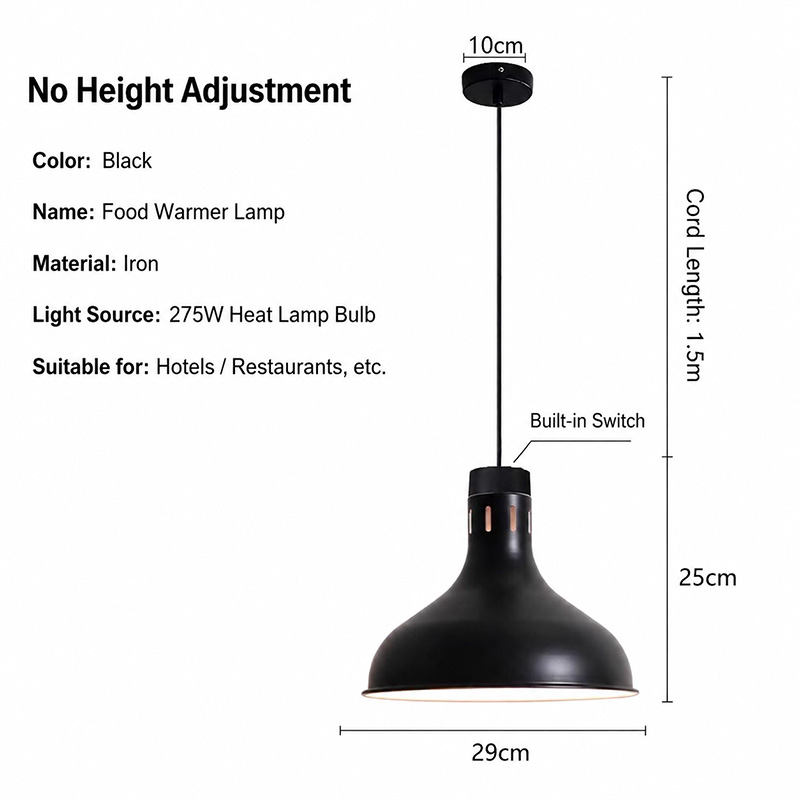
Heat lamp elements represent the core technology of the warming system, and premium manufacturers invest significantly in element quality and performance optimisation. Premium elements are designed for consistent heat output across their rated lifespan, maintaining the warming performance that food service operators depend on throughout the element life. The Ceiling-Mounted Rose Gold Buffet Heat Lamp with its stainless steel construction demonstrates how mid-market equipment balances reliable warming performance with more accessible pricing, using quality construction that serves most commercial applications adequately while avoiding the premium features and pricing of the highest-end equipment. Budget elements may show inconsistent heat output, with warming performance that varies depending on ambient temperature, supply voltage, and the age of the element.
Performance Differences in Real Service Conditions
Warming Effectiveness and Consistency
In actual food service applications, the performance difference between cheap and premium heat lamps becomes apparent through warming effectiveness and consistency. Premium equipment maintains stable temperatures across the full warming zone throughout the service period, compensating for variations in ambient temperature and supply conditions through better thermal management and more consistent element performance. Budget equipment may experience temperature fluctuations that affect food quality, particularly during long service periods when element performance can degrade or when ambient conditions change. The Single-Head Rose Gold Buffet Heat Lamp with its precision-engineered reflector system provides more consistent warming across the food surface, reducing cold spots and ensuring that all items under the lamp receive adequate heat exposure.
Durability Under Commercial Use
Commercial food service environments subject equipment to demanding conditions that quickly reveal the difference between cheap and premium construction. Premium heat lamps are designed for the daily rigours of commercial kitchens, with construction quality and component ratings that provide reliable service over years of daily use. The heavy-gauge stainless steel construction of equipment like the Ceiling-Mounted Rose Gold Buffet Heat Lamp resists the impacts, vibrations, and thermal cycling that degrade budget equipment over time. Budget heat lamps may show signs of wear within months of commercial deployment, with switches failing, reflective coatings degrading, and adjustment mechanisms loosening in ways that affect both performance and safety. The total usable lifespan of cheap equipment often proves to be a fraction of the lifespan of quality-built alternatives.
Maintenance Requirements and Costs
Premium heat lamps typically require minimal maintenance beyond regular cleaning and periodic element replacement, with robust construction that holds adjustments, maintains alignment, and provides reliable operation without ongoing attention. Budget equipment often requires more frequent maintenance attention, with adjustment mechanisms that loosen, electrical connections that degrade, and reflective surfaces that require more frequent cleaning to maintain warming performance. The maintenance burden of budget equipment represents an ongoing cost in staff time and attention that should be factored into total cost of ownership calculations, particularly in operations with limited maintenance resources or staff who may not have the technical skills to address equipment issues effectively.
Economic Analysis: Total Cost of Ownership
Initial Investment Comparison
The initial purchase price difference between cheap and premium heat lamps can be substantial, with premium equipment sometimes costing two to four times the price of budget alternatives for comparable configurations. However, initial price represents only one component of the true cost of equipment ownership over its useful life. Operators who evaluate equipment purchases based on initial price alone often discover that cheap equipment carries hidden costs in the form of premature failures, more frequent replacements, increased maintenance requirements, and the potential business impact of equipment downtime during critical service periods.
Element Replacement Costs
Heat lamp elements have finite service lives and require periodic replacement, with element replacement representing one of the most significant ongoing costs of heat lamp ownership. Premium elements are designed for longer service life and more consistent performance across that life, reducing the frequency and cost of replacement cycles. Budget elements may require more frequent replacement due to shorter rated lifespans and more variable performance, potentially resulting in higher long-term element costs even when the initial element price is lower. When evaluating total element replacement costs, operators should consider not only the price of replacement elements but also the labour cost of replacement and the potential service interruption that element failure creates during busy service periods.
Replacement Cycle Comparison
A practical total cost of ownership comparison reveals the economic implications of cheap versus premium equipment choices. Premium heat lamps with quality construction may provide reliable service for five to ten years or more with appropriate maintenance, while budget equipment may require replacement within one to three years of commercial deployment. When the cost of multiple budget equipment replacements is compared against a single premium equipment purchase, the apparent price advantage of cheap equipment often disappears entirely. The Ceiling-Mounted Rose Gold Buffet Heat Lamp demonstrates how mid-market equipment can provide a balance between initial cost and long-term value, offering construction quality adequate for most commercial applications without the premium pricing of the highest-end options.
When Cheap Equipment Makes Sense
Low-Volume and Intermittent Use
Cheap heat lamps may represent a reasonable choice for operations with low service volumes, intermittent use patterns, or situations where equipment will only be needed for occasional events rather than daily commercial operation. An operation that sets up warming stations only a few times per month may not benefit from premium equipment designed for continuous daily use, as the additional durability and longevity features would not be fully utilised before the equipment becomes obsolete or is replaced for other reasons. Budget equipment can serve these low-intensity applications adequately at price points that make economic sense for the usage intensity involved.
Short-Term and Temporary Applications
Operations with short-term equipment needs — such as event companies that need warming equipment for specific client events, or food service operators conducting temporary promotions — may find that budget equipment serves their needs adequately without requiring the investment in premium equipment that would not be fully amortised over the short usage period. Budget heat lamps can provide adequate warming performance for temporary applications where the equipment will not be subjected to the cumulative wear and tear of long-term commercial deployment. However, operators should carefully evaluate whether their usage pattern is truly temporary or whether it represents a pattern of daily commercial use that will quickly expose the limitations of budget equipment.
Budget Constraints and Cash Flow
Realistic business constraints sometimes require operators to prioritise initial purchase price over long-term cost optimisation, particularly for new operations that may not have the capital to invest in premium equipment at launch. In these situations, budget heat lamps may represent a practical starting point that enables the business to begin operations, with plans to upgrade to premium equipment as revenue allows. Operators who choose budget equipment due to cash flow constraints should develop a plan for equipment replacement that accounts for the likely shorter service life of budget equipment, potentially setting aside funds from revenue to build toward a future upgrade to quality-built alternatives.
When Premium Equipment Is Worth the Investment
High-Volume Commercial Operations
Operations with high service volumes and extended daily operating hours should strongly consider premium heat lamp equipment, as the additional investment is justified by the demanding usage conditions and the business impact of equipment failures during critical service periods. A hotel that runs breakfast, lunch, and dinner buffets every day needs equipment that can maintain consistent warming performance across extended daily operating periods without the performance degradation or reliability issues that plague budget equipment. Premium equipment like the Single-Head Rose Gold Buffet Heat Lamp is engineered for exactly these demanding conditions, with thermal management, component ratings, and construction quality designed for continuous commercial operation.
Operations Where Food Quality Is Paramount
Food service operations where food quality and presentation are primary competitive differentiators should prioritise premium equipment that ensures consistent warming performance and eliminates the risk of food quality issues caused by equipment performance variability. Upscale restaurants, fine dining establishments, and premium catering companies that build their reputation on food quality cannot afford the warming performance inconsistency that budget equipment may exhibit, particularly during extended service periods or under demanding ambient conditions. Premium equipment provides the performance consistency that supports the food quality standards these operations require.
Reducing Total Cost of Ownership
For most commercial operations, premium heat lamp equipment represents the lower total cost of ownership option over realistic equipment lifespan horizons. The additional initial investment in quality construction, reliable components, and engineering designed for commercial applications pays for itself through extended service life, reduced maintenance requirements, and fewer service interruptions caused by equipment failures. Operators who evaluate equipment purchases based on total cost of ownership rather than initial price consistently find that premium equipment represents the better economic choice for commercial food service applications, with the Ceiling-Mounted Rose Gold Buffet Heat Lamp representing an example of mid-market equipment that can provide good value when premium equipment exceeds the budget available for a specific purchase.
Comparison Summary
| Criteria | Cheap Heat Lamps | Premium Heat Lamps |
|---|---|---|
| Initial Cost | Lower | Higher (2-4x cheap) |
| Materials | Thin gauge metals, budget coatings | Heavy-gauge stainless steel, precision reflectors |
| Element Lifespan | Shorter, variable performance | Longer, consistent output |
| Warming Consistency | Variable, degrades over element life | Consistent throughout service period |
| Durability | Poor — dents, loosens, fails quickly | Excellent — handles daily commercial use |
| Service Life | 1-3 years in commercial use | 5-10+ years with maintenance |
| Maintenance Needs | Frequent adjustments, early failures | Minimal — regular cleaning, element swaps |
| Best For | Low-volume, occasional use | High-volume daily commercial use |
| Total Cost of Ownership | Appears lower, actually higher long-term | Higher initial, lower over equipment life |
| Warranty | Limited or minimal | Extended coverage, support access |
Making the Right Decision for Your Operation
Honest Self-Assessment
The decision between cheap and premium heat lamps should be driven by honest assessment of the specific conditions and requirements of the operation. Operators should evaluate their usage intensity honestly — the number of service hours, the frequency of use, and the consequences of equipment failure during critical service periods. An operation that runs extended daily service should not choose budget equipment simply because the initial price is attractive, as the hidden costs of frequent failures, maintenance demands, and equipment replacement will quickly exceed any initial savings. The Single-Head Rose Gold Buffet Heat Lamp represents the type of equipment investment that pays for itself through years of reliable service in demanding commercial applications.
Building a Replacement Plan
For operations that choose budget equipment due to budget constraints, developing a proactive replacement plan can help manage the total cost of ownership implications of cheaper equipment. Setting aside funds for eventual replacement, monitoring equipment condition regularly, and planning replacements before equipment fails during a critical service period can help manage the economic reality of budget equipment ownership. Operators should treat budget equipment as having a defined service life and plan for replacement accordingly, rather than expecting the equipment to provide the longevity that premium equipment is designed to deliver.
Starting Smart and Upgrading Over Time
New food service operations that cannot initially afford premium equipment can start with quality mid-market options like the Ceiling-Mounted Rose Gold Buffet Heat Lamp that balance initial cost against construction quality adequate for commercial use, with plans to upgrade to premium equipment as revenue allows. This approach enables the business to begin operations without overextending capital, while building toward a more optimal equipment configuration over time. The key is making the upgrade plan explicit and treating it as a business priority rather than allowing the operation to continue indefinitely with equipment that is creating hidden costs through maintenance demands and reliability issues.
Conclusion
The choice between cheap and premium food heat lamps is ultimately a question of understanding what you are actually purchasing and what that purchase will cost you over time. Premium equipment like the Single-Head Rose Gold Buffet Heat Lamp commands a higher initial price but delivers construction quality, performance consistency, and longevity that make it the lower-cost option for most commercial food service applications over realistic equipment lifespan horizons. Budget equipment may serve low-intensity and occasional use applications adequately, but operators should approach budget equipment purchases with clear understanding of the trade-offs involved and a realistic plan for managing the shorter service life and higher maintenance demands that budget equipment typically entails. The investment in understanding the true cost of equipment ownership pays dividends through better purchasing decisions that support long-term business success.
Featured Products
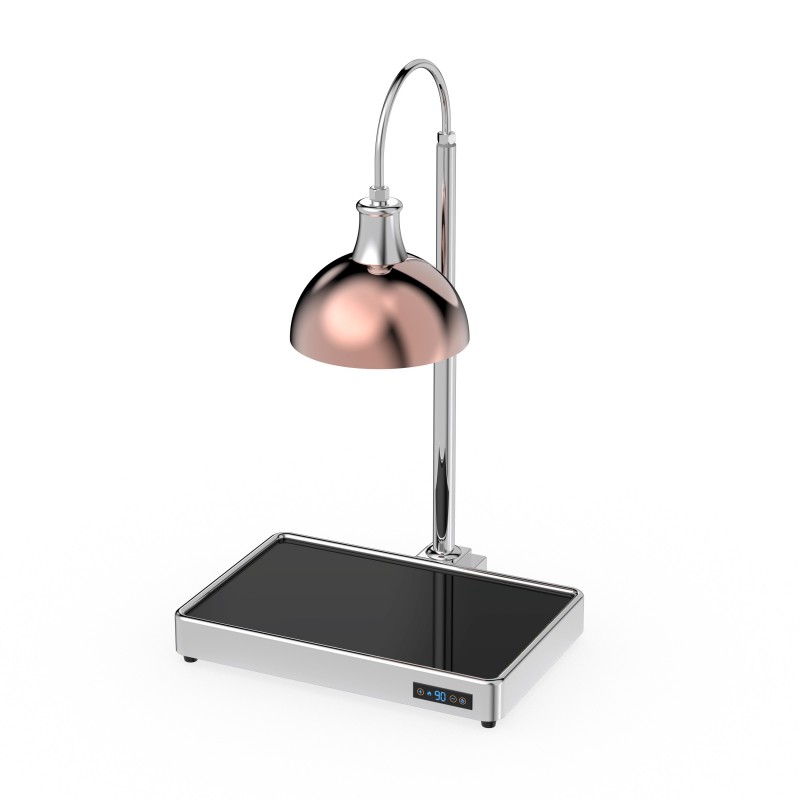
Single-Head Rose Gold Buffet Heat Lamp
BAVA Single-Head Rose Gold Buffet Heat Lamp. Dual-zone heating with infrared lamp and thermostatic base plate. Polished stainless steel + rose gold finish. Models BJ1631/BJ1831T. Ideal for hotel buffets and catering.
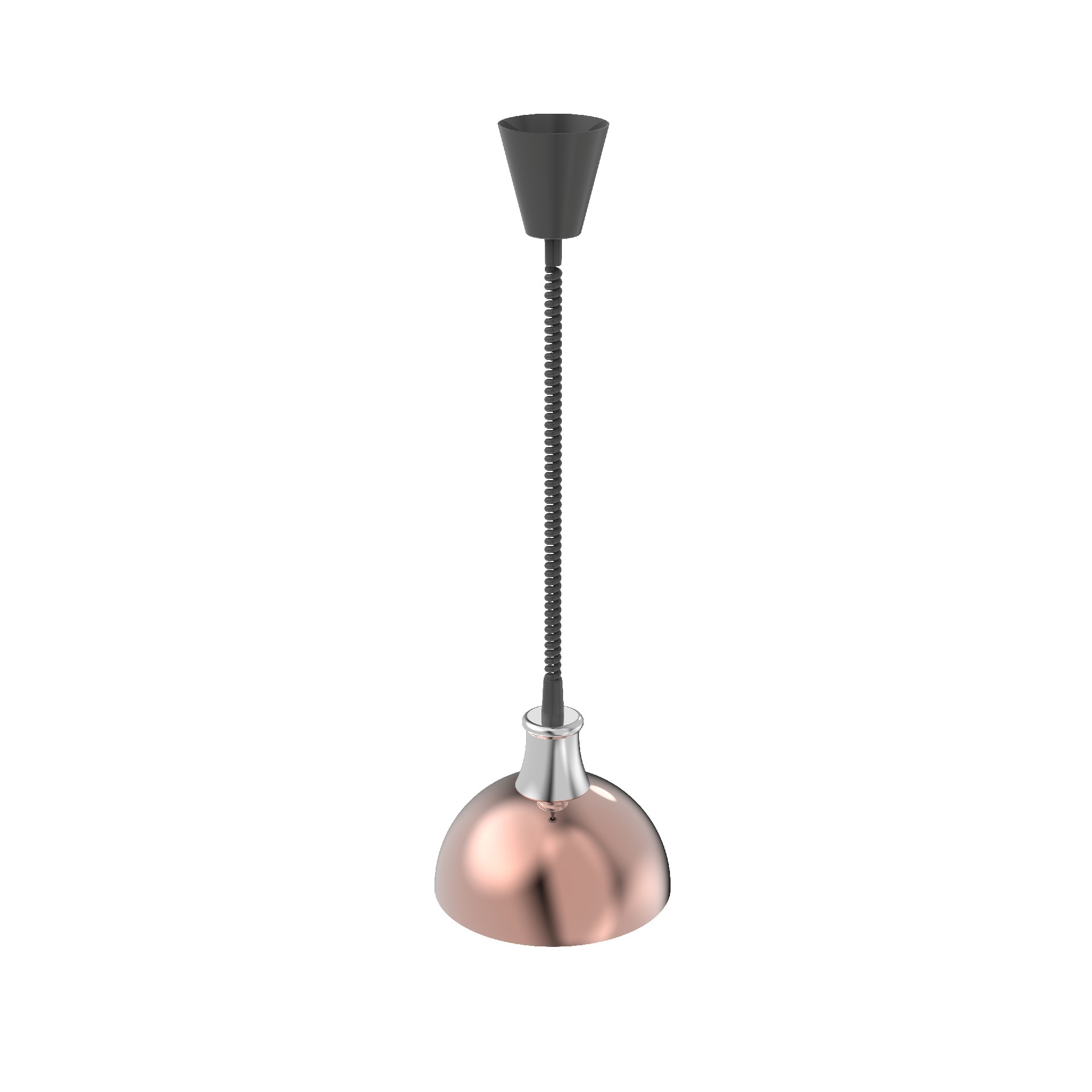
Ceiling-Mounted Rose Gold Buffet Heat Lamp
BAVA Ceiling-Mounted Rose Gold Buffet Heat Lamp. Single-head pendant lamp with rose gold dome, coiled cord height adjustment, matte black canopy. Models BJ1001/BJ1002. CE certified. Ideal for hotel buffets and upscale catering.
Related Articles
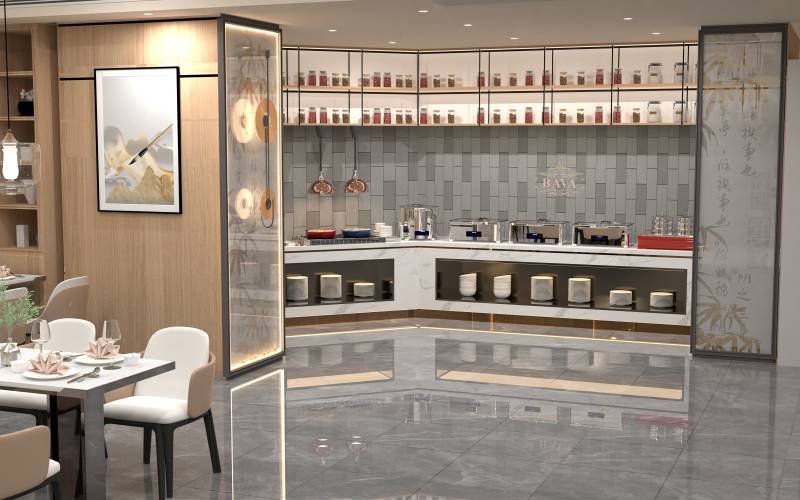
Electric Buffet Warmer with Adjustable Thermostat for Restaurants
Discover the best Electric Buffet Warmer with Adjustable Thermostat for Restaurants solutions. Real ...
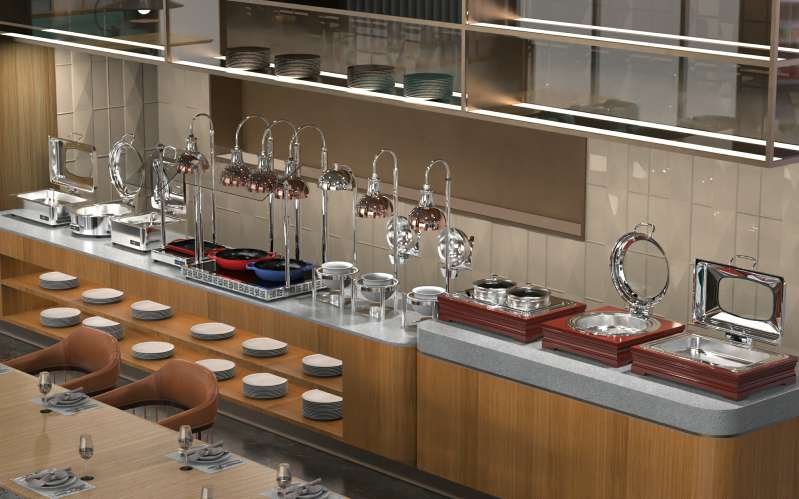
Mini Chafing Dish for Breakfast Buffet & Condiment Stations
Discover the best Mini Chafing Dish for Breakfast Buffet & Condiment Stations solutions. Real case s...
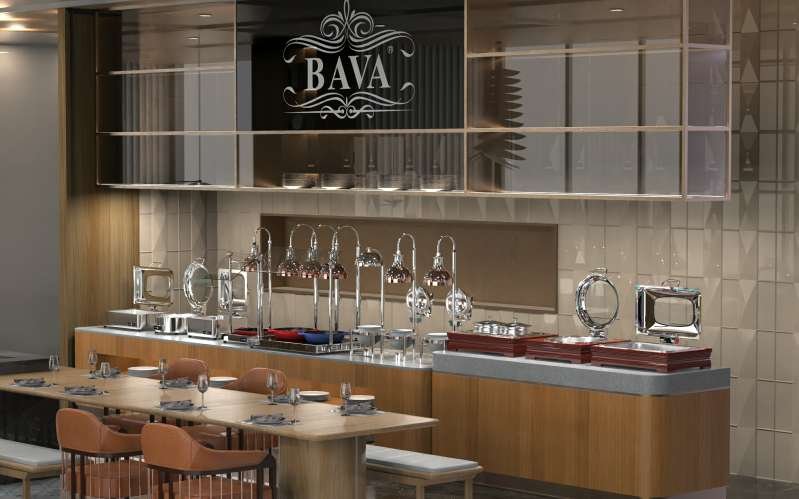
9QT Extra-Large Chafing Dish for Large-Scale Banquet Events
Discover the best 9QT Extra-Large Chafing Dish for Large-Scale Banquet Events solutions. Real case s...
Wall-Mounted Buffet Stove for Space-Saving Kitchen Layouts
Discover the best Wall-Mounted Buffet Stove for Space-Saving Kitchen Layouts solutions. Real case st...
Stainless Steel Food Warmer for Supermarket Deli Departments
Discover the best Stainless Steel Food Warmer for Supermarket Deli Departments solutions. Real case ...
Commercial Chafer Dish with Temperature Control for Food Safety
Discover the best Commercial Chafer Dish with Temperature Control for Food Safety solutions. Real ca...