
Food Heat Lamp vs. Microwave: Best for Reheating Food?
The question of whether to use a food heat lamp or a microwave for reheating food arises regularly in food service operations, catering businesses, and household kitchens alike. While both pieces of equipment apply heat to food, they operate on fundamentally different principles and serve partially overlapping but distinct purposes in food handling. A food heat lamp uses radiant infrared energy to maintain food at serving temperatures, keeping already-hot food warm throughout extended service periods without further cooking. A microwave uses electromagnetic radiation to agitate water molecules within food, generating heat that penetrates and can reheat cold or chilled food from the inside out. Understanding the specific strengths and appropriate applications of each technology enables food service operators to deploy the right equipment for each task rather than defaulting to whichever tool happens to be nearby.
How Each Technology Works: The Fundamental Differences
Radiant Heat Lamp Technology
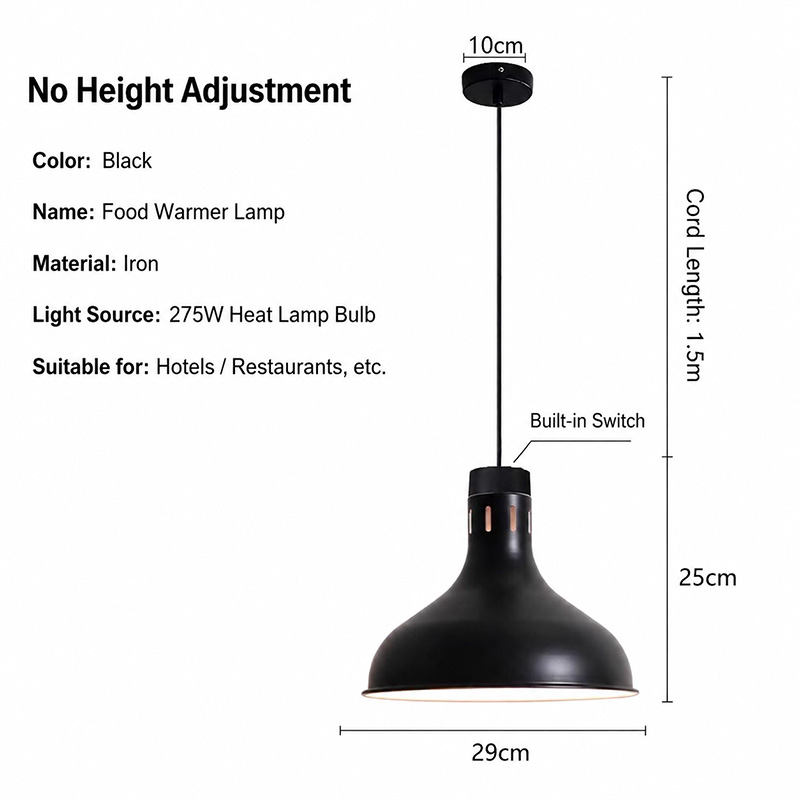
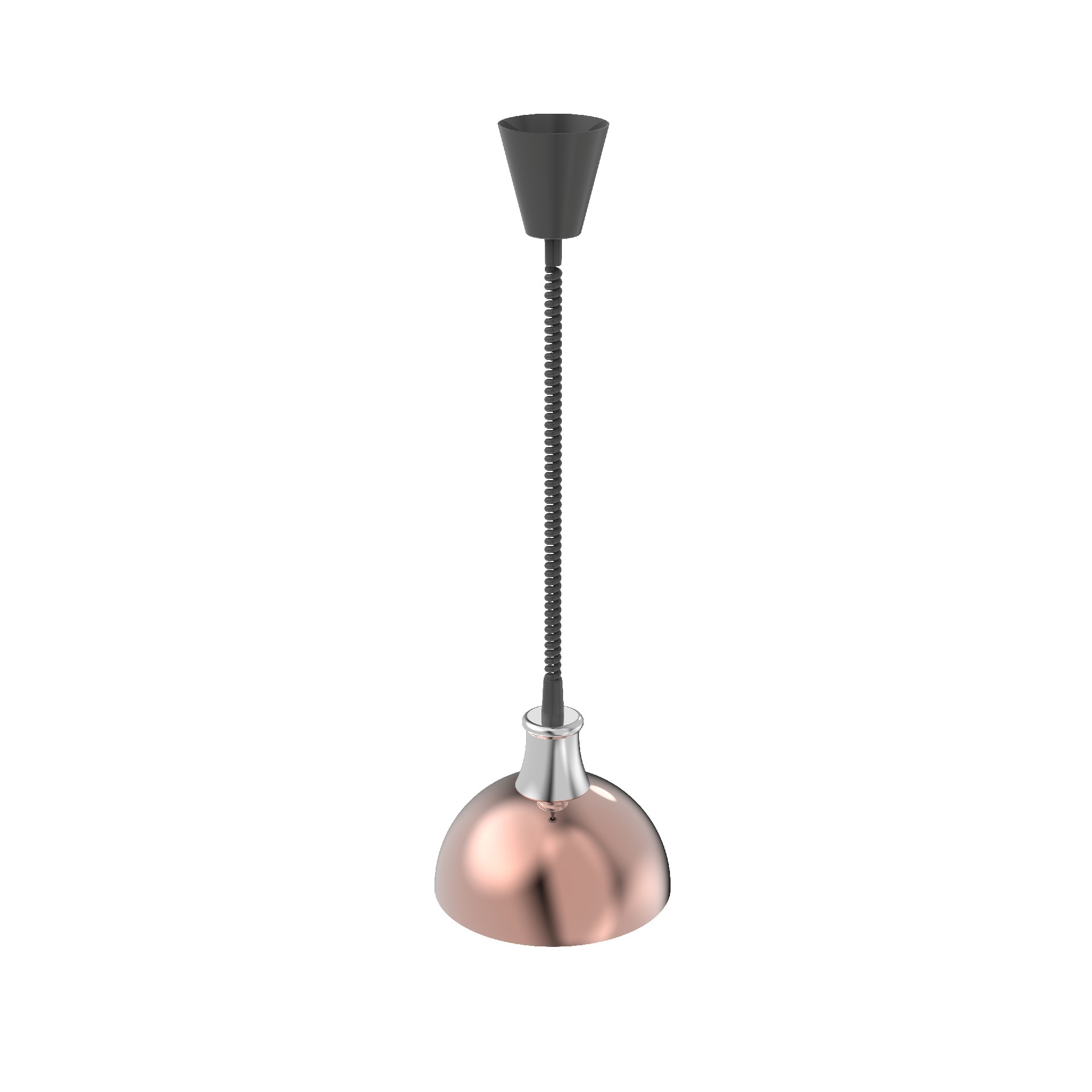
A food heat lamp operates by passing electrical current through a tungsten filament contained within a glass envelope, producing infrared radiation that travels through air and is absorbed by the surfaces it encounters. The Ceiling-Mounted Rose Gold Buffet Heat Lamp exemplifies this approach, using a single pendant-mounted lamp head that directs infrared energy downward onto food items displayed beneath it. Infrared radiation does not heat the air significantly — it heats the surfaces it contacts directly, making it particularly effective for maintaining the surface temperature of cooked foods without drying them out through excessive moisture evaporation. The radiant energy penetrates only a short distance into food, warming the outer layers effectively while leaving the interior temperature relatively unchanged if the food was already at serving temperature when placed under the lamp.
Microwave Cooking Technology
A microwave oven generates electromagnetic radiation at a specific frequency that is absorbed by water molecules, fats, and sugars within food. This absorption causes the water molecules to vibrate rapidly, generating heat that spreads throughout the food from the inside outward through conventional thermal conduction. The Stainless Steel Buffet Heat Lamp Rack and similar heat lamp configurations serve a completely different purpose from microwave equipment — they maintain food temperature rather than raising it. Microwaves are designed to raise the temperature of cold or chilled food, and their penetrating energy mechanism means they can reheat food more quickly than surface heating methods alone, though the heating pattern within food can be uneven depending on the food composition, density, and water content.
Why the Comparison Requires Clarification
It is important to establish at the outset that food heat lamps and microwaves are not interchangeable substitutes for each other — they are complementary tools that serve different purposes. Heat lamps are warming equipment, not reheating equipment. Placing cold food under a heat lamp will not reheat it effectively because infrared radiation only penetrates the surface layers and loses effectiveness when confronting the temperature differential between ambient air and the food interior. Similarly, using a microwave to maintain food at serving temperature for extended periods is impractical and counterproductive, as the microwave heating mechanism tends to overcook food surfaces while it heats the interior, and its continuous operation consumes significantly more energy than a heat lamp. The Single-Head Rose Gold Buffet Heat Lamp with its dual-zone design — combining radiant infrared heat with a thermostatic base plate — demonstrates how manufacturers address the specific need for sustained warming rather than one-time reheating.
Performance Comparison for Different Food Types
Wet and Sauced Dishes
Wet dishes such as soups, stews, chilis, and sauced preparations respond very differently to heat lamps and microwaves. A heat lamp is largely ineffective for wet dishes because the liquid surface loses heat rapidly through evaporation, and infrared radiation cannot effectively penetrate the liquid to maintain temperature throughout the vessel. A microwave, by contrast, heats liquid and wet dishes from the inside, making it reasonably effective for reheating these preparations from cold storage. For maintaining wet dishes at serving temperature, a chafing dish or steam table is more appropriate than a heat lamp, which is why commercial food service operations typically use wet food warming equipment rather than heat lamps for these items.
Solid Proteins and Grilled Items
Solid proteins such as roasted meats, grilled chicken, steak strips, and similar items respond well to heat lamp warming when they are already at serving temperature. The radiant heat maintains surface temperature and can even produce a mild re-crisping effect on surfaces that have slightly cooled. The Single-Head Rose Gold Buffet Heat Lamp with its dual-zone heating system is particularly effective for protein items, as the thermostatic base plate provides gentle conductive heat that complements the radiant infrared from above, ensuring that the entire protein item maintains consistent serving temperature. Microwaving solid proteins is generally problematic because the microwave energy can cause uneven heating, potentially overcooking edges while the centre remains cooler, and the vibration mechanism can degrade the texture and appearance of grilled surfaces significantly.
Baked Goods and Breaded Items
Baked goods, bread items, and breaded preparations present another clear case where the two technologies differ markedly in their suitability. Heat lamps are excellent for maintaining the warmth and crispness of bread, rolls, and breaded items without over-drying them, because infrared radiation gently warms surfaces without drawing excessive moisture from the food. A microwave, by contrast, tends to make bread items tough and rubbery when used for reheating, drawing moisture to the surface and creating a steamed texture that differs substantially from freshly baked quality. For food service operations serving bread and pastry items at buffets, the Ceiling-Mounted Rose Gold Buffet Heat Lamp provides appropriate warming that preserves product quality throughout the service period.
Energy Efficiency and Operational Considerations
Energy Consumption Patterns
Heat lamps and microwaves have very different energy consumption characteristics that affect their suitability for different operational contexts. A single heat lamp head typically consumes 250 to 500 watts of electrical power, and this power is used entirely to generate infrared radiation with no significant standby loss or preheating requirement. The Stainless Steel Buffet Heat Lamp Rack with its four-lamp configuration consumes more power but can warm a substantially larger area, making it efficient for operations that need to warm multiple items simultaneously across a wide serving area. A microwave oven, by contrast, typically draws 1000 to 1500 watts during active heating cycles, but these cycles are typically much shorter than the continuous operation period of a heat lamp during a service period. For extended continuous operation typical of buffet service, a heat lamp lower continuous power draw often results in lower total energy consumption than repeated microwave reheating cycles.
Space and Setup Requirements
Heat lamps require overhead mounting or freestanding gantry configurations that occupy space above the serving area, which can be an advantage in that they do not occupy counter space, or a constraint in operations with limited overhead clearance or access to mounting points. The Ceiling-Mounted Rose Gold Buffet Heat Lamp with its ceiling-mounted pendant design requires installation but leaves the serving surface completely clear of equipment. Microwaves require counter or shelf space, an electrical outlet, and create heat that must be managed in the surrounding environment. For large-scale catering operations, multiple heat lamps can be positioned across a buffet table to create a continuous warming zone, while a microwave provides point-in-time reheating capability for individual portions. Each approach has spatial trade-offs that should be evaluated against the specific operational layout.
Food Quality Impact Over Time
Extended time under a heat lamp can affect food quality, though the specific impact depends on the food type and lamp intensity. Bread items may become slightly drier, fried items may lose some crispness, and items with delicate sauces may develop surface skins. However, the Single-Head Rose Gold Buffet Heat Lamp with its thermostatic base plate provides a gentler warming environment than bare infrared lamps, helping to maintain food quality over longer service periods by reducing the temperature differential driving moisture loss from food surfaces. Microwaved food quality degrades with each reheating cycle, as the microwave energy drives moisture toward surfaces and can significantly alter texture, colour, and flavour. Repeated microwave reheating of previously cooked food is one of the primary contributors to the degraded quality that many consumers associate with reheated food.
When to Use Each: Practical Decision Framework
Use a Heat Lamp When
Heat lamps are the appropriate choice for maintaining food that is already at serving temperature throughout a service period. A hotel breakfast buffet, a catering event with extended serving hours, or an institutional dining operation where food is prepared in advance and held for service should deploy heat lamps to maintain quality during the service period. The Ceiling-Mounted Rose Gold Buffet Heat Lamp and Single-Head Rose Gold Buffet Heat Lamp are designed for exactly these applications, providing consistent radiant warming that preserves food quality without the texture degradation associated with microwave reheating. Heat lamps are also preferable for visual presentation purposes, as they allow food to remain fully visible and accessible to guests without equipment obstructing the display, whereas a microwave requires closing a door to operate and obscures the food from view.
Use a Microwave When
Microwaves are the appropriate choice for reheating individual portions or small quantities of cold or chilled food quickly. A kitchen that prepares food in advance and needs to bring portions to serving temperature before plating should use a microwave rather than a heat lamp, because the heat lamp cannot effectively raise the temperature of cold food. Food service operations that experience unpredictable demand and need to prepare food on short notice can use microwaves for rapid portion reheating while using heat lamps for food already staged at serving temperature. The Stainless Steel Buffet Heat Lamp Rack as part of a comprehensive warming strategy can be complemented by microwave equipment for the specific task of reheating cold food to serving temperature, creating an operation that handles both warming and reheating efficiently.
The Complementary Approach
The most effective food service operations do not choose between heat lamps and microwaves — they deploy both technologies for their appropriate purposes. A well-equipped catering operation maintains a set of heat lamps for the buffet table where food sits at serving temperature during the event, while also maintaining access to microwave equipment for the back kitchen where individual portions may need to be brought to temperature before service. The Single-Head Rose Gold Buffet Heat Lamp with its integrated thermostatic base plate represents a manufacturer acknowledging that different warming mechanisms serve different needs even within a single piece of equipment. Understanding these complementary roles enables operators to build food service systems that handle the full range of warming and reheating requirements efficiently.
Direct Comparison Summary
| Criteria | Food Heat Lamp | Microwave |
|---|---|---|
| Primary Function | Maintaining food at serving temperature | Reheating cold or chilled food |
| Heating Method | Radiant infrared (surface heating) | Electromagnetic (penetrating heating) |
| Cold Food Reheating | Ineffective — surface only | Effective — heats from inside out |
| Wet and Sauced Dishes | Poor — evaporation cools surface | Good — heats liquid from inside |
| Solid Proteins | Excellent — maintains warmth, preserves texture | Problematic — uneven, can overcook edges |
| Bread and Baked Goods | Excellent — gentle, maintains crispness | Poor — makes rubbery, draws moisture |
| Food Quality Impact | Minimal with thermostatic models | Degrades texture with extended use |
| Typical Power Draw | 250-500W per lamp head (continuous) | 1000-1500W per cycle (intermittent) |
| Service Period Suitability | Excellent — designed for continuous operation | Suitable only for short bursts |
| Best Application | Buffets, catering, hotel breakfast service | Back kitchen portion reheating |
| Counter Space Required | Minimal — overhead mounting | Full countertop footprint |
| Visual Presentation | Maintains clear food display | Obscures food during operation |
Addressing the Common Misconception
The Reheating Myth
The most persistent misconception about heat lamps is that they can be used to reheat food. This misunderstanding arises from the intuitive logic that if a heat lamp makes food warmer, it should make cold food hot. In practice, the physics of radiant infrared heating mean that a heat lamp placed over cold food will warm the surface layers while the interior remains cold, and evaporative cooling of surface moisture can actually make the food feel cooler as air circulation carries heat away from the surface. Food service operators who deploy heat lamps for reheating cold food inevitably find that the food never reaches safe serving temperatures throughout, creating potential food safety hazards that are not immediately obvious because the surface feels warm to the touch.
Food Safety Implications
From a food safety perspective, the distinction between warming and reheating is critical. Food that has been held in the danger zone between 40 and 140 degrees Fahrenheit for extended periods may harbour harmful bacteria, and the safe practice is to bring food to serving temperature as quickly as possible and maintain it there. A heat lamp, by warming only the surface, cannot bring the interior of food to safe temperatures quickly enough to prevent bacterial growth in cold food that has been in the danger zone. A microwave, with its penetrating heat mechanism, can bring food to safe temperatures throughout the item more quickly, making it the appropriate tool for food that has cooled below safe holding temperatures. The Stainless Steel Buffet Heat Lamp Rack and other heat lamp configurations should never be used as the primary reheating method for food that has been in cold storage.
The Right Tool for Each Stage
Food service best practice treats heating and warming as distinct operational stages that require different equipment and different protocols. The initial cooking or reheating stage requires equipment capable of bringing food to safe temperatures throughout, which means microwave ovens, conventional ovens, steamers, or other penetrating heat sources. The holding stage, during which food is maintained at serving temperature for extended periods, is where heat lamps excel — providing gentle radiant warmth that maintains surface temperature without the quality degradation of more aggressive heating methods. Understanding this distinction and deploying the appropriate equipment at each stage is fundamental to food quality and safety in any food service operation.
Conclusion
The question of whether a food heat lamp or microwave is best for reheating food has a clear and important answer: heat lamps are not suitable for reheating food, and microwaves are not ideal for maintaining food at serving temperature over extended periods. These are complementary technologies serving different purposes, and food service operations that deploy both appropriately are better equipped to maintain food quality and safety than operations that attempt to use either for purposes it was not designed to serve. The Ceiling-Mounted Rose Gold Buffet Heat Lamp, Stainless Steel Buffet Heat Lamp Rack, and Single-Head Rose Gold Buffet Heat Lamp represent the range of heat lamp configurations available for the warming stage, while microwave equipment handles the reheating stage in the back kitchen. The best food service operations understand these complementary roles and build their equipment strategies accordingly, ensuring that every food item reaches guests at the quality and temperature they expect.
Featured Products
Ceiling-Mounted Rose Gold Buffet Heat Lamp
BAVA Ceiling-Mounted Rose Gold Buffet Heat Lamp. Single-head pendant lamp with rose gold dome, coiled cord height adjustment, matte black canopy. Models BJ1001/BJ1002. CE certified. Ideal for hotel buffets and upscale catering.
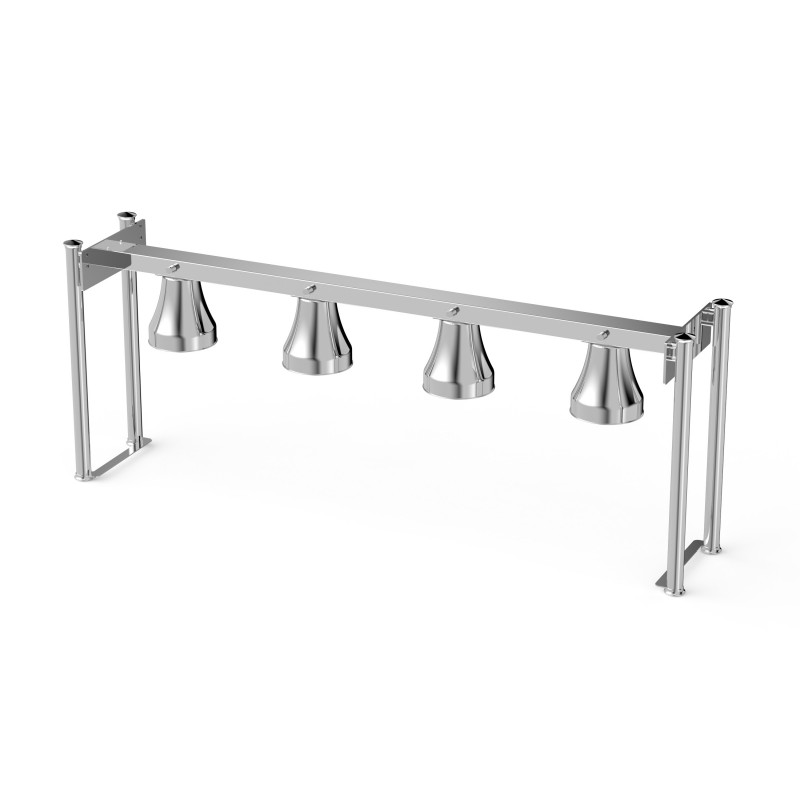
Stainless Steel Buffet Heat Lamp Rack
BAVA Stainless Steel Buffet Heat Lamp Rack. 4-lamp overhead system in stainless steel. Models: BJ604 (basic), BJ604B (angled), BJ604B-G (copper/gooseneck), BJ604C (sneeze guard). Freestanding gantry design. CE certified.
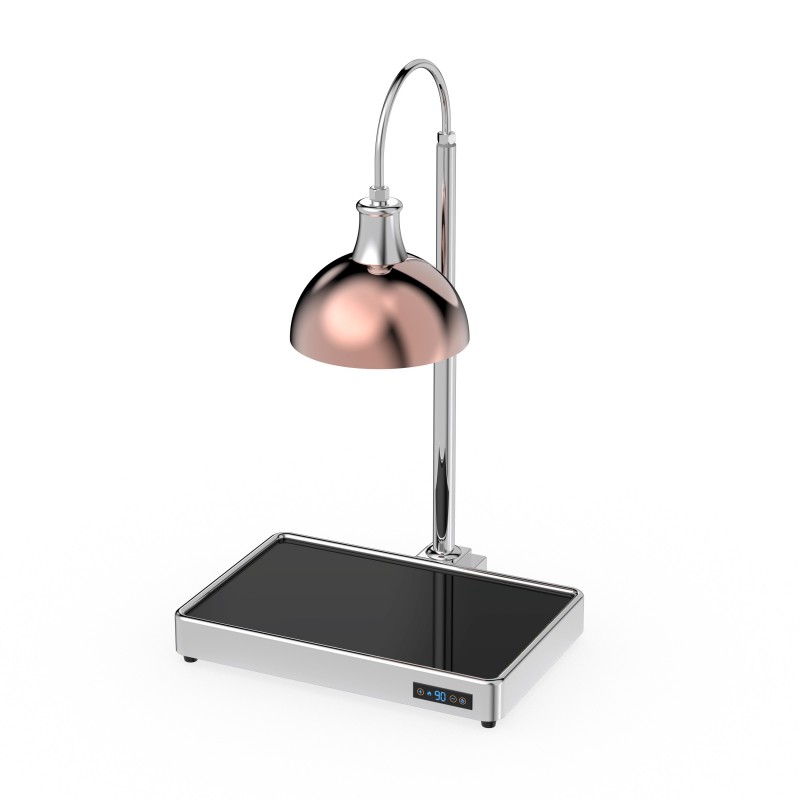
Single-Head Rose Gold Buffet Heat Lamp
BAVA Single-Head Rose Gold Buffet Heat Lamp. Dual-zone heating with infrared lamp and thermostatic base plate. Polished stainless steel + rose gold finish. Models BJ1631/BJ1831T. Ideal for hotel buffets and catering.
Related Articles
Electric Buffet Warmer with Adjustable Thermostat for Restaurants
Discover the best Electric Buffet Warmer with Adjustable Thermostat for Restaurants solutions. Real ...
Mini Chafing Dish for Breakfast Buffet & Condiment Stations
Discover the best Mini Chafing Dish for Breakfast Buffet & Condiment Stations solutions. Real case s...
9QT Extra-Large Chafing Dish for Large-Scale Banquet Events
Discover the best 9QT Extra-Large Chafing Dish for Large-Scale Banquet Events solutions. Real case s...
Wall-Mounted Buffet Stove for Space-Saving Kitchen Layouts
Discover the best Wall-Mounted Buffet Stove for Space-Saving Kitchen Layouts solutions. Real case st...
Stainless Steel Food Warmer for Supermarket Deli Departments
Discover the best Stainless Steel Food Warmer for Supermarket Deli Departments solutions. Real case ...
Commercial Chafer Dish with Temperature Control for Food Safety
Discover the best Commercial Chafer Dish with Temperature Control for Food Safety solutions. Real ca...