
Buffet Warmer Safety Tips You Should Know
Buffet warmers are indispensable workhorses in commercial kitchens, catering operations, and food service establishments worldwide. They keep food at safe serving temperatures, enable large-scale events to run smoothly, and allow restaurants to serve hot meals across extended buffet periods. But behind their seemingly simple operation lies a set of safety considerations that, if ignored, can lead to foodborne illness outbreaks, fire hazards, burns injuries, and costly liability claims. Understanding and consistently applying buffet warmer safety practices is not optional for food service professionals — it is a fundamental responsibility that protects customers, staff, and your business reputation alike.
The Temperature Danger Zone: The Foundation of Food Safety
Every food service professional has heard of the temperature danger zone, but truly understanding it — and translating that understanding into consistent practice — is what separates safe operations from hazardous ones. The danger zone is defined as the temperature range between 4°C (40°F) and 60°C (140°F), within which bacteria that are naturally present in food can multiply rapidly. At temperatures above 60°C, bacterial growth is effectively halted. Below 4°C, it slows dramatically. But within that 4°C-to-60°C band, the numbers can grow exponentially in a very short time.
The two-hour rule is the practical application of this science. Food should not remain within the danger zone for more than two hours total across its entire journey from preparation through service. This means that food which has spent time cooling before being placed in a warmer, time being transported to an event, and time sitting on a buffet table — even if each individual segment seems short — can collectively exceed the two-hour limit. The most dangerous aspect of this is that food that has exceeded safe time in the danger zone often looks, smells, and tastes completely normal. There are no visible warning signs. By the time foodborne illness symptoms appear in affected customers hours later, the contaminated food is long gone and the link to your operation may not be immediately apparent.
The critical implication for buffet warmers is this: a warmer brings food to temperature, it does not guarantee that food placed in it is already safe. Food must be properly cooked and cooled before being placed in a warmer. Placing cold, undercooked, or improperly handled food into a buffet warmer and hoping the warmer will somehow fix it is a serious safety failure. The warmer holds food at temperature — it is not a remediation device for unsafe food.
Pre-Heating: Never Skip This Step
One of the most commonly overlooked safety steps in buffet warmer operation is pre-heating. Before any food goes into a chafing dish or hot holding unit, the unit itself should be heated to operating temperature. For water bath systems, this means heating the water to a gentle simmer before the food pan is placed in position. Pre-heating serves two purposes: it ensures the unit is functioning properly and it prevents cold food from dropping the food temperature below safe levels when it is first placed in the unit.
A properly pre-heated full-size chafing dish with a full water pan takes approximately 30 to 45 minutes to reach operating temperature when using standard sternocostal fuel. Electric units with adjustable thermostats should be switched on and allowed to reach the target temperature before food is added. When multiple units need to be heated for a large event, this pre-heating time must be factored into the setup schedule. Rushing the pre-heat step to save time is a false economy that creates food safety risk.
In practice, this means that event setup schedules should build in adequate time for all buffet warmers to reach operating temperature before food is delivered. Catering coordinators should verify that warmers have been pre-heated as part of their pre-event checklist, and food safety supervisors should have the authority to delay food delivery if proper pre-heating has not been completed.
Fuel Safety: Preventing Fires and Burns
Fuel-based buffet warmers, while reliable and versatile, introduce fire and burn hazards that require specific safety protocols. The sternocostal fuel used in chafing dishes — typically a gel or liquid formulation in a metal can — is flammable and burns at high temperatures. Improper handling can lead to flare-ups, burns, and fires.
The most critical rule is straightforward: never add fuel to a warmer that is already lit or is still hot from recent use. The fuel can should only be placed in the fuel holder when the unit is completely cool. Even after a chafing dish has been in use, the fuel holder and surrounding metal remain hot enough to ignite fuel on contact. Always allow units to cool for at least 30 minutes after extinguishing before attempting to refuel or handle the fuel holder in any way.
When lighting fuel-based warmers, use only long-handled chafing dish lighters — never matches or short lighters that require your hand to be positioned close to the flame. Hold the lighter at arm's length and light the fuel from a standing position rather than leaning over the unit. Some operators keep a fire extinguisher specifically rated for flammable liquid fires within immediate reach of any fuel-based warmer setup, which is a prudent precaution for high-volume catering operations.
Fuel storage is equally important. Sternocostal fuel should be stored in its original sealed containers in a cool, well-ventilated area away from heat sources, open flames, and electrical equipment. Do not transfer fuel to unmarked containers, as this creates confusion about fuel type, age, and safety data. Most manufacturers recommend replacing fuel that is more than two years old, as older fuel formulations can become unstable.
Electrical Safety for Powered Warmers
Electric buffet warmers and heated display cases eliminate the fire risks associated with open flames, but they introduce their own set of electrical safety requirements. The primary concern in commercial kitchen environments is the combination of electricity, heat, and moisture — a trio that demands careful attention to prevent shocks, short circuits, and equipment failures.
All electrical buffet warmers should be connected to properly grounded outlets with appropriate amperage ratings. Using extension cords or power strips that are not rated for the electrical load of the warmer creates a fire hazard and may also void equipment warranties. The cord and plug should be inspected before each use for signs of damage including fraying, cracking, exposed wires, or scorch marks. Any unit showing electrical damage should be immediately removed from service and tagged out until repaired by a qualified technician.
In environments where buffet equipment is used near sinks, prep areas, or anywhere liquids are present, ground fault circuit interrupter (GFCI) protection is essential. GFCI outlets detect even minor leakage currents and cut power within milliseconds, preventing potentially lethal electric shocks. If your establishment's electrical system does not include GFCI protection in kitchen and food service areas, this should be addressed as a priority safety upgrade.
Monitoring Temperatures Throughout Service
Setting up a buffet warmer correctly and lighting the fuel or turning on the power is only the beginning of safe operation. Continuous temperature monitoring throughout the service period is essential to ensure that food remains in safe condition. A warmer that was at the correct temperature when service started may drift out of range for any number of reasons: a fuel can running low, a thermostat malfunction, a lid left open allowing heat to escape, or ambient room temperature fluctuations that exceed the unit's compensation capacity.
Industry best practice calls for temperature checks at minimum every two hours during extended service periods, with the results recorded in a temperature log. For short-duration service events of two hours or less, a temperature check at the beginning and end of service is the minimum acceptable standard. These logs serve two purposes: they provide documented evidence of due diligence in the event of any food safety inquiry, and they help staff develop an intuitive sense for how their equipment performs under different conditions.
Using a calibrated probe thermometer — not a surface thermometer or an infrared no-contact thermometer — gives the most accurate reading of actual food temperature. Insert the probe into the thickest part of the food, away from the sides or bottom of the pan where temperature readings can be artificially elevated by direct contact with the heat source. For liquid foods like soups and sauces, stir the food before measuring to equalize temperature throughout the volume.
The Four-Hour Rule: Beyond the Danger Zone
Even when buffet warmers maintain food above 60°C throughout service, there are practical limits to how long food should remain in hot holding. Beyond four hours, food quality begins to deteriorate noticeably — textures change, flavors diminish, and nutritional value decreases. More importantly, any single point of temperature failure during that four-hour window, even if quickly corrected, creates a food safety incident that may not be immediately apparent.
The four-hour rule is increasingly adopted by food safety authorities and industry organizations as the outer boundary of acceptable hot holding time. Food that has been held at safe temperatures for four hours should be discarded at the end of service, regardless of how it appears. Implementing this rule requires staff training and, frequently, changes to service logistics. Labeling food with the time it was placed in service, using smaller serving containers that empty within the four-hour window rather than large pans that remain on the buffet for the entire event, and maintaining an orderly rotation of fresh product are all practical strategies.
Preventing Cross-Contamination at the Buffet
Buffet warmers keep food hot, but they do not protect against cross-contamination from other sources. Indeed, the self-service nature of buffets creates unique cross-contamination risks that must be actively managed. Guests reaching across food items, using the same serving utensil for multiple dishes, and touching food with their hands are all potential contamination pathways that exist independently of whether the food is being held at safe temperatures.
Sneeze guards — the transparent barriers positioned between guests and open food containers — are standard protection in commercial self-service settings. They should be positioned at the correct height and angle to block direct access to food from standing guests, and they should be cleaned regularly throughout service to remove fingerprints, condensation, and any accumulated debris.
Dedicated serving utensils for each food item are essential, not optional. Each chafing dish and heated pan should have its own ladle, tongs, or spoon that remains in the dish throughout service. Utensils should be changed at least every four hours during continuous service, as utensils that remain in hot food for extended periods can become vectors for bacterial contamination if the food temperature drops or if the utensil is removed and replaced multiple times. Providing backup utensils and establishing a schedule for utensil changes helps staff maintain this standard even during busy service periods.
Product Maintenance and Regular Inspection
Safe buffet warmer operation depends on equipment that is in good working condition. Regular inspection and maintenance should be built into the standard operating procedures for any food service establishment that uses this equipment, regardless of whether it is used daily or only occasionally.
Before each use, inspect the unit for visible signs of damage: dents or deformities in the water pan that could affect heat distribution, loose or missing hardware on the frame and lid hinges, damaged or missing gaskets that create heat leaks, and any signs of corrosion on interior surfaces. A chafing dish with a damaged or missing lid gasket will require significantly more fuel or electricity to maintain temperature, increasing costs and creating uneven heating.
Water pans should be checked for leaks before each use. A leaking water pan not only creates a mess but allows water to contact the heating element or fuel holder in ways the unit was not designed to handle. For electric units, any sign of water leaking into the base or electrical compartment should be addressed before the unit is connected to power.
Professional servicing on an annual or bi-annual basis, depending on usage intensity, should include calibration of thermostats, inspection and replacement of heating elements, lubrication of moving parts, and electrical safety testing. Many equipment manufacturers offer maintenance contracts that include these services, and the cost of such a contract is typically far less than the cost of equipment failure during a critical event.
Staff Training: The Human Element of Safety
The most sophisticated equipment and the most comprehensive written procedures are worthless if the people operating them do not understand why the procedures exist and what can go wrong when they are not followed. Comprehensive staff training on buffet warmer safety is an investment that pays dividends in reduced incidents, lower insurance costs, and a culture of food safety awareness that extends to all aspects of kitchen operations.
Training should cover the science behind the procedures, not just the steps themselves. When staff members understand why food must reach a certain temperature, why fuel cannot be added to a hot unit, and why temperatures must be monitored and logged, they are far more likely to follow procedures consistently even when supervisors are not watching. Understanding the consequences — legal liability, customer illness, reputational damage — makes the procedures feel meaningful rather than arbitrary.
Regular refresher training, at minimum annually for part-time and seasonal staff, helps maintain safety awareness over time. Brief safety talks before large events — five minutes reviewing the key temperature rules and fuel safety points — cost almost nothing in time and reinforce the message that safety is taken seriously in your operation.
A Note on Three Reliable Workhorse Units
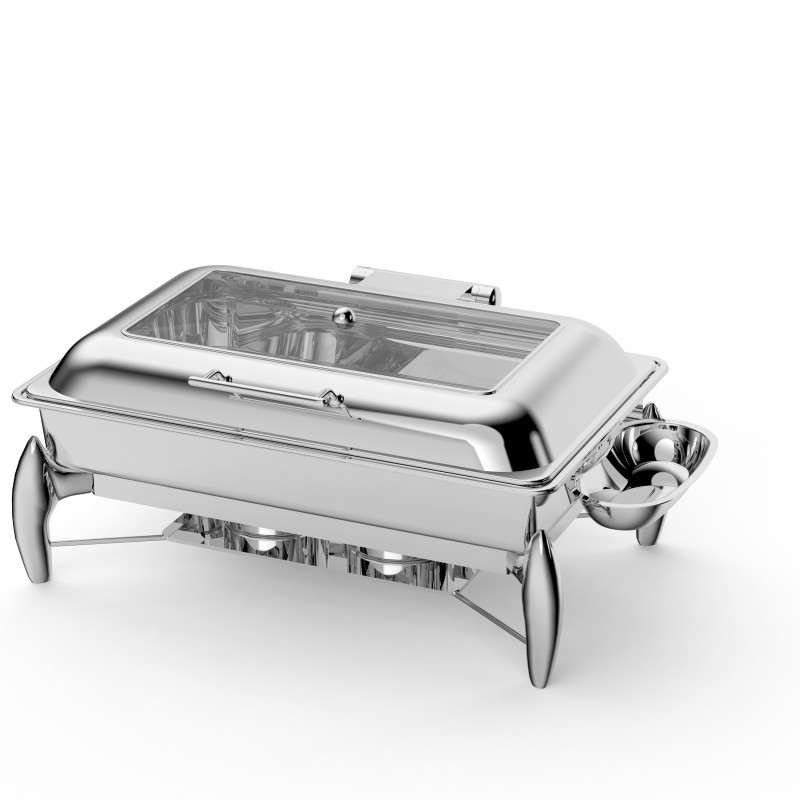
When selecting buffet warming equipment for a commercial operation, prioritizing units that are engineered with safety features built in reduces the burden on staff to manage risk manually. The Stainless Steel Alcohol Chafing Dish is a straightforward, durable option that relies on a proven design with minimal electronic components — fewer things to go wrong means fewer potential safety issues. Its straightforward fuel-based system is intuitive to operate and maintain, which itself is a safety feature since properly maintained equipment is safer equipment.
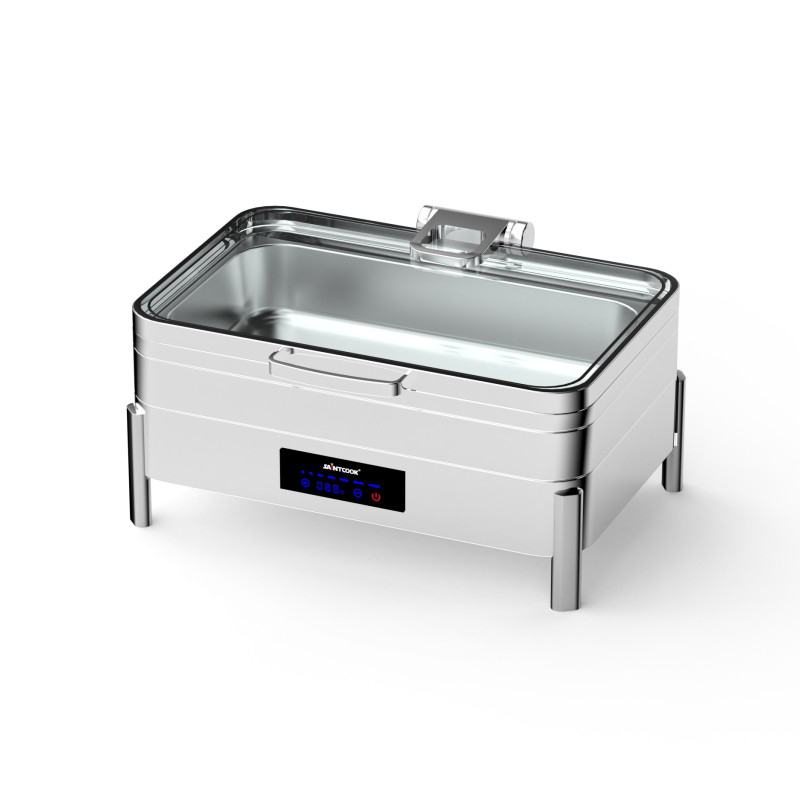
The Electric Chafing Dish-W07 with its intelligent temperature control system represents a more technology-forward approach to safety. The adjustable temperature range of 45°C to 89°C allows precise targeting of safe holding temperatures, and features such as anti-dry heat flash alarms provide automatic protection against the hazardous scenario of a unit running without adequate water in the pan. The digital temperature display makes monitoring intuitive and visible to any staff member, reducing the dependence on probe thermometers for routine checks.
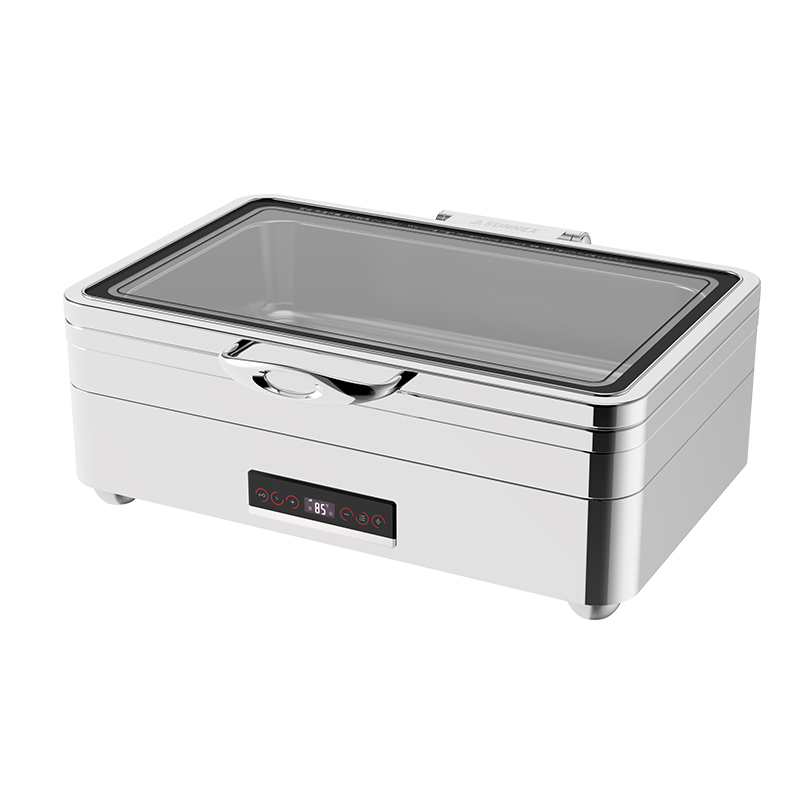
The Full Size 11L Electric Chafer from the Sunnex Lido Series delivers 1100 watts of power with a rapid 12-minute heat-up time, ensuring that the pre-heating step that we discussed earlier can be accomplished quickly and consistently. The thermal efficiency rating of 80% or better indicates efficient operation that maintains temperature reliably without the temperature fluctuations that create safety uncertainty in less well-engineered units.
Conclusion
Buffet warmer safety is not a complex topic, but it requires consistent attention and genuine understanding rather than rote compliance with procedures that are not fully understood. The key principles — pre-heating before use, maintaining temperatures above 60°C, monitoring continuously, limiting service duration, handling fuel safely, and maintaining equipment in good condition — are straightforward to state but demanding to apply consistently across every service, every day.
Building a culture where these principles are second nature requires investment in training, clear documentation, regular inspection, and leadership that models the behaviors you expect from your team. The return on that investment is an operation where foodborne illness incidents, equipment failures, and fire hazards are rare rather than routine, and where customers can enjoy hot, safe, delicious food with complete confidence. Explore our full range of commercial chafing dishes and food warming equipment designed with safety, reliability, and performance in mind.
Related Articles
Electric Buffet Warmer with Adjustable Thermostat for Restaurants
Discover the best Electric Buffet Warmer with Adjustable Thermostat for Restaurants solutions. Real ...
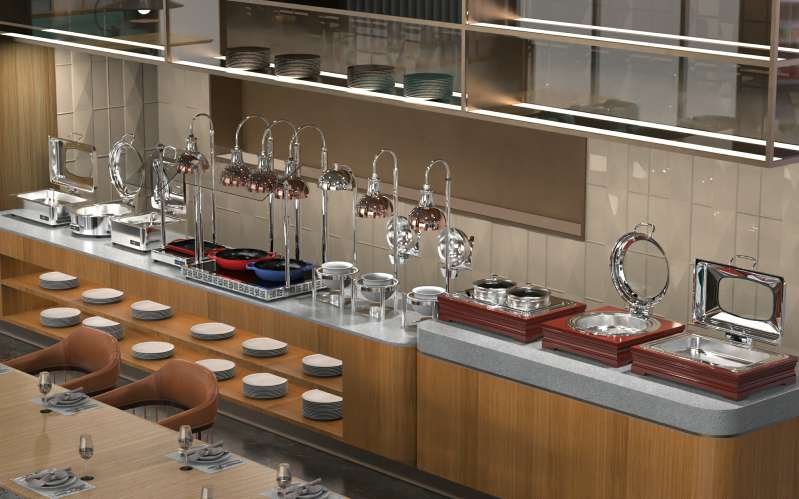
Mini Chafing Dish for Breakfast Buffet & Condiment Stations
Discover the best Mini Chafing Dish for Breakfast Buffet & Condiment Stations solutions. Real case s...
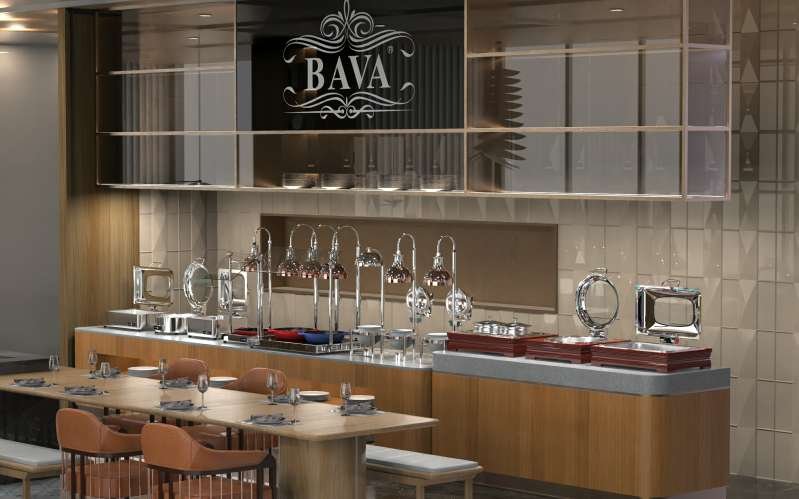
9QT Extra-Large Chafing Dish for Large-Scale Banquet Events
Discover the best 9QT Extra-Large Chafing Dish for Large-Scale Banquet Events solutions. Real case s...
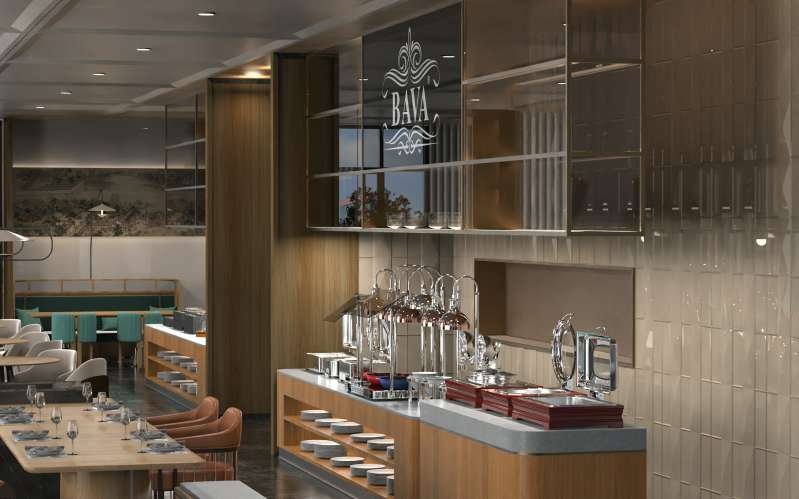
Wall-Mounted Buffet Stove for Space-Saving Kitchen Layouts
Discover the best Wall-Mounted Buffet Stove for Space-Saving Kitchen Layouts solutions. Real case st...

Stainless Steel Food Warmer for Supermarket Deli Departments
Discover the best Stainless Steel Food Warmer for Supermarket Deli Departments solutions. Real case ...

Commercial Chafer Dish with Temperature Control for Food Safety
Discover the best Commercial Chafer Dish with Temperature Control for Food Safety solutions. Real ca...