
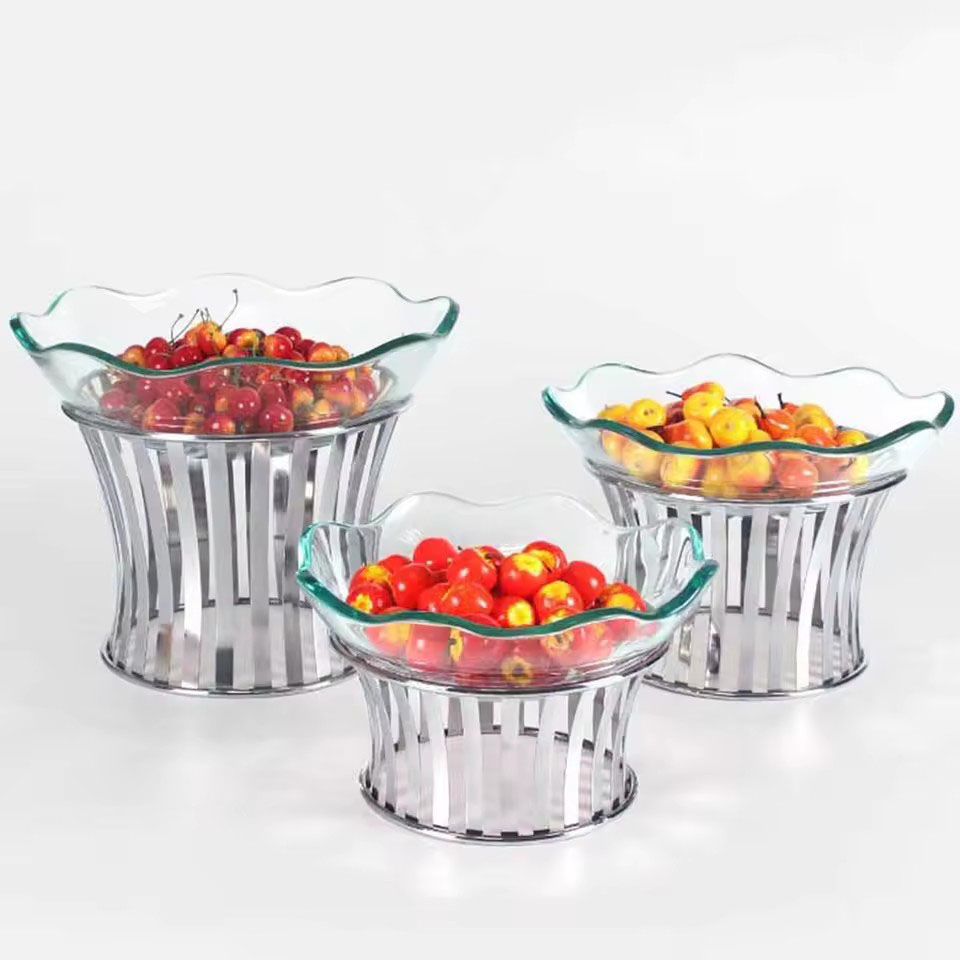
Buffet Stove Features Explained: Automatic Heating and Self-Control Capabilities
Selecting the right buffet stove for your restaurant is a decision that directly impacts operational efficiency, food quality, and customer satisfaction. Unlike traditional chafing dishes that rely on open flames or single‑use fuel cans, modern buffet stoves—especially electric models—offer a suite of automated features designed to simplify kitchen workflows while maintaining precise temperature control. In this guide, we’ll break down the core features of commercial buffet stoves, explain how automatic heating and self‑control capabilities work, and help you identify which functions are most valuable for your specific service model.
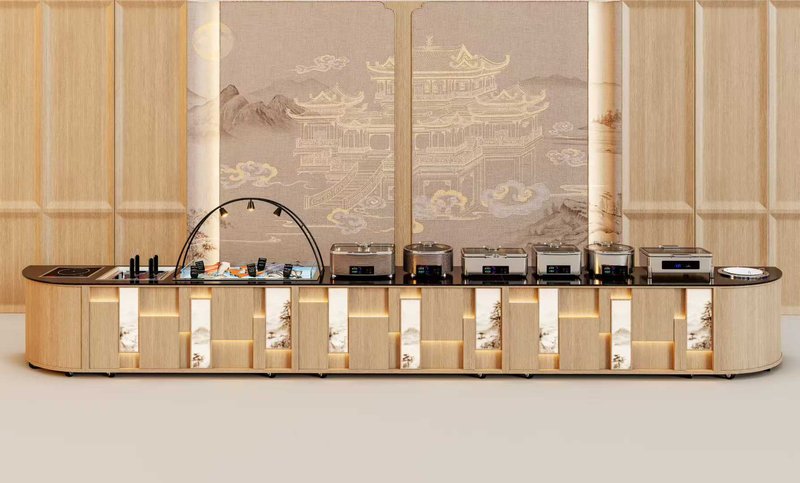
What Is a Buffet Stove With Automatic Heating?
Automatic heating is the foundational feature that sets modern buffet stoves apart from basic warming equipment. Traditional fuel‑based chafers require manual monitoring: staff must check fuel levels, replace cans mid‑service, and guess whether food is holding at a safe temperature. Electric buffet stoves with automatic heating eliminate these pain points by using built‑in heating elements and thermostats to maintain a consistent target temperature without constant human intervention.
For example, the Full Size 11L Electric Chafer (Lido Series W27-1100) uses a 1100W heating element paired with a digital temperature display and pre‑set "Smart Mode" that automatically adjusts power output to keep food between 60°C and 90°C. This means even during peak service hours, when staff are occupied with other tasks, the stove ensures soups, sauces, and hot entrees stay within safe serving ranges without overcooking or cooling down.
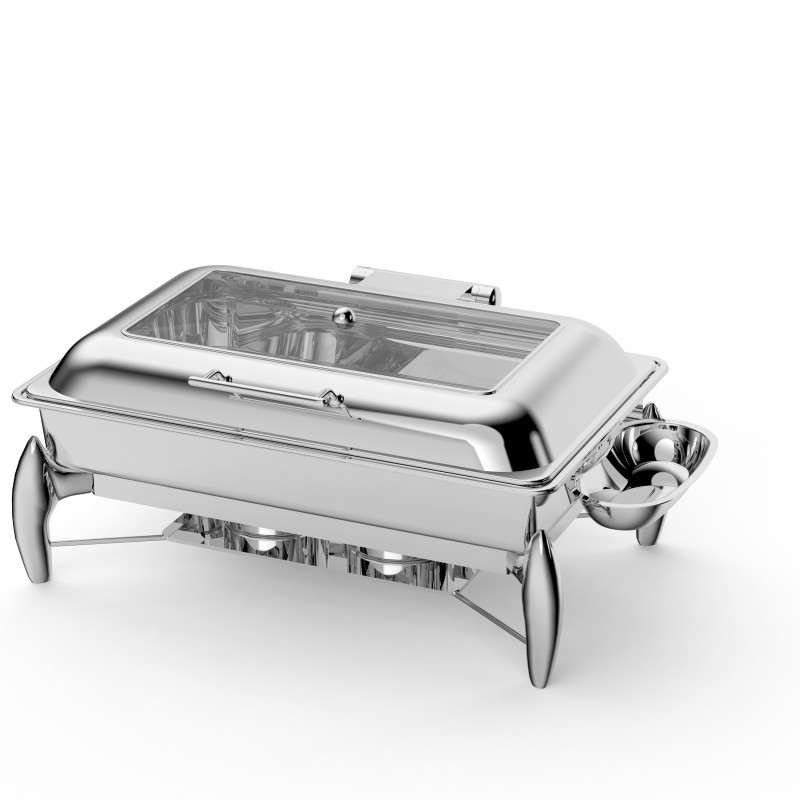
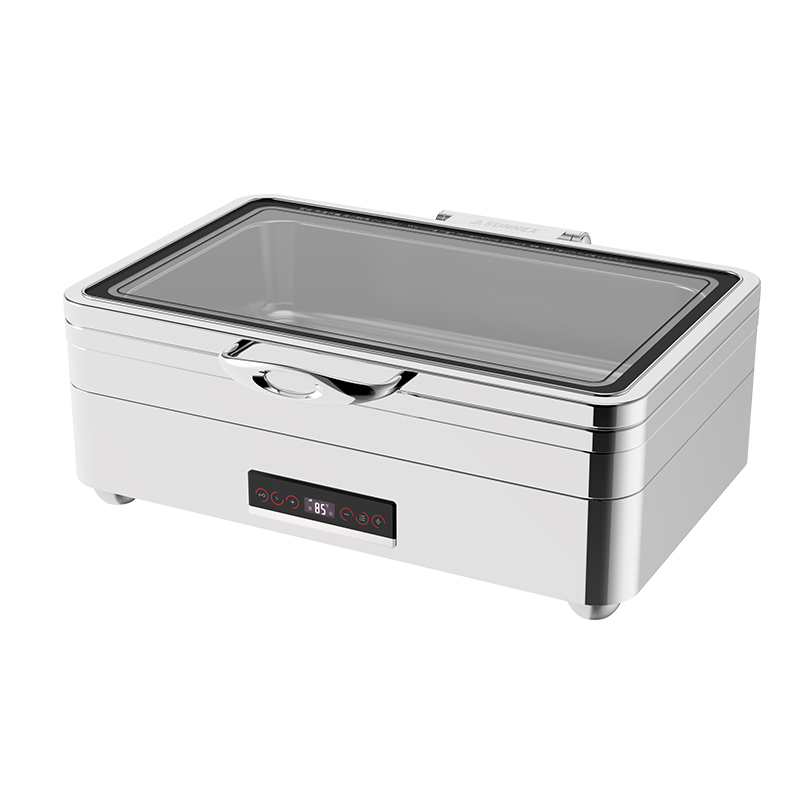
Full Size 11L Electric Chafer (Lido Series W27-1100)
This commercial‑grade electric chafer is designed for high‑volume hotels and catering operations. Its 11L GN 1/1 size food pan fits standard buffet inserts, while the polished stainless steel construction resists corrosion and meets FDA food safety standards. The 12‑minute rapid heat‑up time means you can pre‑heat the unit before service starts, and the ≥80% thermal efficiency rating reduces energy waste compared to older models. Smart Mode automatically switches between high‑power heating and low‑power maintenance cycles, so you never have to manually adjust settings mid‑shift.
How Self‑Control Capabilities Improve Service Reliability
Self‑control features go beyond basic temperature maintenance—they allow the buffet stove to adapt to changing conditions without staff input. These capabilities are especially critical for buffets that run for extended hours, such as hotel breakfast services, all‑day catering events, and banquet halls.
Key self‑control functions include:
- Anti‑dry burn protection: Sensors detect when water levels in the heating tank drop below safe thresholds and automatically cut power to prevent damage to the unit or fire hazards. Models like the Electric Chafing Dish W07 include visual and audible alarms that trigger if dry‑burn conditions are detected, even if staff miss the warning.
- Adjustable temperature ranges: Most commercial units offer 45°C to 90°C adjustability, letting you switch between keeping delicate pastries warm (lower settings) and maintaining hot soups or stews (higher settings) on the same unit.
- Automatic shut‑off: For venues that close buffet stations at set times, some models can be programmed to power down automatically, reducing the risk of accidental overnight heating.
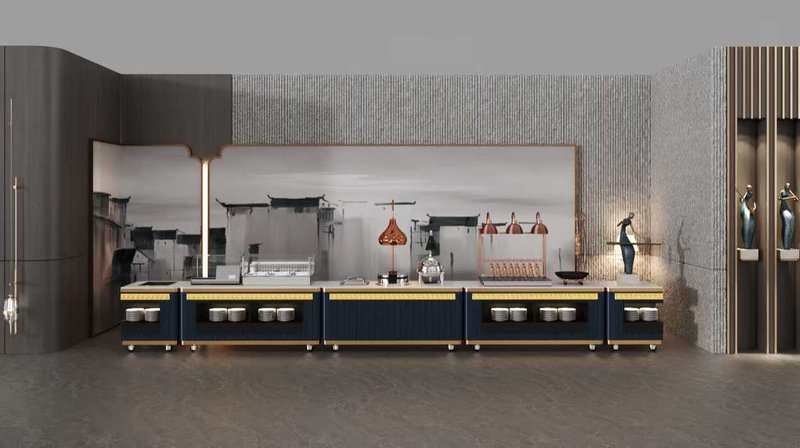
Comparing Automatic vs Manual Buffet Stoves
To help you evaluate whether automatic heating and self‑control features are worth the investment, we’ve broken down the key differences between traditional manual chafers and modern automatic buffet stoves:
| Feature | Manual Fuel Chafing Dish | Automatic Electric Buffet Stove |
|---|---|---|
| Temperature Consistency | Varies as fuel burns down; requires frequent monitoring | Maintains ±2°C of target temperature automatically |
| Staff Intervention Needed | Replace fuel cans every 2–4 hours; relight if extinguished | Set temperature once per service; minimal checks required |
| Energy Efficiency | ~40–50% of heat lost to ambient air | ≥80% thermal efficiency (Lido Series example) |
| Safety Risks | Open flame; fuel spill hazards; overcooking risk | No open flame; anti‑dry burn protection; auto shut‑off |
| Operating Cost (Annual) | ~$1,200–$1,800 for fuel cans (high‑volume use) | ~$300–$500 for electricity (same volume) |
Choosing the Right Self‑Control Features for Your Venue
Not all restaurants need every advanced feature. Use this quick guide to match capabilities to your service model:
- Small cafes / breakfast spots: Prioritize basic automatic heating and adjustable temp ranges. A 400W model like the Electric Chafing Dish Food Warmer is sufficient for low‑volume, short‑hour service.
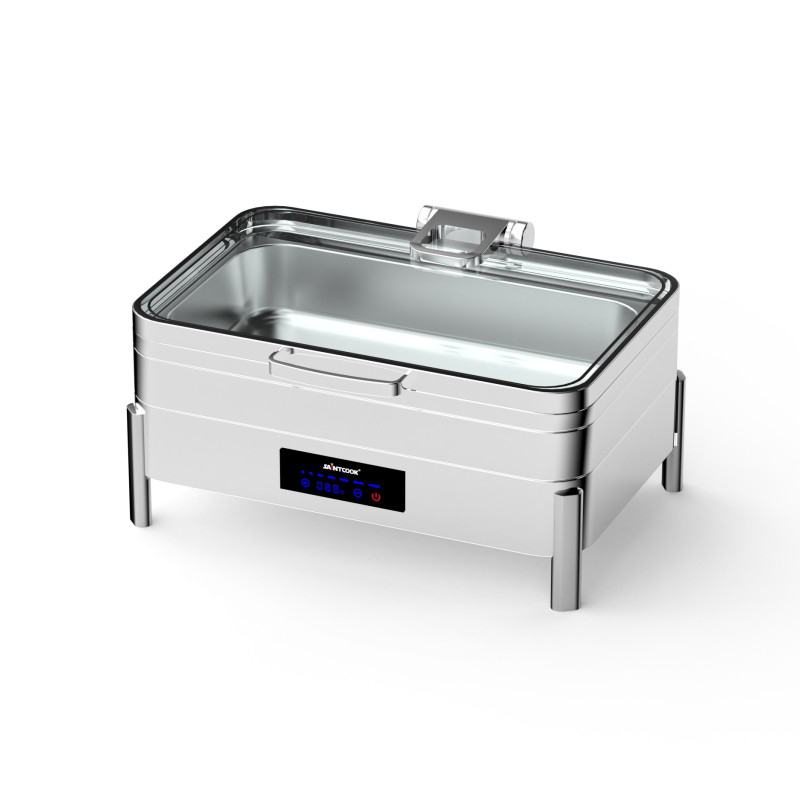
- Hotels / banquet halls: Look for models with digital displays, Smart Mode, anti‑dry burn alarms, and OLED touchscreens (e.g., Electric Chafing Dish W20) to handle 8+ hour continuous service with minimal staff checks.
- Outdoor catering / food trucks: Choose units with both 220V and 110V voltage customization, so you can plug into standard event power supplies or portable generators.
Maintenance Tips for Automatic Buffet Stoves
While self‑control features reduce daily workload, regular maintenance ensures these functions work reliably long‑term:
- Empty and descale the water tank weekly if you use hard water, to prevent sensor blockages that can trigger false dry‑burn alarms.
- Wipe the temperature probe with a food‑safe sanitizer daily, to avoid buildup that throws off heating accuracy.
- Check power cords and heating elements monthly for signs of wear, especially if the unit is moved frequently between event locations.
Final Verdict: Are Automatic Features Worth It?
For any restaurant running a buffet service for more than 4 hours a day, automatic heating and self‑control capabilities pay for themselves within 6–12 months through reduced labor costs, lower energy/fuel spend, and fewer food waste incidents from temperature fluctuations. Even small venues benefit from the peace of mind that comes with knowing food is holding safely without constant staff monitoring.
When shopping, always verify that the unit’s self‑control features are certified by CE, ETL, or FDA to ensure they meet commercial food safety standards. Pair your chosen stove with high‑quality GN 1/1 food pans and tempered glass lids to maximize efficiency and presentation appeal.
Related Articles
Electric Buffet Warmer with Adjustable Thermostat for Restaurants
Discover the best Electric Buffet Warmer with Adjustable Thermostat for Restaurants solutions. Real ...
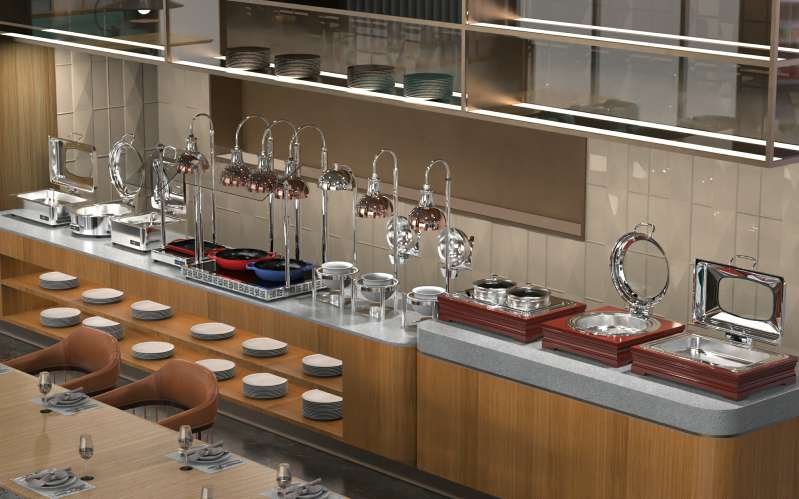
Mini Chafing Dish for Breakfast Buffet & Condiment Stations
Discover the best Mini Chafing Dish for Breakfast Buffet & Condiment Stations solutions. Real case s...
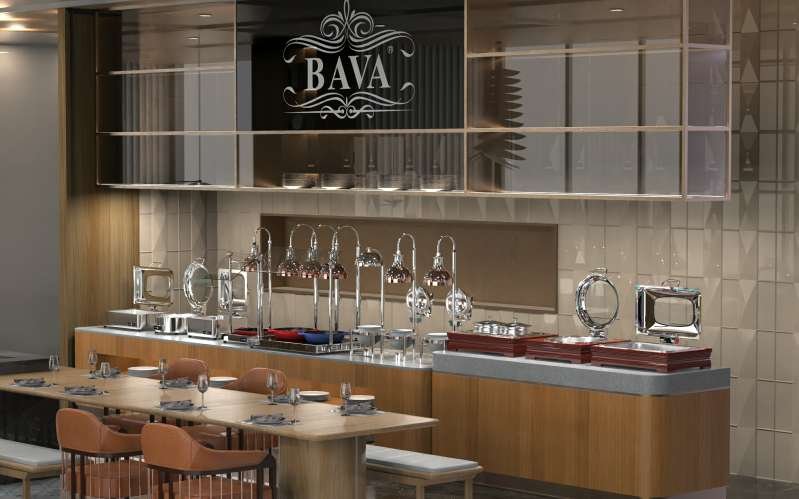
9QT Extra-Large Chafing Dish for Large-Scale Banquet Events
Discover the best 9QT Extra-Large Chafing Dish for Large-Scale Banquet Events solutions. Real case s...
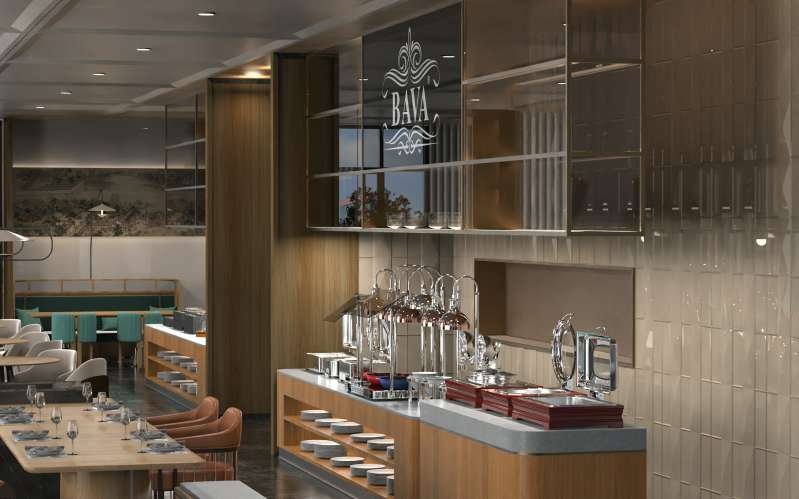
Wall-Mounted Buffet Stove for Space-Saving Kitchen Layouts
Discover the best Wall-Mounted Buffet Stove for Space-Saving Kitchen Layouts solutions. Real case st...
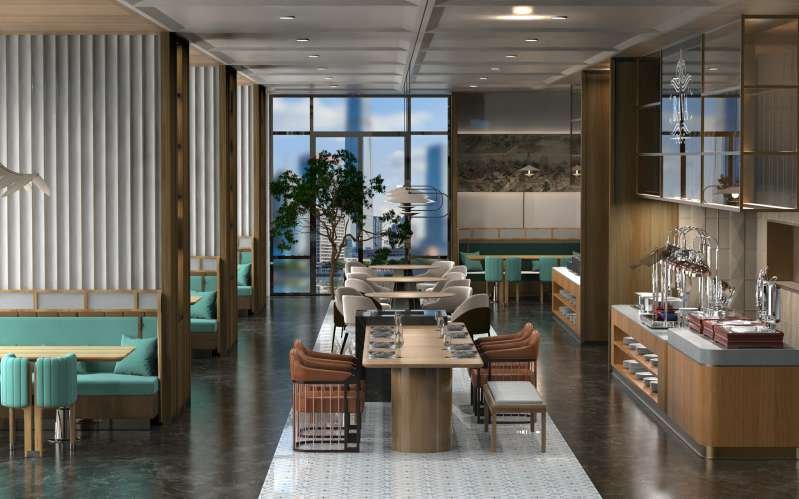
Stainless Steel Food Warmer for Supermarket Deli Departments
Discover the best Stainless Steel Food Warmer for Supermarket Deli Departments solutions. Real case ...
Commercial Chafer Dish with Temperature Control for Food Safety
Discover the best Commercial Chafer Dish with Temperature Control for Food Safety solutions. Real ca...