
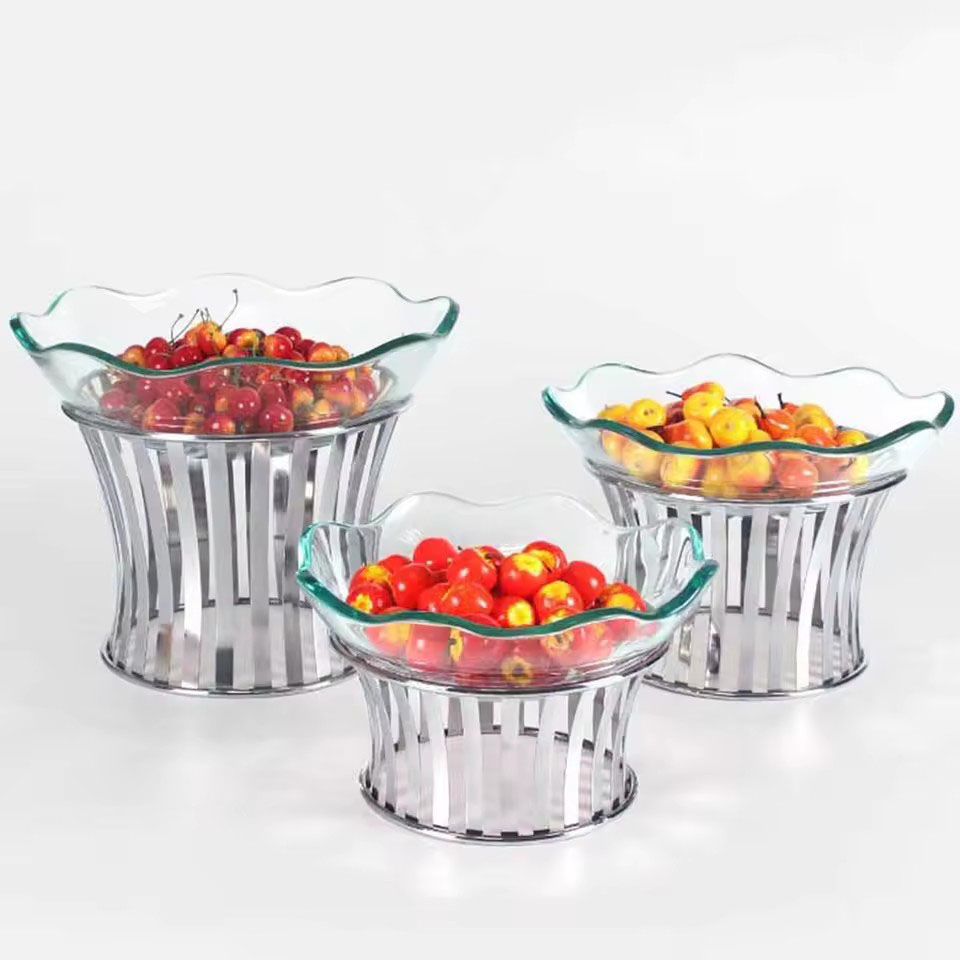
The Ultimate Guide to Commercial Buffet Stoves for Restaurants
Commercial buffet stoves, also known as chafing dishes, are essential equipment for restaurants, hotels, and catering businesses that operate buffet-style service. These appliances maintain food at safe, consistent temperatures for extended periods, ensuring that dishes remain hot, fresh, and appetizing for guests. For restaurant owners, choosing the right commercial buffet stove is not just a matter of convenience—it directly impacts food quality, customer satisfaction, energy costs, and operational efficiency. This ultimate guide will walk you through everything you need to know about commercial buffet stoves, from types and key features to expert tips for selecting the best model for your restaurant's specific needs.
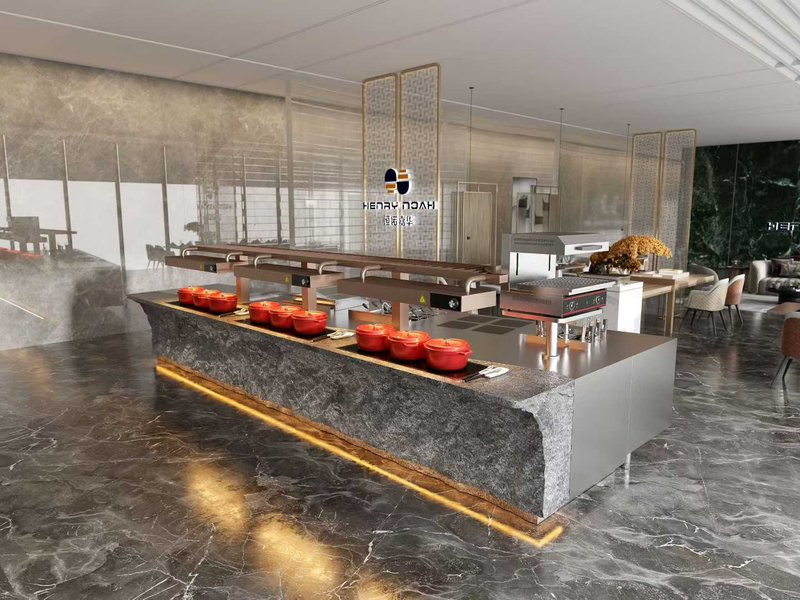
Types of Commercial Buffet Stoves
Commercial buffet stoves come in three main types, each with distinct advantages suited to different restaurant environments and operational needs:
1. Electric Buffet Stoves: These models are powered by electricity, featuring heating elements that warm water in a tank beneath the food pan. They offer precise temperature control, often with digital displays and adjustable thermostats, making them ideal for restaurants that prioritize energy efficiency and consistent heating. Electric models heat up quickly, typically reaching optimal temperatures in 8–15 minutes, and eliminate the need for open flames or fuel canisters.
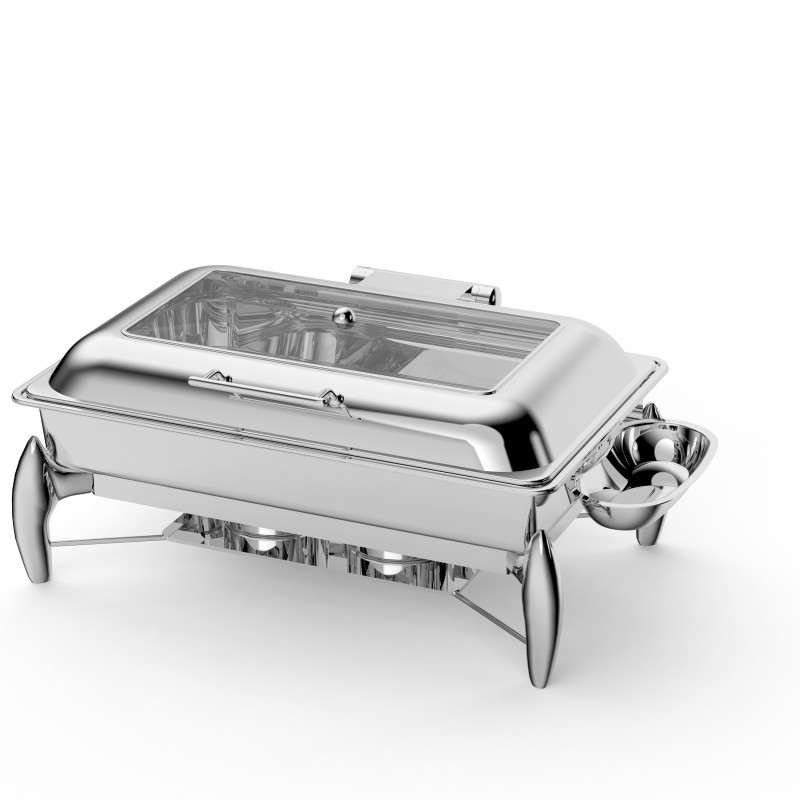
2. Fuel-Powered Buffet Stoves: These use alcohol-based chafing fuel (gel or liquid) in burners beneath the food pan. They are highly portable, requiring no electrical outlets, making them perfect for outdoor events, pop-up buffets, or venues with limited power access. Fuel-powered models have lower upfront costs but require regular fuel replacement and produce open flames, necessitating stricter safety protocols.
3. Hybrid Buffet Stoves: Combining electric heating with fuel backup, hybrid models offer the flexibility of both power sources. They are ideal for restaurants that need reliable performance during power outages or in areas with unstable electricity. Hybrid stoves often include smart switching features that automatically shift to fuel power when electrical supply is interrupted.
Comparison of Commercial Buffet Stove Types
| Type | Power Source | Heat-Up Time | Temperature Control | Pros | Cons |
|---|---|---|---|---|---|
| Electric | 220V/110V Electricity | 8–15 minutes | Digital adjustable (45–93°C) | Precise control, no open flame, energy-efficient, low maintenance | Requires power outlet, higher upfront cost |
| Fuel-Powered | Alcohol Chafing Fuel | 5–10 minutes | Manual (fixed flame level) | Portable, no power needed, low upfront cost | Open flame risk, fuel costs, less precise temperature |
| Hybrid | Electric + Alcohol Fuel | 8–15 minutes (electric mode) | Digital (electric) + Manual (fuel) | Flexible power options, reliable during outages | Highest upfront cost, more complex maintenance |
Key Features to Look for in a Commercial Buffet Stove
When selecting a commercial buffet stove, prioritize these critical features to ensure you get a model that meets your restaurant's demands:
Capacity: Food pan sizes typically follow GN (Gastronorm) standards, with 1/1 size (530x325mm) being the most common for full-size stoves, holding 11–13.5L of food. For smaller buffets, 1/2 or 1/3 size pans are available. Choose a capacity that matches your average serving volume to avoid under or over-filling.
Temperature Control: Look for models with adjustable thermostats and digital displays, allowing you to set precise temperatures between 45–93°C. This ensures that delicate dishes like seafood or sauces stay at safe temperatures without overcooking, while heartier dishes like casseroles remain hot throughout service.
Material: 304 food-grade stainless steel is the industry standard for commercial buffet stoves. It is durable, corrosion-resistant, easy to clean, and safe for direct food contact. Avoid models with low-grade steel or plastic components, which may warp, rust, or leach chemicals over time.
Safety Features: Essential safety features include anti-dry heat protection (automatically shuts off when water levels are low), overheat protection, and cool-touch handles. For electric models, look for CE, ETL, RoHS, and FDA compliance to ensure they meet international safety standards.
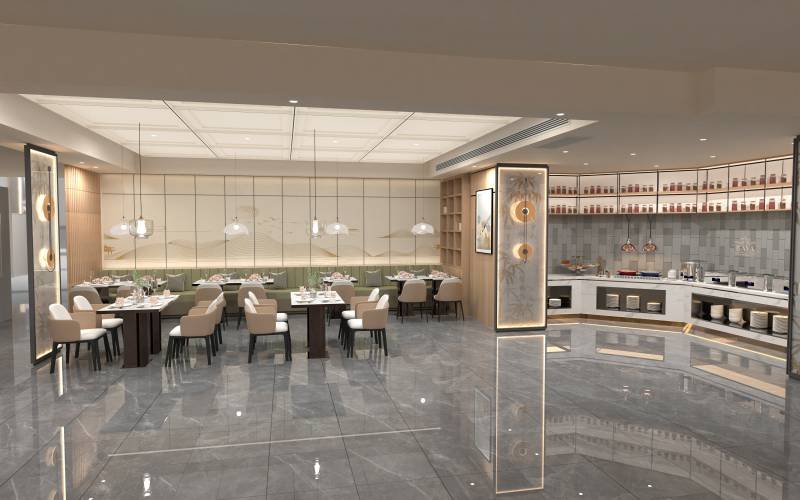
Top Recommended Commercial Buffet Stoves
Based on performance, durability, and user reviews, here are two top-rated commercial buffet stoves available on BAVA:
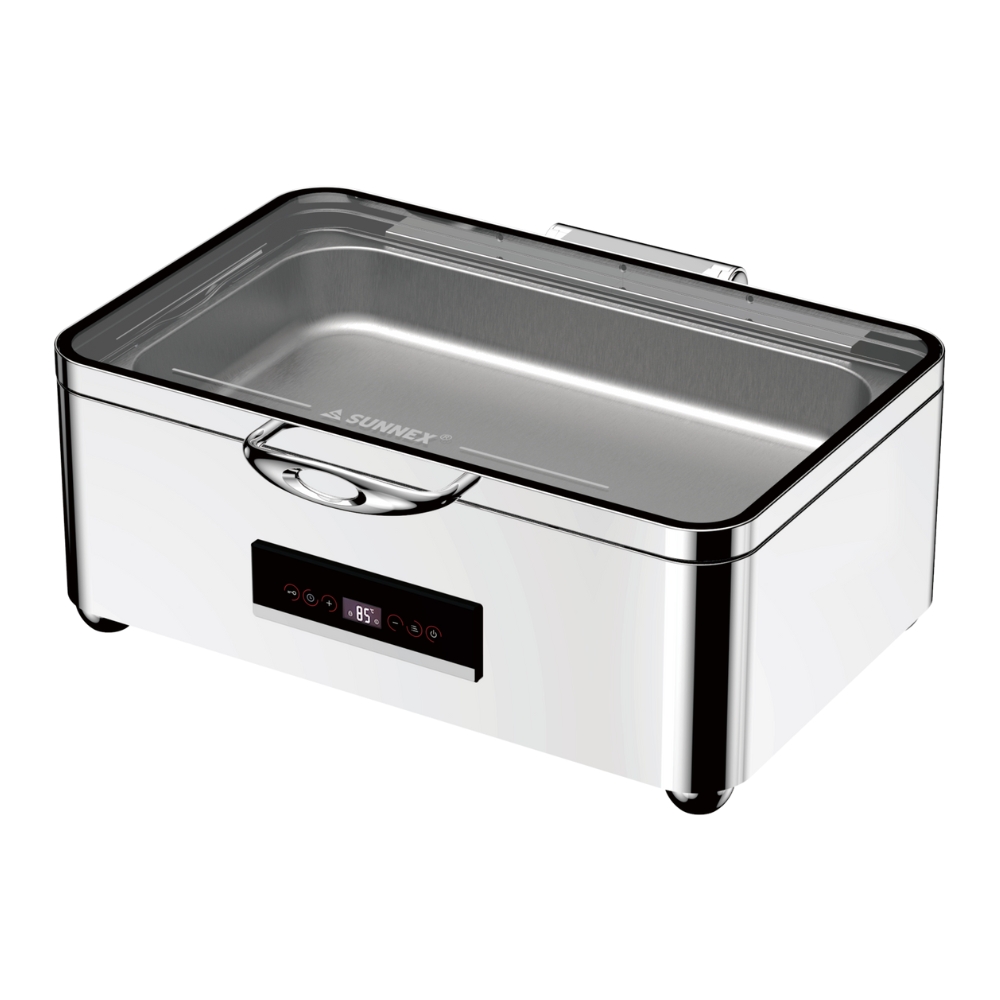
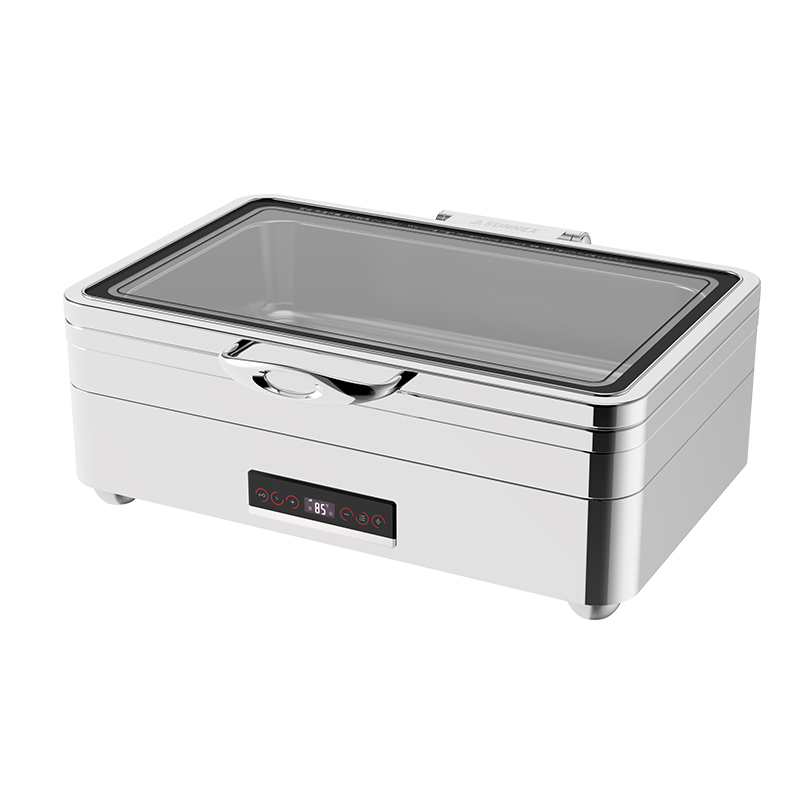
Full Size 11L Electric Chafer
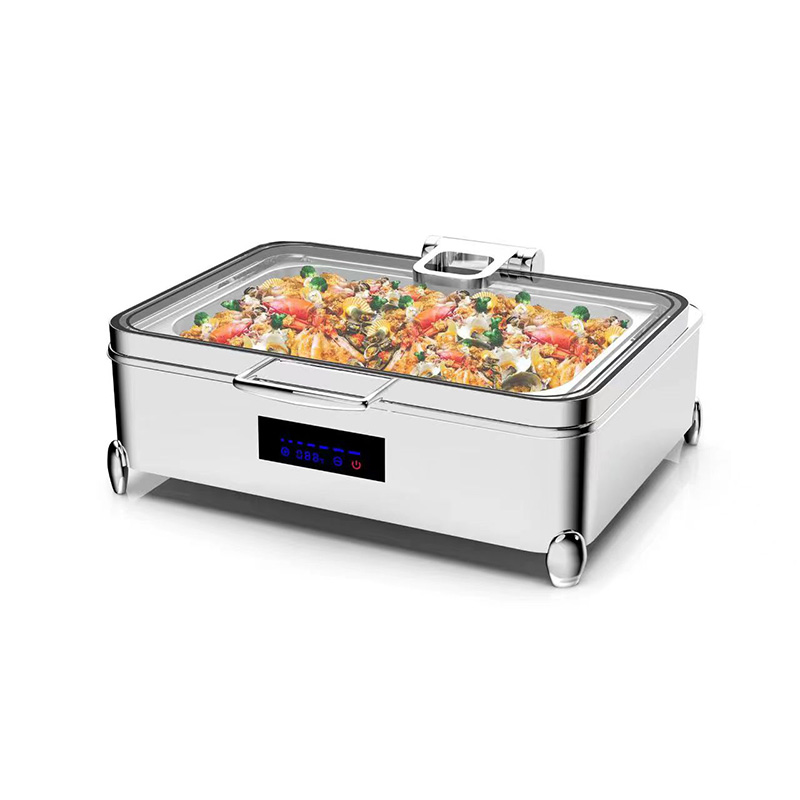
The Sunnex Full Size 11L Electric Chafer Lido Series W27-1100 is a top choice for high-volume restaurants and hotels. With 1100W power, it heats up to optimal temperature in just 12 minutes, with thermal efficiency ≥80% to reduce energy costs. The digital temperature display and Smart Mode allow precise control, while the polished stainless steel construction ensures durability for daily commercial use. Its GN 1/1 size food pan holds 11L of food, making it ideal for busy buffet lines, catering events, and hotel breakfast services.
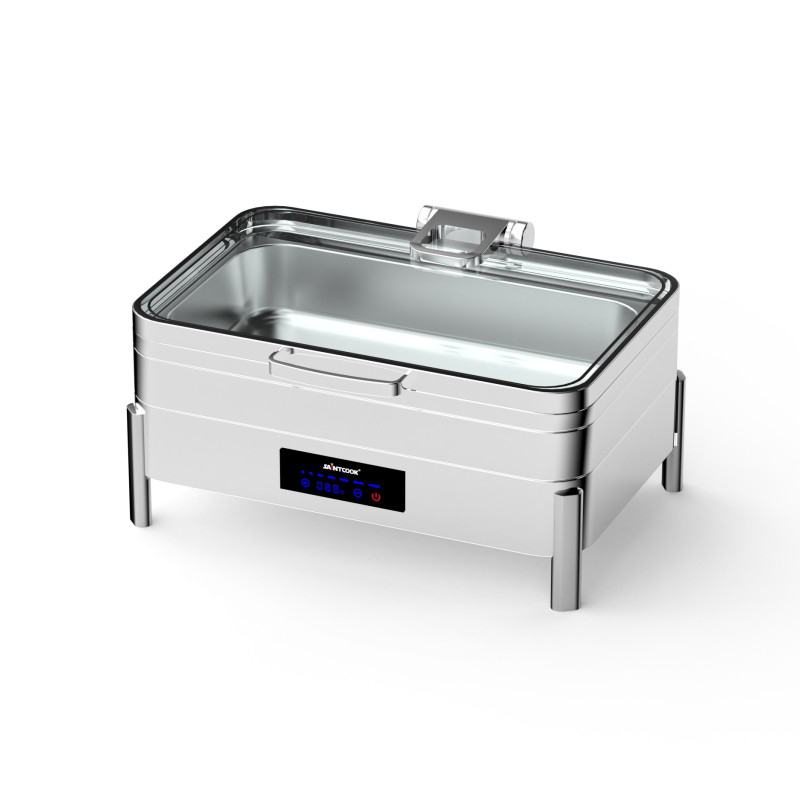
Electric Chafing Dish Food Warmer
This commercial-grade electric chafing dish features 400W fast heating and adjustable digital temperature control (60–93°C). Made of 304 food-grade stainless steel, it is safe for direct food contact and easy to clean. The 2.5L water tank ensures even heat distribution, preventing food from drying out during long service periods. With CE, ETL, RoHS, and FDA compliance, it meets strict commercial kitchen standards, making it a reliable choice for restaurants of all sizes, from small cafes to large banquet halls.
Expert Tips for Choosing the Right Buffet Stove
Follow these tips to ensure you select a commercial buffet stove that aligns with your restaurant's operational needs:
1. Assess Your Volume: Calculate your average daily buffet guest count and food output to determine the capacity and number of stoves you need. High-volume restaurants may require multiple full-size stoves, while smaller venues can opt for compact models.
2. Check Energy Efficiency: Look for models with high thermal efficiency ratings (≥80%) to reduce long-term energy costs. Electric models with Smart Mode or auto-shutoff features further cut down on unnecessary power usage.
3. Prioritize Safety: Ensure the model has anti-dry burn protection, overheat shutoff, and relevant safety certifications. For fuel-powered stoves, check that the fuel canisters are leak-proof and easy to replace.
4. Consider Maintenance: Choose stoves with removable food pans, water tanks, and tempered glass lids for easy cleaning. Dishwasher-safe components save time and labor costs for kitchen staff.
Conclusion
Commercial buffet stoves are a critical investment for any restaurant offering buffet service. By understanding the different types, key features, and safety considerations, you can select a model that enhances food quality, improves operational efficiency, and boosts customer satisfaction. Whether you choose an electric, fuel-powered, or hybrid model, prioritize durability, temperature control, and safety to get the most value for your investment. Visit BAVA's chafing dish collection to explore more high-quality commercial buffet stoves tailored to your restaurant's needs.
Related Articles
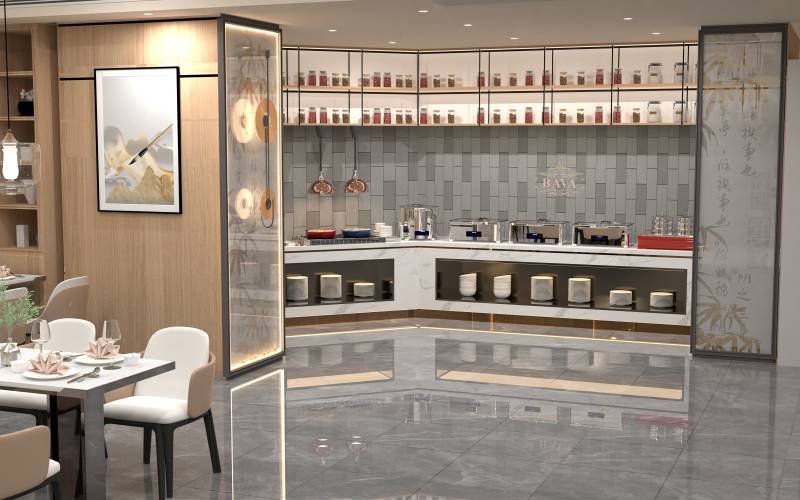
Electric Buffet Warmer with Adjustable Thermostat for Restaurants
Discover the best Electric Buffet Warmer with Adjustable Thermostat for Restaurants solutions. Real ...
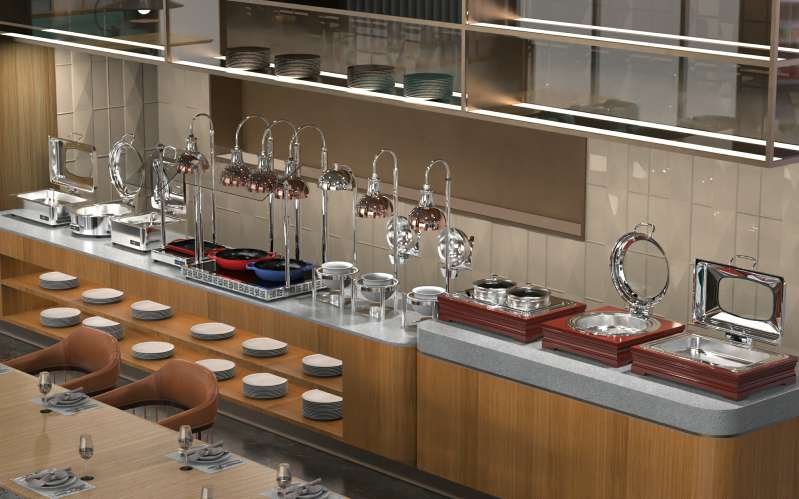
Mini Chafing Dish for Breakfast Buffet & Condiment Stations
Discover the best Mini Chafing Dish for Breakfast Buffet & Condiment Stations solutions. Real case s...
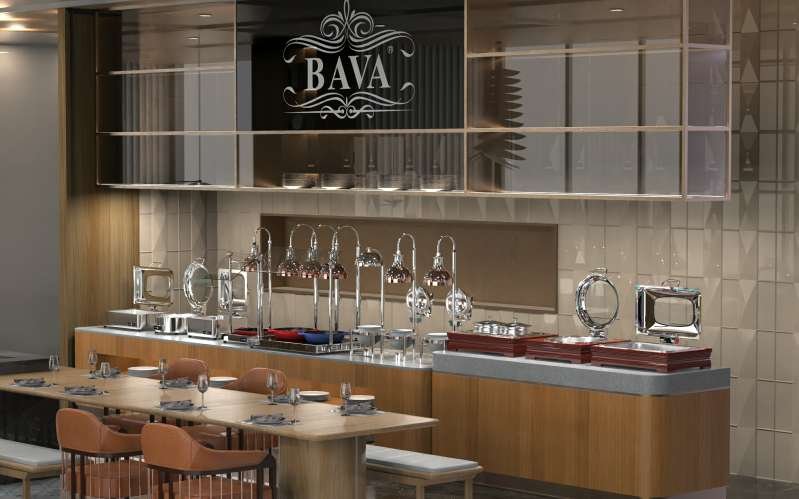
9QT Extra-Large Chafing Dish for Large-Scale Banquet Events
Discover the best 9QT Extra-Large Chafing Dish for Large-Scale Banquet Events solutions. Real case s...
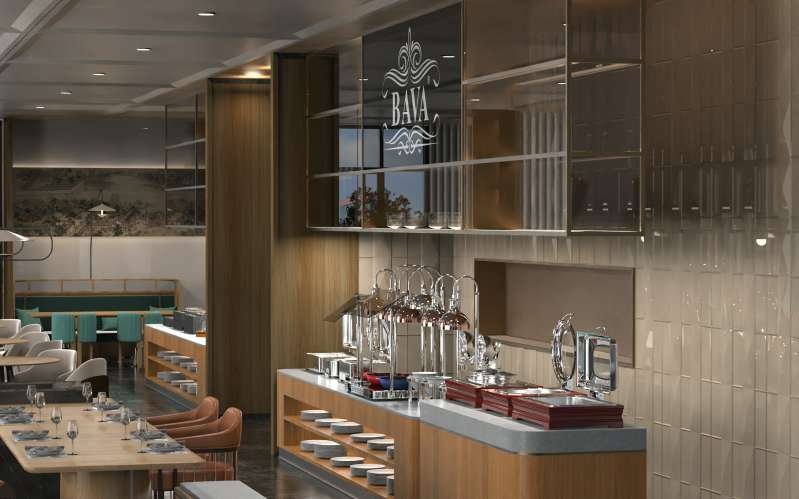
Wall-Mounted Buffet Stove for Space-Saving Kitchen Layouts
Discover the best Wall-Mounted Buffet Stove for Space-Saving Kitchen Layouts solutions. Real case st...

Stainless Steel Food Warmer for Supermarket Deli Departments
Discover the best Stainless Steel Food Warmer for Supermarket Deli Departments solutions. Real case ...
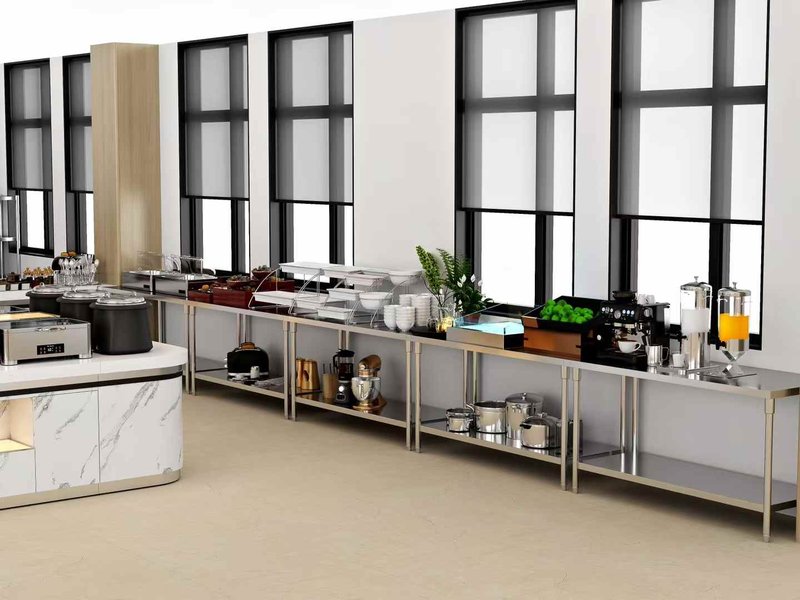
Commercial Chafer Dish with Temperature Control for Food Safety
Discover the best Commercial Chafer Dish with Temperature Control for Food Safety solutions. Real ca...