
How Buffet Stoves Can Improve Food Safety and Hygiene Standards
How Buffet Stoves Can Improve Food Safety and Hygiene Standards
Food safety and hygiene are the cornerstones of any successful restaurant operation, particularly in buffet-style dining where large volumes of food are displayed for extended periods. Buffet stoves play a critical role in maintaining these standards, ensuring that food remains at safe temperatures while minimizing contamination risks. For restaurant owners and catering professionals, understanding how modern buffet stoves contribute to food safety can transform both compliance outcomes and customer satisfaction rates.
The Critical Role of Temperature Control in Food Safety
One of the most fundamental aspects of food safety is maintaining proper holding temperatures. According to food safety regulations worldwide, hot food must be maintained at a minimum internal temperature of 60°C (140°F) to prevent bacterial growth. Buffet stoves are specifically engineered to maintain this critical temperature threshold consistently throughout service periods that can last several hours.
Unlike traditional chafing dishes that rely on inconsistent fuel sources or makeshift heating methods, modern electric buffet stoves feature precision digital temperature controls. These systems allow staff to set exact temperature parameters and receive real-time feedback through clear digital displays. When food temperatures drift outside safe zones, immediate corrective action can be taken, dramatically reducing the risk of foodborne illness outbreaks.
The science behind this is straightforward: bacteria such as Salmonella, E. coli, and Staphylococcus aureus multiply rapidly in the "danger zone" between 5°C and 60°C (41°F to 140°F). By maintaining food at or above 60°C consistently, buffet stoves create an environment where pathogenic bacteria cannot thrive. This temperature control is not just a best practice—it's a regulatory requirement in most jurisdictions.
Reducing Cross-Contamination Risks
Cross-contamination remains one of the leading causes of foodborne illness in buffet settings. Traditional heating methods often require staff to lift lids, check fuel levels, or manipulate hot containers—each interaction introducing potential contamination points. Modern buffet stoves with integrated glass viewing windows dramatically reduce these risks.
With a clear tempered glass lid, kitchen staff and servers can monitor food levels, check heating status, and assess food quality without lifting the lid or touching the food container. This simple but effective design feature minimizes hand-to-food contact, reduces the frequency of lid handling, and maintains a cleaner serving environment overall.
Furthermore, many contemporary buffet stove models feature hydraulic hinge systems that allow lids to stay open at fixed positions. This prevents lids from slamming down unexpectedly (which can spray condensation onto food) and allows servers to use only one hand when serving, keeping the other hand free for sanitary practices like handling serving utensils.
Material Safety and Construction Standards
The construction materials used in buffet stoves directly impact hygiene standards. Food-grade 304 stainless steel, the gold standard in commercial food service equipment, offers non-porous surfaces that resist bacterial colonization. Unlike plastic or lower-grade metals, 304 stainless steel does not scratch easily, and even when minor surface imperfections occur, they do not harbor bacteria the way porous materials can.
Stainless steel buffet stoves also withstand rigorous cleaning protocols. They can be sanitized with high-temperature water, commercial sanitizers, and aggressive cleaning agents without degrading. This durability ensures that cleaning between services is thorough and effective, removing all food residues that could otherwise support bacterial growth.
Additionally, the seamless construction of quality buffet stoves eliminates crevices and joints where food particles and moisture can accumulate. Rounded corners, smooth welds, and accessible design mean that staff can clean every surface effectively—a critical factor in preventing the buildup of biofilms that can harbor dangerous pathogens.
| Feature | Traditional Heating | Modern Buffet Stoves |
|---|---|---|
| Temperature Control | Inconsistent, manual monitoring | Digital precision, automatic regulation |
| Material Quality | Mixed, often lower-grade metals | Food-grade 304 stainless steel |
| Contamination Risk | High (frequent lid handling) | Low (viewing windows, hydraulic lids) |
| Safety Features | Minimal or none | Dry-burn protection, overheat shutoff |
| Cleaning Efficiency | Difficult, many crevices | Seamless, smooth surfaces |
| Certification | Often uncertified | CE, ETL, RoHS, FDA compliant |
Advanced Safety Features in Modern Units
Beyond basic temperature maintenance, today's buffet stoves incorporate multiple safety systems that protect both food quality and human health. Anti-dry heat protection, for example, automatically shuts off power when water levels in the heating tank drop below safe thresholds. This prevents the unit from overheating, which could otherwise cause plastic components to release harmful chemicals or create fire hazards.
Overheat protection systems monitor internal temperatures continuously. If heating elements malfunction or temperature controls fail, these systems cut power before dangerous conditions develop. This layered approach to safety ensures that even in worst-case scenarios, food safety is not compromised by equipment failure.
Smart Mode technology, available in premium models like the Sunnex Lido Series, optimizes heating cycles to maintain consistent temperatures while conserving energy. These intelligent systems adjust power output based on real-time temperature readings, preventing temperature fluctuations that could push food into unsafe temperature ranges.

Certification Standards and Compliance
Professional-grade buffet stoves carry certifications that validate their safety and performance claims. CE marking indicates compliance with European health, safety, and environmental protection standards. ETL certification demonstrates that equipment has been tested to North American safety standards. RoHS compliance ensures that hazardous substances are not used in manufacturing, while FDA compliance confirms suitability for food contact applications.
For restaurant owners, these certifications are not merely decorative—they provide legal protection and demonstrate due diligence in food safety practices. Health inspectors routinely check for certified equipment, and using non-certified heating devices can result in violations, fines, or even temporary closure orders.
When selecting buffet stoves, verifying these certifications should be a priority. Reputable manufacturers prominently display certification marks in product listings and provide documentation upon request. This paper trail becomes valuable evidence during health inspections and liability assessments.
Staff Training and Operational Hygiene
Even the best equipment cannot compensate for poor operational practices. Buffet stoves should be integrated into comprehensive staff training programs that cover proper temperature monitoring, safe serving techniques, and cleaning protocols. Staff should understand how to read digital displays, when to add water to heating tanks, and how to respond to alarm notifications.
Regular temperature logging should be implemented, with designated staff members recording buffet stove temperatures at scheduled intervals. These logs create accountability and provide documentation of safe food handling practices. In the event of a customer illness complaint, these records can demonstrate that proper procedures were followed.
Cleaning protocols should address both daily maintenance and deep cleaning schedules. At minimum, buffet stoves should be emptied, cleaned with sanitizing solutions, and thoroughly dried after each service period. Weekly deep cleaning should include descaling heating elements, polishing stainless steel surfaces, and inspecting seals and gaskets for wear.
Featured Products for Enhanced Food Safety
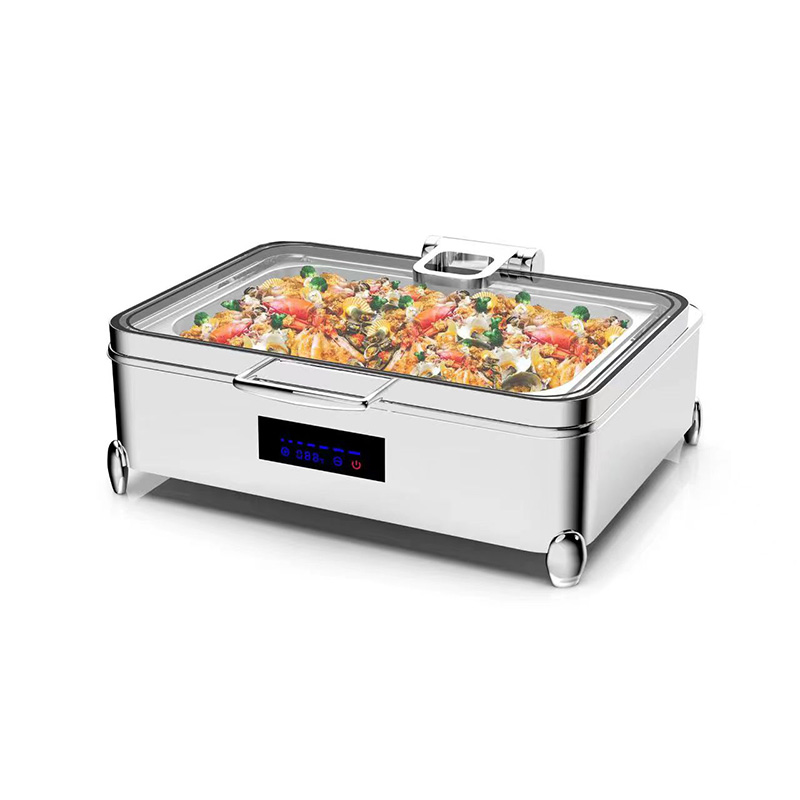
Electric Chafing Dish Food Warmer
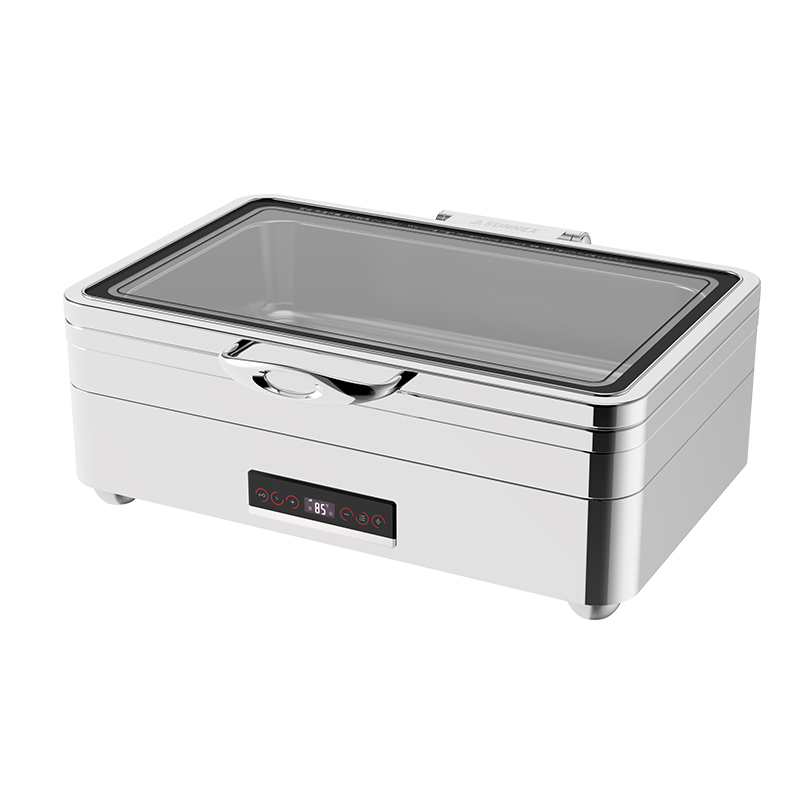
This commercial-grade electric chafing dish features 400W fast heating power with precise digital temperature control, maintaining food safely between 60–93°C (140–200°F). Constructed from food-grade 304 stainless steel, it meets CE, ETL, RoHS, and FDA compliance standards, making it an excellent choice for establishments prioritizing food safety. The 2.5L water tank provides consistent heating for extended service periods, while the GN 1/1 size food pan accommodates standard hotel pans. With a heating time of just 15 minutes to reach 60°C, this unit ensures rapid deployment for busy buffet services while maintaining the highest hygiene standards.
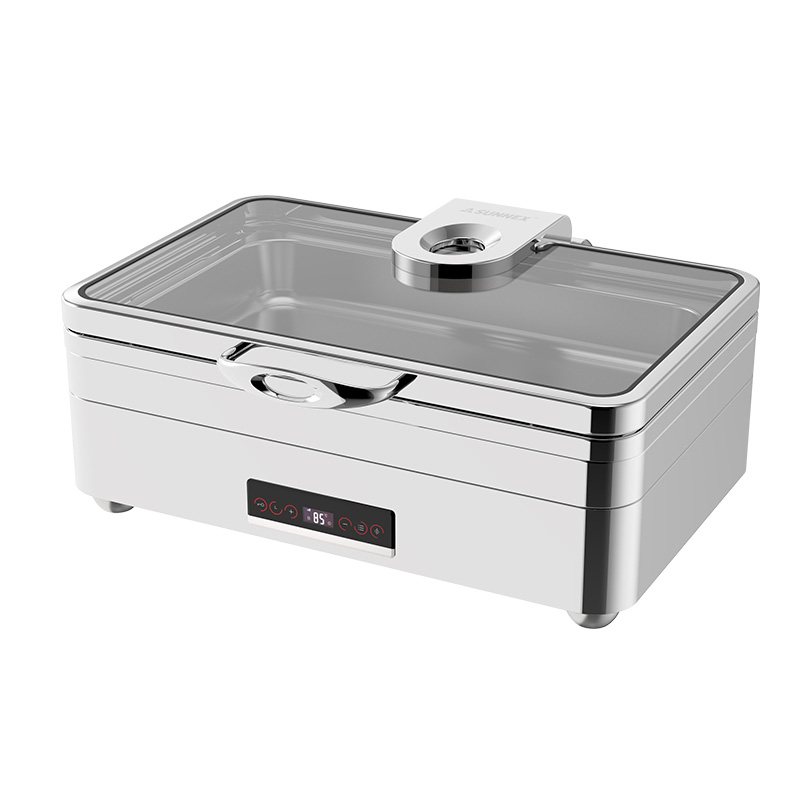
Electric Chafing Dish-W07
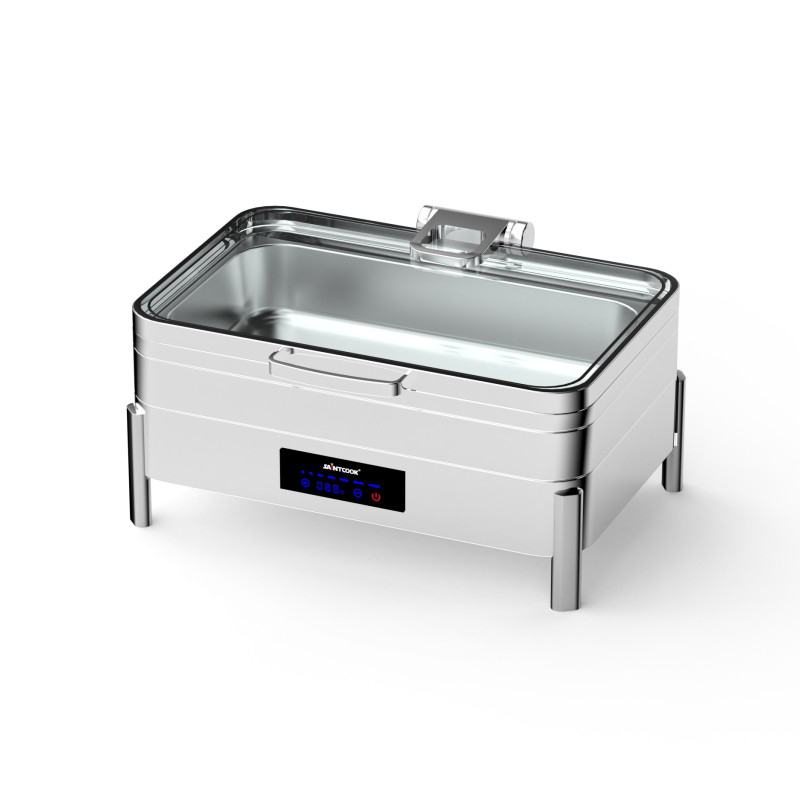
Featuring 900W rapid heating and an intelligent temperature control system, this model offers adjustable temperature range from 45–89°C (113–192°F) with multi-safety protection including anti-dry heat flash alarm and automatic shutoff. The 304 stainless steel construction ensures durability and sanitary surfaces, while certifications including CE, ETL, RoHS, and FDA compliance guarantee regulatory adherence. The unit reaches 60°C in approximately 8 minutes, making it ideal for high-volume operations where quick heat recovery is essential. Its comprehensive safety systems protect both food quality and staff safety during intensive buffet service.
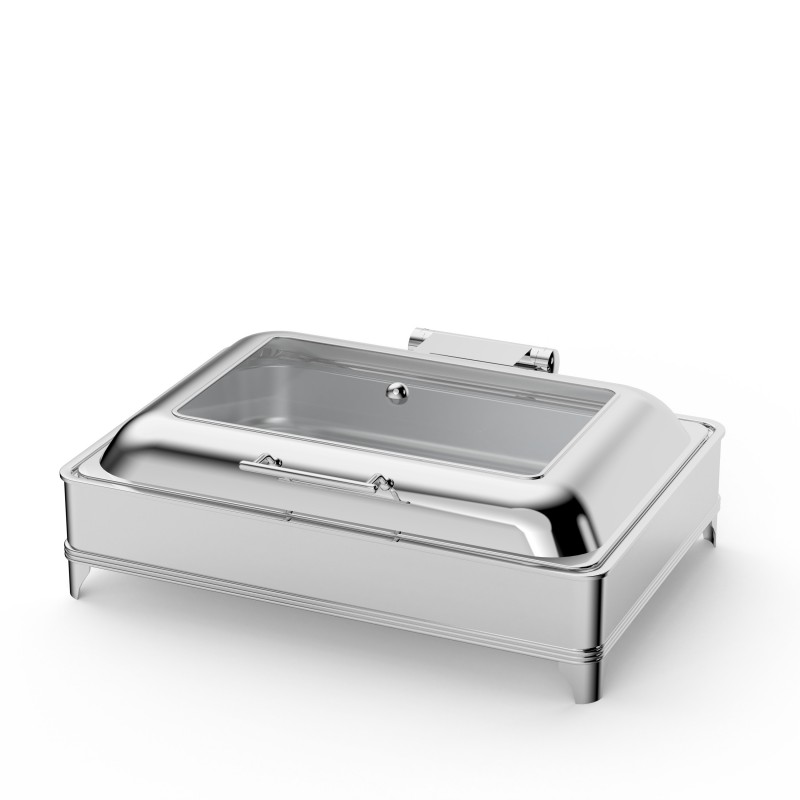
Stainless Steel Electric Buffet Warmer with Visible Window
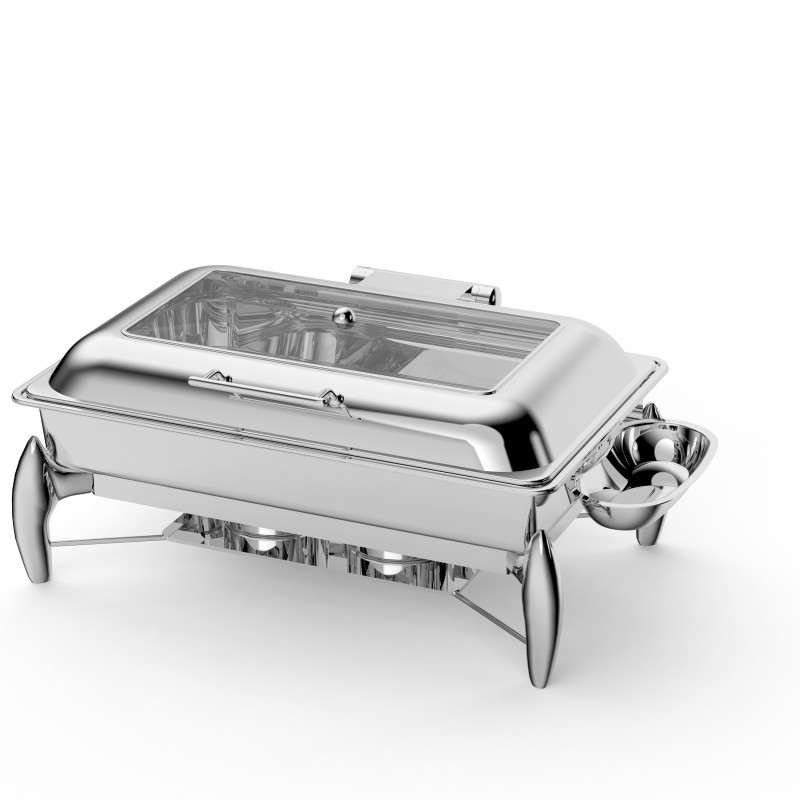
This commercial electric buffet warmer combines 400W heating power with a tempered glass viewing window, allowing staff to monitor food levels and quality without lifting the lid and introducing contamination risks. The digital temperature control maintains precise settings between 45–90°C, while the 304 stainless steel construction provides sanitary, easy-to-clean surfaces. CE and ETL certified, this unit is designed for hotels, catering venues, and restaurants where food safety and presentation standards must be impeccable. The visible window feature alone significantly reduces cross-contamination risks by minimizing unnecessary lid handling during service.
Conclusion
Investing in high-quality buffet stoves is not merely an equipment upgrade—it is a fundamental commitment to food safety and hygiene excellence. From precise temperature control and contamination prevention to material safety and regulatory compliance, modern buffet stoves provide multiple layers of protection for both customers and businesses. By selecting certified equipment with advanced safety features, restaurant owners can create safer dining environments, pass health inspections with confidence, and build lasting reputations for quality and care. In an industry where a single food safety incident can devastate a business, the reliability and performance of buffet stoves represent one of the most important investments a food service operation can make.
Related Articles
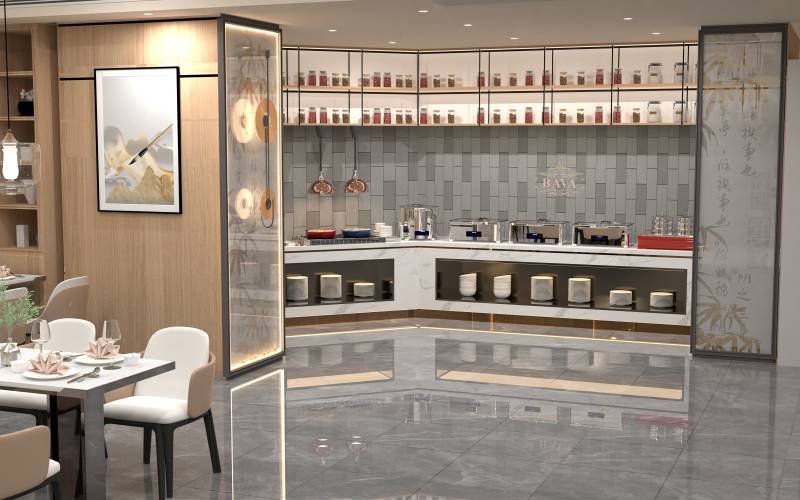
Electric Buffet Warmer with Adjustable Thermostat for Restaurants
Discover the best Electric Buffet Warmer with Adjustable Thermostat for Restaurants solutions. Real ...
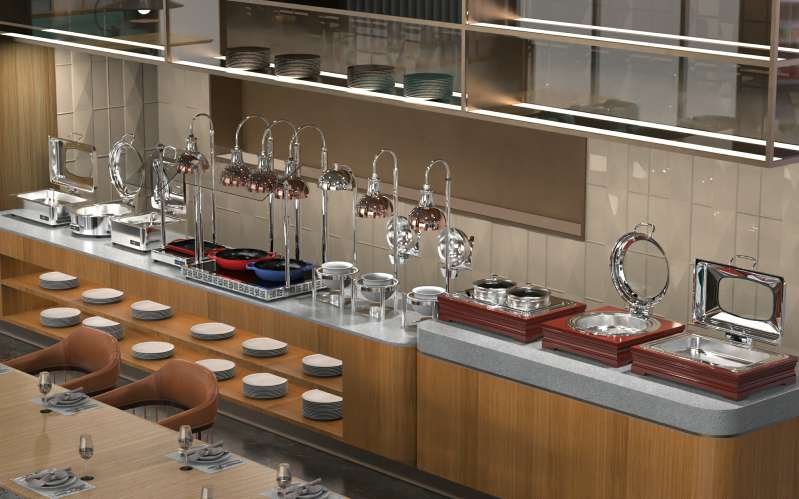
Mini Chafing Dish for Breakfast Buffet & Condiment Stations
Discover the best Mini Chafing Dish for Breakfast Buffet & Condiment Stations solutions. Real case s...
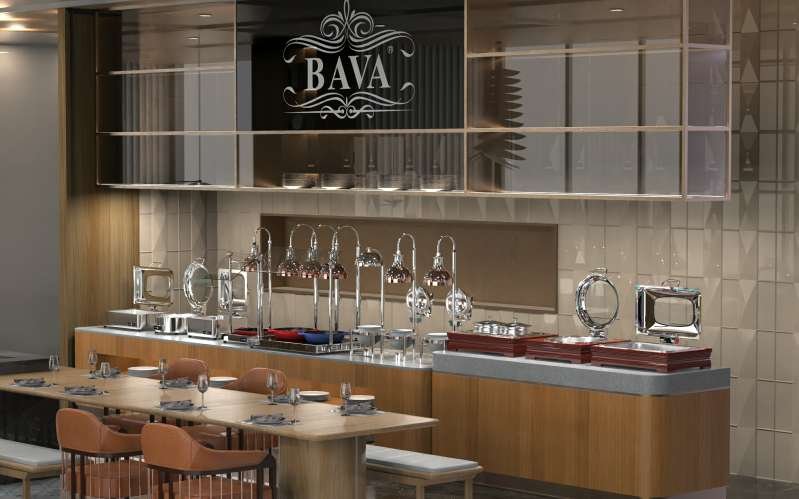
9QT Extra-Large Chafing Dish for Large-Scale Banquet Events
Discover the best 9QT Extra-Large Chafing Dish for Large-Scale Banquet Events solutions. Real case s...
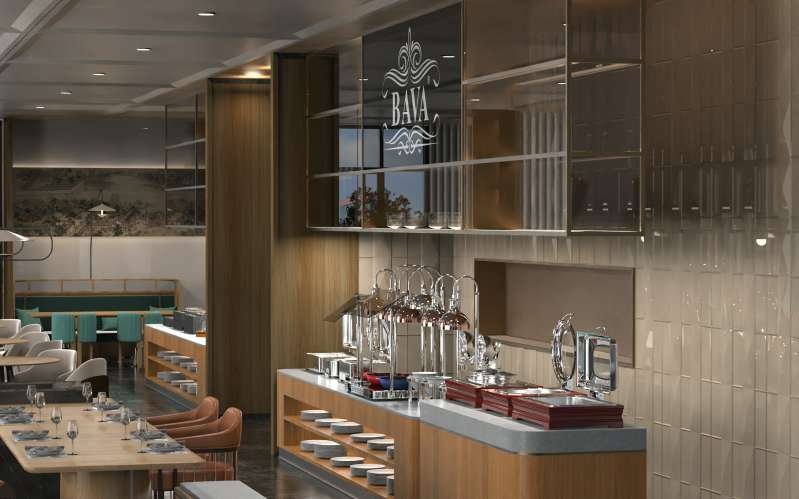
Wall-Mounted Buffet Stove for Space-Saving Kitchen Layouts
Discover the best Wall-Mounted Buffet Stove for Space-Saving Kitchen Layouts solutions. Real case st...

Stainless Steel Food Warmer for Supermarket Deli Departments
Discover the best Stainless Steel Food Warmer for Supermarket Deli Departments solutions. Real case ...
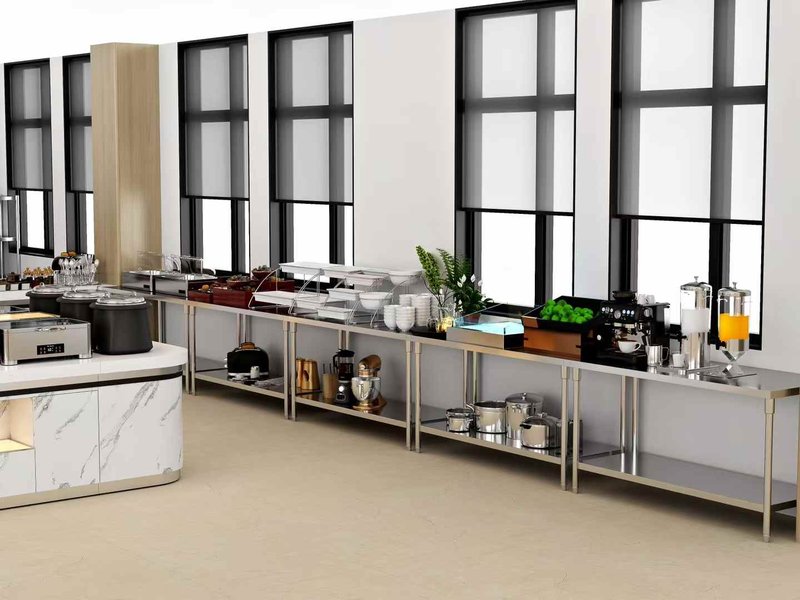
Commercial Chafer Dish with Temperature Control for Food Safety
Discover the best Commercial Chafer Dish with Temperature Control for Food Safety solutions. Real ca...