
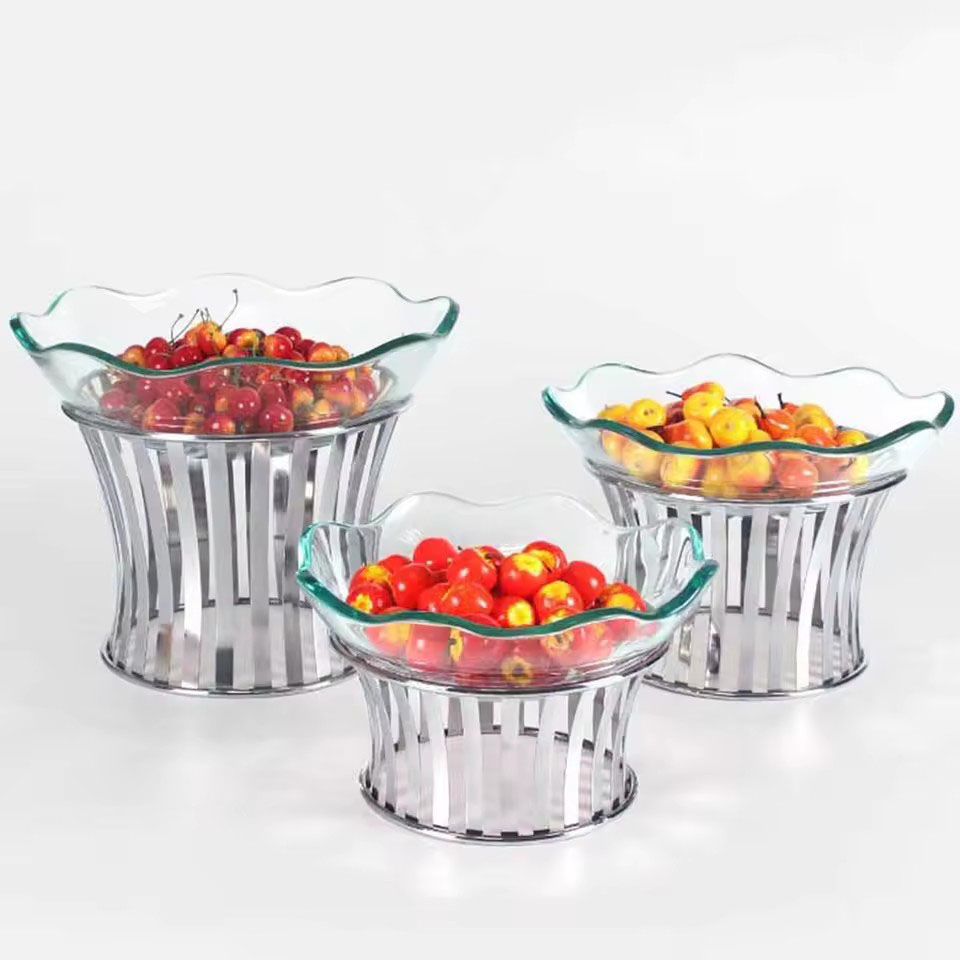
How Buffet Stoves Can Help Your Restaurant Stay Energy Efficient
How Buffet Stoves Can Help Your Restaurant Stay Energy Efficient
In an era where sustainability and cost control are paramount for restaurant owners, energy efficiency has become a critical factor in equipment purchasing decisions. Buffet stoves, also known as chafing dishes or food warmers, play a central role in maintaining food quality while controlling operational costs. Modern electric buffet stoves have evolved significantly, incorporating advanced technologies that not only preserve food temperature but also minimize energy consumption. This article explores how investing in energy-efficient buffet stoves can transform your restaurant's operational efficiency, reduce utility bills, and contribute to a greener footprint.
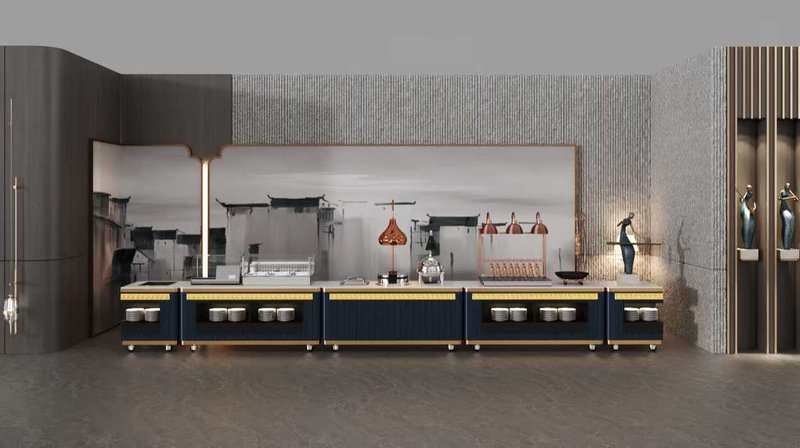
Understanding Energy Consumption in Commercial Kitchens
Commercial kitchens are among the most energy-intensive spaces in the hospitality industry. According to industry studies, food service establishments consume approximately 2.5 times more energy per square foot than other commercial buildings. Within this ecosystem, heating and holding equipment—including buffet stoves—account for a substantial portion of daily energy use. Traditional heating methods, such as open flames or inefficient warming trays, often waste significant energy through heat loss and inconsistent temperature regulation.
Modern buffet stoves address these inefficiencies through precision engineering. Unlike conventional equipment that maintains a constant high power draw, contemporary models utilize smart temperature control systems that modulate energy output based on real-time heating requirements. This fundamental shift from continuous high-power operation to dynamic, needs-based heating can reduce energy consumption by 30-50% compared to traditional alternatives.
Smart Temperature Control: The Game Changer
The cornerstone of energy-efficient buffet stoves lies in their intelligent temperature management systems. High-end models like the Electric Chafing Dish W07 feature adjustable temperature ranges (45–89°C / 113–192°F) with digital displays that allow staff to set precise holding temperatures. This precision eliminates the common practice of "overheating" food "just to be safe," which not only wastes energy but can also degrade food quality.
More advanced units incorporate "Smart Mode" technology, which automatically adjusts power output based on the food volume and ambient conditions. For instance, when the food pan is full and the surrounding environment is stable, the system reduces power to a maintenance level. As food is served and the ambient temperature drops, the system intelligently ramps up heating to compensate. This adaptive approach ensures optimal energy use without compromising food safety.
Thermal Efficiency: Maximizing Heat Retention
Thermal energy utilization rate is a critical metric for evaluating buffet stove efficiency. Premium models achieve thermal efficiency ratings of 80% or higher, meaning 80% of consumed energy directly contributes to heating the food, while only 20% is lost to the environment. The Full Size 11L Electric Chafer from the Lido Series exemplifies this efficiency with its 1100W power rating and rapid 12-minute heat-up time, minimizing the energy-intensive warm-up phase.
Several design factors contribute to superior thermal efficiency:
| Feature | Energy Impact | Efficiency Gain |
|---|---|---|
| Polished Stainless Steel Construction | Reflects heat inward, reducing radiation loss | 15-20% improvement |
| Tempered Glass Lids with Viewing Windows | Minimizes lid opening frequency, retains heat | 10-15% improvement |
| 3-Layer Base Design | Reduces conductive heat loss to surfaces | 20-25% improvement |
| Hydraulic Hinges | Controlled lid closure prevents heat escape | 5-10% improvement |
| Integrated Water Tanks | Provides uniform heat distribution via water bath | 25-30% improvement |
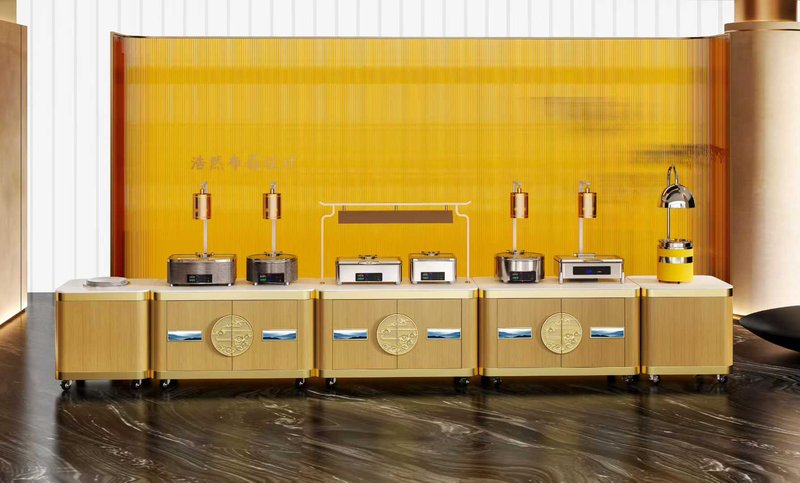
Rapid Heating Technology: Reducing Warm-Up Energy Costs
The energy consumed during the initial heating phase can be substantial, especially for restaurants that need to set up multiple buffet stations quickly. Traditional equipment may require 30-45 minutes to reach optimal serving temperatures, operating at maximum power throughout this period. In contrast, modern buffet stoves with rapid heating technology, such as the Lido Series, achieve target temperatures in just 12 minutes.
This rapid heat-up capability delivers dual benefits: it reduces the energy-intensive warm-up period and provides operational flexibility, allowing restaurants to activate buffet stations closer to service time. For establishments with variable customer flow, this means buffet stoves can remain off until needed, rather than running continuously "just in case."
Comparing Energy Consumption: Electric vs. Traditional Options
When evaluating energy efficiency, it's essential to compare modern electric buffet stoves with traditional alternatives:
| Equipment Type | Power Consumption | Heat Retention | Energy Efficiency Rating |
|---|---|---|---|
| Alcohol Chafing Fuel (Traditional) | Equivalent ~1500-2000W | Poor (2-4 hour burn time) | 40-50% |
| Basic Electric Warming Tray | 800-1200W continuous | Moderate | 60-65% |
| Standard Electric Chafing Dish | 400-900W variable | Good | 70-75% |
| Smart Electric Buffet Stove (e.g., W20 OLED) | 900W with smart modulation | Excellent | 80-85% |
The Electric Chafing Dish W20 represents the pinnacle of this evolution, featuring an OLED touchscreen interface that provides real-time energy usage feedback. This transparency allows kitchen managers to identify inefficient practices and optimize buffet station configurations for maximum energy savings.
Standby and Sleep Modes: Intelligent Power Management
Advanced buffet stoves incorporate standby and sleep modes that dramatically reduce energy consumption during off-peak periods. When the system detects that food temperatures have stabilized and service activity is low, it automatically switches to a low-power maintenance mode. Some models can reduce power consumption by up to 60% in standby mode while maintaining safe food holding temperatures.
This feature is particularly valuable for establishments that operate buffet service for extended hours but experience natural lulls in customer traffic. Instead of running at full power continuously, the equipment intelligently scales back energy use without compromising food safety—a win-win for both the environment and the bottom line.
Multi-Zone Heating: Targeted Energy Application
Not all food items require the same heating intensity. Modern buffet stoves with multi-zone heating capabilities allow different sections of the food pan to maintain different temperatures. For example, delicate items like scrambled eggs may require lower temperatures (60-65°C), while heartier dishes like stews can maintain at 80-85°C.
By applying energy only where and when needed, multi-zone systems can reduce overall power consumption by 20-30% compared to single-zone equipment that maintains uniform high temperatures across all food pans. This targeted approach also improves food quality by preventing overcooking or drying out sensitive items.
Long-Term Cost Savings: The Numbers Speak
Let's examine the financial impact of upgrading to energy-efficient buffet stoves. Consider a medium-sized restaurant operating 10 buffet stations for 12 hours daily:
- Traditional Equipment: 10 stations × 1500W equivalent × 12 hours = 180 kWh/day
- Energy-Efficient Models: 10 stations × 900W average × 12 hours = 108 kWh/day
- Daily Savings: 72 kWh (40% reduction)
- Monthly Savings (30 days): 2,160 kWh
- Annual Savings: ~25,920 kWh
At an average commercial electricity rate of $0.12 per kWh, this translates to annual savings of approximately $3,110—enough to offset the equipment upgrade cost within 12-18 months. Factor in potential rebates for energy-efficient equipment, and the payback period shortens even further.
Environmental Impact: Reducing Your Carbon Footprint
Beyond financial savings, energy-efficient buffet stoves contribute to sustainability goals. Using the example above, reducing consumption by 25,920 kWh annually equates to avoiding approximately 18.1 metric tons of CO2 emissions (based on the U.S. average of 0.7 kg CO2 per kWh). For restaurants pursuing green certifications or simply aiming to reduce their environmental impact, this represents a meaningful contribution.
Maintenance and Longevity: Preserving Efficiency Over Time
Energy efficiency isn't just about initial performance—it's about maintaining that efficiency throughout the equipment's lifecycle. High-quality buffet stoves are constructed with 304 stainless steel, which resists corrosion and maintains thermal conductivity over years of use. Features like dry-burn protection not only prevent catastrophic failures but also ensure the equipment operates within its optimal efficiency parameters.
Regular maintenance, such as descaling water tanks and cleaning heating elements, further preserves energy efficiency. Modern units often include maintenance reminders via digital displays, helping staff stay on top of these critical tasks.
Making the Switch: Practical Considerations
Transitioning to energy-efficient buffet stoves requires thoughtful planning:
- Audit Current Equipment: Identify which buffet stations consume the most energy and prioritize their replacement.
- Calculate ROI: Use your actual electricity rates and usage patterns to project savings.
- Consider Phased Implementation: Replace equipment gradually to spread costs while beginning to realize savings immediately.
- Train Staff: Ensure team members understand how to use smart features like temperature presets and standby modes.
- Monitor Results: Track energy bills before and after implementation to quantify savings.
Conclusion
Energy-efficient buffet stoves represent a rare combination of cost savings, operational improvement, and environmental responsibility. With features like smart temperature control, rapid heating, multi-zone capabilities, and intelligent power management, modern units from BAVA's chafing dish collection deliver measurable benefits that extend far beyond the kitchen.
For restaurant owners committed to sustainable operations without compromising food quality or service efficiency, upgrading to energy-efficient buffet stoves is not just an option—it's a strategic imperative. The technology exists today to cut energy costs by 30-50% while enhancing your buffet's performance. The question isn't whether you can afford to upgrade, but whether you can afford not to.
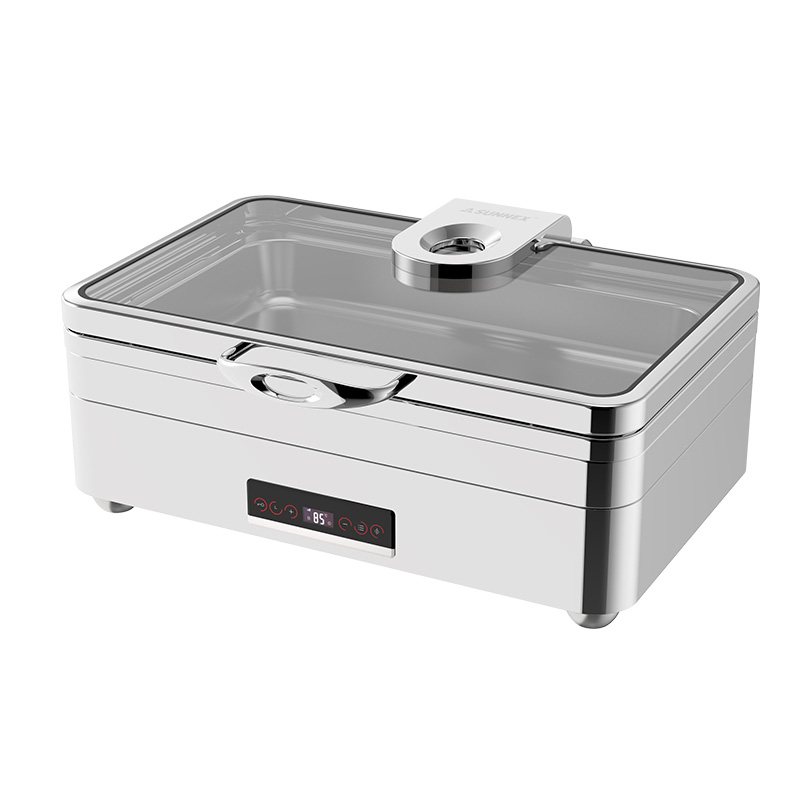
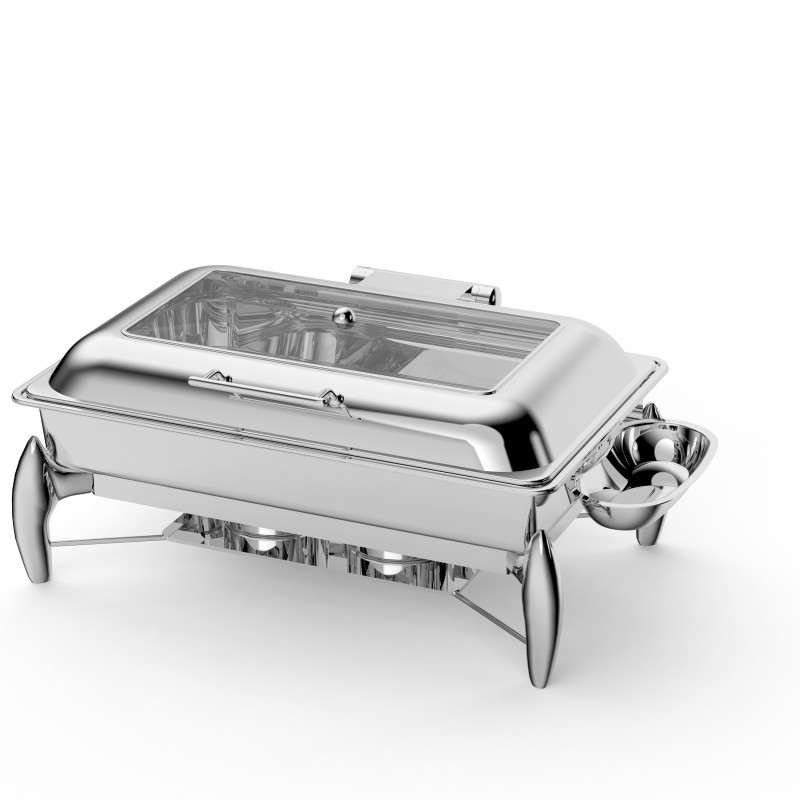
Electric Chafing Dish-W07
900W Rapid Heating Chafing Dish with Intelligent Temperature Control System Multi-Safety Protection Anti-Dry Heat Flash Alarm 45-89°C Adjustable Temp for Buffet Restaurant. This model features smart modulation technology that reduces energy consumption by automatically adjusting power output based on real-time heating requirements, making it an ideal choice for energy-conscious restaurants.

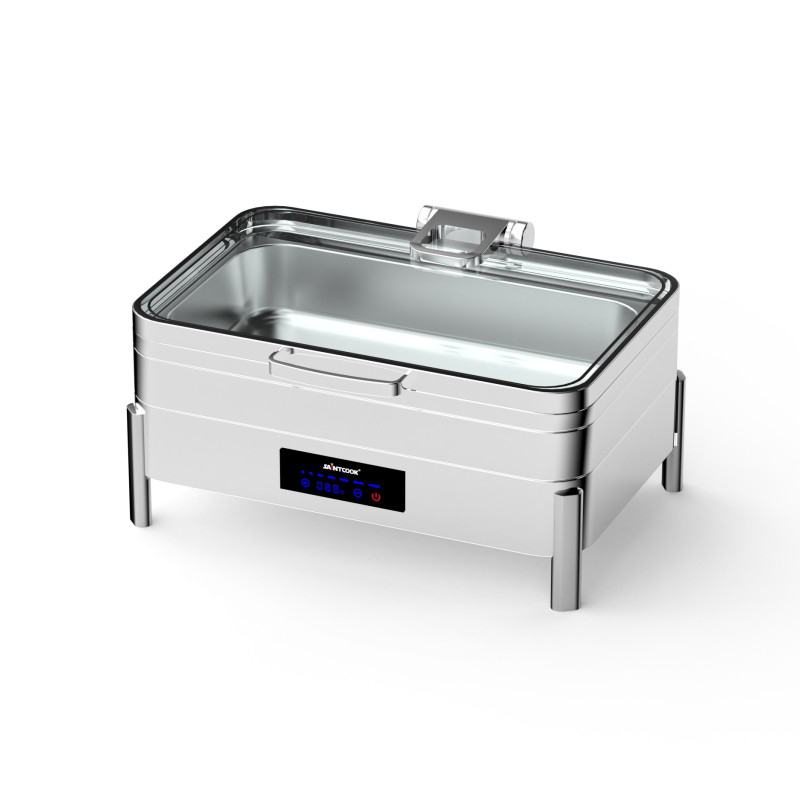
Electric Chafing Dishes-W20
900W Electric Chafing Dish - 304 Stainless Steel with OLED Touchscreen & 3-Layer Base. The OLED interface provides real-time energy usage feedback, allowing kitchen managers to optimize buffet configurations for maximum energy savings while maintaining precise temperature control for superior food quality.
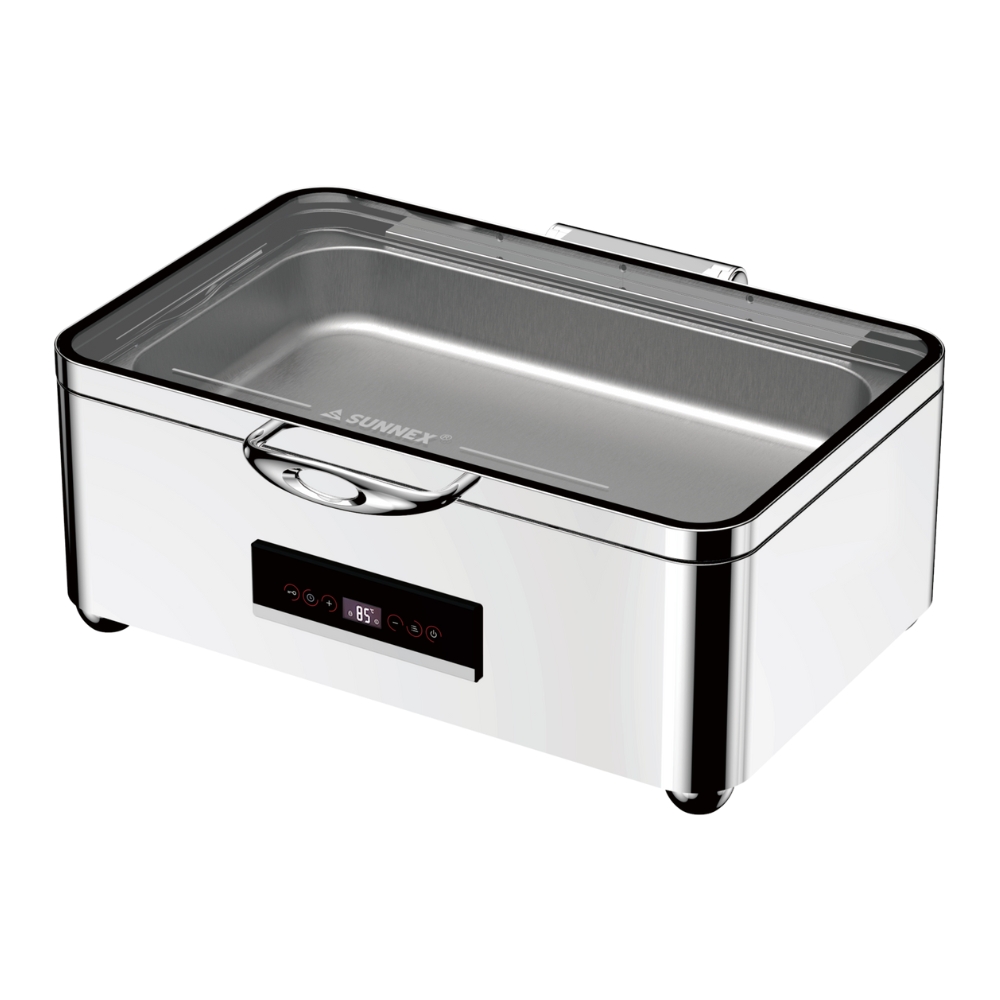
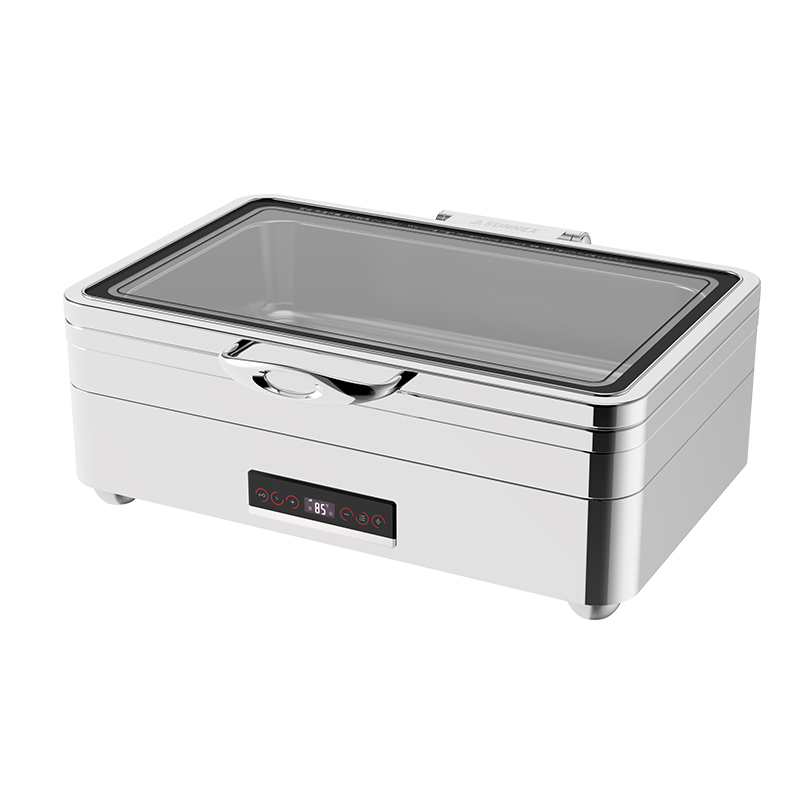
Full Size 11L Electric Chafer
Sunnex Full Size 11L Electric Chafer Lido Series W27-1100. 1100W with 12-min rapid heat-up, thermal efficiency >=80%, digital temp display, Smart Mode, polished stainless steel. Ideal for hotels and catering. The Lido Series represents the gold standard in energy-efficient buffet equipment, combining rapid heating technology with industry-leading thermal efficiency.
Related Articles
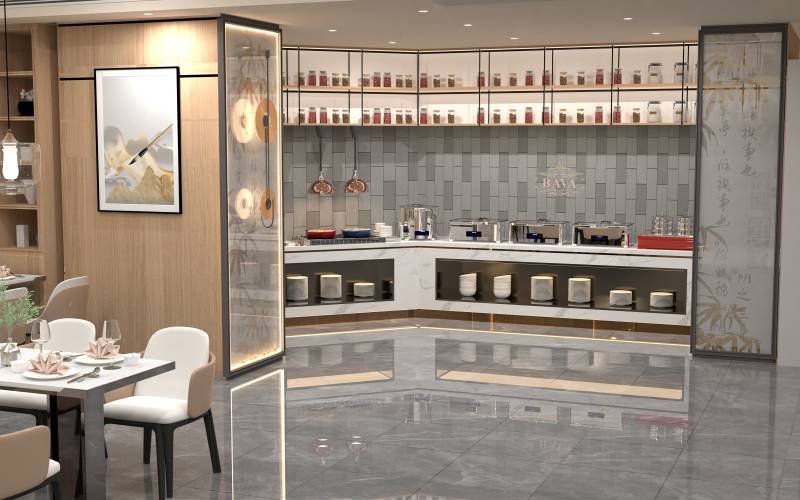
Electric Buffet Warmer with Adjustable Thermostat for Restaurants
Discover the best Electric Buffet Warmer with Adjustable Thermostat for Restaurants solutions. Real ...
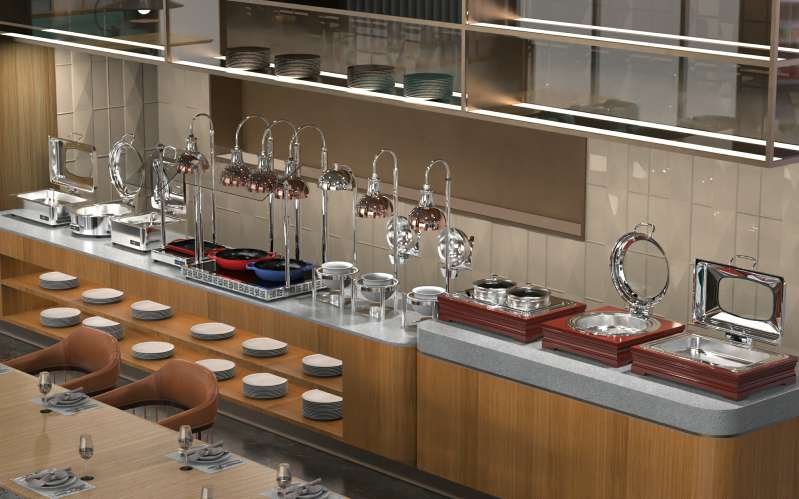
Mini Chafing Dish for Breakfast Buffet & Condiment Stations
Discover the best Mini Chafing Dish for Breakfast Buffet & Condiment Stations solutions. Real case s...
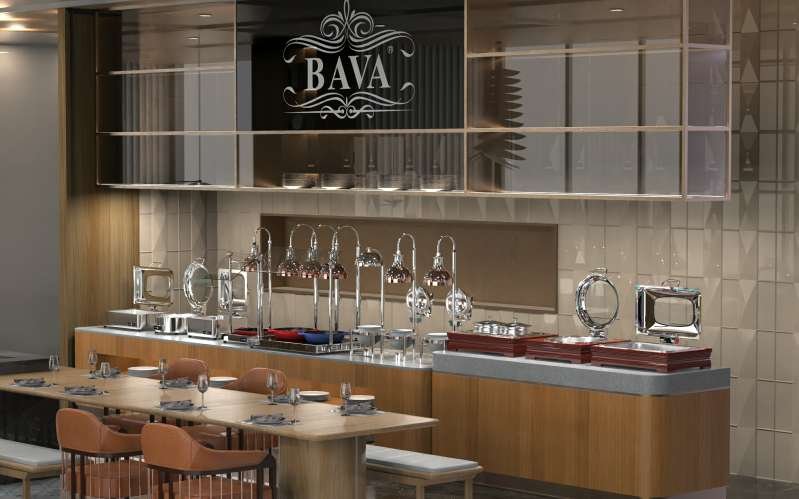
9QT Extra-Large Chafing Dish for Large-Scale Banquet Events
Discover the best 9QT Extra-Large Chafing Dish for Large-Scale Banquet Events solutions. Real case s...
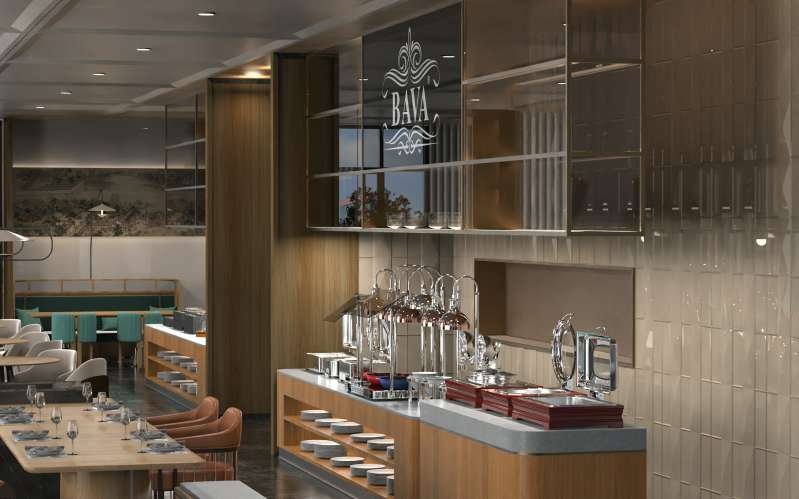
Wall-Mounted Buffet Stove for Space-Saving Kitchen Layouts
Discover the best Wall-Mounted Buffet Stove for Space-Saving Kitchen Layouts solutions. Real case st...
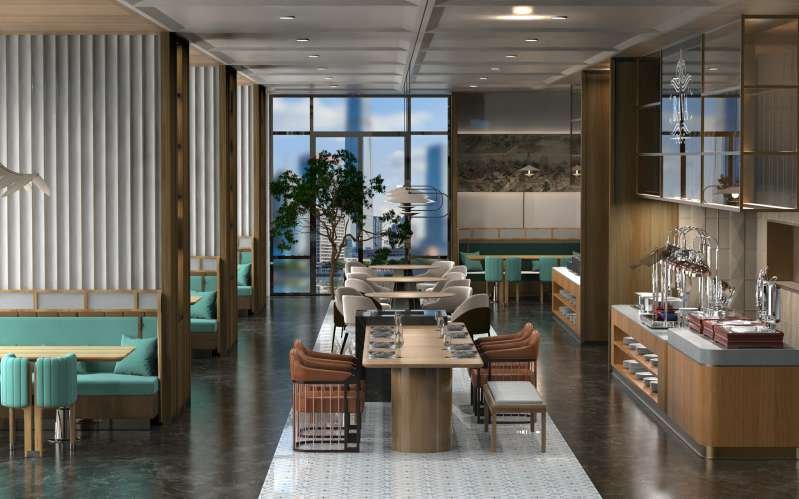
Stainless Steel Food Warmer for Supermarket Deli Departments
Discover the best Stainless Steel Food Warmer for Supermarket Deli Departments solutions. Real case ...
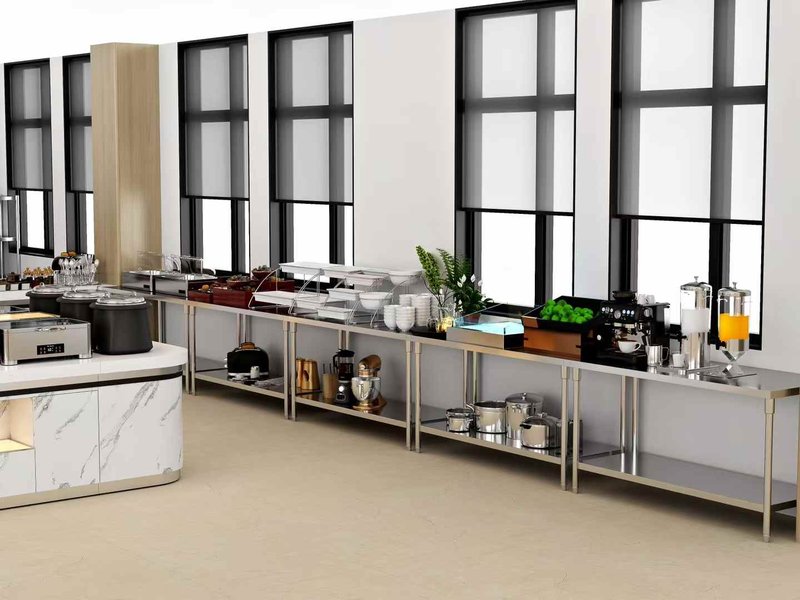
Commercial Chafer Dish with Temperature Control for Food Safety
Discover the best Commercial Chafer Dish with Temperature Control for Food Safety solutions. Real ca...