
Energy-Efficient Buffet Stoves: Saving Money While Keeping Food Hot
In the competitive restaurant industry, every penny counts. Energy costs are a significant expense for buffet-style establishments, where keeping food at safe temperatures around the clock is non-negotiable. Energy-efficient buffet stoves have emerged as a game-changer, offering a way to slash operating costs without compromising food quality or safety. These modern appliances combine advanced heating technology with smart design to deliver consistent results while using a fraction of the energy of traditional equipment.
How Energy-Efficient Buffet Stoves Work
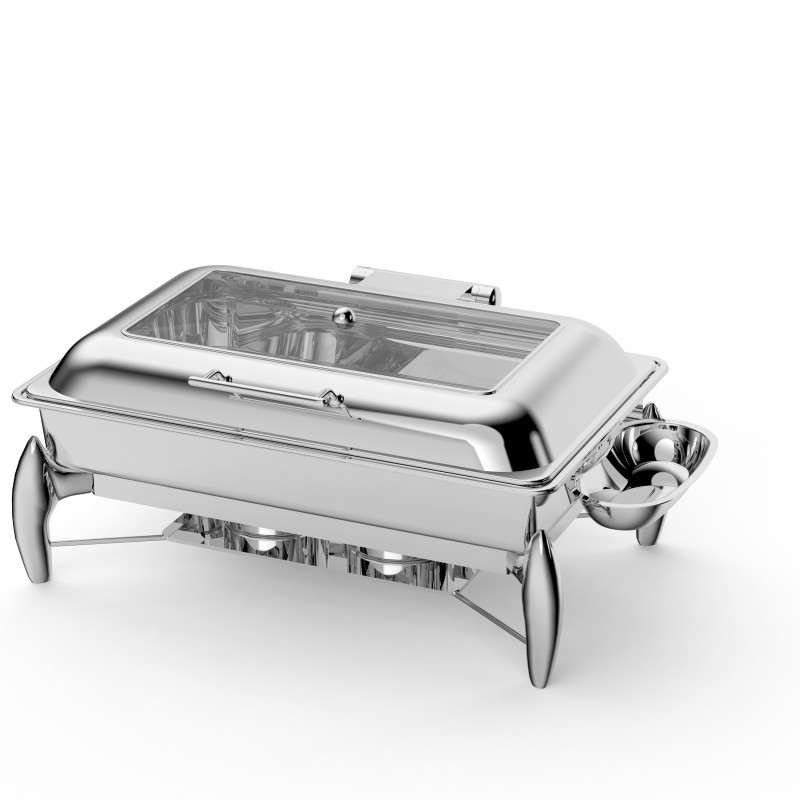
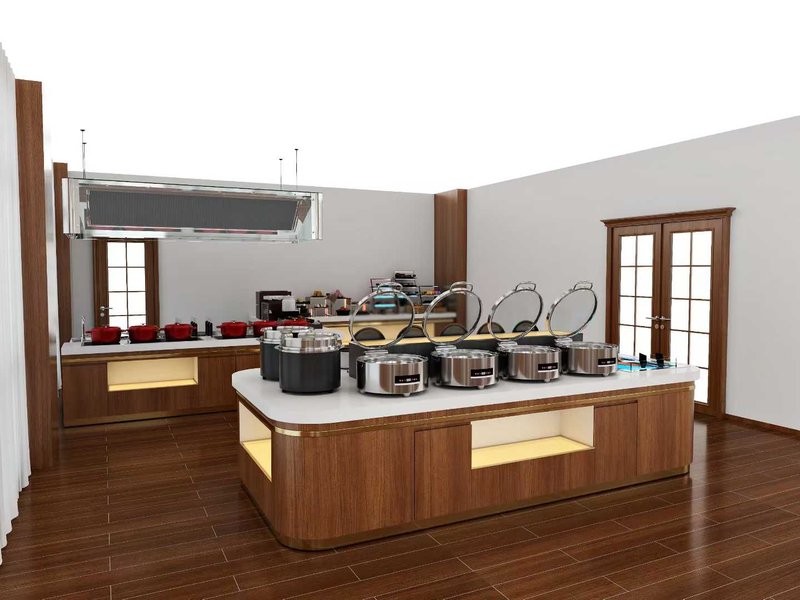
Unlike traditional chafing dishes that rely on open flames or inefficient heating elements, energy-efficient buffet stoves use advanced technologies like induction heating, digital temperature control, and insulated designs to minimize energy waste. For example, the Sunnex Full Size 11L Electric Chafer features 1100W rapid heating that reaches optimal temperature in just 12 minutes, with a thermal efficiency rating of ≥80%—far higher than standard models that often waste 30-40% of energy as excess heat.
Smart temperature control systems maintain a consistent temperature range (typically 60-93°C) without constant power surges. This not only reduces energy consumption but also prevents food from overcooking or drying out, a common issue with less precise equipment.
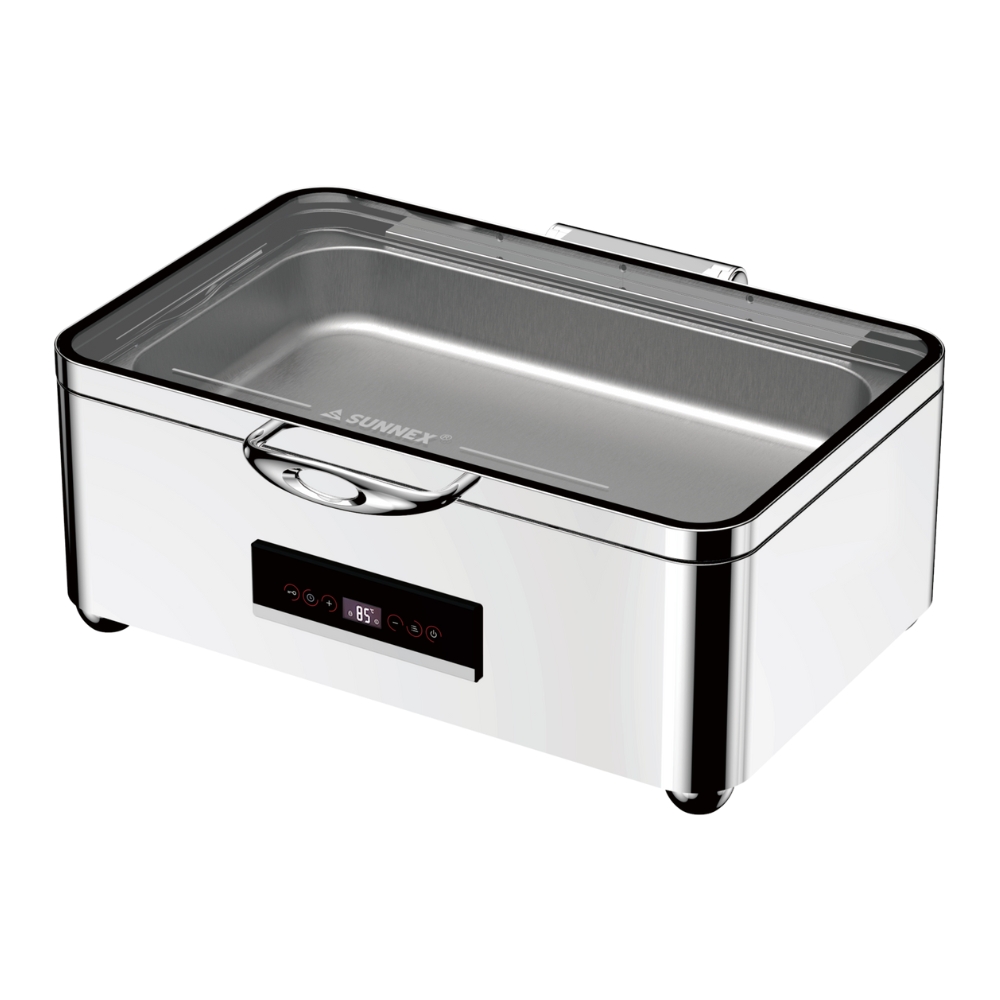
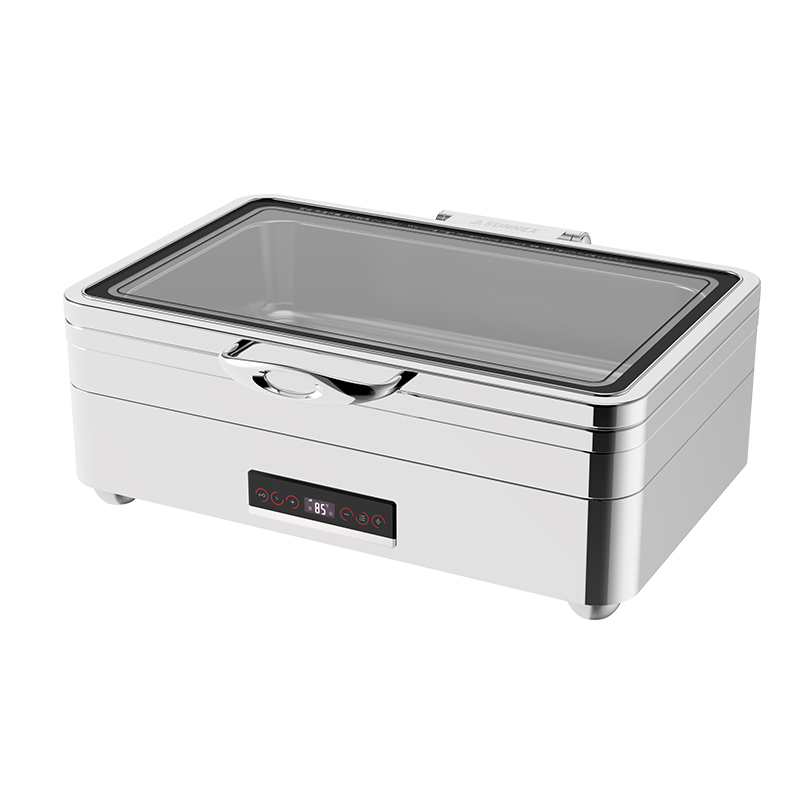
Full Size 11L Electric Chafer (Lido Series W27-1100)
This commercial-grade electric chafer is designed for high-volume buffet operations, featuring 1100W rapid heating, digital temperature display, and smart mode for automated energy management. Its polished stainless steel construction is durable and easy to clean, while the ≥80% thermal efficiency rating ensures you get the most out of every watt. Ideal for hotels, catering events, and busy restaurants, it reduces energy waste while keeping large batches of food at safe serving temperatures for hours.
Cost Savings You Can Count On
The primary appeal of energy-efficient buffet stoves is their ability to cut operating costs. A typical restaurant using traditional heating equipment might spend $500-$1000 per month on energy for food warming alone. Switching to energy-efficient models can reduce this expense by 30-50%, depending on usage and local energy rates. Over a year, this adds up to thousands of dollars in savings—money that can be reinvested into other areas of your business, from staff training to menu development.
Beyond direct energy savings, these stoves also reduce food waste. Consistent temperature control prevents food from sitting in the "danger zone" (4-60°C) where bacteria grow rapidly, reducing the need to discard spoiled items. They also eliminate hot spots that can overcook delicate dishes, extending the usable life of your buffet offerings.
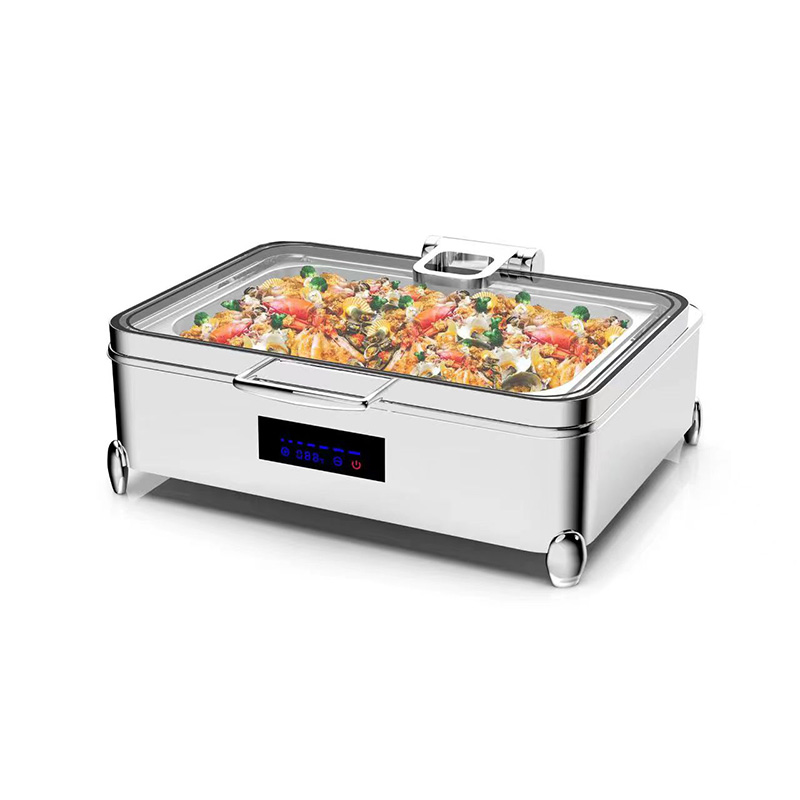
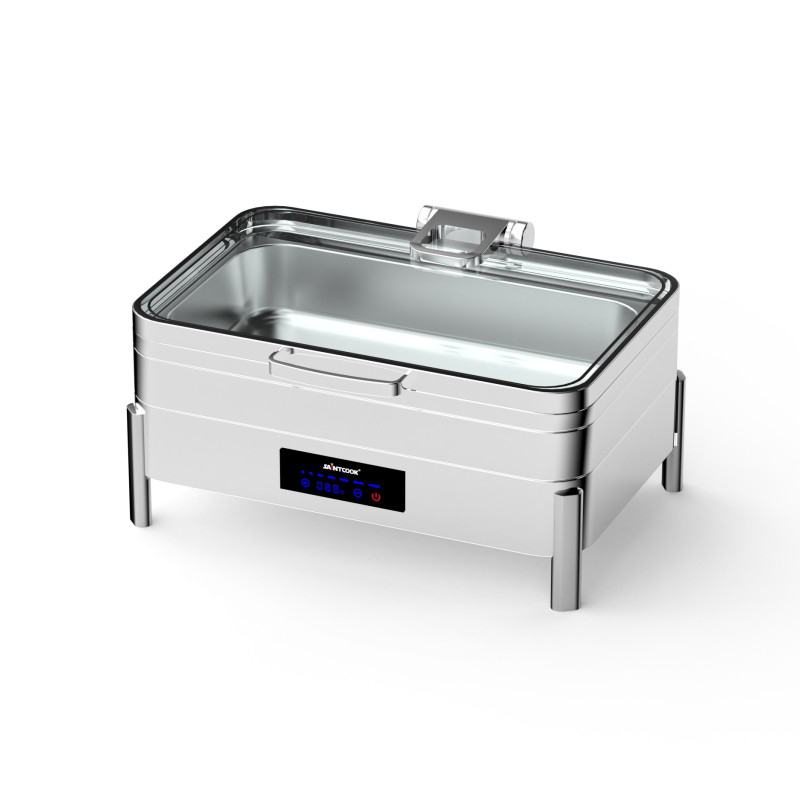
Electric Chafing Dish Food Warmer
This 400W commercial food warmer is perfect for smaller buffet stations or specialty dishes that require precise temperature control. With adjustable temperature settings (60–93°C) and a 2.5L water tank for gentle, even heating, it keeps soups, sauces, and main dishes at optimal serving temperatures without drying them out. Its compact 304 stainless steel design is easy to integrate into existing buffet setups, and the CE/ETL certifications ensure compliance with food safety standards.
Traditional vs Energy-Efficient Buffet Stoves
| Feature | Traditional Buffet Stoves | Energy-Efficient Models |
|---|---|---|
| Thermal Efficiency | 40-60% | ≥80% |
| Heating Time to 60°C | 20-30 minutes | 8-15 minutes |
| Monthly Energy Cost (Average) | $600-$1000 | $300-$600 |
| Temperature Consistency | Poor, frequent fluctuations | Excellent, ±2°C variance |
| Food Waste Reduction | Minimal | 20-30% less waste |
Choosing the Right Energy-Efficient Buffet Stove
When selecting an energy-efficient buffet stove, consider your establishment's volume and menu. High-volume hotels and banquet halls may benefit from larger 11L models with multiple heating zones, while smaller cafes or breakfast buffets might prefer compact 5.5L units. Look for features like digital temperature displays, automatic shut-off, and dry-burn protection to maximize safety and efficiency.
Regular maintenance also plays a role in maintaining energy efficiency. Clean heating elements regularly to remove food residue that can act as insulation, and check seals and gaskets to prevent heat loss. Following the manufacturer's maintenance guidelines can extend the life of your equipment by 3-5 years, further boosting your return on investment.
Final Thoughts
Energy-efficient buffet stoves are no longer a luxury—they're a necessity for restaurants looking to stay competitive in a cost-conscious market. By reducing energy bills, cutting food waste, and ensuring consistent food quality, these appliances deliver a strong return on investment within 12-18 months of use. Whether you're running a small cafe or a large hotel buffet, upgrading to energy-efficient equipment is a smart move that benefits your bottom line and your customers alike.
Related Articles
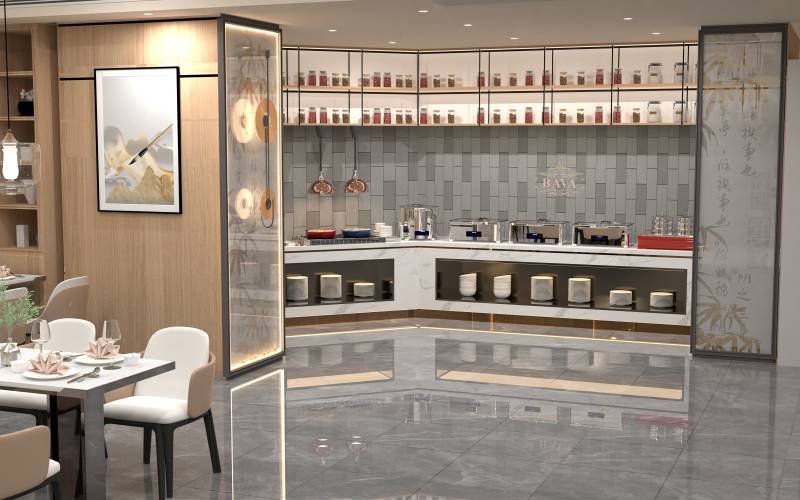
Electric Buffet Warmer with Adjustable Thermostat for Restaurants
Discover the best Electric Buffet Warmer with Adjustable Thermostat for Restaurants solutions. Real ...
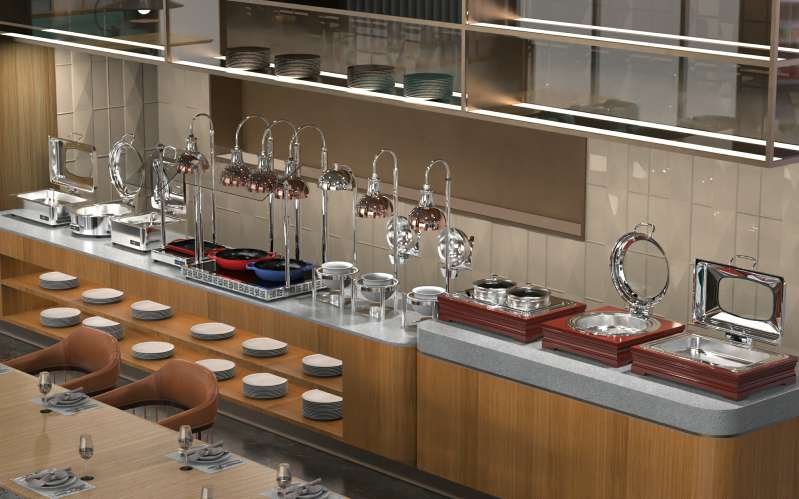
Mini Chafing Dish for Breakfast Buffet & Condiment Stations
Discover the best Mini Chafing Dish for Breakfast Buffet & Condiment Stations solutions. Real case s...
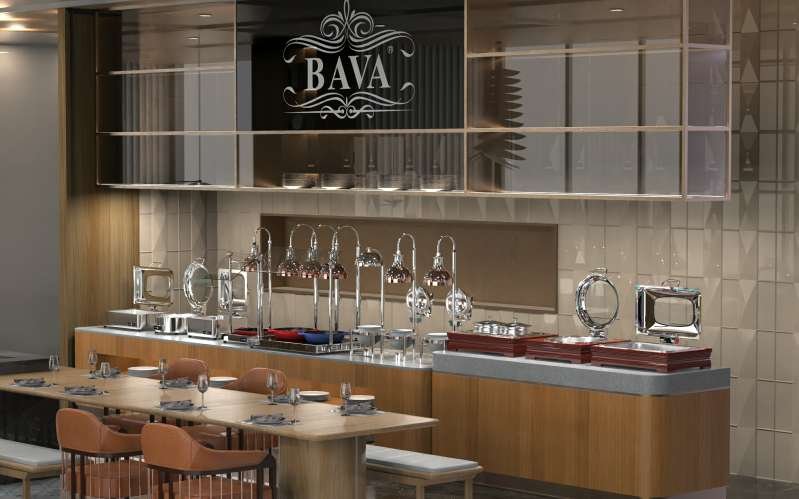
9QT Extra-Large Chafing Dish for Large-Scale Banquet Events
Discover the best 9QT Extra-Large Chafing Dish for Large-Scale Banquet Events solutions. Real case s...
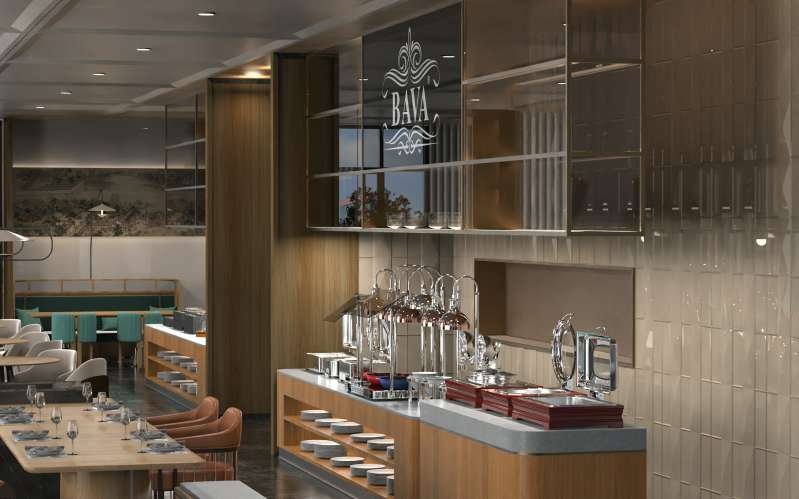
Wall-Mounted Buffet Stove for Space-Saving Kitchen Layouts
Discover the best Wall-Mounted Buffet Stove for Space-Saving Kitchen Layouts solutions. Real case st...
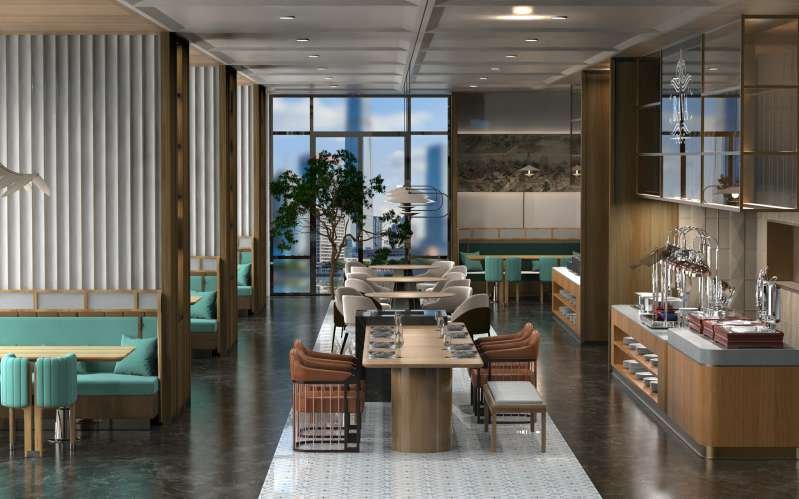
Stainless Steel Food Warmer for Supermarket Deli Departments
Discover the best Stainless Steel Food Warmer for Supermarket Deli Departments solutions. Real case ...
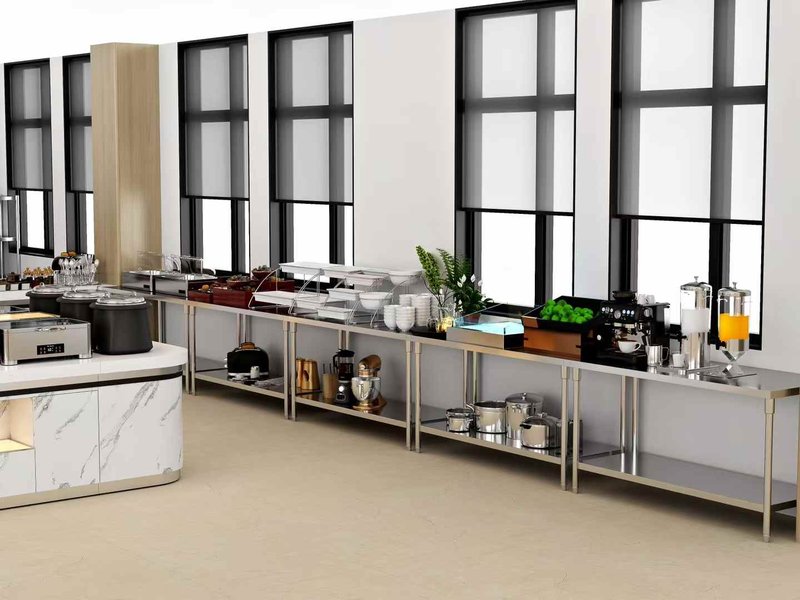
Commercial Chafer Dish with Temperature Control for Food Safety
Discover the best Commercial Chafer Dish with Temperature Control for Food Safety solutions. Real ca...