
Buffet Stove vs Chafing Dish: Which is Right for Your Restaurant?
When setting up a buffet line for your restaurant, hotel, or catering business, one of the most critical decisions you'll make is choosing between a buffet stove and a traditional chafing dish. Both are designed to keep food warm for extended periods, but they operate on completely different principles, come with distinct costs, and suit different types of operations. In this detailed comparison, we'll break down the key differences between buffet stoves and chafing dishes across every metric that matters to restaurant owners: heating efficiency, temperature control, operating costs, maintenance, and ideal use cases. By the end, you'll know exactly which option fits your business needs.
Core Differences at a Glance
Before diving into detailed analysis, here's a quick overview of how buffet stoves and chafing dishes compare across key metrics:
| Feature | Buffet Stove | Chafing Dish (Traditional) |
|---|---|---|
| Heating Method | Electric (400W-1100W) or built-in heating element | Alcohol gel/liquid fuel canisters |
| Temperature Control | Adjustable digital/ manual control (45°C-93°C) | No temperature control, depends on fuel burn rate |
| Heat-Up Time | 8-15 minutes to optimal temperature | 5-10 minutes to initial heat |
| Runtime Per Service | Continuous (plug-in) or 2-4 hours (fuel model) | 2-4 hours per fuel canister |
| Operating Cost (Per Day) | $0.50-$1.50 (electric) / $2-$3 (fuel) | $3-$6 (2-3 fuel canisters per service) |
| Maintenance | Descaling, wipe-down; 5-7 year lifespan | Clean fuel residue, replace canisters; 3-5 year lifespan |
| Ideal For | High-volume hotels, busy restaurants, all-day buffets | Small cafes, outdoor events, occasional catering |
Heating Efficiency and Temperature Consistency
The biggest functional difference between buffet stoves and chafing dishes is how they maintain heat. Buffet stoves use either electric heating elements or built-in burners with thermostatic control, which means you can set an exact temperature (say 65°C for soups or 75°C for fried foods) and trust that the unit will maintain that level for the entire service. Most models include overheat protection and dry-burn alarms to prevent equipment damage.
Traditional chafing dishes rely on canned alcohol fuel, which burns at an inconsistent rate. As the fuel burns down, the heat output drops, meaning food at the edges of the pan cools faster than food in the center. You'll also need to replace fuel canisters every 2-4 hours, which interrupts service and requires staff to handle open flames. For high-volume operations serving 200+ guests per service, buffet stoves are the only option that guarantees consistent food temperature from the first seating to the last.
Operating Costs Over Time
While a basic chafing dish has a lower upfront cost ($30-$80 vs $150-$400 for a buffet stove), the ongoing operating costs tell a different story. A single fuel canister costs $1.50-$2.00 and lasts 2-4 hours, meaning a busy restaurant running 3 services a day will spend $9-$18 daily on fuel alone for a single chafing dish. Over a year, that adds up to $3,285-$6,570 per unit.
Electric buffet stoves use 400W-1100W of power, which translates to $0.50-$1.50 per day in electricity costs for 8 hours of use. Even fuel-powered buffet stoves (which use larger, more efficient fuel tanks) cost only $2-$3 per day to operate. Over a 5-year lifespan, a buffet stove will save you $10,000+ in operating costs compared to a traditional chafing dish for a single unit.
Maintenance and Durability
Both options are made from 304 stainless steel for durability, but buffet stoves have fewer moving parts and no open flames, which reduces wear and tear. Electric models only require occasional descaling (for units with water tanks) and regular wipe-downs, with most components being dishwasher safe. Fuel-powered buffet stoves need occasional fuel line checks, but no daily maintenance beyond wiping down the unit.
Traditional chafing dishes require daily cleaning to remove fuel residue from the burner tray, and you'll need to replace worn gaskets, hinges, and lids every 1-2 years. The open flame also poses a higher risk of damage to surrounding surfaces, and staff need training to handle fuel canisters safely. For restaurants with high staff turnover, buffet stoves are far easier to train new employees to use safely.
Product Recommendations
If you've decided a buffet stove is the right choice for your operation, here are three top-rated models from BAVA's commercial lineup:
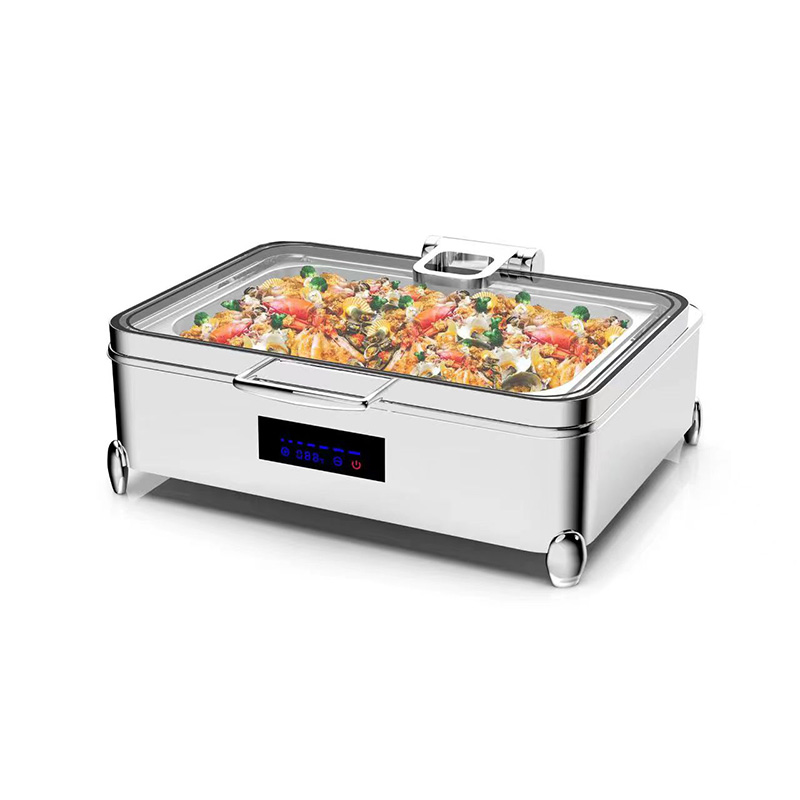
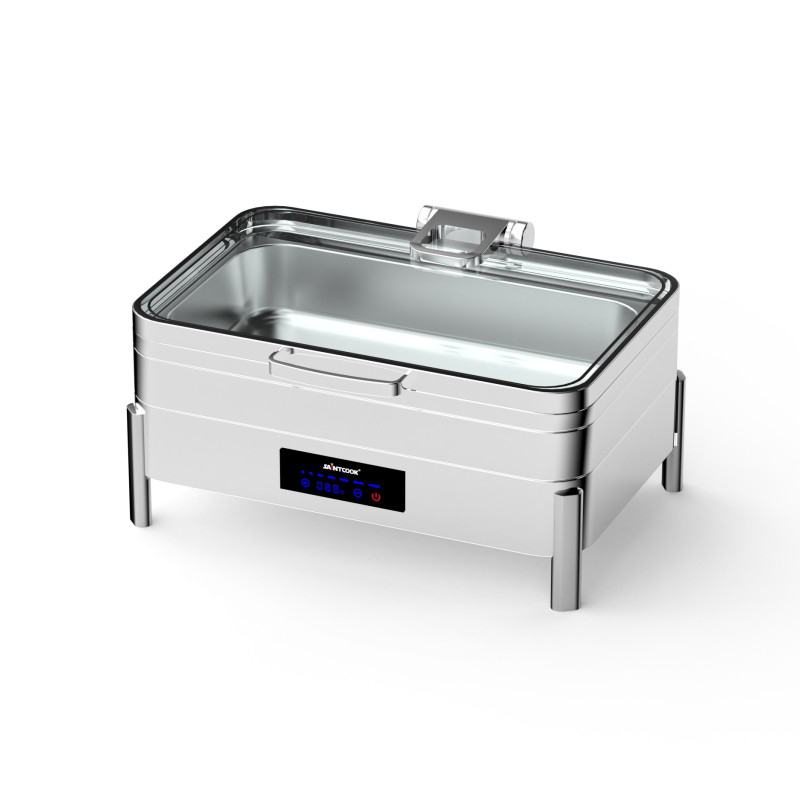
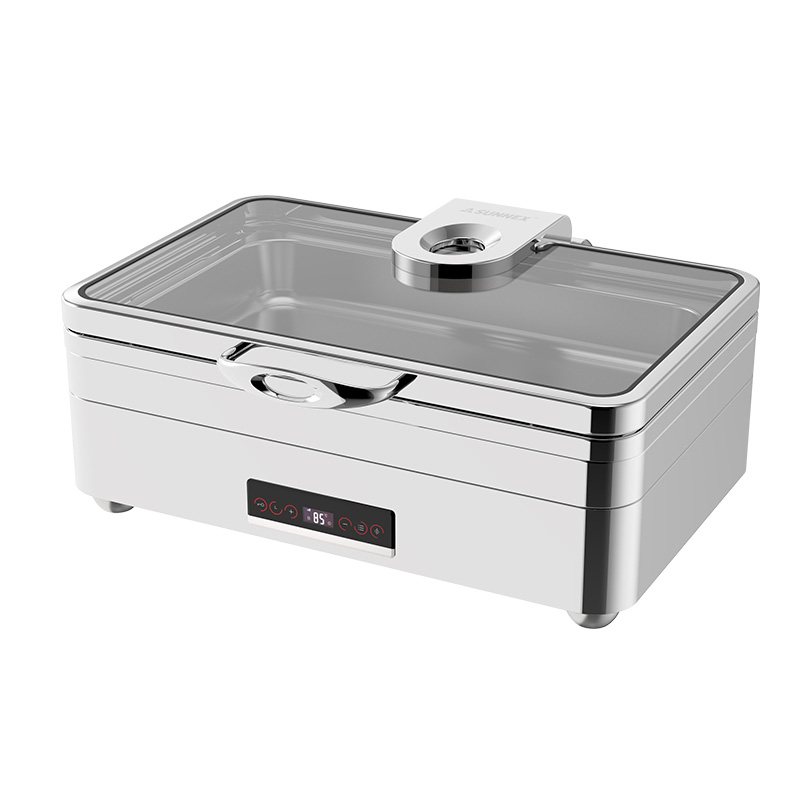
Electric Chafing Dish Food Warmer
This 400W commercial-grade unit is perfect for small to medium restaurants, with adjustable temperature control between 60-93°C and a 2.5L water tank for even heat distribution. It's made from food-grade 304 stainless steel, comes with CE/ETL certifications, and reaches optimal temperature in just 15 minutes. The digital display lets staff monitor heat levels at a glance, and the compact size fits easily on any buffet line.
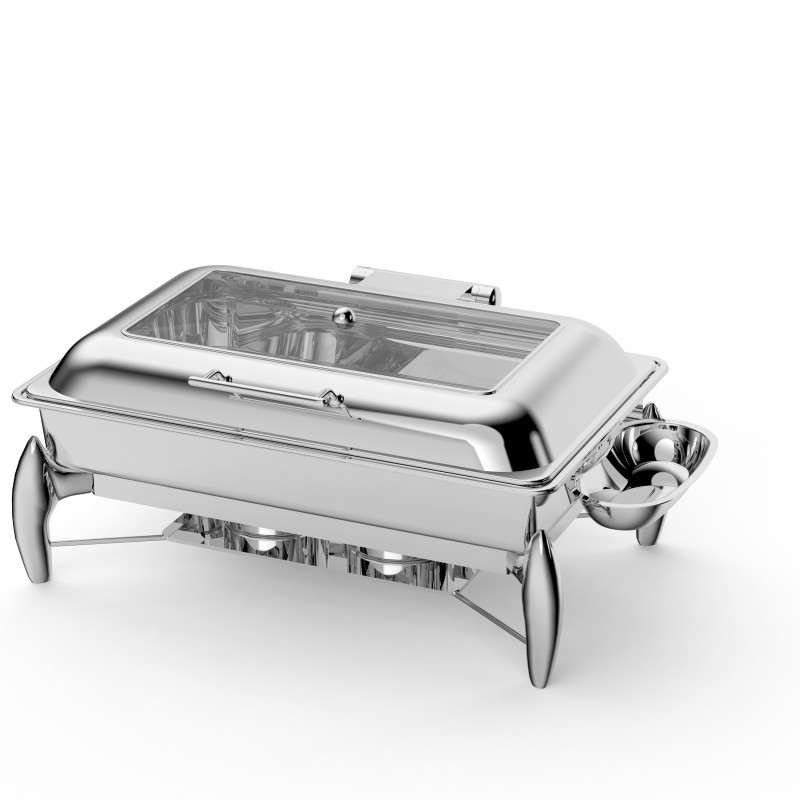
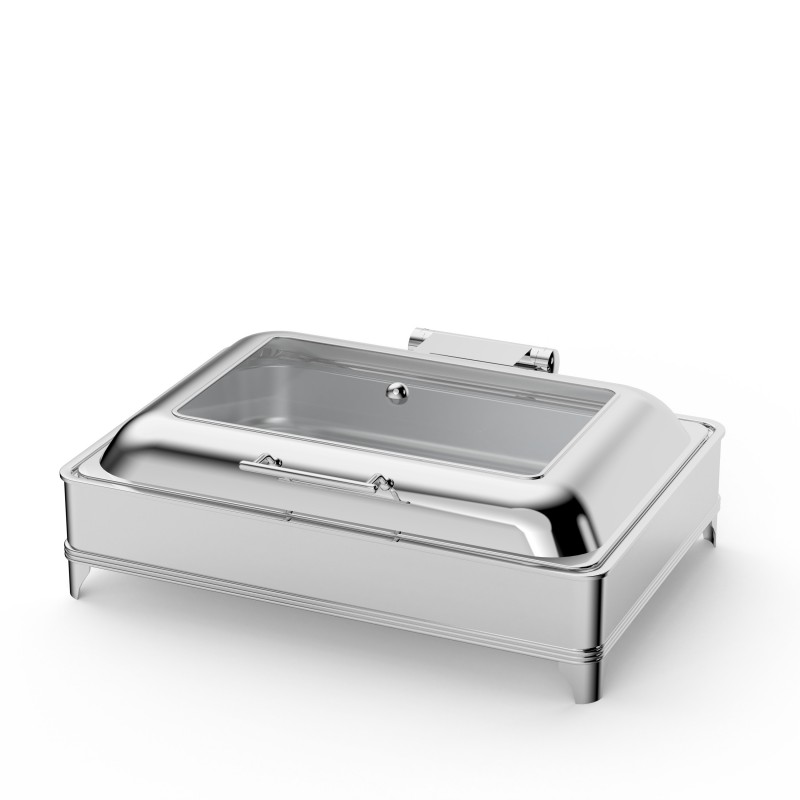
Fuel Chafing Dish-HC380Z
For operations that need portability (outdoor events, remote catering), this fuel-powered model features a hinged glass lid with a viewing window, hydraulic hinges, and dry-heat protection. It uses standard alcohol fuel canisters, has a polished stainless steel finish, and includes a 2-4 hour burn time per canister. The glass lid lets guests see food without lifting the cover, reducing heat loss during service.
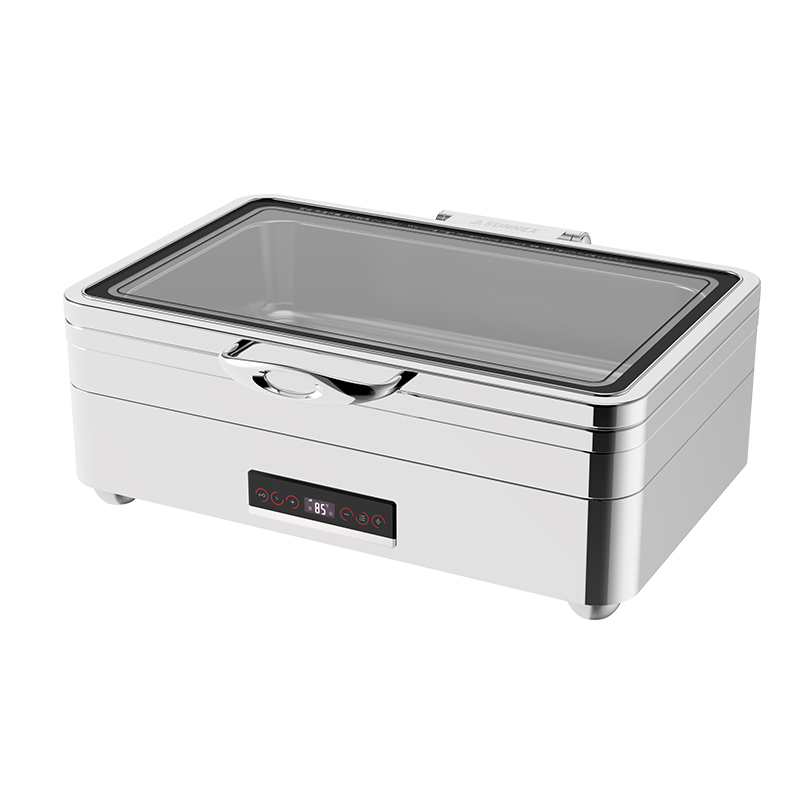
Stainless Steel Electric Buffet Warmer with Visible Window
This 400W electric model includes a tempered glass viewing window so staff can check food levels without lifting the lid, a 45-90°C temperature range, and compatibility with standard GN 1/1 food pans. It's ideal for hotels and banquet halls, with a sleek polished finish that complements any buffet decor. The unit reaches 60°C in 15 minutes and maintains consistent heat for 8+ hours of continuous use.
Which One Should You Choose?
Choose a buffet stove if: you run a high-volume restaurant, hotel, or catering business with daily buffet service; you need consistent temperature control for food safety; you want to reduce long-term operating costs; or you have staff with limited training.
Choose a traditional chafing dish if: you run a small cafe with occasional buffet service; you host outdoor events without reliable electricity; you have a very tight upfront budget; or you only need to keep food warm for 2-4 hours at a time.
For 90% of commercial food service operations, a buffet stove is the more cost-effective, reliable choice that will improve your service quality and reduce labor costs over time.
Related Articles
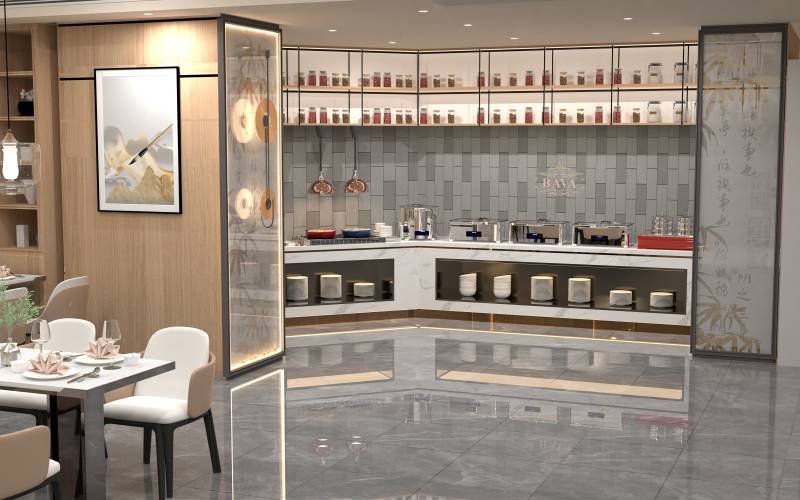
Electric Buffet Warmer with Adjustable Thermostat for Restaurants
Discover the best Electric Buffet Warmer with Adjustable Thermostat for Restaurants solutions. Real ...
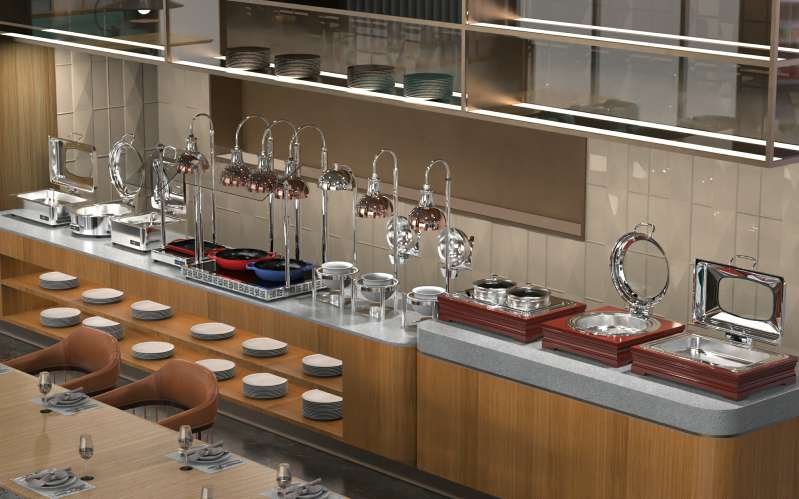
Mini Chafing Dish for Breakfast Buffet & Condiment Stations
Discover the best Mini Chafing Dish for Breakfast Buffet & Condiment Stations solutions. Real case s...
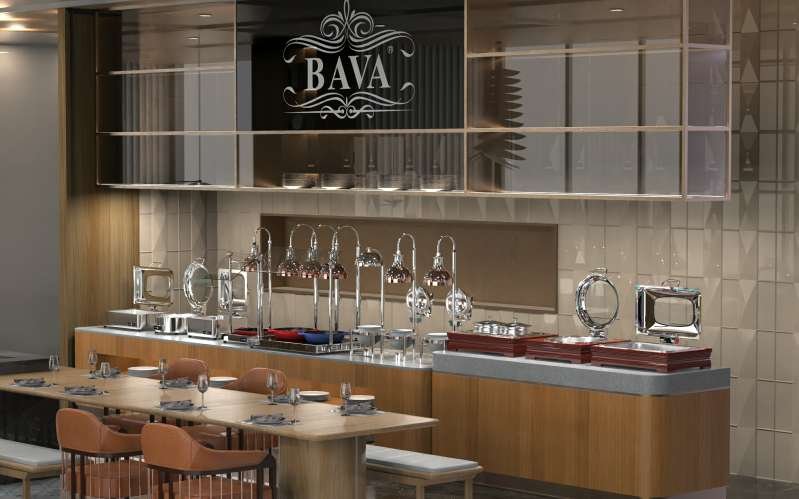
9QT Extra-Large Chafing Dish for Large-Scale Banquet Events
Discover the best 9QT Extra-Large Chafing Dish for Large-Scale Banquet Events solutions. Real case s...
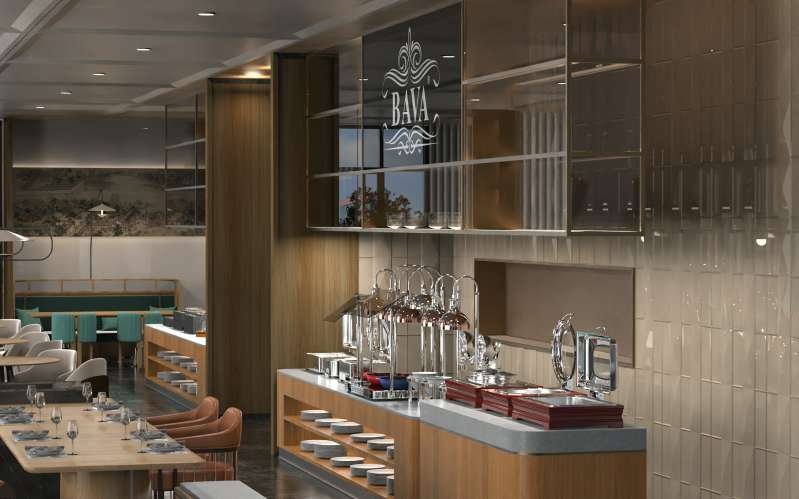
Wall-Mounted Buffet Stove for Space-Saving Kitchen Layouts
Discover the best Wall-Mounted Buffet Stove for Space-Saving Kitchen Layouts solutions. Real case st...
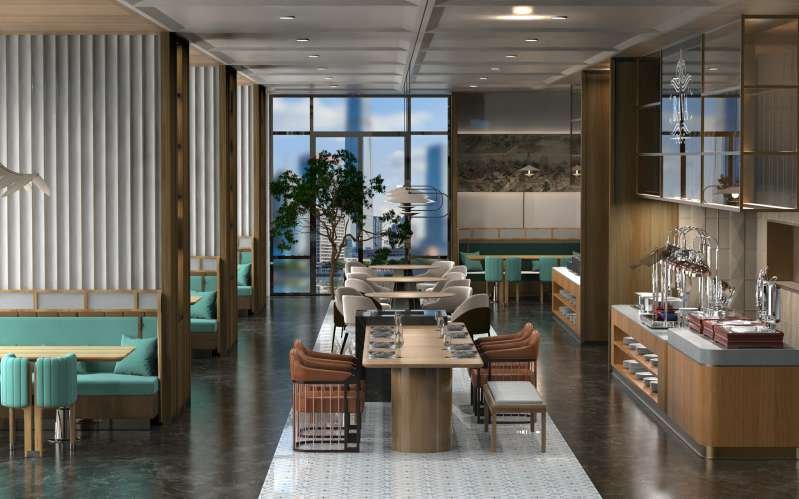
Stainless Steel Food Warmer for Supermarket Deli Departments
Discover the best Stainless Steel Food Warmer for Supermarket Deli Departments solutions. Real case ...
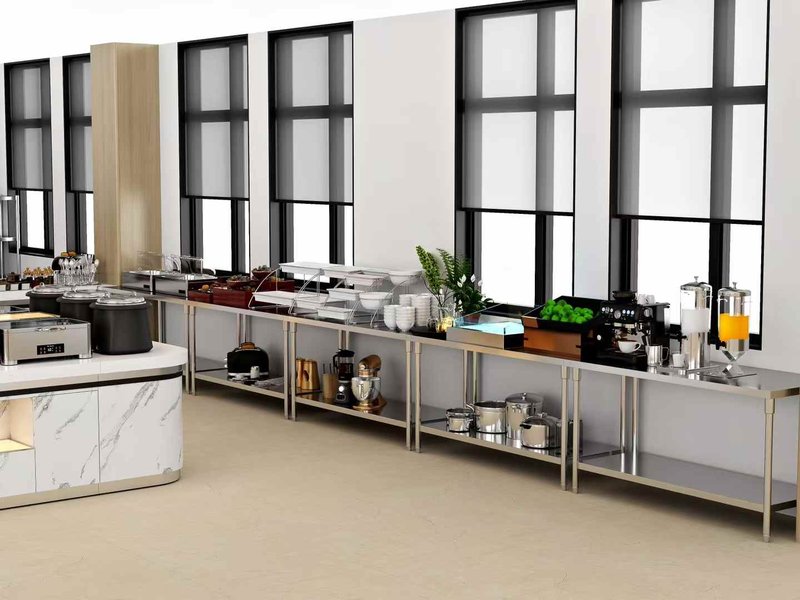
Commercial Chafer Dish with Temperature Control for Food Safety
Discover the best Commercial Chafer Dish with Temperature Control for Food Safety solutions. Real ca...