
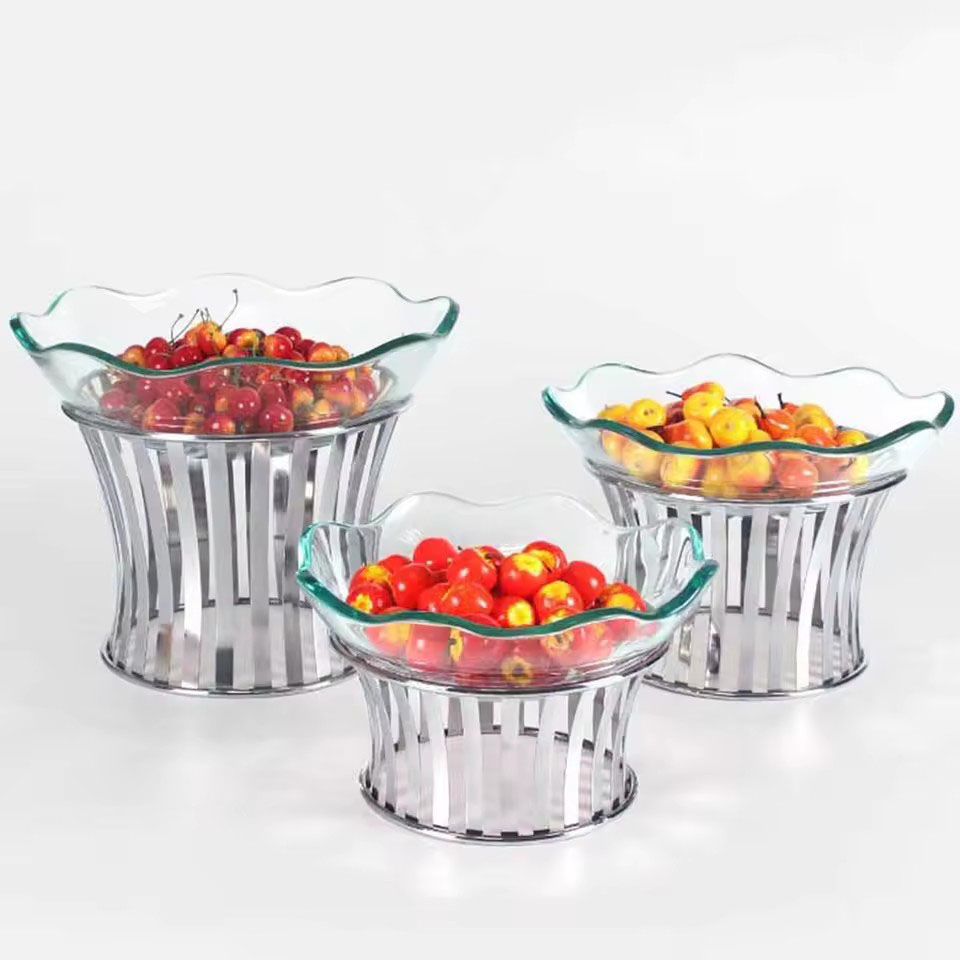
Choosing Between Gas and Electric Buffet Stoves: What's Best for Your Restaurant?
Choosing Between Gas and Electric Buffet Stoves: What's Best for Your Restaurant?
Choosing the right buffet stove for your restaurant is a critical decision that affects food quality, operational efficiency, and customer satisfaction. With gas and electric models each offering distinct advantages, understanding their differences helps you make an informed choice tailored to your specific needs. Whether you're running a high-volume hotel buffet, a cozy bed-and-breakfast, or a bustling catering business, the heating equipment you select will directly impact your daily operations.
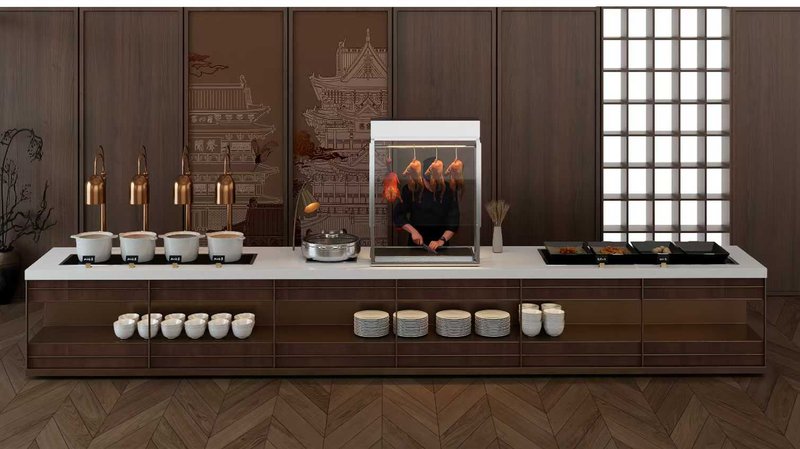
The debate between gas and electric buffet stoves has been ongoing in the food service industry for years. Each type comes with its own set of characteristics that make it suitable for different scenarios. Gas-powered units typically refer to alcohol fuel chafing dishes or propane-powered equipment, while electric models plug into standard power outlets and offer digital temperature controls. Your decision should factor in your venue's infrastructure, budget, menu offerings, and service style.
Understanding the Two Technologies
Gas (Fuel-Based) Buffet Stoves: These traditionally use alcohol gel fuel cans or, in some cases, propane burners. They're favored for their portability and independence from electrical outlets. A typical alcohol fuel chafing dish can maintain heat for 2-4 hours per fuel can, making them ideal for off-site catering events.
Electric Buffet Stoves: These units plug into standard electrical outlets and feature heating elements with precise temperature controls. Many modern electric chafers offer digital displays, adjustable thermostats, and energy-efficient designs. They're becoming increasingly popular in fixed restaurant settings where power access is readily available.
Comprehensive Comparison Table
| Feature | Gas (Fuel-Based) | Electric |
|---|---|---|
| Heating Method | Alcohol gel/liquid fuel combustion | Electric heating element (400W-1100W) |
| Temperature Control | Manual (limited control) | Precise digital control (45-93°C adjustable) |
| Heat-Up Time | Instant flame, ~5-10 minutes to warm food | 8-15 minutes to reach optimal temperature |
| Portability | Excellent (no power needed) | Limited (requires power outlet) |
| Operating Cost | Fuel cans: $0.50-$1.50 per can | Electricity: ~$0.10-$0.30 per hour (varies by wattage) |
| Installation | None (ready to use) | Requires power outlet nearby |
| Safety Features | Basic (open flame risk) | Advanced (dry-burn protection, auto shut-off) |
| Maintenance | Clean fuel residue, check burners | Wipe down, descale water tank occasionally |
| Best For | Outdoor catering, remote locations | Hotels, restaurants, indoor buffets |
| Environmental Impact | Fossil fuel combustion emissions | Cleaner (depends on local power grid) |
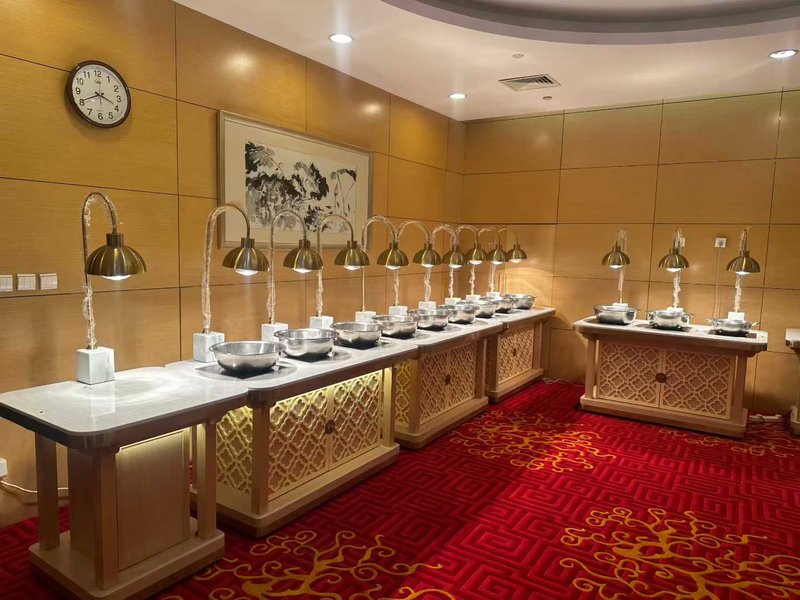
Advantages of Gas (Fuel-Based) Buffet Stoves
1. Ultimate Portability: Gas chafing dishes don't require electrical outlets, making them perfect for outdoor events, tented weddings, or venues with limited power access. You can set up your buffet anywhere.
2. Instant Heat: Unlike electric models that need time to warm up, gas burners provide immediate heat. This is crucial during rapid setup scenarios or when you need to quickly reheat food that has cooled.
3. No Power Outage Concerns: If your venue experiences electrical issues, gas-powered equipment keeps running. This reliability is valuable for critical events where food safety cannot be compromised.
4. Lower Initial Cost: Basic alcohol fuel chafing dishes often have a lower upfront cost compared to feature-rich electric models. This makes them accessible for startups or businesses on tight budgets.
Advantages of Electric Buffet Stoves
1. Precise Temperature Control: Electric models like the Electric Chafing Dish W07 offer digital temperature displays and adjustable thermostats (45-89°C), ensuring your food stays at the exact temperature you need without overheating.
2. Enhanced Safety: Modern electric chafers include dry-burn protection, overheat sensors, and automatic shut-off features. There's no open flame, reducing fire risks in busy kitchen environments.
3. Consistent Heat Distribution: Electric heating elements provide more uniform heat across the water pan, eliminating hot spots that can overcook certain areas of your food pans.
4. Energy Efficiency: Many electric models now boast thermal efficiency rates of 80% or higher. The Full Size 11L Electric Chafer reaches optimal temperature in just 12 minutes while maintaining excellent heat retention.
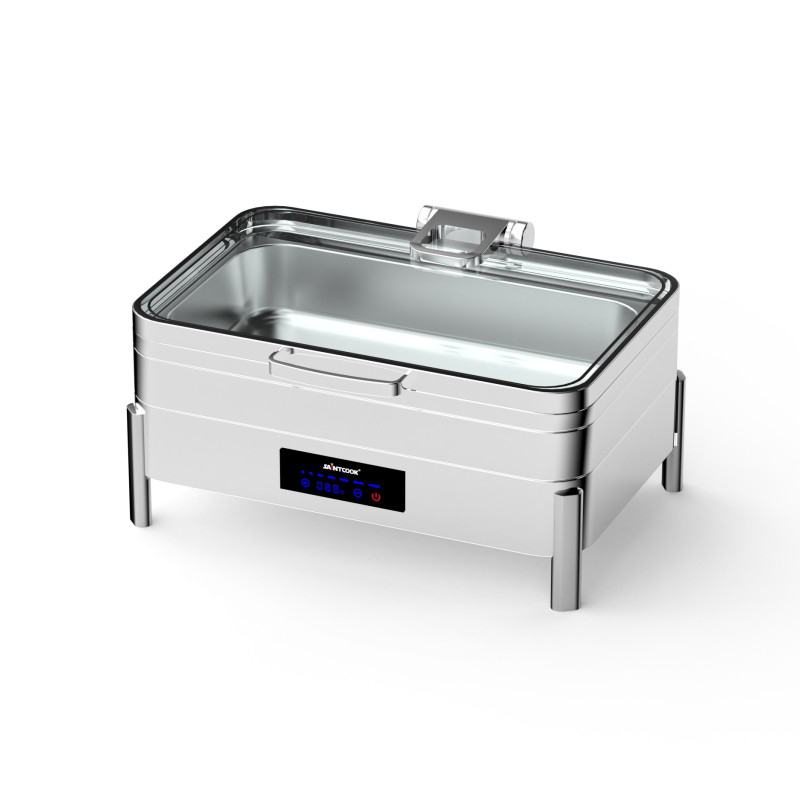
5. Professional Appearance: Electric chafing dishes often feature sleek stainless steel designs with glass viewing windows, OLED touchscreens, and modern aesthetics that enhance your buffet presentation.
Featured Product: Electric Chafing Dish W07
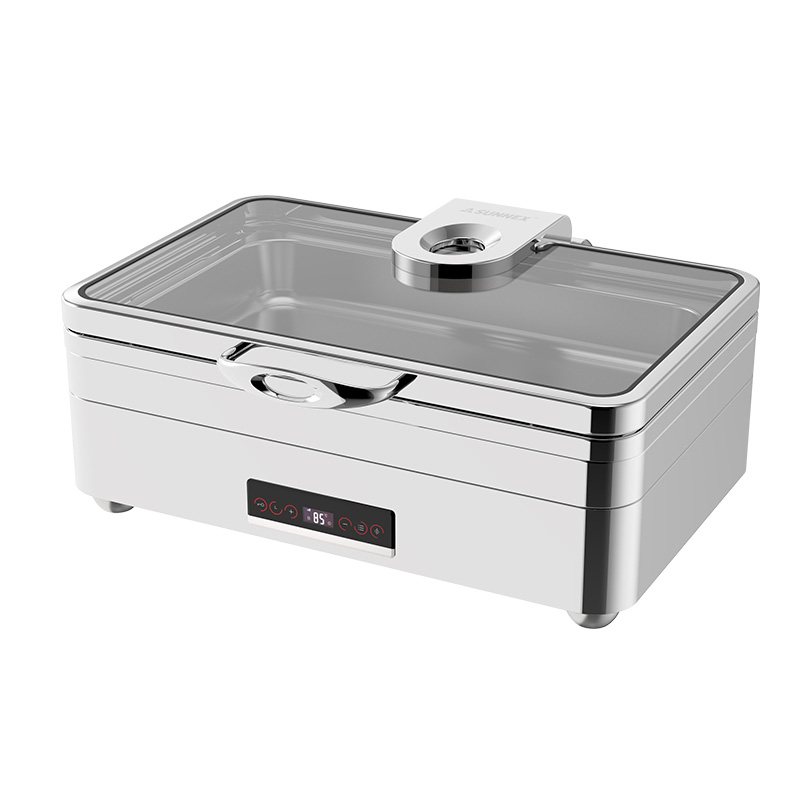
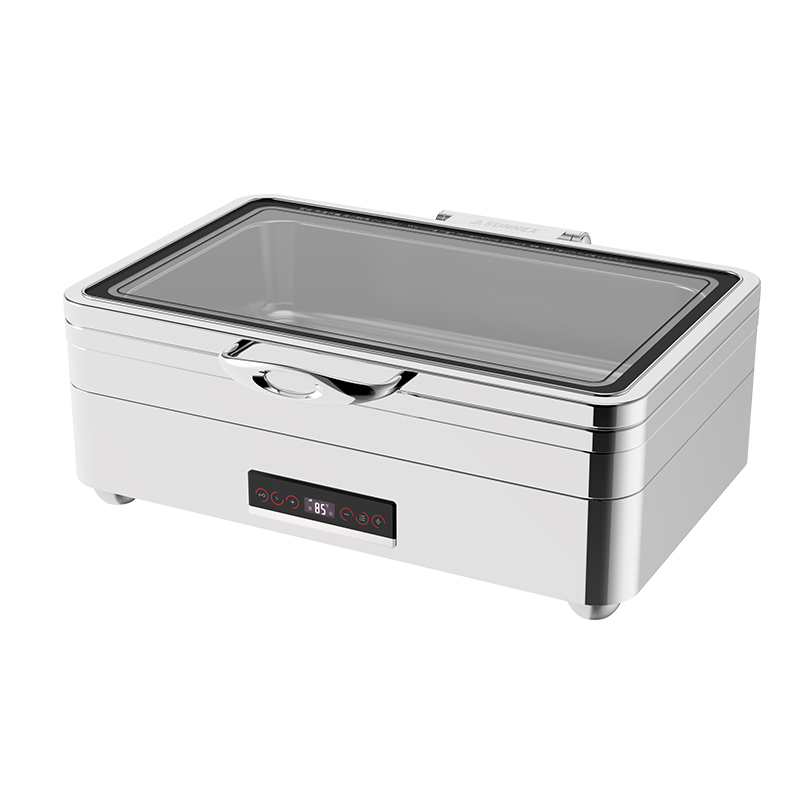
Electric Chafing Dish-W07
This 900W rapid heating chafing dish features an intelligent temperature control system with multi-safety protection including anti-dry heat flash alarm. The adjustable temperature range of 45-89°C (113-192°F) makes it versatile for various food types. With CE, ETL, RoHS, and FDA compliance, it's designed for commercial buffet and restaurant use. The unit reaches 60°C in approximately 8 minutes, ensuring quick service during peak hours.
Featured Product: Fuel Chafing Dish HC380Z
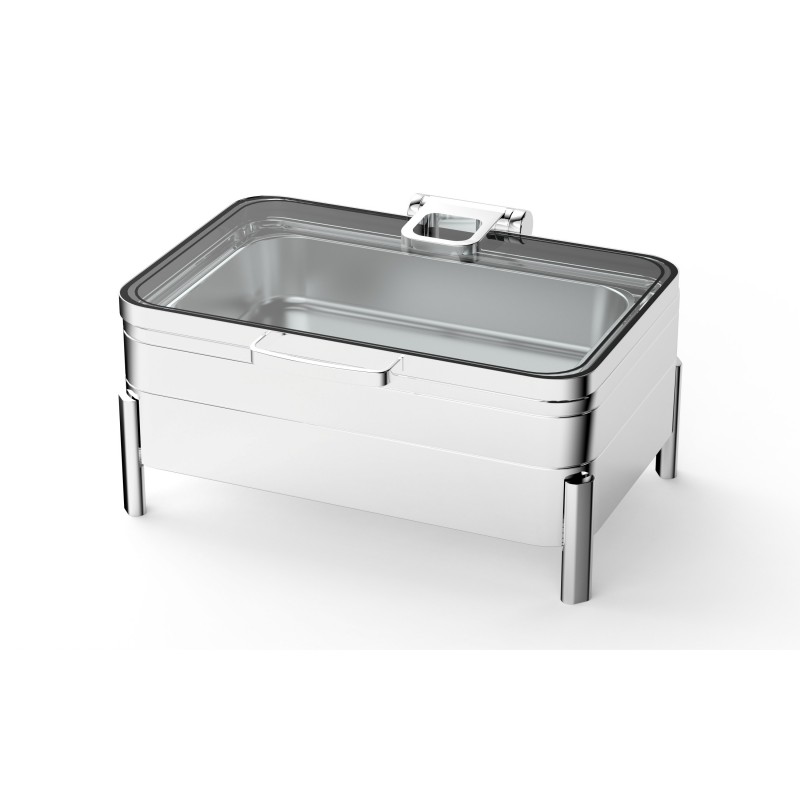
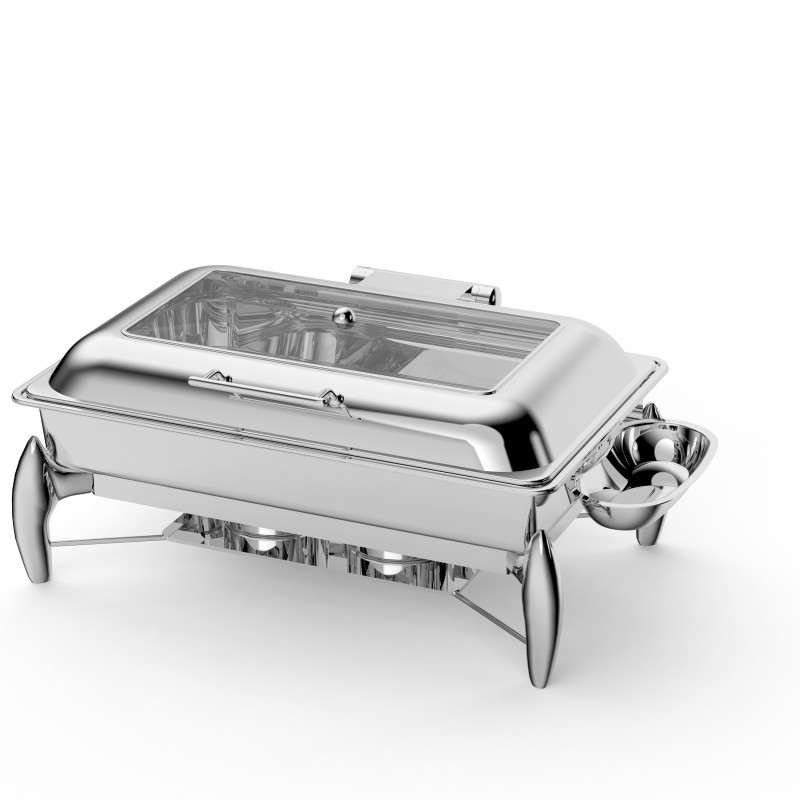
Fuel Chafing Dish-HC380Z
Crafted from 304 stainless steel with a tempered glass viewing window, this fuel-powered chafing dish offers 2-4 hours of burn time per fuel can. The hinged glass lid with metal frame provides easy access while maintaining heat. It's an excellent choice for catering events, outdoor buffets, and locations where electrical access is limited. The hydraulic hinges ensure smooth operation, while the dry-heating protection adds a layer of safety.
Making the Right Choice for Your Restaurant
For High-Volume Hotels and Resorts: Electric buffet stoves are often the better choice. Their precise temperature control, safety features, and consistent performance make them ideal for 24/7 operations. Models with digital displays allow staff to monitor and adjust settings quickly.
For Catering Businesses: A hybrid approach works best. Invest in electric units for your commercial kitchen prep and fuel-based chafing dishes for off-site events. This ensures you're prepared for any venue condition.
For Small to Medium Restaurants: If you have reliable power and a fixed buffet station, electric models offer better long-term value through energy efficiency and reduced labor costs (less frequent fuel replacement).
For Outdoor or Remote Events: Gas/fuel-based equipment is non-negotiable. You cannot rely on electrical access in tents, parks, or remote venues. Alcohol fuel chafers are compact, portable, and provide reliable heat for hours.
Cost Analysis Over Time
While electric buffet stoves have higher upfront costs ($200-$600 per unit vs $50-$200 for fuel models), the operating costs tell a different story. A typical electric chafer running at 900W for 8 hours costs approximately $0.86-$2.59 in electricity (depending on local rates). In contrast, fuel-based units require 2-4 fuel cans per day at $1-$1.50 each, totaling $2-$6 daily. Over a year of daily operation, electric models can save $300-$1,000 per unit.
Integration with Existing Setup
Consider your current buffet infrastructure. If you already have power outlets strategically placed, electric models integrate seamlessly. If your buffet stations are far from power sources or you frequently reconfigure your layout, the flexibility of fuel-based units might be more practical. Some restaurants successfully use both types, deploying electric units for permanent stations and keeping fuel chafers as backup or for special events.
Conclusion
The choice between gas and electric buffet stoves ultimately depends on your specific operational needs, venue characteristics, and budget. Electric models shine in fixed, high-volume environments where precision and safety are paramount. Gas/fuel-based units excel in portable scenarios, outdoor events, and locations with unreliable power. Many successful restaurants adopt a mixed strategy, leveraging the strengths of both technologies to create a versatile, resilient buffet operation. Evaluate your priorities carefully, consider the total cost of ownership, and choose the solution that aligns with your long-term business goals.
Remember, the best buffet stove is one that consistently keeps your food at safe temperatures, enhances your presentation, and operates reliably within your workflow. Whether you choose gas or electric, investing in quality equipment from trusted manufacturers ensures years of dependable service.
Related Articles
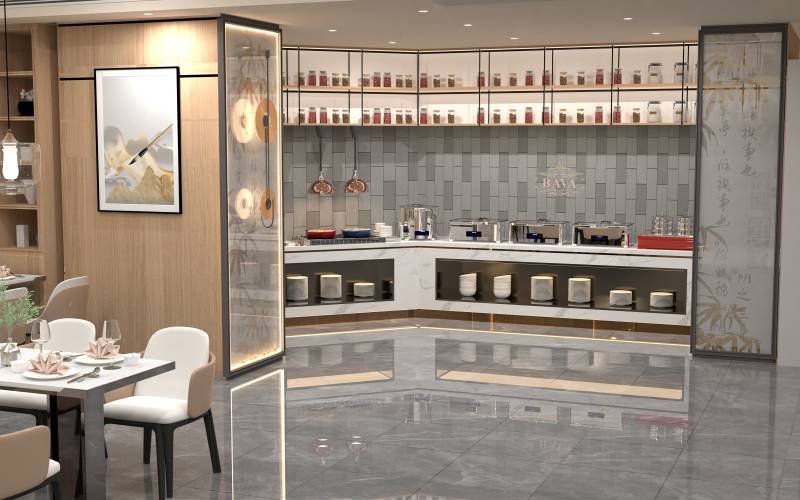
Electric Buffet Warmer with Adjustable Thermostat for Restaurants
Discover the best Electric Buffet Warmer with Adjustable Thermostat for Restaurants solutions. Real ...
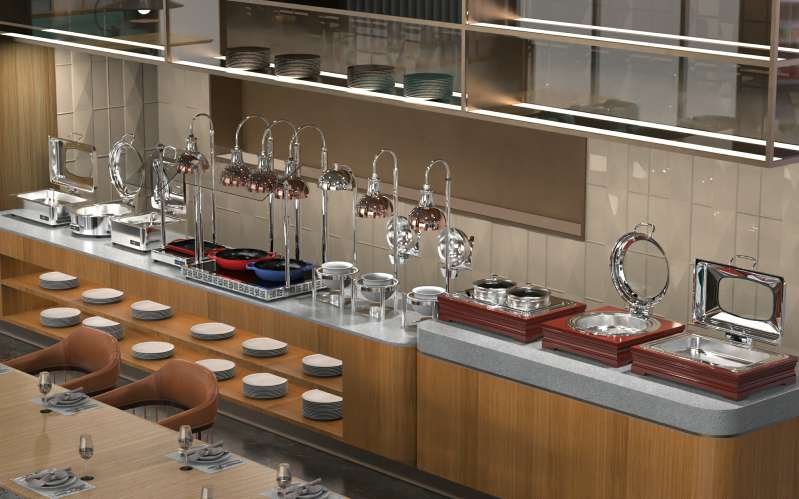
Mini Chafing Dish for Breakfast Buffet & Condiment Stations
Discover the best Mini Chafing Dish for Breakfast Buffet & Condiment Stations solutions. Real case s...
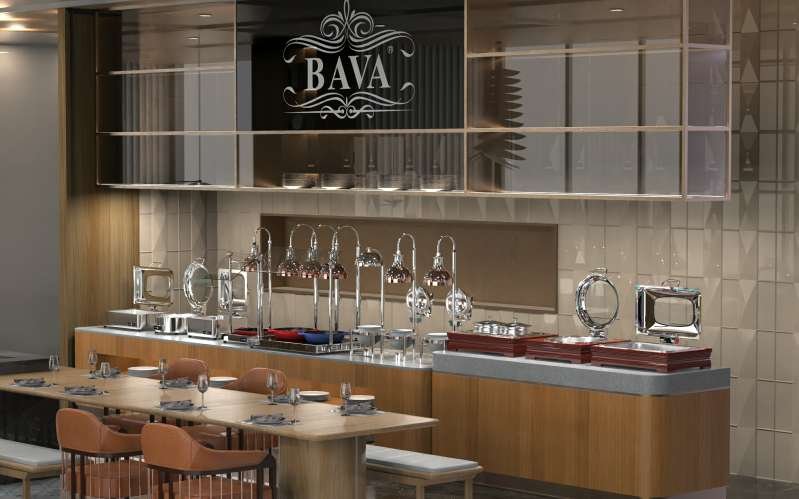
9QT Extra-Large Chafing Dish for Large-Scale Banquet Events
Discover the best 9QT Extra-Large Chafing Dish for Large-Scale Banquet Events solutions. Real case s...
Wall-Mounted Buffet Stove for Space-Saving Kitchen Layouts
Discover the best Wall-Mounted Buffet Stove for Space-Saving Kitchen Layouts solutions. Real case st...
Stainless Steel Food Warmer for Supermarket Deli Departments
Discover the best Stainless Steel Food Warmer for Supermarket Deli Departments solutions. Real case ...
Commercial Chafer Dish with Temperature Control for Food Safety
Discover the best Commercial Chafer Dish with Temperature Control for Food Safety solutions. Real ca...