
The Key Differences Between Electric and Gas-Powered Buffet Stoves
Choosing the right buffet stove is a critical decision for any catering business, hotel, or restaurant operating a buffet service. Two of the most common options dominate the market: electric-powered and gas-powered buffet stoves (often referred to as chafing dishes in the industry). Each type has distinct operational characteristics, cost structures, and use cases that can significantly impact your service efficiency, food quality, and bottom line.
This guide breaks down the core differences between electric and gas-powered buffet stoves, helping you make an informed decision based on your venue’s needs, budget, and service style. Whether you run a high-volume hotel breakfast buffet, a wedding catering business, or a fast-casual restaurant with a self-serve station, understanding these differences will ensure you invest in equipment that matches your workflow.
What Are Electric Buffet Stoves?
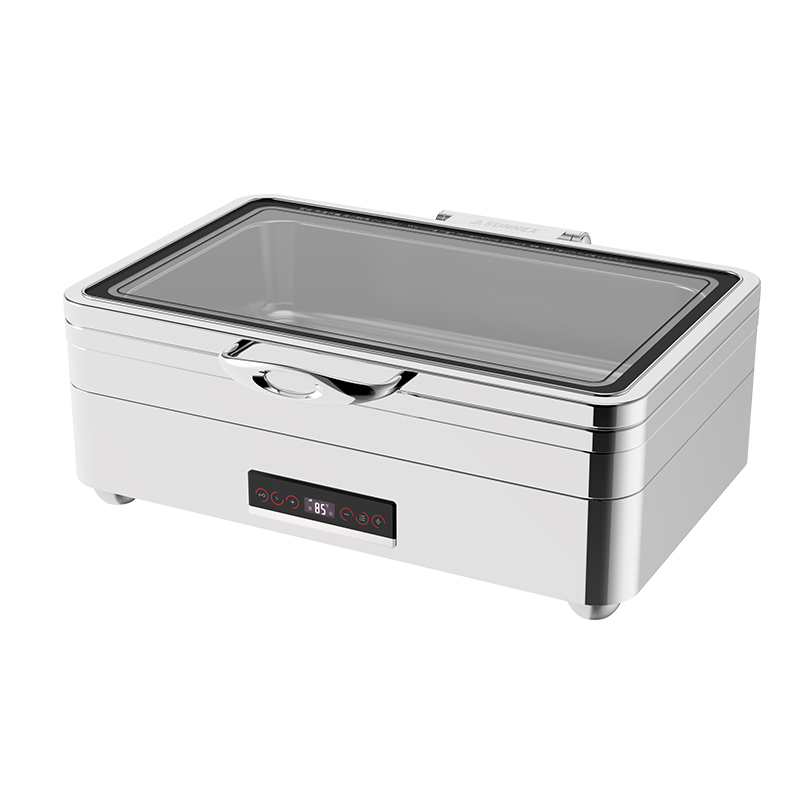
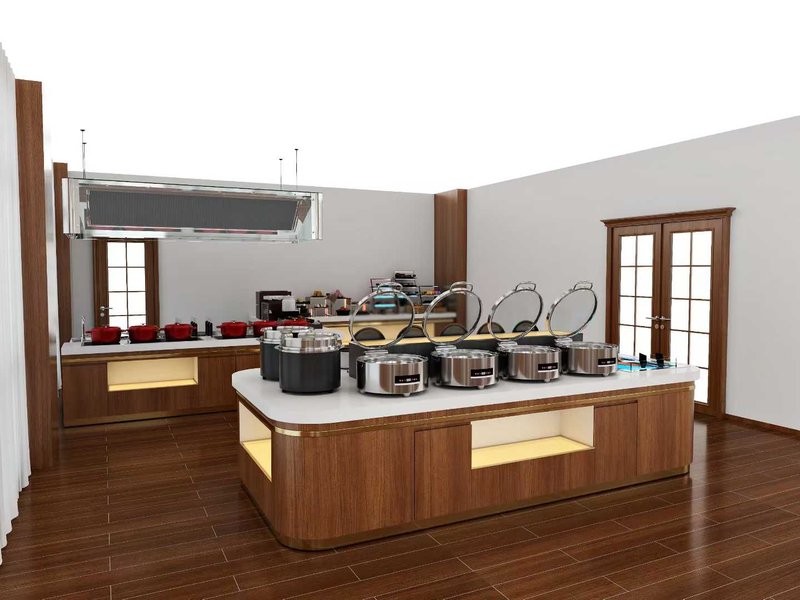
Electric buffet stoves rely on a built-in heating element (usually 400W to 1100W) to warm water in a double-wall water bath, which in turn keeps food pans at a consistent, adjustable temperature. Most models feature digital temperature controls, automatic shut-off, and dry-burn protection to prevent damage if water levels drop too low.
Electric units are plug-and-play: they only require a standard 110V or 220V power outlet, making them easy to deploy in any venue with existing electrical infrastructure. High-end models like BAVA’s Full Size 11L Electric Chafer even include smart modes and digital temperature displays for precise control.
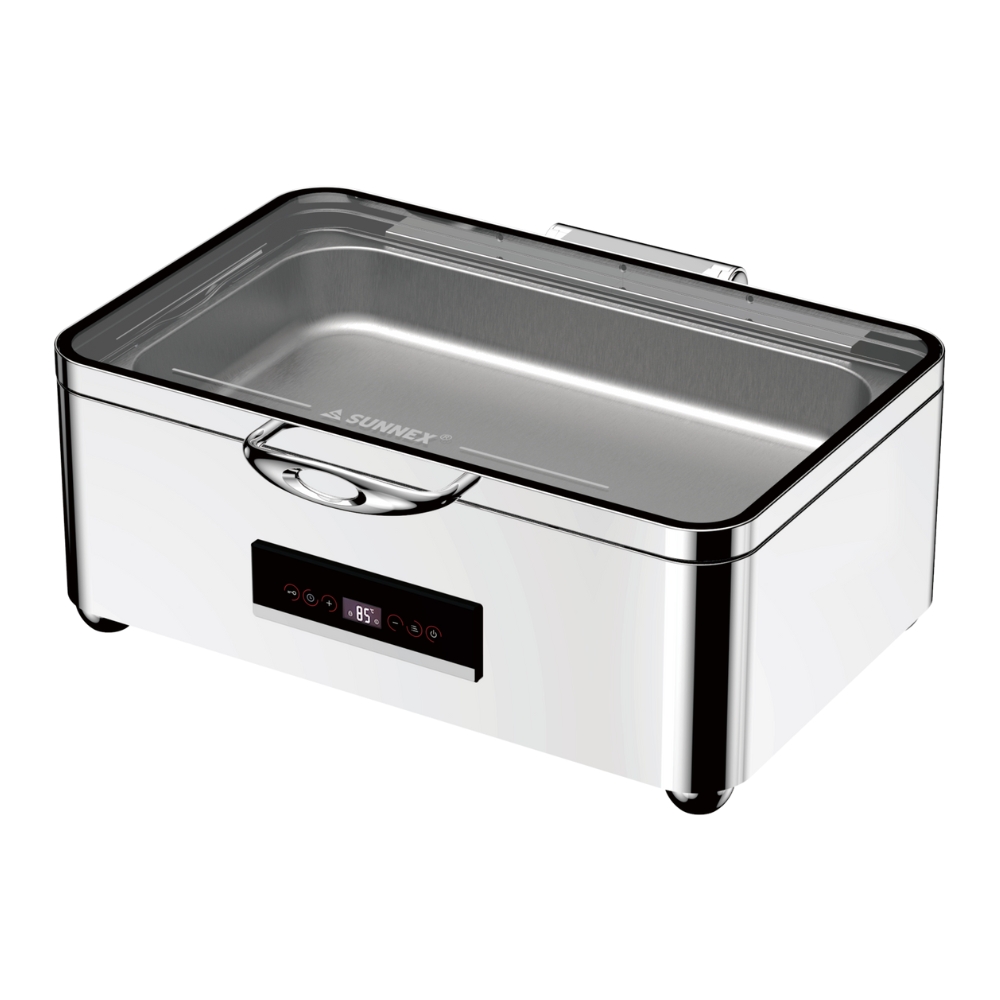
Full Size 11L Electric Chafer
Part of BAVA’s Lido Series, this 1100W electric chafer heats up to optimal temperature in just 12 minutes, with a thermal efficiency rate of ≥80% to reduce energy waste. It features a digital temperature display, smart mode for automated heat adjustment, and polished stainless steel construction that resists corrosion and is easy to clean. Ideal for high-volume hotels and catering businesses that need consistent, low-maintenance performance for all-day buffet service.
What Are Gas-Powered Buffet Stoves?
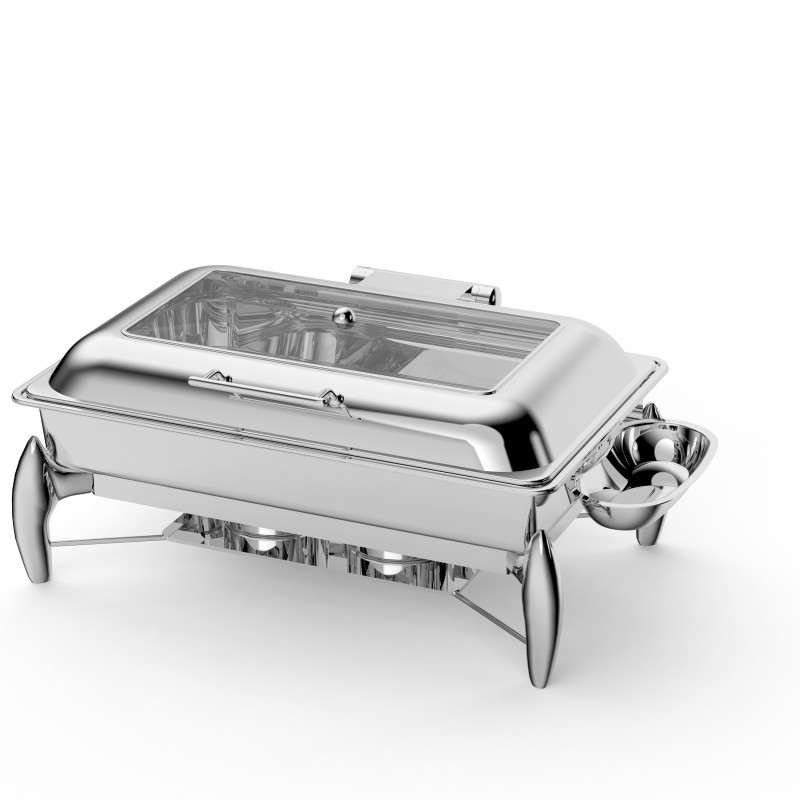
Gas-powered buffet stoves (also called fuel chafing dishes) use disposable alcohol gel or liquid fuel cans placed in a dedicated burner compartment beneath the water bath. They do not require any electrical connection, making them fully portable for outdoor events, remote catering venues, or locations with unreliable power access.
These units heat up quickly using open flame, and burn time per fuel can typically ranges from 2 to 4 hours. Most gas chafers include a tempered glass lid for visibility and hinged designs for easy access to food pans. BAVA’s Fuel Chafing Dish-HC380Z is a popular choice for wedding banquets and outdoor catering, combining 304 stainless steel durability with a glass viewing window and dry-heat protection.
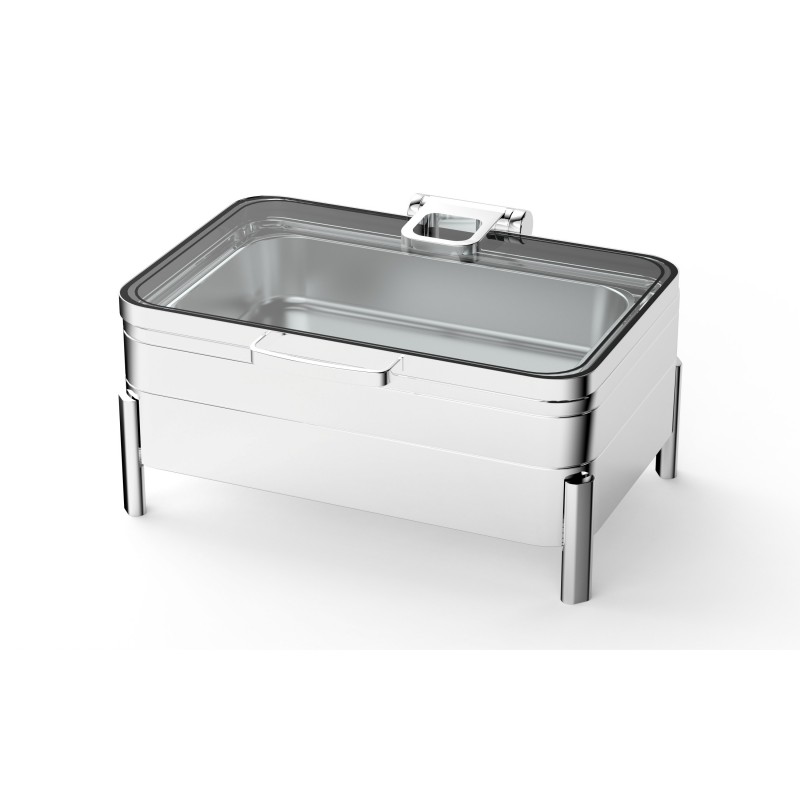
Fuel Chafing Dish-HC380Z
Crafted from food-grade 304 stainless steel, this gas-powered chafer is built for durability in high-traffic catering environments. It includes a tempered glass viewing window to monitor food without lifting the lid, hydraulic hinges for smooth lid operation, and dry-heat protection to prevent damage if water levels drop. Compatible with standard alcohol gel fuel cans, it offers 2-4 hours of continuous heat per can, making it ideal for weddings, outdoor events, and banquet halls.
Head-to-Head Comparison: Electric vs Gas Buffet Stoves
The table below breaks down the key differences across the most important operational metrics:
| Metric | Electric Buffet Stoves | Gas-Powered Buffet Stoves |
|---|---|---|
| Power Source | 110V/220V electrical outlet | Disposable alcohol gel/liquid fuel cans |
| Heat Control | Adjustable digital/knob control, ±2°C accuracy | Fixed flame intensity, no precise temperature control |
| Portability | Limited (requires power access) | High (fully portable, no cords) |
| Heat-Up Time | 8-15 minutes to reach 60°C | 3-5 minutes to reach 60°C |
| Operating Cost (per 8h service) | $1.20 - $3.50 (depending on local electricity rates) | $4.80 - $9.60 (2-4 fuel cans per 8h) |
| Maintenance | Low (no fuel residue, easy wipe-down) | Moderate (clean fuel burner, replace cans) |
| Safety Features | Auto shut-off, dry-burn protection, no open flame | Open flame risk, no auto shut-off |
| Certifications | CE, ETL, RoHS, FDA compliant | CE, FDA compliant |
| Best For | Indoor hotels, fixed buffet stations, all-day service | Outdoor events, weddings, remote catering, pop-ups |
Which Should You Choose?
Your decision should align with your venue’s primary use case:
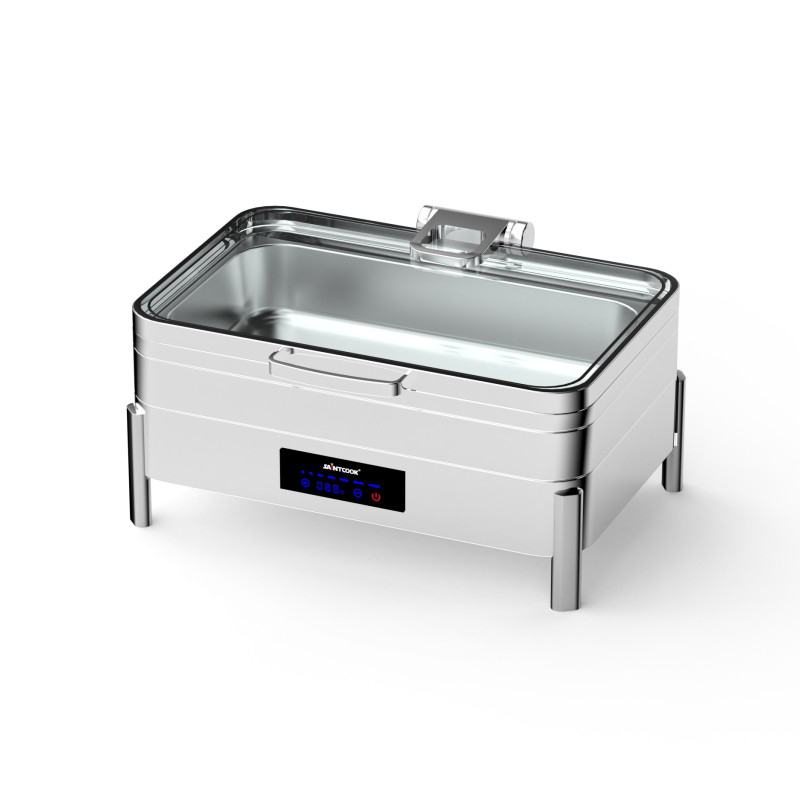
Choose electric buffet stoves if: You operate a fixed indoor buffet (hotel breakfast, restaurant brunch), need precise temperature control to maintain food safety, want lower long-term operating costs, or prioritize safety with no open flame. Models like BAVA’s Electric Chafing Dish-W07 offer 900W rapid heating, adjustable 45-89°C temperature range, and multi-safety protection including anti-dry heat alarms, making them a top choice for indoor commercial use.
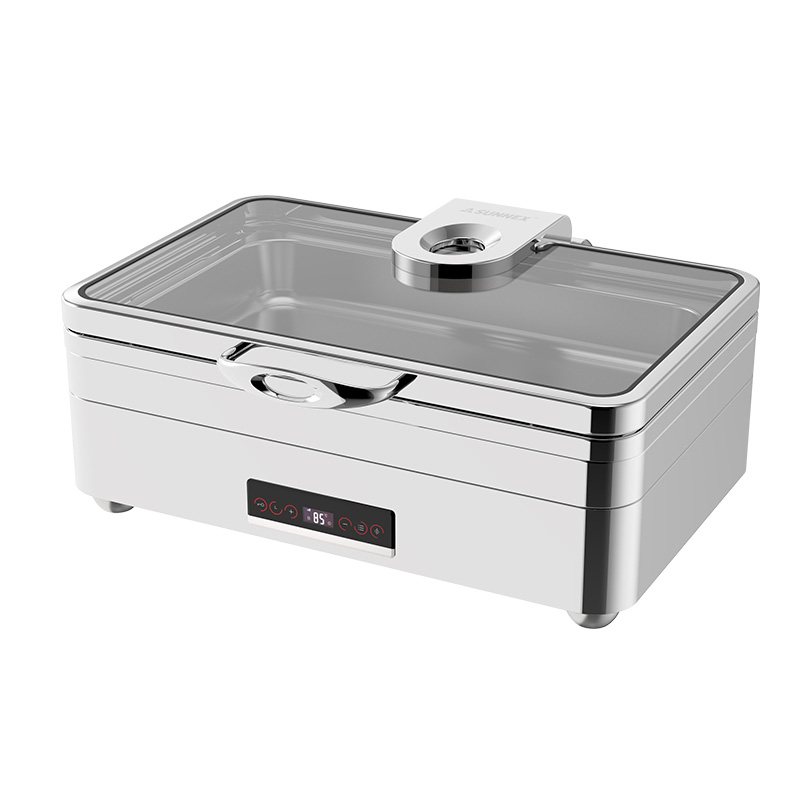
Electric Chafing Dish-W07
This 900W electric chafer features an intelligent temperature control system with a 45-89°C adjustable range, perfect for keeping everything from soups to carved meats at safe serving temperatures. It includes anti-dry heat flash alarms, overheat protection, and auto shut-off for worry-free operation. The 304 stainless steel construction is food-grade and easy to sanitize, while the rapid 8-minute heat-up time to 60°C ensures minimal downtime between service periods. Ideal for high-volume restaurants and catering businesses.
Choose gas-powered buffet stoves if: You host outdoor events, work in venues with limited power access, need maximum portability, or run short-term pop-up buffets. They require no setup beyond placing a fuel can, and you can easily move them between stations during service. However, you will need to factor in ongoing fuel costs and ensure proper ventilation to avoid open flame risks.
Conclusion
Both electric and gas-powered buffet stoves have distinct advantages that make them suitable for different catering scenarios. Electric units excel in fixed indoor setups with their precise control, lower operating costs, and enhanced safety features. Gas-powered units are unbeatable for portability and outdoor use, with no reliance on electrical infrastructure.
By evaluating your venue’s service style, budget, and operational needs against the comparisons above, you can select the buffet stove type that maximizes efficiency, food quality, and guest satisfaction. For businesses that need both, many caterers invest in a mix of electric and gas units to cover all event types.
Related Articles
Electric Buffet Warmer with Adjustable Thermostat for Restaurants
Discover the best Electric Buffet Warmer with Adjustable Thermostat for Restaurants solutions. Real ...
Mini Chafing Dish for Breakfast Buffet & Condiment Stations
Discover the best Mini Chafing Dish for Breakfast Buffet & Condiment Stations solutions. Real case s...
9QT Extra-Large Chafing Dish for Large-Scale Banquet Events
Discover the best 9QT Extra-Large Chafing Dish for Large-Scale Banquet Events solutions. Real case s...
Wall-Mounted Buffet Stove for Space-Saving Kitchen Layouts
Discover the best Wall-Mounted Buffet Stove for Space-Saving Kitchen Layouts solutions. Real case st...
Stainless Steel Food Warmer for Supermarket Deli Departments
Discover the best Stainless Steel Food Warmer for Supermarket Deli Departments solutions. Real case ...
Commercial Chafer Dish with Temperature Control for Food Safety
Discover the best Commercial Chafer Dish with Temperature Control for Food Safety solutions. Real ca...