
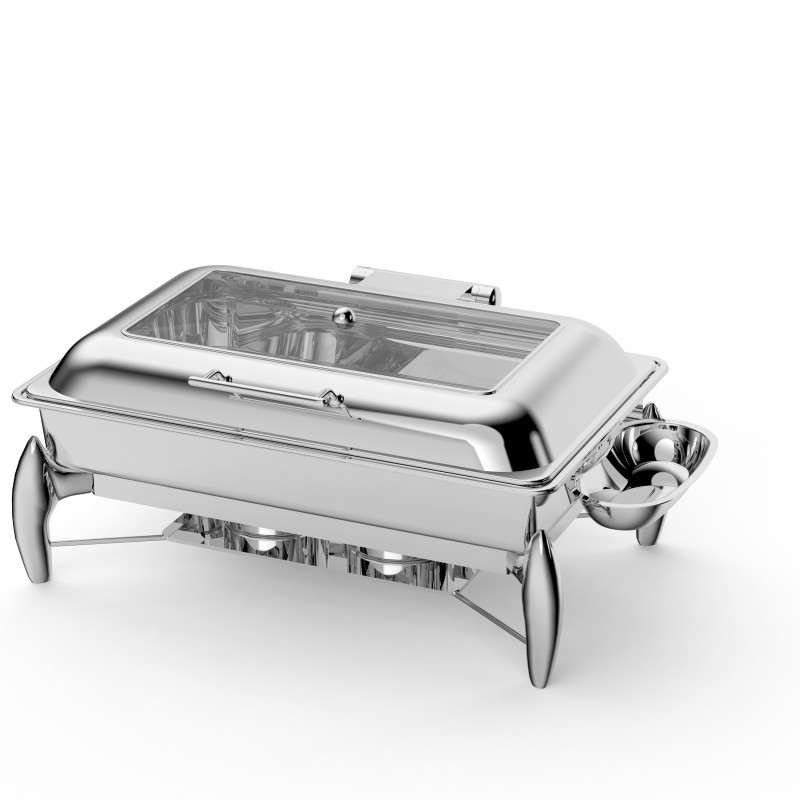
Are Buffet Stoves Worth the Investment for Your Catering Business?
Running a catering business means making tough decisions about every dollar spent. Equipment investments, in particular, can make or break your bottom line, especially when you’re weighing options for buffet service. Buffet stoves have become a staple for caterers handling events from weddings to corporate banquets, but many owners still ask: are they truly worth the upfront cost? This guide breaks down the numbers, operational benefits, and long-term value to help you decide if a buffet stove investment makes sense for your catering operation.
When evaluating any equipment purchase for your catering business, the first factor most owners consider is upfront cost. Commercial buffet stoves range from $200 for basic electric models to over $1000 for high-capacity, feature-rich units. For a small catering business just starting out, that can feel like a steep expense, especially when traditional fuel-powered chafing dishes cost a fraction of that upfront. But upfront cost is only one piece of the puzzle.
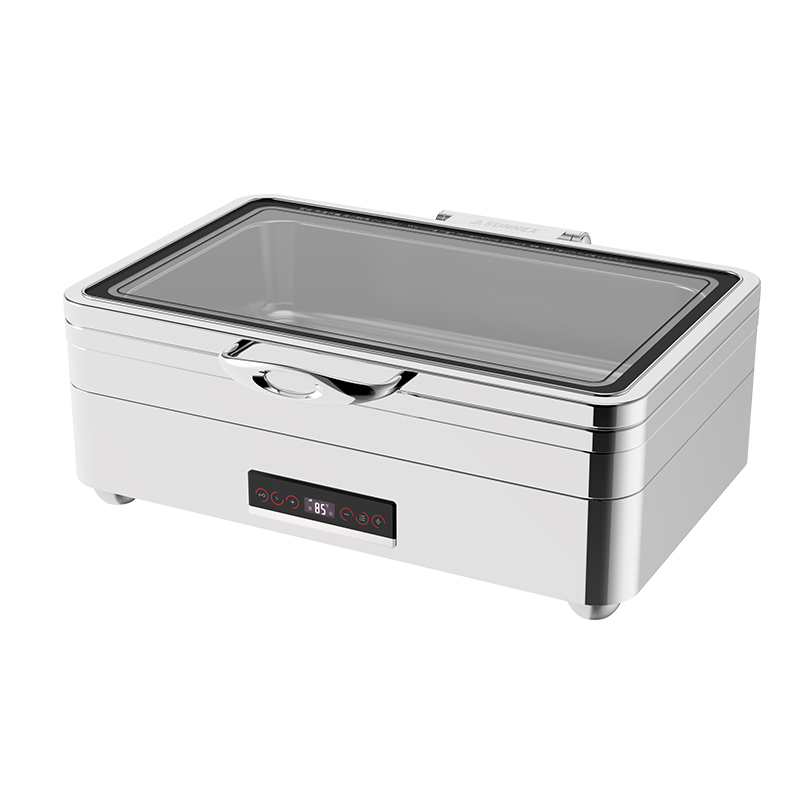
Let’s take the Electric Chafing Dish-W07 as an example. This 900W unit retails for a mid-range price point, but its energy efficiency and labor-saving features quickly offset the initial spend. It heats up to 60°C in just 8 minutes, cutting pre-event setup time by nearly half compared to fuel-based options that require lighting, adjusting wicks, and monitoring fuel levels. For caterers running multiple events per week, those time savings add up to hours of labor saved per month.
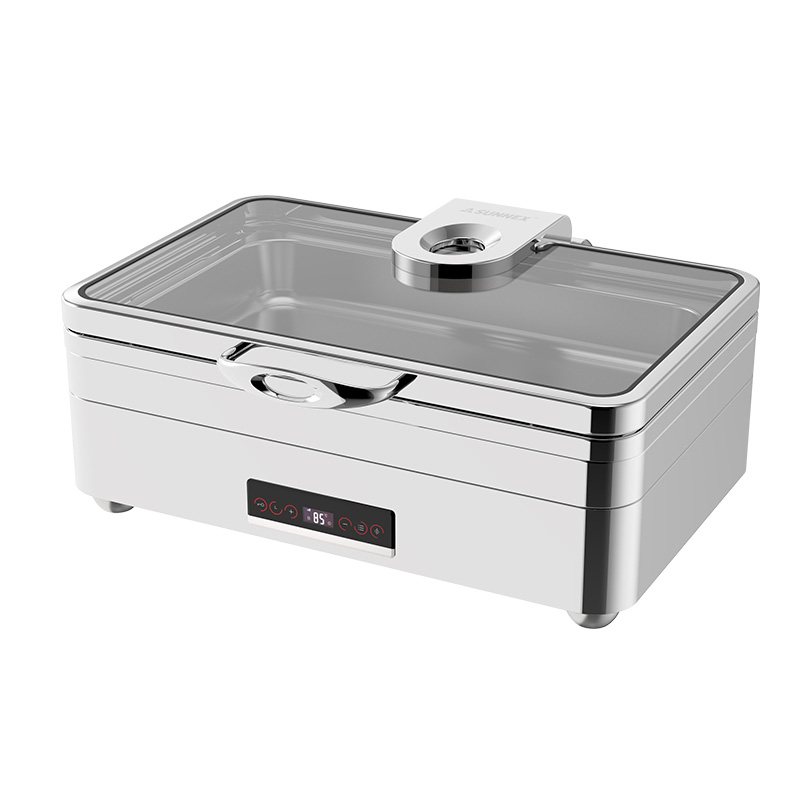
Electric Chafing Dish-W07
The Electric Chafing Dish-W07 is a 900W commercial-grade unit designed for high-volume catering. It features intelligent temperature control adjustable between 45–89°C, anti-dry heat flash alarms, and overheat protection to prevent accidents during long events. With a GN 1/1 size food pan, 304 stainless steel construction, and CE/ETL/RoHS certifications, it’s durable enough for daily use in busy catering kitchens. Its 8-minute heat-up time reduces setup labor, while precise temp control keeps food at safe serving temperatures for hours.
Beyond labor savings, buffet stoves drastically reduce ongoing operating costs. Traditional chafing dishes rely on canned fuel that costs $2–$3 per can, with each can burning for 2–4 hours. For a single event using 10 chafing dishes, that’s $20–$30 in fuel costs alone. Electric buffet stoves, by contrast, use an average of 0.9kW per hour, costing roughly $0.12 per hour to run at average commercial electricity rates. A 10-unit setup running for 4 hours would cost just $4.80 in electricity, saving over 75% on fuel costs per event.
To see the difference clearly, here’s a side-by-side comparison of electric buffet stoves vs traditional fuel chafing dishes:
| Feature | Electric Buffet Stoves | Traditional Fuel Chafing Dishes |
|---|---|---|
| Heating Method | Electric heating element, adjustable temp | Alcohol or gel fuel can |
| Warm-Up Time | 8–15 minutes to optimal temp | 5–10 minutes to ignite, 15+ to stabilize |
| Operating Cost (4hr event, 10 units) | ~$4.80 | ~$25.00 |
| Temperature Control | Precise digital/knob adjustment, consistent | Uncontrolled, drops as fuel burns |
| Safety Features | Anti-dry burn, overheat auto shut-off | Open flame, fire risk, fuel spill hazard |
| Labor Required | Plug in, set temp, no monitoring | Light wicks, replace fuel cans, monitor burn |
Food waste is another hidden cost that buffet stoves help reduce. Traditional chafing dishes lose heat as fuel burns down, leading to cold spots where food drops below safe serving temperatures. This often forces caterers to throw out partially used pans of food at the end of an event. Electric buffet stoves maintain consistent temperatures across the entire food pan, keeping dishes safe and fresh for the full service period. For a catering business that throws out $50–$100 of food waste per event, that’s another significant saving.
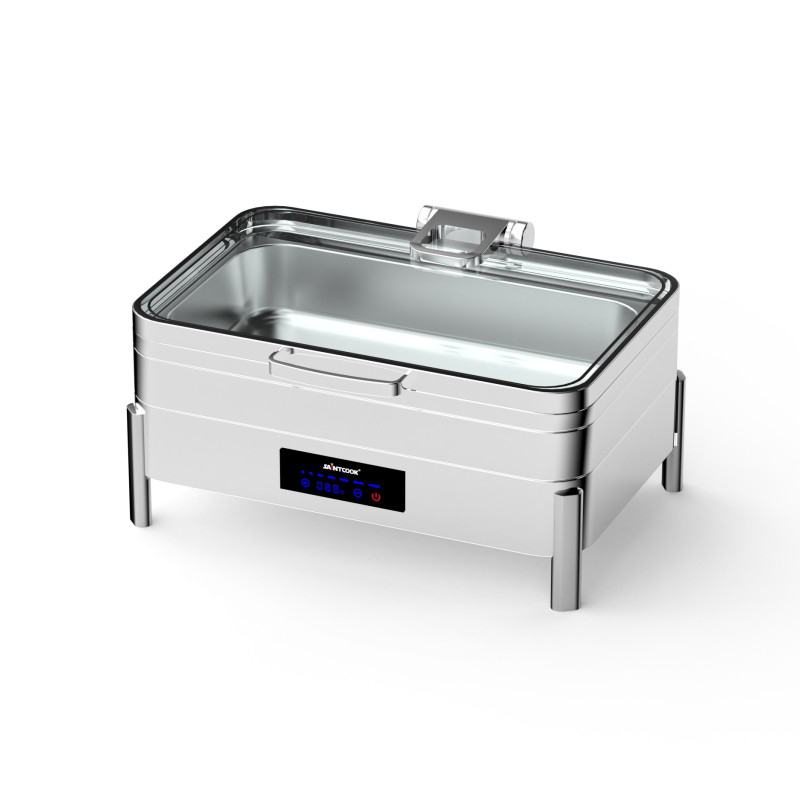
For high-volume catering operations, capacity and durability matter just as much as cost. The Full Size 11L Electric Chafer is designed for exactly these use cases. With an 11-liter GN 1/1 size pan, it holds 20% more food than standard chafing dishes, reducing the number of units needed for large events. Its 80% thermal efficiency means less energy is wasted, and the polished stainless steel construction stands up to the wear and tear of daily transport and cleaning.
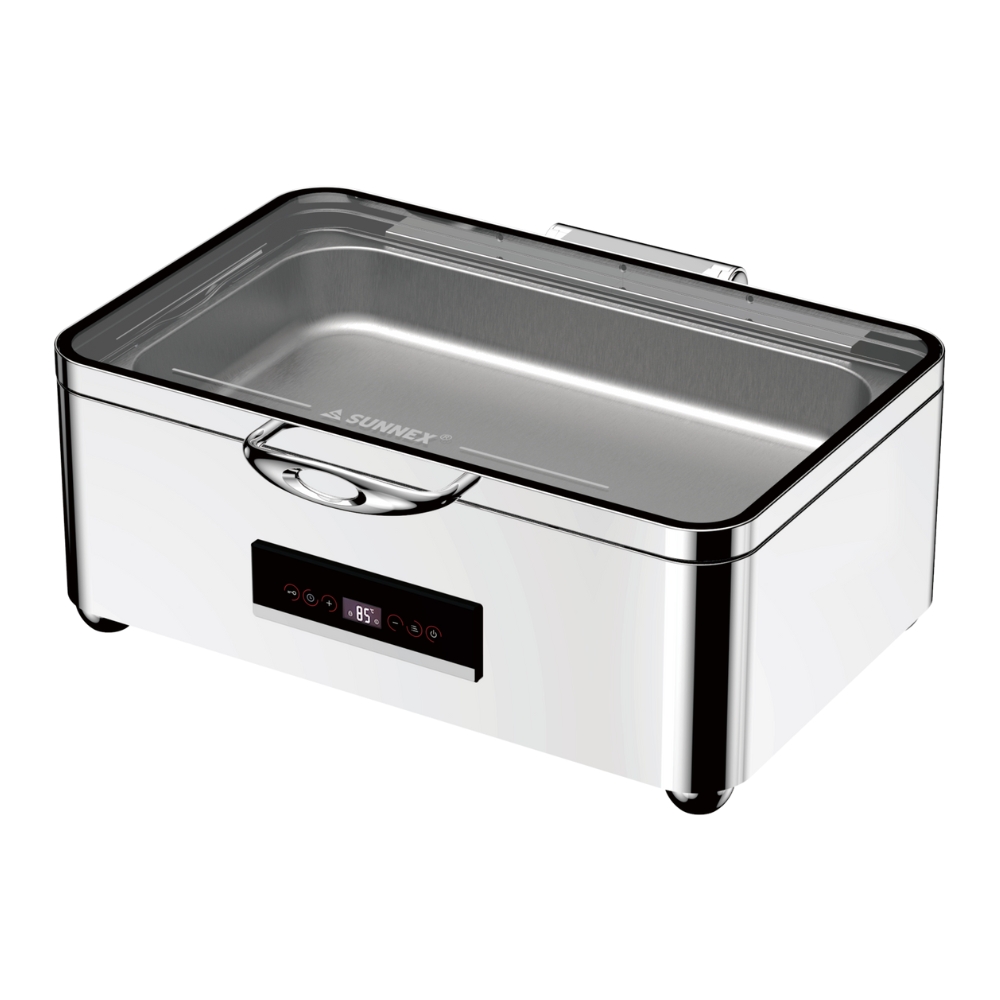
Full Size 11L Electric Chafer (Lido Series)
The Full Size 11L Electric Chafer from BAVA’s Lido Series is a high-capacity commercial unit built for hotels, resorts, and large catering businesses. It features 1100W power for rapid 12-minute heat-up, a digital temperature display, and Smart Mode for automated temp management. With thermal efficiency ≥80%, polished stainless steel construction, and a tempered glass lid for easy food monitoring, it’s ideal for high-volume events where reliability and capacity are critical. Its 11L capacity reduces the number of units needed for large buffets, saving space and labor.
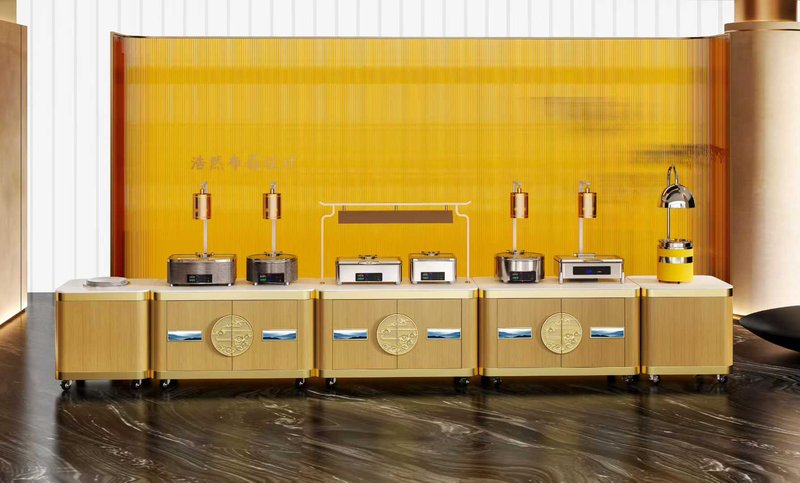
Calculating ROI for a buffet stove investment is straightforward when you factor in all savings. Let’s say a mid-sized catering business buys 10 electric buffet stoves at an average cost of $400 per unit, for a total upfront investment of $4000. If they save $20 per event on fuel, $15 per event on labor, and $30 per event on food waste, that’s $65 in total savings per event. Running 4 events per week, that’s $260 per week, $13,520 per year. The payback period for the initial investment is just 15 weeks, after which the stoves generate pure savings for their 5+ year lifespan.
Of course, not every catering business will see the same returns. Small operations that only run 1–2 buffet events per month may take longer to recoup costs, but they still benefit from the consistency and safety of electric buffet stoves. Businesses that specialize in high-volume events, wedding catering, or corporate buffets will see the fastest ROI, often within 2–3 months of regular use.
When choosing which buffet stoves to invest in, match the product features to your business needs. For small catering businesses doing intimate events, compact 400W models with smaller capacities are sufficient. For large operations handling 500+ guest events, high-capacity 1100W units with digital controls and large food pans are worth the extra upfront cost. All BAVA buffet stoves come with CE, ETL, and RoHS certifications, ensuring they meet commercial safety and durability standards for years of use.
Another factor to consider is versatility. Many modern buffet stoves work for both hot and cold food holding when adjusted to lower temperatures, making them useful for salad bars, dessert displays, and cold buffet items in addition to hot entrees. This extends their use beyond just hot buffet service, increasing the value of your investment even further.
Customer satisfaction is the final, often overlooked, benefit of buffet stove investment. Guests notice when food is served at the correct temperature, with no cold spots or overcooked sections. Consistent food quality leads to repeat business, positive reviews, and referrals, all of which grow your catering revenue over time. For many businesses, the revenue boost from improved customer satisfaction alone justifies the cost of the equipment.
So, are buffet stoves worth the investment for your catering business? For most operations, the answer is a clear yes. The combination of lower operating costs, labor savings, reduced food waste, and improved customer satisfaction delivers a strong ROI that pays for the equipment quickly. Even small catering businesses will see long-term value from the safety, consistency, and versatility that electric buffet stoves provide. When you factor in the 5+ year lifespan of commercial-grade units, the upfront cost becomes a smart, profit-generating investment rather than an expense.
Related Articles
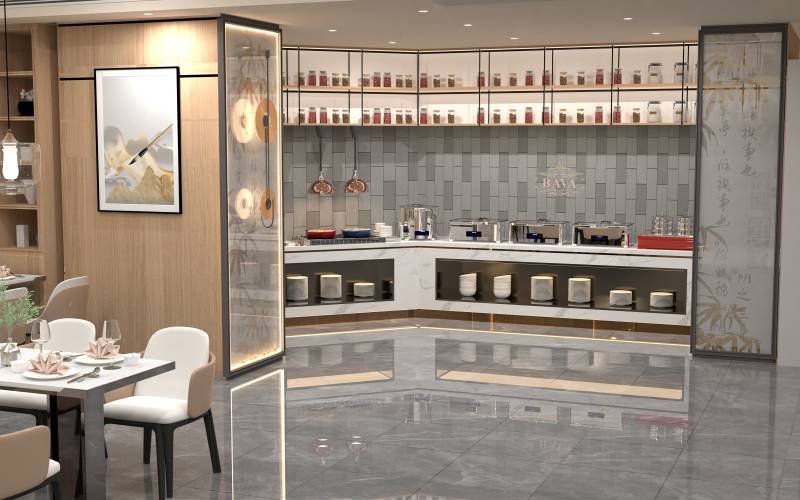
Electric Buffet Warmer with Adjustable Thermostat for Restaurants
Discover the best Electric Buffet Warmer with Adjustable Thermostat for Restaurants solutions. Real ...
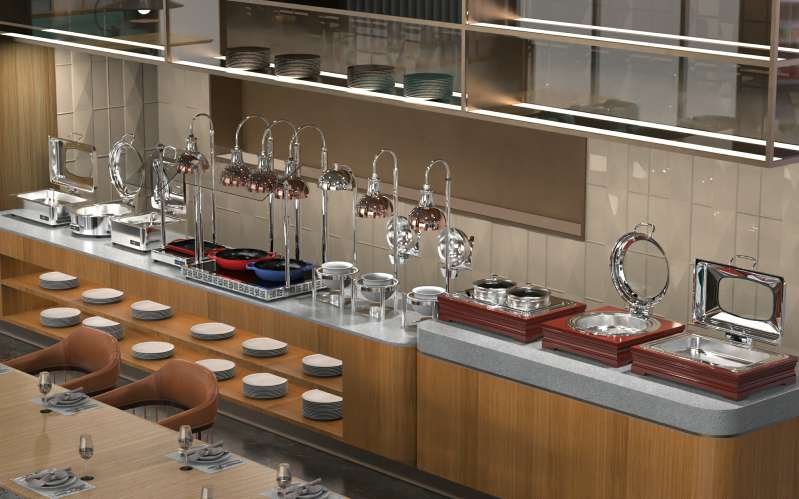
Mini Chafing Dish for Breakfast Buffet & Condiment Stations
Discover the best Mini Chafing Dish for Breakfast Buffet & Condiment Stations solutions. Real case s...
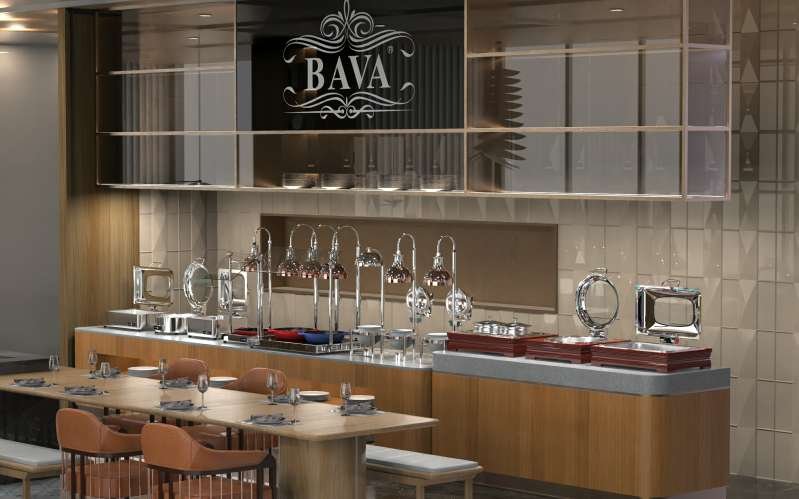
9QT Extra-Large Chafing Dish for Large-Scale Banquet Events
Discover the best 9QT Extra-Large Chafing Dish for Large-Scale Banquet Events solutions. Real case s...
Wall-Mounted Buffet Stove for Space-Saving Kitchen Layouts
Discover the best Wall-Mounted Buffet Stove for Space-Saving Kitchen Layouts solutions. Real case st...
Stainless Steel Food Warmer for Supermarket Deli Departments
Discover the best Stainless Steel Food Warmer for Supermarket Deli Departments solutions. Real case ...
Commercial Chafer Dish with Temperature Control for Food Safety
Discover the best Commercial Chafer Dish with Temperature Control for Food Safety solutions. Real ca...