
How to Integrate Buffet Stoves Into Your Restaurant's Existing Setup
Integrating new equipment into an existing restaurant setup is never a task to be taken lightly. When it comes to buffet stoves—critical for maintaining food temperature, quality, and safety in self-service and catering environments—the integration process requires careful planning, space assessment, and alignment with your current workflow. For restaurant owners and managers looking to upgrade their buffet service without disrupting daily operations, understanding how to seamlessly incorporate buffet stoves into your existing setup is key to maximizing efficiency, reducing costs, and improving customer satisfaction.
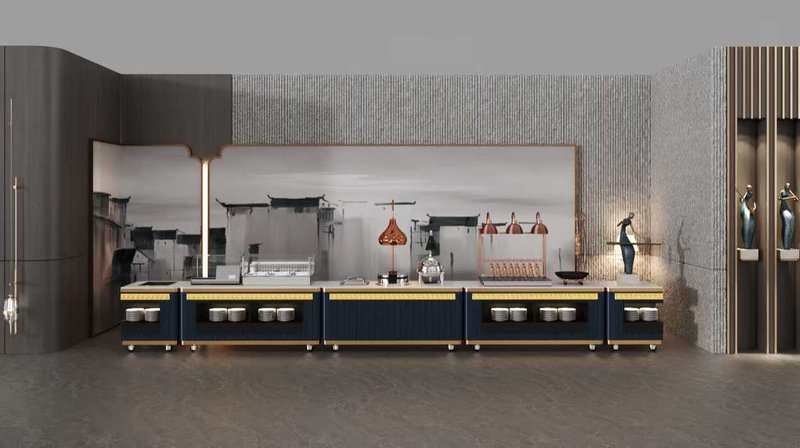
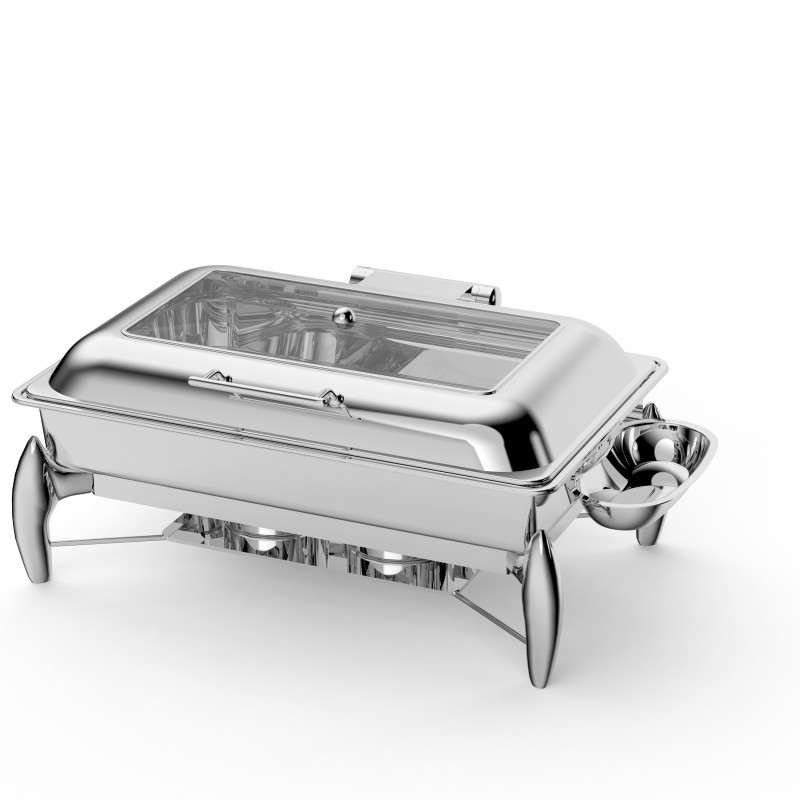
The first step in any successful integration project is a thorough assessment of your current restaurant layout and workflow. Start by mapping out your existing buffet line, kitchen prep areas, and service stations. Identify underutilized spaces where buffet stoves can be placed without blocking foot traffic or disrupting staff movement. For smaller restaurants with limited space, countertop electric buffet stoves are ideal—they require no permanent installation, only a standard power outlet, and can be moved as needed to adapt to changing service demands. Medium and large establishments with dedicated buffet areas can opt for built-in or larger freestanding units that align with their existing buffet configuration.
When evaluating your current electrical infrastructure, take note of available power outlets and their voltage capacity. Most commercial electric buffet stoves operate on 220V/110V customizable voltage, with power ratings ranging from 400W to 900W per unit. For example, the Electric Chafing Dish W07 runs on 900W, making it compatible with most standard commercial kitchen electrical systems. Avoid overloading circuits by calculating the total power draw of all equipment in the area—consult a licensed electrician if you need to install additional outlets or upgrade your electrical panel to support multiple buffet stoves.
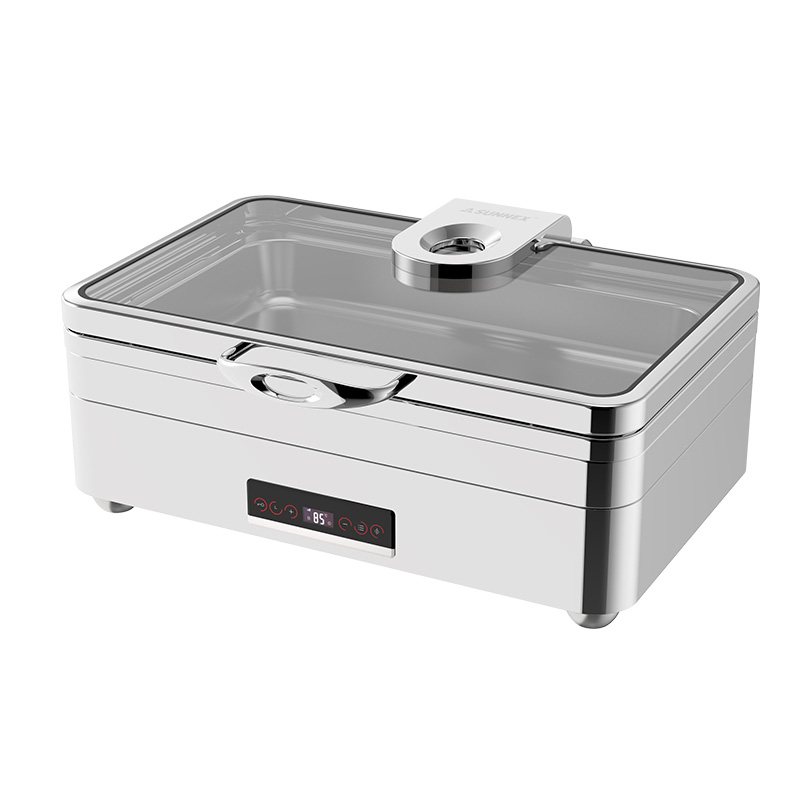
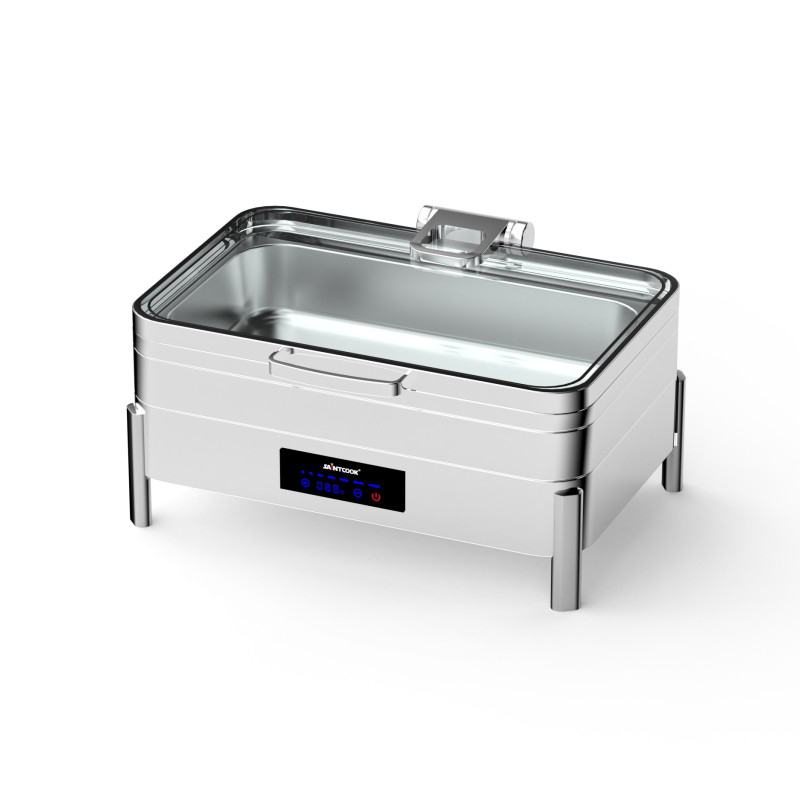
Electric Chafing Dish W07
900W Rapid Heating Chafing Dish with Intelligent Temperature Control System Multi-Safety Protection Anti-Dry Heat Flash Alarm 45-89°C Adjustable Temp for Buffet Restaurant. This commercial-grade unit features 8-minute heat-up time to 60°C, 304 stainless steel construction for durability, and adjustable temperature range perfect for holding everything from soups and sauces to main courses and sides. Its compact design fits seamlessly into existing buffet lines, while intelligent temperature control ensures consistent food quality without constant staff monitoring.
Beyond electrical considerations, think about how buffet stoves will interact with your existing food prep and service workflow. Place stoves close to prep areas to minimize the distance staff need to carry hot food, but far enough from open flames or heat sources to avoid overheating. For restaurants with existing chafing dish setups, switching to electric buffet stoves eliminates the need for fuel can storage, reduces fire risk, and simplifies cleanup—no more dealing with residual gel fuel or soot buildup. Train your staff on the new equipment’s operation, including temperature adjustment, water tank refilling (for models with water tanks), and basic maintenance, to ensure smooth adoption into daily routines.
Cost efficiency is another critical factor when integrating buffet stoves. While electric models may have a higher upfront cost than fuel-based alternatives, their long-term operating costs are significantly lower. Electric stoves convert over 80% of energy into heat, compared to 40-50% efficiency for alcohol-based fuel burners. They also reduce labor costs by minimizing the need for staff to monitor and replace fuel cans, and lower food waste by maintaining consistent temperatures that prevent overcooking or cooling. A side-by-side comparison of electric and fuel-based buffet stoves highlights these differences clearly:
| Feature | Electric Buffet Stove | Fuel-based Buffet Stove |
|---|---|---|
| Integration Ease | Easy (only requires standard power outlet) | Moderate (needs fuel storage, ventilation) |
| Temperature Control | Precise digital/adjustable control (45-90°C) | Manual, inconsistent heat output |
| Maintenance | Low (no fuel residue, easy-to-clean stainless steel) | High (fuel can cleaning, ventilation checks) |
| Operating Cost (Annual) | $120-$180 per unit | $300-$450 per unit |
| Safety Features | Auto shut-off, anti-dry burn protection | Open flame, fire risk if tipped |
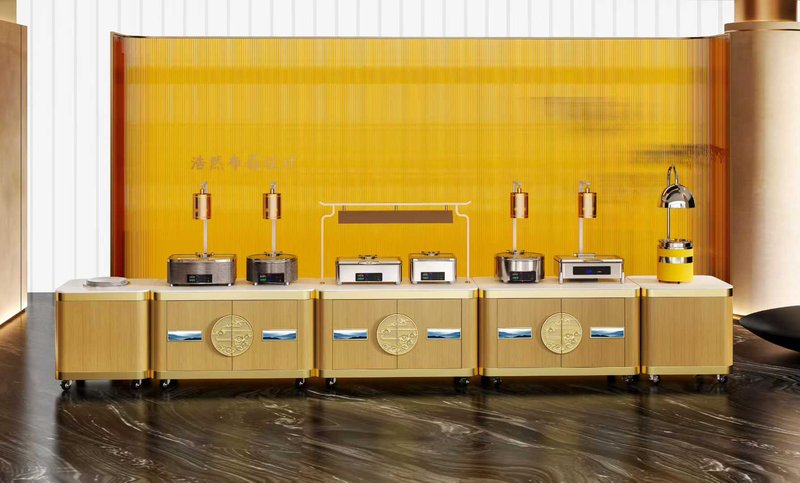
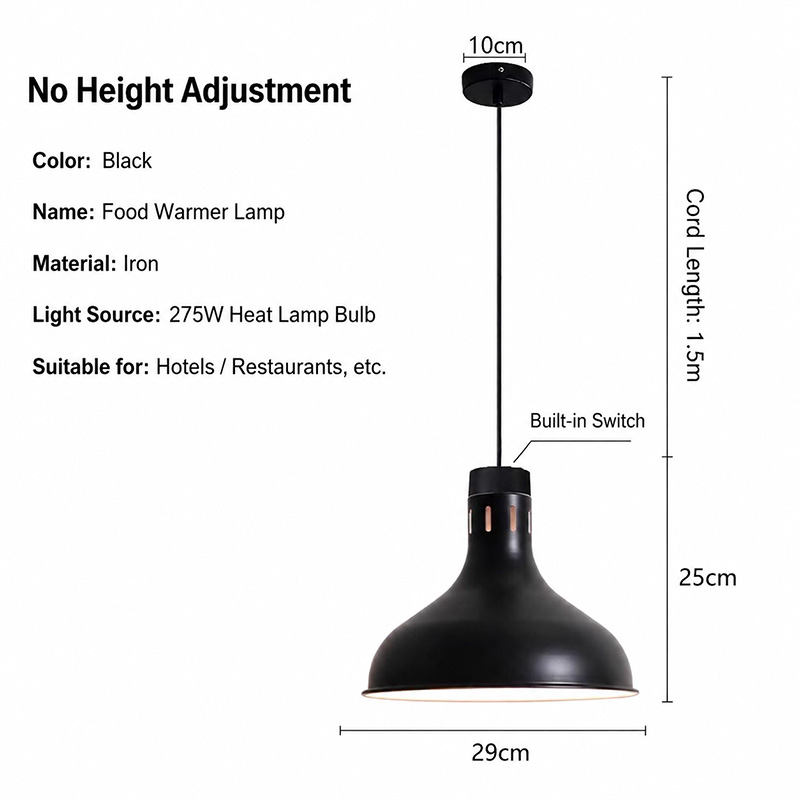
For restaurants that already use heat lamps or traditional warming equipment, integrating buffet stoves can complement existing systems rather than replacing them entirely. Use heat lamps for short-term food holding and presentation, while buffet stoves handle long-term temperature maintenance for soups, stews, and moist dishes that dry out under heat lamps. This hybrid approach leverages your existing equipment investment while filling gaps in your food holding capabilities.

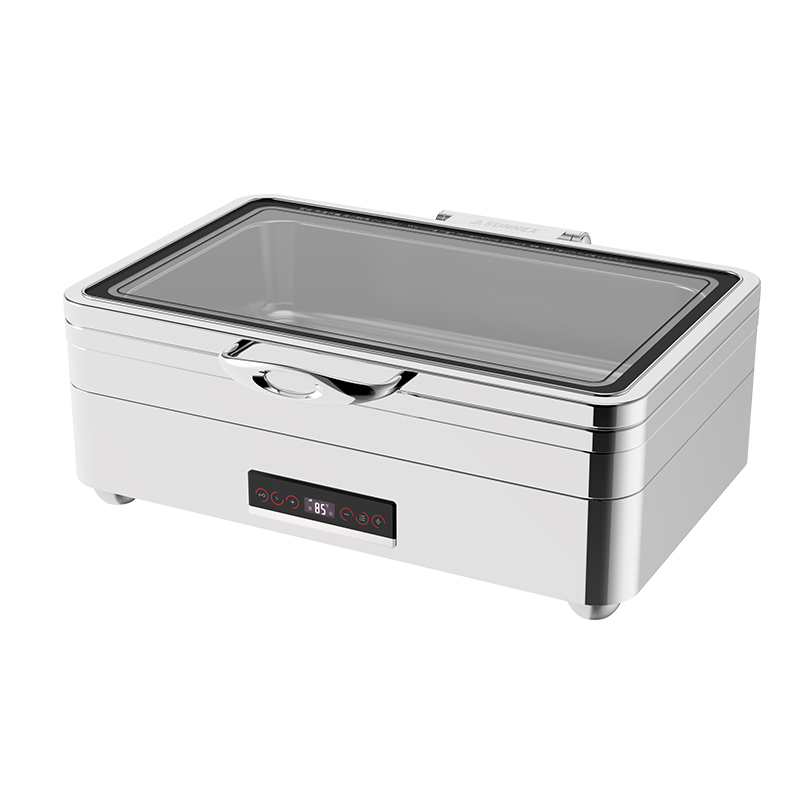
Electric Chafing Dish HC380D
Electric Stainless Steel Buffet Warmer with Digital Temp Control & Visible Window - Commercial Catering Chafing Dish. This unit features a tempered glass lid for easy food monitoring without lifting the cover, digital temperature display for precise control, and 304 stainless steel construction that matches most commercial kitchen aesthetics. Its 400W power rating makes it ideal for integrating into existing setups with limited electrical capacity, while the visible window reduces staff interruptions to check food status.
Real-world examples demonstrate the success of thoughtful integration. A 120-seat hotel restaurant in Shanghai recently added three Electric Chafing Dish W07 units to their existing buffet line, replacing older fuel-based models. Within two months, they reported a 22% reduction in fuel costs, 15% less food waste due to more consistent temperatures, and positive feedback from customers about the improved food quality. The integration process took only two days, with no disruption to daily service, as the units were placed in unused space at the end of the buffet line and required only two new power outlets.
Finally, don’t overlook maintenance and long-term support when integrating buffet stoves. Choose models with CE, ETL, and RoHS certifications to ensure compliance with commercial kitchen safety standards. Look for units with removable water tanks and food pans for easy cleaning, and anti-dry burn protection to prevent equipment damage if water levels run low. Register your equipment with the manufacturer to access warranty support and replacement parts, ensuring your new buffet stoves remain a reliable part of your setup for years to come.
Integrating buffet stoves into your restaurant’s existing setup doesn’t have to be a disruptive or costly process. By assessing your space, aligning with your workflow, choosing energy-efficient models, and training your staff, you can upgrade your buffet service capabilities while minimizing downtime. Whether you run a small café, a medium-sized family restaurant, or a large hotel banquet hall, the right buffet stoves will enhance your food quality, improve efficiency, and deliver better experiences for your customers.
Related Articles
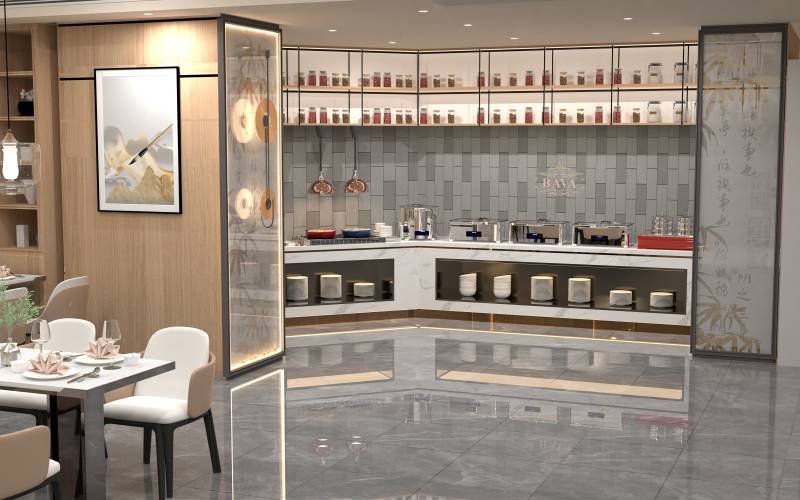
Electric Buffet Warmer with Adjustable Thermostat for Restaurants
Discover the best Electric Buffet Warmer with Adjustable Thermostat for Restaurants solutions. Real ...
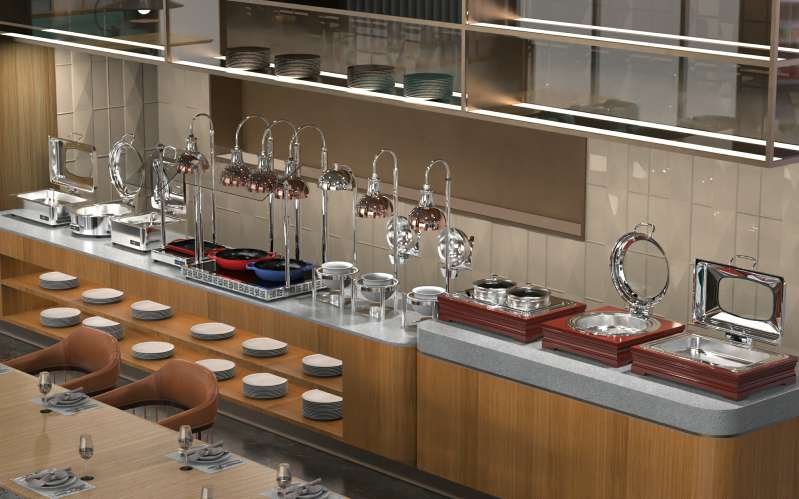
Mini Chafing Dish for Breakfast Buffet & Condiment Stations
Discover the best Mini Chafing Dish for Breakfast Buffet & Condiment Stations solutions. Real case s...
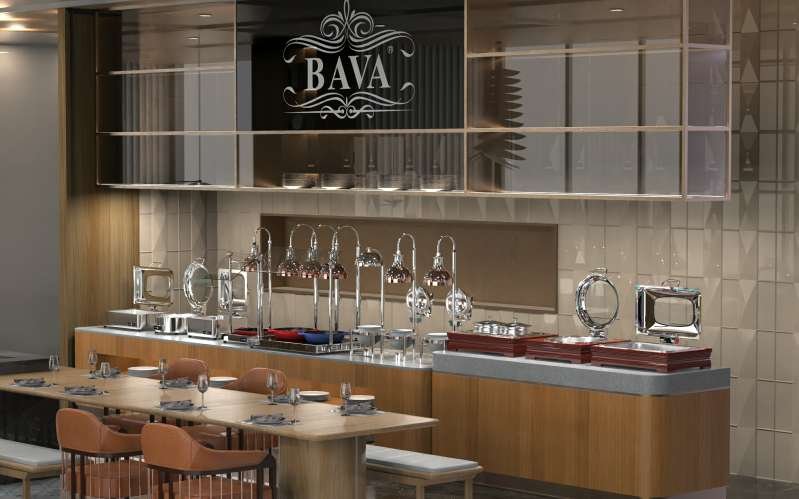
9QT Extra-Large Chafing Dish for Large-Scale Banquet Events
Discover the best 9QT Extra-Large Chafing Dish for Large-Scale Banquet Events solutions. Real case s...
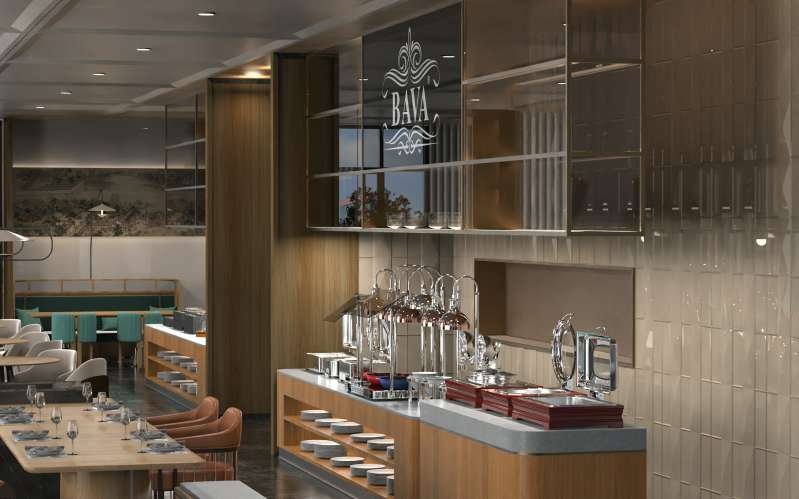
Wall-Mounted Buffet Stove for Space-Saving Kitchen Layouts
Discover the best Wall-Mounted Buffet Stove for Space-Saving Kitchen Layouts solutions. Real case st...
Stainless Steel Food Warmer for Supermarket Deli Departments
Discover the best Stainless Steel Food Warmer for Supermarket Deli Departments solutions. Real case ...
Commercial Chafer Dish with Temperature Control for Food Safety
Discover the best Commercial Chafer Dish with Temperature Control for Food Safety solutions. Real ca...