
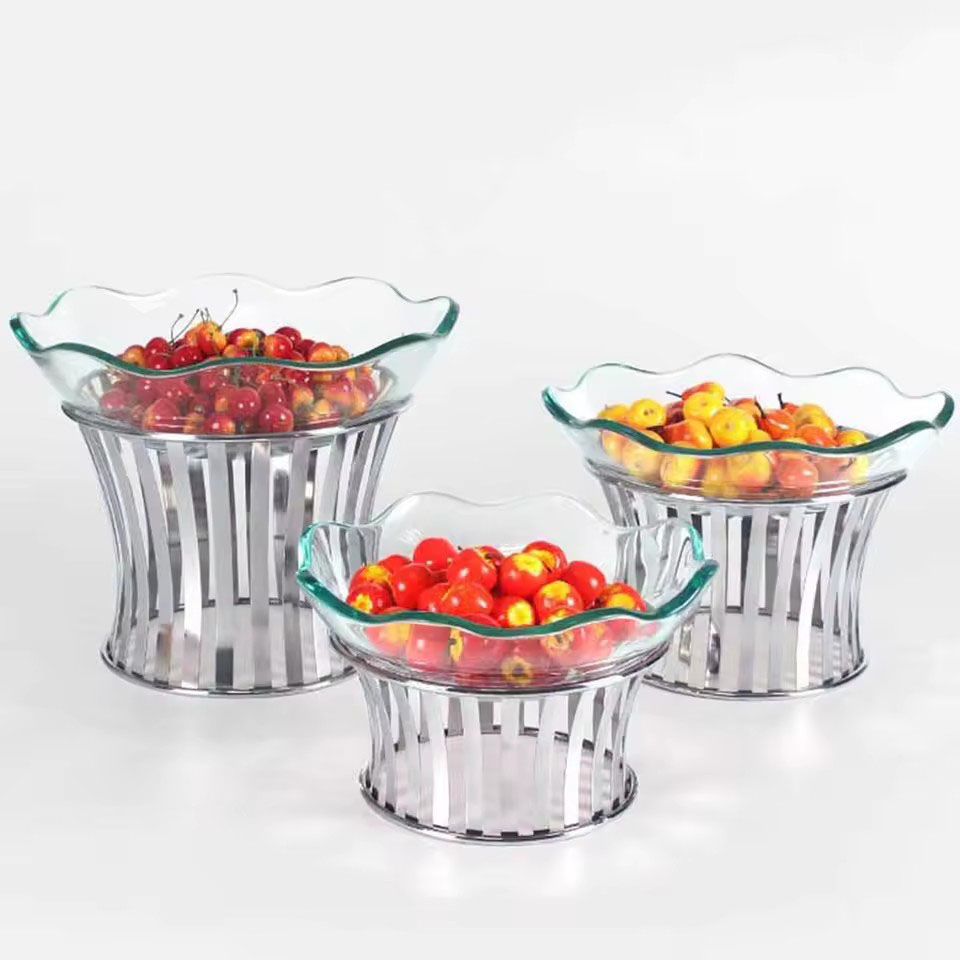
Buffet Stoves for Outdoor Catering: What You Need to Know
Buffet Stoves for Outdoor Catering: What You Need to Know
Outdoor catering events, from weddings and corporate galas to farmers markets and festival pop-ups, demand reliable food warming solutions that can withstand unpredictable weather, variable power access, and high-volume service. Unlike indoor buffet setups, outdoor environments introduce unique challenges: wind can extinguish open flames, rain can damage electrical equipment, and lack of stable power outlets limits electric appliance use. A high-quality buffet stove designed specifically for outdoor catering is not just a convenience—it’s a necessity to ensure food safety, maintain consistent temperature, and deliver a positive guest experience. In this guide, we break down the key features to look for, compare electric and fuel-powered options, and recommend top-performing buffet stoves for outdoor catering businesses.
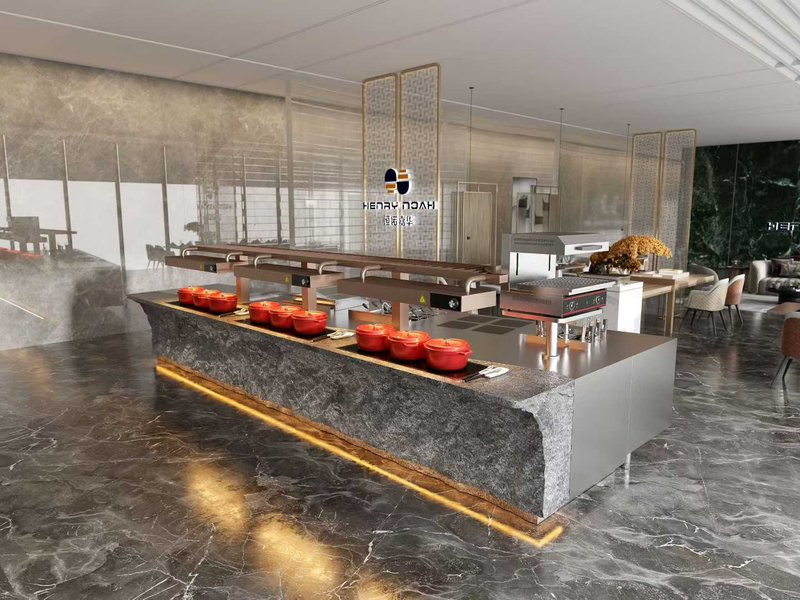
Key Considerations for Outdoor Buffet Stoves
When selecting a buffet stove for outdoor use, prioritize features that address the unique demands of open-air environments. First, weather resistance: look for models with wind-resistant designs, sealed heating elements, and waterproof or water-resistant casings. Fuel-powered stoves with enclosed burners perform better in windy conditions than open-flame models, while electric stoves should have IPX4 or higher water resistance ratings if used in light rain (always use a protective canopy regardless).
Portability is another critical factor. Outdoor catering often requires moving equipment between event locations, so opt for lightweight stoves with sturdy handles, foldable legs, or compact footprints. Electric models may need heavy-duty extension cords or portable generators, so confirm power requirements before purchasing. For fuel-powered stoves, choose units that use widely available chafing fuel cans (standard 2-hour or 4-hour burn times) to avoid supply chain issues during events.
Temperature consistency is non-negotiable for food safety. Outdoor temperature fluctuations can affect heating performance, so select stoves with adjustable thermostats, overheat protection, and uniform heat distribution. Electric models with digital temperature displays let you monitor and adjust settings in real time, while fuel-powered stoves with thick stainless steel construction retain heat longer in cold weather.
Electric vs Fuel-Powered Buffet Stoves for Outdoor Use
One of the first decisions you’ll make is choosing between electric and fuel-powered buffet stoves. Each has distinct advantages depending on your event type, location, and power access:
| Feature | Electric Buffet Stoves | Fuel-Powered Buffet Stoves |
|---|---|---|
| Power Source | 220V/110V AC (requires outlet or portable generator) | Alcohol gel/liquid chafing fuel (no external power needed) |
| Portability | Moderate (needs power access, heavier due to heating elements) | High (lightweight, no cords, easy to transport) |
| Temperature Control | Precise digital control, adjustable 45-90°C range | Fixed heat output, dependent on fuel burn rate |
| Weather Resistance | Limited (needs shelter from rain, not windproof) | High (wind-resistant burners, works in light rain with cover) |
| Operating Cost | Low (uses electricity, no recurring fuel costs) | Moderate (requires regular fuel can purchases) |
| Ideal Use Case | Events with stable power access (wedding venues, corporate campuses) | Remote locations, festivals, farmers markets with no power |
Top Buffet Stoves for Outdoor Catering
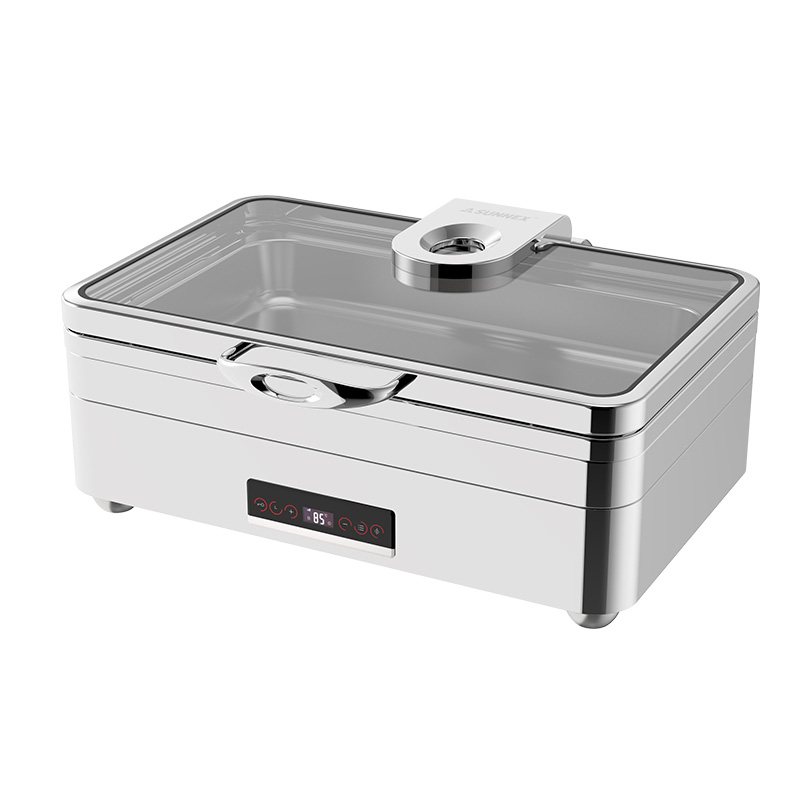
Electric Chafing Dish W07
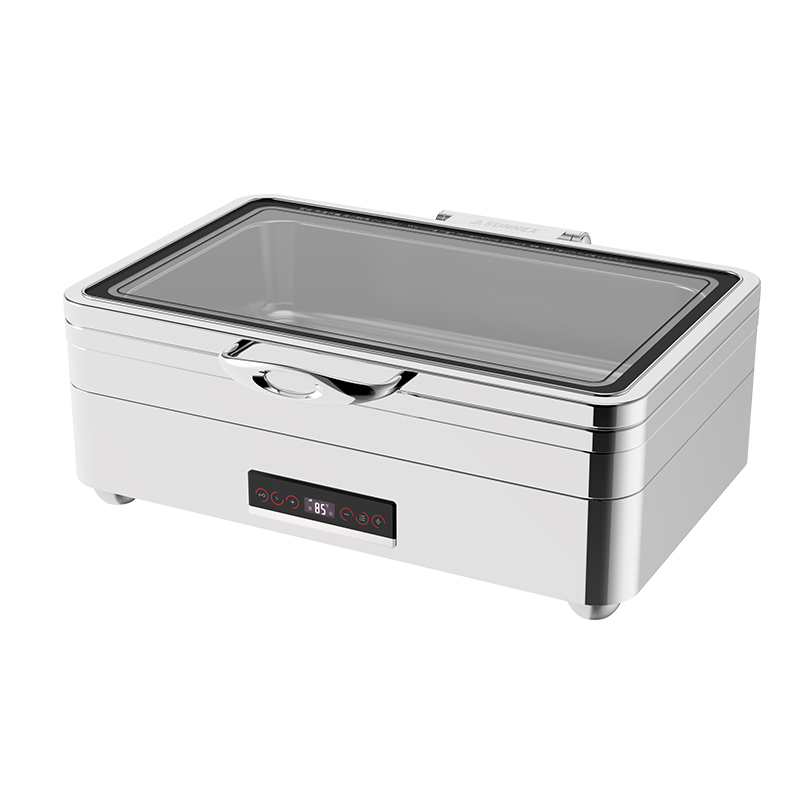
The Electric Chafing Dish W07 is a top choice for outdoor catering events with reliable power access. Featuring 900W rapid heating, it reaches optimal serving temperature in just 8 minutes, with an adjustable temperature range of 45-89°C controlled via an intuitive digital interface. Its intelligent temperature control system includes anti-dry heat flash alarms and automatic shut-off to prevent overheating, even during long service hours. The 304 stainless steel construction is durable enough to withstand frequent transport and outdoor use, while the tempered glass lid lets guests view food without lifting the cover. This model is ideal for hotels, catering companies, and event planners hosting outdoor weddings or corporate events with stable power supply.
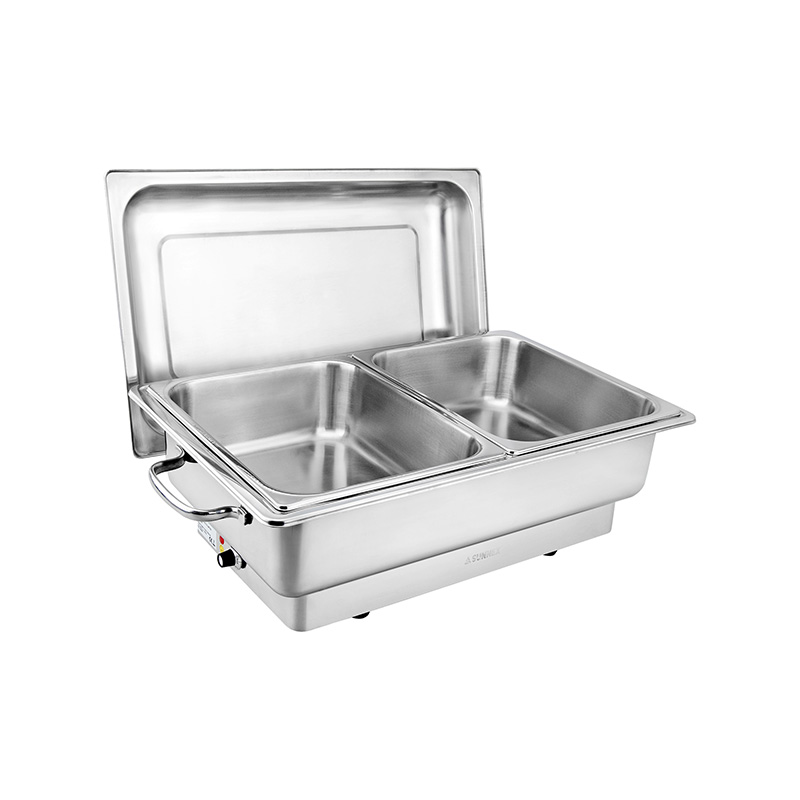
Stainless Steel Electric Double Pan Chafing Dish
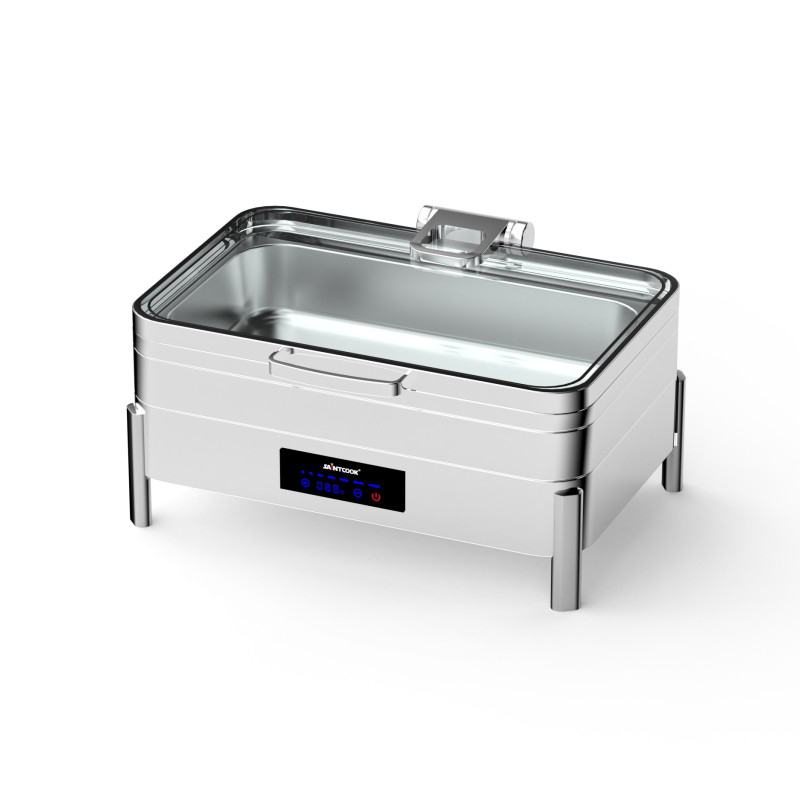
For high-volume outdoor events, the Stainless Steel Electric Double Pan Chafing Dish offers twice the capacity with two 400W heating pans, each adjustable from 45-90°C. The dual-pan design lets you serve two different dishes simultaneously, reducing the number of units needed for large gatherings. Its 304 stainless steel body is rust-resistant and easy to clean after messy outdoor events, while the compact footprint saves space on crowded buffet tables. This model works well with portable generators, making it suitable for remote outdoor locations with limited power access.
Fuel Chafing Dish HC380Z
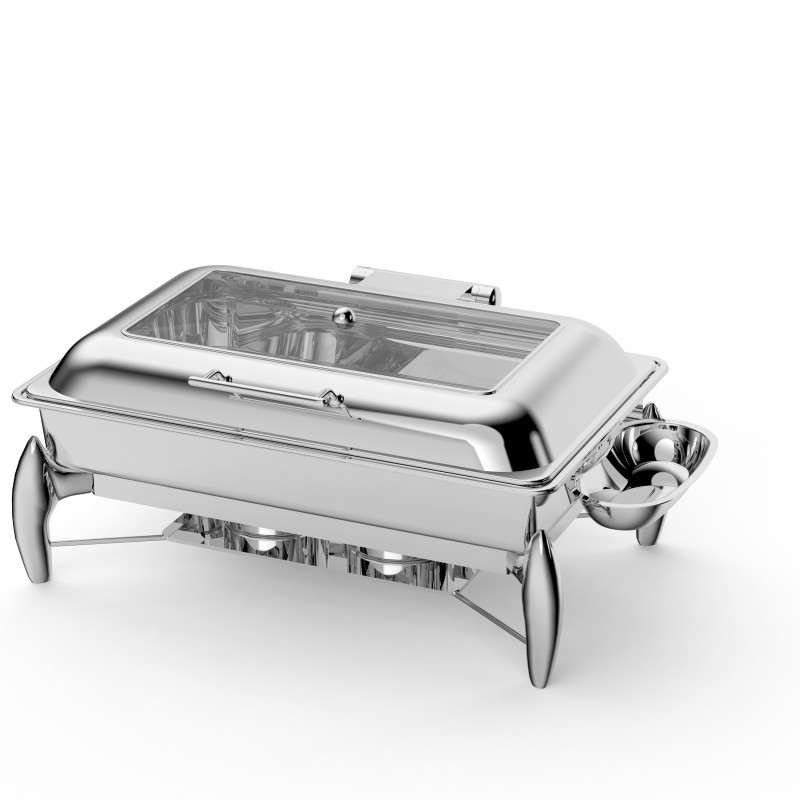
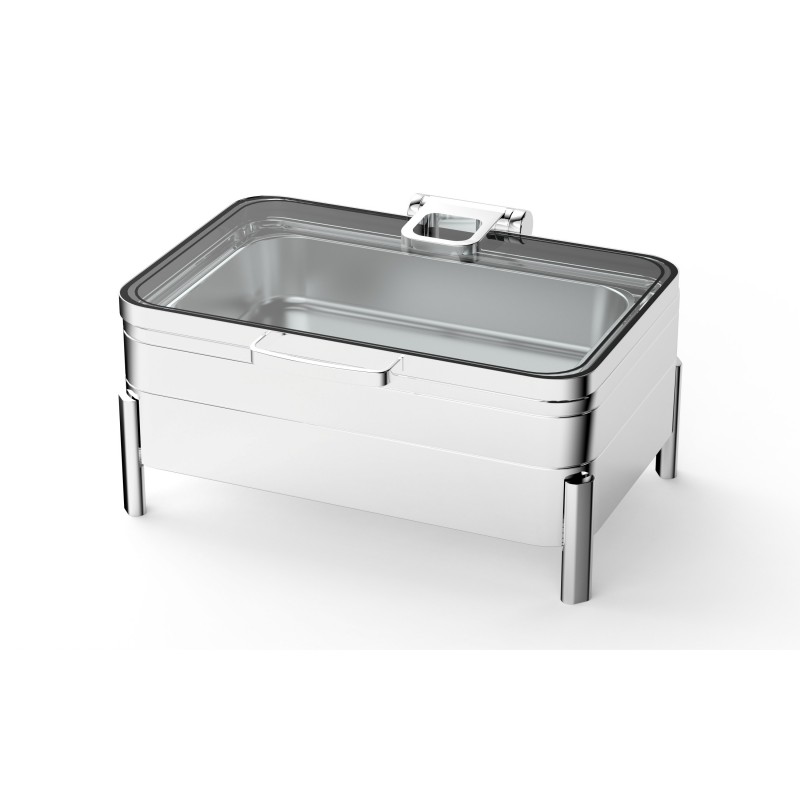
For events with no power access, the Fuel Chafing Dish HC380Z is a reliable fuel-powered option. Crafted from 304 stainless steel, it features an enclosed burner that resists wind gusts up to 15mph, making it ideal for breezy outdoor venues. The hinged tempered glass lid includes a viewing window so staff can check food levels without letting heat escape, and hydraulic hinges prevent slamming during busy service. Each fuel can provides 2-4 hours of burn time, and the unit is compatible with standard chafing fuel gels or liquids. It’s a favorite for festival pop-ups, farmers markets, and remote wedding venues where electric power is unavailable.
Maintenance Tips for Outdoor Buffet Stoves
Outdoor use exposes buffet stoves to dirt, dust, and moisture, so regular maintenance is key to extending equipment life. After each event, wipe down stainless steel surfaces with a mild detergent and dry thoroughly to prevent water spots or rust. For electric models, check power cords for fraying and clean heating elements with a soft brush to remove food residue. Fuel-powered stoves should have burners cleaned of fuel residue after every use, and O-rings checked for wear to prevent leaks. Store all units in a dry, covered area when not in use to protect from rain and UV damage.
Final Thoughts
Choosing the right buffet stove for outdoor catering can make or break your event’s food service. Prioritize weather resistance, portability, and temperature consistency based on your typical event locations and power access. Whether you opt for an electric model with precise temperature control or a fuel-powered unit for remote locations, investing in high-quality, durable equipment will reduce downtime, improve food safety, and keep guests satisfied. Pair your stove with the right chafing dishes and fuel supplies, and you’ll be prepared for any outdoor catering challenge.
Related Articles
Electric Buffet Warmer with Adjustable Thermostat for Restaurants
Discover the best Electric Buffet Warmer with Adjustable Thermostat for Restaurants solutions. Real ...
Mini Chafing Dish for Breakfast Buffet & Condiment Stations
Discover the best Mini Chafing Dish for Breakfast Buffet & Condiment Stations solutions. Real case s...
9QT Extra-Large Chafing Dish for Large-Scale Banquet Events
Discover the best 9QT Extra-Large Chafing Dish for Large-Scale Banquet Events solutions. Real case s...
Wall-Mounted Buffet Stove for Space-Saving Kitchen Layouts
Discover the best Wall-Mounted Buffet Stove for Space-Saving Kitchen Layouts solutions. Real case st...

Stainless Steel Food Warmer for Supermarket Deli Departments
Discover the best Stainless Steel Food Warmer for Supermarket Deli Departments solutions. Real case ...
Commercial Chafer Dish with Temperature Control for Food Safety
Discover the best Commercial Chafer Dish with Temperature Control for Food Safety solutions. Real ca...