
How Buffet Stoves Can Reduce the Need for Waitstaff During Service
Staffing is one of the largest operational costs for restaurants, and all-you-can-eat buffets are no exception. During peak hours, managing food replenishment, temperature checks, and guest inquiries can strain even the largest teams. One often-overlooked solution to reduce waitstaff workload is investing in high-quality buffet stoves. These devices automate critical heating tasks, allowing your team to focus on higher-value work while maintaining seamless service.
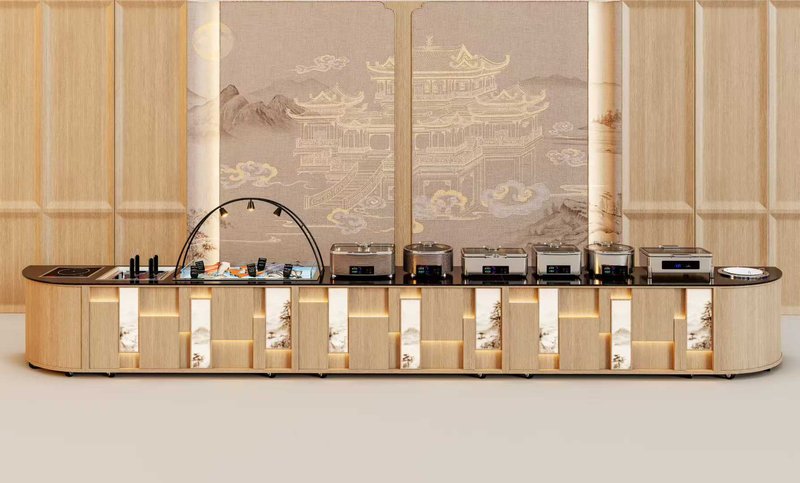
The primary way buffet stoves reduce waitstaff needs is through automated temperature control. Traditional warming methods like sterno cans or open burners require constant monitoring—staff must check flame levels, adjust heat, and replace fuel regularly. Modern electric buffet stoves eliminate this with set-and-forget temperature settings. For example, BAVA's W20 model features an OLED touchscreen and 45–90°C adjustable range, allowing staff to set the perfect heat level for each dish without frequent checks. This frees up 1–2 staff members per shift who would otherwise be tied to monitoring heating equipment.

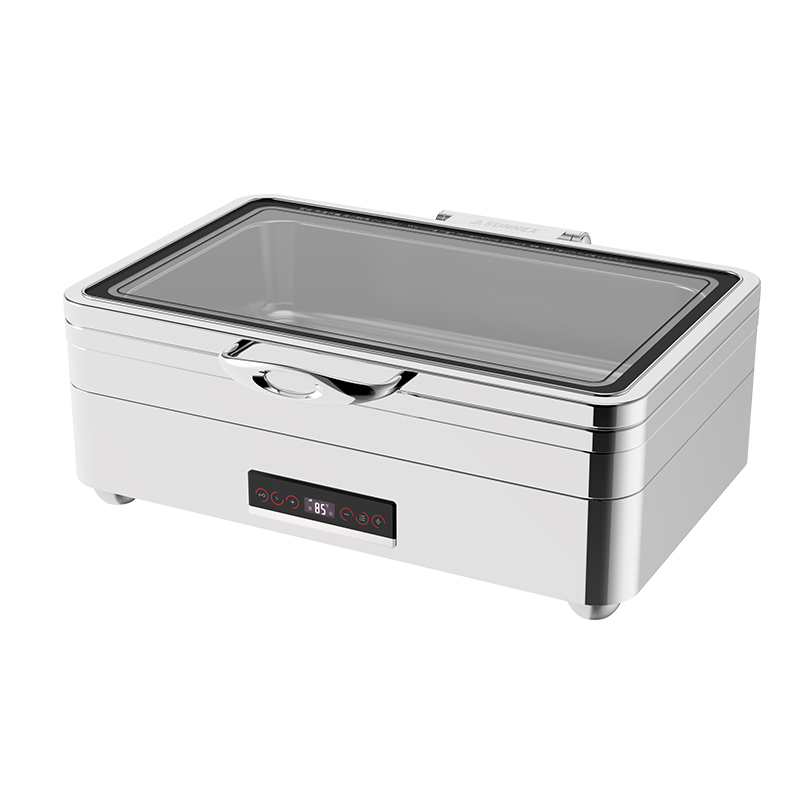
Electric Chafing Dish W20
This 900W electric chafer from BAVA's W20 series combines precision heating with user-friendly design. Its OLED touchscreen displays real-time temperature readings, while the 3-layer base ensures even heat distribution across the entire GN 1/1 pan. CE and ETL certified, it meets strict commercial safety standards, and the 8-minute heat-up time to 60°C makes it ideal for quick setups. Its durable 304 stainless steel construction withstands high-volume use, reducing the need for frequent replacements or repairs that would pull staff away from service.
Reduced food handling is another key benefit. When food is kept at consistent, safe temperatures in buffet stoves, there's less need for staff to rotate dishes, reheat cold items, or discard spoiled food. Water-bath models, for instance, keep dishes moist for up to 8 hours, minimizing the frequency of refills and reducing the number of trips staff need to make between the kitchen and buffet line. This streamlines workflow and allows waitstaff to focus on guest engagement rather than constant food maintenance.
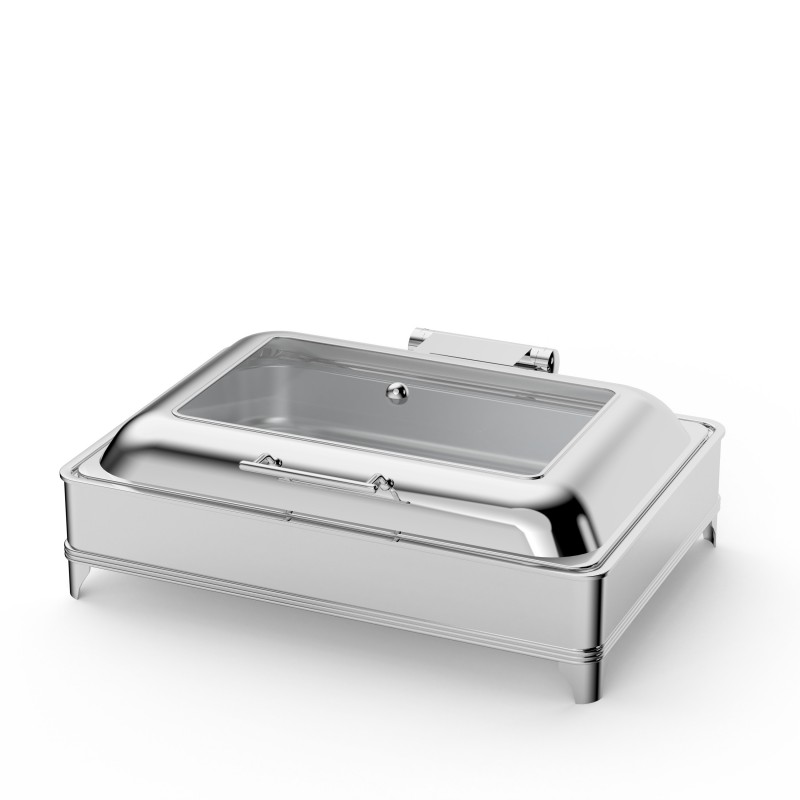
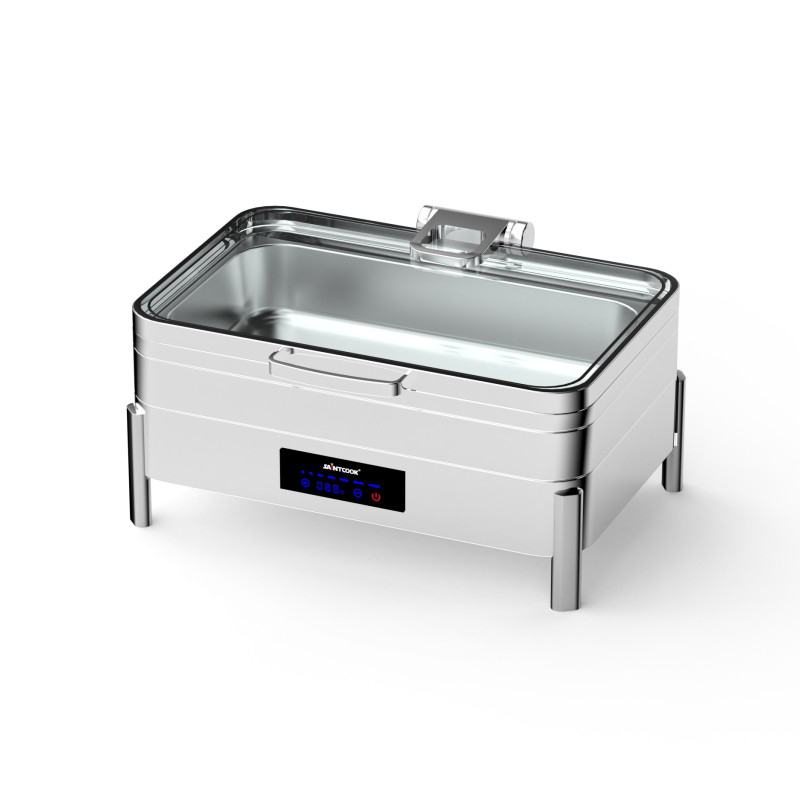
Stainless Steel Electric Buffet Warmer
Designed for commercial buffet use, this 400W electric warmer features a visible tempered glass lid that lets guests see food without lifting the cover, reducing heat loss and the need for staff to continuously check dish levels. Its 45–90°C temperature range and GN 1/1 pan size make it versatile for everything from soups to main courses. The 304 stainless steel body is easy to clean, cutting down on post-shift cleaning time, and CE/ETL certifications ensure compliance with health codes without additional staff training.
Labor cost savings add up quickly. For a mid-sized buffet restaurant, reducing waitstaff by 2 people per shift can save over $50,000 annually in wages and benefits. Buffet stoves also reduce the need for specialized kitchen staff to manage heating equipment, as the devices are intuitive enough for front-of-house team members to operate. This flexibility allows you to reallocate staff to guest service roles, improving overall customer satisfaction.
Reliability is another factor. Cheap, poorly made heating equipment often breaks down, requiring emergency repairs and pulling staff away from service. High-quality buffet stoves from reputable manufacturers like BAVA come with warranties and durable construction, minimizing downtime and the associated labor costs of dealing with equipment failures. Features like anti-dry burn protection and overheat shut-off further reduce the need for staff intervention, even in high-pressure service environments.
When selecting buffet stoves to reduce waitstaff needs, prioritize models with automated features: digital temperature control, water-bath heating, and durable construction. Electric models are generally easier to automate than alcohol-heated options, and touchscreen interfaces reduce training time for new staff. Look for certifications like NSF or CE to ensure the equipment meets safety standards without requiring additional staff oversight.
In conclusion, buffet stoves are a strategic investment for restaurants looking to reduce waitstaff costs without sacrificing service quality. By automating temperature control, reducing food handling, and improving reliability, these devices free up your team to focus on what matters most—delivering exceptional guest experiences. For buffet operators, the labor savings alone can justify the upfront cost of high-quality buffet stoves within the first year of use.
Related Articles
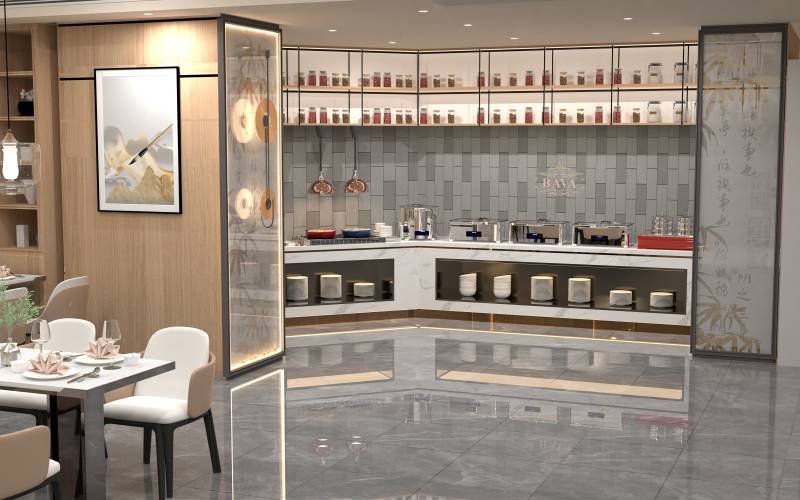
Electric Buffet Warmer with Adjustable Thermostat for Restaurants
Discover the best Electric Buffet Warmer with Adjustable Thermostat for Restaurants solutions. Real ...
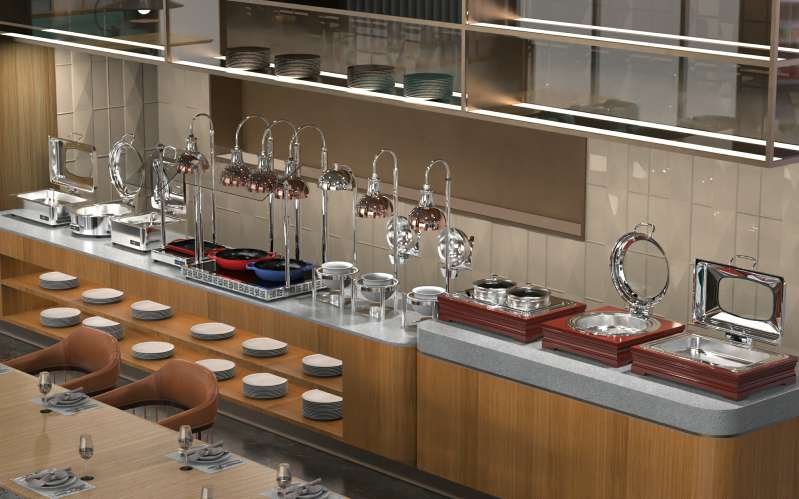
Mini Chafing Dish for Breakfast Buffet & Condiment Stations
Discover the best Mini Chafing Dish for Breakfast Buffet & Condiment Stations solutions. Real case s...
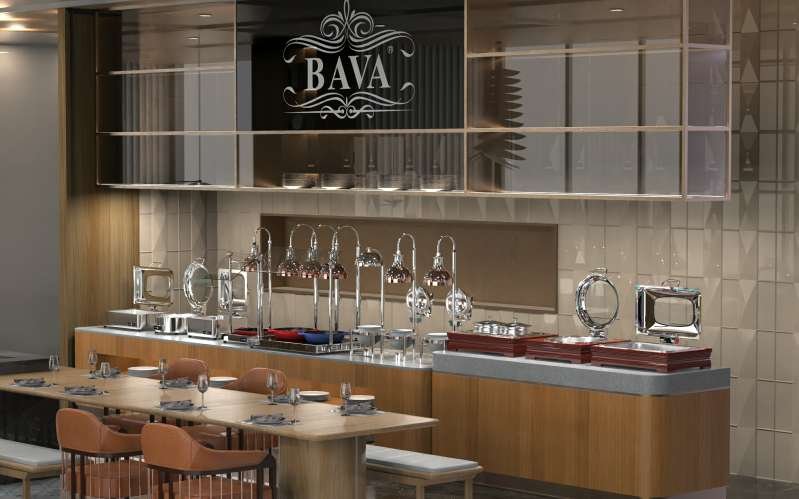
9QT Extra-Large Chafing Dish for Large-Scale Banquet Events
Discover the best 9QT Extra-Large Chafing Dish for Large-Scale Banquet Events solutions. Real case s...
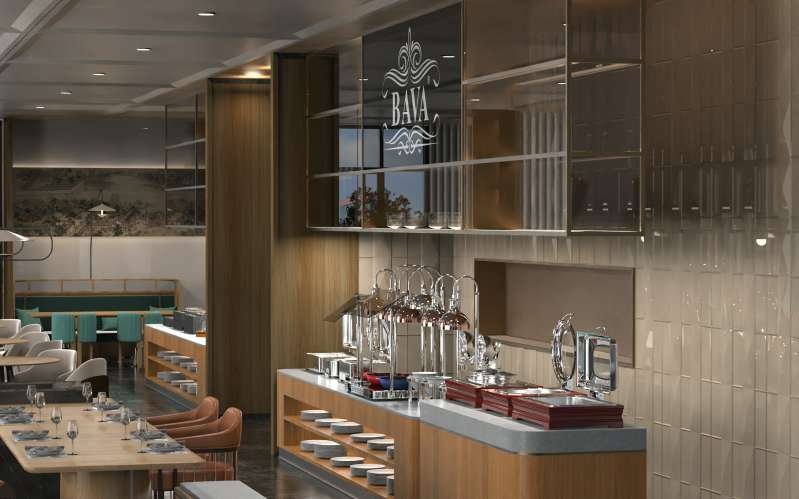
Wall-Mounted Buffet Stove for Space-Saving Kitchen Layouts
Discover the best Wall-Mounted Buffet Stove for Space-Saving Kitchen Layouts solutions. Real case st...

Stainless Steel Food Warmer for Supermarket Deli Departments
Discover the best Stainless Steel Food Warmer for Supermarket Deli Departments solutions. Real case ...
Commercial Chafer Dish with Temperature Control for Food Safety
Discover the best Commercial Chafer Dish with Temperature Control for Food Safety solutions. Real ca...