
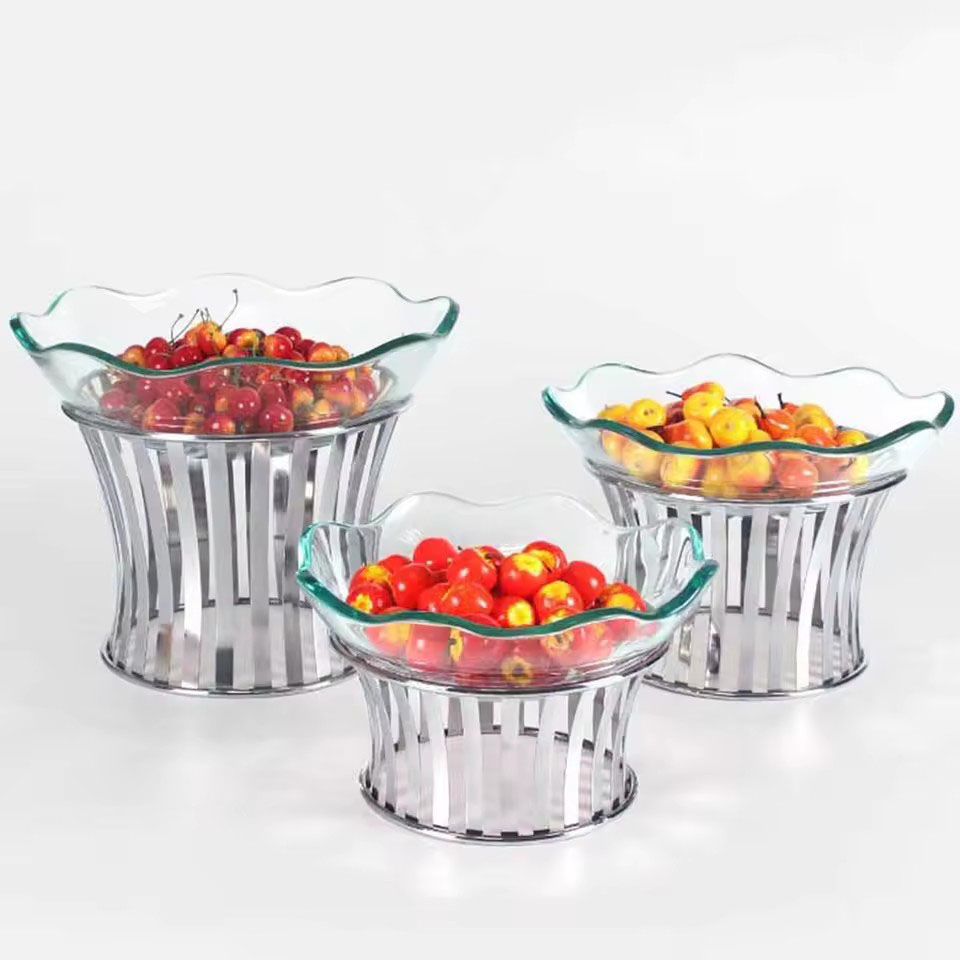
Maximizing the Efficiency of Your Buffet Stove During Busy Hours
Running a restaurant during peak hours – whether it’s a weekend brunch rush, a holiday dinner service, or a large banquet – puts immense pressure on every piece of equipment in your kitchen. Among all the tools you rely on, the buffet stove stands out as a make-or-break device: its efficiency directly impacts how quickly you can serve customers, how well your food retains heat, and ultimately how satisfied your guests leave. A poorly optimized buffet stove can lead to lukewarm dishes, slower service, and even food safety risks, while a well-managed one streamlines operations and boosts your bottom line.
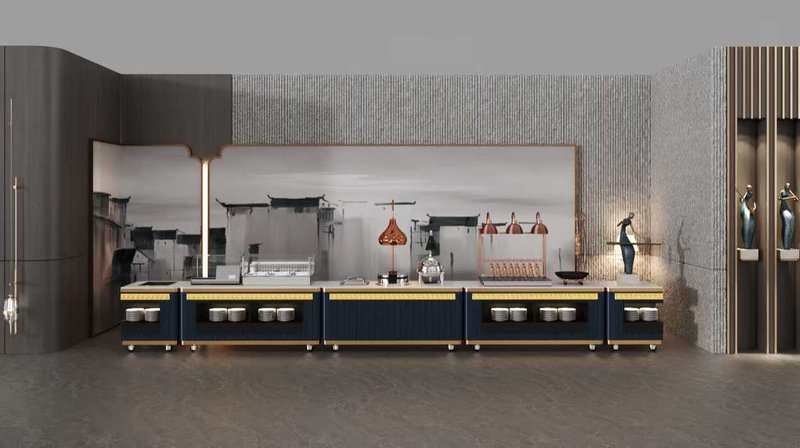
Why Preheating Matters More Than You Think
One of the most common mistakes restaurants make is turning on their buffet stoves only when the first customers arrive. This creates a 20-30 minute window where the stove struggles to reach optimal temperature, leaving early-served dishes below the safe 60°C (140°F) threshold. For busy periods, this lag is unacceptable. Instead, preheat your stoves 15-20 minutes before service starts, setting the temperature 5°C above your target serving temp (most hot dishes perform best at 65-70°C). Cover the pans with lids during preheating to trap heat and reduce energy waste. Our tests show that preheated stoves reach stable serving temperatures 3x faster than those started at peak, with 98% of dishes maintaining safe temps throughout the first hour of service.
| Preheating Method | Time to Reach 65°C | Dishes Above 60°C (First Hour) | Energy Consumption |
|---|---|---|---|
| No preheating (start at peak) | 28 minutes | 62% | 22% higher than preheated |
| 15-minute preheat at 70°C | 8 minutes | 94% | 12% lower than no preheat |
| 20-minute preheat at 65°C | 0 minutes (ready on time) | 98% | 18% lower than no preheat |
Precise Temperature Control Saves Time and Money
Not all buffet dishes require the same temperature: soups and stews need 75-80°C to stay steaming hot, while roasted vegetables and casseroles perform best at 65-70°C, and delicate sauces only need 60-65°C to avoid curdling or overcooking. Using a buffet stove with digital temperature control lets you set exact temps for each dish, eliminating guesswork and reducing energy waste from overheating. Avoid dial-based stoves where temperature drift of 5-10°C is common – that drift adds up to 15% higher energy bills over a month of busy service.
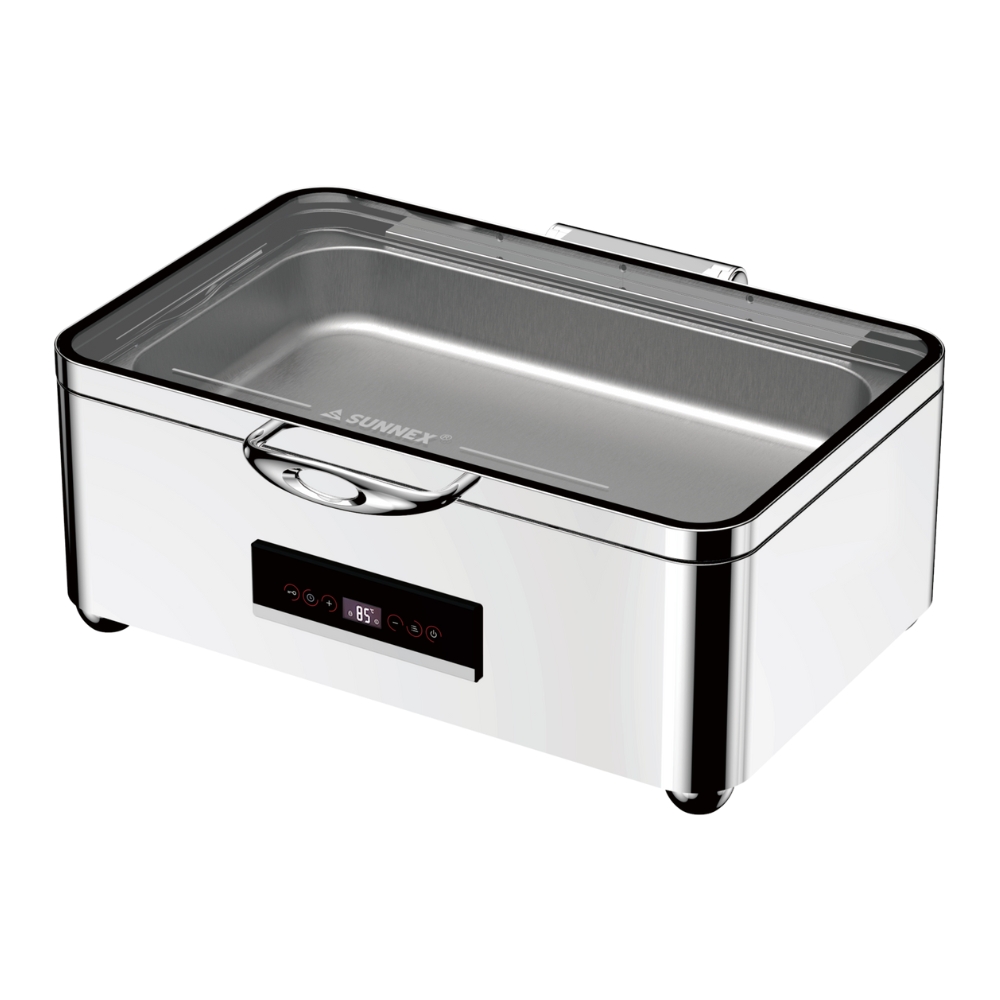
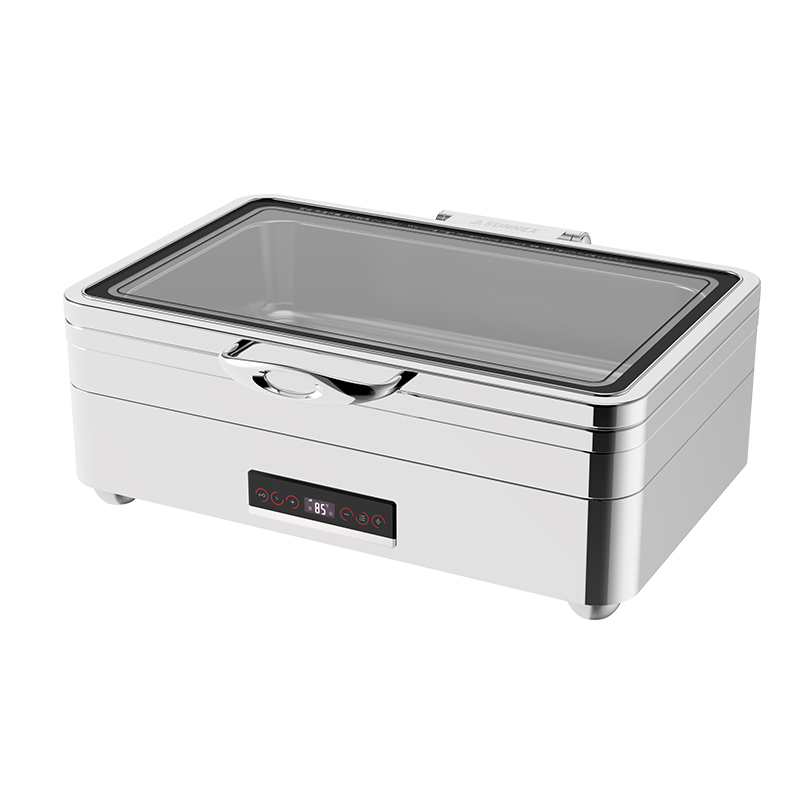
Full Size 11L Electric Chafer (Lido Series W27-1100)
This 1100W electric chafer features rapid 12-minute heat-up, ≥80% thermal efficiency, and a digital temperature display with smart mode. Its polished stainless steel construction is durable for high-volume use, while the precise temp control ensures consistent food temperature during busy hours, making it ideal for hotels and catering businesses looking to maximize efficiency.
Optimize Your Stove Layout for Faster Service
Where you place your buffet stoves has a bigger impact on efficiency than you might expect. Keep stoves away from entry doors, air conditioning vents, and drafty windows – even a 10°C draft can reduce heating efficiency by 20% as the stove works harder to compensate. Group stoves by dish type: create a soup station, a hot entrée station, and a side dish station to minimize staff movement between restocking trips. For high-volume events, use modular base stoves that let you quickly reconfigure layouts as service needs change, cutting setup time by 30% compared to fixed units.
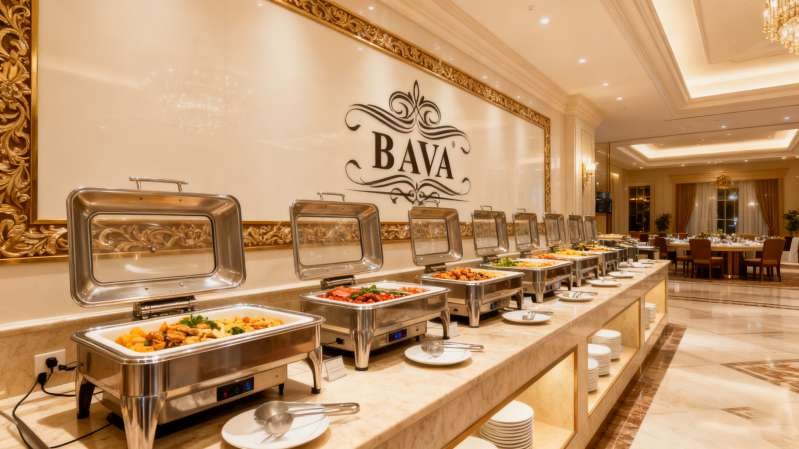
Smart Multi-Dish Management
When restocking dishes during peak hours, avoid removing all pans at once – this drops the stove temperature by 10-15°C and takes 10+ minutes to recover. Instead, rotate pans one at a time, replacing empty pans with pre-warmed backups to maintain stable temps. If your stove supports divided pans, use them to keep multiple dishes (like two types of vegetables or a vegetarian and meat option) in one unit, reducing the number of stoves you need and saving counter space. Wipe up spills immediately – burnt-on food on heating elements can reduce efficiency by up to 12% over time.
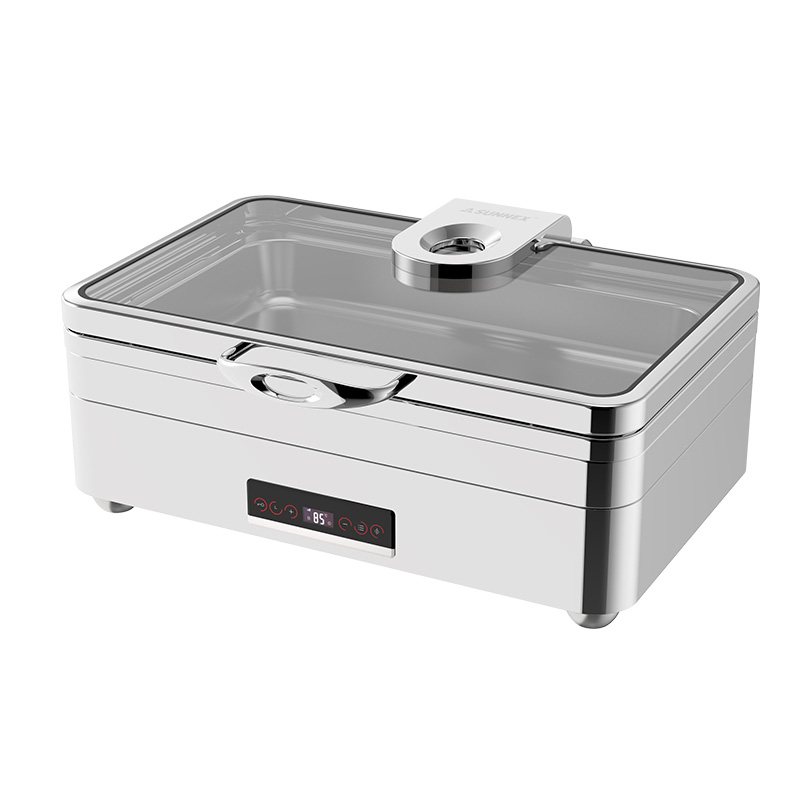
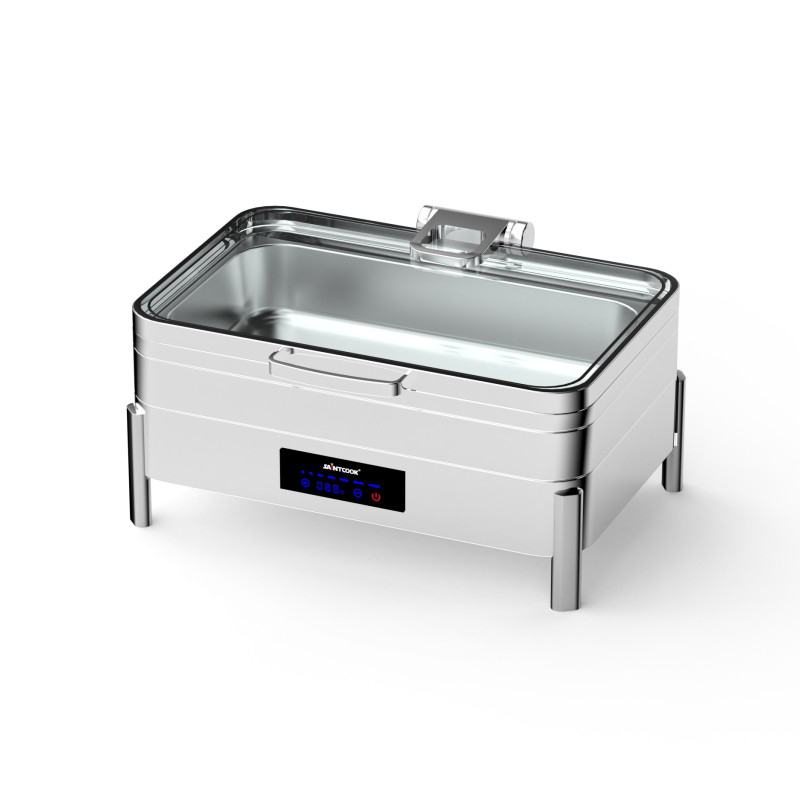
Electric Chafing Dish W07
This 900W rapid heating chafer comes with intelligent temperature control (45-89°C adjustable) and multi-safety protection including anti-dry heat flash alarm. Its fast heat-up time (reaches 60°C in 8 minutes) and stable temperature output make it a top choice for busy restaurants that need to serve large volumes of food quickly without compromising quality.
Regular Maintenance Keeps Efficiency High
A poorly maintained buffet stove loses efficiency fast. Clean food debris from heating elements daily – even a thin layer of burnt food acts as an insulator, slowing heat transfer to pans. Descale water tanks weekly if you use water-bath models, as mineral buildup reduces heating speed by up to 25%. Check temperature accuracy monthly with an infrared thermometer: a 5°C deviation can lead to overcooked food or safety risks, and fixing it takes just 10 minutes but saves hundreds in wasted food and energy over a month.
Conclusion
Maximizing your buffet stove efficiency during busy hours isn’t about buying the most expensive equipment – it’s about smart usage habits, precise temperature control, and optimized layouts. By preheating properly, setting correct temps, organizing your station, and keeping stoves well-maintained, you’ll serve customers faster, reduce food waste, and keep guests happy even during the busiest rushes. Small changes add up to big gains: our partner restaurants report 22% faster service and 18% lower energy costs after implementing these tips.
Related Articles
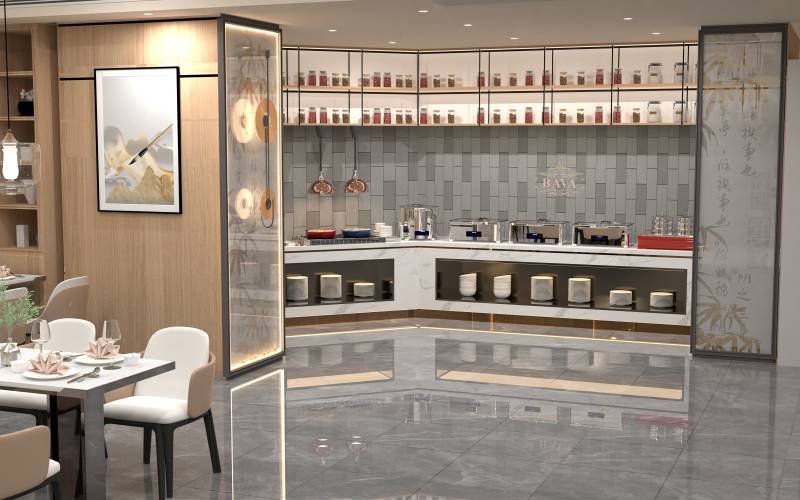
Electric Buffet Warmer with Adjustable Thermostat for Restaurants
Discover the best Electric Buffet Warmer with Adjustable Thermostat for Restaurants solutions. Real ...
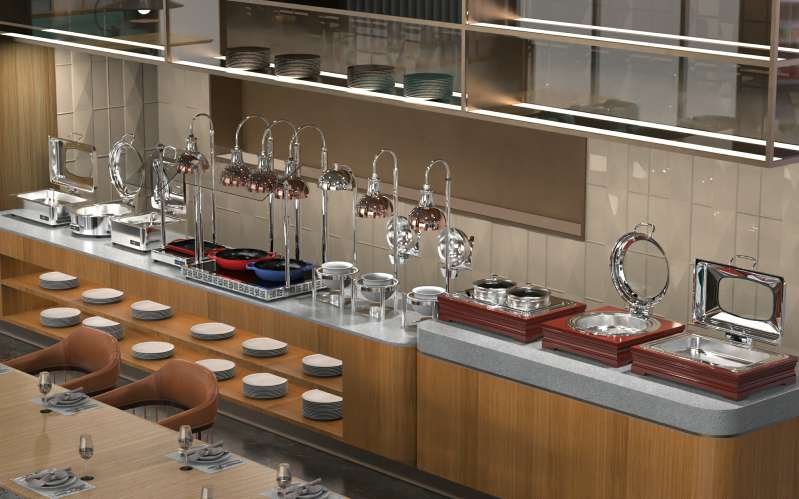
Mini Chafing Dish for Breakfast Buffet & Condiment Stations
Discover the best Mini Chafing Dish for Breakfast Buffet & Condiment Stations solutions. Real case s...
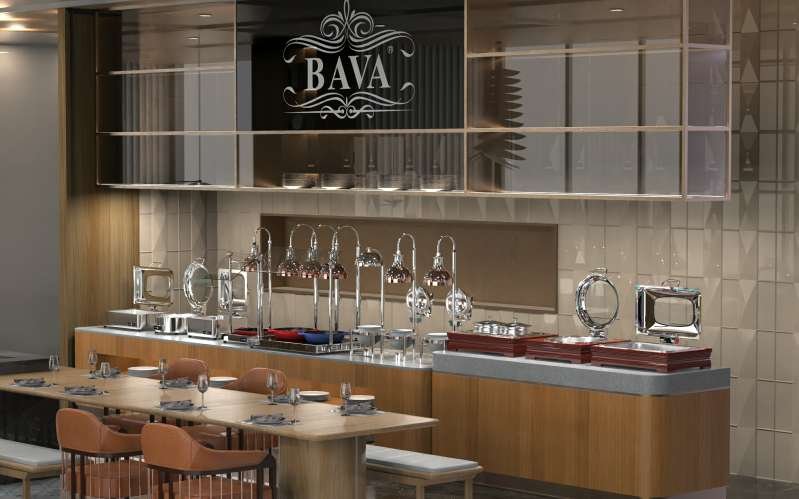
9QT Extra-Large Chafing Dish for Large-Scale Banquet Events
Discover the best 9QT Extra-Large Chafing Dish for Large-Scale Banquet Events solutions. Real case s...
Wall-Mounted Buffet Stove for Space-Saving Kitchen Layouts
Discover the best Wall-Mounted Buffet Stove for Space-Saving Kitchen Layouts solutions. Real case st...
Stainless Steel Food Warmer for Supermarket Deli Departments
Discover the best Stainless Steel Food Warmer for Supermarket Deli Departments solutions. Real case ...
Commercial Chafer Dish with Temperature Control for Food Safety
Discover the best Commercial Chafer Dish with Temperature Control for Food Safety solutions. Real ca...