
The Pros and Cons of Using Buffet Stoves in Your Restaurant
Running a restaurant, especially one with a buffet or self-service setup, requires balancing food quality, operational efficiency, and cost control. Buffet stoves have become a staple in many commercial kitchens, promising consistent food warming, reduced labor, and improved guest experience. But like any equipment, they come with trade-offs. This guide breaks down the key pros and cons of using buffet stoves in your restaurant, helping you decide if they align with your operational needs.
Pros of Using Buffet Stoves in Restaurants
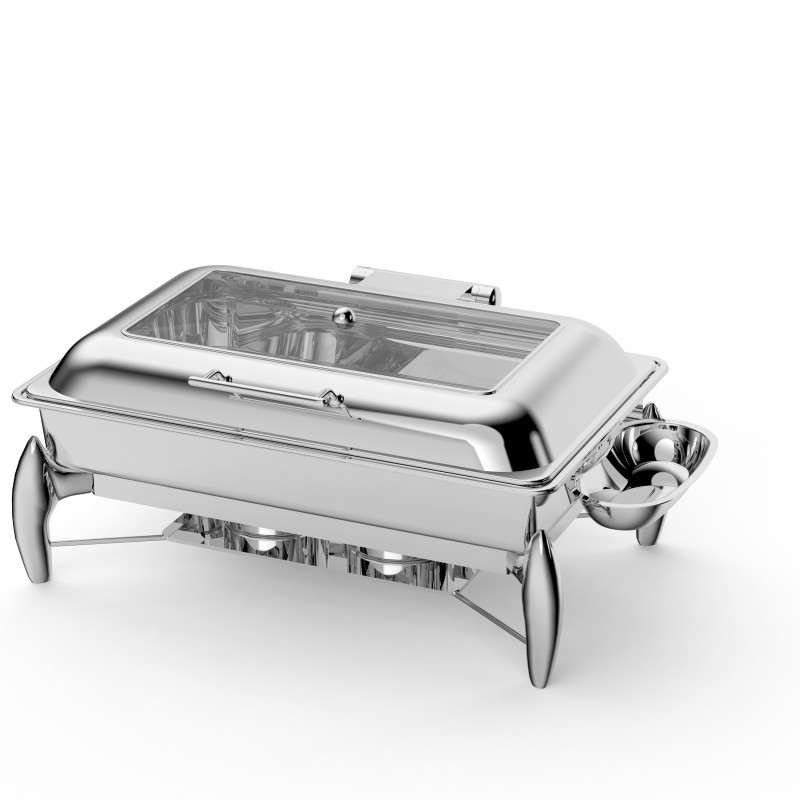
1. Consistent Food Temperature Control: Unlike traditional chafing dishes that rely on volatile fuel or makeshift heating, commercial buffet stoves offer precise temperature adjustment (typically 45°C to 90°C). This eliminates hot spots and cold zones, keeping soups, stews, and hot dishes at safe serving temperatures for hours without overcooking.
2. Reduced Labor Costs: Buffet stoves require minimal monitoring compared to fuel-based warmers. Staff no longer need to replace fuel cans, check burner flames, or adjust makeshift setups during peak service. This frees up team members to focus on guest service, order accuracy, and other high-value tasks.
3. Energy Efficiency: Modern electric buffet stoves boast thermal efficiency rates of 80% or higher, far outperforming open-flame fuel burners that waste heat. Many models include auto-shutoff and smart temperature modes that reduce power consumption during slower periods, cutting monthly utility costs.
4. Improved Food Safety: Maintaining food at consistent temperatures above 60°C prevents bacterial growth, a critical requirement for buffet service. Most commercial buffet stoves meet FDA, CE, and NSF food safety standards, with features like dry-burn protection and overheat auto-shutoff to avoid hazardous situations.
5. Enhanced Guest Experience: Guests expect hot, fresh food at buffets. Buffet stoves eliminate the disappointment of cold entrees, while sleek stainless steel designs complement modern restaurant aesthetics. Some models even include digital temperature displays that reassure guests about food safety.
Cons of Using Buffet Stoves in Restaurants
1. High Upfront Costs: Commercial-grade buffet stoves range from $200 to $800 per unit, a significant investment for small restaurants or startups. Unlike disposable fuel cans for traditional chafing dishes, this is a capital expense that requires budget planning.
2. Dependence on Electricity: Electric buffet stoves fail during power outages, leaving you with no way to keep food warm. This is a critical risk for restaurants in areas with unreliable power grids, requiring backup generators or alternative heating solutions.
3. Maintenance Requirements: While durable, buffet stoves require regular cleaning to prevent mineral buildup from water tanks, and heating elements may need replacement after 2-3 years of heavy use. The stainless steel surfaces also show fingerprints and water spots, requiring frequent polishing to maintain presentation.
4. Limited Portability: Unlike lightweight fuel chafing dishes that can be moved easily for off-site catering, most electric buffet stoves are bulky and require power outlets nearby. This limits their use for outdoor events, food trucks, or pop-up buffets unless you invest in portable power stations.
5. Learning Curve for Staff: New staff may need training to operate temperature controls, clean water tanks, and troubleshoot error codes. This initial onboarding time can slow down service during the first few weeks of use.
Pros vs Cons Comparison Table
| Feature | Pros | Cons |
|---|---|---|
| Temperature Control | Precise 45°C-90°C adjustment, consistent heating | Dependent on electricity, fails during outages |
| Operating Costs | 80%+ energy efficiency, lower utility bills long-term | High upfront cost ($200-$800 per unit) |
| Labor Requirements | Minimal monitoring, reduces staff workload | Staff training required for operation/maintenance |
| Food Safety | Meets NSF/CE/FDA standards, prevents bacterial growth | Water tank cleaning required regularly |
| Portability | Sleek design fits fixed buffet setups | Bulky, requires power outlet, hard to move for catering |
Recommended Buffet Stoves for Restaurants
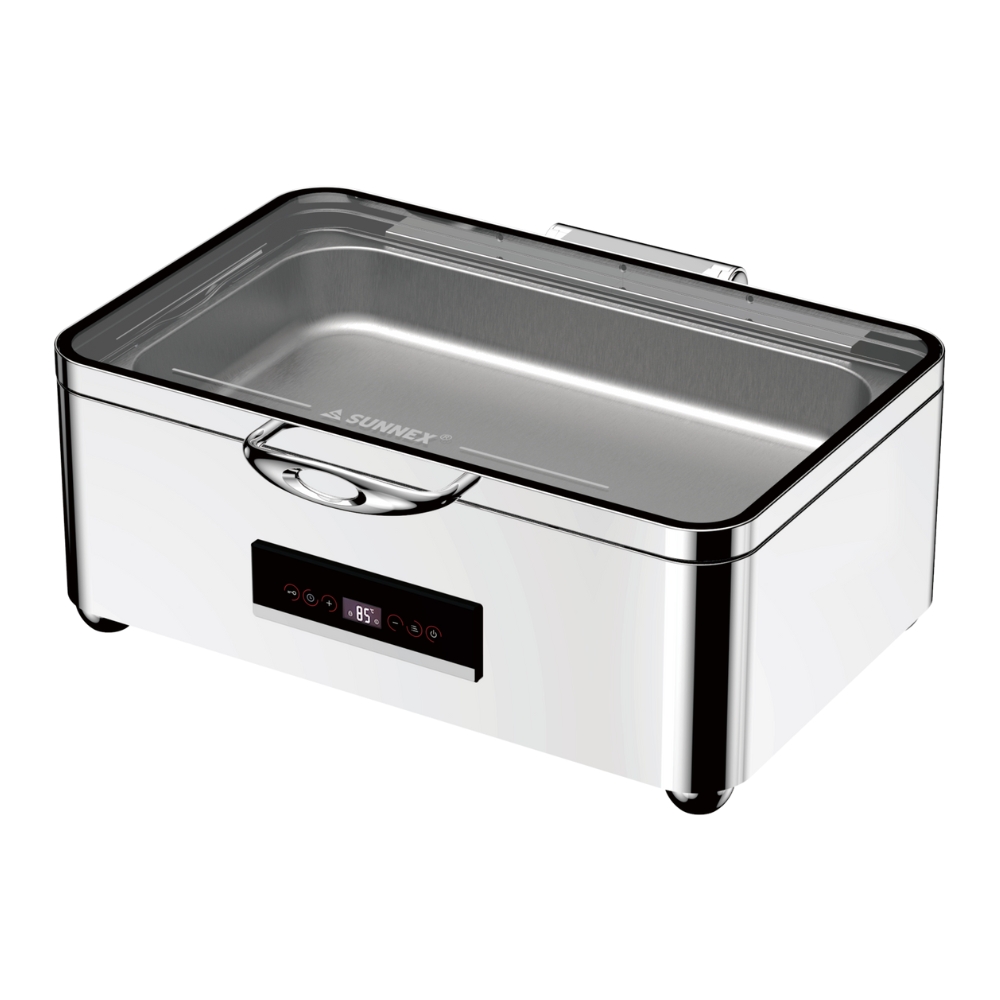
Full Size 11L Electric Chafer
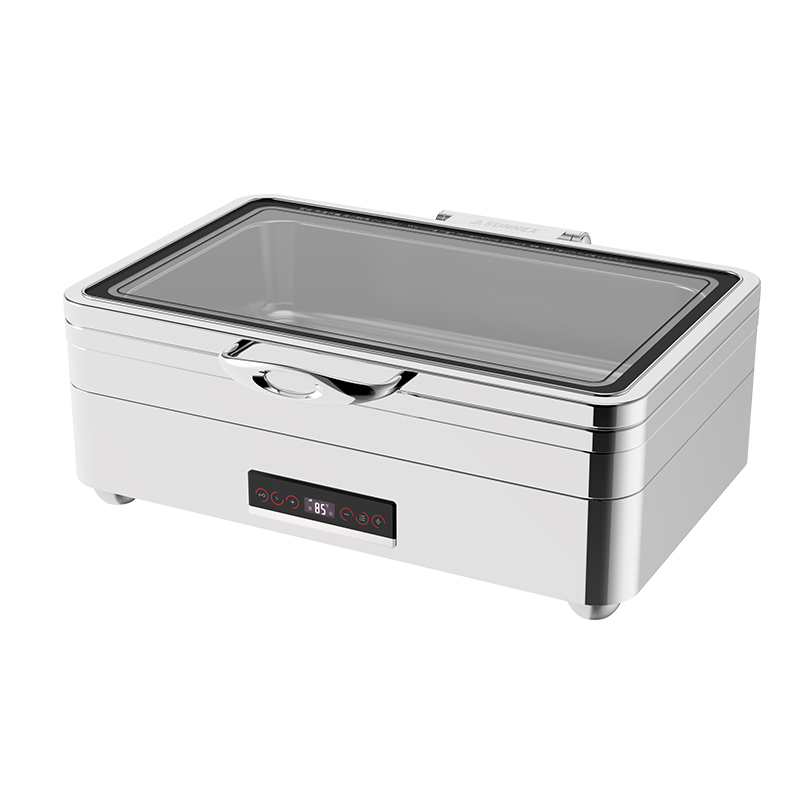
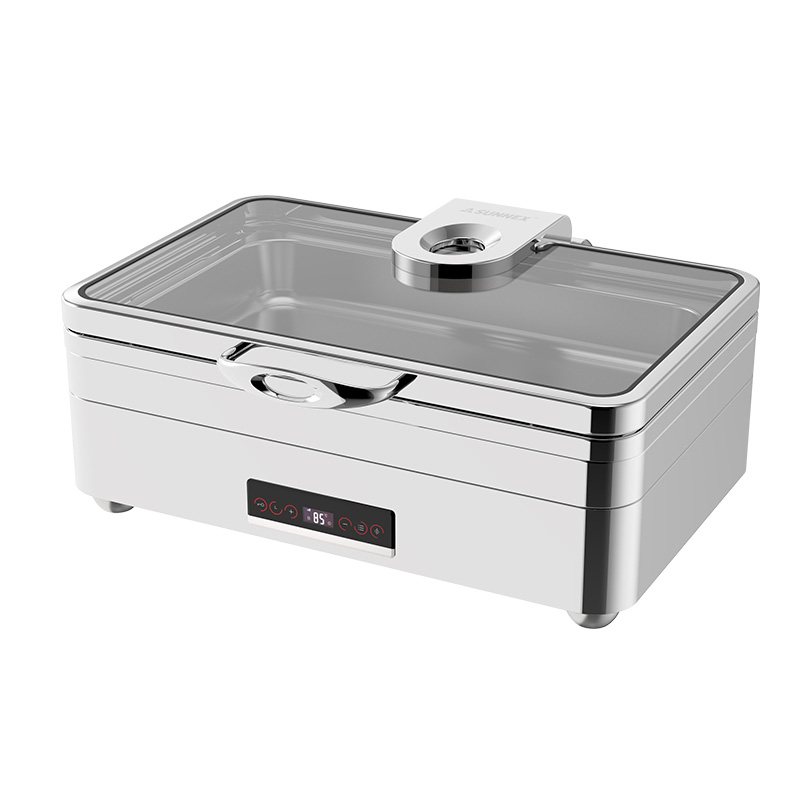
This 1100W electric chafer from BAVA's Lido Series heats up to optimal temperature in just 12 minutes, with thermal efficiency exceeding 80%. It features a digital temperature display, smart mode for automatic adjustments, and polished stainless steel construction ideal for high-volume hotels and catering operations. The 11L GN 1/1 size pan fits standard buffet setups, and dry-burn protection ensures safe operation even during busy service periods.
Electric Chafing Dish W07
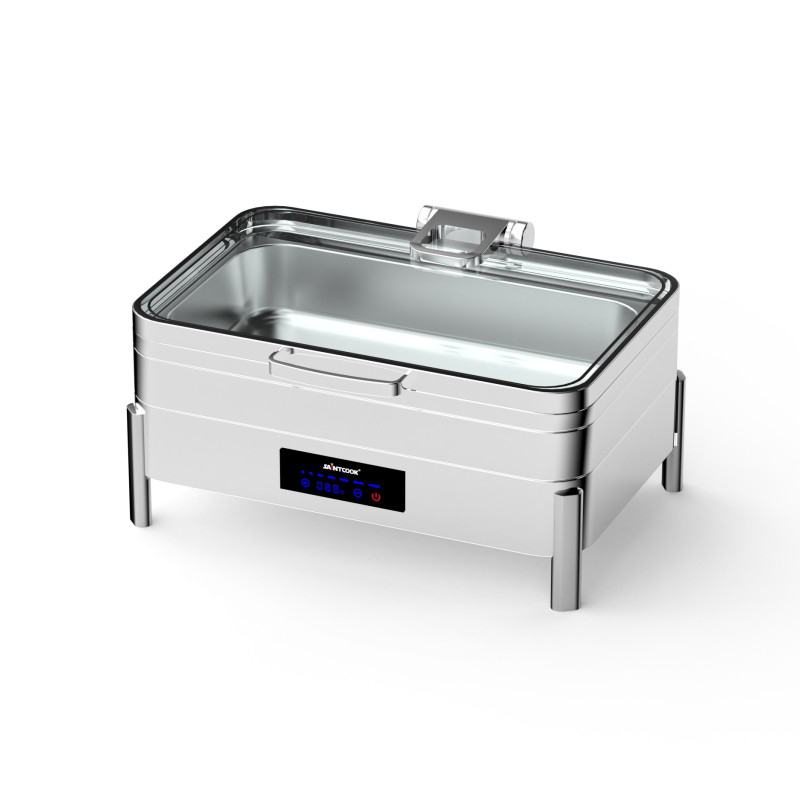
BAVA's W07 model offers 900W rapid heating with an intelligent temperature control system adjustable between 45°C and 89°C. It includes multi-safety protections like anti-dry heat flash alarms and auto shut-off, making it ideal for restaurants prioritizing food safety. The compact design fits both small buffets and large banquet setups, with a 2.5L water tank that maintains consistent humidity to keep food moist for 8+ hours.
Conclusion
Buffet stoves are a valuable addition to most restaurants with self-service or buffet setups, offering consistent heating, labor savings, and improved food safety. While the upfront cost and electricity dependence are drawbacks, the long-term efficiency gains and guest satisfaction benefits often outweigh these cons for high-volume operations. For small restaurants or those with unreliable power, hybrid setups combining buffet stoves with backup fuel warmers may be the best solution. Evaluate your restaurant's service volume, power reliability, and budget to decide if buffet stoves are the right fit for your kitchen.
Related Articles
Electric Buffet Warmer with Adjustable Thermostat for Restaurants
Discover the best Electric Buffet Warmer with Adjustable Thermostat for Restaurants solutions. Real ...
Mini Chafing Dish for Breakfast Buffet & Condiment Stations
Discover the best Mini Chafing Dish for Breakfast Buffet & Condiment Stations solutions. Real case s...
9QT Extra-Large Chafing Dish for Large-Scale Banquet Events
Discover the best 9QT Extra-Large Chafing Dish for Large-Scale Banquet Events solutions. Real case s...
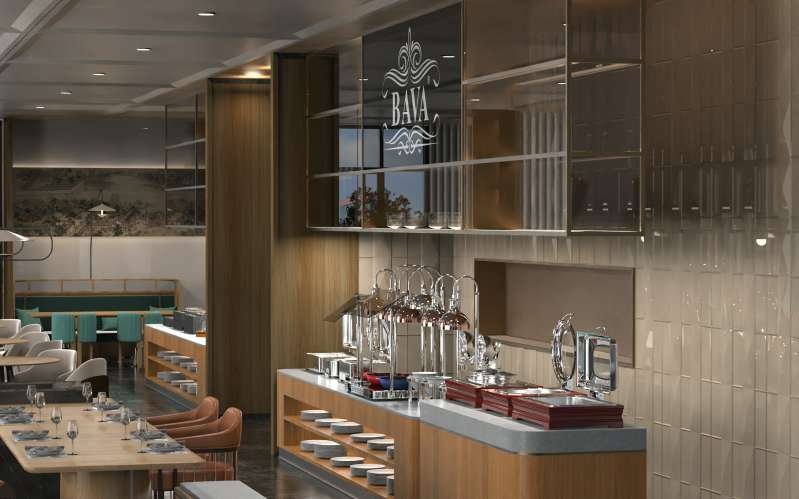
Wall-Mounted Buffet Stove for Space-Saving Kitchen Layouts
Discover the best Wall-Mounted Buffet Stove for Space-Saving Kitchen Layouts solutions. Real case st...
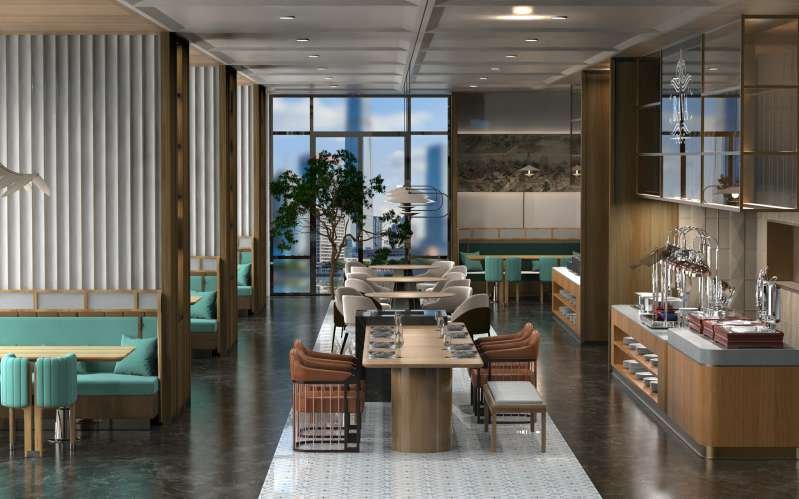
Stainless Steel Food Warmer for Supermarket Deli Departments
Discover the best Stainless Steel Food Warmer for Supermarket Deli Departments solutions. Real case ...
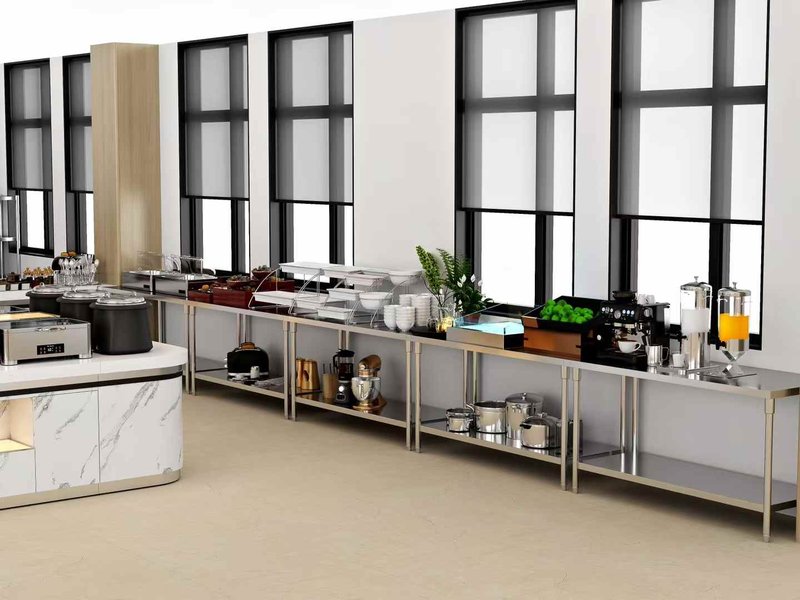
Commercial Chafer Dish with Temperature Control for Food Safety
Discover the best Commercial Chafer Dish with Temperature Control for Food Safety solutions. Real ca...