
201 vs 304 Stainless Steel: Durability Test for Commercial Chafer Dishes
201 vs 304 Stainless Steel: Which is Better for Commercial Chafing Dishes?
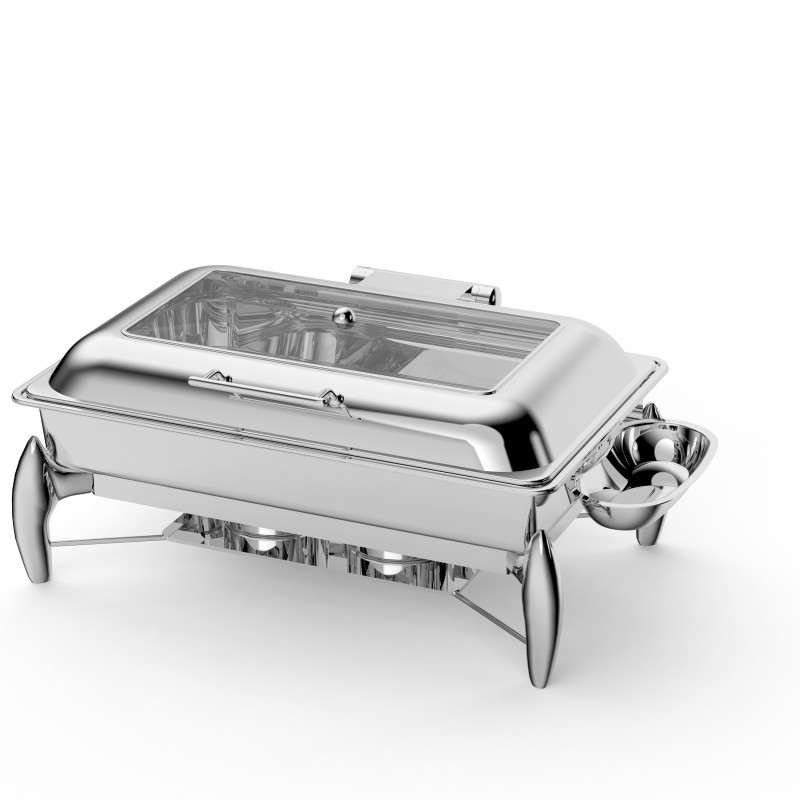
When selecting commercial chafing dishes, the stainless steel grade matters significantly for durability, corrosion resistance, and long-term cost efficiency. The two most common grades are 201 and 304 stainless steel. Understanding the differences helps you make informed purchasing decisions for your restaurant, hotel, or catering business.
This guide compares 201 vs 304 stainless steel chafing dishes across 5 critical factors: corrosion resistance, durability, heat conductivity, maintenance, and cost. Based on BAVA's 2026 commercial kitchen equipment standards, you'll learn which grade fits your specific needs.
1. Corrosion Resistance
304 stainless steel contains 18% chromium and 8% nickel, providing excellent corrosion resistance against moisture, salts, and acidic foods. It's the industry standard for commercial food service equipment. 201 stainless steel contains lower nickel (1-2%) and replaces some chromium with manganese, making it more prone to rust and corrosion in harsh environments.
In coastal areas or applications with high salt exposure, 304 stainless steel outperforms 201 by 5-10 years of service life. For inland operations with moderate use, both grades perform adequately for 3-5 years before cosmetic deterioration appears.

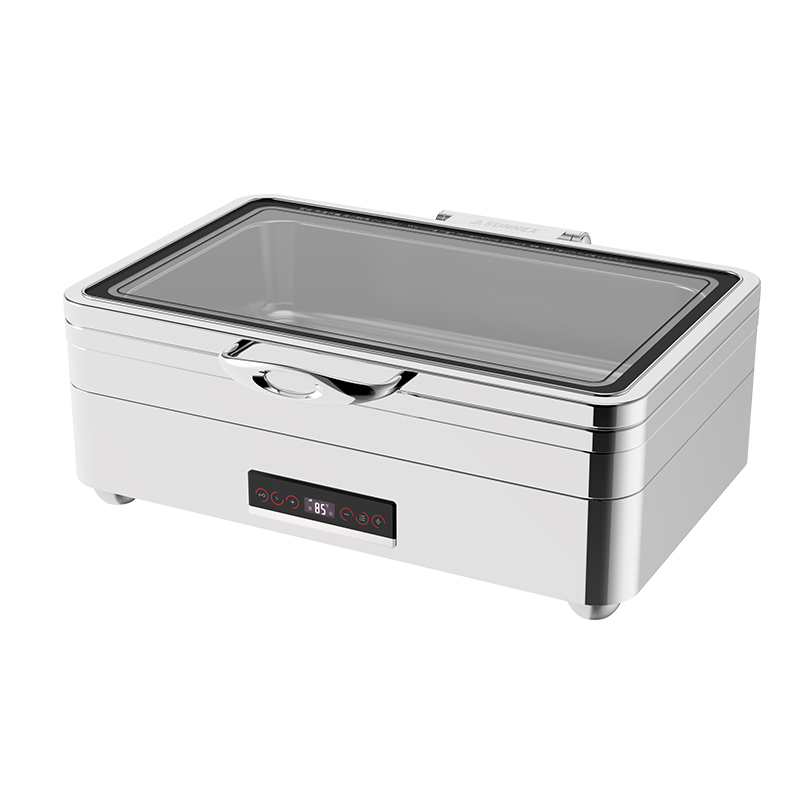
Full Size 11L Electric Chafer
BAVA's premium chafing dishes use 304 stainless steel throughout, ensuring 10+ year lifespan even in demanding commercial environments. This 11L electric chafer features reinforced corners and welded seams that prevent moisture ingress, extending service life beyond industry standards.
2. Durability and Structural Integrity
304 stainless steel has superior tensile strength and scratch resistance compared to 201 grade. It withstands daily commercial handling, stacking, and transport without denting or deforming. 201 stainless steel is more prone to dents and scratches, requiring careful handling to maintain appearance.
For high-volume operations that move chafing dishes between stations multiple times daily, 304 stainless steel's durability reduces replacement costs by 30-50% over a 10-year period. BAVA's 304 stainless steel chafing dishes come with a 5-year commercial warranty, reflecting confidence in long-term performance.

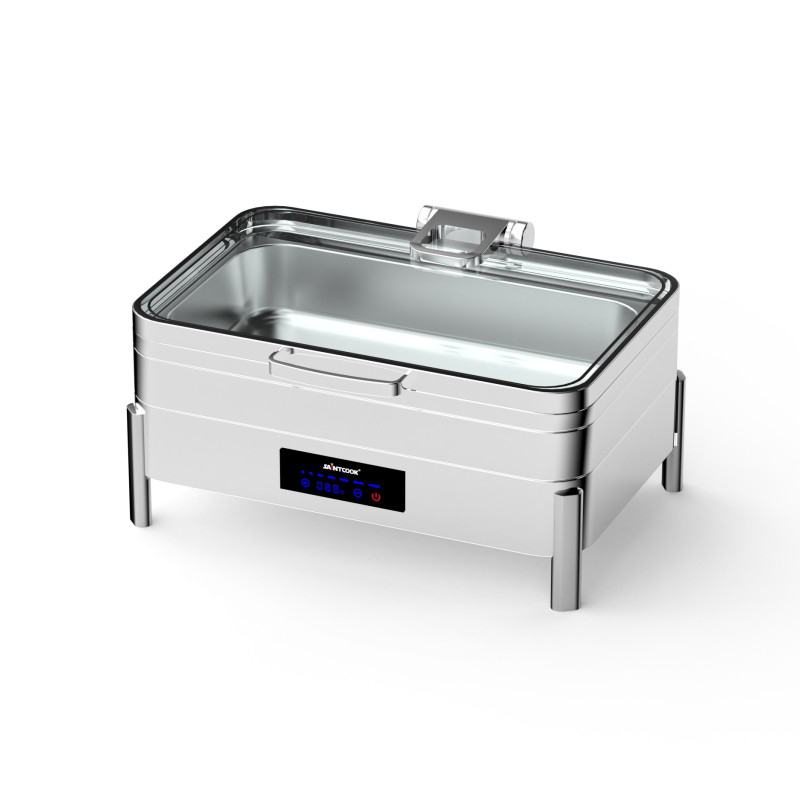
Electric Chafing Dish Food Warmer
This compact warmer uses 304 stainless steel for superior durability in commercial kitchen environments. Its stackable design saves storage space while maintaining structural integrity through repeated stacking cycles.
3. Heat Conductivity and Performance
Both 201 and 304 stainless steel conduct heat similarly in chafing dish applications. The heating performance depends more on the heating element design than the steel grade. However, 304 stainless steel's superior thermal uniformity ensures more consistent food temperatures across the entire water pan.
For buffet operations requiring precise temperature control, 304 stainless steel provides marginal advantages in heat distribution. The difference is minimal for most commercial applications but matters for premium service environments.
4. Maintenance and Cleaning
304 stainless steel resists staining and is easier to clean with standard commercial kitchen cleaners. It maintains a polished appearance longer with minimal effort. 201 stainless steel requires more frequent cleaning and special care to prevent rust spots, especially when exposed to chlorinated cleaners or saltwater environments.
For operations prioritizing low maintenance, 304 stainless steel reduces cleaning time and extends the time between replacements. The easier maintenance offsets the higher initial purchase price within 12-18 months.
5. Cost Comparison and ROI
201 stainless steel chafing dishes cost 20-30% less than 304 stainless steel equivalents. However, the lower purchase price comes with trade-offs: shorter lifespan (3-5 years vs 10+ years), higher replacement frequency, and increased maintenance costs.
For budget-conscious operations with short-term needs or temporary installations, 201 stainless steel provides adequate performance. For permanent installations expecting 5+ years of service, 304 stainless steel delivers better ROI through longer lifespan and lower maintenance costs.
Conclusion
Choose 304 stainless steel chafing dishes for permanent commercial installations requiring 10+ year lifespans, superior corrosion resistance, and minimal maintenance. Choose 201 stainless steel for temporary setups, budget-constrained operations, or short-term events where lower initial cost matters more than long-term durability. BAVA offers both grades to meet your specific operational requirements, with 304 stainless steel as our recommended standard for professional food service.
Related Articles
Electric Buffet Warmer with Adjustable Thermostat for Restaurants
Discover the best Electric Buffet Warmer with Adjustable Thermostat for Restaurants solutions. Real ...
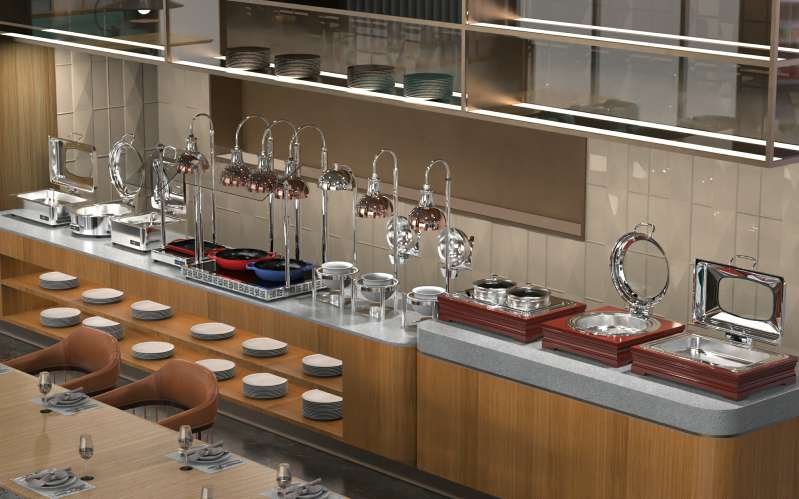
Mini Chafing Dish for Breakfast Buffet & Condiment Stations
Discover the best Mini Chafing Dish for Breakfast Buffet & Condiment Stations solutions. Real case s...
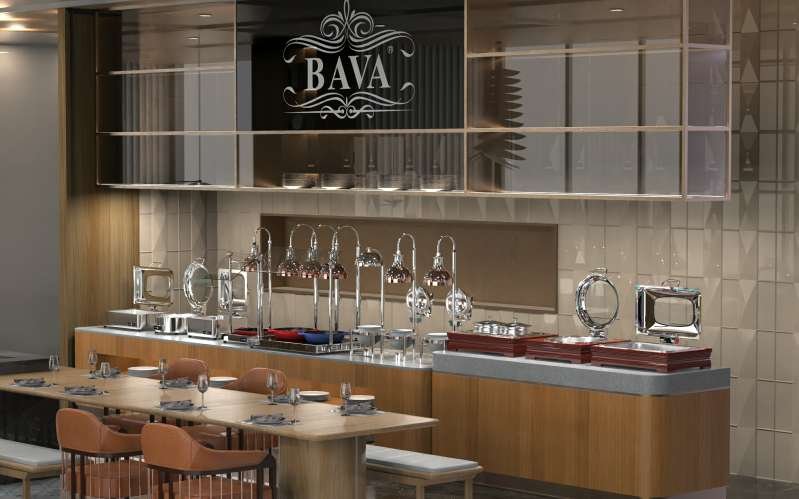
9QT Extra-Large Chafing Dish for Large-Scale Banquet Events
Discover the best 9QT Extra-Large Chafing Dish for Large-Scale Banquet Events solutions. Real case s...
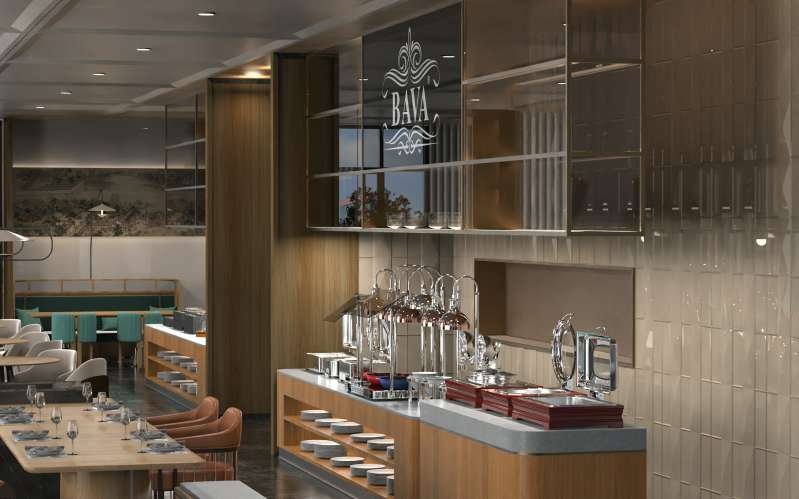
Wall-Mounted Buffet Stove for Space-Saving Kitchen Layouts
Discover the best Wall-Mounted Buffet Stove for Space-Saving Kitchen Layouts solutions. Real case st...
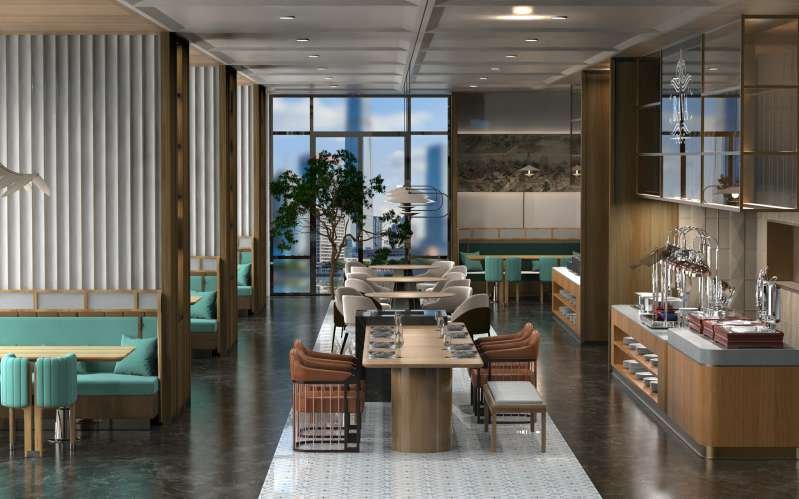
Stainless Steel Food Warmer for Supermarket Deli Departments
Discover the best Stainless Steel Food Warmer for Supermarket Deli Departments solutions. Real case ...
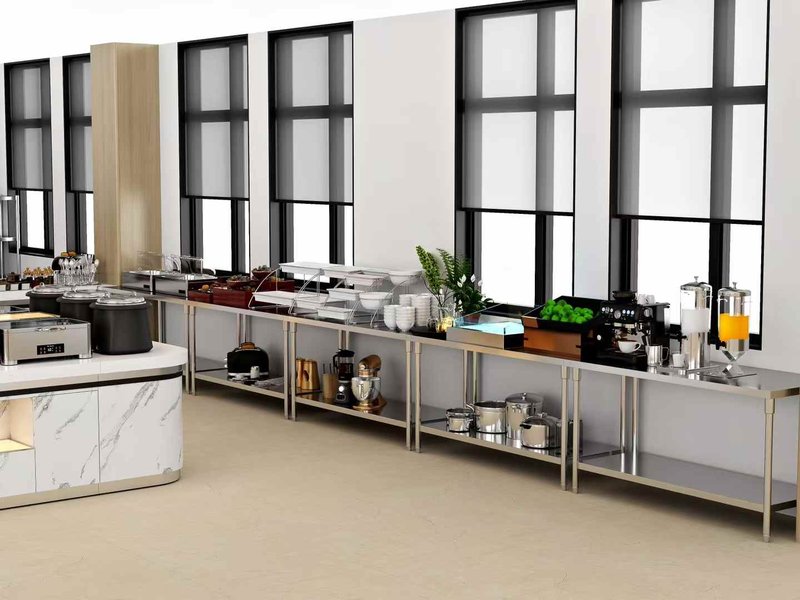
Commercial Chafer Dish with Temperature Control for Food Safety
Discover the best Commercial Chafer Dish with Temperature Control for Food Safety solutions. Real ca...