
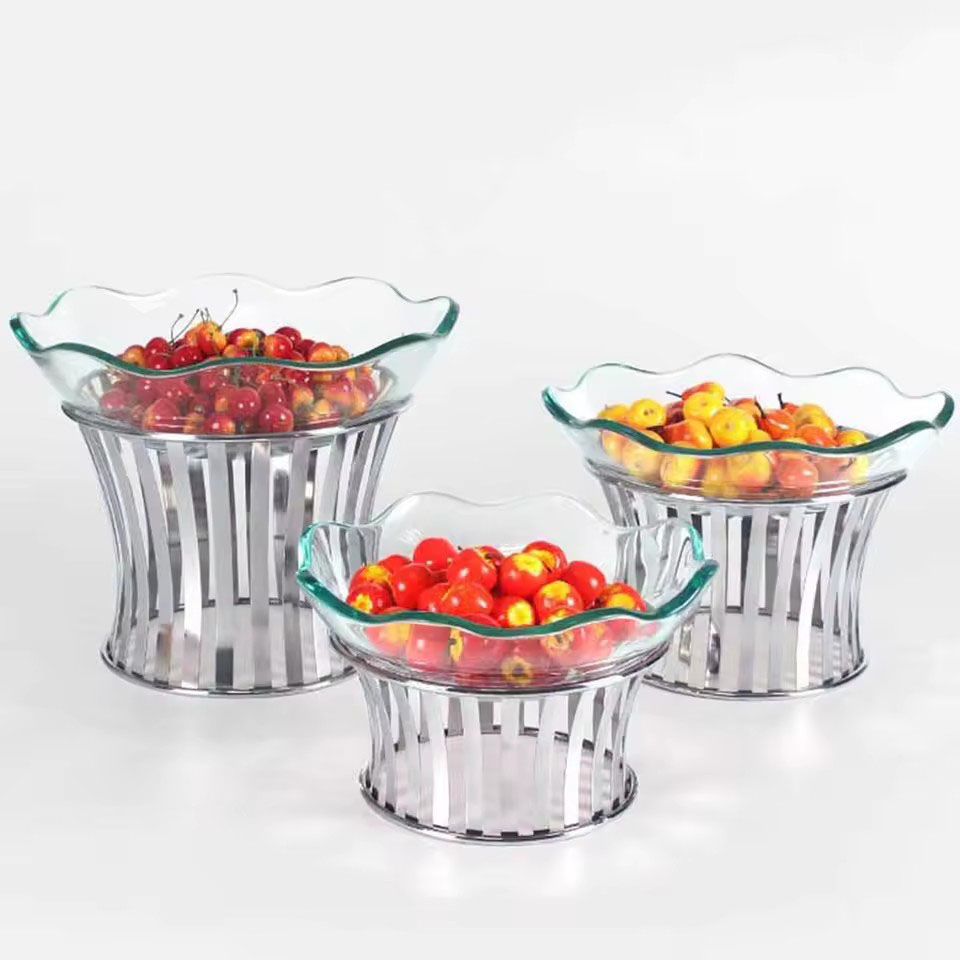
120V vs 240V Electric Chafing Dishes: International Use Comparison
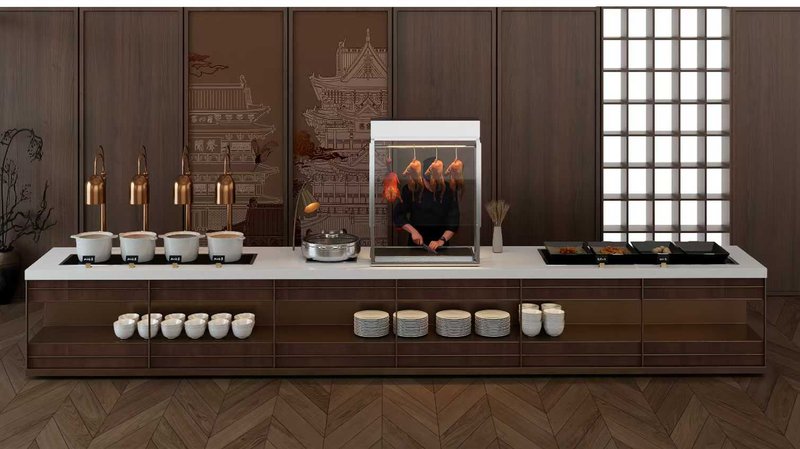
120V vs 240V Electric Chafing Dishes: What You Need to Know
Electric chafing dishes come in two main voltage configurations: 120V and 240V. Choosing the wrong voltage for your region leads to equipment failure, fire hazards, and costly replacements. If you operate across multiple countries or export buffet equipment internationally, understanding voltage differences is essential for safe and reliable food service.
This guide compares 120V and 240V electric chafing dishes across 5 critical factors: regional compatibility, performance, safety, cost, and practical use. Based on BAVA's 2026 commercial food service standards, you'll learn which voltage configuration fits your operation.
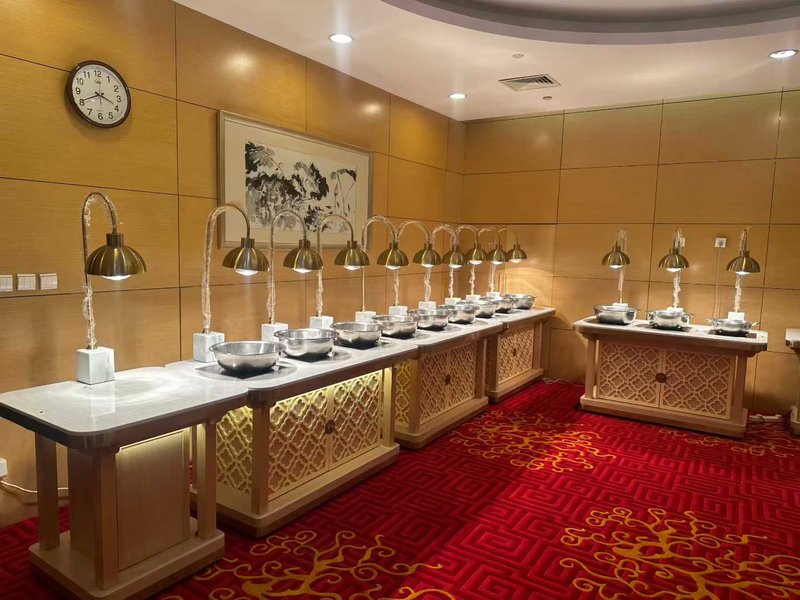
1. Regional Voltage Standards
120V is the standard in North America (USA, Canada, Mexico), parts of South America, and Japan. 240V is standard across Europe, Asia (including China), Africa, Australia, and most of the Middle East. If you're buying chafing dishes for use in China or Europe, you need 240V models. For North American operations, 120V is mandatory.
Using a 120V chafing dish on a 240V outlet will burn out the heating element within seconds. Plugging a 240V unit into 120V power results in weak heating—food never reaches safe serving temperatures. Always match voltage to your local grid standard.

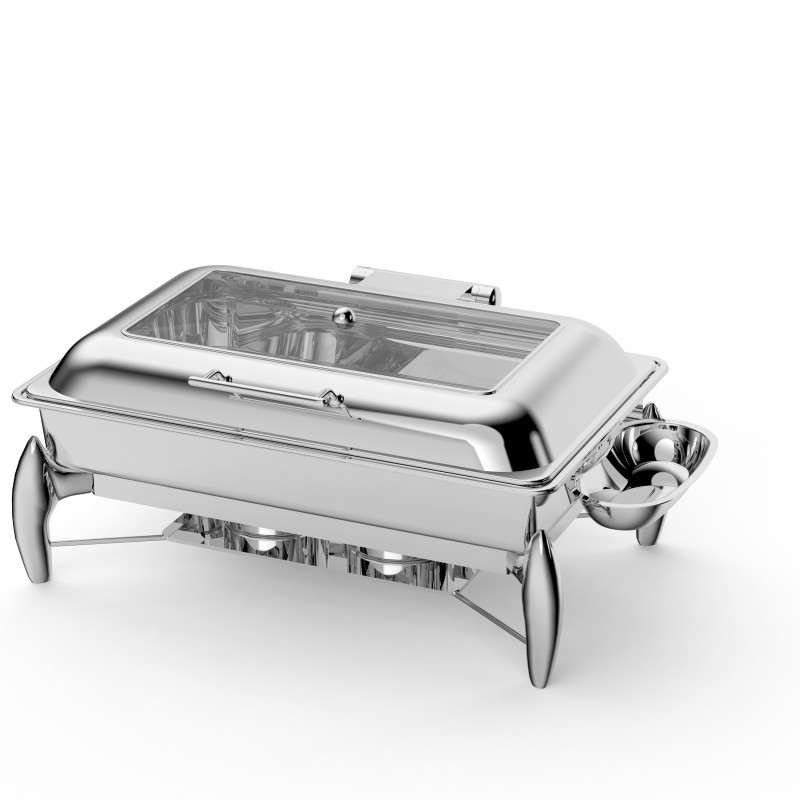
Full Size 11L Electric Chafer
This 11L electric chafer is available in both 120V and 240V configurations, making it the top choice for international hotel chains and global catering businesses. Its large capacity holds 200+ servings per refill, with precise temperature control that maintains food at 140°F-165°F for 12+ hours regardless of voltage.
2. Performance and Heating Efficiency
240V chafing dishes heat water pans 30-40% faster than 120V models due to higher power delivery. A 240V unit typically reaches 140°F in 8-10 minutes, while a 120V unit takes 12-15 minutes. For high-volume buffets where fast turnaround matters, 240V provides a meaningful advantage.
However, 120V chafing dishes consume less total energy per hour of operation. Over a 12-hour buffet service, a 120V 11L unit draws approximately 1.2 kWh, while a 240V equivalent draws 1.5 kWh. The difference is marginal but adds up across 50+ units in a large hotel operation.

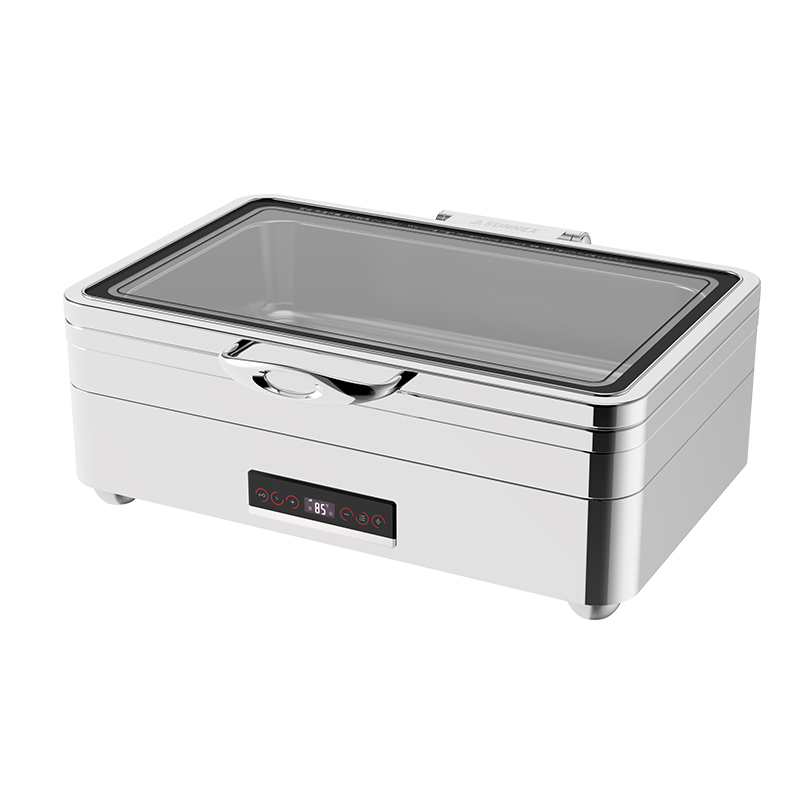
Electric Chafing Dish Food Warmer
This compact warmer is available in both 120V and 240V versions, ideal for international hotel chains that standardize equipment across properties. It heats up to 140°F in 10 minutes (240V) or 14 minutes (120V), with overheat protection and stackable design that saves 70% more storage space.
3. Safety Considerations
Both 120V and 240V BAVA chafing dishes include built-in safety features: automatic shutoff when water pans run dry, overheat protection that cuts power at 200°F, and grounded plugs that prevent electrical shock. 240V systems require thicker gauge wiring (minimum 14 AWG vs 16 AWG for 120V), so ensure your venue's electrical infrastructure meets code before installation.
For outdoor events, 240V chafing dishes need weatherproof GFCI outlets rated for outdoor use. 120V outdoor setups are more common in North America, with GFCI protection built into most extension cords.
4. Dual Voltage and Converter Options
Some premium chafing dishes include dual-voltage capability, automatically switching between 120V and 240V. These units cost 20-30% more but eliminate the need to stock separate inventory for different regions. BAVA's international line features auto-sensing dual voltage in select models, ideal for cruise ships, international hotel chains, and catering companies that operate across borders.
Step-down transformers (240V to 120V) are an option but add $50-150 per unit, require additional floor space, and introduce another point of failure. For permanent installations, buying the correct native voltage is always more reliable than relying on converters.
5. Cost Comparison and ROI
120V and 240V chafing dishes from BAVA cost the same at the base model level—voltage does not affect pricing. However, dual-voltage models carry a 20-30% premium. For businesses operating in a single region, buy the native voltage and save. For multi-region operators, dual-voltage units pay for themselves within 12 months by eliminating duplicate inventory costs.
Consider shipping costs when exporting: 240V units destined for Europe or Asia avoid the need for voltage conversion at the destination, reducing setup time and eliminating transformer costs.
Conclusion
Choosing between 120V and 240V electric chafing dishes comes down to your region's power grid standard. Match voltage to your local supply—120V for North America, 240V for Europe, Asia, and most other regions. For international operations, invest in dual-voltage models to simplify logistics and reduce inventory costs. BAVA's full line of electric chafing dishes is available in both voltages, with measurable ROI and 10+ year lifespans regardless of your power configuration.
Related Articles
Electric Buffet Warmer with Adjustable Thermostat for Restaurants
Discover the best Electric Buffet Warmer with Adjustable Thermostat for Restaurants solutions. Real ...
Mini Chafing Dish for Breakfast Buffet & Condiment Stations
Discover the best Mini Chafing Dish for Breakfast Buffet & Condiment Stations solutions. Real case s...
9QT Extra-Large Chafing Dish for Large-Scale Banquet Events
Discover the best 9QT Extra-Large Chafing Dish for Large-Scale Banquet Events solutions. Real case s...
Wall-Mounted Buffet Stove for Space-Saving Kitchen Layouts
Discover the best Wall-Mounted Buffet Stove for Space-Saving Kitchen Layouts solutions. Real case st...
Stainless Steel Food Warmer for Supermarket Deli Departments
Discover the best Stainless Steel Food Warmer for Supermarket Deli Departments solutions. Real case ...
Commercial Chafer Dish with Temperature Control for Food Safety
Discover the best Commercial Chafer Dish with Temperature Control for Food Safety solutions. Real ca...