
2026 EU LFGB Compliance Updates for Imported Catering Equipment

2026 EU LFGB Compliance Updates for Imported Catering Equipment
The European Union's LFGB (Lebensmittel- und Futtermittelgesetzbuch) regulation sets stringent standards for food contact materials, directly impacting manufacturers and exporters of commercial catering equipment like chafing dishes. Non-compliance results in product recalls, fines, and market exclusion—making regulatory awareness essential for any business targeting the EU market in 2026.
This guide covers 5 critical LFGB compliance updates for 2026, what they mean for chafing dish manufacturers and importers, and how BAVA's certified product line meets evolving European food safety standards.
1. Enhanced Chemical Migration Testing Requirements
2026 introduces stricter overall migration limits (OML) for metal alloys used in food contact surfaces. The new threshold caps overall substance migration at 10mg/kg (down from 60mg/kg under prior standards), requiring manufacturers to reformulate stainless steel compositions and surface treatments.
Specific migration limits (SML) now cover 15 additional compounds including bisphenol A (BPA), phthalates, and perfluorinated compounds (PFCs) that may migrate from heating element coatings or plastic components. Chafing dishes with non-stick coatings must undergo additional testing under EU Regulation 10/2011.

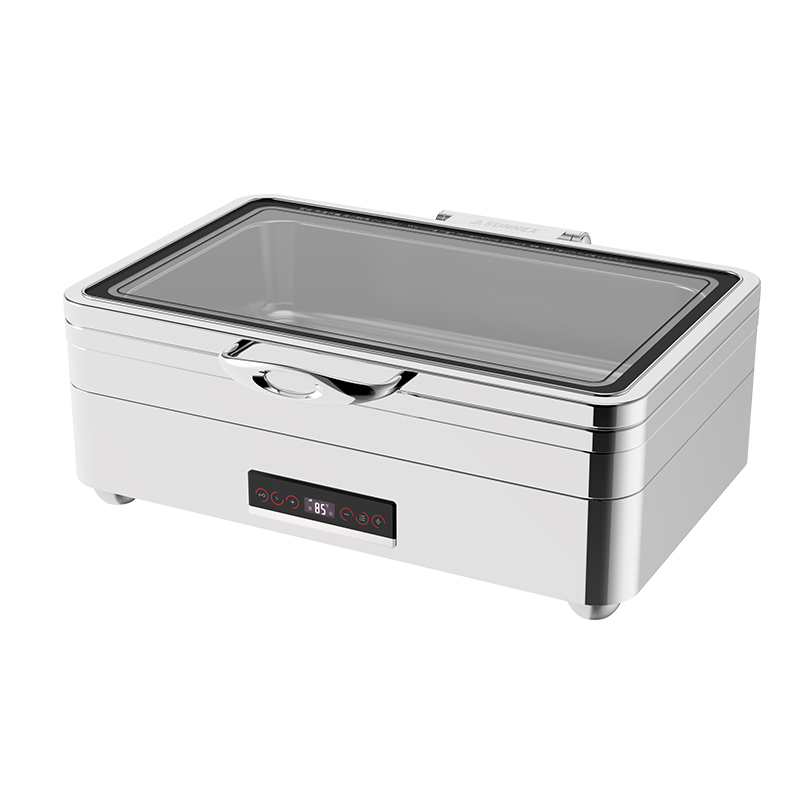
Full Size 11L Electric Chafer
BAVA's LFGB-certified chafing dishes use 304 stainless steel with no non-stick coatings, eliminating BPA and PFC migration concerns. All components pass enhanced migration testing under 2026 standards, with test reports available for EU import documentation.
2. Traceability and Supply Chain Documentation
EU Regulation 2023/2006 (GMP regulation) now requires full supply chain traceability for all food contact materials. Importers must maintain documented evidence of material composition, manufacturing processes, and testing protocols for each production batch. Records must be retained for 5 years and made available to authorities upon request.
Digital traceability systems using QR codes or RFID tags are increasingly required by major EU retailers, enabling instant verification of compliance documentation at point of sale. BAVA provides batch-level traceability for all EU-bound shipments, including mill certificates for stainless steel, heating element specifications, and third-party laboratory test results.

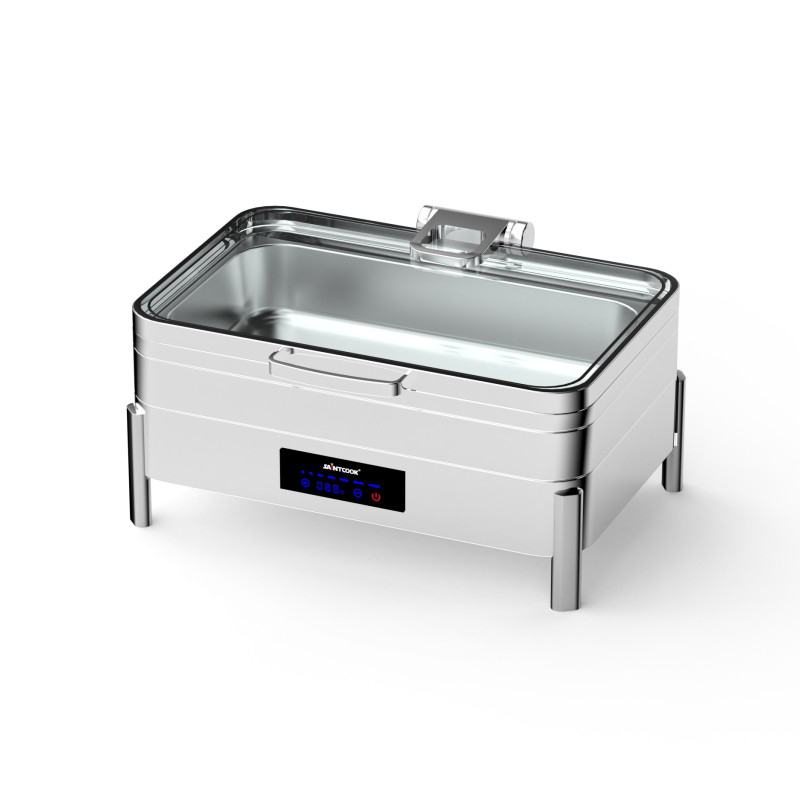
Electric Chafing Dish Food Warmer
This compact warmer is LFGB-certified with full traceability documentation for EU market entry. Its modular design simplifies compliance verification, as each component (stainless steel housing, heating element, control panel) is tested and documented separately for streamlined customs clearance.
3. Surface Roughness and Cleanability Standards
2026 LFGB updates specify maximum surface roughness (Ra < 0.8μm) for stainless steel food contact surfaces to prevent bacterial adhesion and ensure cleanability. Electropolished surfaces are now the standard for EU-compliant commercial equipment, replacing standard mechanically polished finishes that failed cleanability testing.
Chafing dish lids, water pans, and food contact surfaces must demonstrate cleanability through standardized test protocols simulating 5-cycle use. BAVA's electropolished 304 stainless steel surfaces consistently achieve Ra values below 0.5μm, exceeding EU cleanability requirements.
4. Electrical Safety and EMC Requirements
Electric chafing dishes sold in the EU must comply with Low Voltage Directive 2014/35/EU and EMC Directive 2014/30/EU, with 2026 updates adding requirements for IoT-connected devices. Smart chafing dishes with temperature monitoring or remote control features must now include cybersecurity documentation under the EU Cyber Resilience Act.
RoHS compliance (Restriction of Hazardous Substances) is now enforced more strictly for electrical components, with expanded substance restrictions covering 4 additional flame retardants. BAVA's electric chafing dishes are RoHS 3 compliant with full Declaration of Conformity for EU market entry.
5. Labeling and Language Requirements
2026 LFGB enforcement includes stricter labeling requirements: all food contact materials must display material composition, manufacturer details, and usage instructions in the official language of the destination EU member state. Multi-language labeling is increasingly required by retailers across the EU-27 market.
CE marking remains mandatory for electric chafing dishes, with updated standards for energy efficiency labeling under EU Ecodesign Regulation 2019/1782. BAVA provides CE-marked products with multi-language documentation packages covering all major EU markets.
Conclusion
The 2026 EU LFGB compliance updates significantly impact imported catering equipment, requiring enhanced chemical testing, full supply chain traceability, stricter surface finish standards, expanded electrical safety requirements, and comprehensive labeling. Businesses entering the EU market must invest in regulatory compliance or risk recalls and market exclusion. BAVA's LFGB-certified chafing dish lineup meets all 2026 requirements, providing a compliant foundation for European food service operations.
Related Articles
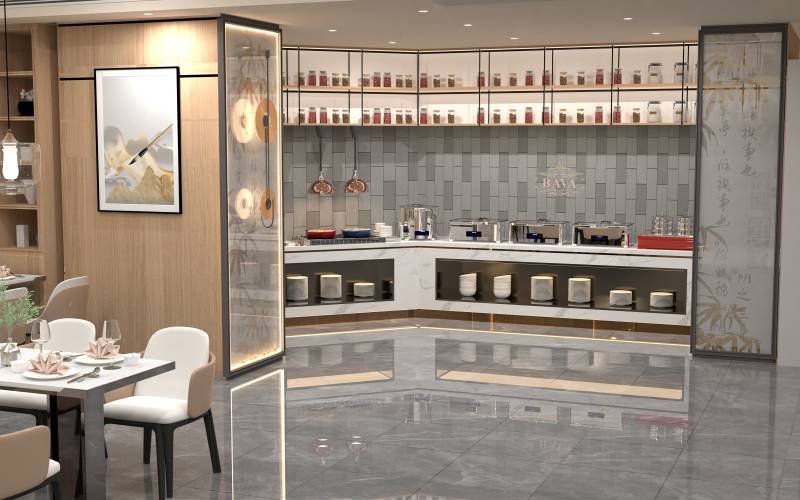
Electric Buffet Warmer with Adjustable Thermostat for Restaurants
Discover the best Electric Buffet Warmer with Adjustable Thermostat for Restaurants solutions. Real ...
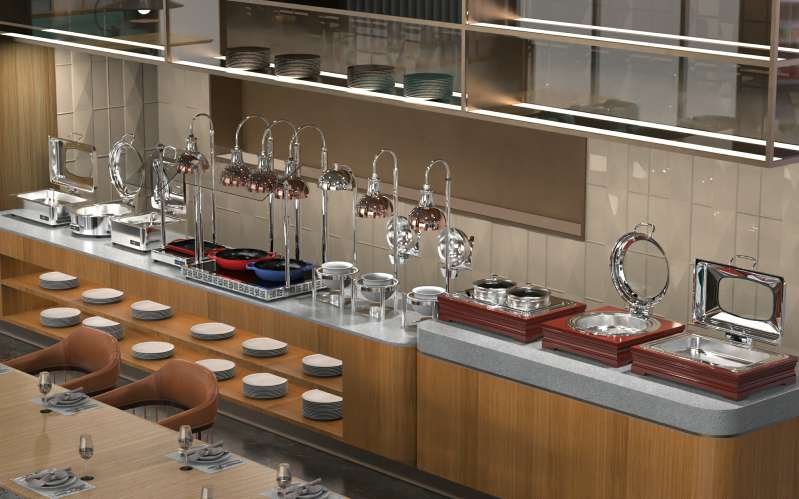
Mini Chafing Dish for Breakfast Buffet & Condiment Stations
Discover the best Mini Chafing Dish for Breakfast Buffet & Condiment Stations solutions. Real case s...
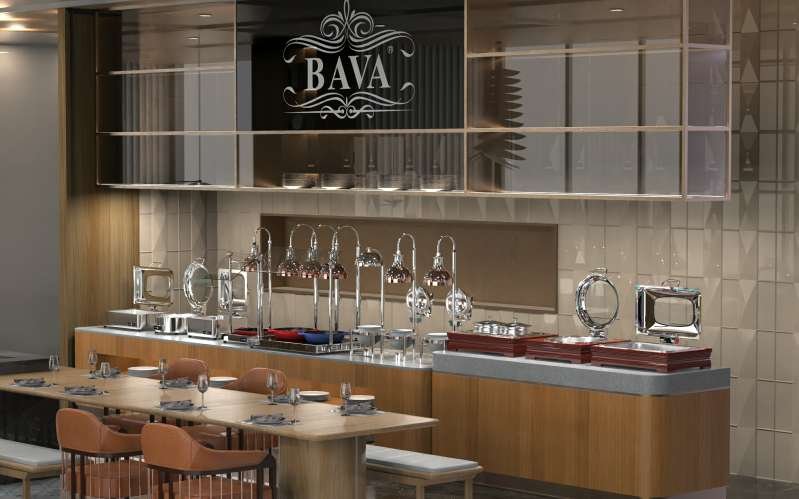
9QT Extra-Large Chafing Dish for Large-Scale Banquet Events
Discover the best 9QT Extra-Large Chafing Dish for Large-Scale Banquet Events solutions. Real case s...
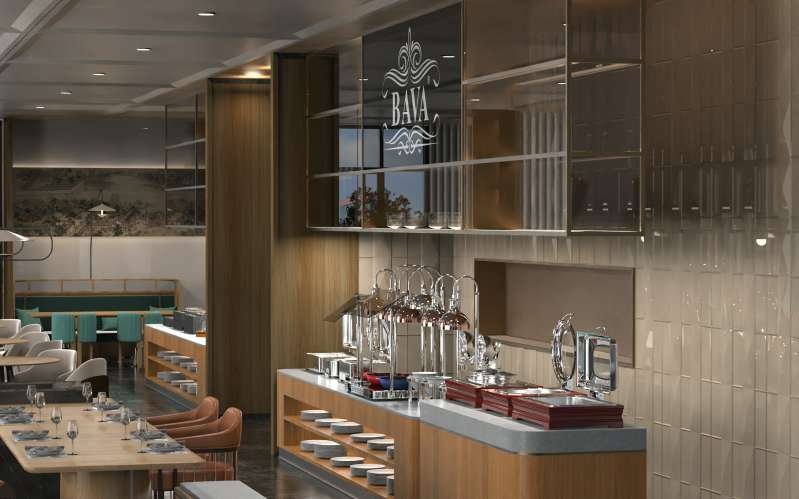
Wall-Mounted Buffet Stove for Space-Saving Kitchen Layouts
Discover the best Wall-Mounted Buffet Stove for Space-Saving Kitchen Layouts solutions. Real case st...

Stainless Steel Food Warmer for Supermarket Deli Departments
Discover the best Stainless Steel Food Warmer for Supermarket Deli Departments solutions. Real case ...

Commercial Chafer Dish with Temperature Control for Food Safety
Discover the best Commercial Chafer Dish with Temperature Control for Food Safety solutions. Real ca...