
Electric Chafing Dish vs Chafing Dish Fuel: Which Wins for Buffet Catering?
In the fast-paced world of commercial buffet catering, choosing the right food warming solution can make or break your service quality, operational efficiency, and bottom line. For decades, chafing dish fuel has been a go-to option for keeping dishes warm—but the rise of commercial-grade electric chafing dishes has redefined what it means to deliver safe, consistent, and cost-effective food insulation. This head-to-head comparison breaks down the key differences between electric chafers and fuel-powered models, helping catering businesses, hotel kitchens, and event planners make the smartest choice for their needs.
1. Safety: No Contest for Electric Chafers
Safety is non-negotiable in catering environments, where busy buffet lines, crowded venues, and constant foot traffic create inherent risks—and this is where chafing dish fuel falls short.
Chafing Dish Fuel Risks
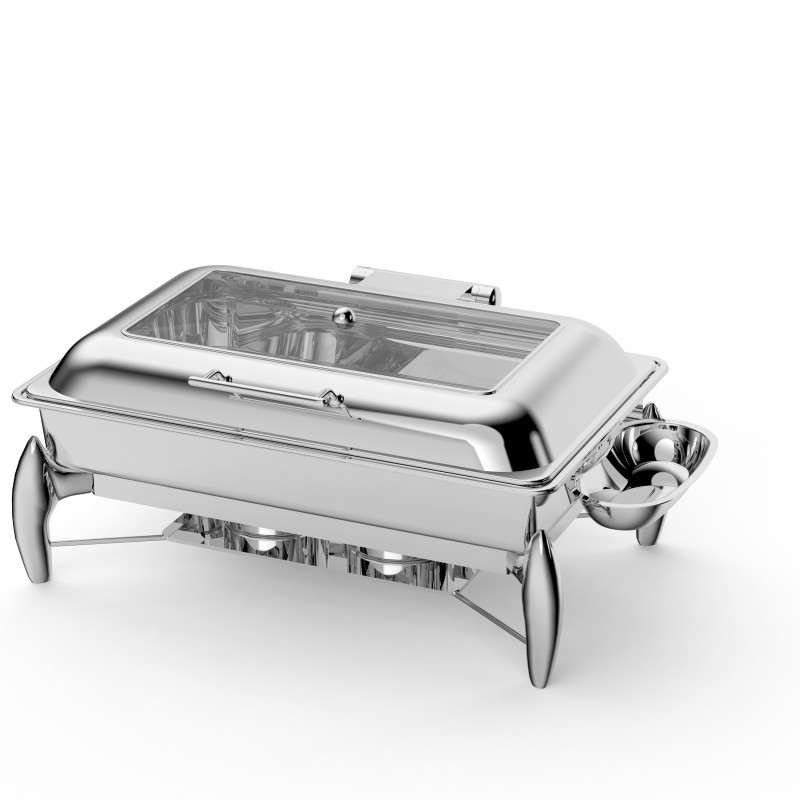
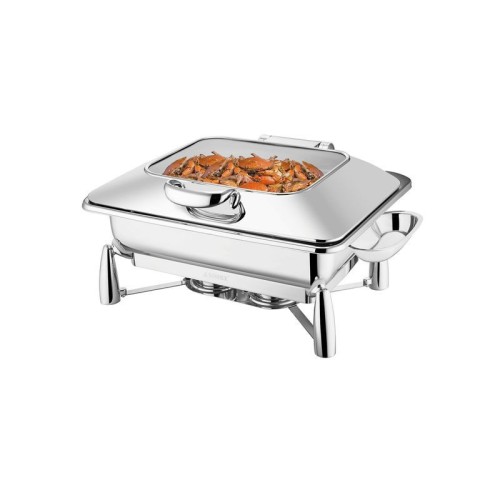
Fuel canisters rely on open flames to generate heat, which poses fire hazards if knocked over, spilled, or exposed to flammable materials like table linens or paper napkins. Fuel also emits toxic fumes when burning, which can taint food flavors and irritate guests with respiratory sensitivities. Refueling mid-event is another danger zone, requiring staff to handle hot, empty canisters and replace them with new ones—all while juggling other tasks.
Electric Chafing Dish Advantages
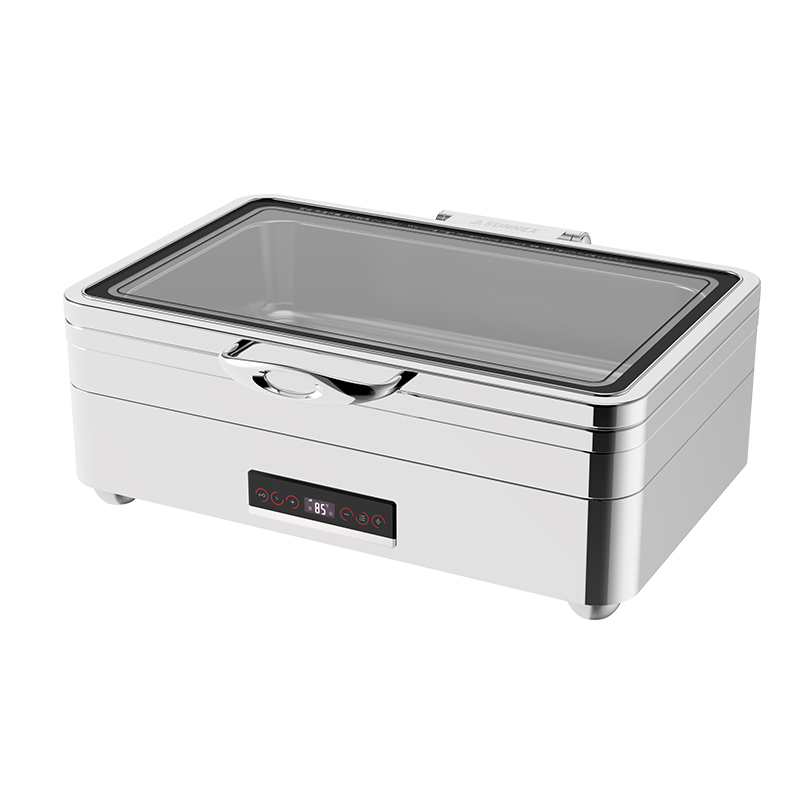
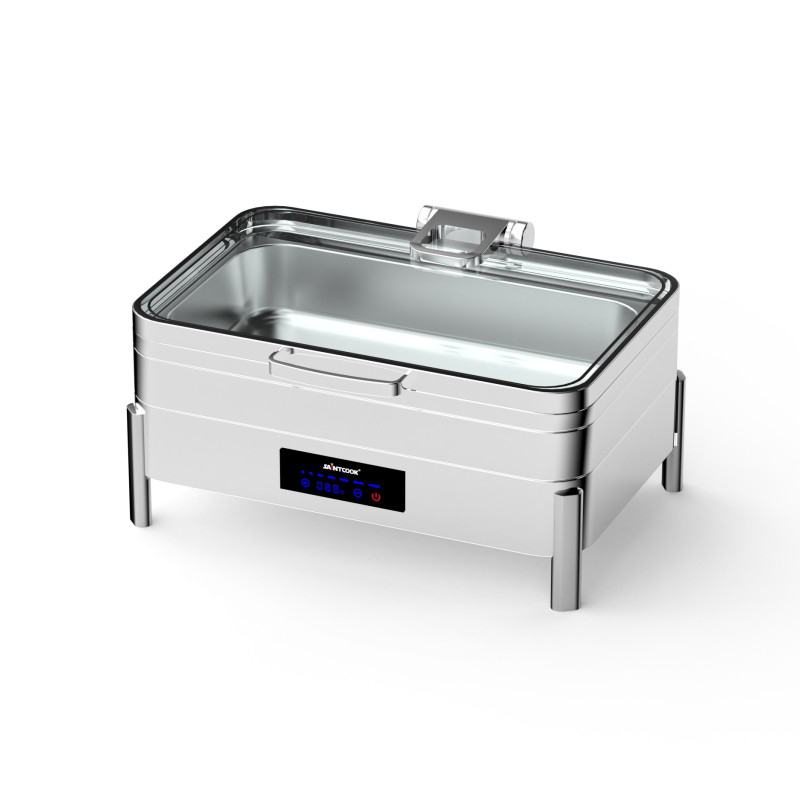
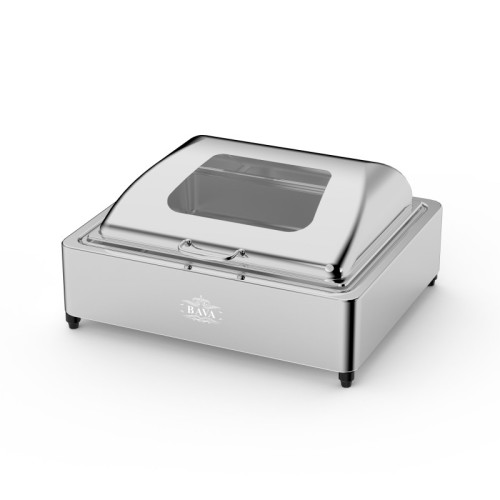
Electric models eliminate open flames entirely, using sealed heating elements and a water bath system to transfer heat gently. Reinforced anti-tip bases prevent accidental tipping, and the plug-and-play design requires no fuel handling whatsoever. Every commercial electric chafer is NSF-certified, meeting strict food safety standards to ensure zero contamination risks—so staff can focus on serving guests, not managing hazards.
2. Temperature Control: Precision vs Inconsistency
The goal of any chafing dish is to keep food at a safe, appetizing temperature (86°F–200°F) for hours—but fuel-powered chafers simply can’t match the precision of electric models.
Chafing Dish Fuel Limitations
Fuel flames produce inconsistent heat that fluctuates as the canister empties. This leads to hot spots that burn food edges, or insufficient heat that lets dishes drop below safe holding temperatures—violating food safety regulations and ruining guest experiences. There’s no way to adjust the flame intensity, so caterers are stuck with a one-size-fits-all heat output that works for neither delicate sauces nor hearty roasts.
Electric Chafing Dish Precision
Electric chafers feature precision water bath heating systems with minimal temperature deviation (±2℃), paired with adjustable thermostats that let staff tailor heat to specific dishes. Whether you’re keeping soups simmering, vegetables crisp, or desserts warm, the heat remains steady for 4+ hours—locking in moisture and flavor without burning or drying out food. Digital temperature displays (on premium models) also make it easy to monitor compliance, ensuring every dish meets health code requirements.
3. Cost Efficiency: Electric Saves Money Long-Term
At first glance, chafing dish fuel may seem cheaper upfront—but when you factor in recurring costs and long-term durability, electric chafers are the far more economical choice.
Chafing Dish Fuel Hidden Costs
Fuel canisters are a recurring expense that adds up fast for high-volume caterers. A single event may require dozens of canisters, and costs multiply over weeks and months. Fuel-powered chafers also have shorter lifespans—their metal bodies warp easily from open flames, and the burners clog with fuel residue, leading to frequent replacements.
Electric Chafing Dish Value
Electric models require only electricity to operate, with low-consumption 400W–600W heating elements that keep energy bills low. There are no recurring fuel costs, and the thickened 304 stainless steel construction stands up to years of heavy use—backed by industry-leading 5-year warranties. Dishwasher-safe parts also reduce labor costs by cutting cleanup time in half, letting staff finish post-event tasks faster.
4. Operation & Maintenance: Electric is Hassle-Free
Catering teams thrive on efficiency—and fuel-powered chafers create unnecessary headaches that slow down workflows.
Chafing Dish Fuel Hassle
Setting up fuel chafers requires assembling the stand, filling the water pan, lighting the canister, and monitoring the flame to prevent accidents. Refueling mid-event disrupts service, and cleanup involves scrubbing fuel residue from pans and burners—a time-consuming, messy process. Fuel canisters also take up valuable storage space, and expired canisters become a disposal hazard.
Electric Chafing Dish Convenience
Electric chafers are plug-and-play—no assembly required, no flame lighting, no refueling. Removable food pans, water pans, and lids go straight into the dishwasher, eliminating scrubbing and sanitizing time. Smart design extras like water level markers prevent dry heating, and clear glass lids let guests view food without lifting the cover (reducing heat loss and contamination). Storage is also easy—stackable bodies save space, and there are no fuel canisters to stock or dispose of.
5. Environmental Impact: Electric is Greener
Sustainability is a growing priority for catering businesses and their eco-conscious clients—and fuel-powered chafers are a major contributor to waste and emissions.
Chafing Dish Fuel Environmental Harm
Fuel canisters are single-use plastic or metal that end up in landfills after one event. Burning fuel also emits carbon monoxide and other greenhouse gases, increasing a business’s carbon footprint. Disposing of partially used canisters is another problem—they’re considered hazardous waste in many regions, requiring special handling.
Electric Chafing Dish Sustainability
Electric models produce zero emissions during use, and their durable construction reduces waste by eliminating the need for frequent replacements. Low energy consumption aligns with ESG goals, and dishwasher-safe parts reduce water usage compared to hand-scrubbing fuel-powered chafers. For businesses looking to go green, electric chafers are the clear choice.
Head-to-Head Comparison Table
Feature | Commercial Electric Chafing Dish | Chafing Dish Fuel |
|---|---|---|
Safety | No open flames; anti-tip base; NSF-certified | Fire/spill risks; toxic fume emissions |
Temperature Control | Precision adjustable; minimal deviation; easy monitoring | Inconsistent heat; no temperature adjustment |
Cost | One-time purchase; low energy costs; 5-year warranty | Recurring fuel expenses; frequent replacements |
Maintenance | Dishwasher-safe parts; plug-and-play | Fuel residue cleanup; canister storage/disposal |
Eco-Friendliness | Zero emissions; durable, waste-reducing design | Single-use canisters; greenhouse gas emissions |
Final Verdict: Electric Chafing Dish is the Clear Winner
For catering professionals who prioritize safety, efficiency, and long-term value, commercial-grade electric chafing dishes outperform chafing dish fuel in every category. They eliminate the risks of open flames and toxic fumes, deliver precise temperature control to preserve food quality, cut operational costs, and reduce environmental impact.
Whether you’re running a 5-star hotel buffet, catering a large wedding, or managing corporate lunch events, electric chafers streamline your workflow and elevate your service. Say goodbye to fuel canister hassle and hello to smarter, safer buffet catering with electric chafing dishes.
Elevate Your Buffet Service—Choose Electric Chafing Dishes Today!
Related Articles
Electric Buffet Warmer with Adjustable Thermostat for Restaurants
Discover the best Electric Buffet Warmer with Adjustable Thermostat for Restaurants solutions. Real ...
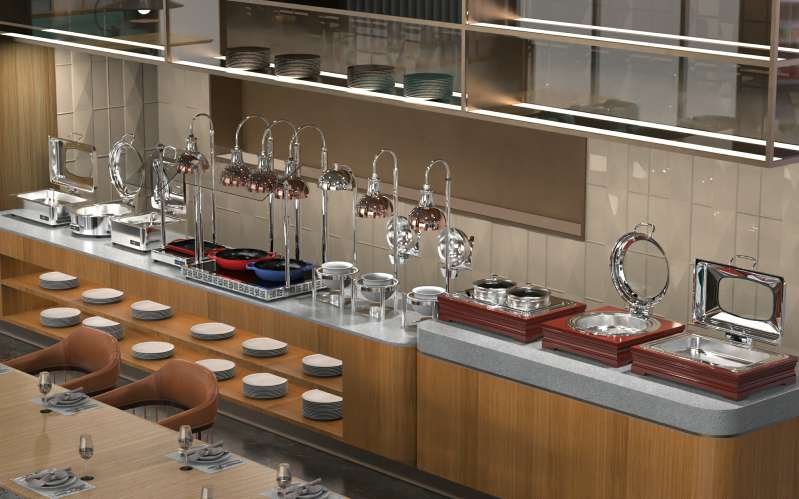
Mini Chafing Dish for Breakfast Buffet & Condiment Stations
Discover the best Mini Chafing Dish for Breakfast Buffet & Condiment Stations solutions. Real case s...
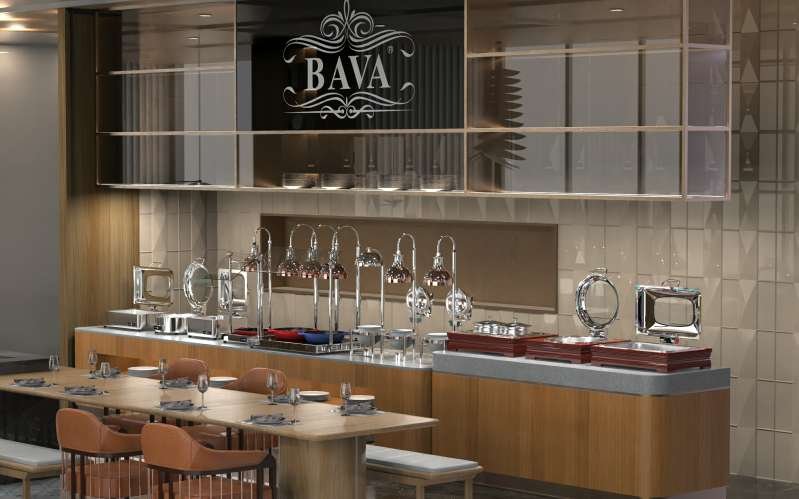
9QT Extra-Large Chafing Dish for Large-Scale Banquet Events
Discover the best 9QT Extra-Large Chafing Dish for Large-Scale Banquet Events solutions. Real case s...
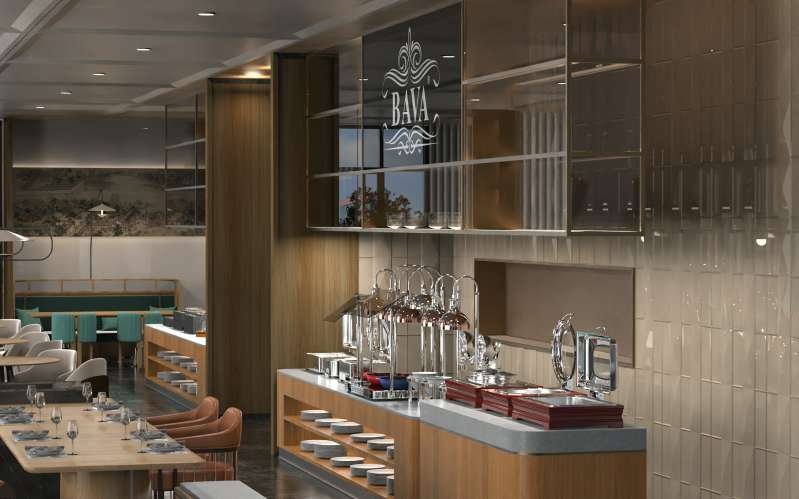
Wall-Mounted Buffet Stove for Space-Saving Kitchen Layouts
Discover the best Wall-Mounted Buffet Stove for Space-Saving Kitchen Layouts solutions. Real case st...

Stainless Steel Food Warmer for Supermarket Deli Departments
Discover the best Stainless Steel Food Warmer for Supermarket Deli Departments solutions. Real case ...
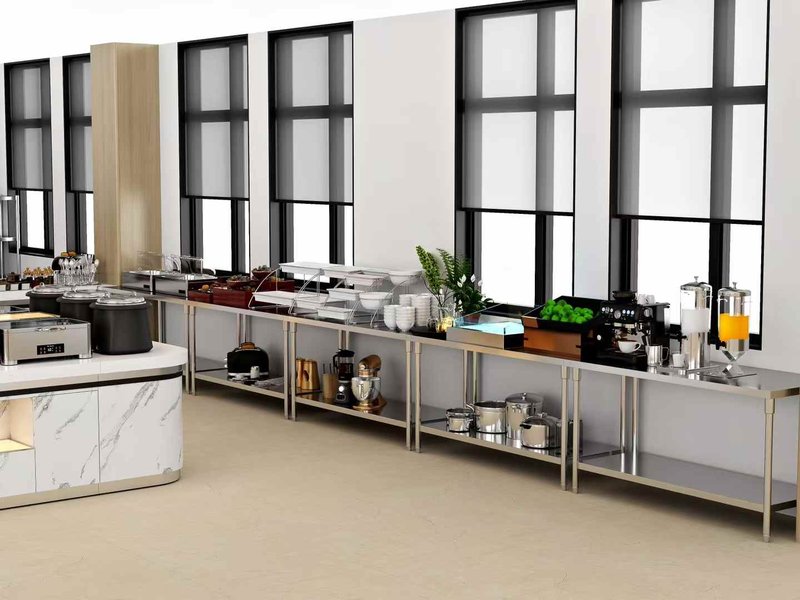
Commercial Chafer Dish with Temperature Control for Food Safety
Discover the best Commercial Chafer Dish with Temperature Control for Food Safety solutions. Real ca...