
Chafing Dish Fuel Can: Refill Options for Food Warmers
Chafing dish fuel management involves decisions about disposable cans versus refillable options that affect both operational costs and environmental impact. Understanding the refill landscape helps caterers and frequent hosts select the most appropriate fuel approach for their usage patterns while balancing convenience, cost, and sustainability considerations. The choice between disposable and refillable formats affects operational workflows and long-term expenses.
Disposable Fuel Can Options
Standard disposable fuel cans provide the convenience that occasional users prefer, with single-use formats eliminating the handling and storage requirements that refillable systems create. These cans arrive ready for use and dispose of completely after exhaustion, requiring no cleaning, storage, or maintenance between events. The convenience premium that disposable cans command makes sense for users whose event frequency does not justify refill infrastructure investment.
Burn time varieties in disposable formats range from two-hour economy cans to six-hour extended-burn options that serve different event durations. Selecting appropriate burn times prevents the waste that overly long-burning cans create when events end before fuel exhaustion. Matching disposable can specifications to anticipated service duration optimizes both cost and convenience for occasional users.
Multi-pack purchasing reduces the per-can cost of disposable fuel significantly, with case quantities offering savings that approach refillable economics for moderate-volume users. Bulk storage of disposable cans requires minimal space while providing fuel availability for multiple events. The bulk purchase approach captures cost savings while maintaining the convenience that disposable formats provide.
Refillable Fuel Systems
Refillable fuel containers offer cost advantages for high-volume users whose event frequency justifies the infrastructure investment that refillable systems require. The per-use cost of refilled containers falls below disposable can pricing when usage reaches the threshold where initial container investment becomes economical. Regular caterers and venues hosting frequent events typically reach this threshold quickly.
Bulk fuel purchase for refilling provides the primary cost advantage, with larger fuel quantities priced significantly lower per unit than pre-packaged disposable cans. The bulk fuel handling requires appropriate storage and safety measures but eliminates the per-can packaging costs that disposable formats include. This cost differential increases with usage frequency.
Container maintenance for refillable systems adds operational requirements that disposable formats eliminate, with cleaning and inspection procedures ensuring safe continued use. Quality containers designed for repeated use handle the refill cycle reliably, while budget containers may degrade with repeated heating cycles. The maintenance investment protects both safety and longevity.

Refill Process Considerations
Refilling procedures require careful attention to safety protocols that prevent spills and accidents during the fuel transfer process. Proper ventilation, appropriate tools, and careful handling minimize the risks that fuel transfer creates. Staff training on safe refilling procedures should precede any adoption of refillable systems.
Fuel compatibility matters significantly for refillable systems, with formulations designed for specific container types performing optimally when matched correctly. Using inappropriate fuel types in refillable containers can create performance problems or safety hazards that proper fuel selection avoids. Understanding fuel specifications prevents these compatibility issues.
Spill containment during refilling protects both the refilling surface and the handler from fuel contact that creates safety and cleanup issues. Refilling over appropriate containment surfaces with proper absorbent materials available minimizes the consequences of any spills that occur. This preparation is essential for safe refill operations.
Environmental Impact Factors
Waste reduction represents a significant environmental advantage of refillable systems, with repeated container use eliminating the disposal stream that disposable cans create. Environmental considerations increasingly influence purchasing decisions for businesses and consumers, with refillable options addressing sustainability concerns. The environmental benefit adds to the economic case for high-volume users.
Packaging elimination through bulk fuel purchase reduces the material waste that disposable can packaging creates. The environmental footprint of manufacturing, transporting, and disposing of disposable cans exceeds that of refillable systems for equivalent fuel quantities. Organizations with environmental commitments find refillable systems align with their sustainability goals.
Carbon footprint considerations favor refillable systems when the total lifecycle impact includes manufacturing, distribution, and disposal phases. The reduced material throughput of refillable systems creates lower overall environmental impact per unit of fuel consumed. Life-cycle analysis provides the environmental comparison framework for fuel system decisions.
Hybrid Approaches
Mixed strategies combining disposable and refillable systems can optimize for different event types and volumes. High-profile events might use disposable cans for convenience and presentation consistency, while routine functions use refillable systems for cost savings. This strategic deployment captures benefits from both approaches.
Backup fuel supplies in disposable formats complement refillable primary systems, ensuring fuel availability when refilling logistics encounter problems. Maintaining disposable cans as reserves protects against the supply interruptions that refill dependencies can create. The hybrid approach provides operational resilience.
Transition strategies allow gradual adoption of refillable systems as usage volume increases, with disposable cans serving initial events while refillable infrastructure develops. This phased approach matches investment timing to volume growth, avoiding premature infrastructure commitment. The transition period provides learning opportunities for refill procedures.
Featured Chafing Dish Products
Electric Chafing Dish-BA
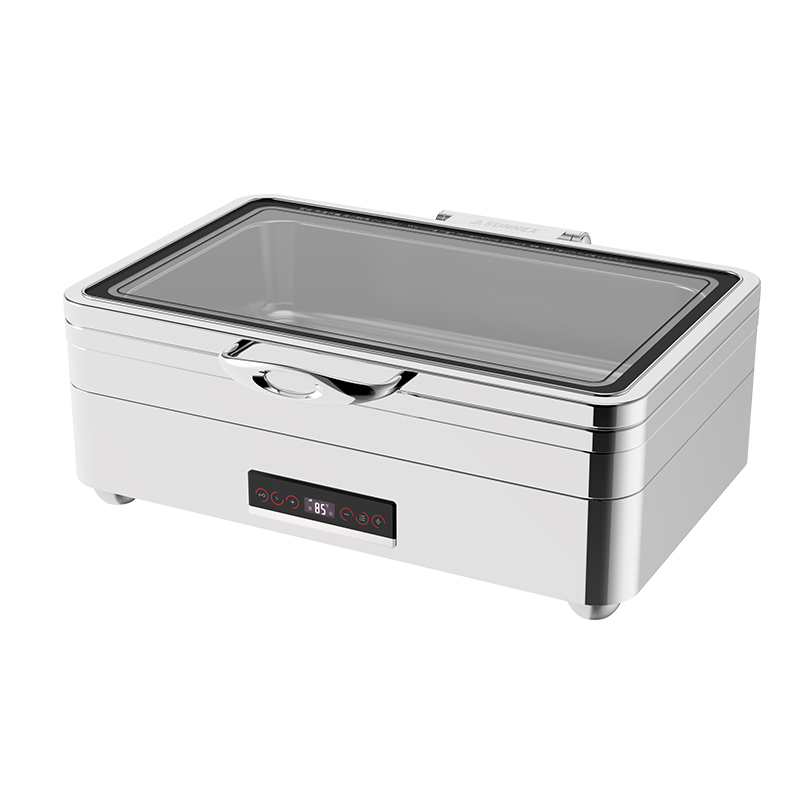
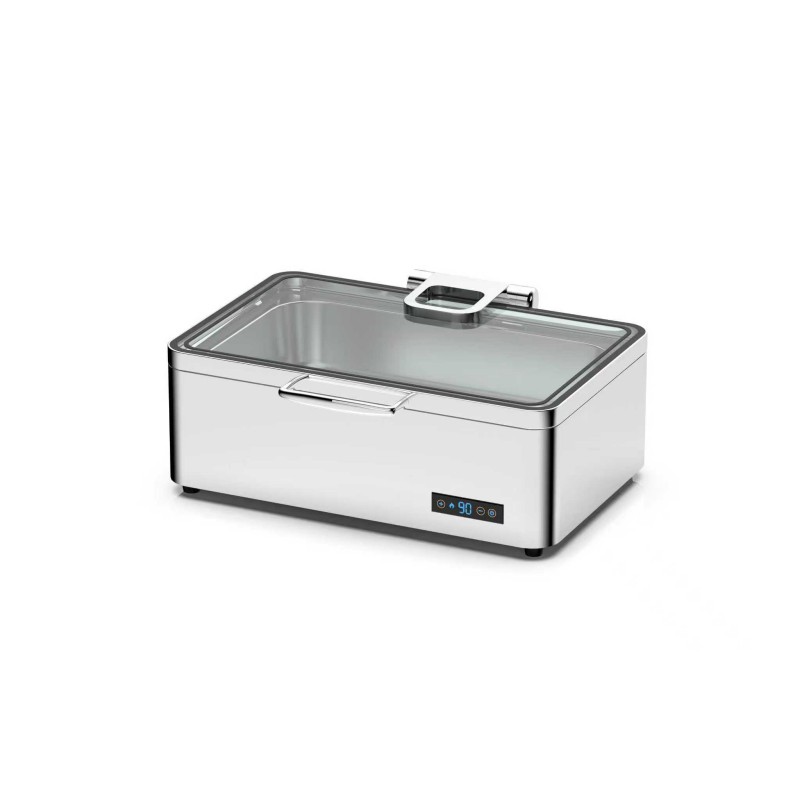
Electric Chafing Dish-BA provides the fuel accommodation design that effective food warming requires. Quality chafing dish construction includes proper fuel chamber design that works with both disposable cans and refillable containers for maximum flexibility.
Stainless Steel Alcohol Chafing Dish
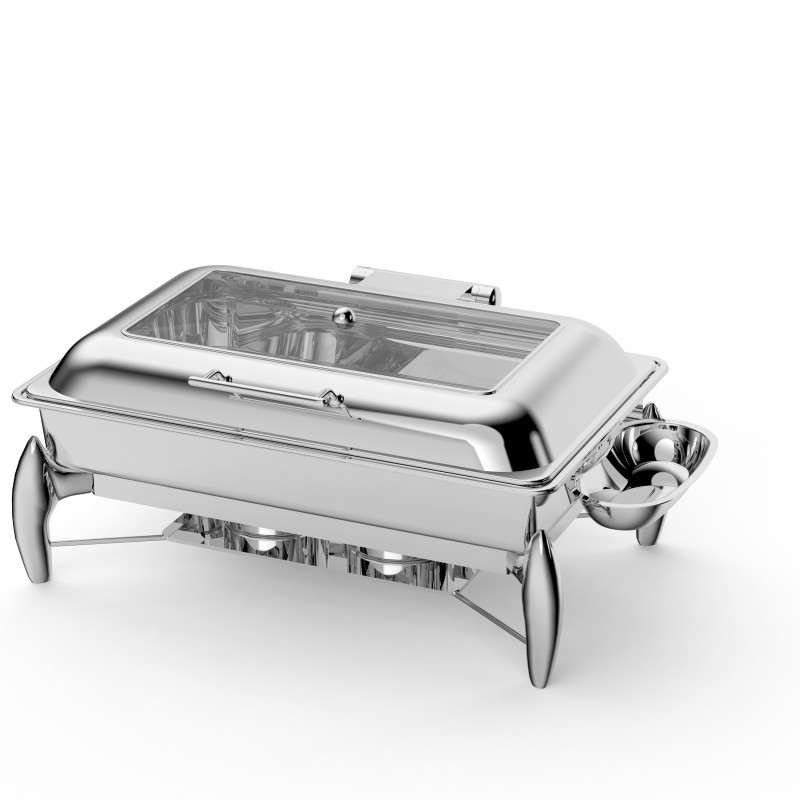
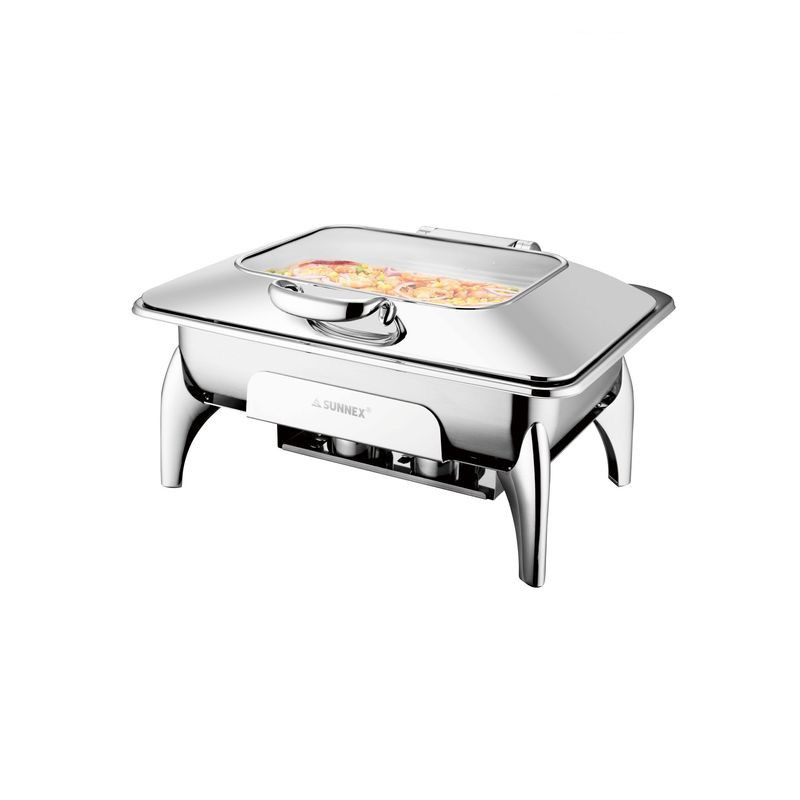
Stainless Steel Alcohol Chafing Dish demonstrates the engineering considerations that optimize fuel efficiency and heat distribution. Understanding how equipment design affects fuel consumption helps optimize both disposable and refillable fuel strategies.

Electric Chafing Dish-HC380D
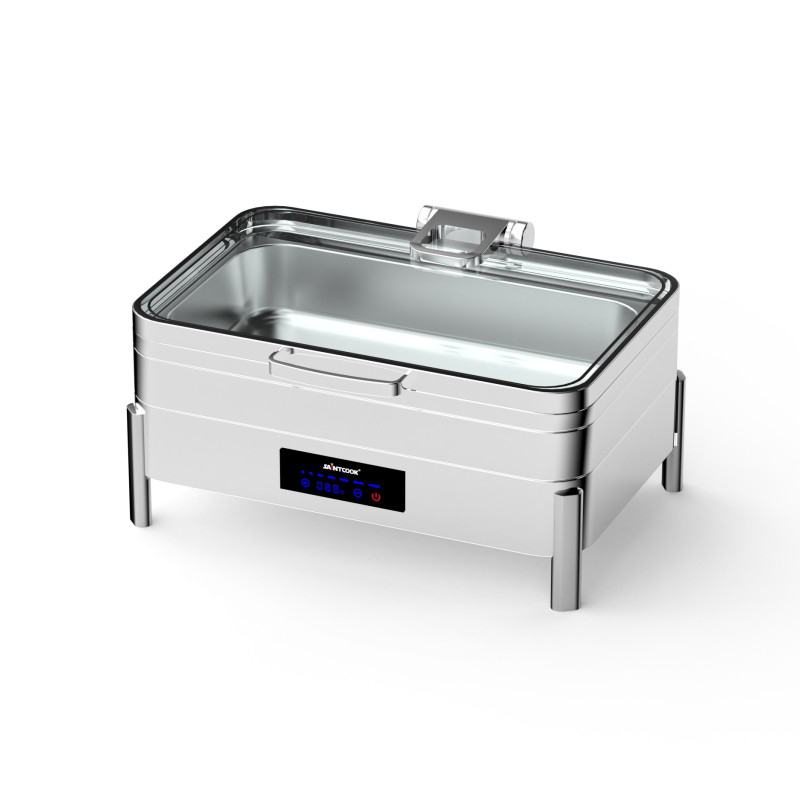
Electric Chafing Dish-HC380D represents the quality construction that maximizes fuel efficiency through optimal heat transfer design. Quality equipment extracts maximum warming value from each fuel unit, improving economics for both disposable and refillable approaches.
Economic Analysis
Break-even calculation determines the usage threshold where refillable system investment becomes economically justified. The calculation compares total disposable fuel cost against refillable container cost plus bulk fuel cost over equivalent usage quantities. This analysis guides the timing of refillable system adoption.
Hidden cost factors affect the true economics of both approaches, including storage costs, handling labor, and disposal fees for disposable cans. Comprehensive cost comparison includes these factors that surface price comparison overlooks. The complete economic picture often differs from apparent per-can pricing.
Volume projections help forecast when refillable system investment will pay back through fuel cost savings. Historical event frequency and anticipated growth provide the projection basis for investment timing decisions. Conservative projections protect against premature investment while aggressive projections may delay beneficial adoption.
Related Articles

Electric Buffet Warmer with Adjustable Thermostat for Restaurants
Discover the best Electric Buffet Warmer with Adjustable Thermostat for Restaurants solutions. Real ...
Mini Chafing Dish for Breakfast Buffet & Condiment Stations
Discover the best Mini Chafing Dish for Breakfast Buffet & Condiment Stations solutions. Real case s...
9QT Extra-Large Chafing Dish for Large-Scale Banquet Events
Discover the best 9QT Extra-Large Chafing Dish for Large-Scale Banquet Events solutions. Real case s...

Wall-Mounted Buffet Stove for Space-Saving Kitchen Layouts
Discover the best Wall-Mounted Buffet Stove for Space-Saving Kitchen Layouts solutions. Real case st...

Stainless Steel Food Warmer for Supermarket Deli Departments
Discover the best Stainless Steel Food Warmer for Supermarket Deli Departments solutions. Real case ...

Commercial Chafer Dish with Temperature Control for Food Safety
Discover the best Commercial Chafer Dish with Temperature Control for Food Safety solutions. Real ca...