
Chafing Dish Fuel Holder: Safe Fuel Storage Solutions
Proper fuel holder design and management ensures safe operation of chafing dishes throughout catering events while protecting fuel integrity between uses. The fuel holder serves as the critical interface between heat source and food warming apparatus, making its design and condition essential for both safety and performance. Understanding fuel holder requirements helps operators maintain safe, effective food warming systems.
Fuel Holder Design Fundamentals
Stability features in fuel holder design prevent the tipping and shifting that creates safety hazards during service. Quality holders include broad bases and low center-of-gravity designs that resist overturning even when bumped or placed on slightly uneven surfaces. The stability investment protects against the fire and burn risks that unstable fuel arrangements create.
Heat shielding prevents the heat transfer that can damage surfaces beneath chafing dishes while maintaining proper fuel combustion temperatures. Effective holders insulate the supporting surface from fuel heat while allowing adequate airflow for combustion. This balance protects table surfaces and venue flooring from heat damage.
Airflow provision ensures proper fuel combustion that maintains consistent heat output throughout the burn period. Holders that restrict airflow cause incomplete combustion that reduces heat output while potentially creating carbon monoxide concerns. Quality holder designs provide ventilation paths that support optimal fuel performance.
Safety Features and Standards
Flame containment design prevents the flame spread that exposed fuel arrangements can permit, with holders that surround and partially enclose the fuel canister. This containment protects against wind effects and accidental contact that could spread flames beyond the intended area. The containment approach is particularly important for outdoor events where wind exposure occurs.
Tip-over protection mechanisms in advanced fuel holders prevent fuel displacement when holders tilt beyond normal operating angles. These safety features reduce fire and burn risks significantly, with automatic fuel cutoff or spill prevention activating when unusual angles occur. The protection investment provides peace of mind for operators and venue managers.
Material fire resistance ensures that holder components do not contribute fuel to any fire situation that might develop. Quality holders use materials that resist ignition and maintain structural integrity even when exposed to flame. This fire resistance protects against the escalation that flammable holder materials could create.
Storage Requirements Between Uses
Cool-down procedures protect storage areas and staff from the heat that fuel holders retain after service ends. Allowing adequate cooling time before storage prevents heat damage to storage surfaces and reduces burn risks for handling staff. The cool-down period should be incorporated into event breakdown procedures.
Cleaning requirements vary by holder type, with reusable holders requiring cleaning to remove fuel residue that could affect future performance. Regular cleaning prevents the buildup that can create odor, staining, or performance problems. Cleaning procedures should follow manufacturer guidelines for each holder type.
Inspection protocols identify holder damage that could create safety problems in future use, with regular checks revealing cracks, deformation, and other structural issues. Damaged holders should be retired from service rather than risking the failures that compromised equipment can cause. Inspection documentation supports safety compliance and equipment management.
Multi-Unit Coordination
Consistent holder types across all serving stations simplify operations by providing uniform fuel management procedures throughout events. Mixed holder types require staff awareness of different operational characteristics that can create confusion during service. Standardization reduces the training burden and operational complexity that variety creates.
Positioning coordination ensures that fuel holders align properly with water pans for optimal heat transfer while maintaining safe distances from combustible materials. Standard positioning guidelines help staff set up serving stations correctly without requiring case-by-case judgment. This consistency improves both safety and performance.
Quantity planning ensures adequate holder inventory for events requiring multiple serving stations, with spare holders available for unexpected needs. Running short on holders creates operational constraints that can affect service quality. Inventory management should anticipate typical event requirements plus contingency margin.
Transport and Handling
Packaging requirements protect fuel holders during transport between venues, with appropriate padding preventing the damage that loose transport can cause. Quality holders represent investment that proper packaging protects, while damaged holders create safety risks. Transport procedures should include holder protection measures.
Loading considerations for fuel holders include weight distribution and stacking limitations that prevent damage during vehicle transport. Heavy items should not bear on holders, and holders should be secured against shifting during transport. These loading practices protect holder integrity and extend service life.
Handling procedures minimize the rough treatment that can damage holders and compromise their safety features. Staff training on proper handling techniques prevents the drops, impacts, and misuse that cause premature holder failure. Gentle handling extends holder life while maintaining safety characteristics.
Featured Chafing Dish Products
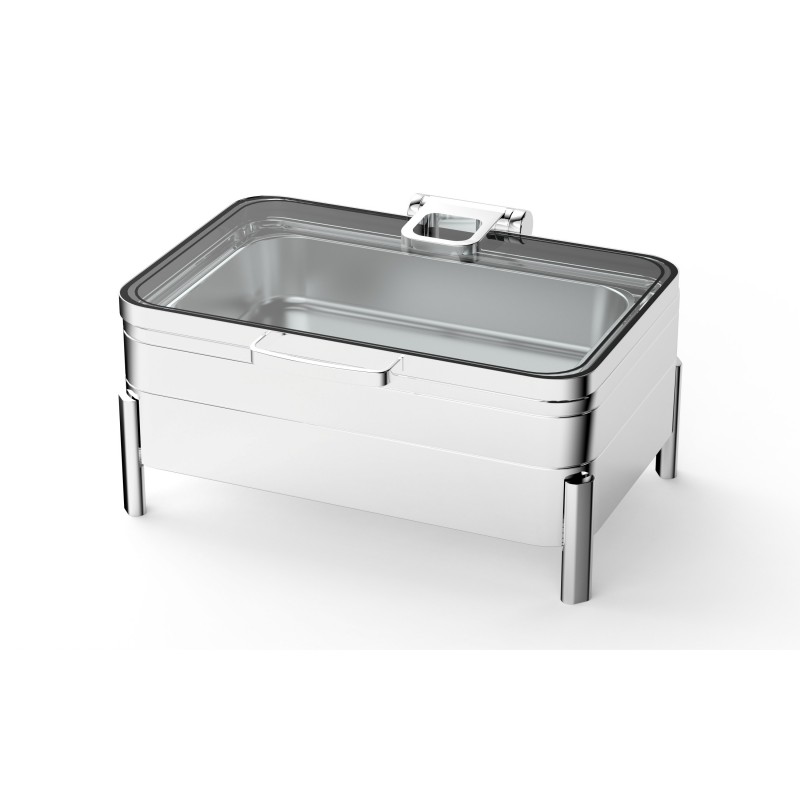
Fuel Chafing Dish-HC380Z
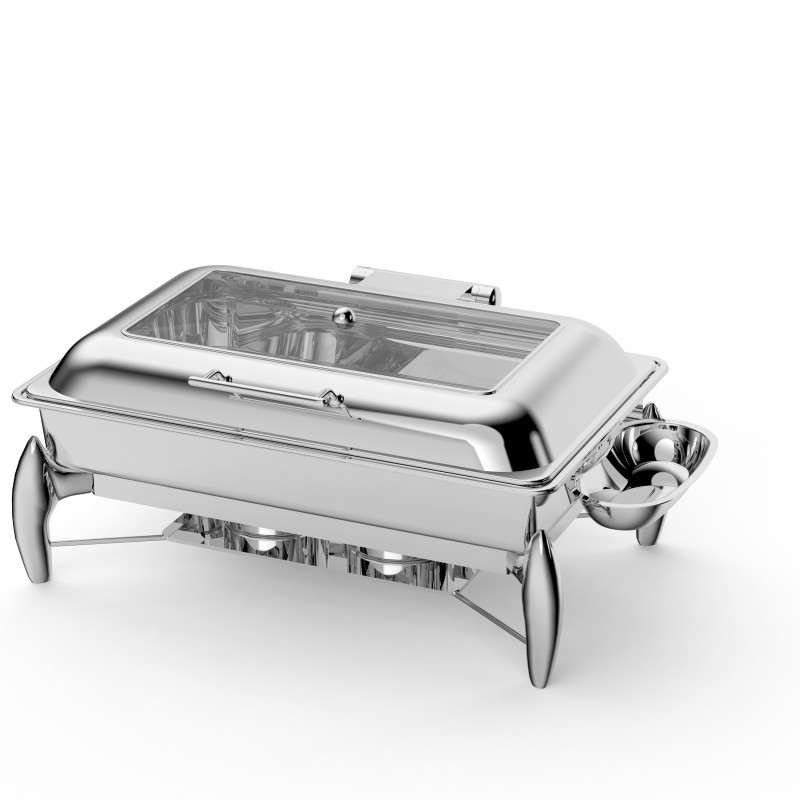
Fuel Chafing Dish-HC380Z demonstrates the integrated design approach that incorporates fuel holder features directly into chafing dish construction. This integration ensures proper fuel positioning and optimal heat transfer while maintaining the safety margins that professional service requires.
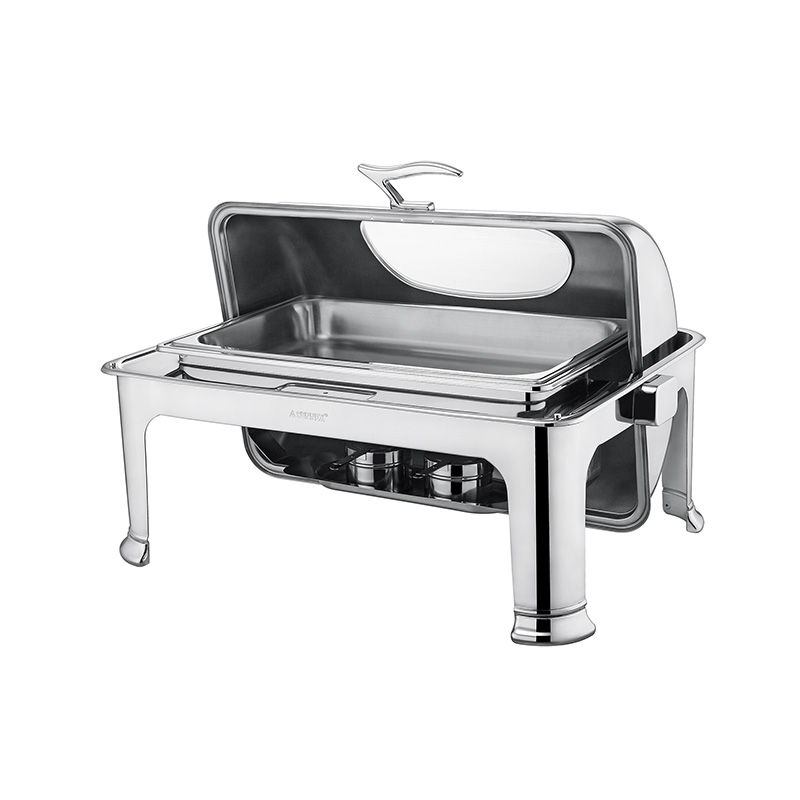
Covered Stainless Steel Alcohol Chafing Dish
Covered Stainless Steel Alcohol Chafing Dish provides the stable platform that safe fuel holder operation demands. Quality chafing dish frames include proper fuel accommodation that works synergistically with fuel holder designs for maximum safety and efficiency.
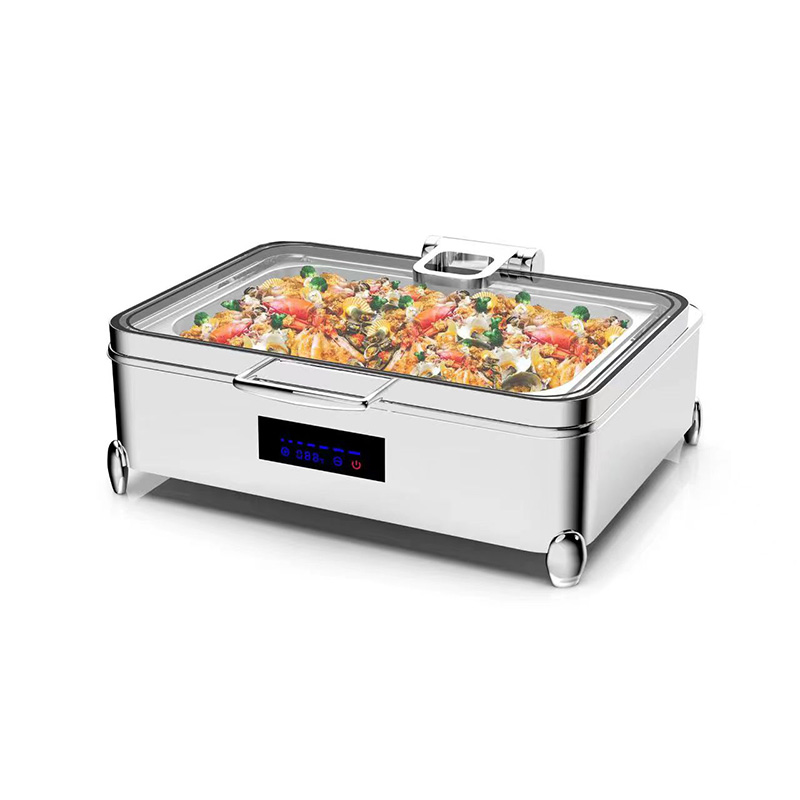
Electric Chafing Dish Food Warmer
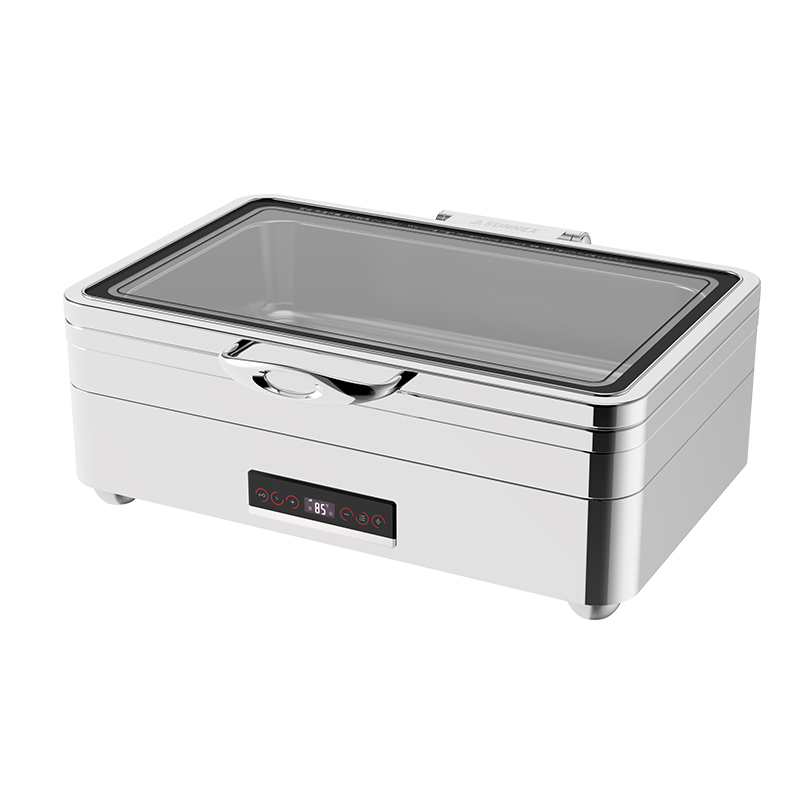
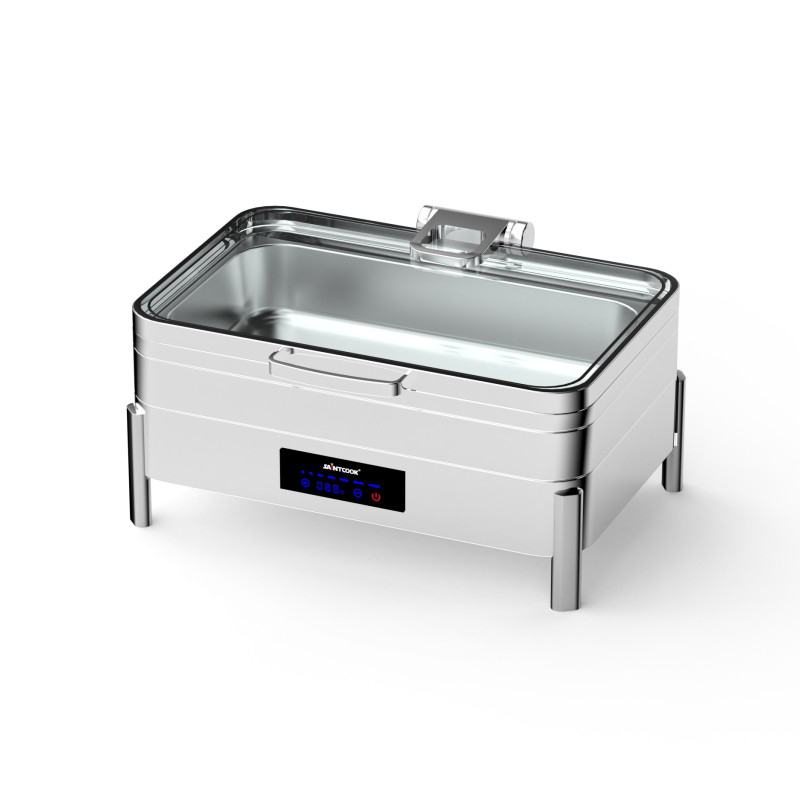
Electric Chafing Dish Food Warmer represents the engineering attention to detail that ensures fuel holder compatibility and safe operation. Understanding how equipment design accommodates fuel holders helps select products that support safe, effective food warming.
Compliance and Regulation
Fire code compliance for fuel holder systems varies by jurisdiction, with local requirements affecting holder selection and usage procedures. Understanding applicable codes prevents compliance problems that could affect event execution or venue approval. Code consultation should precede holder system specification.
Insurance requirements may specify particular fuel holder types or safety features for coverage to apply to catering operations. Understanding insurance policy conditions helps select holders that maintain coverage while meeting operational needs. Policy review identifies any specific holder requirements.
Venue restrictions sometimes limit fuel holder types or require particular safety features for catering equipment used on premises. Clarifying venue requirements before events prevents last-minute equipment changes that can disrupt service planning. Venue communication should include fuel holder specifications.
Related Articles
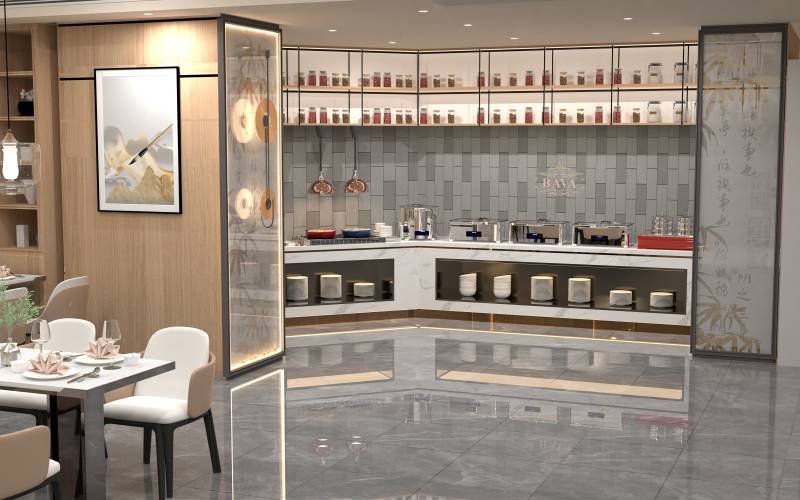
Electric Buffet Warmer with Adjustable Thermostat for Restaurants
Discover the best Electric Buffet Warmer with Adjustable Thermostat for Restaurants solutions. Real ...
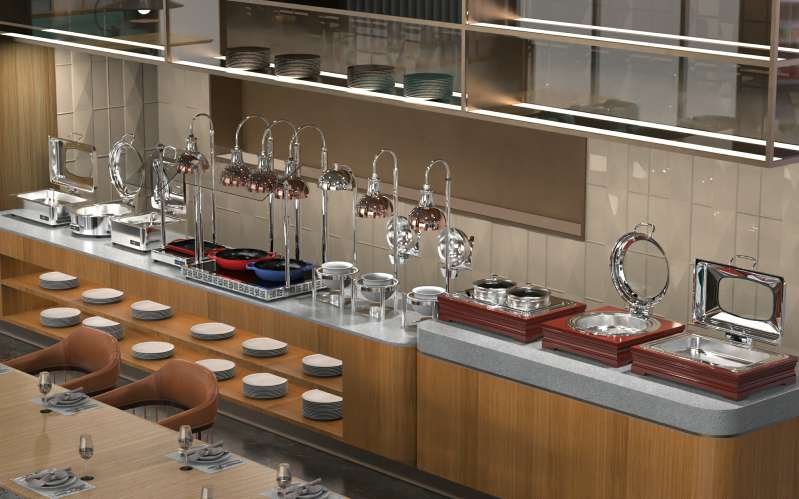
Mini Chafing Dish for Breakfast Buffet & Condiment Stations
Discover the best Mini Chafing Dish for Breakfast Buffet & Condiment Stations solutions. Real case s...
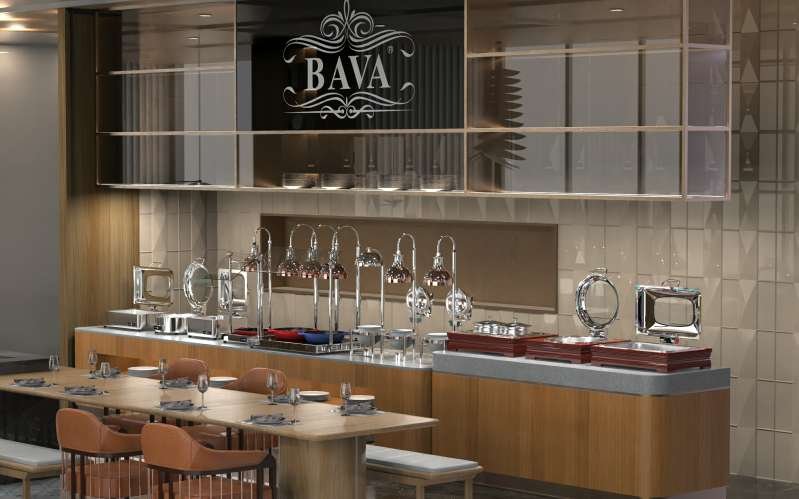
9QT Extra-Large Chafing Dish for Large-Scale Banquet Events
Discover the best 9QT Extra-Large Chafing Dish for Large-Scale Banquet Events solutions. Real case s...
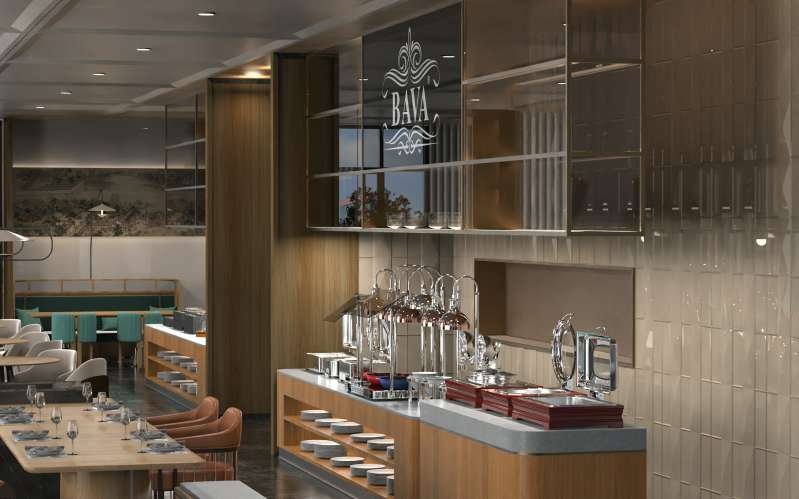
Wall-Mounted Buffet Stove for Space-Saving Kitchen Layouts
Discover the best Wall-Mounted Buffet Stove for Space-Saving Kitchen Layouts solutions. Real case st...

Stainless Steel Food Warmer for Supermarket Deli Departments
Discover the best Stainless Steel Food Warmer for Supermarket Deli Departments solutions. Real case ...
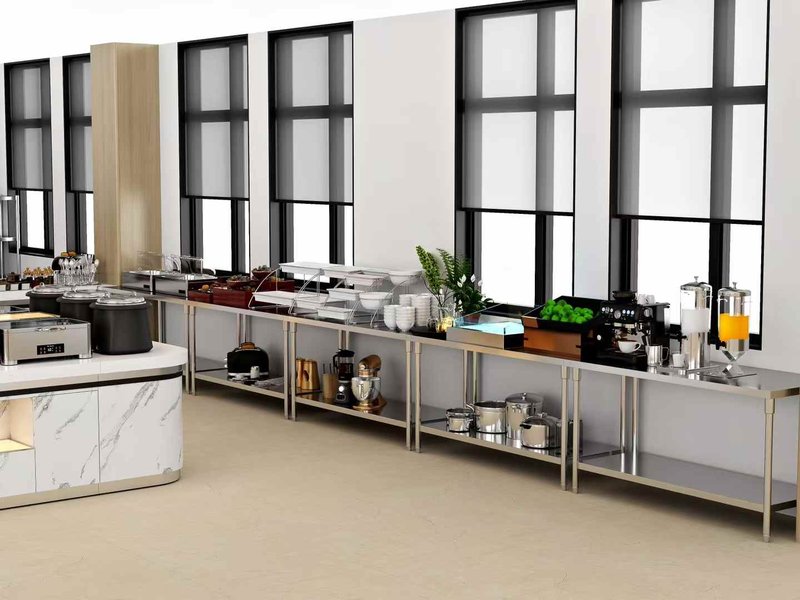
Commercial Chafer Dish with Temperature Control for Food Safety
Discover the best Commercial Chafer Dish with Temperature Control for Food Safety solutions. Real ca...