
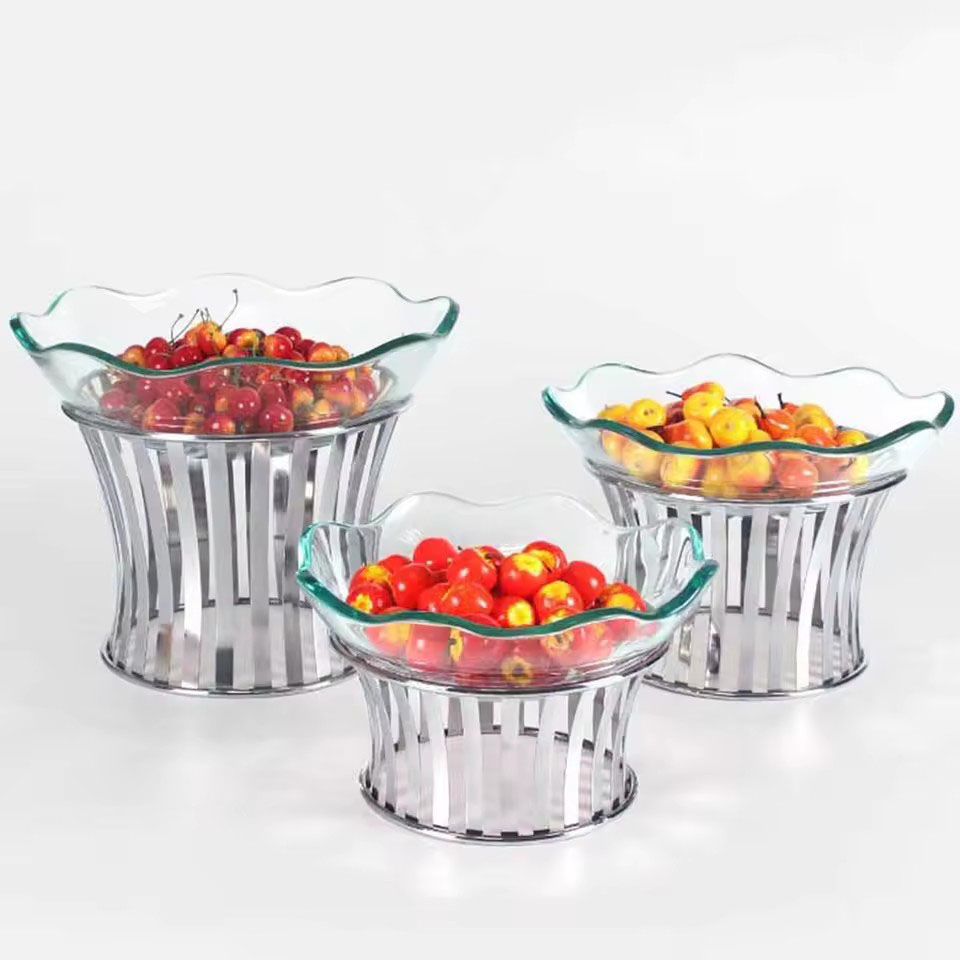
Chafing Dish Water Pan: Replacement Parts for Food Warmers
Water pans form the essential thermal buffer between heat source and food containers in chafing dish systems, creating the steam environment that maintains safe food temperatures without direct heat contact. Replacement water pans become necessary through wear, damage, or the expansion of serving capacity that additional pans require. Understanding water pan specifications and replacement considerations helps maintain effective food warming systems.
Water Pan Function and Importance
Thermal buffering provided by water pans creates the gentle, consistent heat that keeps food warm without the scorching that direct heat would cause. The water bath moderates temperature fluctuations while maintaining humidity that prevents food from drying out during extended service periods. This thermal regulation is essential for food quality and safety.
Steam generation from heated water creates a moist environment that protects food texture while transferring heat efficiently throughout the food container. The steam circulation ensures even warming that eliminates cold spots while maintaining the surface condition that appetizing presentation requires. The humidity benefit distinguishes water bath warming from dry heat methods.
Safety margin provided by water pans prevents the temperature extremes that direct heat contact could create, with water temperature limited to boiling point regardless of fuel intensity. This safety margin protects food quality and prevents the burning that direct flame contact would cause. The built-in temperature regulation simplifies heat management during service.
Identifying Replacement Needs
Damage assessment reveals when water pans require replacement rather than continued use with compromises. Dents that affect water capacity or pan seating, holes or cracks that cause leaks, and warping that prevents proper fit all indicate replacement necessity. Continuing to use damaged pans compromises both performance and safety.
Capacity adequacy evaluation determines whether existing water pans serve current operational needs or whether additional pans would improve service capability. Events with larger food quantities may benefit from deeper pans that hold more water for extended service. Capacity planning should anticipate typical and maximum event requirements.
Compatibility verification ensures that replacement pans will fit existing chafing dish frames and accommodate standard food pan sizes. Pan dimensions must match frame openings while providing adequate clearance for safe handling. Measurement confirmation prevents the fit problems that incompatible replacements would create.
Material Considerations
Stainless steel construction provides the durability and corrosion resistance that professional catering demands, with quality grades offering extended service life under repeated use. Stainless steel pans resist the staining and degradation that lower-grade materials suffer, maintaining appearance and function through many events. The material investment pays returns through longevity.
Aluminum alternatives offer lighter weight at lower cost but sacrifice the durability and corrosion resistance that stainless steel provides. Aluminum pans may be appropriate for occasional use or budget-conscious operations, but professional caterers typically prefer stainless for its superior longevity. The material choice should reflect expected usage intensity.
Non-stick coatings on some water pans facilitate cleaning but may degrade under the high heat that chafing dish operation involves. The coating durability question affects long-term value assessment, with coatings potentially requiring replacement before the pan structure itself would need renewal. Coating quality varies significantly between manufacturers.
Size and Compatibility
Standard sizes follow industry conventions that ensure compatibility across equipment brands, with full-size, half-size, and third-size pans fitting corresponding frame openings. Understanding size designations helps select replacements that work with existing equipment without modification. Size standardization simplifies replacement sourcing.
Depth variations affect water capacity and the clearance available for food pans above the water surface. Deeper pans require more water but provide longer continuous operation between refills, while shallower pans may be adequate for shorter events. Depth selection should match typical service duration requirements.
Corner radius specifications affect pan fit within frame openings, with sharp-corner and rounded-corner pans requiring matching frame designs. Mixing pan and frame corner styles can create fit problems that affect stability during service. Corner style consistency ensures proper seating.
Sourcing Replacement Pans
Original equipment manufacturer parts provide the fit assurance that generic replacements may not guarantee, with pans designed specifically for particular chafing dish models. OEM sourcing eliminates compatibility concerns while supporting manufacturer warranty provisions that generic parts might void. The fit certainty often justifies any price premium.
Restaurant supply stores offer replacement water pans in standard sizes that fit most chafing dish frames, providing local availability for urgent replacement needs. These suppliers typically stock common sizes while potentially offering better pricing than specialty catering suppliers. Local availability enables quick resolution of equipment problems.
Online specialty suppliers provide the broadest selection for replacement water pans, with comprehensive catalogs that include sizes and styles local suppliers might not carry. Online sourcing works best for planned replacements where shipping time allows, rather than emergency needs. The selection breadth helps find exact replacement specifications.
Featured Chafing Dish Products
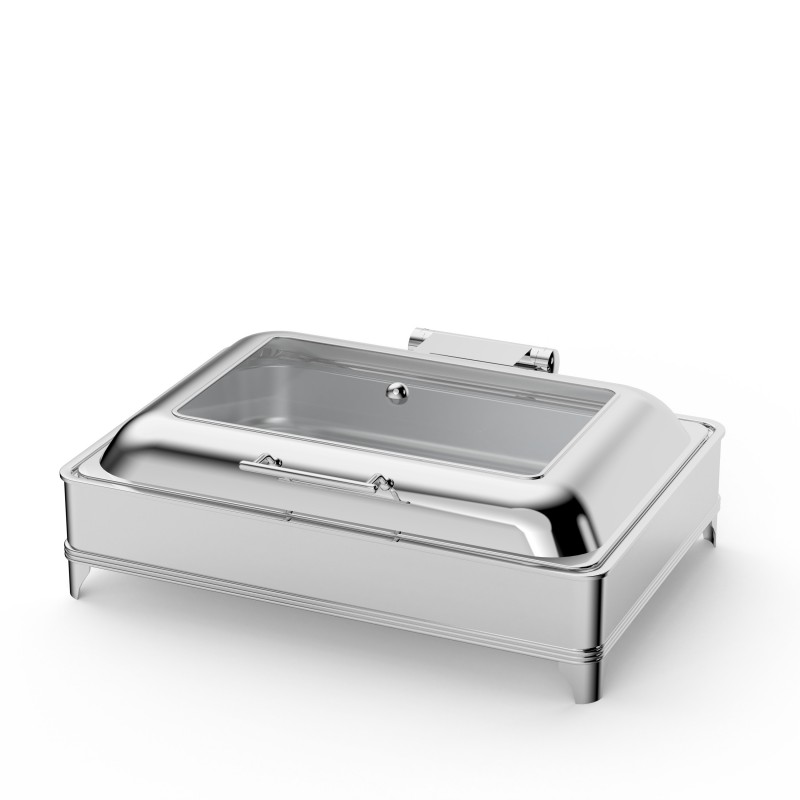
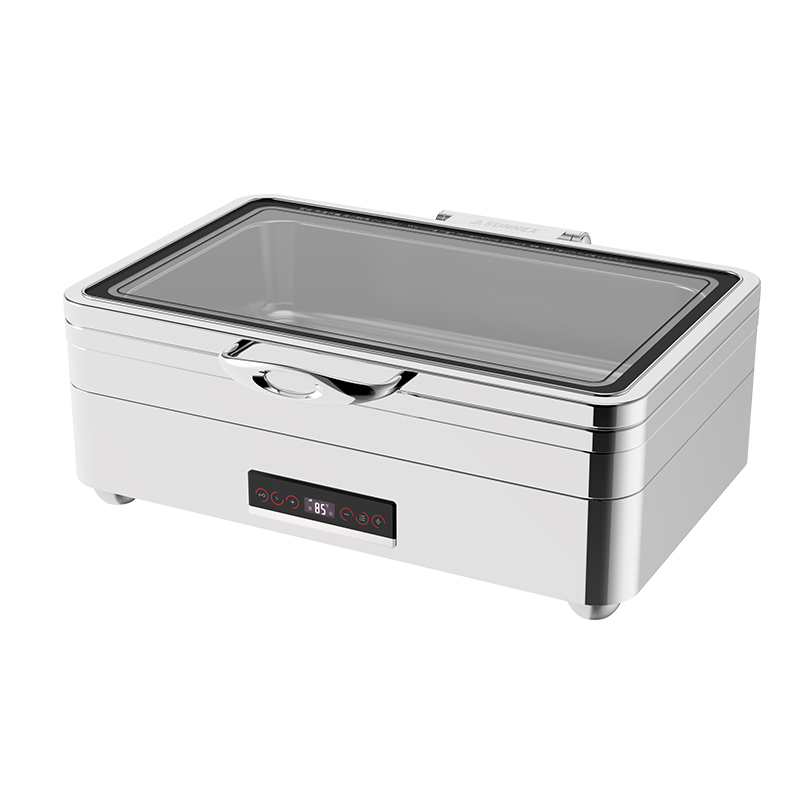
Stainless Steel Electric Buffet Warmer with Visible Window
Stainless Steel Electric Buffet Warmer with Visible Window demonstrates the quality water pan integration that effective chafing dish design provides. Understanding how water pan fit affects overall performance helps evaluate replacement options and maintain optimal warming function.
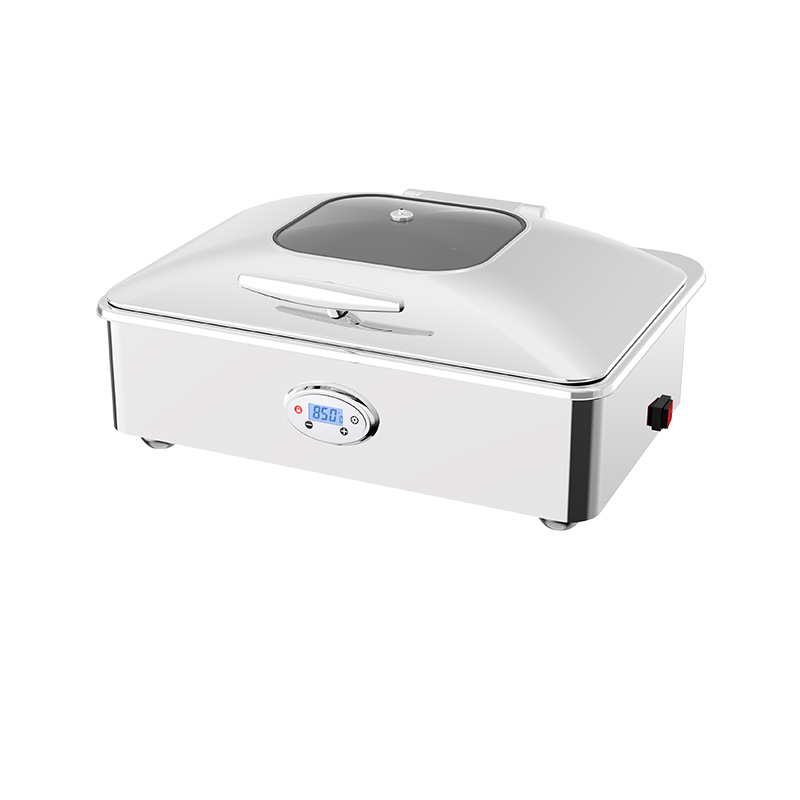
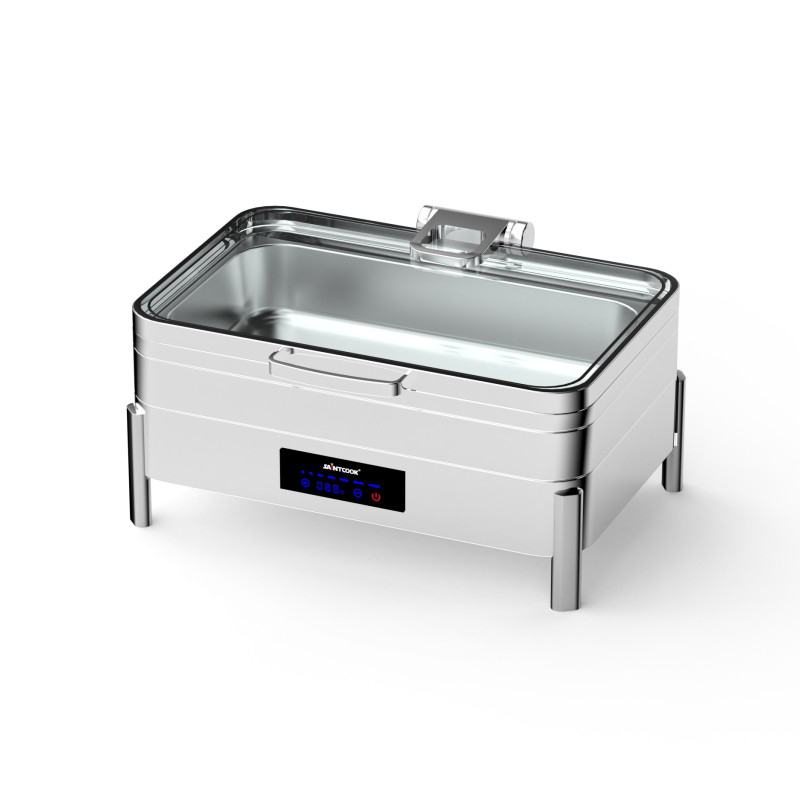
Electric Chafing Dish-W37
Electric Chafing Dish-W37 provides the frame design that accommodates standard water pan sizes properly. Quality frames include the dimensional precision that ensures replacement pan fit without the gaps or instability that poor tolerance would create.

Electric Chafing Dish-HC380D
Electric Chafing Dish-HC380D represents the complete system approach where water pan, food pan, and frame components work together for optimal performance. Understanding component relationships helps select replacement parts that maintain system integrity.
Maintenance and Longevity
Cleaning procedures affect water pan longevity significantly, with proper techniques preventing the damage that harsh methods can cause. Avoiding abrasive cleaners and tools preserves surface finish while removing the mineral deposits that hard water creates. Gentle cleaning maintains both appearance and function.
Storage practices protect water pans from the damage that improper stacking or weight bearing can cause. Pans should be stored with adequate support that prevents warping, with separation between stacked pans to prevent scratching. Proper storage extends service life significantly.
Inspection routines identify developing problems before they create service failures, with regular checks revealing corrosion, cracking, and fit degradation. Early problem detection enables planned replacement rather than emergency response when failures occur during events. Inspection investment prevents service disruptions.
Related Articles
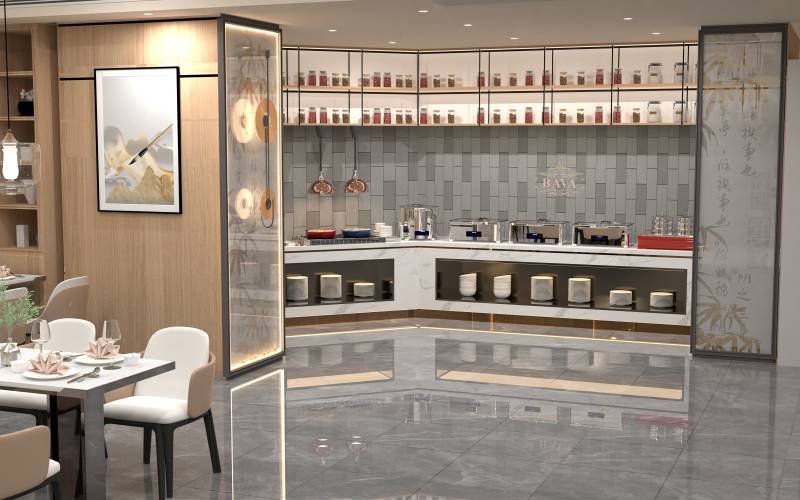
Electric Buffet Warmer with Adjustable Thermostat for Restaurants
Discover the best Electric Buffet Warmer with Adjustable Thermostat for Restaurants solutions. Real ...
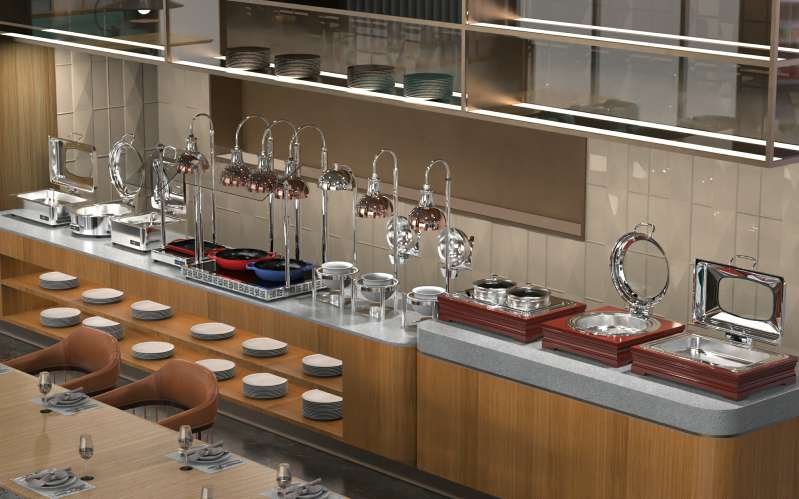
Mini Chafing Dish for Breakfast Buffet & Condiment Stations
Discover the best Mini Chafing Dish for Breakfast Buffet & Condiment Stations solutions. Real case s...
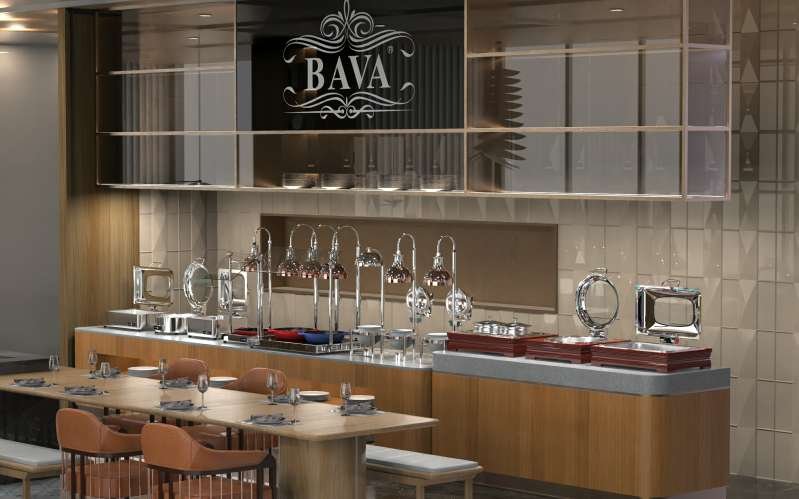
9QT Extra-Large Chafing Dish for Large-Scale Banquet Events
Discover the best 9QT Extra-Large Chafing Dish for Large-Scale Banquet Events solutions. Real case s...
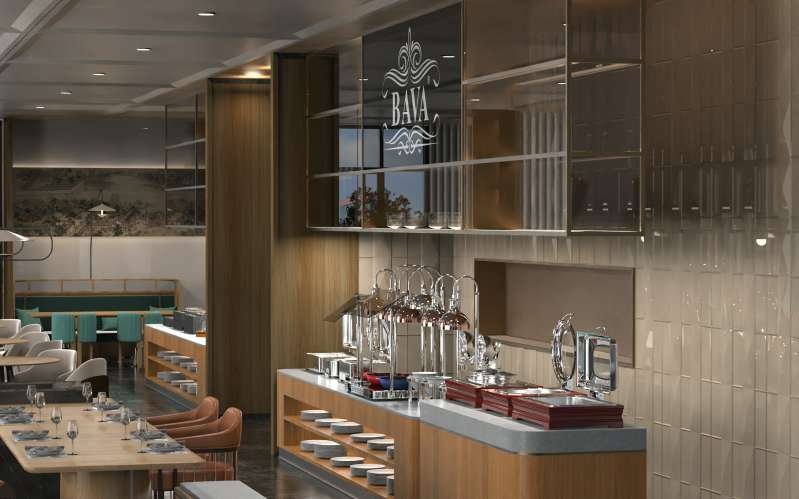
Wall-Mounted Buffet Stove for Space-Saving Kitchen Layouts
Discover the best Wall-Mounted Buffet Stove for Space-Saving Kitchen Layouts solutions. Real case st...

Stainless Steel Food Warmer for Supermarket Deli Departments
Discover the best Stainless Steel Food Warmer for Supermarket Deli Departments solutions. Real case ...
Commercial Chafer Dish with Temperature Control for Food Safety
Discover the best Commercial Chafer Dish with Temperature Control for Food Safety solutions. Real ca...