
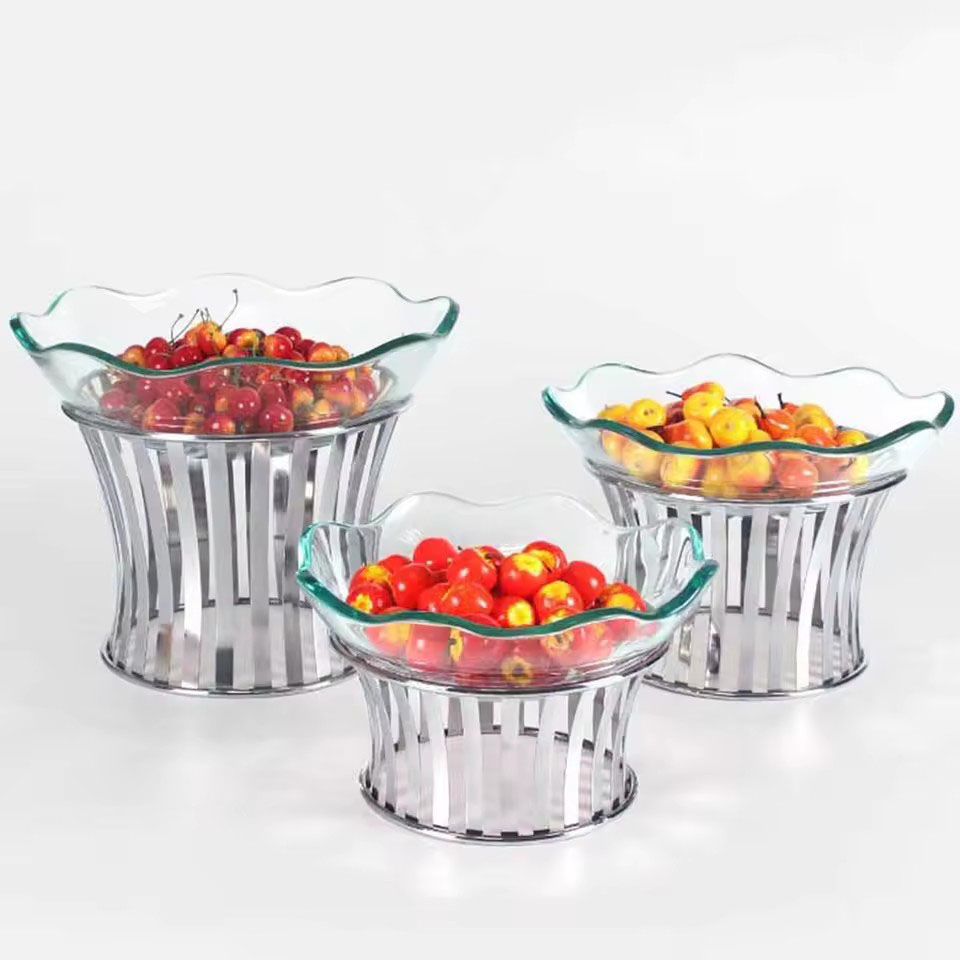
Chafing Dish Fuel Sterno: Best Gel Fuel for Food Warmers
Sterno gel fuel provides the reliable heat source that chafing dishes require for safe and effective food warming throughout service periods. Understanding gel fuel characteristics, selection criteria, and usage best practices helps caterers and event hosts maintain proper food temperatures while ensuring safety compliance. The right fuel choice directly affects both food quality and guest experience during events.
Understanding Gel Fuel Composition
Sterno-type gel fuels consist of alcohol-based compounds formulated to burn cleanly with consistent heat output over extended periods. The gel consistency prevents spillage that liquid fuels would risk, with the viscous texture maintaining fuel position even when containers tip slightly. This safety advantage makes gel fuel the preferred choice for mobile catering and events where equipment movement occurs.
Burn time specifications indicate how long individual fuel containers maintain effective heat output, with standard sizes providing two to six hours of service depending on formulation and container size. Professional caterers select burn times that match their anticipated service duration, with longer-burning fuels reducing the need for mid-event fuel changes that interrupt service. Understanding burn time specifications prevents the food temperature drops that fuel exhaustion creates.
Heat output measured in British Thermal Units determines the warming capacity that fuel provides to chafing dish water pans. Different formulations offer varying heat outputs, with hotter-burning fuels suitable for larger dishes or outdoor events where wind and ambient temperature affect warming efficiency. Matching heat output to application requirements ensures effective temperature maintenance across varying conditions.
Quality Indicators for Gel Fuel
Brand reputation matters significantly for gel fuel selection, with established manufacturers maintaining consistent quality that unreliable brands cannot match. Well-known brands invest in formulation testing and quality control that ensures predictable performance, while unknown brands may produce inconsistent burn characteristics that affect food safety. The fuel cost difference between quality brands and budget alternatives rarely justifies the performance risks.
Smoke and odor characteristics vary between formulations, with premium fuels burning cleanly without the smoke or smell that inferior products produce. Clean-burning fuels protect food flavors from contamination while maintaining comfortable conditions for guests serving themselves. Events in enclosed spaces particularly benefit from clean-burning fuels that do not create air quality issues.
Container construction affects both safety and convenience during use, with sturdy canisters that resist deformation under heat providing reliable service throughout their burn time. Quality containers include features like easy-open lids and stable bases that enhance usability while preventing accidents. Container quality becomes particularly important for extended events where fuel remains in service for hours.
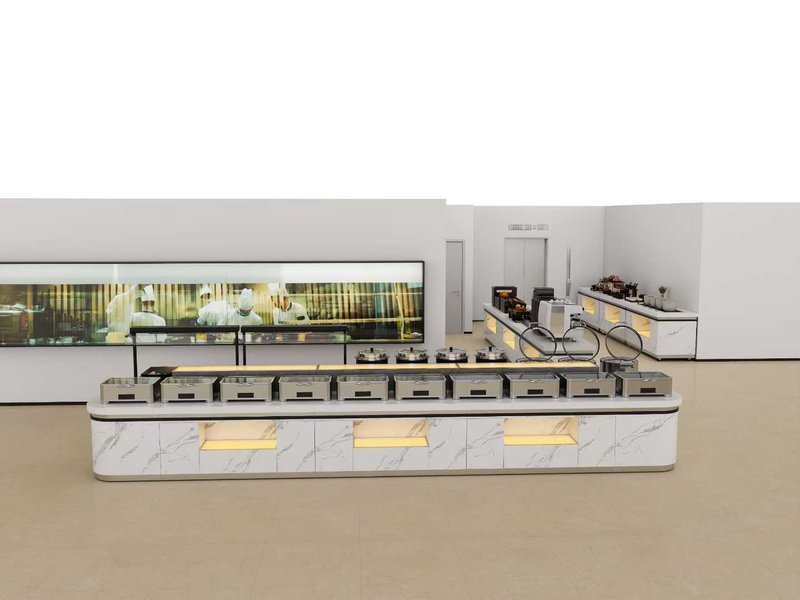
Matching Fuel to Application
Indoor events typically require standard gel fuel formulations that balance heat output with clean burning characteristics suitable for enclosed spaces. The controlled environment of indoor venues allows predictable fuel performance without the wind and temperature variables that outdoor settings introduce. Standard formulations serve most indoor applications effectively while meeting ventilation and safety requirements.
Outdoor events demand wind-resistant formulations that maintain flame stability despite air movement that would extinguish standard fuels. Wind-resistant variants include additives that create more stable flames, though these formulations may produce slightly more odor than indoor-optimized alternatives. Understanding outdoor requirements helps select fuels that perform reliably in challenging conditions.
High-altitude applications require special consideration because reduced oxygen levels affect combustion characteristics that sea-level fuels assume. Standard formulations may burn less efficiently at altitude, requiring adjusted expectations for heat output and burn time. High-altitude venues benefit from consulting with fuel suppliers about optimized formulations for their specific conditions.
Safety Considerations
Proper storage prevents the safety hazards that improper fuel handling creates, with gel fuel requiring cool, dry locations away from heat sources and ignition materials. Storage areas should remain well-ventilated and secured against unauthorized access that could create accident risks. Following manufacturer storage guidelines protects both the fuel quality and the safety of storage environments.
Lighting procedures affect safety significantly, with proper techniques preventing the flare-ups that careless ignition can produce. Using appropriate lighting tools and maintaining safe distances during ignition prevents burns and accidents that rushed procedures can cause. Training staff on proper lighting techniques should precede any event where they will handle fuel.
Extinguishment protocols ensure safe fuel deactivation when service ends or fuel changes become necessary. Snuffer tools designed for gel fuel provide the safest extinguishment method, with improper techniques creating safety risks. Having appropriate extinguishment equipment readily available supports safe fuel management throughout and after events.
Operational Best Practices
Fuel quantity planning ensures adequate fuel reserves for anticipated service duration plus contingency margin for events that run longer than expected. Running out of fuel during service creates food safety issues that professional caterers must avoid. Calculating fuel needs based on burn time specifications and including safety margin prevents the service interruptions that fuel exhaustion creates.
Replacement timing affects food temperature continuity, with fuel changes ideally occurring before complete exhaustion to maintain consistent warming. Planning fuel changes during natural service breaks minimizes disruption while ensuring continuous heat supply. Staff should monitor fuel status throughout service to anticipate replacement needs.
Multiple container management becomes necessary for events using several chafing dishes simultaneously, with coordinated fuel replacement preventing the staggered service problems that asynchronous fuel exhaustion creates. Synchronizing fuel changes across all serving stations maintains consistent food temperatures throughout the venue. This coordination requires staff awareness of multiple station conditions.
Featured Chafing Dish Products
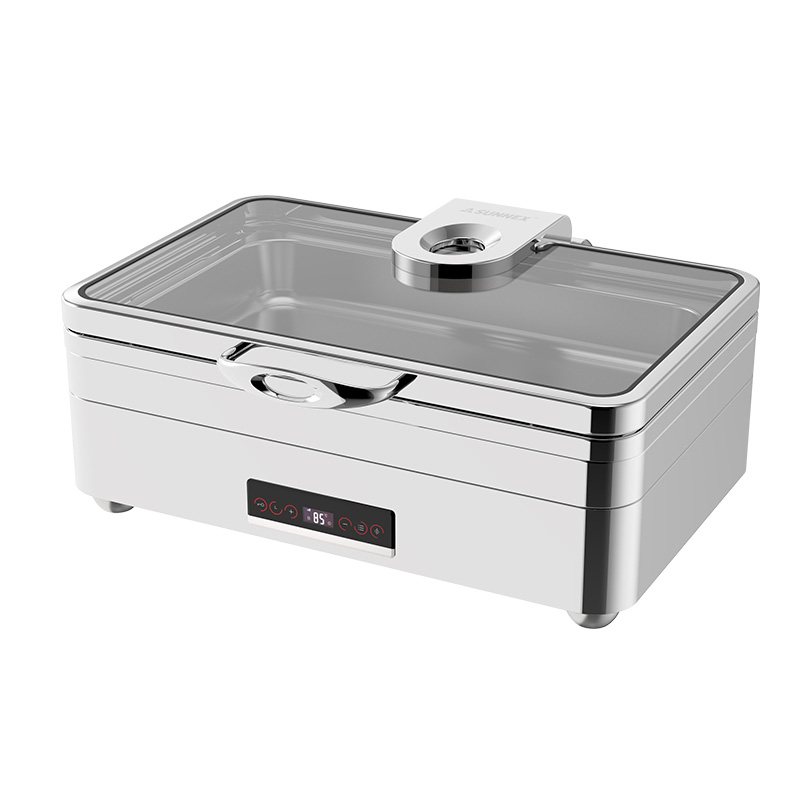
Electric Chafing Dish-W07
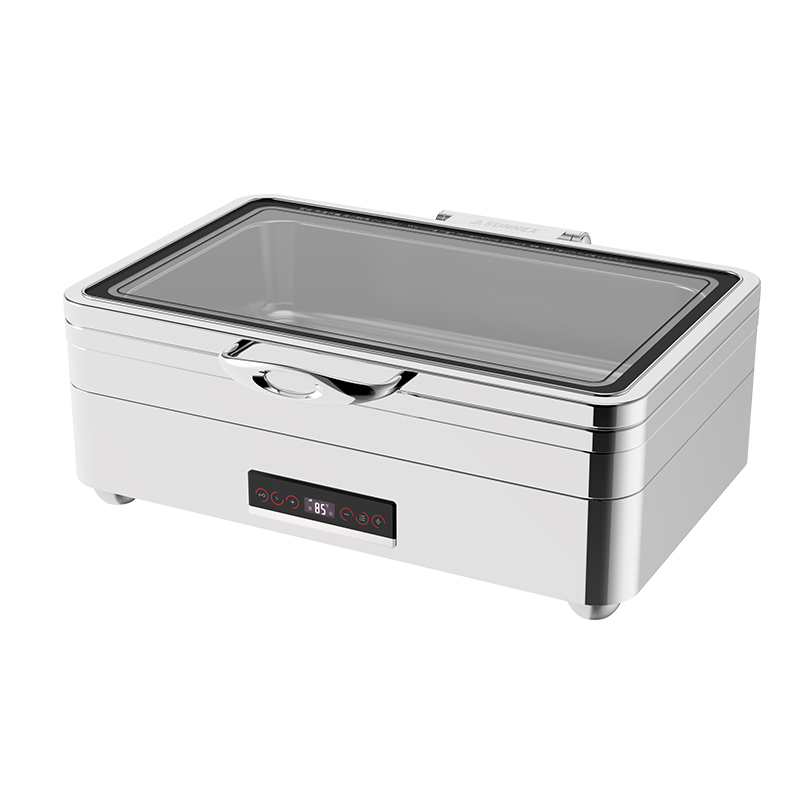
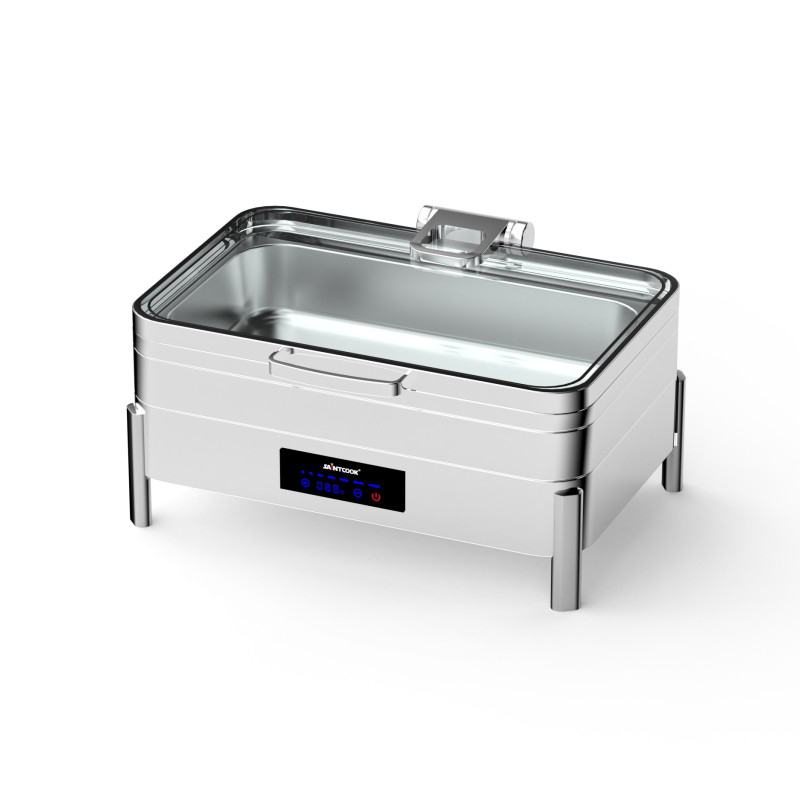
Electric Chafing Dish-W07 represents the quality construction that effective food warming requires. Quality chafing dishes work synergistically with quality fuels to deliver reliable temperature maintenance that protects food safety throughout service periods.
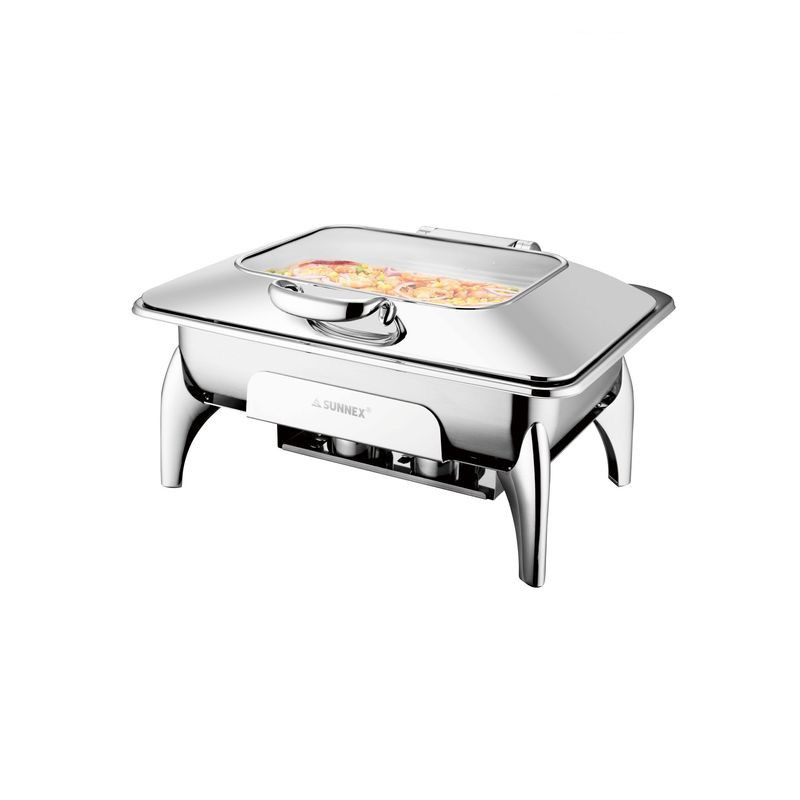
Stainless Steel Alcohol Chafing Dish
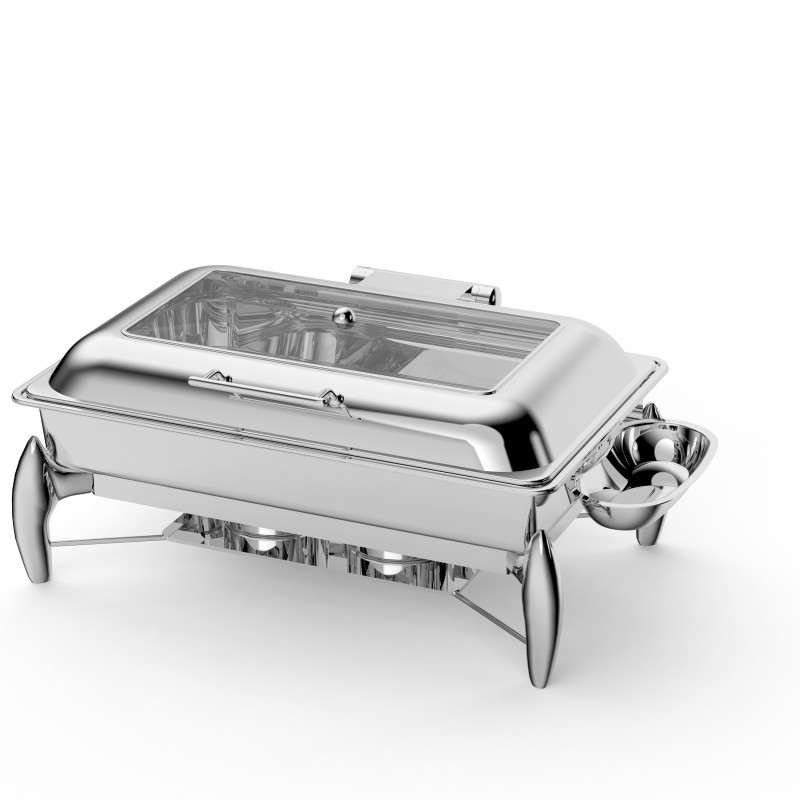
Stainless Steel Alcohol Chafing Dish provides the design features that accommodate fuel containers safely while maximizing heat transfer efficiency. Proper fuel container positioning within these designs ensures optimal warming performance and fuel economy.
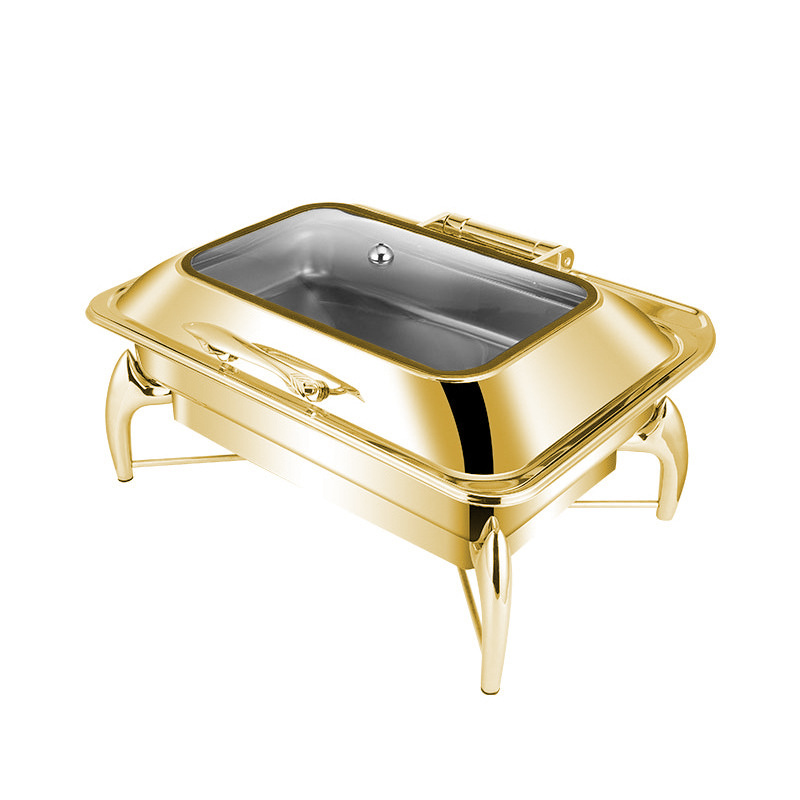
Alcohol Heated Gold-Plated Stainless Steel Buffet Chafing Dish
Alcohol Heated Gold-Plated Stainless Steel Buffet Chafing Dish demonstrates the engineering considerations that effective food warming equipment incorporates. Understanding how equipment design affects fuel efficiency helps optimize the fuel selection that maximizes both performance and economy.
Cost and Value Considerations
Bulk purchasing reduces per-unit fuel costs significantly, with case quantities offering savings that add up for catering operations with regular events. Volume discounts make quality fuel brands more competitive with budget alternatives while maintaining the performance advantages that established brands provide. The storage investment for bulk purchase pays returns through ongoing cost savings.
Burn time efficiency affects total fuel cost per event, with longer-burning formulations potentially reducing the container quantity required for equivalent service duration. Comparing cost per hour of burn time rather than cost per container reveals the true economic comparison between fuel options. The lowest container price does not necessarily mean the lowest total fuel cost.
Warranty and guarantee programs that quality fuel brands offer provide additional value beyond the fuel itself, with manufacturer support for performance issues that budget brands cannot match. The assurance that quality brands provide has tangible value when events depend on reliable fuel performance. This support infrastructure justifies any price premium that quality brands command.
Related Articles
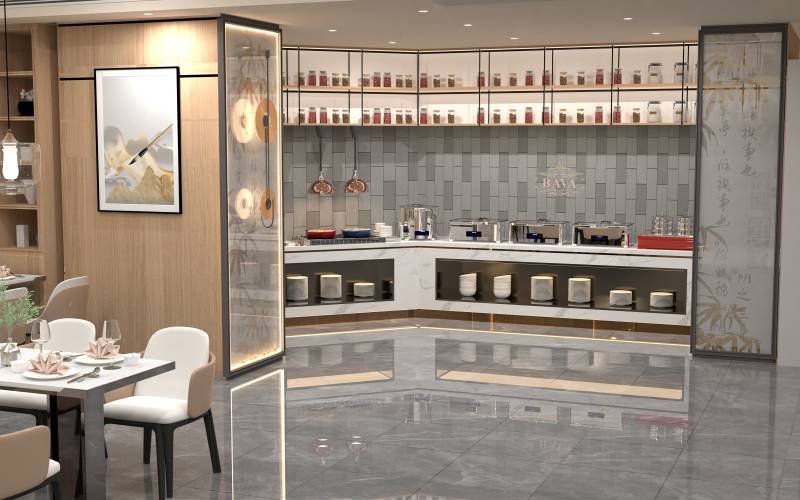
Electric Buffet Warmer with Adjustable Thermostat for Restaurants
Discover the best Electric Buffet Warmer with Adjustable Thermostat for Restaurants solutions. Real ...
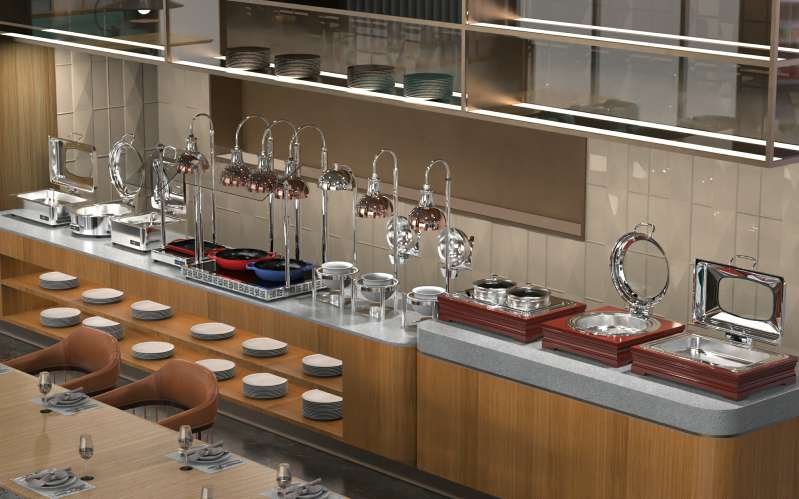
Mini Chafing Dish for Breakfast Buffet & Condiment Stations
Discover the best Mini Chafing Dish for Breakfast Buffet & Condiment Stations solutions. Real case s...
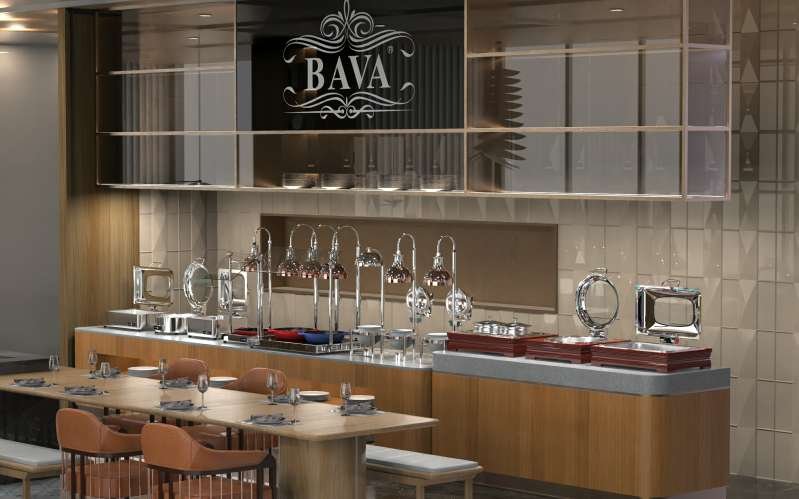
9QT Extra-Large Chafing Dish for Large-Scale Banquet Events
Discover the best 9QT Extra-Large Chafing Dish for Large-Scale Banquet Events solutions. Real case s...
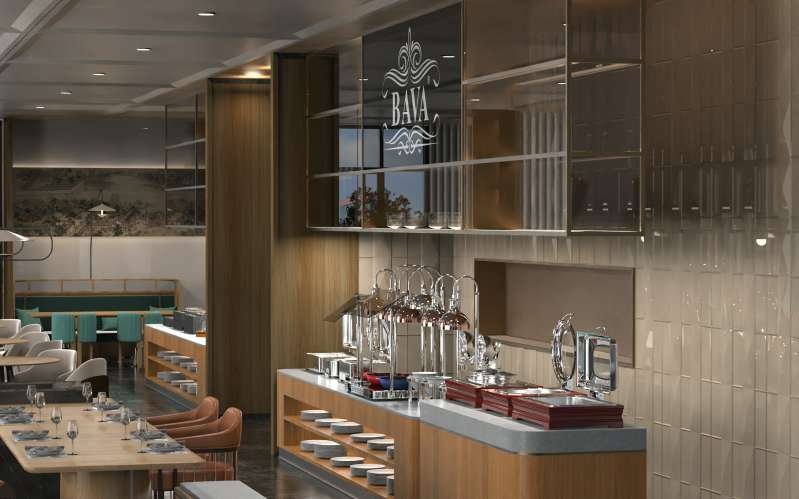
Wall-Mounted Buffet Stove for Space-Saving Kitchen Layouts
Discover the best Wall-Mounted Buffet Stove for Space-Saving Kitchen Layouts solutions. Real case st...

Stainless Steel Food Warmer for Supermarket Deli Departments
Discover the best Stainless Steel Food Warmer for Supermarket Deli Departments solutions. Real case ...
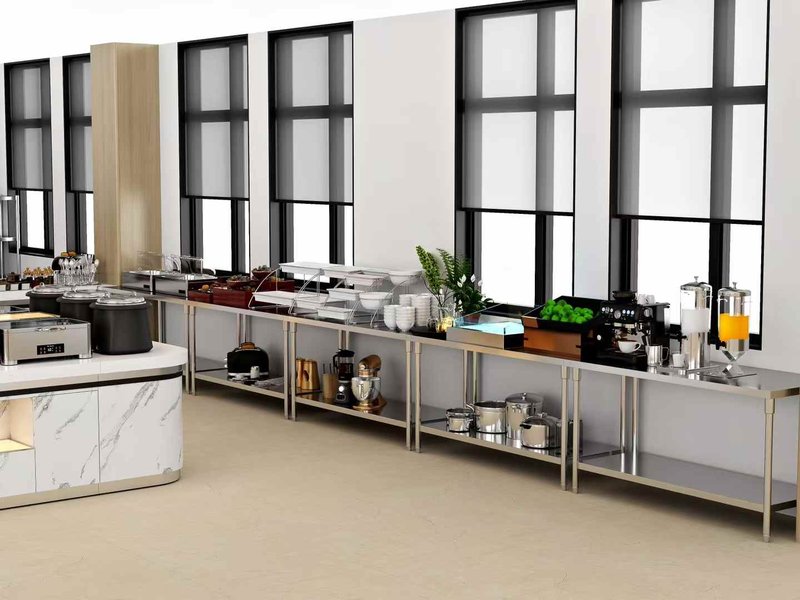
Commercial Chafer Dish with Temperature Control for Food Safety
Discover the best Commercial Chafer Dish with Temperature Control for Food Safety solutions. Real ca...