
Chafing Dish Fuel Near Me: Where to Buy Sterno Locally
Sterno and chafing dish fuel are essential consumables for hot food service, with finding reliable local sources ensuring continuous operation without last-minute sourcing stress. Understanding where to purchase fuel locally, what types are available, and how to evaluate quality enables uninterrupted food service operations. Fuel supply management prevents service interruptions that affect catering and banquet operations.
Local Fuel Sources
Restaurant supply stores stock chafing dish fuel as essential consumables, with inventory including both standard and extended-burn formulations to meet various operational needs. Restaurant suppliers carry fuel inventory. Commercial stores stock consumables.
Catering equipment rental companies often sell fuel alongside equipment rentals, providing convenient single-source access for catering operators who rent equipment. Rental companies sell fuel supplies. One-stop sources serve caterers.

Party supply stores carry chafing fuel for event rentals and sales, with inventory suitable for occasional users and smaller-volume buyers. Party suppliers serve event markets. Occasional buyers find supplies locally.
Fuel Types Available
Standard gel fuel provides reliable heat output for typical chafing dish applications, with familiar burn characteristics that catering staff understand. Standard gel serves common needs. Traditional fuel works reliably.
Extended-burn formulas last longer than standard fuel, reducing the need for mid-event fuel changes and providing more consistent heat output over longer periods. Extended-burn reduces service interruptions. Longer burn times serve extended events.
Featured Chafing Dish Products
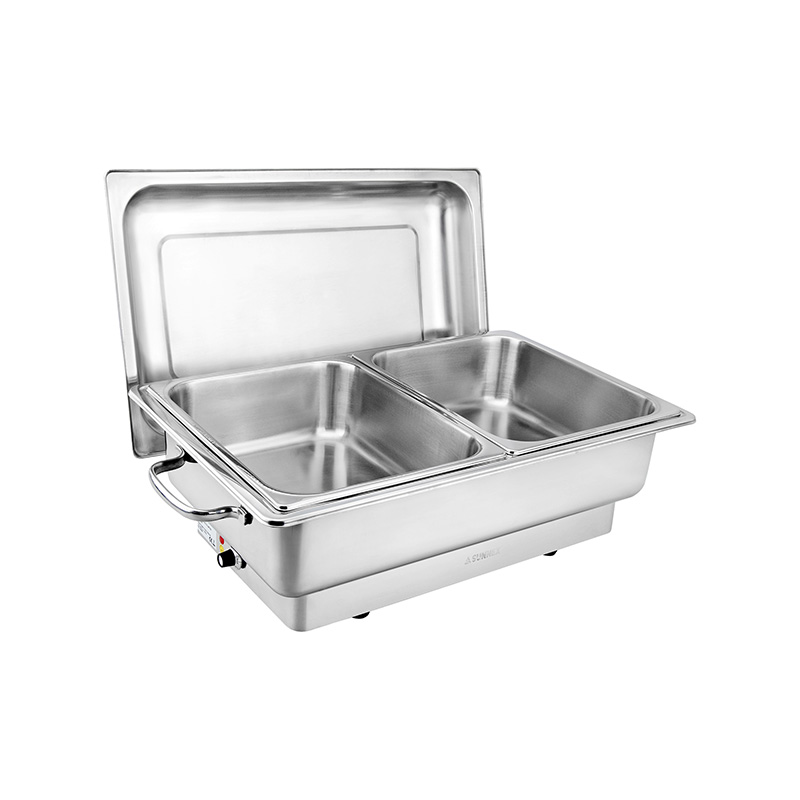
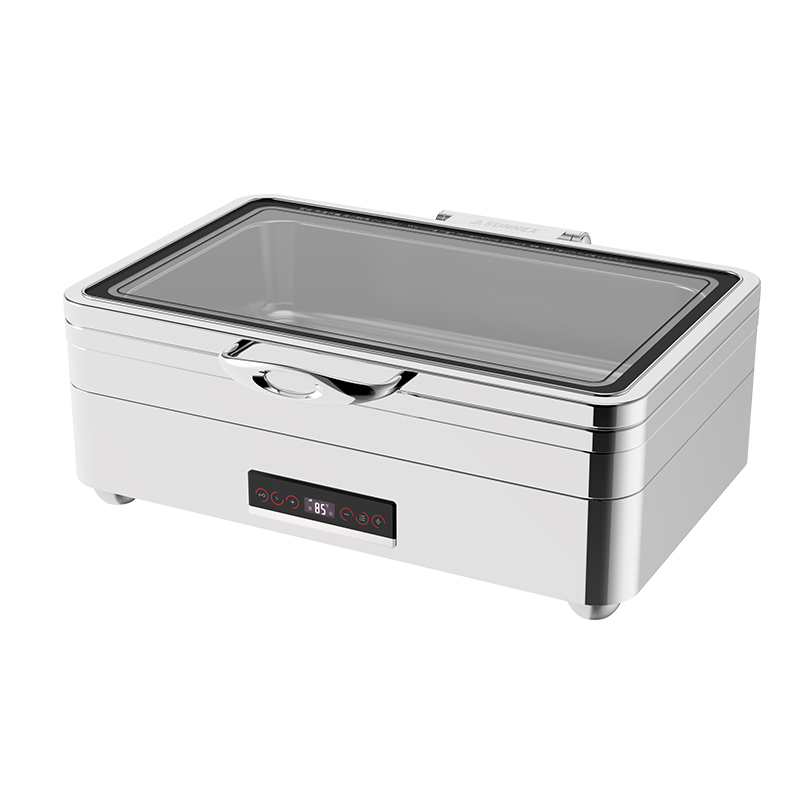
Stainless Steel Electric Double Pan Chafing Dish
Stainless Steel Electric Double Pan Chafing Dish represents the professional equipment that proper fuel selection supports. Quality chafing dishes paired with appropriate fuel deliver reliable hot food service.

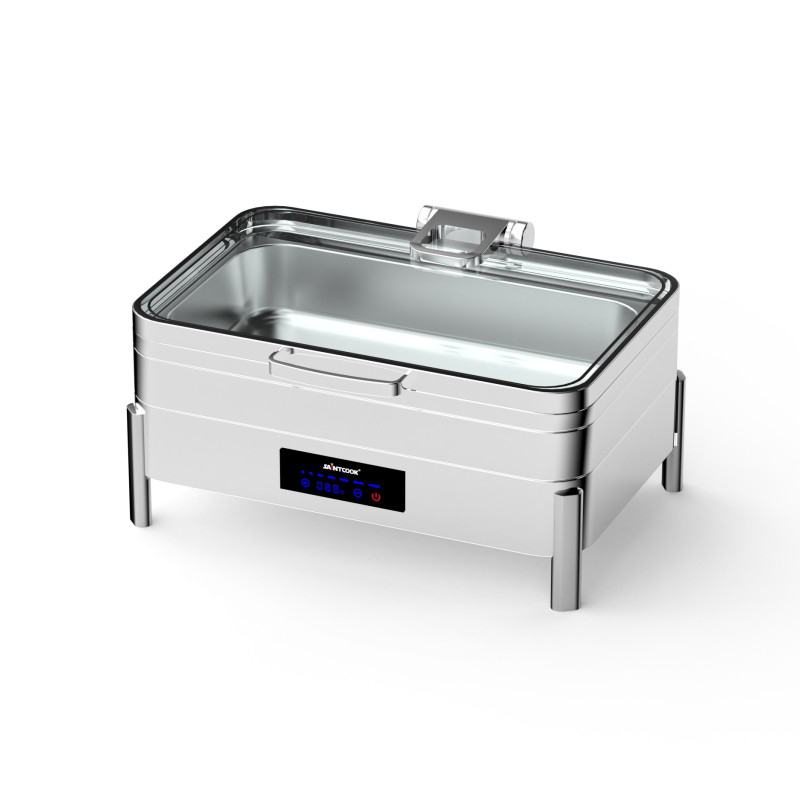
Electric Chafing Dishes-W20
Electric Chafing Dishes-W20 demonstrates the equipment quality that professional operators depend on. Commercial construction works reliably with proper fuel and maintenance.
Wick-style liquid fuel offers another option for some chafing dish designs, with different handling requirements than gel fuel. Wick fuel suits specific designs. Liquid fuel handles differently.
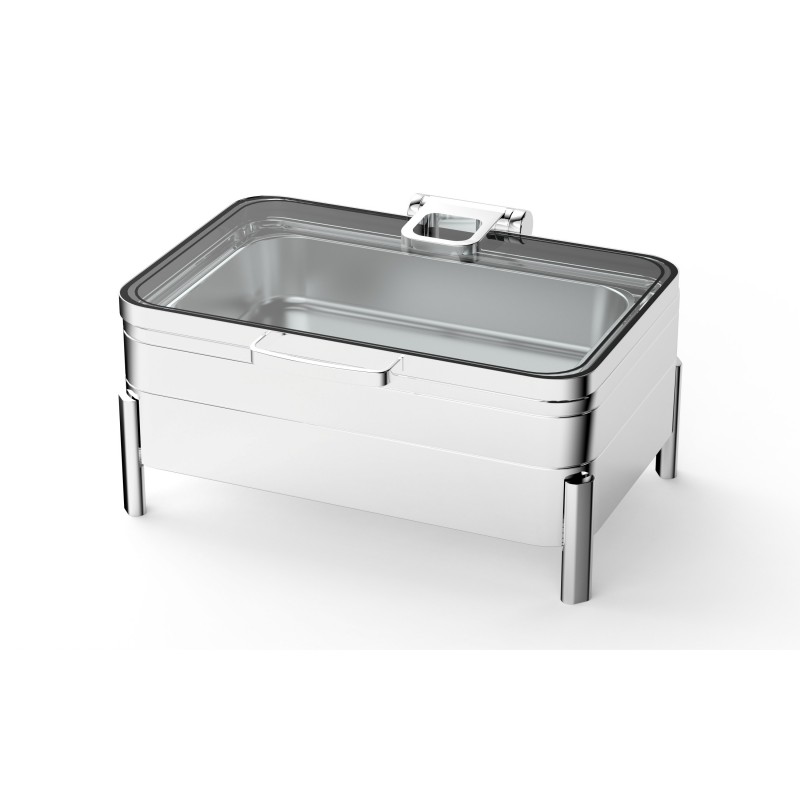
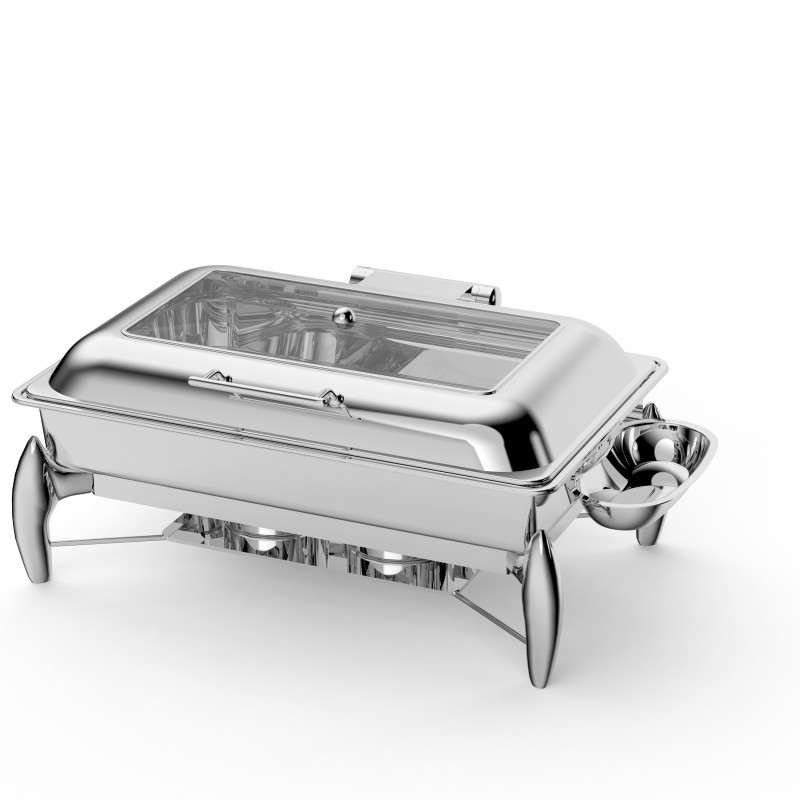
Fuel Chafing Dish-HC380Z
Fuel Chafing Dish-HC380Z illustrates the professional equipment that proper fuel management supports. Quality construction and appropriate fuel ensure reliable performance.

Specialty fuels for specific applications address unique requirements, with some operations needing foodsafe or odorless formulations. Specialty options serve unique needs. Formulation variety addresses requirements.
Purchasing Considerations
Quantity requirements depend on event count and duration, with volume purchasing providing cost savings that single-event buying cannot achieve. Volume needs depend on operations. Bulk purchasing saves money.
Storage requirements affect purchasing decisions, with fuel requiring appropriate storage conditions that some facilities may not have available. Storage capacity limits purchasing. Facility constraints affect quantity.
Shelf life considerations affect purchasing volumes, with fuel degrading over time and requiring rotation to ensure usable supplies. Fuel shelf life limits storage duration. Rotation prevents waste.
Quality Factors
Burn consistency affects food service quality, with reliable fuel maintaining steady temperatures throughout service periods. Consistent burn maintains food quality. Reliable fuel serves food safety.
Soot production varies between fuel qualities, with cleaner-burning formulations reducing the residue that affects food appearance and presentation. Clean burn improves presentation. Quality fuel reduces residue.
Odor characteristics matter for food service, with low-odor formulations preventing fuel smell from affecting food aroma and guest experience. Low odor protects food aroma. Guest experience matters.
Safety Considerations
Fire safety regulations affect fuel storage and use, with local codes specifying requirements that catering operations must follow. Safety codes regulate storage. Compliance requires understanding requirements.
Ventilation requirements ensure safe fuel use in enclosed spaces, with adequate airflow preventing air quality issues from fuel combustion. Ventilation matters for enclosed use. Air quality affects safety.
Handling precautions prevent accidents during fuel storage and use, with proper training reducing risks that improper handling creates. Training prevents accidents. Proper handling ensures safety.
Cost Comparison
Unit pricing varies by retailer and quantity, with bulk purchasing offering significant savings compared to single-can retail prices. Unit costs favor bulk purchasing. Volume discounts improve economics.
Quality differences may justify higher prices for premium fuels that perform better and reduce service complications. Quality affects value beyond price. Performance justifies investment.
Delivery costs factor into total procurement expense, with local pickup avoiding shipping charges that online purchasing adds. Delivery affects total cost. Local pickup avoids shipping.
Finding Local Suppliers
Online search identifies nearby stores carrying chafing fuel, with location-based searches revealing stores within convenient distances. Search engines locate nearby sources. Local search reveals nearby options.
Business directories list party and catering suppliers by location, with comprehensive listings enabling nearby source identification. Directories organize supplier information. Location-based searches help.
Industry referrals from catering colleagues identify reliable fuel sources based on actual experience, with professional recommendations providing reliable guidance. Peer recommendations identify sources. Professional networks provide referrals.
Stocking Strategy
Minimum stock levels ensure fuel availability for scheduled events, with buffer inventory preventing situations where fuel shortages affect service. Minimum stock prevents shortages. Buffer inventory ensures availability.
Event-based purchasing aligns fuel acquisition with event scheduling, with procurement timed to ensure fresh supplies for each function. Timed purchasing ensures freshness. Event scheduling guides procurement.
Seasonal adjustment accounts for demand variations throughout the year, with increased inventory during peak entertaining seasons. Seasonal demand affects purchasing. Peak periods need more stock.
Emergency Fuel Sources
Last-minute sourcing options prevent service failures when unexpected needs arise, with knowing where to turn enabling rapid resolution. Emergency sources prevent service failures. Quick access matters.
Backup fuel supplies kept on hand address unexpected shortages, with prudent operators maintaining emergency reserves. Backup supplies prevent disasters. Reserves address unexpected needs.
Alternative source knowledge provides options when primary suppliers are unavailable, with understanding of multiple sources ensuring continuous access. Alternative sources provide backup. Multiple options ensure access.
Vendor Relationships
Regular supplier relationships often provide better pricing and service reliability, with established accounts receiving priority during shortages. Regular accounts receive priority. Established relationships provide benefits.
Delivery arrangements simplify procurement for volume buyers, with scheduled deliveries ensuring consistent fuel supply without manual ordering. Scheduled delivery simplifies purchasing. Regular delivery ensures supply.
Credit terms for established business accounts improve cash flow management, with net-30 or similar terms available through regular suppliers. Credit terms aid cash flow. Business accounts access terms.
Environmental Considerations
Disposal requirements affect fuel management, with proper disposal preventing environmental and safety hazards that improper handling creates. Proper disposal prevents hazards. Environmental compliance matters.
Eco-friendly fuel options increasingly available address environmental concerns, with biodegradable formulations reducing ecological impact. Eco options reduce impact. Green alternatives address concerns.
Recycling programs for empty fuel cans may be available through some suppliers, with recycling reducing waste from consumable fuel use. Recycling programs help sustainability. Can recycling reduces waste.
Related Articles

Electric Buffet Warmer with Adjustable Thermostat for Restaurants
Discover the best Electric Buffet Warmer with Adjustable Thermostat for Restaurants solutions. Real ...

Mini Chafing Dish for Breakfast Buffet & Condiment Stations
Discover the best Mini Chafing Dish for Breakfast Buffet & Condiment Stations solutions. Real case s...

9QT Extra-Large Chafing Dish for Large-Scale Banquet Events
Discover the best 9QT Extra-Large Chafing Dish for Large-Scale Banquet Events solutions. Real case s...

Wall-Mounted Buffet Stove for Space-Saving Kitchen Layouts
Discover the best Wall-Mounted Buffet Stove for Space-Saving Kitchen Layouts solutions. Real case st...

Stainless Steel Food Warmer for Supermarket Deli Departments
Discover the best Stainless Steel Food Warmer for Supermarket Deli Departments solutions. Real case ...

Commercial Chafer Dish with Temperature Control for Food Safety
Discover the best Commercial Chafer Dish with Temperature Control for Food Safety solutions. Real ca...