
How to Clean a Food Heat Lamp: Maintenance & Hygiene Guide
Regular cleaning and maintenance of commercial food heat lamps is essential for food safety compliance, equipment longevity, and consistent warming performance. Grease accumulation on lamp domes reduces infrared reflection efficiency, contaminated warming surfaces can transfer pathogens to food, and neglected electrical components present fire and shock hazards. A structured cleaning and maintenance programme ensures that heat lamps continue to operate effectively while meeting the hygiene standards that food safety regulations require. This guide covers daily, weekly, and periodic maintenance tasks for different heat lamp configurations, providing the procedures that keep commercial warming equipment operating safely and efficiently.
Safety First: Preparing to Clean
Electrical Disconnection
Always disconnect heat lamps from electrical power before beginning any cleaning procedure. Unplug the power cord from the outlet and verify that the plug is completely removed, not merely switched off at a power strip. For fixed installations hardwired to electrical circuits, switch off the circuit breaker that supplies power to the equipment before opening any access panels. Never attempt to clean heat lamp components while the equipment is energised, as contact with live electrical parts can cause severe shock or fatality.
Allowing Adequate Cooling Time
Heat lamp elements and domes reach high temperatures during operation and require adequate cooling time before handling for cleaning. After turning off the equipment, wait at least thirty minutes for heating elements and dome surfaces to cool to safe handling temperatures. Domes and shades retain heat longer than expected due to their thermal mass, particularly metal domes on high-wattage units. Attempting to clean domes or elements while they are still hot risks burns to cleaning staff and can damage cleaning tools or cleaning solutions that flash-heat on contact with hot surfaces.
Personal Protective Equipment
Appropriate personal protective equipment protects cleaning staff during heat lamp maintenance. Chemical-resistant gloves prevent skin contact with cleaning solutions and protect against accidental contact with residual heat on dome surfaces. Safety glasses or goggles shield eyes from cleaning solution splashes, particularly when using spray cleaners. Aprons protect clothing from grease splatter and cleaning solution exposure. Ensure adequate ventilation in the cleaning area to prevent accumulation of fumes from cleaning chemicals.
Daily Cleaning Procedures
Wipe Down Exterior Surfaces
At the end of each service period, wipe down all accessible exterior surfaces of the heat lamp including the dome, shade, support arms, and base. Use a soft cloth dampened with warm water to remove light grease deposits, fingerprints, and food splatter that accumulates during service. For heavier deposits, use a food-safe degreaser applied to the cloth rather than directly to the equipment surface. Wipe surfaces in the direction of any brushed finish to avoid creating scratches that collect soil and are difficult to clean subsequently.
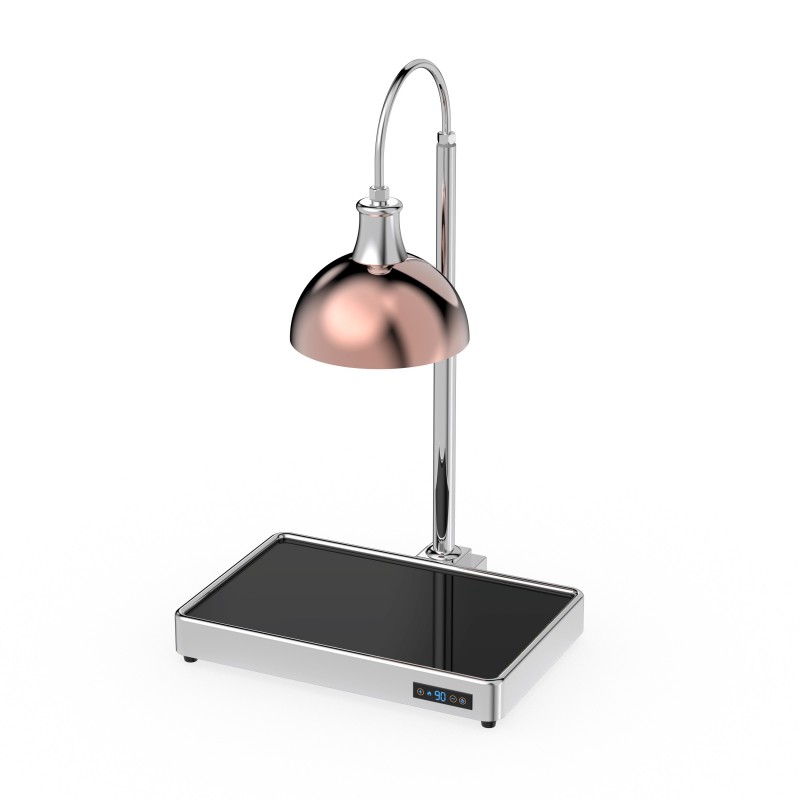
The Single-Head Rose Gold Buffet Heat Lamp with its polished stainless steel and rose gold finish requires wiping with soft cloths that follow the grain direction of the stainless steel surfaces. The polished finish shows soil and water spots more readily than brushed finishes, so daily attention to wiping these surfaces maintains the attractive appearance that complements front-of-house buffet presentations.
Cleaning the Warming Surface
The warming surface that contacts food containers requires thorough cleaning after each service period to remove food residues and prevent bacterial contamination. Allow the surface to cool to safe handling temperature, then wipe with a clean cloth and food-safe sanitising solution. For warming plates with non-stick or ceramic coatings, use only soft cleaning tools that will not scratch the coating surface. Inspect warming surfaces for damage such as chips, cracks, or coating deterioration that could harbour bacteria or create contamination risks.
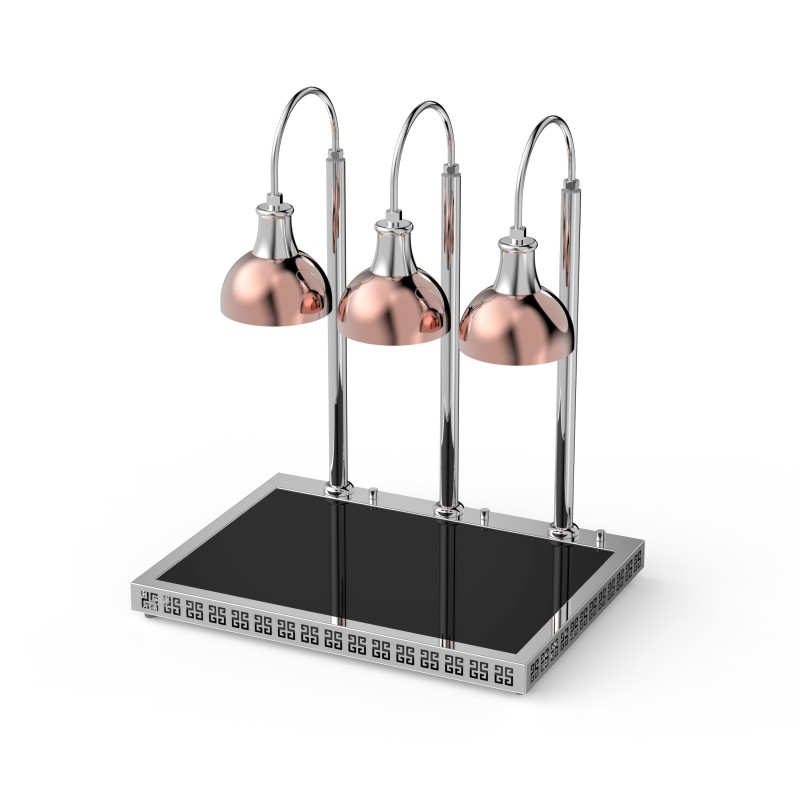
The black glass warming surface of the Three-Head Rose Gold Buffet Heat Lamp Station wipes clean with standard glass cleaners once food residues have been softened with warm water, making daily cleaning straightforward and effective. Avoid abrasive cleaning pads on glass surfaces, as scratches create areas that appear dull and may accumulate soil more readily over time.
Checking Lamp Elements Visually
During daily cleaning, take the opportunity to inspect lamp elements for signs of wear or damage that affect performance or safety. Healthy infrared elements appear clear or slightly amber-coloured when the lamp is briefly energised during testing, while degraded elements show dark spots, discoloration, or a dull appearance. Check that lamp elements are securely seated in their sockets and that no signs of arcing or overheating are visible around electrical connections. Document any observations about element condition for follow-up maintenance action.
Weekly Deep Cleaning
Dome and Shade Cleaning
Weekly cleaning addresses the grease accumulation on lamp domes and shades that builds up over multiple service days and progressively reduces infrared reflection efficiency. Remove the dome or shade from the lamp assembly according to manufacturer instructions, taking care to support the weight of the component during removal. Clean the interior surface of domes where grease deposits accumulate most heavily, using a degreasing solution appropriate for food equipment surfaces.
Apply cleaning solution to a soft cloth rather than directly spraying domes, particularly for domes with electrical components or decorative elements. Wipe interior dome surfaces using circular motions that loosen deposits, then flip the dome and repeat on the exterior surfaces. Rinse with a clean damp cloth and dry completely before reassembling. For decorative or textured dome surfaces, use a soft-bristled brush to reach crevices where soil accumulates.
Base and Column Cleaning
The support column and base of freestanding heat lamps accumulate dust, grease spatter, and debris in areas that are not accessed during daily surface wiping. Tip the lamp carefully to access the underside of the base plate, cleaning any accumulated debris that could attract pests or create contamination risks. Wipe the full length of support columns, including any cable management channels where dust and debris collect. Clean adjustable mechanisms including height adjustment collars and tilt mechanisms, applying a food-safe lubricant if manufacturer instructions recommend this for maintenance.
Electrical Connection Inspection
Weekly maintenance should include a thorough inspection of all electrical connections and the power cord. Check that the power cord shows no signs of damage including cuts, abrasions, or areas where the outer insulation appears cracked or deteriorated. Verify that cord grips securely anchor the cable to both the lamp body and the plug, preventing tension on internal connections. Check plug contacts for signs of corrosion or overheating such as discoloration or melting of insulation. Any electrical defects identified during inspection require immediate repair by qualified personnel before the equipment returns to service.
Maintenance by Lamp Type
Different heat lamp configurations have specific maintenance requirements that reflect their different designs and mounting arrangements.
| Maintenance Task | Freestanding Unit | Pendant/Ceiling Unit | Multi-Head Gantry |
|---|---|---|---|
| Daily surface wipe | All exterior surfaces + base | Dome + cord visible portions | All lamp heads + frame |
| Weekly dome cleaning | Remove and soak dome | Wipe dome in place; lower for deep clean | Clean each head separately |
| Warming surface care | Clean glass or metal warming plate | Not applicable for pendant units | Clean full gantry warming surface |
| Height mechanism | Clean and lubricate adjustment collar | Check cord retractor mechanism | Not applicable for fixed units |
| Electrical weekly check | Cord + plug + base connection | Junction box + ceiling canopy connection | All head connections + main feed |
| Frequency | Daily wipe, weekly deep clean | Weekly recommended | Weekly recommended |
Replacing Heat Lamp Elements
When to Replace Elements
Heat lamp elements degrade during use and require replacement when output falls below the level needed to maintain safe food temperatures. Visual indicators of element degradation include darkening or discolouration of the element surface, visible cracks or breaks in the element coil, and a dull appearance that contrasts with the clear glow of healthy elements. Reduced warming effectiveness noticed during temperature monitoring, even when lamp appears to be operating normally, also indicates element degradation that warrants replacement.
Replacement Procedure
Replacement elements must match the specifications for the specific lamp model, including wattage, voltage, and base type. Always disconnect power before replacing elements. Allow any residual heat to dissipate, then remove the old element by gently pulling it from its socket while supporting any associated hardware. Insert the new element, ensuring that it seats fully and securely in the socket. Test operation briefly before returning equipment to normal service, confirming that the new element illuminates clearly and reaches operating temperature normally.
The Ceiling-Mounted Rose Gold Buffet Heat Lamp
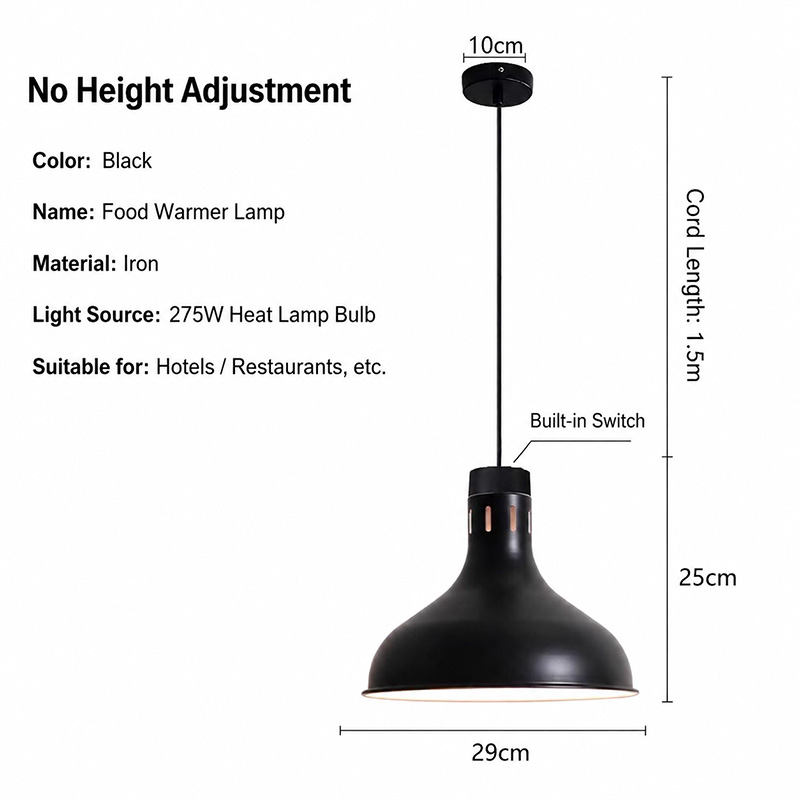
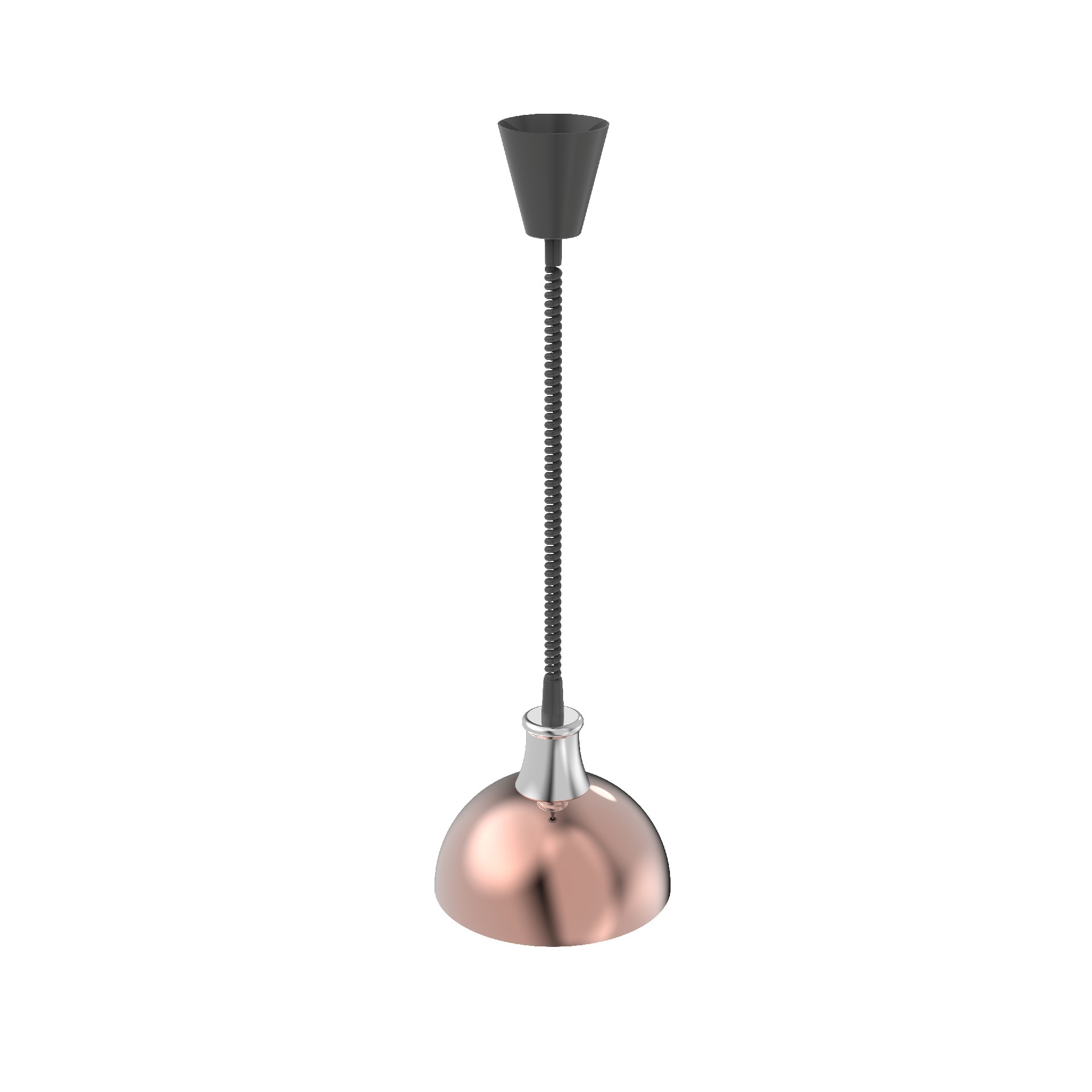
The pendant-mounted Ceiling-Mounted Rose Gold Buffet Heat Lamp uses a specialised element compatible with its rose gold dome design and coiled cord height adjustment mechanism. When replacing elements in this unit, ensure that the replacement element is rated for the pendant configuration with its extended cord routing and potential heat exposure along the cord path. The CE certification of this model indicates that replacement elements should be sourced from the manufacturer or authorised distributors to maintain compliance with safety standards.
Maintaining Hygiene Standards
Food Safety Compliance
Food safety regulations require that food contact surfaces and surfaces in proximity to food be maintained in a clean and sanitary condition. Heat lamp domes positioned above open food displays can accumulate grease that drips or falls onto food surfaces, creating direct contamination risks. Regular cleaning of lamp domes and shades prevents this contamination pathway while maintaining the infrared reflection efficiency that ensures adequate warming performance.
Documentation and Record Keeping
Maintain cleaning and maintenance records that demonstrate due diligence in equipment care. Daily cleaning checklists signed by responsible staff create records that food safety auditors may request during inspections. Weekly and periodic maintenance activities should be documented with dates, observations, and any corrective actions taken. Equipment repair records including the identity of repair personnel and parts used provide evidence of proper maintenance practices. Keep these records in a format that is readily accessible for inspection and retains legibility over the required retention period.
Extending Equipment Lifespan
Preventive Maintenance Benefits
Regular preventive maintenance extends the operational lifespan of heat lamp equipment while reducing the frequency of unexpected breakdowns that disrupt service operations. Grease accumulation on moving parts causes premature wear on height adjustment mechanisms and tilt pivots, while corrosion from moisture exposure weakens structural components over time. Regular cleaning and lubrication of these areas prevents this damage accumulation and maintains smooth operation throughout the equipment lifespan.
Professional Servicing
Periodic professional servicing by qualified equipment technicians provides maintenance beyond the scope of daily and weekly staff cleaning tasks. Annual or bi-annual professional inspections can identify developing problems before they cause equipment failure, including electrical connection degradation, structural integrity concerns, and calibration drift in thermostatic control systems. The thermostatic base plate in the Single-Head Rose Gold Buffet Heat Lamp benefits from periodic calibration verification to ensure that temperature control accuracy is maintained throughout extended service periods.
Troubleshooting Common Issues
Lamp Not Reaching Operating Temperature
If a heat lamp fails to reach normal operating temperature, check first for degraded elements that may appear normal but provide reduced heating output. Verify that the electrical supply provides the correct voltage and amperage for the equipment requirements. Inspect all electrical connections for signs of looseness, corrosion, or damage that may restrict current flow to the heating elements. For units with thermostatic controls, verify that the thermostat is functioning correctly and is set to the appropriate temperature.
Unusual Odours or Sounds
Unusual odours from operating heat lamps may indicate overheating of electrical components, accumulated food debris on heating surfaces, or element degradation. Investigate any persistent odour immediately, disconnecting power and inspecting for the source before returning the equipment to service. Unusual sounds including buzzing, crackling, or arcing noises indicate electrical problems that require immediate investigation by qualified personnel. Do not operate equipment that produces electrical sounds, as these indicate conditions that present fire and shock hazards.
Conclusion
Effective heat lamp maintenance combines daily cleaning routines with weekly deep cleaning procedures and periodic professional servicing to ensure both food safety compliance and reliable equipment performance. The three heat lamp configurations featured in this guide each require attention to their specific design characteristics during cleaning and maintenance: the three-head Three-Head Rose Gold Buffet Heat Lamp Station with its broad gantry frame and black glass warming surface, the pendant-mounted Ceiling-Mounted Rose Gold Buffet Heat Lamp with its elevated position and cord mechanism, and the dual-zone Single-Head Rose Gold Buffet Heat Lamp with its polished surfaces and thermostatic control system. Establishing and following a structured maintenance programme protects food safety, extends equipment lifespan, and ensures consistent warming performance throughout the operational life of commercial heat lamp equipment.
Featured Products
Three-Head Rose Gold Buffet Heat Lamp Station
BAVA Three-Head Rose Gold Buffet Heat Lamp Station. Three rose gold dome lamps in linear arrangement over black glass warming surface. Greek key decorative base pattern. BJ663T adds adjustable glass shelf. Premium hotel buffet design. CE certified.
Ceiling-Mounted Rose Gold Buffet Heat Lamp
BAVA Ceiling-Mounted Rose Gold Buffet Heat Lamp. Single-head pendant lamp with rose gold dome, coiled cord height adjustment, matte black canopy. Models BJ1001/BJ1002. CE certified. Ideal for hotel buffets and upscale catering.
Single-Head Rose Gold Buffet Heat Lamp
BAVA Single-Head Rose Gold Buffet Heat Lamp. Dual-zone heating with infrared lamp and thermostatic base plate. Polished stainless steel + rose gold finish. Models BJ1631/BJ1831T. Ideal for hotel buffets and catering.
Related Articles
Electric Buffet Warmer with Adjustable Thermostat for Restaurants
Discover the best Electric Buffet Warmer with Adjustable Thermostat for Restaurants solutions. Real ...
Mini Chafing Dish for Breakfast Buffet & Condiment Stations
Discover the best Mini Chafing Dish for Breakfast Buffet & Condiment Stations solutions. Real case s...
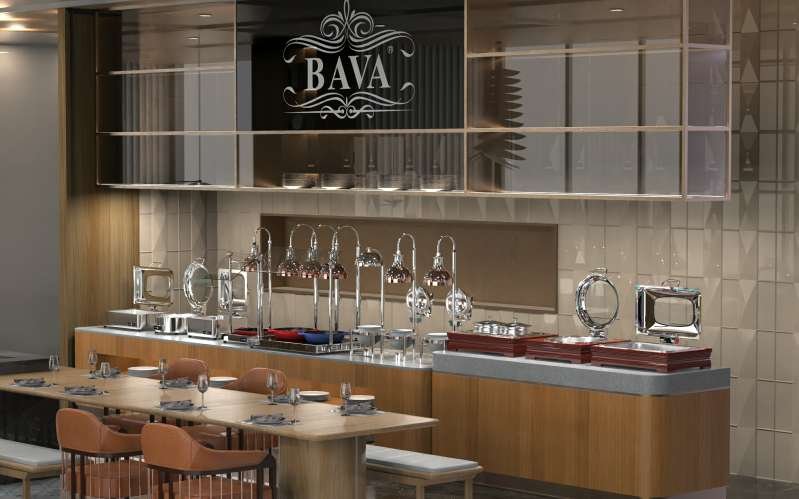
9QT Extra-Large Chafing Dish for Large-Scale Banquet Events
Discover the best 9QT Extra-Large Chafing Dish for Large-Scale Banquet Events solutions. Real case s...

Wall-Mounted Buffet Stove for Space-Saving Kitchen Layouts
Discover the best Wall-Mounted Buffet Stove for Space-Saving Kitchen Layouts solutions. Real case st...

Stainless Steel Food Warmer for Supermarket Deli Departments
Discover the best Stainless Steel Food Warmer for Supermarket Deli Departments solutions. Real case ...

Commercial Chafer Dish with Temperature Control for Food Safety
Discover the best Commercial Chafer Dish with Temperature Control for Food Safety solutions. Real ca...