
Related Products
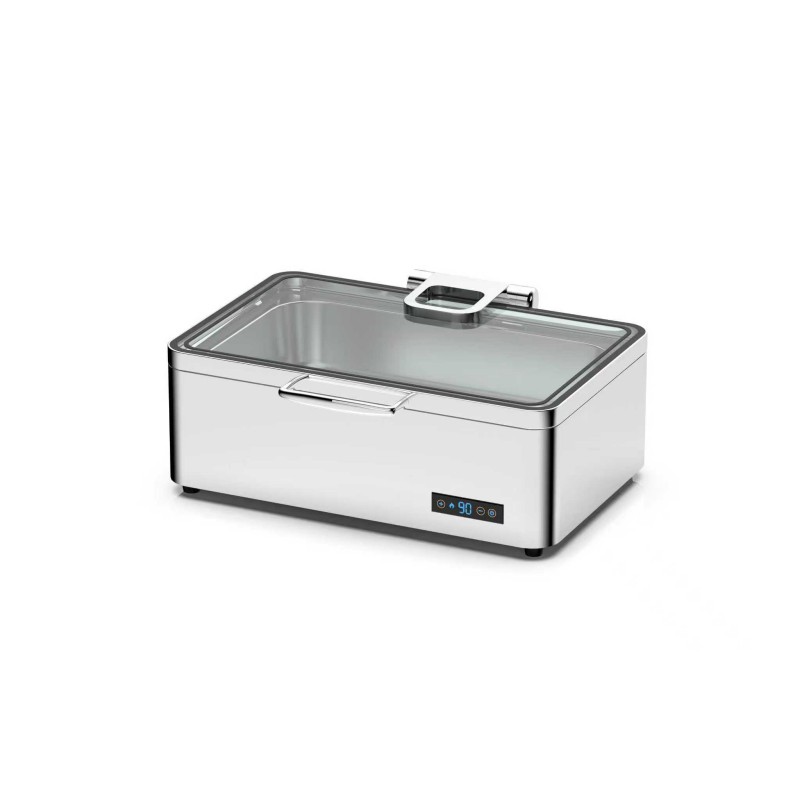
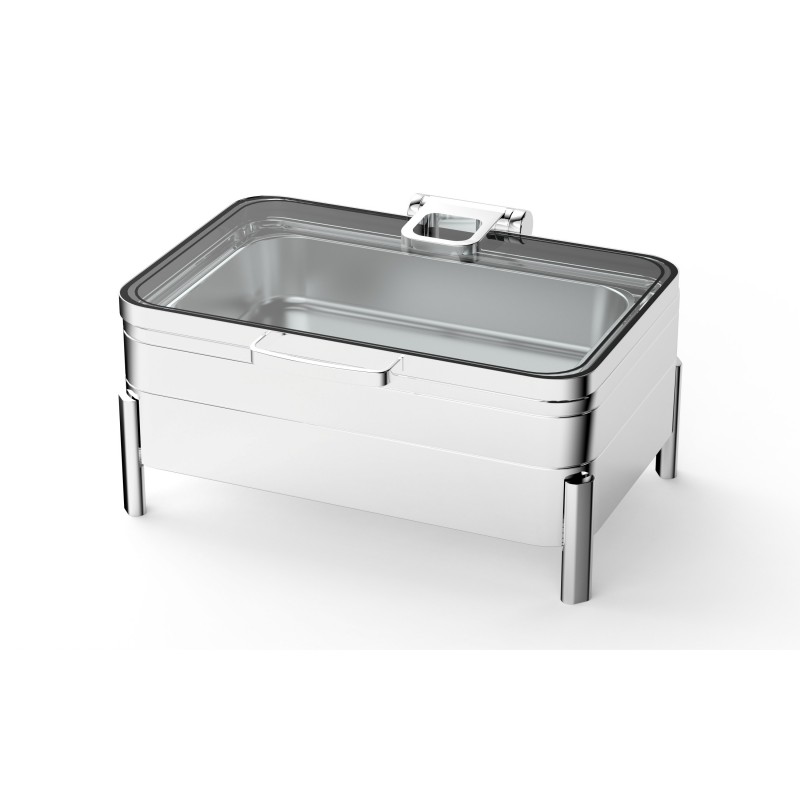
Chafing Dish Sizes & Capacities: A Practical Quart & Liter Guide
Size the pan wrong and you either run out mid-service or waste food (and money) on leftovers. Use this guide to match chafing dish capacity to your guest count and menu.
The Quick Conversion
| Quarts (qt) | Liters (L) | Typical use |
| 2–3 qt | 1.9–2.8 L | Sauces, gravies, condiments |
| 4–5 qt | 3.8–4.7 L | Side dishes, vegetables |
| 6–7 qt | 5.7–6.6 L | Pasta, rice, casseroles |
| 8–9 qt | 7.6–8.5 L | Entrées, large banquets |
Capacity by Guest Count
As a rule of thumb, plan roughly 1 quart per 8–10 guests for a side, and 1 quart per 5–6 guests for a main. Always round up — a half-full pan looks better than an empty one.
| Guests | Side dish | Main entrée |
| 25 | 3–4 qt | 5–6 qt |
| 50 | 5–6 qt | 9–11 qt (2 pans) |
| 100 | 11–13 qt (2 pans) | 18–20 qt (3–4 pans) |
Food-Type Tips
- Liquids (soups, gravies): size down; they pack densely and a smaller pan stays hotter.
- Pasta, rice: size up; they cool fast and need volume.
- Carving meats: use a rectangular full-size with a built-in juice tray.
Half-Size vs Full-Size
Full-size pans (≈9 qt) are the buffet standard. Half-size pans let you run more varieties on one frame for smaller crowds or dessert lines.
FAQ
Can I mix half and full pans on one frame?
Yes — adapters let you run two half-size pans where one full-size would go, handy for variety on a tight line.
Is bigger always better?
No. An oversized pan holds food too long and risks time-in-danger-zone. Right-size, then add a second pan if needed.
See all sizes in the chafing dish collection.
Related Articles
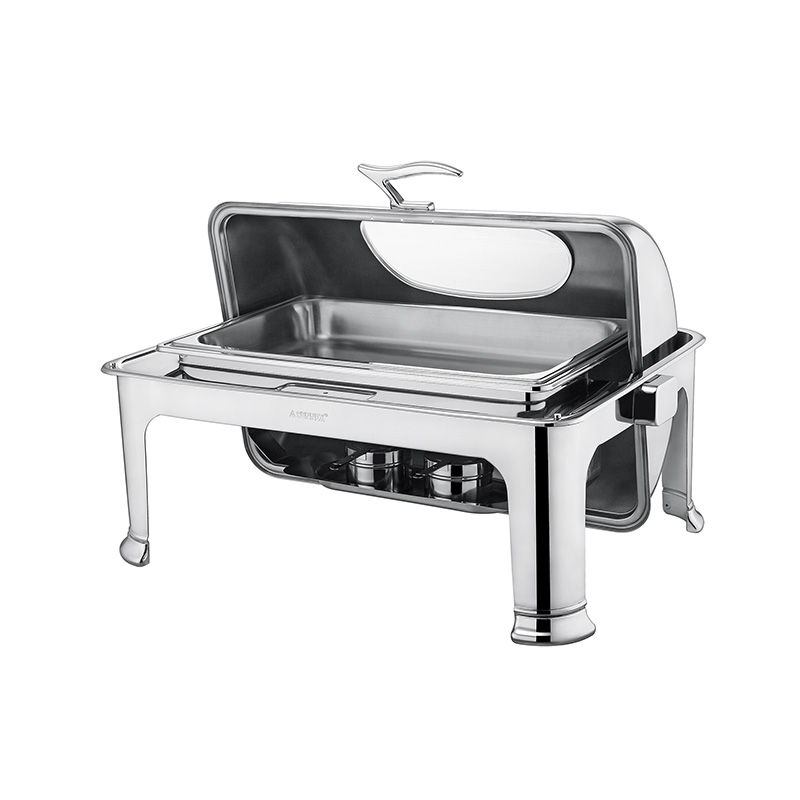
How to Choose the Right Chafing Dish for Your Buffet
A practical chafing dish buying guide covering fuel vs electric, shape, size, material and capacity ...
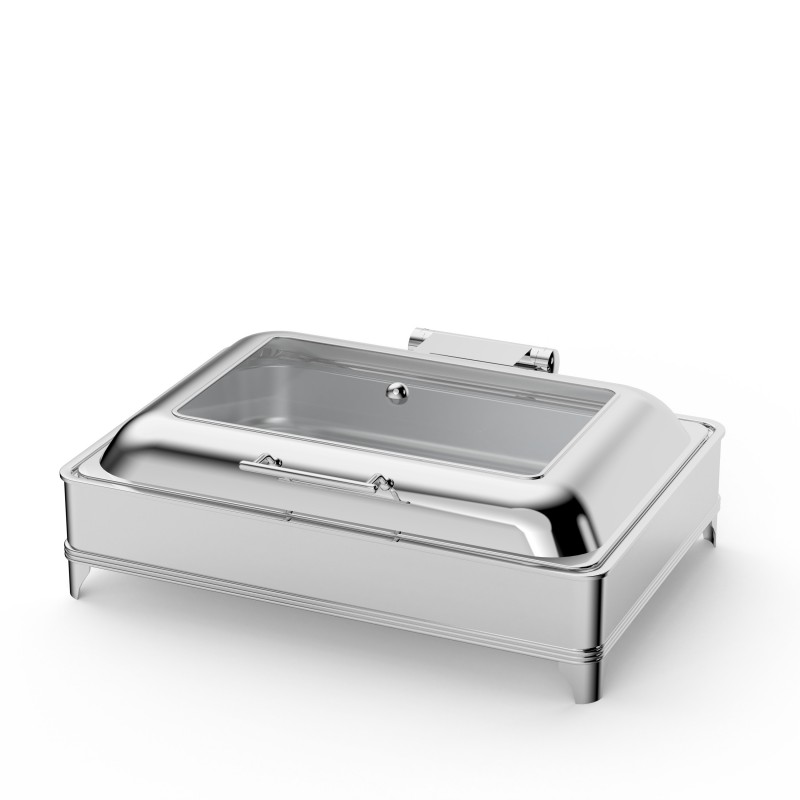
Chafing Dish Fuel vs Electric: Which Should You Use?
Fuel vs electric chafing dishes compared on cost, control, setup and food safety — plus a clear rec...
How to Set Up and Use a Chafing Dish Safely
Step-by-step chafing dish setup: frame, water pan, fuel, lighting and safe service practices that ke...
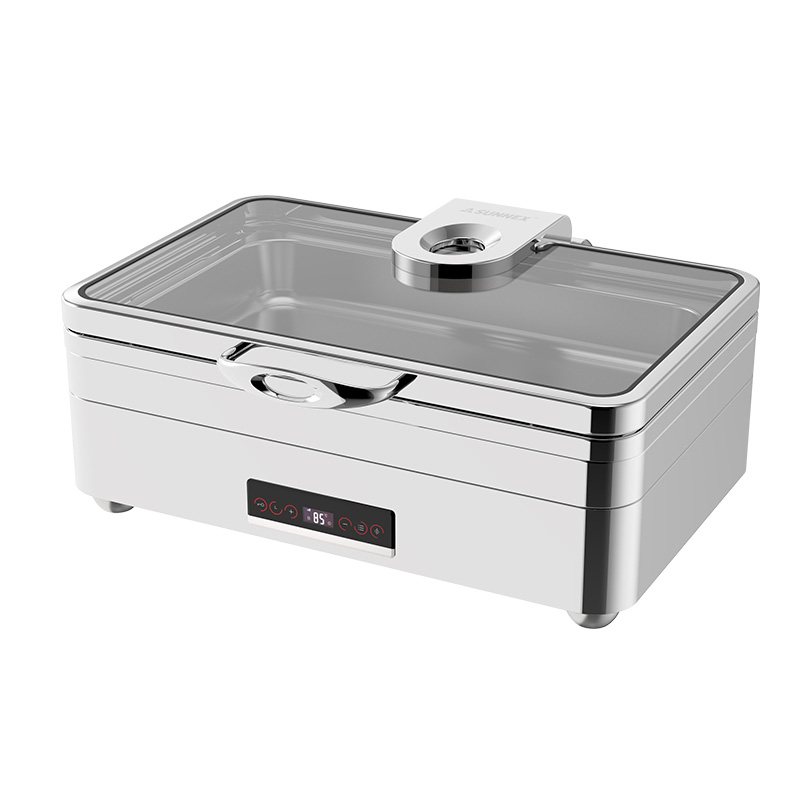
How to Clean and Maintain a Stainless Steel Chafing Dish
A daily and deep-clean routine for stainless steel chafing dishes, plus storage and maintenance tips...
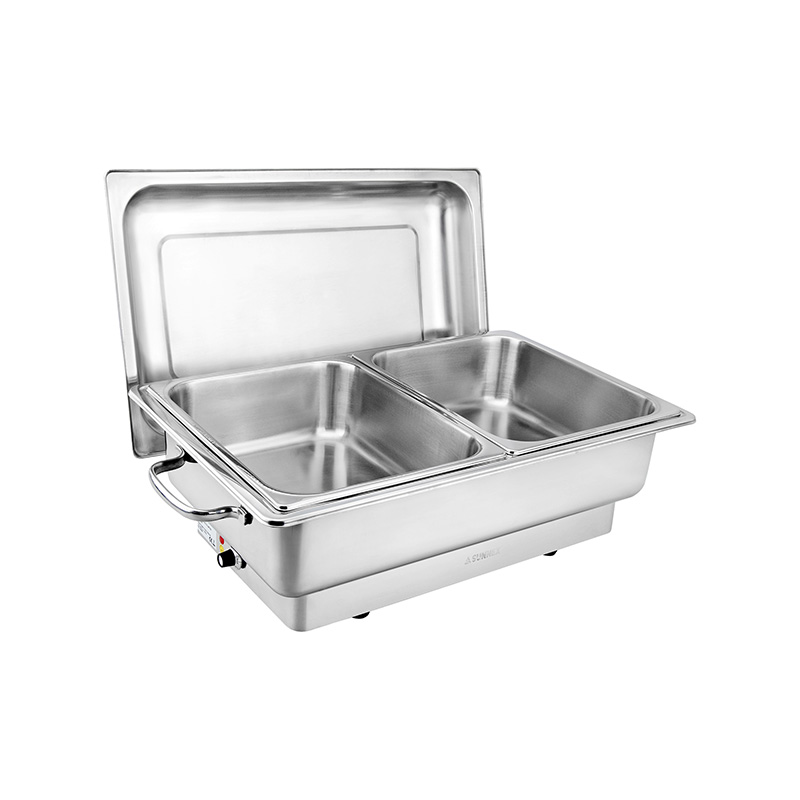
Rectangular vs Round Chafing Dish: Which Shape Fits Your Service?
Rectangular vs round chafing dish compared for buffet layout, capacity, presentation and cost — wit...
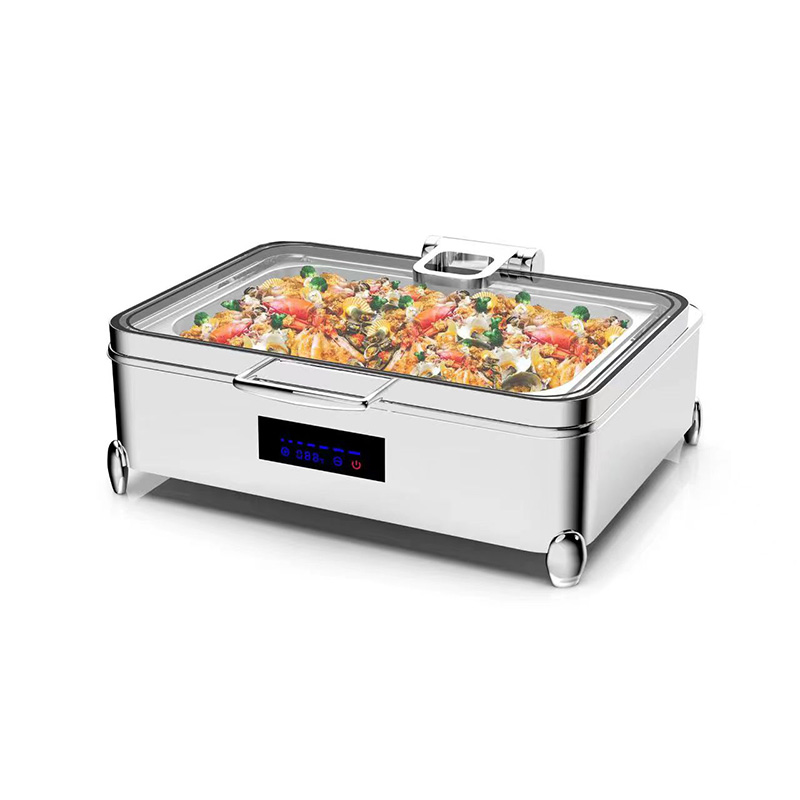
Chafing Dish Sizes & Capacities: A Practical Quart & Liter Guide
A practical chafing dish size guide: quarts and liters mapped to guest counts and food types, so you...