
Related Products
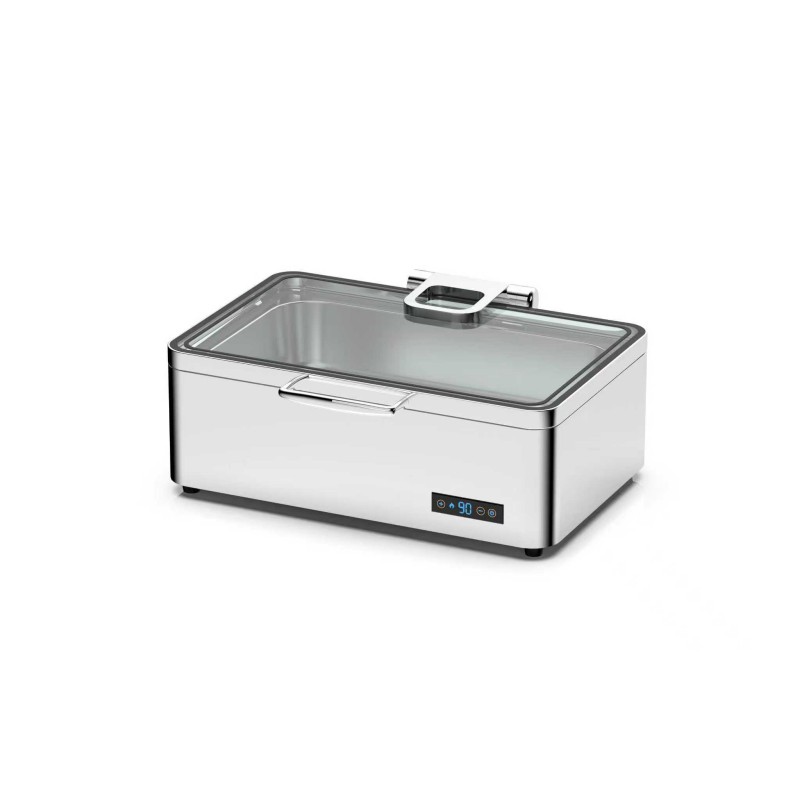
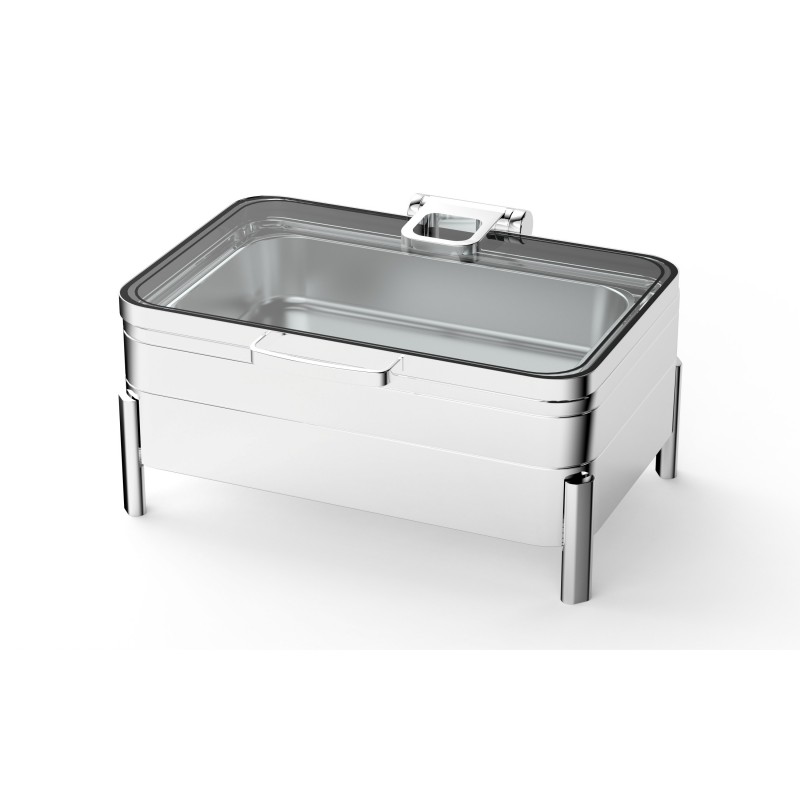
Rectangular vs Round Chafing Dish: Which Shape Fits Your Service?
Shape is not just aesthetics. Rectangular and round chafers change how many guests you serve per foot of line, how the station photographs, and how easy refills are. Here is how to choose.
Rectangular Chafers
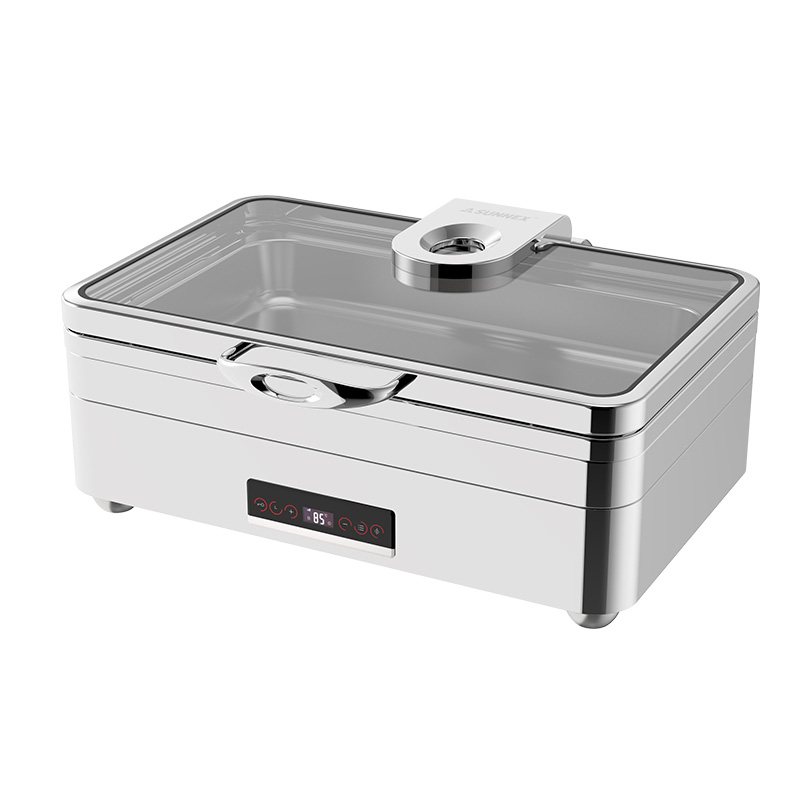
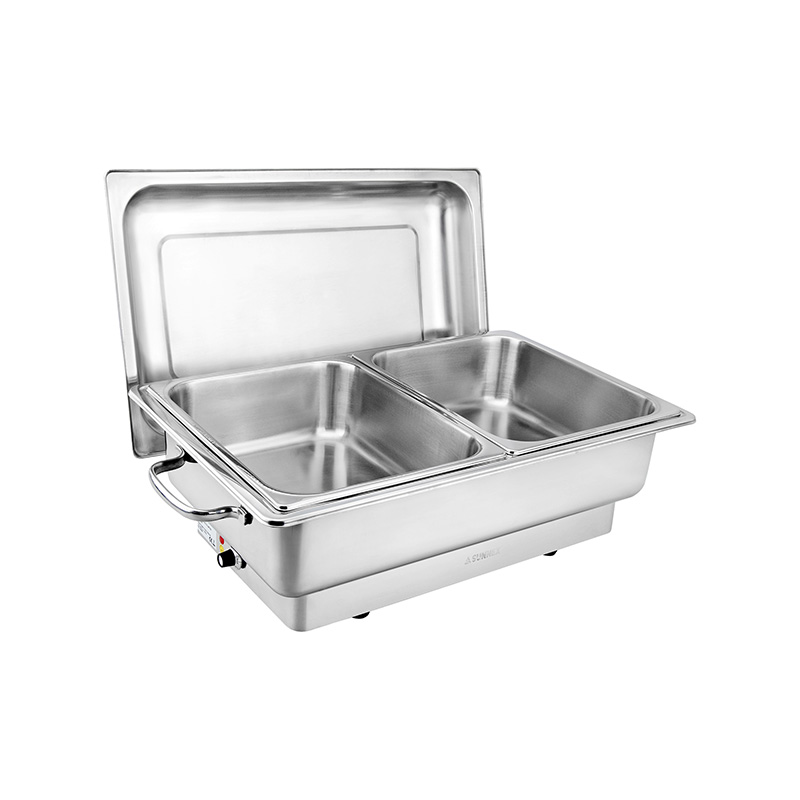
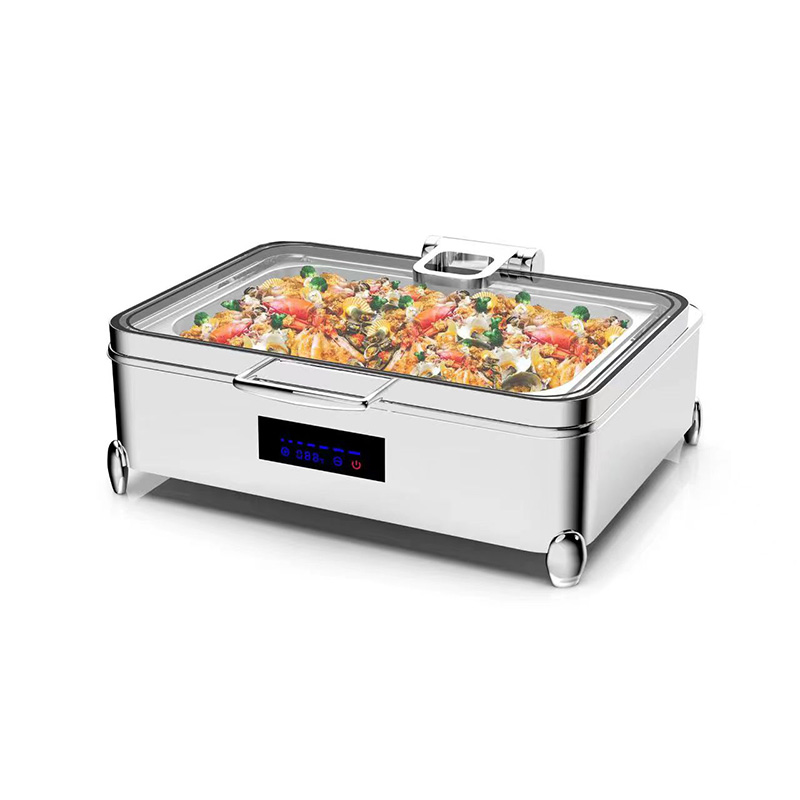
The default for hotels, banquet halls and high-volume lines. They sit flush side by side, maximizing pan count on a fixed table.
- Pros: space-efficient, larger capacities, easy label placement, professional look.
- Cons: less "formal" feel, heavier to move.
Round Chafers
Round models shine at smaller, richer presentations — dessert stations, carving displays, intimate events.
- Pros: elegant, central focal point, easy 360° access.
- Cons: waste table space when lined up, smaller pans.
Side-by-Side
| Need | Rectangular | Round |
| Footprint efficiency | High | Low |
| Typical capacity | 4–9 qt | 3–6 qt |
| Guest access | One side | All around |
| Best setting | Buffet line | Display/island |
When to Mix Both
Use rectangular chafers for the mains line and one or two round chafers as a centerpiece for sauces, sides or desserts. The contrast reads as intentional, not mismatched.
FAQ
Do round and rectangular use the same fuel?
Yes — the heat source is independent of pan shape. Fuel cans and electric elements are interchangeable across shapes in the same frame family.
Which photographs better for marketing?
Round chafers create a softer, premium hero shot; rectangular reads as efficient and high-volume. Match the shape to the story you are telling.
Browse both shapes in the chafing dish catalog.
Related Articles
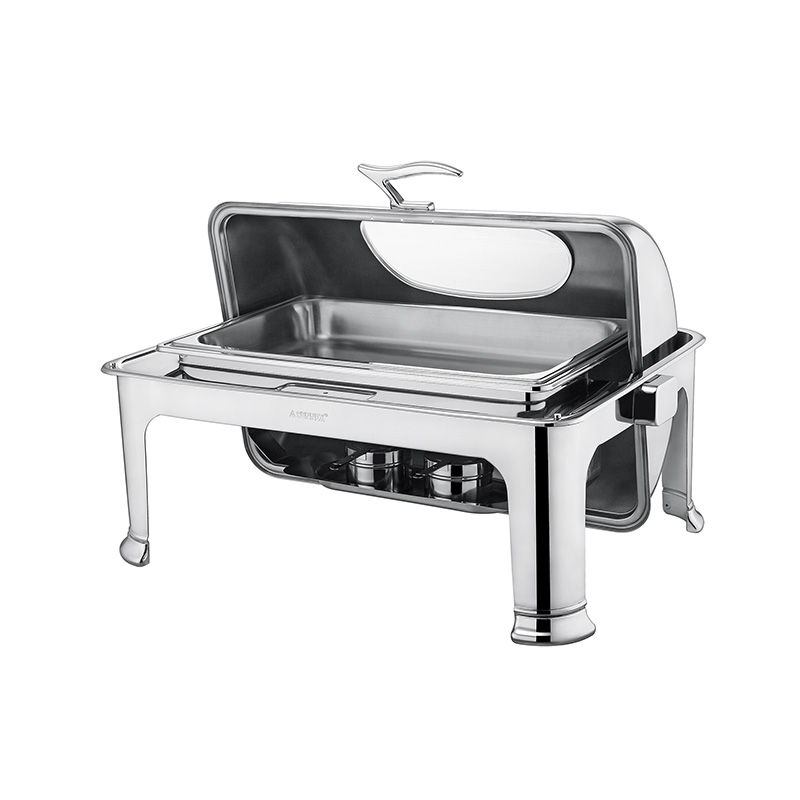
How to Choose the Right Chafing Dish for Your Buffet
A practical chafing dish buying guide covering fuel vs electric, shape, size, material and capacity ...
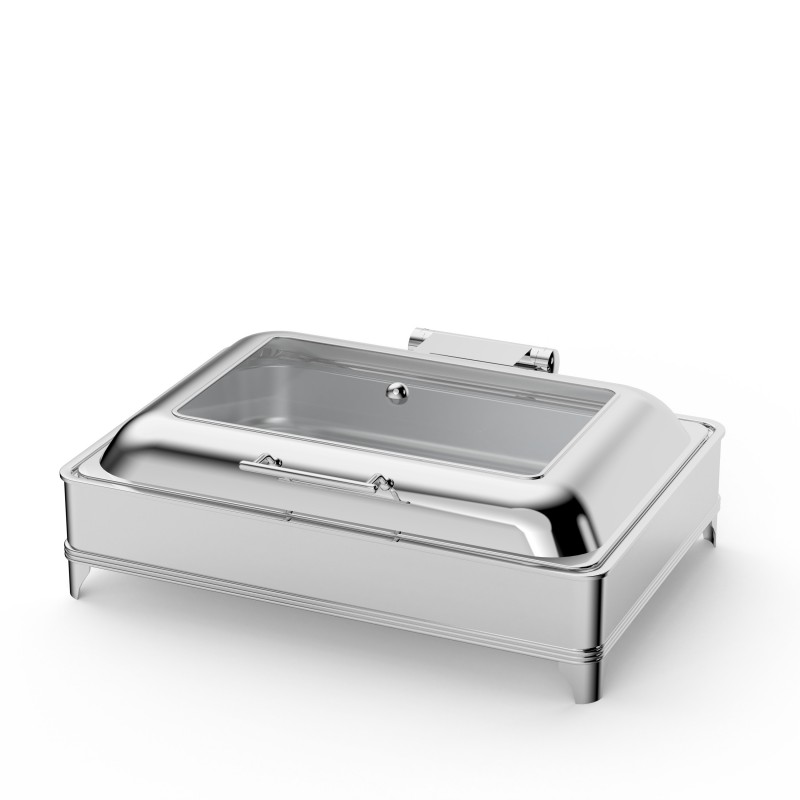
Chafing Dish Fuel vs Electric: Which Should You Use?
Fuel vs electric chafing dishes compared on cost, control, setup and food safety — plus a clear rec...
How to Set Up and Use a Chafing Dish Safely
Step-by-step chafing dish setup: frame, water pan, fuel, lighting and safe service practices that ke...
How to Clean and Maintain a Stainless Steel Chafing Dish
A daily and deep-clean routine for stainless steel chafing dishes, plus storage and maintenance tips...
Rectangular vs Round Chafing Dish: Which Shape Fits Your Service?
Rectangular vs round chafing dish compared for buffet layout, capacity, presentation and cost — wit...
Chafing Dish Sizes & Capacities: A Practical Quart & Liter Guide
A practical chafing dish size guide: quarts and liters mapped to guest counts and food types, so you...