
Related Products
How to Clean and Maintain a Stainless Steel Chafing Dish
A chafing dish takes abuse: heat, water, grease and constant handling. A 10-minute clean after every service keeps it sanitary and presentable — and prevents the pitting and discoloration that shorten its life. Here is the routine we recommend.
Daily Clean (After Every Service)
- Let pans cool to safe handling temperature.
- Empty leftover food; scrape (do not rinse solids down the drain).
- Wash pans in hot, soapy water or a commercial dishwasher.
- Sanitize with an approved solution; air dry on a rack.
- Wipe the frame with a damp cloth; dry to prevent water spots.
Deep Clean (Weekly or Monthly)
For stuck-on residue or cloudy stainless, make a paste of baking soda and water, rub gently with a non-scratch pad, then rinse. For heat tint (rainbow marks), a dedicated stainless polish restores the shine. Never use steel wool or chlorine bleach — both damage the surface.
Stainless Care Do's and Don'ts
| Do | Don't |
| Dry promptly after washing | Soak pans in bleach |
| Use non-scratch pads | Use steel wool |
| Store stacked with protectors | Store wet or nested tightly |
| Polish with stainless cleaner | Use abrasive powders |
Storage That Prevents Damage
- Stack frames with the included separators or a towel between layers.
- Store fuel cans separately, upright and cool.
- Keep lids off the pans during storage so moisture cannot trap.
Inspection Checklist
- Lid closes and the rest sits flush.
- No warping on the food pan base.
- Fuel holder clamps securely.
- No rust at weld points.
FAQ
Can chafing dish pans go in the dishwasher?
Most 304 stainless pans are dishwasher-safe. Remove them before the heated dry cycle if your machine runs very hot, and dry by hand to avoid spots.
How long does a chafing dish last?
With daily cleaning and proper storage, a quality stainless chafer serves 5–10 years of commercial use.
Replacement pans and full sets are in the chafing dish collection.
Related Articles
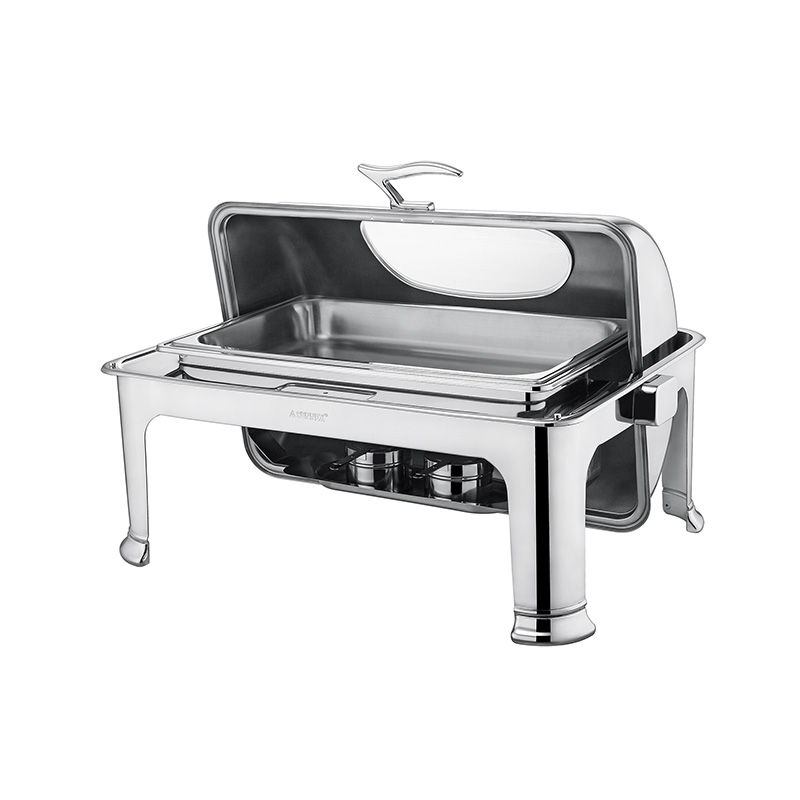
How to Choose the Right Chafing Dish for Your Buffet
A practical chafing dish buying guide covering fuel vs electric, shape, size, material and capacity ...
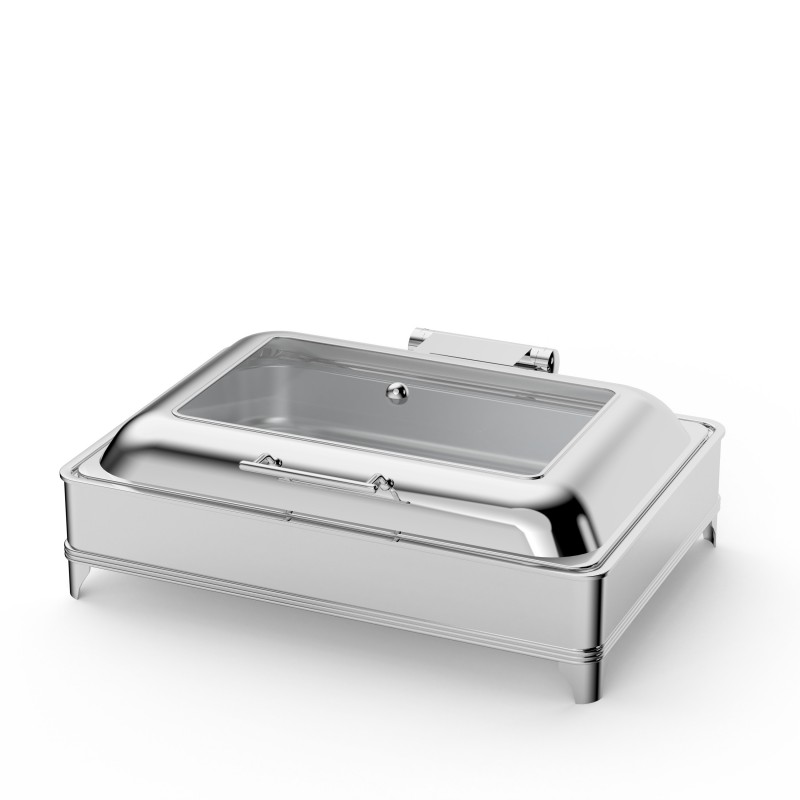
Chafing Dish Fuel vs Electric: Which Should You Use?
Fuel vs electric chafing dishes compared on cost, control, setup and food safety — plus a clear rec...
How to Set Up and Use a Chafing Dish Safely
Step-by-step chafing dish setup: frame, water pan, fuel, lighting and safe service practices that ke...
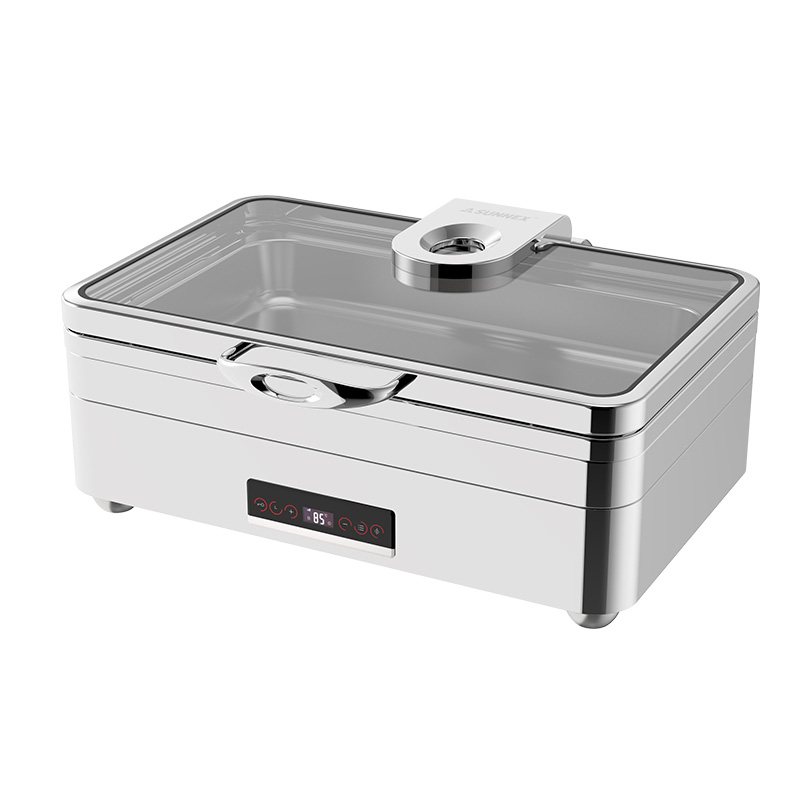
How to Clean and Maintain a Stainless Steel Chafing Dish
A daily and deep-clean routine for stainless steel chafing dishes, plus storage and maintenance tips...
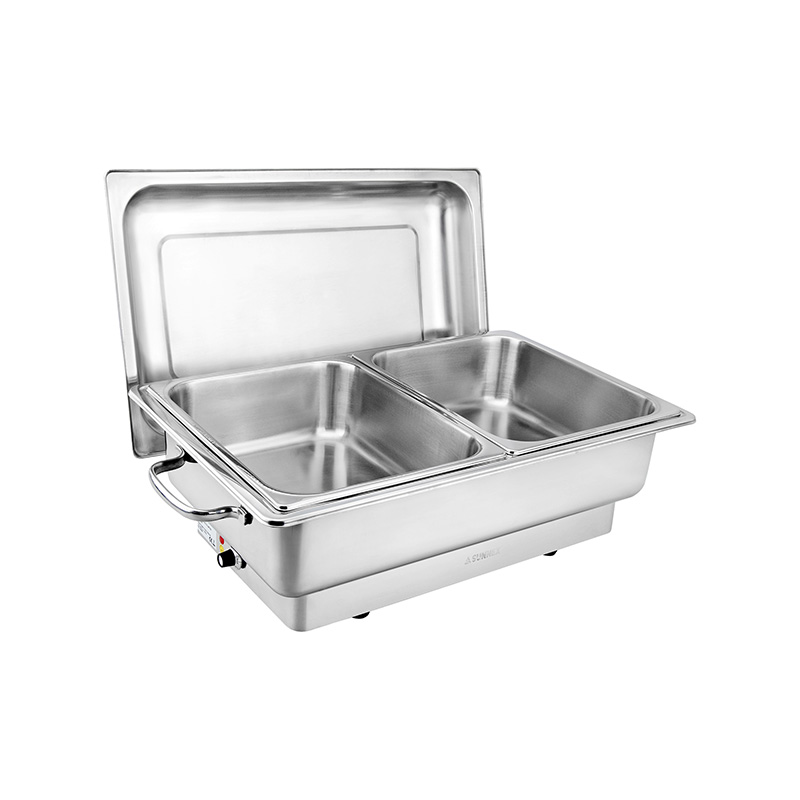
Rectangular vs Round Chafing Dish: Which Shape Fits Your Service?
Rectangular vs round chafing dish compared for buffet layout, capacity, presentation and cost — wit...
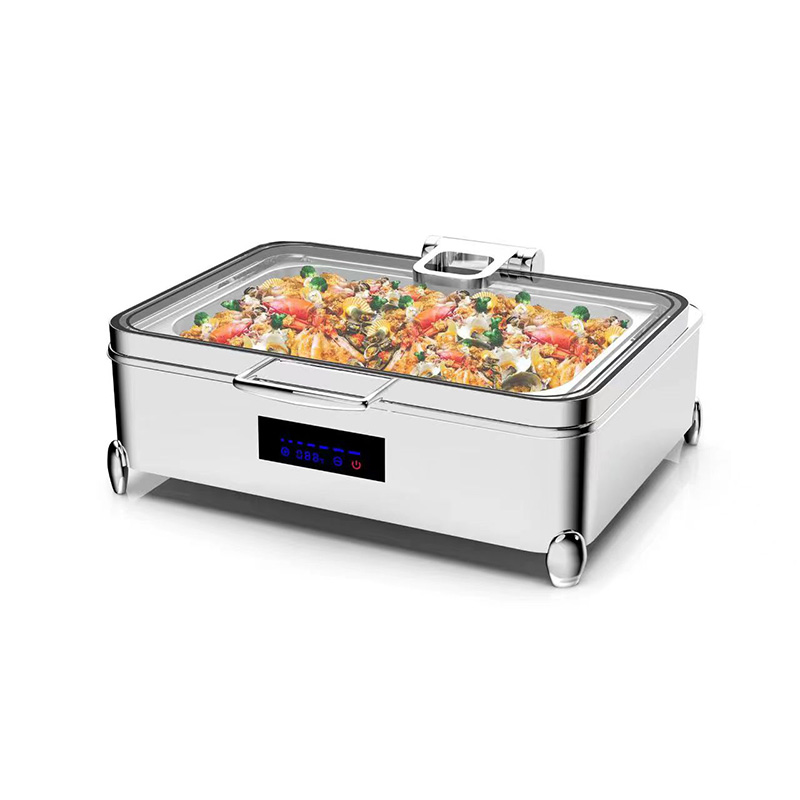
Chafing Dish Sizes & Capacities: A Practical Quart & Liter Guide
A practical chafing dish size guide: quarts and liters mapped to guest counts and food types, so you...