
Heat Lamp vs Chafing Dish: Which Food-Holding Method to Choose
Both heat lamps and chafing dishes keep food hot — but they solve different problems. Pick wrong and you either steam the crisp off a roast or dry out a carved joint under a bulb. Here is the decision framework.
The Core Difference
- Chafing dish: holds batched food in a water-bathed pan for hours. Great for volume.
- Heat lamp: holds plated or carved items briefly under infrared. Great for presentation and crisp textures.
Decision Table
| Scenario | Best tool | Why |
| Banquet entrée line | Chafing dish | Volume + steady heat |
| Carving station | Heat lamp | Keeps slice warm, no steaming |
| Fries / pizza hold | Heat lamp | Crisp texture preserved |
| Soup / sauce | Chafing dish | Even, gentle heat |
| Short pass-line hold | Heat lamp | Quick, plated service |
Can You Use Both?
Absolutely — and you should. A carving station uses a heat lamp over the joint while the sides sit in chafing dishes beside it. That combo is the backbone of a proper buffet.
Food Safety Note
Both methods only work above 140°F (60°C). Lamps are for short holds (typically under an hour per plate); chafers are built for the long haul. Track time and temperature either way. Our food holding temperature guide lays out the safe zones.
FAQ
Can a heat lamp replace a chafing dish?
Not for batched buffet food. Lamps dry out open pans over time; chafers are designed for sustained holding.
Which is cheaper to run?
Chafers on fuel have recurring can cost; lamps use electricity. For a fixed station, lamps are cheap to run; for roving catering, fuel chafers win on mobility.
Compare both in the heat lamp and chafing dish catalogs.
Related Articles
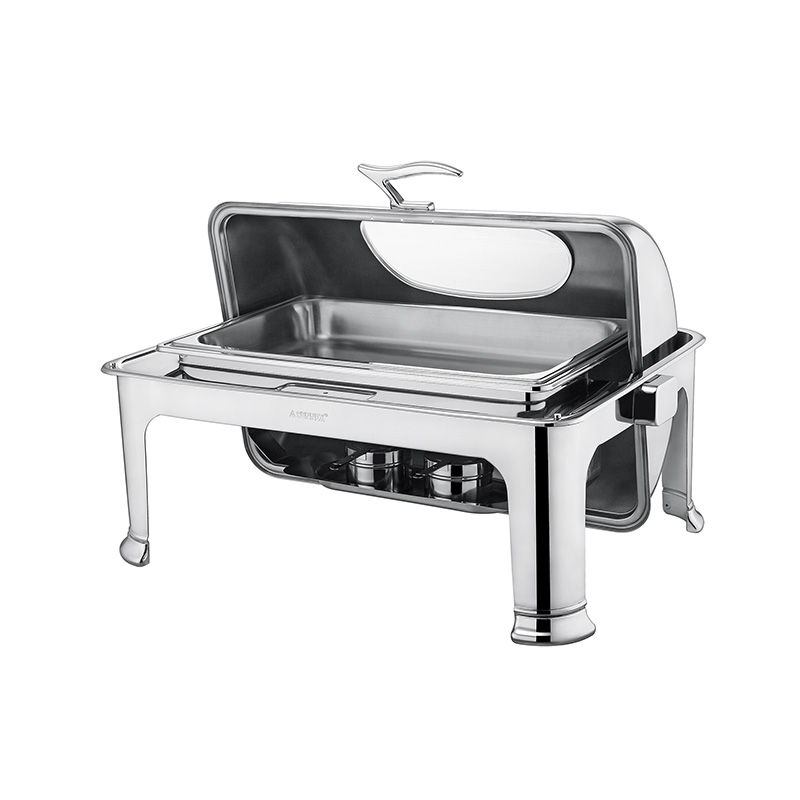
How to Choose the Right Chafing Dish for Your Buffet
A practical chafing dish buying guide covering fuel vs electric, shape, size, material and capacity ...
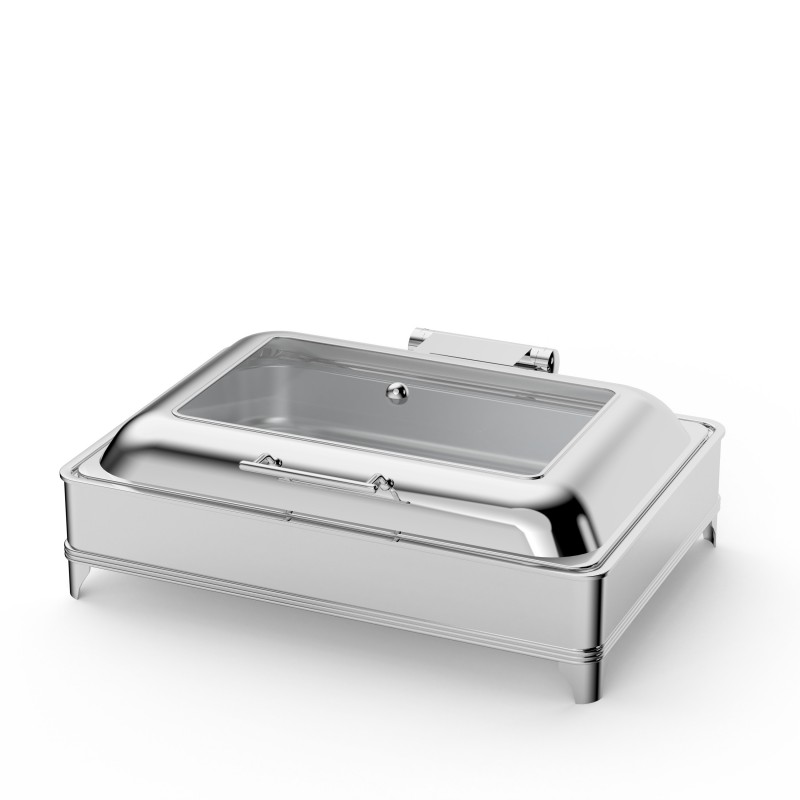
Chafing Dish Fuel vs Electric: Which Should You Use?
Fuel vs electric chafing dishes compared on cost, control, setup and food safety — plus a clear rec...
How to Set Up and Use a Chafing Dish Safely
Step-by-step chafing dish setup: frame, water pan, fuel, lighting and safe service practices that ke...
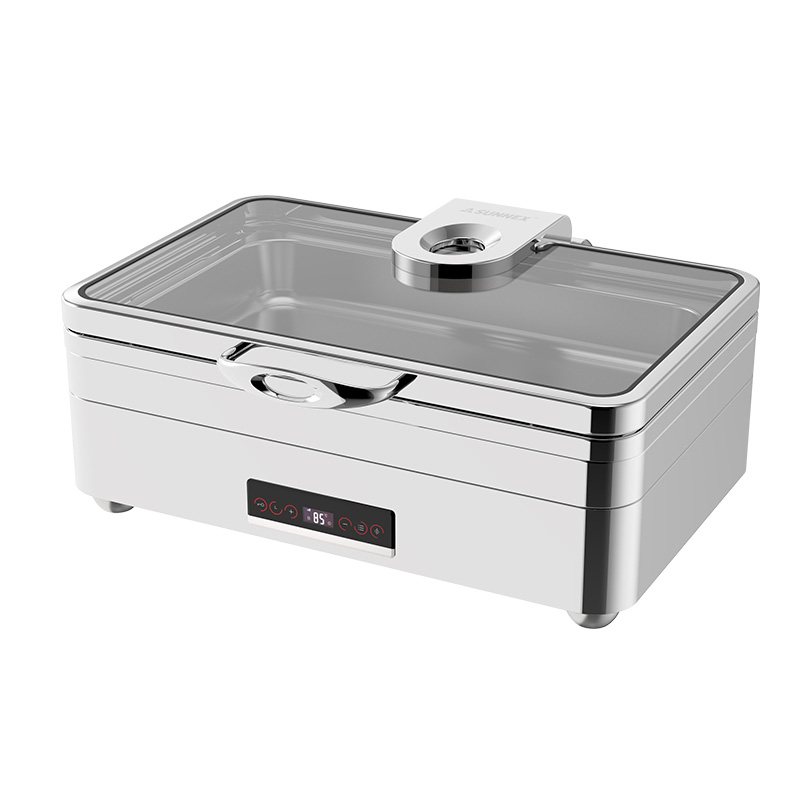
How to Clean and Maintain a Stainless Steel Chafing Dish
A daily and deep-clean routine for stainless steel chafing dishes, plus storage and maintenance tips...
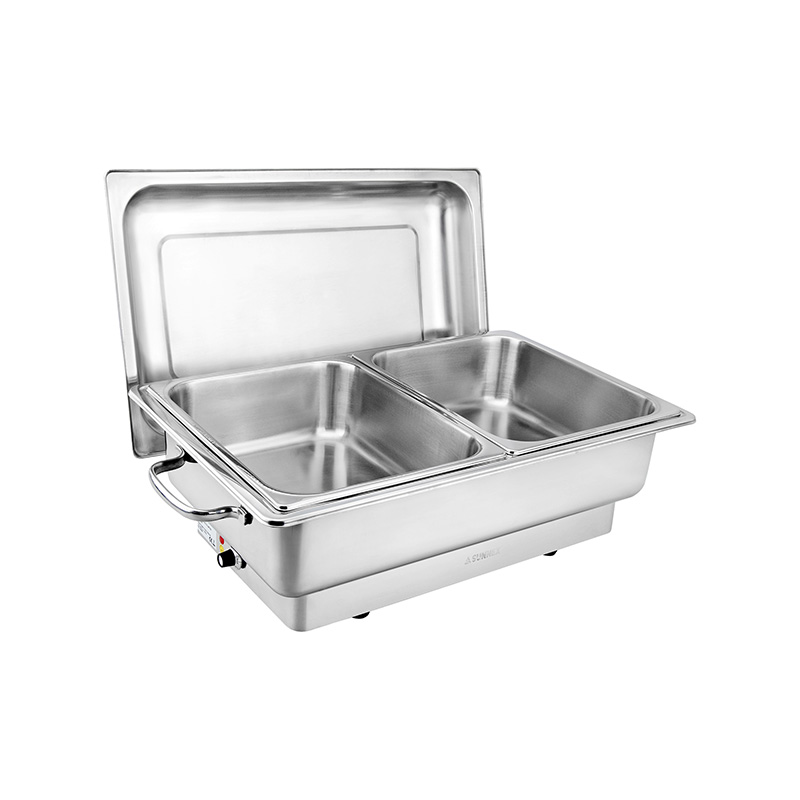
Rectangular vs Round Chafing Dish: Which Shape Fits Your Service?
Rectangular vs round chafing dish compared for buffet layout, capacity, presentation and cost — wit...
Chafing Dish Sizes & Capacities: A Practical Quart & Liter Guide
A practical chafing dish size guide: quarts and liters mapped to guest counts and food types, so you...