
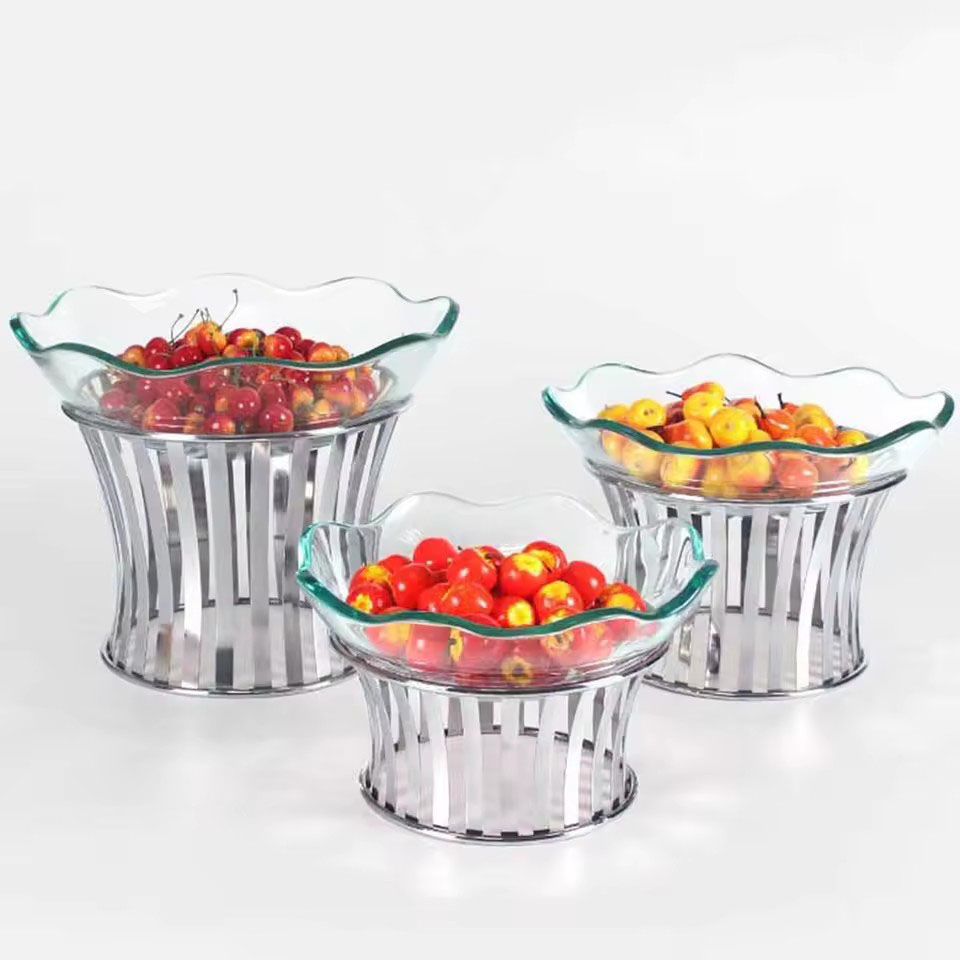
Best Stainless Steel Chafing Dishes for Commercial Use
Stainless steel chafing dishes represent the backbone of professional food service operations worldwide. From hotel breakfast buffets to catering events and banquet halls, these versatile warming vessels keep food at safe serving temperatures while maintaining presentation quality throughout service hours. Selecting the right stainless steel chafing dish for commercial use requires understanding material grades, construction features, and the specific demands of your operation.
Why Stainless Steel Dominates Commercial Food Service
The hospitality industry overwhelmingly prefers stainless steel chafing dishes for several compelling reasons. First, stainless steel offers exceptional durability under the demanding conditions of commercial kitchens. Unlike aluminum alternatives that dent easily and lose their finish quickly, quality stainless steel withstands the daily wear and tear of multiple events, transport, and cleaning cycles.
Corrosion resistance proves essential in food service environments where dishes encounter acidic foods, salt-based marinades, and frequent washing. Grade 304 stainless steel, the standard for food service equipment, contains chromium and nickel that form a protective layer against oxidation. This material stability ensures your investment maintains its appearance and functionality for years of regular service.
Heat distribution characteristics of stainless steel contribute to consistent food warming throughout service. The material conducts heat evenly across the food pan surface, eliminating hot spots that can overcook portions while leaving other areas insufficiently heated. This consistency matters significantly for events lasting several hours where food quality must remain stable from first serving to last.
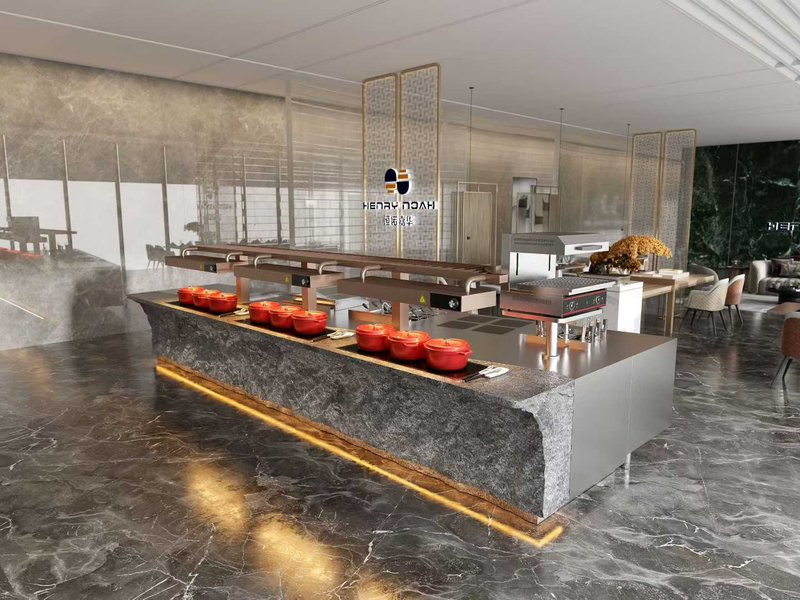
Key Features to Evaluate in Commercial Chafing Dishes
Material Thickness: The gauge of stainless steel affects both durability and heat retention. Heavy-duty commercial units typically use 22-24 gauge steel for the body, providing sufficient rigidity to prevent warping while maintaining manageable weight for transport. Thinner materials may cost less initially but bend under pressure and transfer heat less evenly.
Construction Quality: Examine welding quality at joints and corners. Smooth, consistent welds indicate proper manufacturing while rough or uneven welds suggest shortcuts in production. Check that lid hinges operate smoothly without binding. Test that the lift-off lid mechanism engages securely without accidental release during service.
Fuel Holder Design: The sterno can or fuel holder must accommodate standard gel fuel cans securely. Look for recessed holders that prevent accidental spills. Some models feature wind-resistant designs essential for outdoor events or locations with HVAC drafts that can extinguish open flames.
Water Pan Integration: Quality chafing dishes feature seamless water pan construction without rivets or seams that could leak over time. The water pan should fit snugly within the frame without gaps that allow steam to escape. Consider pans with graduated markings for accurate water level monitoring during setup.
Stainless Steel vs. Alternative Materials
While aluminum chafing dishes exist at lower price points, they fall short for serious commercial applications. Aluminum conducts heat more rapidly but lacks the thermal mass to maintain consistent temperatures through long service periods. The material also oxidizes quickly without protective coatings, developing gray deposits that appear unsanitary to guests.
Chrome-plated steel offers improved durability over plain aluminum but cannot match the longevity of stainless steel. The chrome layer inevitably chips with use, exposing the steel beneath to corrosion. Once the protective coating fails, the unit degrades rapidly and requires replacement.
| Feature | Stainless Steel | Aluminum | Chrome-Plated |
|---|---|---|---|
| Durability | Excellent (10+ years) | Fair (2-3 years) | Good (5-7 years) |
| Heat Retention | Superior | Moderate | Good |
| Corrosion Resistance | Excellent | Poor | Moderate |
| Maintenance | Easy | Moderate | Moderate |
| Commercial Suitability | Ideal | Limited | Acceptable |
Sizing Your Chafing Dish for Commercial Events
Chafing dishes come in standard sizes that accommodate different serving scenarios. Full-size units accept GN 1/1 food pans (approximately 20" x 12"), serving 40-60 portions depending on food type and serving style. These units work best for main course items, vegetables, and starches at large events.
Half-size chafing dishes using GN 1/2 pans hold approximately 20-30 portions. Their smaller footprint allows placement on buffets with limited space or enables offering multiple menu options without dedicating excessive counter space to single items. Half-size units prove particularly valuable for breakfast service where space constraints often limit buffet expansion.
Consider your typical serving volume when selecting sizes. Under-sizing forces frequent replenishment that disrupts service flow and can cause food temperature fluctuations during pan changes. Over-sizing leads to food sitting too long at temperature, affecting quality and potentially creating food safety concerns if portions exceed holding time recommendations.
Fuel Requirements for Extended Service
Standard gel fuel cans (typically 7 ounces) provide approximately 2 hours of heating at optimal output. Events exceeding this duration require either fuel can replacements mid-service or upgrade to larger capacity systems. Some manufacturers offer extended-burn fuels lasting 4-6 hours, though these require compatible holder designs.
Electric chafing dishes eliminate fuel concerns entirely for venues with power access. These units connect to standard electrical outlets and maintain precise temperatures through adjustable controls. While requiring initial infrastructure investment, electric systems reduce ongoing fuel costs and eliminate the fire safety considerations associated with open flame warming.
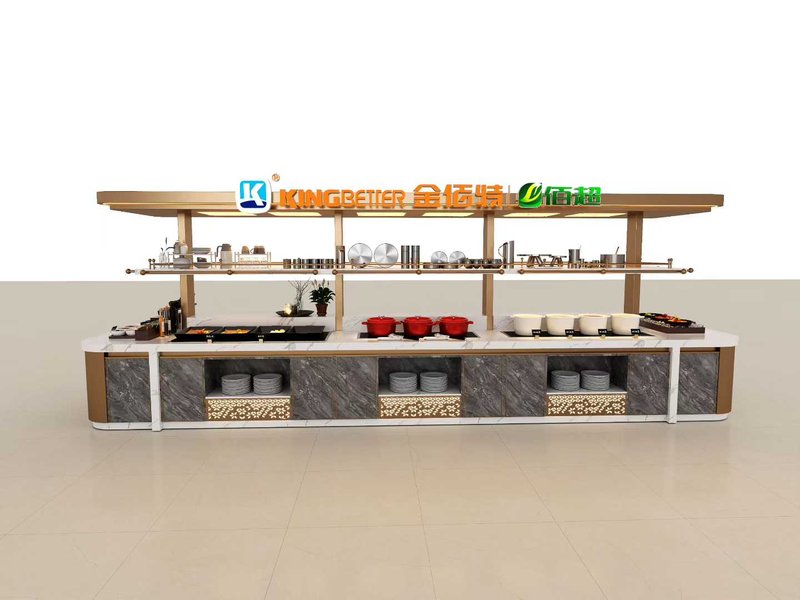
Maintenance Practices for Longevity
Proper cleaning extends chafing dish service life significantly. Always allow units to cool completely before cleaning to prevent thermal shock that can damage surfaces. Hand wash with mild detergent and soft cloths or sponges to protect finish quality. Avoid abrasive cleaners or scouring pads that scratch stainless steel surfaces and create areas vulnerable to corrosion.
After cleaning, dry units thoroughly to prevent water spot formation. Store chafing dishes with lids slightly ajar to allow air circulation and prevent moisture accumulation that could lead to oxidation, even in stainless steel. Periodic polishing with stainless steel cleaner maintains the attractive mirror or satin finish that presentation demands.
Featured Products for Commercial Applications

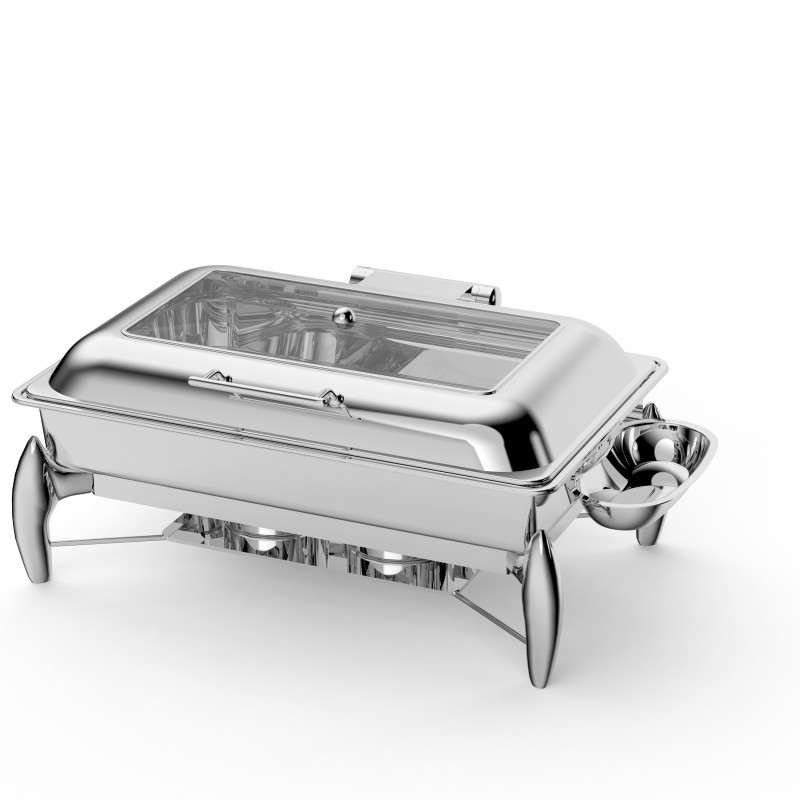
Stainless Steel Alcohol Fuel Buffet Chafing Dish
This commercial-grade unit features visible window design allowing staff to monitor food levels without breaking service seal. The polished stainless steel construction ensures years of reliable operation while maintaining the professional appearance that upscale events demand. Standard fuel holder accommodates universal gel cans for convenient replenishment during extended service.
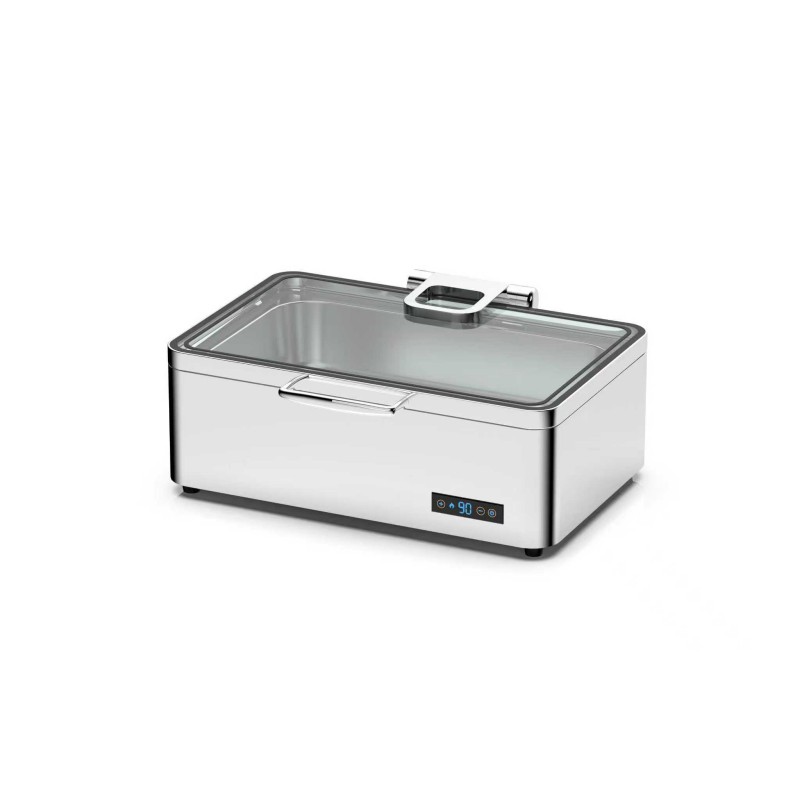
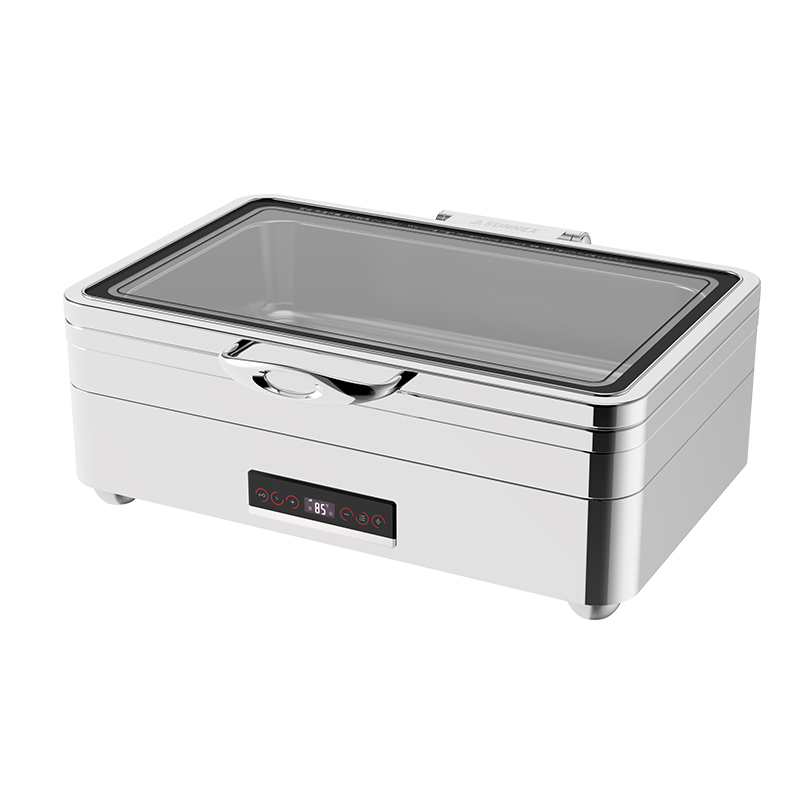
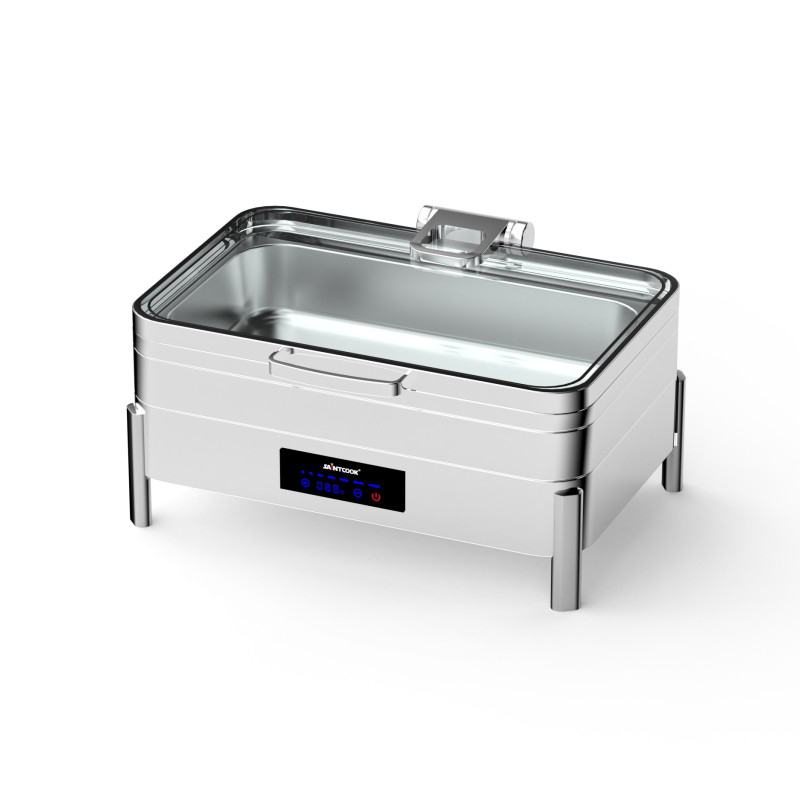
Electric Chafing Dish-BA
Built with commercial-grade 304 stainless steel, this electric model offers precise temperature control through digital adjustment. The 5.5L-13.5L capacity range accommodates various portion requirements while the sleek profile fits seamlessly into modern buffet designs. Electric operation eliminates fuel handling concerns while maintaining consistent food temperatures throughout service hours.
Making Your Selection
Invest in quality stainless steel chafing dishes that match your operation's volume and service requirements. The initial cost premium over aluminum alternatives pays dividends through extended service life, reduced replacement frequency, and maintained presentation quality. Consider both current needs and anticipated growth when sizing your equipment fleet to avoid premature upgrades as your catering business expands.
Related Articles
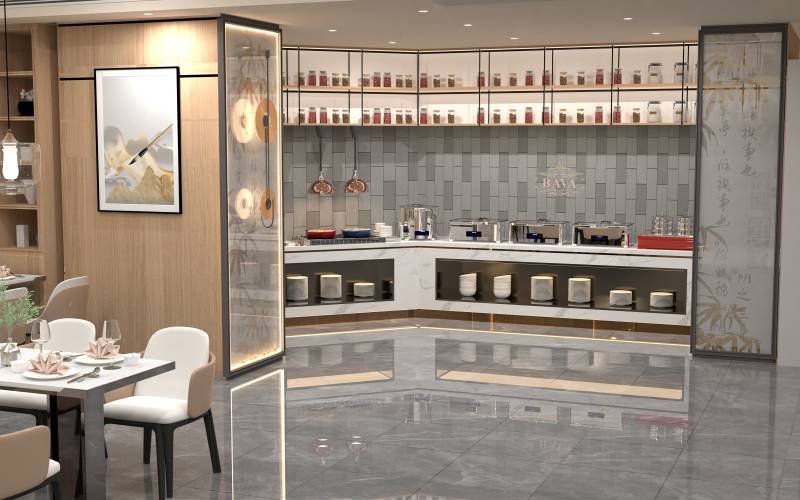
Electric Buffet Warmer with Adjustable Thermostat for Restaurants
Discover the best Electric Buffet Warmer with Adjustable Thermostat for Restaurants solutions. Real ...
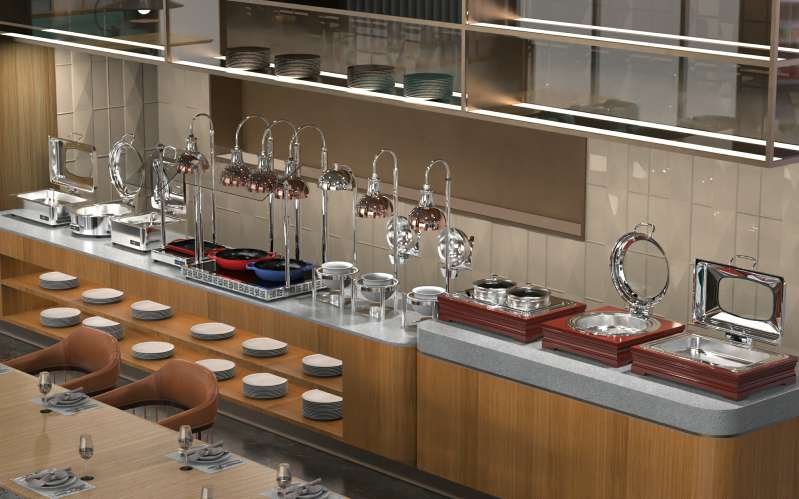
Mini Chafing Dish for Breakfast Buffet & Condiment Stations
Discover the best Mini Chafing Dish for Breakfast Buffet & Condiment Stations solutions. Real case s...
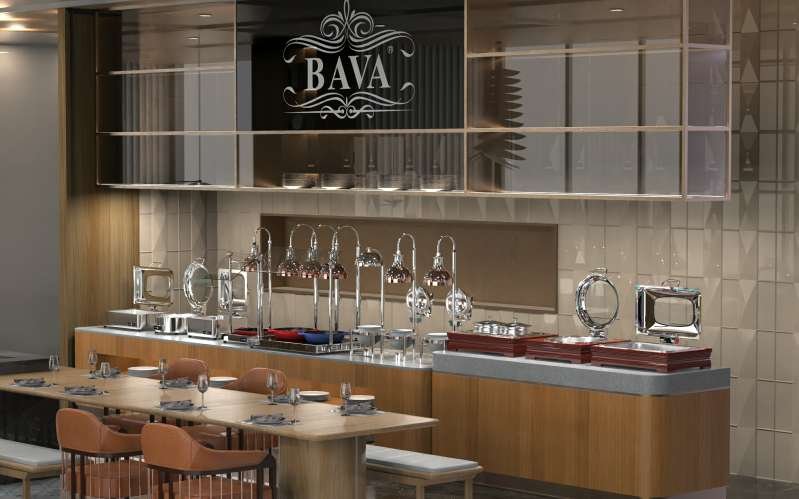
9QT Extra-Large Chafing Dish for Large-Scale Banquet Events
Discover the best 9QT Extra-Large Chafing Dish for Large-Scale Banquet Events solutions. Real case s...
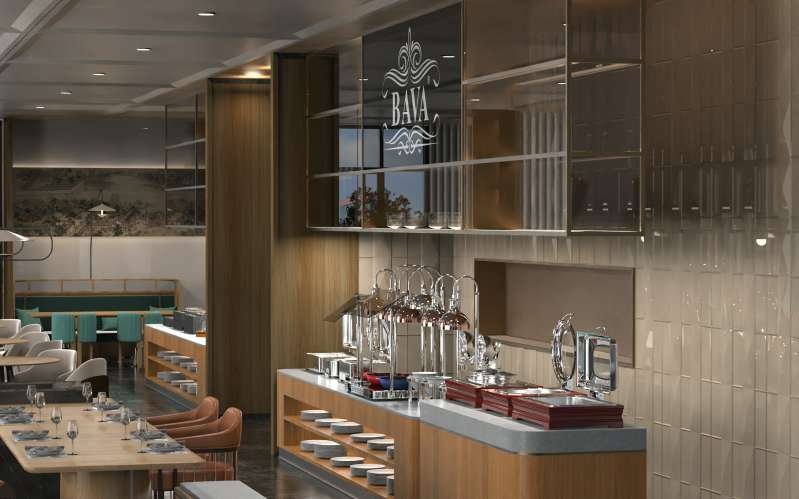
Wall-Mounted Buffet Stove for Space-Saving Kitchen Layouts
Discover the best Wall-Mounted Buffet Stove for Space-Saving Kitchen Layouts solutions. Real case st...
Stainless Steel Food Warmer for Supermarket Deli Departments
Discover the best Stainless Steel Food Warmer for Supermarket Deli Departments solutions. Real case ...
Commercial Chafer Dish with Temperature Control for Food Safety
Discover the best Commercial Chafer Dish with Temperature Control for Food Safety solutions. Real ca...