
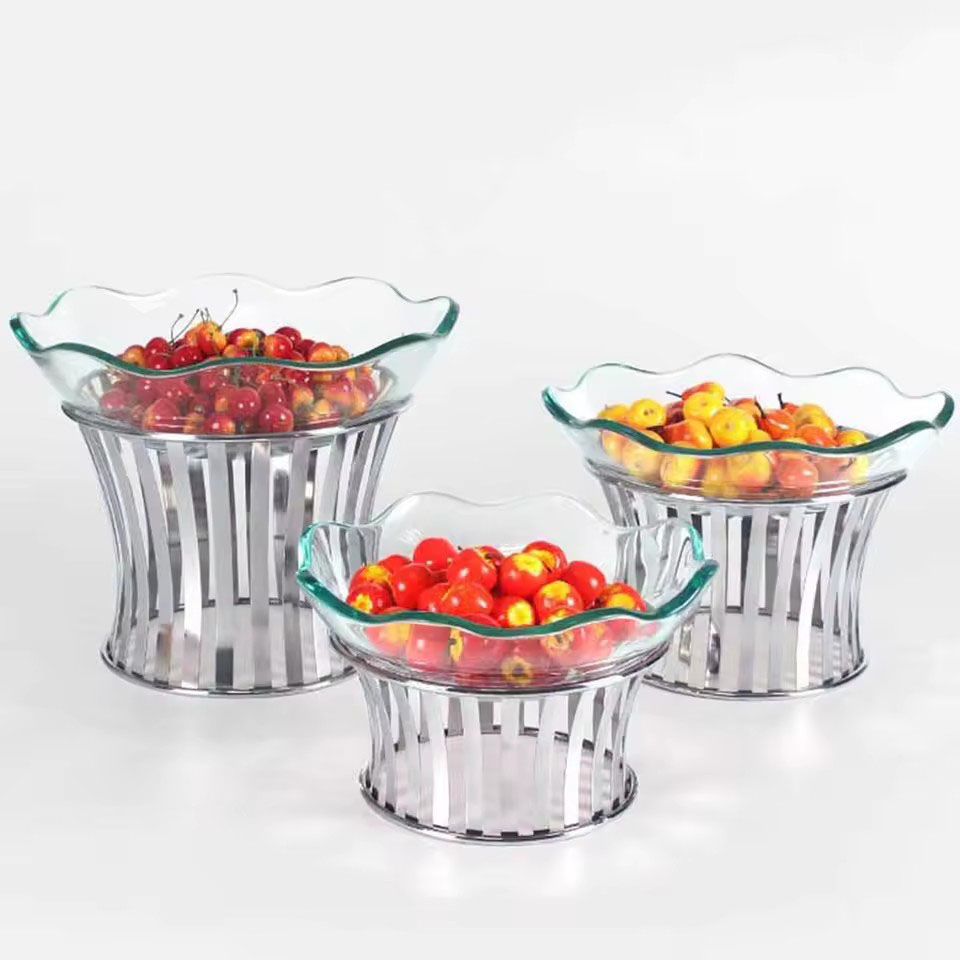
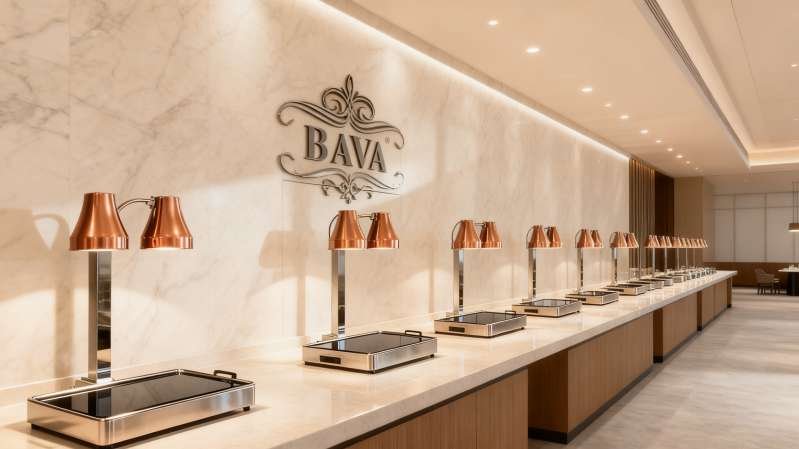
Food Heat Lamp Buying Guide: Features to Look For
Running a successful food service operation requires attention to every detail, and Food Heat Lamp Buying Guide: Features to Look For plays a crucial role in maintaining service standards. Whether serving buffets, banquets, or extended meal services, proper equipment selection impacts both customer satisfaction and operational efficiency.
Preparation Before Use
Proper setup begins well before service starts:
- Equipment Inspection: Check for damage or wear that could affect performance during service.
- Pre-Heating: Start heating 30-45 minutes early to ensure stable temperatures when service begins.
- Water Level Check: For water-bath systems, use hot water and maintain proper levels throughout service.
- Fuel Assessment: Calculate fuel needs based on event duration and have backups readily available.
Step-by-Step Operation
Begin by positioning the unit on a stable, level surface away from foot traffic. Fill the water reservoir with hot water to reduce initial heating time. Place the food container in position and add food pre-heated to serving temperature. Allow 20-30 minutes for temperature stabilization before opening for service.
Temperature Management
Maintaining proper food temperatures is critical for safety and quality:
- Keep hot foods above 140F (60C) during all service hours
- Use calibrated thermometers to verify temperatures regularly
- Position units away from air conditioning vents and drafts
- Minimize lid opening time to reduce heat loss during serving

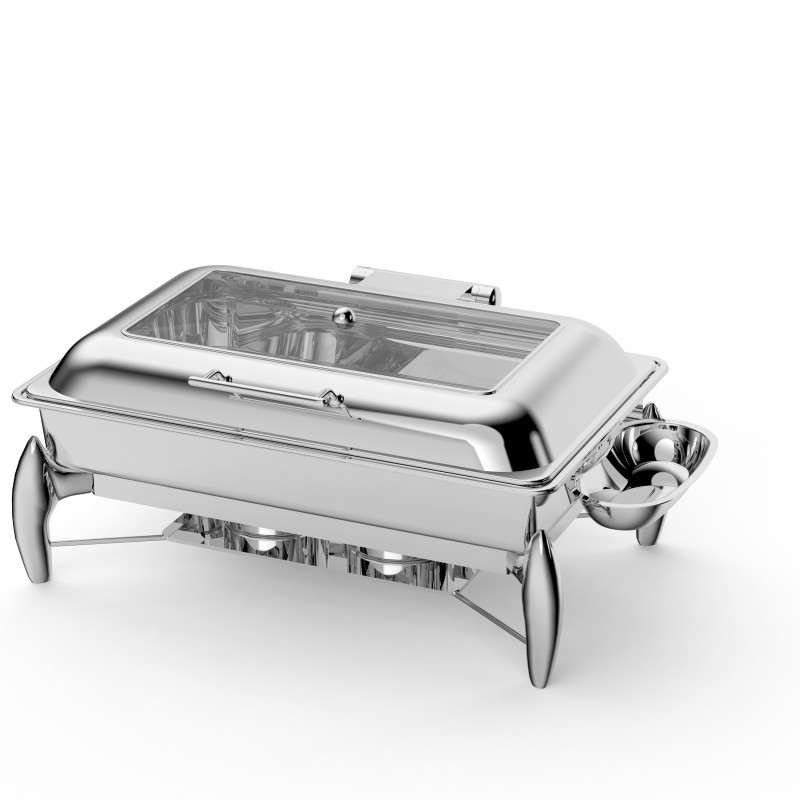
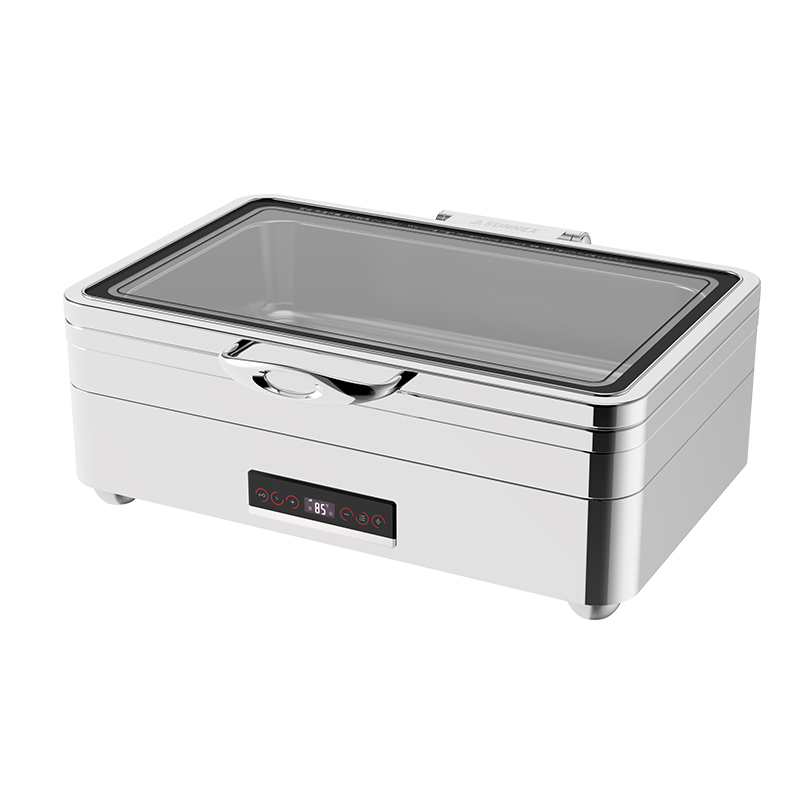
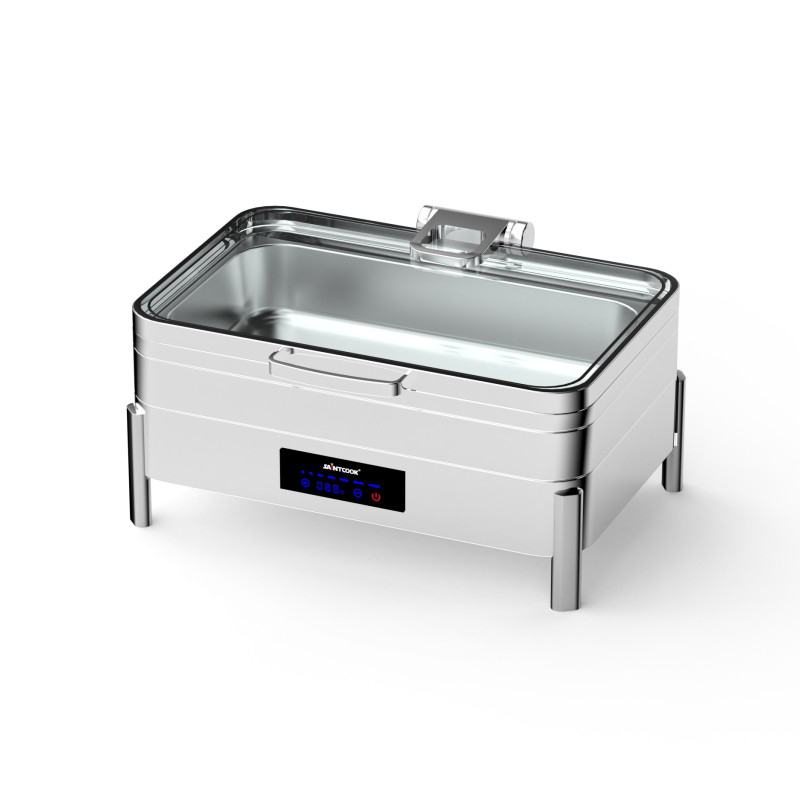
Electric Chafing Dish-HC380D
Professional-grade commercial equipment
Troubleshooting Common Issues
Temperature fluctuations indicate problems requiring immediate attention. If food temperatures drop below safe thresholds, remove and replace rather than attempting rapid reheating. Unusual noises or performance changes warrant inspection before continued use.
Post-Service Procedures
Proper cleanup and storage extend equipment life significantly:
- Allow units to cool completely before handling or cleaning
- Remove food debris immediately to prevent staining
- Wash surfaces with appropriate cleaning solutions designed for stainless steel
- Store in dry conditions with adequate ventilation
Conclusion
Mastering Food Heat Lamp Buying Guide requires consistent attention to detail and adherence to professional standards. By following proper procedures, monitoring conditions throughout service, and maintaining equipment diligently, you ensure both food safety and operational success. These skills develop over time, and attention to fundamentals separates professional operators from casual users.
Related Articles
Electric Buffet Warmer with Adjustable Thermostat for Restaurants
Discover the best Electric Buffet Warmer with Adjustable Thermostat for Restaurants solutions. Real ...
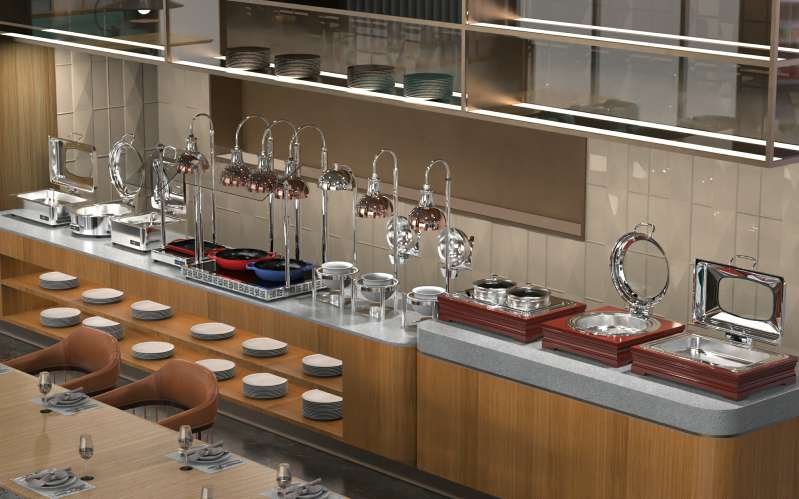
Mini Chafing Dish for Breakfast Buffet & Condiment Stations
Discover the best Mini Chafing Dish for Breakfast Buffet & Condiment Stations solutions. Real case s...
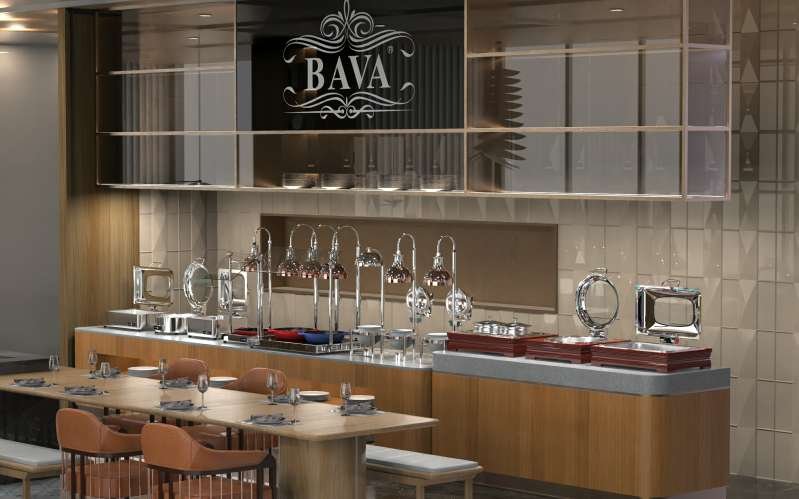
9QT Extra-Large Chafing Dish for Large-Scale Banquet Events
Discover the best 9QT Extra-Large Chafing Dish for Large-Scale Banquet Events solutions. Real case s...
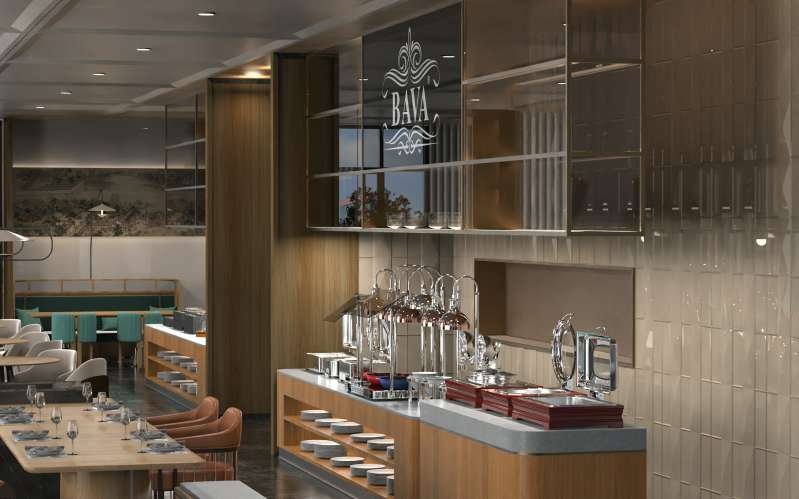
Wall-Mounted Buffet Stove for Space-Saving Kitchen Layouts
Discover the best Wall-Mounted Buffet Stove for Space-Saving Kitchen Layouts solutions. Real case st...
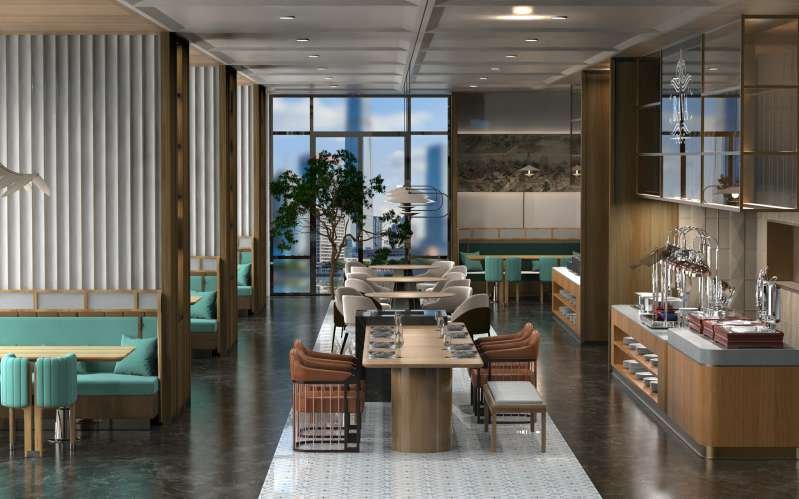
Stainless Steel Food Warmer for Supermarket Deli Departments
Discover the best Stainless Steel Food Warmer for Supermarket Deli Departments solutions. Real case ...
Commercial Chafer Dish with Temperature Control for Food Safety
Discover the best Commercial Chafer Dish with Temperature Control for Food Safety solutions. Real ca...